How to Get Rid of Stink Bugs on Tomatoes in Your Garden
How to Get Rid of Stink Bugs on Tomatoes Without Losing Your Harvest
Knowing how to get rid of stink bugs on tomatoes can save a healthy crop from frustrating damage. These pests often hide among leaves and fruit, leaving tomatoes with pale spots, corky patches, and unpleasant-looking flesh. The problem can seem sudden, especially when your plants have been growing beautifully all season.
The good news is that you can manage stink bugs without relying on harsh chemicals. The key is spotting them early, checking your plants regularly, removing pests when possible, and keeping your plants healthy with good soil for tomato plants. From identifying stink bug damage to protecting developing tomatoes and preventing future infestations, this guide covers practical steps you can use throughout the growing season. With consistent care, healthy soil, and the right approach, you can protect your tomato plants and enjoy a healthier harvest.
Why Stink Bugs Are Attracted to Tomato Plants
Stink bugs are not picky eaters, and that is the heart of the problem. They feed on a huge list of plants, including peppers, okra, squash, tomatillos, beans, corn and many fruit trees. A tomato plant loaded with soft, juicy fruit is like an all you can eat buffet to them. Adult stink bugs use a needle shaped mouthpart called a proboscis to pierce the skin of the fruit and suck out the juices.
They also follow the scent of ripening produce, and many gardeners on any busy houzz forum thread will tell you the bugs seem to arrive the very week the first tomatoes start to blush. Weather plays a part too. Warmer seasons let stink bugs breed faster, and in places like South Florida they can stay active almost all year. Weeds are another draw. Tall grass, pigweed and wild mustard around the edge of a garden give the bugs a place to hide and lay eggs before they move onto your veggies. If your garden sits next to a field, a wood line or an overgrown lot, expect more visitors. Understanding what pulls them in is the first step, because half of the fight is making your garden a less friendly place to stop and eat.
How to Identify Stink Bug Damage on Tomatoes Before It Spreads
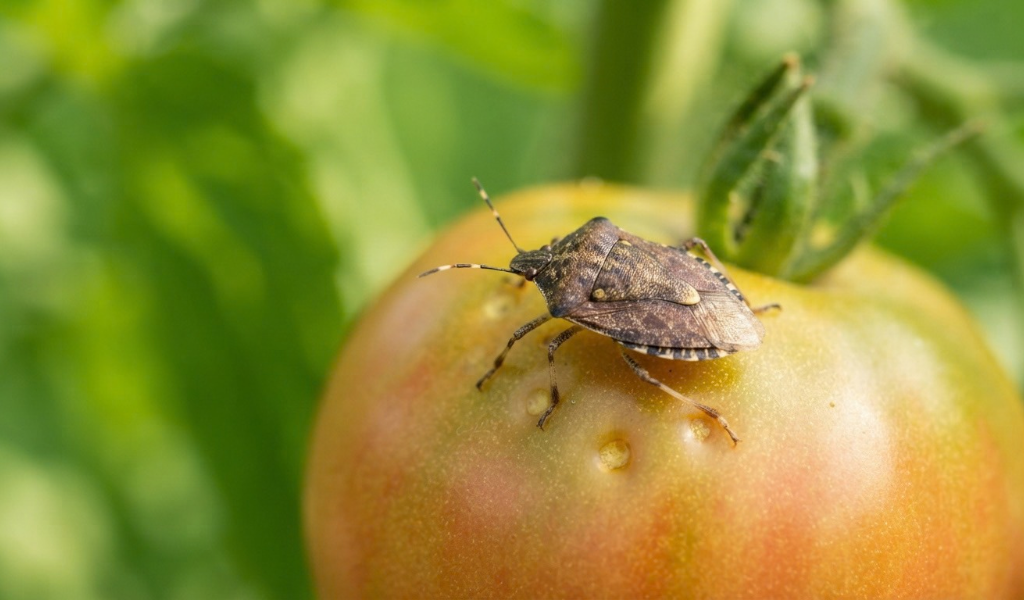
The sooner you know you have a stink bug problem, the easier it is to fix. Most gardeners notice the damage first and the bug second, which means the pests have already been feeding for days. Walk your rows every morning with a cup of coffee and look closely. Stink bugs are shield shaped, about the size of a dime, and usually brown, green or gray depending on the species. They love to sit on the shady side of a fruit or hide under a leaf when the sun gets hot. Check the underside of leaves for bug eggs too. The eggs look like tiny barrels and sit in tight clusters, often twelve or more at a time, and they usually hatch in about a week when the weather is warm. The young ones, called nymphs, look rounder and often have bright orange, red or black markings. They tend to stay in a group near their hatching spot before spreading out. If you catch a cluster of eggs or a group of nymphs, you have a great chance to stop an infestation before it grows.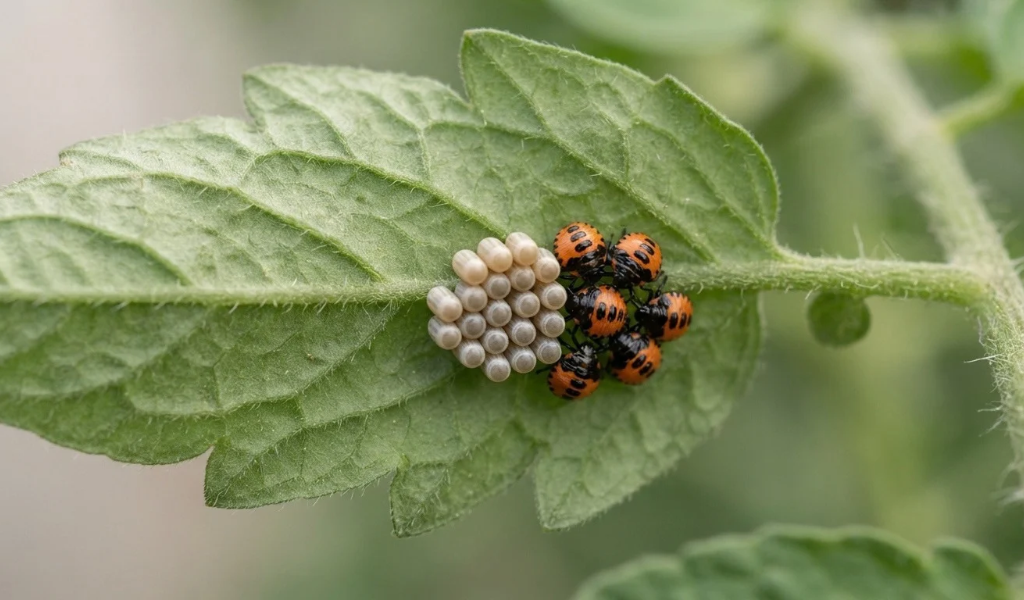
The most common sign is a cloudy spot on the skin of a ripe or ripening tomato. The spot may look pale yellow, white or greenish gray, and the area under it often turns hard and spongy. If you cut the fruit open, you will see white, corky tissue just below the skin where the bug fed. Green tomatoes may show tiny pinprick marks with a dark dot in the center, which is where the proboscis went in. Sometimes the fruit ripens unevenly, with one side deep red and the other side stubbornly yellow. Deformed or catfaced fruit can also come from stink bugs, though poor pollination and cold nights cause similar shapes.
Here is a quick test. If the damage sits just under the skin in small patches and you spot bugs nearby, stink bugs are very likely the cause. Damaged spots can also let fungus and rot creep in, so a tomato that looked only a little scarred on Monday may be a soft mess by Friday. Pick affected fruit early and keep it out of the garden so it does not draw more pests.
Natural Ways to Get Rid of Stink Bugs on Tomatoes
Natural control works best when you start early and stay steady. The idea is not to wipe out every bug overnight but to keep numbers low enough that your harvest stays safe. Think of it as a layered plan. You remove the bugs you can see, make the plants less appealing, bring in helpers and protect the fruit with barriers. Each step alone helps a little, and together they can save an entire crop. Natural methods also keep your garden friendly to bees, spiders and other good insects, which matters more than most people realize. A garden with plenty of life in it tends to bounce back faster when a pest shows up. Another perk is peace of mind. When you can walk out, pick a warm tomato and eat it right there in the row, you want to know exactly what touched it. The methods below are simple, cheap and easy to try even if you have never fought a garden pest before.
Handpicking and the Soapy Water Bucket Method
This is the oldest trick in the book, and it still works beautifully. Grab a bucket of soapy water, about a gallon with a few squirts of dish soap stirred in, and take it with you on your morning walk. Stink bugs are slow and sleepy in the cool early hours, so they are easy to catch. Hold the bucket under the leaf or fruit and tap the bug so it drops in.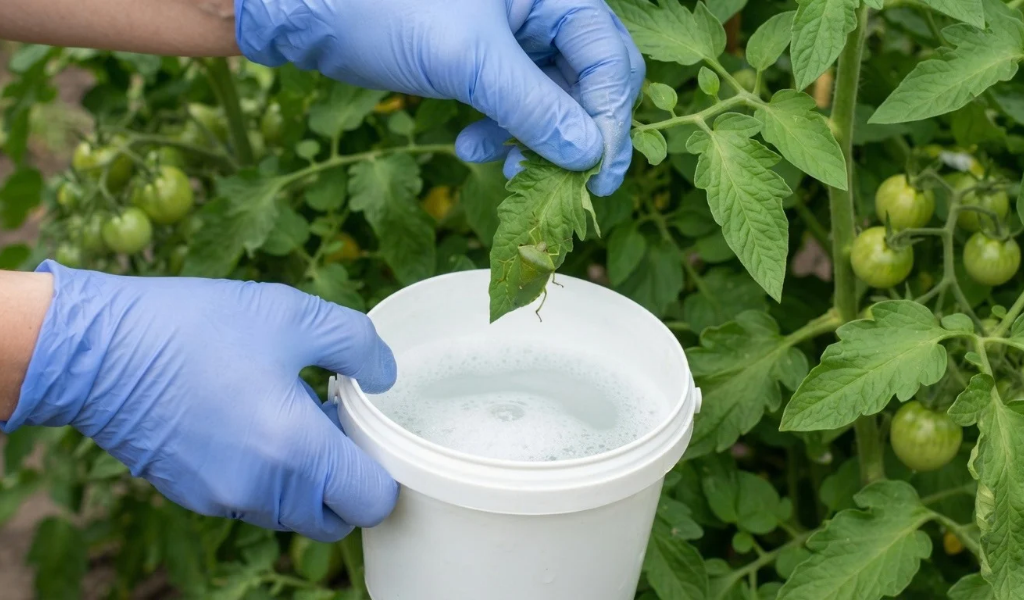 The soap breaks the surface tension of the water, so the bug sinks and drowns instead of floating and crawling out. Wear gloves if you can, because a squeezed stink bug releases a sharp odor that lingers on your hands. Some gardeners prefer a handheld vacuum to suck bugs off the plants, then dump the contents into the soapy bucket. That works well on big clusters of nymphs. Crush egg masses or wipe them off with a damp paper towel and toss it in the trash. Do this every day for a week or two and you will often see a big drop in numbers, which is why this humble method beats a lot of fancy products.
Neem Oil and Insecticidal Soap Sprays
When handpicking is not enough, sprays are the next step. Neem oil is a plant based product that disrupts feeding and growth in young insects, and it works best on nymphs rather than fully grown adults. Mix it as the label says, usually a couple of teaspoons per quart of water with a drop of dish soap so the oil blends in. Insecticidal soap works by breaking down the outer shell of soft bodied insects. Both products only work on contact, so you have to spray directly onto the bug. That means getting under the leaves and around the stems, not just spritzing the top of the plant. Spray in the early morning or late evening. Midday sun can burn leaves when oil is on them, and spraying while bees are busy is a bad idea. Repeat every five to seven days, and always after rain. Be honest with yourself about limits here. Adult stink bugs have a tough shell, so neem and soap will slow them down but rarely wipe them out alone. Use them together with handpicking for the best result.
Best Organic Sprays to Kill Stink Bugs on Tomatoes
If you want stronger options that still fit an organic gardening approach, several sprays can help manage stink bugs on tomato plants.
Kaolin clay is a fine white powder mixed with water and sprayed over the plant. It creates a light coating that makes the leaves and fruit less appealing to insects and can interfere with feeding.
Pyrethrin sprays, made from chrysanthemum flowers, work quickly against many insects. However, they can also harm beneficial insects, including bees, so apply them carefully and preferably around dusk.
Spinosad is another option often used for stubborn pest problems. It can affect beneficial insects, especially when they are active, so always follow the product label and avoid spraying flowering plants when bees are present.
For a simple homemade option, mix 1 tablespoon of vegetable oil, 1 teaspoon of dish soap, and 1 quart of water. Shake well and spray directly on the bugs.
Before using any spray, test it on a few leaves and check for damage after 24 hours. Always follow the label, because organic does not automatically mean harmless.
Best Companion Plants and Trap Crops to Keep Stink Bugs Off Tomatoes
Smart planting can pull stink bugs away from your tomatoes before they ever reach the fruit. A trap crop is a plant the bugs like even more than your main crop, so they gather there and stay away from your prize vines.
Sunflowers, millet, okra and sorghum are popular choices, and stink bugs will often crowd onto them first. Plant the trap crop a few feet away from the tomato bed, ideally along the edge of the garden. Once the bugs settle in, you can hand pick them or spray only that small patch instead of the whole garden.
Marigold is the classic companion plant. Gardeners have used it for years, and the strong scent may help scare pests away, while the flowers also draw in helpful insects. Marigolds also help against soil nematode problems, which is a nice bonus.
Herbs like basil, mint, dill and cilantro can add a scent barrier that confuses pests. Keep in mind that companion plants are helpers, not magic shields. They lower pressure but rarely stop a heavy invasion on their own, so pair them with the other steps in this guide.
Beneficial Insects That Help Control Stink Bugs in Your Tomato Garden
Your garden already has a crew of tiny workers who would love to eat stink bug eggs. A small wasp called the samurai wasp lays its own eggs inside stink bug eggs, and it has become one of the best natural fighters against these pests in many regions. Parasitic flies, spiders, assassin bugs and ground beetles also feed on nymphs and adults. Birds, toads and even the occasional squirrel will snack on them as well. The trick is to keep these helpers around. Broad spectrum sprays wipe out the good bugs along with the bad, and that can make a stink bug problem worse over time. Plant flowers like alyssum, yarrow and dill so beneficial insects have nectar and shelter. A shallow dish of water with a few stones gives them a safe place to drink. Leave a little wild space in the corner of the yard where spiders and beetles can live. Bumble bees deserve special mention because they pollinate tomato flowers by buzzing them, so protecting them protects your harvest. A garden full of life is your best long term defense.
Best Insecticides for Stink Bugs on Tomatoes (When Natural Methods Aren’t Enough)
Sometimes the pressure is just too high, and that is fine. Maybe a huge patch of woods sits next to your yard, or you are growing tomatoes in a warm region where stink bugs never really go away. In that case a stronger insecticide may be the right tool. Products with carbaryl, sold under the brand name Sevin, are widely used by home gardeners and sold at places like Home Depot. Many people ask about using Sevin on tomatoes, and the short answer is yes, it is labeled for use on tomatoes, but you must follow the directions exactly. Pay close attention to how many days you must wait between spraying and picking. Bifenthrin and permethrin products can work well too, but they are tough on bees and beneficial insects.
To protect pollinators, spray late in the evening when flowers are closed and bees are gone. Use a dedicated sprayer and reach the underside of leaves and the stem area where bugs hide. Wear gloves and long sleeves, and keep children and pets away until the spray dries. Save these products for real emergencies, and do not treat them as your first move.
How to Protect Tomatoes from Stink Bugs with Row Covers and Garden Cleanup
Sometimes the easiest fix is to block the bugs from reaching the plants at all. Lightweight row covers made of fine mesh let air and light in while keeping stink bugs out. Drape them over hoops or cages soon after transplanting, and seal the edges with soil or clips so nothing sneaks in. There is one catch, because tomato flowers need pollinators in some cases. If you use covers, lift them during the flowering stage or hand pollinate by gently shaking the plants each morning. Cleanup matters just as much as covers. Stink bugs overwinter in leaf litter, old boards, stacks of pots and messy garden corners. At the end of the season, pull old plants, rake up debris and clear out weeds that give the bugs somewhere to hide. Keep grass mowed around the beds and remove fallen fruit right away.
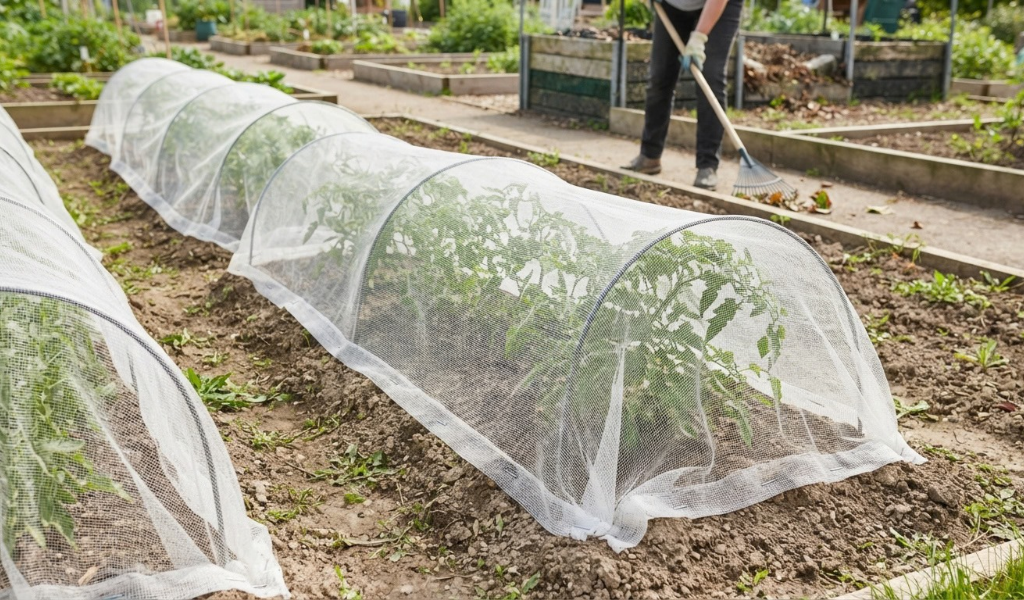 If you grow in grow bags, they are easy to move and inspect, and they keep the bugs from hiding in the soil around the plants. A tidy garden gives pests fewer places to live and fewer reasons to stay.
Common Mistakes That Make Stink Bug Problems on Tomatoes Worse
Even careful gardeners slip up, and most of these slip ups are easy to fix. The biggest one is waiting too long. By the time you see damaged fruit, the bugs have often been feeding for a week or more, so start checking as soon as the first flowers set. Another mistake is spraying the wrong part of the plant. Contact sprays only work if they hit the bug, and many people just coat the tops of the leaves and wonder why nothing changes. Some gardeners reach for strong chemicals too quickly, which kills the spiders and wasps that were quietly helping. Others leave rotten or fallen tomatoes on the ground, which acts like a dinner bell for every bug in the neighborhood. Ignoring weeds is another common trap. Weedy patches next to the garden make a perfect nursery for eggs and nymphs. Crushing bugs by hand without gloves might feel satisfying, but the odor is nasty and it sticks around.
Finally, do not rely on a single method. Stink bugs are tough, and the gardeners who win are the ones who mix handpicking, sprays, traps and cleanup into one steady routine.
Protecting Your Tomato Plants From Future Stink Bug Damage
Once you get through this season, you will want to make next year easier. Start with the soil, since strong plants handle stress better. Good soil for tomato plants is loose, rich in compost and well drained, and it gives roots the food and air they need to grow sturdy stems and healthy fruit. Rotate your crops so tomatoes do not sit in the same spot every year, and plant different varieties so you can see which ones handle pests best. Early varieties often ripen before stink bug numbers peak, which can save you a lot of trouble. Add a few trap crops and marigolds along the edges before the season begins rather than after the bugs arrive. Save seed only from healthy plants, and start seedlings indoors so they are strong when you move them outside.
Keep a simple garden notebook with dates of the first bug sighting and what worked. After a year or two you will know exactly when to expect trouble and how to meet it. Prevention is a lot less work than rescue, and it makes gardening more fun.
Final Thoughts
Knowing how to get rid of stink bugs on tomatoes comes down to a few steady habits. Check your plants daily, learn to spot eggs, nymphs and cloudy spots, and remove bugs by hand with a bucket of soapy water. Add neem oil, insecticidal soap and organic sprays when numbers climb, and use trap crops, marigold and beneficial insects to give your garden extra backup. Row covers and a clean garden cut down on hiding spots, and stronger insecticides like Sevin are there if you truly need them. Most of all, do not give up. Every gardener has lost a few tomatoes to these pests, and the ones with the best harvests are simply the ones who keep watching and adjusting. Pick one or two of these steps and try them this week. Then come back and tell fellow gardeners what worked, whether in a comment, a local group or a houzz forum thread, because your experience might save someone else’s tomatoes.
Frequently Asked Questions
What immediately kills stink bugs?
Soapy water is the fastest home method. Knock the bug into a bucket of water with dish soap and it sinks and drowns within moments. A direct spray of insecticidal soap or a pyrethrin product also works quickly on nymphs, though adults are tougher.
Can you eat a tomato with stink bug damage?
Yes, in most cases you can. Stink bugs do not make the fruit poisonous. Cut away the pale, hard or spongy areas and wash the rest well. If the fruit smells sour, feels mushy or shows mold, throw it out.
What can I spray on my tomatoes to kill stink bugs?
Neem oil, insecticidal soap, kaolin clay and a homemade vegetable oil and soap mix are the best gentle options. For heavy infestations, carbaryl products like Sevin can be used on tomatoes if you follow the label. Spray directly on the bugs and always check the waiting time before harvest.
Does Dawn dish soap kill stink bugs?
Dawn mixed with water does kill stink bugs when it makes direct contact. It is most useful in a bucket for drowning bugs you pick by hand. Sprayed on plants, strong mixes can burn leaves, so keep it weak and test a small patch first.
Do marigolds keep stink bugs away from tomatoes?
Marigolds may help by adding scent and drawing in helpful insects, but they will not stop stink bugs alone. Think of them as one layer in a bigger plan that includes handpicking, trap crops and clean garden habits.
Is Sevin safe to use on tomato plants?
Sevin is labeled for tomatoes, so it can be used safely when you follow the directions. Apply it in the evening to protect bees and observe the required days between spraying and picking. Wash fruit before eating, and choose gentler options first whenever you can.