Trench Planting Tomatoes: Using the Trench Method in Your Garden
Trench Planting Tomatoes: Tips for Healthy Plants and Better Harvests
Trench Planting Tomatoes is a practical technique that can help gardeners develop stronger plants and support better harvests. Instead of planting a tomato seedling upright, the plant is placed on its side in a shallow trench, leaving the top growth above the soil. The buried stem can develop additional roots, creating a larger root system that improves the plant’s ability to absorb water and nutrients.
When using Trench Planting Tomatoes, choose a healthy seedling with a flexible stem and prepare loose, well-draining soil in a sunny location. This method works particularly well for tall or leggy seedlings because the extra buried stem can produce new roots along its length. A strong root system can also help plants make better use of fertilizer and maintain steady growth throughout the season.
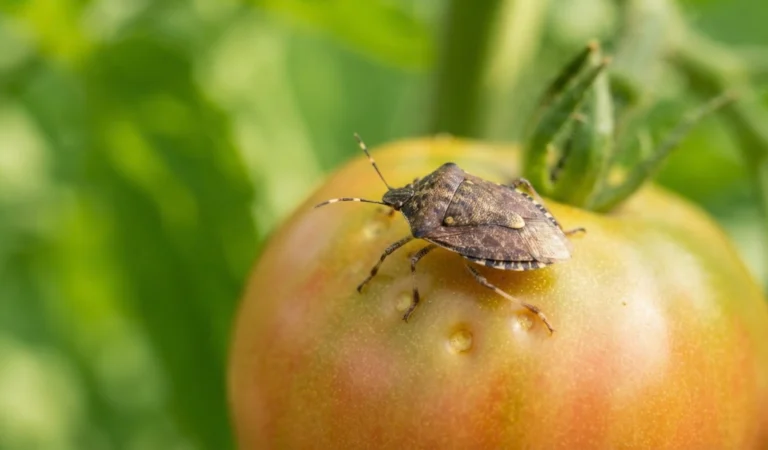
Good airflow and regular plant inspection are still important after planting. If pests become a problem, knowing How to Get Rid of Whiteflies on Tomatoes can help protect foliage and prevent plant stress. Regularly checking the undersides of leaves and addressing infestations early can keep plants healthier.
Overall, Trench Planting Tomatoes offers a simple way to encourage stronger root development while giving tomato plants a solid foundation for healthy growth and productive fruiting.
Trench Planting Tomatoes: What It Is and Why It Works
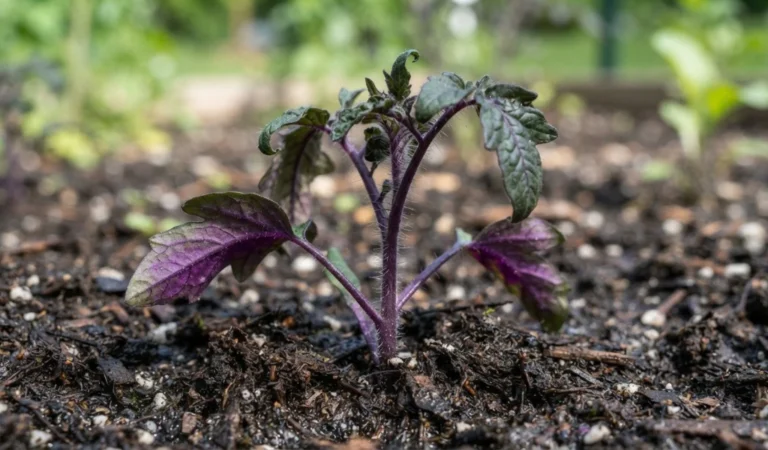
Trench planting tomatoes means burying most of the stem sideways in a shallow trench instead of dropping the whole plant into a deep hole. Only the top few inches of the tomato plant stick out of the soil. Over the next few weeks the buried stem sprouts fine roots along its length. Tomatoes are unusual because the stem can turn into root tissue when it is covered with dirt. Those tiny hairs on the stem are root starts waiting for their chance.
This is why gardeners love the trench method for seedlings that grew tall and leggy on a windowsill. Instead of fighting the length, you use it. A seedling that is 12 inches tall can have nine of those inches buried, and every inch underground becomes extra root. Think of it as turning a weakness into a strength. Once you plant tomatoes using the trench, you may never go back to the old way.
Why Trench Planting Tomatoes Gives You Stronger Roots and Bigger Harvests
 A larger root system is the secret behind everything good in a tomato plant. Roots pull in water and nutrients, and they hold the plant steady when summer storms hit. When you plant tomatoes in a trench, the plant builds a wide network close to the surface where the soil is warmer and full of life. That network feeds the leaves, and the leaves feed the fruit. A gardener I know in Ohio switched to trench planting tomatoes two summers ago and says she now picks nearly twice as many fruits from each plant. Her secret was nothing fancy. She simply gave the plants more roots to work with.
How Tomato Stems Turn Into Extra Roots
Look closely at a tomato stem and you will see fuzzy hairs. Each hair can become a root when it touches moist soil. Botanists call these adventitious roots, but you can think of them as bonus roots. When you bury the stem, the plant senses the dark and damp and starts growing roots at every hair. You can expect to see real growth in about one to two weeks.
Meanwhile the top of the plant slowly bends upward toward the sun, so the stem forms a gentle elbow shape on its own. That bend is normal and healthy. Over time the buried section becomes a thick underground anchor. The plant will grow taller and stronger above ground because of it.
When to Start Trench Planting Tomatoes in Your Garden
Timing matters more than most people think. Tomatoes love heat, so wait until the danger of frost has passed. In most places that means about two weeks after your last frost date. The soil should be at least 60 degrees Fahrenheit. Cold soil stalls roots and can even cause a buried stem to rot. If you are not sure, push a cheap thermometer about four inches into the ground in the morning.
Here is the good part about trench planting. Because the trench is shallow, the roots sit in the warmest layer of the soil. That lets you plant a little earlier than you could with a deep hole, as long as nights stay above 50 degrees. Gardeners in cool climates often plant in late May, while folks in warm areas can go in April. Harden off your seedlings for a week before planting so they are not shocked by sun and wind. Plant on a cloudy afternoon if you can. The plants get a gentle start and recover faster.
Best Tomato Varieties for Trench Planting
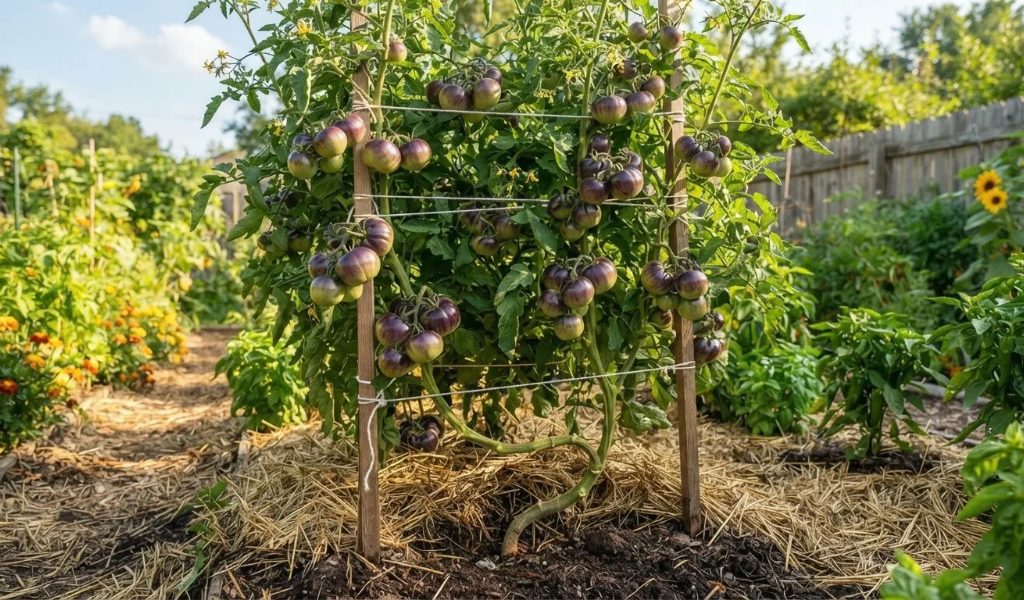
Almost any tomato works with the trench method, but some benefit more than others. Indeterminate types are the stars. These vines keep growing all season and love building extra roots. Cherokee Purple, Brandywine, Sungold, and Better Boy are good examples. They can reach six feet or more, so a strong root system helps them carry heavy fruit.
Determinate varieties like Roma and Celebrity also respond well. They grow to a set size and then stop, so the trench mostly gives them stability and better water access. Dwarf and patio types can be trenched too, though you will have less stem to work with.
My friend Marcus planted Sungold in a trench last year and picked cherry tomatoes well into November. His plants outlasted every other tomato on the block. If you buy tomato starts from a nursery, choose ones with a thick stem and dark green leaves. A slightly tall plant is fine, since extra length just means more root in the making.
How to Prepare the Perfect Trench for Planting Tomatoes
A good trench starts with good soil. Pick a spot that gets at least six to eight hours of direct sun. Clear any weed growth and loosen the ground with a garden fork. Tomatoes like loose, rich dirt that drains well but still holds some moisture.
Mix a few shovels of compost into the planting area. Add a small handful of balanced tomato fertilizer and keep it away from where the stem will lie so it does not burn new roots. Crushed eggshells or bone meal can add a little calcium.
Now dig the trench about 4 to 6 inches deep and long enough to hold the stem horizontally. For a 12 inch seedling a trench about 8 to 10 inches long works well. Make it slightly deeper at the root ball end. Space your trenches 24 to 36 inches apart so each plant has room to breathe. Point the trench so the top of the plant faces the sun, which is usually south. Water the trench lightly before planting so the soil is damp but not soggy.
Step-by-Step Guide to Trench Planting Tomatoes
The whole process takes about five minutes per plant once you have done it a couple of times. Here is how to plant tomatoes using the trench method from start to finish.
Preparing the Seedling Before You Plant
Start by removing the lower leaves. Pinch or snip them off and leave only the top set or two. Any leaf buried underground will rot, so removing the lower leaves protects the plant. Use clean scissors and work gently. Leave the stem itself untouched, because the hairs on it will become new root growth.
Water the seedling in its pot an hour before you plant so the root ball holds together. If the plant is very tall, bend it slowly instead of forcing it. A stem that snaps cannot be fixed, but a slow curve is fine. Leggy tomato seedlings actually do best here because the extra length gives you more buried stem.
 Laying the Plant in the Trench
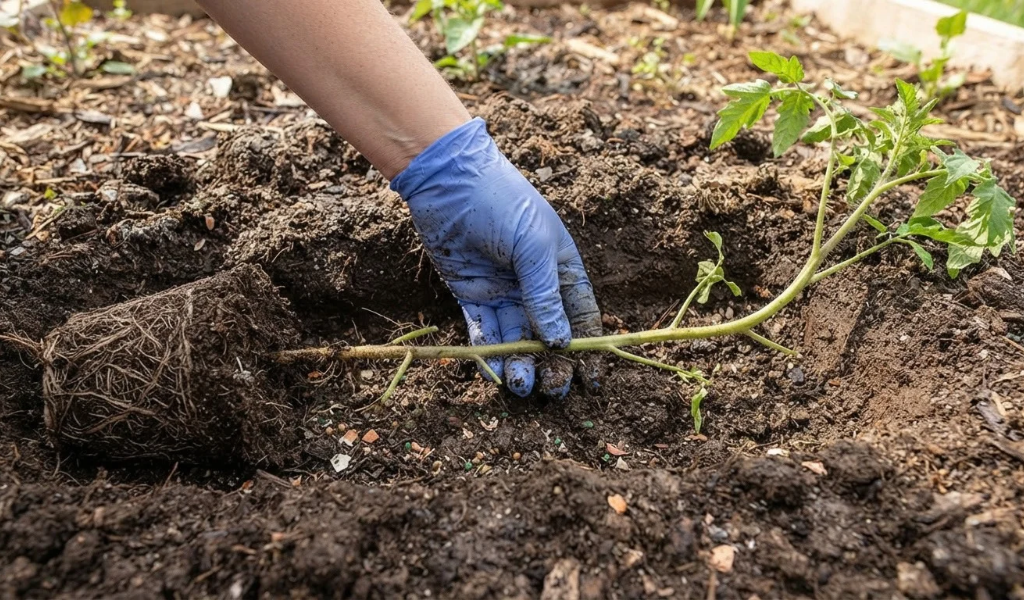
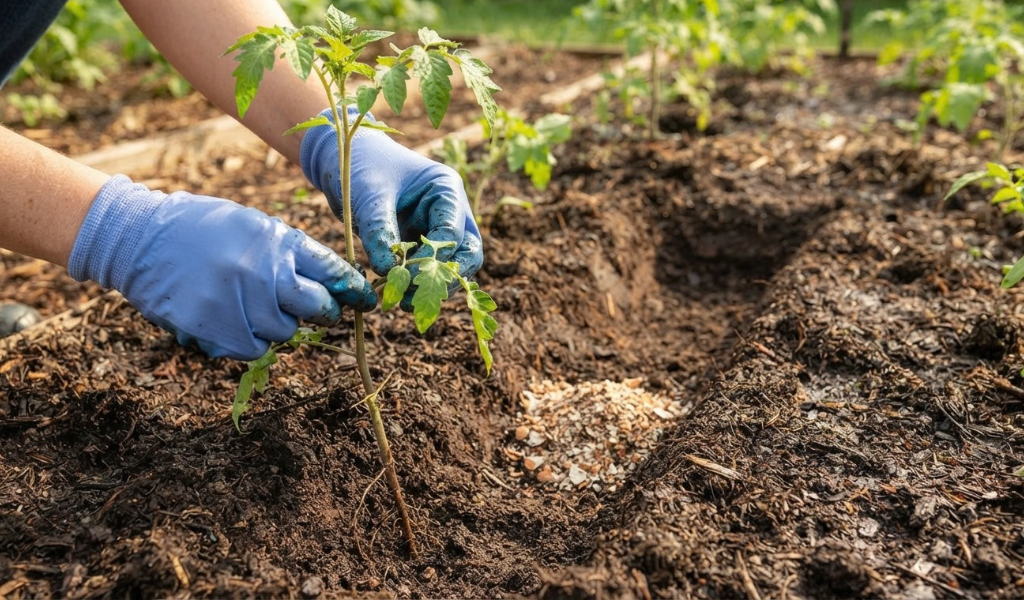
Slide the seedling out of its pot and lay the root ball at the deep end of the trench. Rest the stem along the bottom, then let the top of the plant curve upward at the far end. About three or four inches of the top should stay above ground.
Fill the trench with soil and press gently as you go. The stem should be fully covered with no air pockets left behind. Do not pack the dirt too hard or the new roots will struggle. Water well right after planting and let it soak in slowly.
If wind is a problem, add a small stake or tomato cages now, before roots spread, so you do not damage them later. In about a week the tip of the plant will stand upright on its own. That is your sign the plant has settled in.
Trench Planting Tomatoes vs. Deep Planting: Which Method Is Better?
Deep planting means digging a tall hole and standing the tomato upright with only the top leaves showing. It also buries the stem, so it does produce extra roots. The catch is where those roots end up. In a deep hole the roots grow 8 or 10 inches down into cooler soil. Cool soil slows growth, and heavy clay at that depth can hold too much water.
The trench method places the roots about 4 to 6 inches below the surface where the soil is warmer. Warm soil wakes roots up faster and helps the plant get moving. Trenching is also easier for very tall seedlings, since you do not need a hole as deep as your arm.
Deep planting can still work well in sandy soil or hot, dry climates where the surface dries out quickly. In those places deeper roots reach steady moisture. My rule of thumb is simple. Use the trench in cooler or heavy soil and use a deep hole in loose, dry ground. Either one beats planting a leggy seedling at its original soil line.
Common Mistakes to Avoid When Trench Planting Tomatoes
Even a simple technique has a few traps. The first is burying leaves. Leaves under the soil rot and can invite disease, so always strip them off. The second is planting too early. Cold soil is the top reason buried stems fail. The third is a trench that is too deep. Go past 6 inches and you lose the warm soil advantage.
Another common slip is bending the stem too sharply. Curve it gently and let the plant do the rest. Some people forget to water after planting, which leaves the new roots dry. Others use strong fertilizer near the stem and burn the roots. Crowding is another problem. Plants placed too close compete for light and catch more disease. Finally, skipping support leads to floppy plants after the first storm, so add a stake or cage at planting time.
One gardener I spoke with lost three plants because she used a big shovel and snapped the stems while filling the trench. Fill slowly and use your hands.
How to Care for Trench-Planted Tomatoes: Watering, Feeding, and Support
Deep, slow watering is best. Give each plant about an inch of water a week and a bit more in hot spells. Water at the base and avoid splashing the leaves. A layer of mulch such as straw or shredded leaves keeps the soil cool and holds back weeds. Because the roots sit close to the surface in a trench, mulch matters even more than usual.
Wait about two weeks after planting before you feed. Then use a balanced fertilizer to build healthy growth. Once flowers appear, switch to one lower in nitrogen and higher in phosphorus and potassium. Too much nitrogen gives you big leaves and few fruit. A side dressing of compost every few weeks also works nicely.
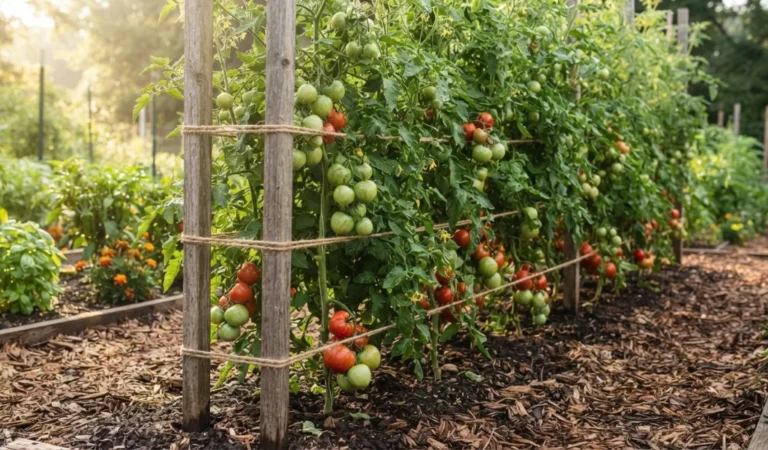
Trench-planted tomatoes still need help standing tall. Use stakes, cages, or a trellis and tie the main stem loosely with soft cloth strips. Prune suckers on indeterminate types if you want bigger fruit. Watch for yellow leaves, which often mean too much or too little water. With steady care your plants will reward you with a long and heavy crop.
Trench Planting Tomatoes in Containers, Raised Beds, and Small Spaces
You do not need a big garden to try this. Trench planting tomatoes works in pots too, as long as the container is large enough. Choose a pot at least 18 inches wide and 12 inches deep.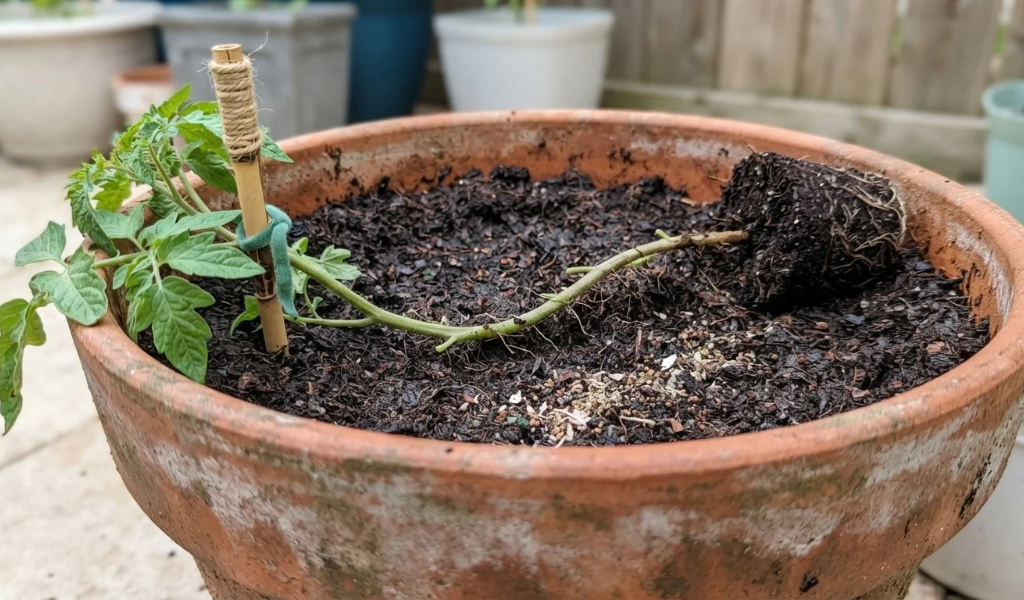 Fill it with quality potting mix and leave a few inches at the top. Lay the stem sideways across the pot close to the surface and cover it with mix. The top of the plant should point up along one edge.
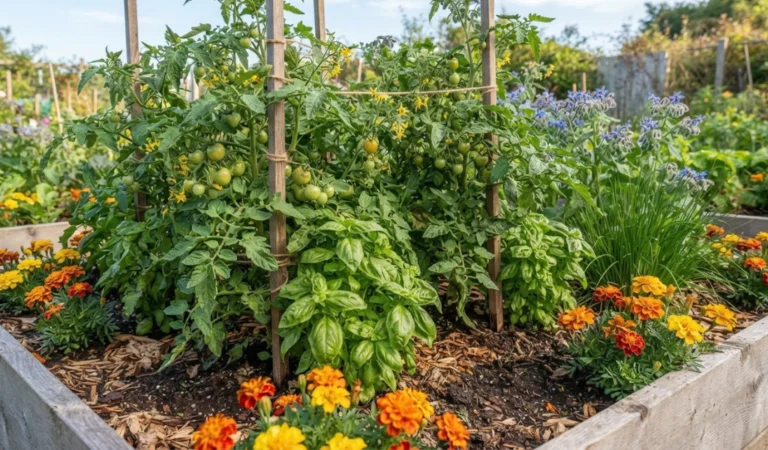
Raised beds are a great fit because the soil is loose and warms quickly. Dig the trench the same way but keep it shallow if your bed is only 10 or 12 inches deep. For small spaces plant one tomato per large pot and use a tall cage. A balcony gardener I know grew three trenched cherry tomatoes in buckets and harvested until first frost. Water containers more often since they dry out fast, sometimes daily in summer.
Final Thoughts
Trench planting tomatoes is cheap and easy, and it rewards you with stronger plants and better harvests. You turn a leggy seedling into a sturdy plant by burying its stem sideways and letting new roots form. Remember the basics. Plant after frost, strip the lower leaves, dig a shallow trench, and water well. Give your plants steady support and feed and they will pay you back all summer.
This season try it on a few plants and compare them with one planted the regular way. You will likely see a difference within a month. Grab your shovel and give the trench method a go. Then share your results with other gardeners.
Frequently Asked Questions
Why put an egg in the hole when planting tomatoes?
It is an old garden tip. As the egg breaks down it adds calcium, which some gardeners believe helps prevent blossom end rot. The proof is thin, though. Steady watering and calcium-rich compost do the job better, and crushed eggshells work if you like the idea.
Why sprinkle baking soda around tomato plants?
Some gardeners say it lowers soil acidity and makes fruit taste sweeter. Science does not back this up well. Too much baking soda can harm soil and roots. A soil test is a safer way to fix acidity problems.
What month is the best month to plant tomatoes?
It depends on your climate. In most cooler regions the best time is late spring, about two weeks after the last frost. That is often May or early June. In warm or tropical areas the cooler dry season usually works best. Wait until soil hits about 60 degrees either way.
What are 9 common mistakes to avoid when growing tomatoes?
Planting too early, giving too little sun, watering unevenly, crowding plants, and using too much nitrogen top the list. Others are skipping support, burying leaves, ignoring pests and disease, and starting with poor soil. Fix these nine and your harvest will improve fast.
How do you plant tomatoes using the trench method?
Strip the lower leaves and dig a shallow trench about 4 to 6 inches deep. Lay the seedling on its side with the root ball at one end. Cover the stem with soil and leave the top few inches above ground. Water well and add support.
Why should you plant tomatoes sideways?
Planting sideways puts the buried stem in the warm top layer of soil where roots grow fastest. It creates a larger root system and a sturdier plant. It also works well for tall or leggy seedlings that would otherwise fall over.
Why try trench planting tomatoes in pots?
Pots limit space, so a tall seedling can be hard to fit. Laying the stem sideways lets it grow roots along the pot instead of wasting height. You get a stronger plant and better water uptake in a small container.