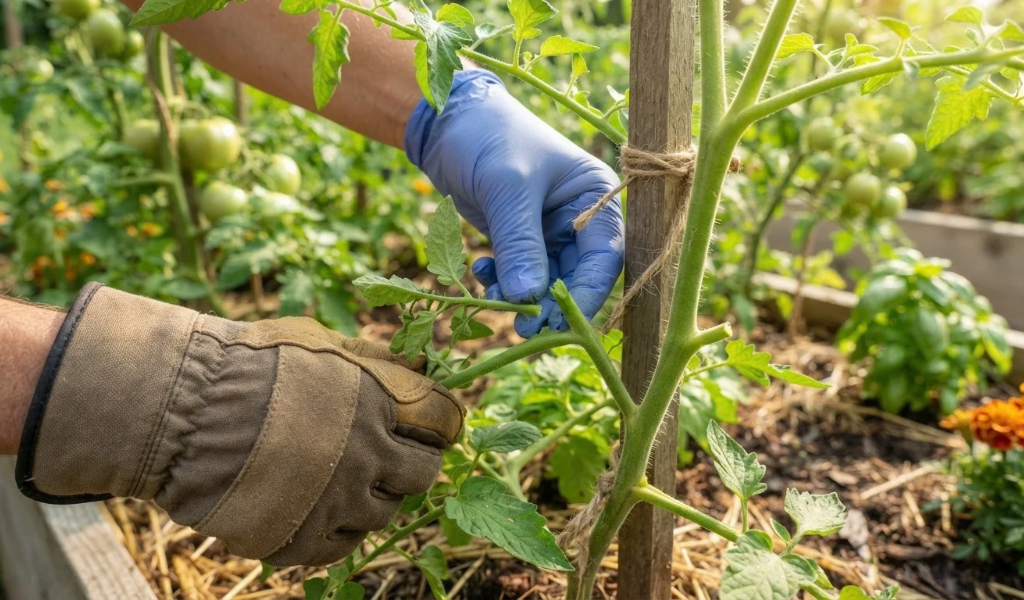
How to Prune Tomato Suckers: A Simple Guide for Healthier, Productive Plants
How to Prune Tomato Suckers: Easy Steps for Beginners
If you want healthier tomato plants and a better harvest, learning How to Prune Tomato Suckers can make a noticeable difference. Many gardeners water on time and feed their plants well but still end up with a tangled mess of leaves and very few ripe fruits. The problem is often too much growth in the wrong places. Proper pruning works best when paired with the best organic fertilizer for tomato plants, such as compost, worm castings, or a balanced fish and kelp blend. Together, these practices help the plant direct more energy toward flowers and fruit instead of unnecessary stems.
This simple guide explains what tomato suckers are, when to remove them, which tools to use, and which common mistakes to avoid. Knowing How to Prune Tomato Suckers can help improve airflow, keep plants easier to manage, and reduce overcrowding around developing fruit. Whether you grow two tomato plants in pots or twenty in a raised bed, understanding where and when to remove unwanted growth will make pruning much less intimidating. With a little practice and the right approach, you can keep your tomato plants healthier, more organized, and better prepared for a productive growing season.
What Are Tomato Suckers and Why Do They Grow?
A tomato sucker is a small shoot that grows in the joint between the main stem and a leaf branch. Gardeners call this joint the axil. If left alone, the sucker grows into a full stem with its own leaves, flowers, and even more suckers. This happens because tomato plants are naturally bushy and want to spread wide. In the wild, that habit helps the plant cover more ground and produce more seeds.
In a home garden the goal is different. You want large, tasty fruit and a plant that stays easy to manage. Every extra stem pulls water and nutrients away from the tomatoes that are already forming. Understanding what suckers are and why they appear is the first step before you learn how to prune tomato suckers with good results.
Suckers grow faster in warm weather and in rich soil. A plant fed with the best organic fertilizer for tomato plants may push out even more of them because it has plenty of nutrients to spare. That is not a bad sign. It simply means the plant needs a little guidance from the gardener.
Tools You Need Before You Prune Tomato Suckers
You do not need fancy equipment. A few simple items are enough to prune tomato plants safely and quickly.
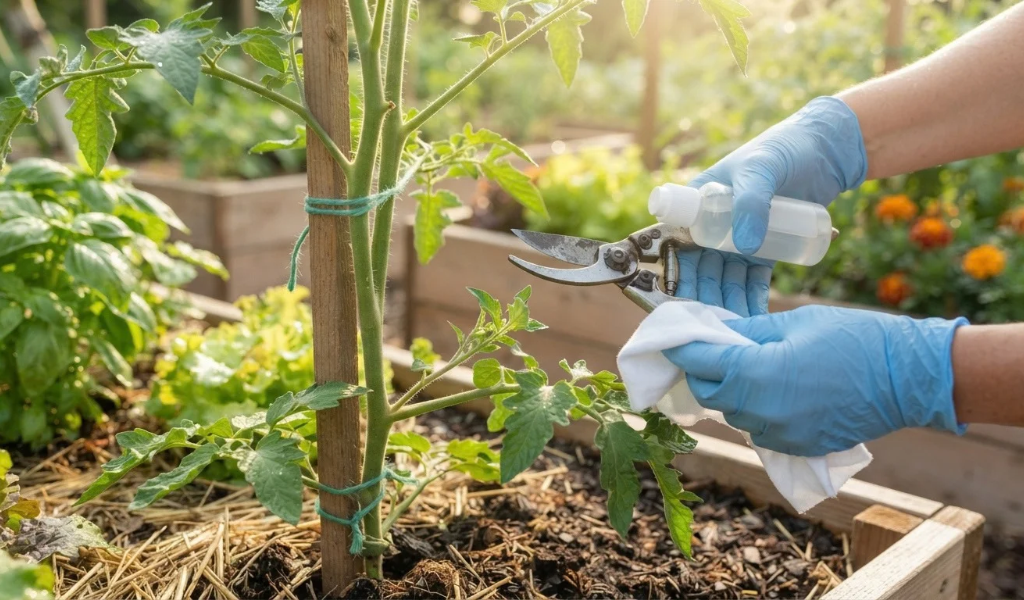
Clean fingers work well for small suckers. For thicker ones, use sharp bypass pruning shears or garden snips. Bypass blades cut like scissors and leave a smooth wound that heals fast. Anvil style pruners tend to crush stems, so they are a poor choice for this job.
Keep a small bottle of rubbing alcohol and a clean cloth nearby. Wipe the blades before you start and again between plants. This simple habit stops diseases such as early blight, bacterial spot, and tomato mosaic virus from moving from one plant to the next. Thin gloves are also handy because tomato leaves leave a sticky green residue that stains skin and smells strong.
Bring a bucket or bag for the cuttings. Clean trimmings can go into the compost pile, but sick leaves should go in the trash. Finally, have soft plant ties and a sturdy stake or trellis ready. A pruned plant grows tall and heavy, so it needs solid support. Having every tool in place before you prune tomato suckers makes the whole job faster and far less stressful for the plant.
How to Identify Tomato Suckers on Your Plant
Many beginners confuse suckers with flower clusters or regular leaf branches. A quick check removes the doubt. Find the place where a leaf branch meets the main stem. If a small shoot is growing in the V shaped angle between them, that shoot is a sucker.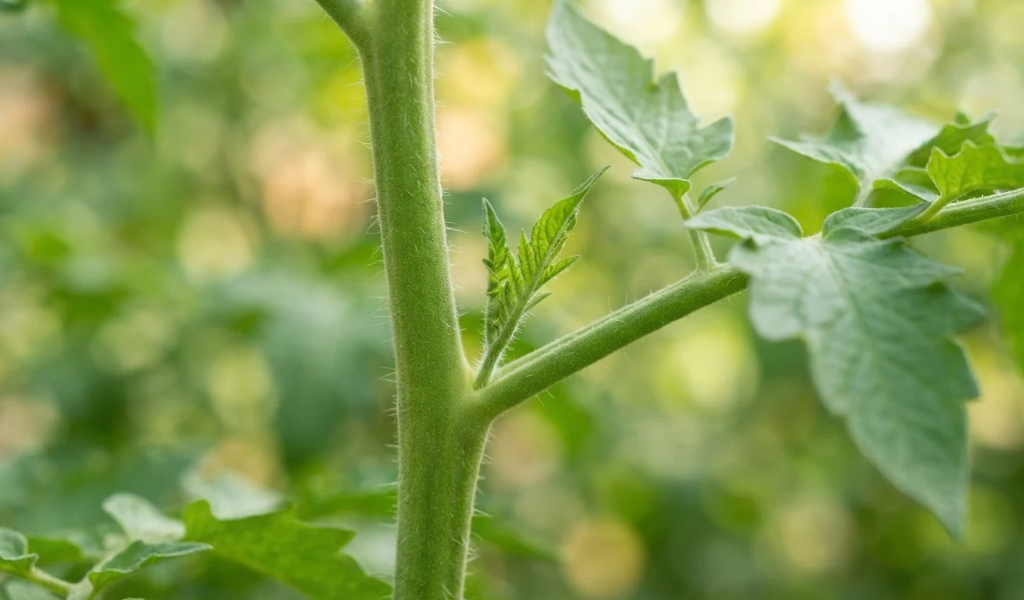
Suckers look like tiny tomato stems. They carry small leaves at the tip and usually grow upward at a forty five degree angle. Flower clusters look different. They grow along the stem between leaves and carry small yellow buds instead of a leafy shoot. Leaf branches grow straight from the main stem and are much larger than any young sucker.
Size is another clue. A young sucker may be only an inch long and very soft. An older one can grow as thick as a pencil and may already show its own flower buds. The smaller the sucker, the easier it is to remove.
Work from the bottom of the plant to the top. The lowest suckers, especially those below the first flower cluster, cause the most trouble because they hold moisture close to the soil and invite fungus. Spotting these early gives you a clear picture of where to start when you prune.
When Is the Best Time to Prune Tomato Suckers?
The best time to remove a sucker is while it is small, usually two to four inches long. At that size a gentle pinch takes it off, and the plant barely notices. Begin about two to three weeks after transplanting, once the seedling has settled in and started producing new leaves.
The time of day matters too. Prune in the morning on a dry, sunny day. The plant is full of water at that hour, and the wound has all day to dry and seal. Wet leaves invite fungus, so avoid pruning right after rain or in the evening when dew forms.
Check your plants once a week during the growing season. In midsummer a sucker can grow an inch in a single day. If you skip a week or two, you may find thick shoots that need pruners instead of fingers. Stop removing suckers about four weeks before the expected first frost. At that point the plant should focus on ripening the fruit it already holds. Good timing is a major part of how to prune tomato suckers without stressing the plant.
Should You Prune Tomato Suckers? The Pros and Cons
Gardeners have argued about this question for years, and both sides have good points. Knowing the pros and cons helps you decide what fits your garden.
The main benefit is better airflow. Fewer stems mean leaves dry faster after rain, and that lowers the risk of blight and leaf spot. Pruning also makes the plant easier to tie, stake, and inspect. Fruit often grows larger because the plant has fewer stems to feed. Ripening can also come a little earlier since sunlight reaches the fruit more easily.
There are downsides as well. A heavily pruned plant may produce fewer tomatoes in total, because fewer stems mean fewer flower clusters. Removing too much foliage can leave fruit exposed to sunscald in hot climates. Pruning also takes time each week, and every cut is a small wound that can let disease in if tools are dirty.
The best approach is often a middle path. Remove suckers below the first flower cluster and keep a few above it if you want more fruit. Asking whether you should prune tomato suckers has no single answer. Your climate, your plant type, and your goals all shape the right choice.
Determinate vs. Indeterminate Tomatoes: Which Plants Need Sucker Pruning?
Before you cut anything, learn which type of tomato you are growing. The seed packet or plant tag usually tells you.
Indeterminate tomatoes keep growing and producing fruit until frost ends the season. Popular examples include Brandywine, Cherokee Purple, Sun Gold, and Better Boy. These plants can reach six feet or more, so they benefit the most from sucker pruning. Removing extra stems keeps them tidy and helps them stay productive through summer and fall.
Determinate tomatoes grow to a set size, flower all at once, and then finish their crop in a few weeks. Roma, Celebrity, and Rutgers are common examples. These bushy plants set fruit on the tips of their branches. If you remove too many suckers, you also remove future fruit. Most growers only take off the suckers below the first flower cluster and leave the rest alone.
Some varieties fall in between and are called semi-determinate. Treat them like determinate plants with light pruning. Knowing the plant type is essential before you learn how to prune tomato suckers on your own plants, because the same cut can help one variety and harm another.
Step-by-Step: How to Prune Tomato Suckers the Right Way
The process is simple once you know the basics. Start with dry hands and clean tools. Walk down the row and inspect each plant from the base upward. Look for every shoot growing in the axil between the main stem and a leaf branch. Decide which ones to keep and which ones to remove based on your plant type. Then use the method that fits the size of each sucker. These steps show exactly how to prune tomato suckers whether they are young and soft or old and woody.
Pinching Small Suckers by Hand
Pinching is the easiest and gentlest method. It works best on suckers under three inches long. Hold the sucker between your thumb and forefinger. Bend it sideways until it snaps cleanly at the base.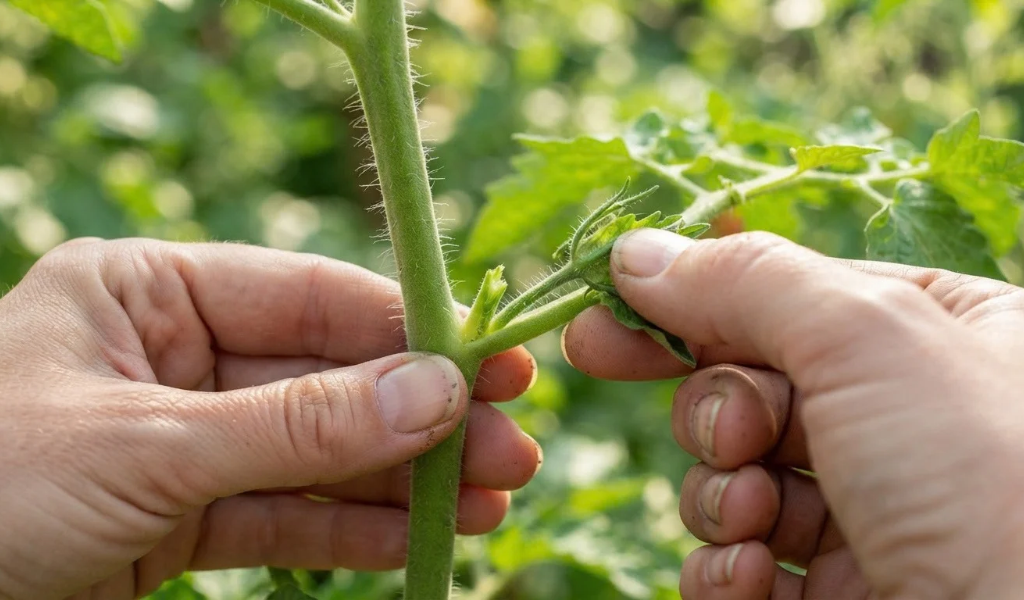 You can also pinch it off with a quick pull down and away from the stem.
The wound from a pinched sucker is tiny and heals in a day or two. Do this in the morning so the spot dries quickly. Leave a very short stub if it helps you grip the shoot, but avoid tearing the main stem.
Wash or wipe your fingers if you touch a plant that shows signs of disease. Tomato sap can carry spores from one plant to the next. Weekly pinching keeps growth under control and saves you from harder work later. Many gardeners find that a few minutes of pinching each weekend is all their plants need.
Cutting Larger Suckers with Pruners
Suckers left alone for a couple of weeks become thick and tough. Pinching them can tear the main stem, so use sharp pruning shears instead. Wipe the blades with rubbing alcohol before you start.
Place the blade just outside the base of the sucker. Cut at a slight angle so water runs off the wound. Leave a small stub about a quarter inch long so the cut does not touch the main stem.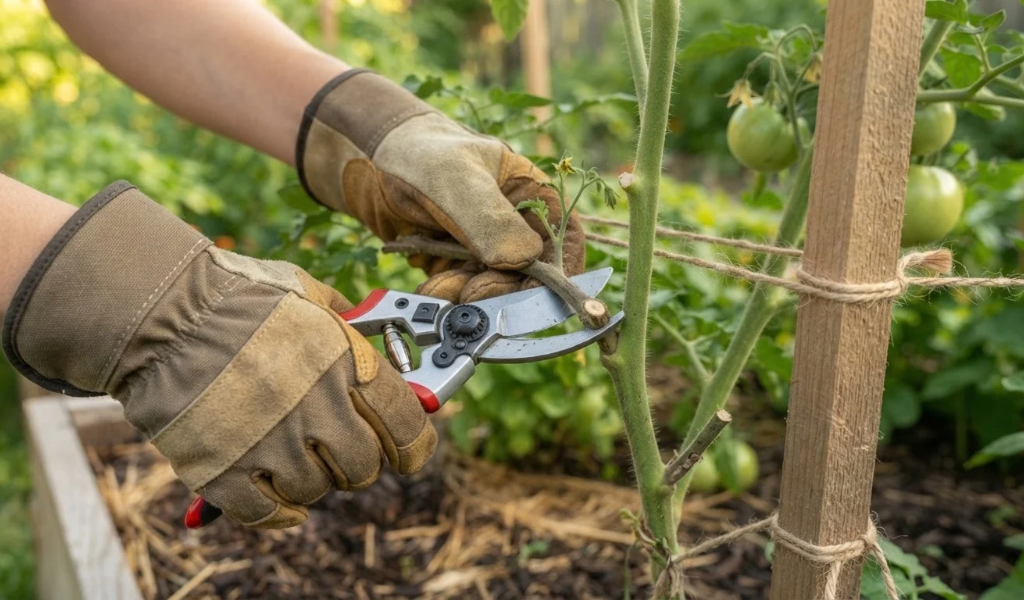 Drop the trimmings into your bucket right away.
If a sucker is very large and already carries flowers, think before you cut. Removing it may cost you fruit. In that case, tie it to the support and let it grow as a second main stem. This approach works well for indeterminate plants that have plenty of room. Only remove the big shoots that crowd the center of the plant or block sunlight from lower leaves.
How Pruning Tomato Suckers Helps Plant Growth and Airflow
A tomato plant has a limited supply of water and nutrients. Every leaf and stem uses part of that supply. When suckers multiply, the plant spreads its resources thin and has less left for fruit. Careful pruning sends more energy to the main stem and the tomatoes already growing on it.
Airflow is the second major benefit. A dense plant traps humid air between its leaves. Damp foliage is the perfect place for fungal diseases such as early blight, septoria leaf spot, and late blight. When you open the plant with light pruning, wind moves through the leaves and dries them quickly. Sunlight also reaches the lower fruit, which helps ripening and color.
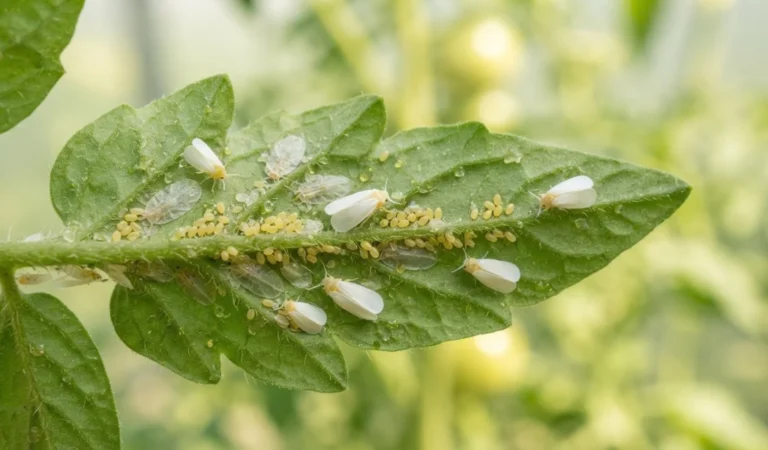
Pest control becomes easier as well. Aphids, hornworms, and whiteflies are simple to spot on a clean, open plant. A crowded plant hides them for weeks. Gardeners who inspect their plants weekly during pruning often catch trouble before it spreads.
Healthy growth also depends on the soil. Feed your plants with the best organic fertilizer for tomato plants every few weeks, and pair that feeding routine with steady watering. Good pruning and good feeding support each other and lead to sturdier stems, healthier leaves, and heavier harvests.
Common Mistakes to Avoid When You Prune Tomato Suckers
Even experienced gardeners make errors. Knowing the most common ones can save your crop.
The first mistake is removing too much at once. Taking off more than a third of the foliage shocks the plant and can lead to sunscald on the fruit. Spread the work over several weeks instead of doing it all in one afternoon.
The second mistake is pruning determinate tomatoes like indeterminate ones. Cutting all the suckers from a bush variety cuts your harvest sharply. Always check the plant type first.
The third mistake is using dirty tools. A blade that touches a sick plant can carry disease to every plant after it. Clean your shears often. Another mistake is pruning wet plants. Open wounds on damp stems invite fungus and bacteria.
Some gardeners wait too long and try to remove huge suckers with bare hands. This tears the stem and leaves a large wound. Others forget to support the plant after pruning, and the main stem bends under the weight of the fruit. Avoid these problems, and you will feel much more comfortable the next time you decide how to prune tomato suckers in your own garden.
Tomato Pruning Tips for Bigger, Healthier Harvests
Small habits make a big difference over a full season. Use these tips to get more from every plant. Remove the lower leaves that touch the soil. These leaves collect splashes of dirt and water that carry soil borne disease. Cut them cleanly and keep the lowest eight to twelve inches of stem bare. Add mulch after pruning. A layer of straw or shredded leaves keeps moisture steady and blocks soil from splashing up onto the plant. Water at the base of the plant and not on the leaves. Deep watering once or twice a week builds strong roots and helps prevent blossom end rot. Uneven watering is a common cause of that problem. Cut off yellow or spotted leaves as soon as you see them. Keep a simple weekly routine. Walk the row, remove suckers, check for pests, and tie new growth to the stake. Near the end of the season, top the plant by cutting off the growing tip. This tells the plant to stop making new flowers that will not ripen before frost. All its energy then goes into the fruit already on the vine.
Final Thoughts
Sucker pruning is a simple skill that pays off in a big way. Small shoots removed early keep the plant open, healthy, and focused on fruit. Match your method to your plant type, use clean tools, and prune in the morning while the weather is dry. Pinch small suckers by hand and cut larger ones with sharp shears. Combine that routine with steady watering and the best organic fertilizer for tomato plants, and your garden will reward you with juicy, flavorful tomatoes. Now that you know how to prune tomato suckers step by step, grab your shears this weekend and give your plants the care they need. Share this guide with a fellow gardener who wants a better harvest.
Frequently Asked Questions
What is the correct way to prune tomato plants?
Start with clean tools and dry plants. Remove suckers in the axils, especially those below the first flower cluster. Take off yellow or diseased leaves and any foliage touching the soil. Use your fingers for small shoots and sharp bypass shears for thick ones. Never remove more than a third of the plant at one time.
Should You Prune Suckers on Determinate Tomatoes?
Only lightly. Determinate plants set fruit on their branch tips, so heavy pruning lowers the harvest. Remove the suckers below the first flower cluster to improve airflow near the ground and leave the rest of the plant alone.
What is the best time of day to prune tomato plants?
Morning is best. The plant is full of moisture, the leaves are dry, and the sun helps the cuts heal during the day. Avoid pruning in the evening or after rain because damp wounds invite disease.
What are some common mistakes people make when pruning tomatoes?
The biggest mistakes are removing too much foliage, using dirty tools, pruning wet plants, and cutting suckers from determinate varieties. Waiting too long between sessions is another problem because large suckers leave large wounds.
Can you cut the tops off of leggy tomato plants?
Yes. Topping a tall plant about four weeks before frost helps the fruit ripen faster. You can also cut back a leggy seedling early to encourage a stockier plant, but do this only when the plant is healthy and growing well.
How Often Should You Prune Tomato Suckers?
Once a week is ideal during the main growing season. Suckers grow quickly in warm weather, and weekly checks let you remove them while they are small. A regular schedule also keeps each pruning session short and easy.
Does Pruning Tomato Suckers Increase Tomato Production?
Pruning usually increases fruit size and quality, though the total number of tomatoes may drop slightly on heavily pruned plants. Better airflow and sunlight also reduce disease, which protects your crop. For many gardeners that trade is worth it.