Pepper Plant Anatomy Explained: Roots, Leaves, Red Pepper Fruit, Flowers, and Fruit
Pepper Plant Anatomy: From Roots, Leaves to Red Pepper Fruit
Growing pepper plants is one of the most rewarding projects for home gardeners, but understanding pepper plant anatomy makes all the difference between a weak harvest and a thriving one. Every pepper plant, whether it produces sweet pepper varieties or fiery hot peppers, follows the same basic structure of roots, stem, leaves, flowers, and fruit. Once you understand how each part works, you’ll know exactly what your plant needs at every stage of its development.
This guide breaks down the morphology of pepper plant structures in simple terms. You’ll learn what each part does, how they support growth, and why this knowledge helps you grow healthier, more productive plants. Whether you’re a first-time gardener or someone who’s grown tomatoes and cucumber plants before, this breakdown of pepper anatomy will give you a clearer picture of what’s happening both above and below the soil.
What Is Pepper Plant Anatomy?
Pepper plant anatomy refers to the physical structure and components that make up a pepper plant, from the root system hidden underground to the red fruits that eventually hang from its branches. Like most flowering plants, peppers belong to a well-defined biology that includes distinct parts of plant tissue, each with its own job to do.
Understanding this structure isn’t just useful for biology class. It’s practical knowledge for anyone trying to grow a successful pepper crop. When you notice yellow leaves, stunted growth, or flowers that drop before producing fruit, understanding the plant’s anatomy helps you figure out which part is struggling and why. A pepper plant is a system, and every component depends on the others to keep the whole plant healthy.
Peppers are part of the Capsicum genus, which includes everything from mild bell peppers to intensely spicy varieties. Despite their differences in flavor and heat, nearly all pepper plants share the same basic anatomy and growth cycle, making this guide useful no matter which variety you’re growing.
Understanding the Main Parts of a Pepper Plant
A pepper plant is made up of five primary parts: the root system, the stem, the leaves, the flowers, and the fruit with its seeds. Each part plays a specific role, but none of them work in isolation. The roots draw water and nutrients from the soil, the stem transports those resources upward, the leaves convert sunlight into energy, the flowers enable reproduction, and the fruit protects and disperses the seeds.
This structure reflects a pattern common across most flowering plants, but pepper plants have some unique characteristics. Their woody lower stems, their branching growth habit, and their ability to produce fruit continuously throughout a growing season all set them apart from many other garden vegetables.
Gardeners who understand these parts can spot problems early. A weak stem, yellowing leaves, or flowers that fail to set fruit all point to specific issues that can often be corrected once you know where to look.
How Each Plant Part Supports Growth
Every part of a pepper plant contributes to its overall development, but they do so in different ways and at different stages. In the earliest phase of growth, the root system is the priority, establishing itself before much happens above ground. As the plant matures, energy shifts toward stem and leaf development, building the structure needed to support future fruit.
Once the plant reaches a certain size, it moves into its reproductive stage, producing flowers that will eventually become peppers. This cycle, from seed to sprout to mature plant to fruit-bearing adult, depends on each part performing its function correctly. If the roots can’t absorb enough water, the leaves will wilt. If the leaves can’t photosynthesize effectively, the plant won’t have the energy to produce flowers or fruit. Growth is a chain reaction, and anatomy is the foundation of that process.
Pepper Plant Roots
Root System
The root system of a pepper plant is mostly hidden from view, but it’s arguably the most important part of the entire plant. Pepper plants typically develop a taproot early in their life, which then branches into a network of smaller lateral roots. This root system isolated from the rest of the plant would look like a spreading web, designed to maximize contact with the surrounding soil.
A healthy root system anchors the plant firmly in place while also spreading wide enough to access water and nutrients across a broad area. In containers or raised beds, pepper roots often stay shallower and more compact, which is why consistent watering matters so much for potted plants. In open garden soil, roots can spread further, giving the plant access to a larger reserve of moisture and nutrition.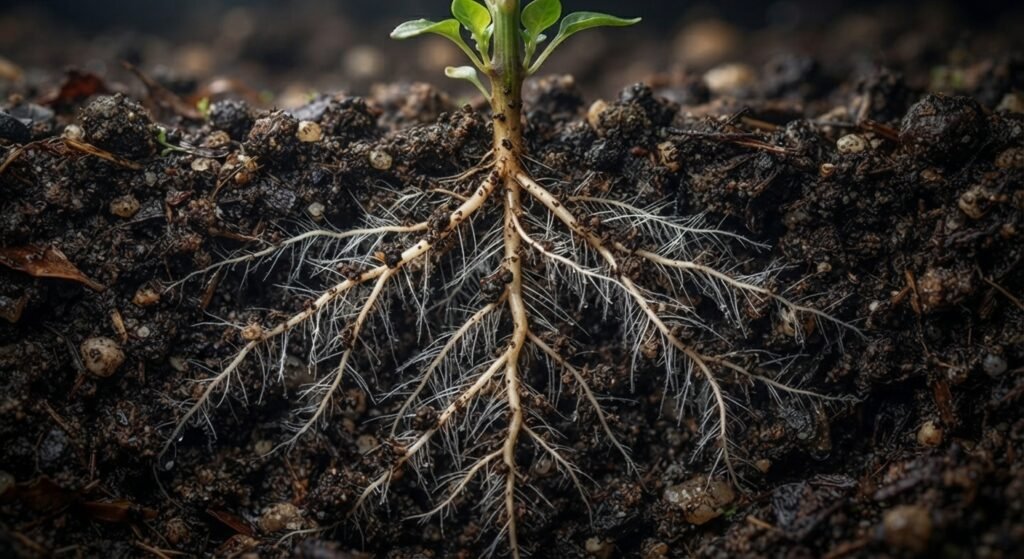
How Roots Absorb Water and Nutrients
Roots absorb water and nutrients through tiny root hairs, which are fine, hair-like extensions found near the tips of each root. These root hairs dramatically increase the surface area available for absorption, allowing the plant to pull in dissolved nutrients like nitrogen, phosphorus, and potassium along with water.
Once absorbed, water and nutrients travel upward through specialized tissue inside the root and into the stem, eventually reaching the leaves and fruit. This process relies on a natural pull created by water evaporating from the leaves, a mechanism known as transpiration. If the soil is too dry, too compacted, or lacking in nutrients, this entire system slows down, which is often why gardeners see stressed, drooping pepper plants in poor growing conditions.
Main Parts of a Pepper Plant
Roots
As covered above, roots form the foundation of the pepper plant, anchoring it in the soil while absorbing the water and nutrients it needs to grow. Without a strong root system, no other part of the plant can function properly, which is why soil quality and proper watering are so critical in the early stages of growth.
Stem
The stem acts as the plant’s structural support and transportation system. It holds the plant upright, allowing leaves to reach sunlight and flowers to attract pollinators. Inside the stem, vascular tissue carries water and nutrients upward from the roots while also moving sugars produced by the leaves down to other parts of the plant.
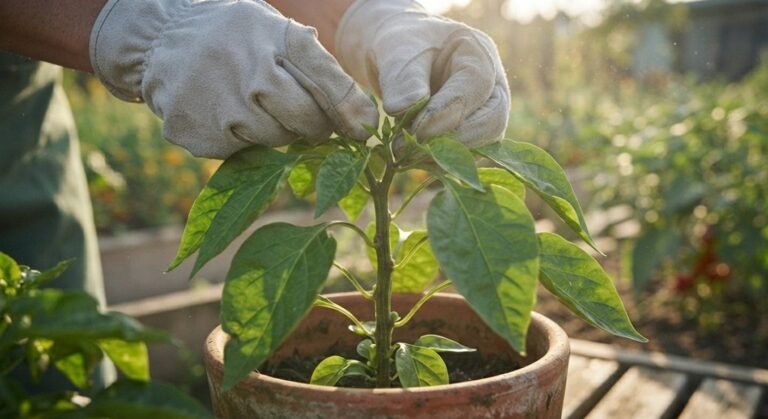
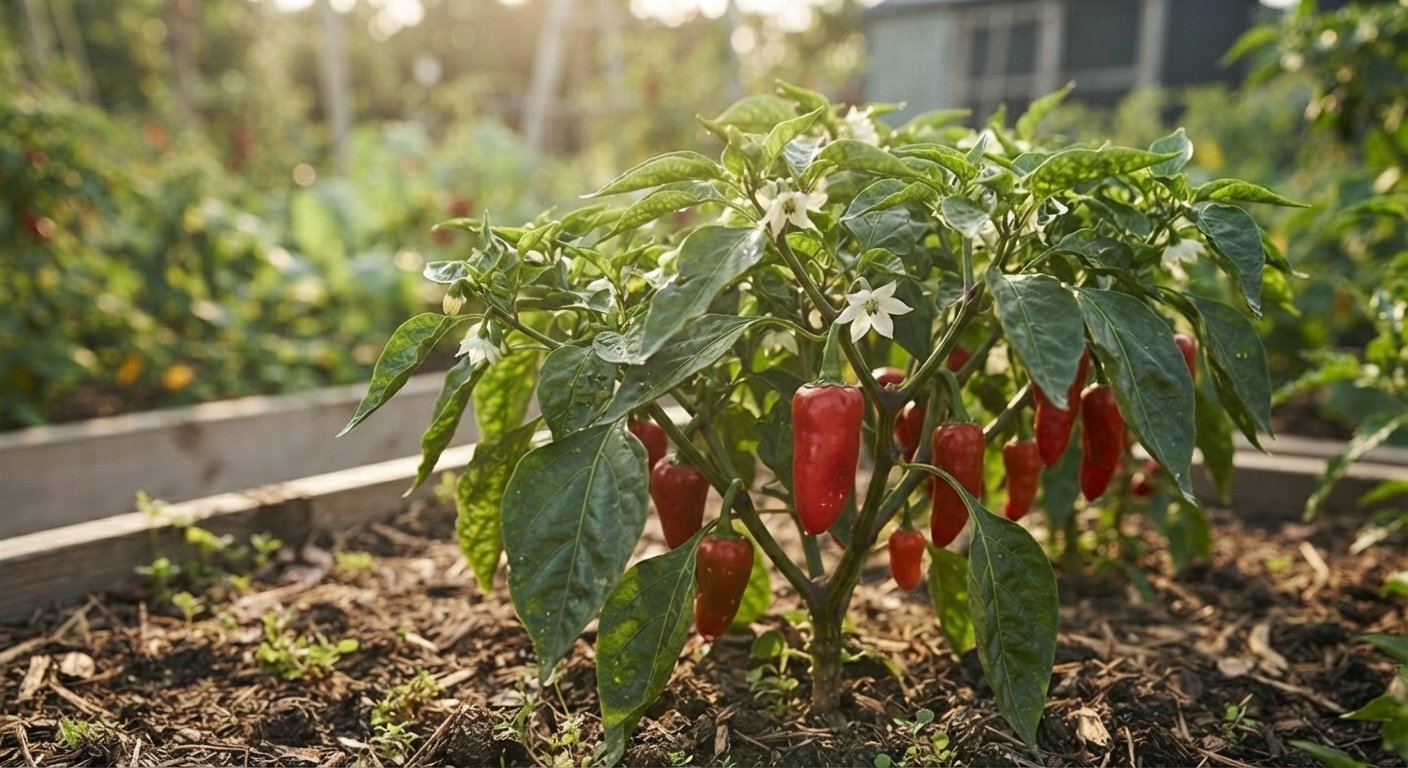
Pepper plant stems start out soft and green but gradually become woodier and more rigid as the plant matures, especially near the base. This increasing sturdiness helps the plant support the weight of multiple peppers as they grow and ripen, from green to yellow, orange, or red depending on the variety.
Leaves
Leaves are the plant’s food-producing factories. Through photosynthesis, pepper leaves convert sunlight, water, and carbon dioxide into glucose, which fuels the plant’s growth. Leaves are typically broad and green, though their exact shape, size, and texture vary depending on the pepper species.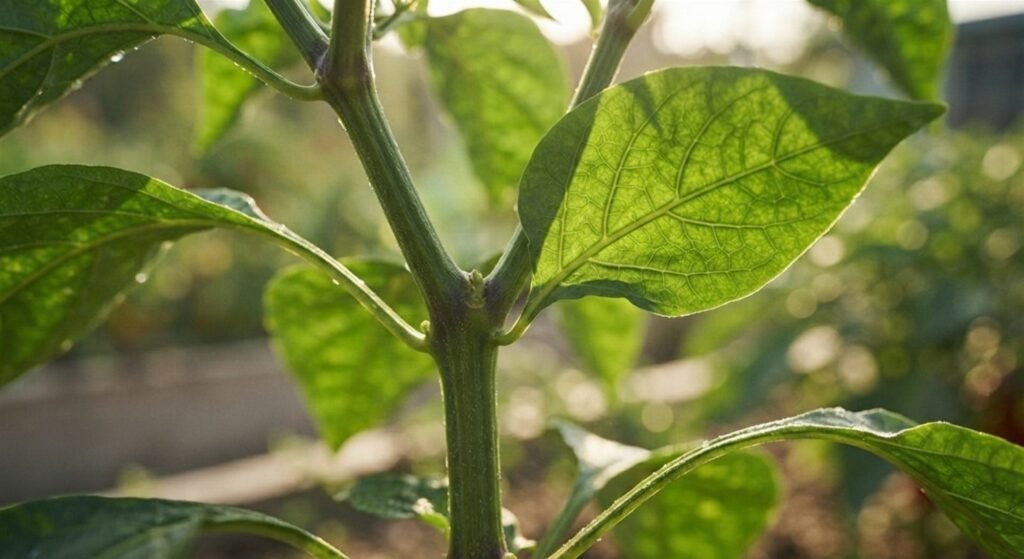
Beyond photosynthesis, leaves also play a role in regulating water loss through small pores called stomata. These pores open and close to control transpiration, balancing the plant’s need to cool itself against the risk of losing too much water. When pepper leaves turn yellow or develop spots, it’s often the plant’s way of signaling a nutrient deficiency, pest problem, or environmental stress.
Flowers
Pepper plants produce small, typically white or pale flowers, though some ornamental varieties have purple blooms. These flowers are usually self-pollinating, meaning they contain both male and female reproductive parts within the same bloom. Wind and insects, particularly bees, help move pollen and improve fruit set, even though pepper plants don’t strictly require outside pollinators to produce fruit.
Each flower that’s successfully pollinated has the potential to develop into a pepper.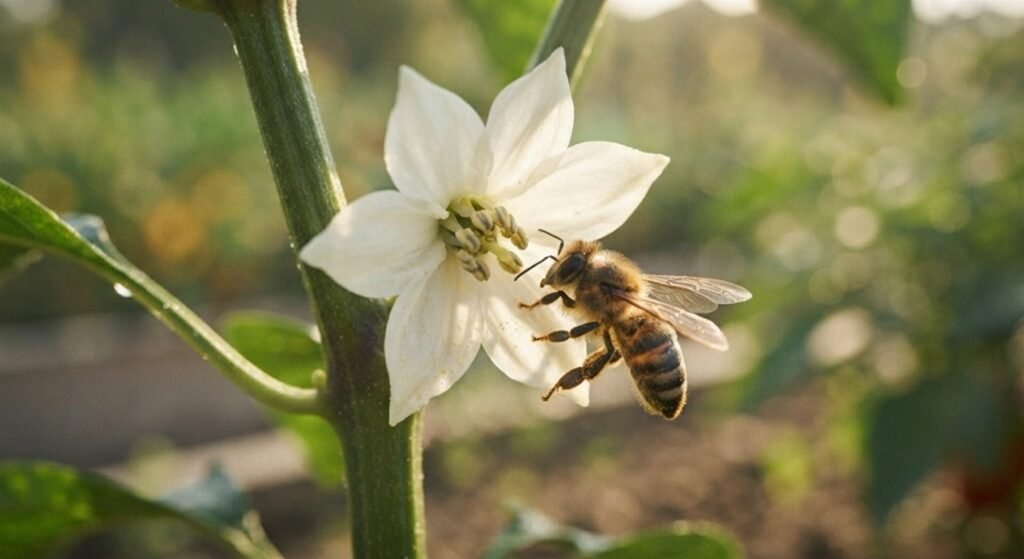 However, environmental stress like extreme heat, inconsistent watering, or nutrient imbalances can cause flowers to drop before pollination occurs, which is a common frustration for home gardeners during particularly hot stretches of summer.
Fruit and Seeds
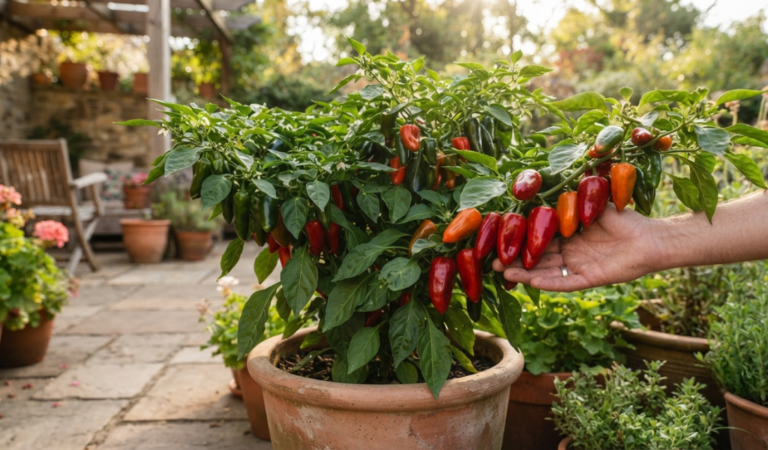
The fruit is what most gardeners are growing peppers for in the first place. Botanically speaking, a pepper is actually a berry, developing from the plant’s ovary after successful pollination. Peppers begin green and, depending on the variety, ripen into red fruits, yellow, orange, or even purple shades as they mature.
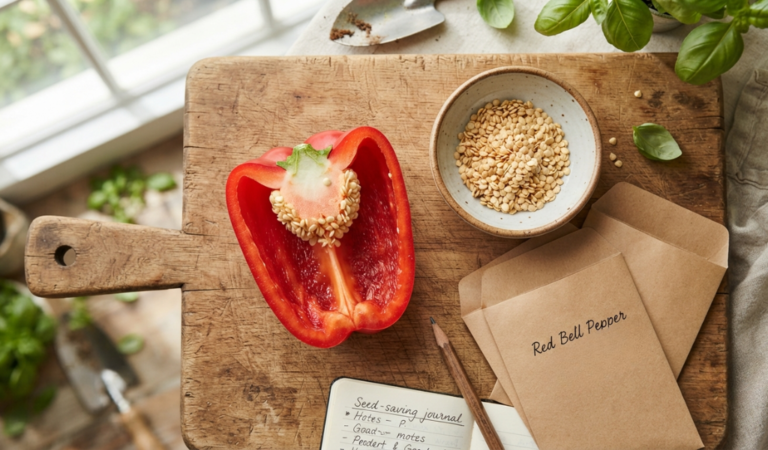
Inside the fruit, seeds form in clusters, usually attached to a white, spongy tissue called the placenta. This is also where much of the plant’s capsaicin, the compound responsible for heat in spicy peppers, is concentrated. Seeds can be saved and replanted, though hybrid varieties may not produce fruit identical to the parent plant.
How Pepper Plant Parts Work Together
No single part of a pepper plant operates independently. The roots absorb water and nutrients, which travel through the stem to reach the leaves. The leaves use sunlight to produce energy, which supports the development of flowers. Once pollinated, those flowers transform into fruit, which eventually produces seeds capable of starting the entire cycle over again.
This interconnected system means that stress on one part of the plant often shows up as a problem elsewhere. Poor root health can lead to wilted leaves. Inadequate leaf growth can result in fewer flowers. A lack of pollination can mean a disappointing fruit yield despite otherwise healthy growth. Recognizing these connections allows gardeners to diagnose issues more accurately rather than guessing at random fixes.
For example, if your pepper plant has plenty of green growth but isn’t flowering, the issue might not be related to the flowers at all. It could point to excess nitrogen in the soil, which encourages leaf growth at the expense of reproductive development. Understanding plant anatomy turns troubleshooting into an informed process rather than trial and error.
Why Understanding Pepper Anatomy Matters
Knowing the anatomy of a pepper plant gives gardeners a practical advantage. It helps you choose the right fertilizer for each growth stage, recognize early signs of stress, and understand why certain care practices, like consistent watering or proper sunlight, matter so much. It also makes gardening more rewarding, since you can actually see how each part of the plant contributes to the peppers eventually landing on your dinner table.
This knowledge applies whether you’re growing a few container plants on a balcony or managing a larger vegetable garden alongside crops like tomatoes and cucumber plants. The same core biology applies across most fruiting vegetables, so the lessons learned from studying pepper anatomy often translate well to other areas of your garden.
Ultimately, understanding plant structure turns gardening from a guessing game into a more confident, informed hobby. The next time you spot a flower on your pepper plant, you’ll know exactly what has to happen for it to become a ripe, flavorful fruit.
Final Thoughts
Pepper plant anatomy might seem like a technical topic, but it boils down to a simple truth: every part of the plant, from the smallest root hair to the ripest red fruit, works together to support growth. By understanding how roots, stems, leaves, flowers, and fruit all connect, you’ll be better equipped to care for your pepper plants and troubleshoot problems before they become serious.
If you’re planning your next growing season, take some time to observe your pepper plants closely. Watch how the stem thickens, how the leaves respond to sunlight, and how flowers eventually give way to fruit. That hands-on observation, combined with the anatomy basics covered here, will make you a more confident and successful pepper grower.
Frequently Asked Questions
What are the main parts of a pepper plant?
The main parts of a pepper plant are the roots, stem, leaves, flowers, and fruit, which contains the seeds. Each part supports a specific function, from absorbing water and nutrients to producing energy and generating new peppers.
Why do pepper plant leaves turn yellow?
Yellow leaves often indicate a nutrient deficiency, overwatering, or poor root health. Since leaves rely on the root system for water and nutrients, any disruption in that process can show up as discoloration.
Do pepper plants need pollinators to produce fruit?
No, pepper flowers are typically self-pollinating, meaning they don’t strictly require bees or other insects. However, pollinators and wind can improve fruit set by helping move pollen within and between flowers.
Why is a pepper considered a fruit and not a vegetable?
Botanically, a pepper is a fruit because it develops from the plant’s flower and contains seeds. It’s commonly referred to as a vegetable in cooking and grocery store categorization, but biologically, it fits the definition of a fruit, specifically a type of berry.
What causes pepper plant flowers to drop before producing fruit?
Flower drop is usually caused by environmental stress, including extreme heat, inconsistent watering, or nutrient imbalances. Maintaining steady soil moisture and avoiding temperature extremes can help reduce flower loss.
How does the root system affect overall plant health?
The root system absorbs water and nutrients that fuel every other part of the plant. A weak or damaged root system limits the plant’s ability to grow, flower, and produce fruit, making root health a top priority for gardeners.
Can pepper plant seeds be saved and replanted?
Yes, seeds from mature peppers can be saved and replanted. However, if the original plant was a hybrid variety, the resulting plants may not produce fruit identical to the parent, since hybrid seeds don’t always grow true to type.