Pepper Plant Spacing: The Complete Beginner’s Guide to High Yields
Pepper Plant Spacing: Complete Beginner’s Guide
Growing peppers sounds simple until your plants turn into a tangled, leafy jungle with barely any fruit to show for it. One of the most overlooked reasons for a disappointing pepper harvest is poor spacing. Many gardeners assume that packing plants close together means more peppers per square foot, but the opposite is usually true. Pepper plant spacing affects everything from airflow and sunlight exposure to root development and disease resistance.
Whether you’re growing bell peppers, jalapeños, habaneros, or a mix of sweet and hot varieties, understanding how much room each plant needs can make the difference between a thriving garden and a stunted one. This guide walks you through everything a beginner needs to know about spacing pepper plants correctly, including distances for different varieties, what happens when plants are too crowded, and practical tips to set your garden up for success.
Why Is Pepper Plant Spacing Important?
Spacing isn’t just about tidiness in the garden. It directly impacts how well your pepper plants grow and how much fruit they produce. When pepper plants are placed too close together, their roots compete for water and nutrients in the soil. This competition stresses the plants and often results in smaller peppers or fewer of them altogether.
Proper spacing also improves air circulation around the leaves and stems. Peppers are susceptible to fungal diseases like powdery mildew and bacterial leaf spot, both of which thrive in damp, stagnant air. When plants are spaced generously, breezes can move freely through the garden bed, helping leaves dry quickly after rain or watering. This simple factor can prevent a host of disease problems before they start.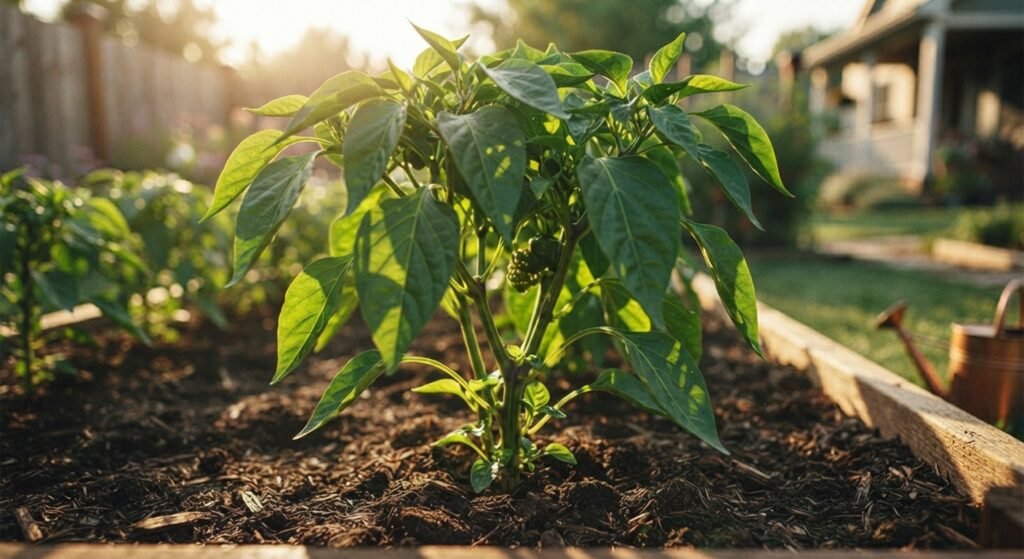
Sunlight exposure is another major reason spacing matters. Pepper plants need at least six hours of direct sunlight daily to produce well. Crowded plants tend to shade one another, especially as they mature and their canopies fill out. Lower leaves that don’t get enough light often yellow and drop, which weakens the plant’s overall energy production.
Finally, spacing affects how easily you can tend to your garden. Harvesting, pruning, and checking for pests becomes much harder when plants are packed so tightly that you can’t reach between them without snapping branches. Giving your peppers room to breathe makes garden maintenance simpler and more enjoyable.
How Much Space Do Pepper Plants Need?
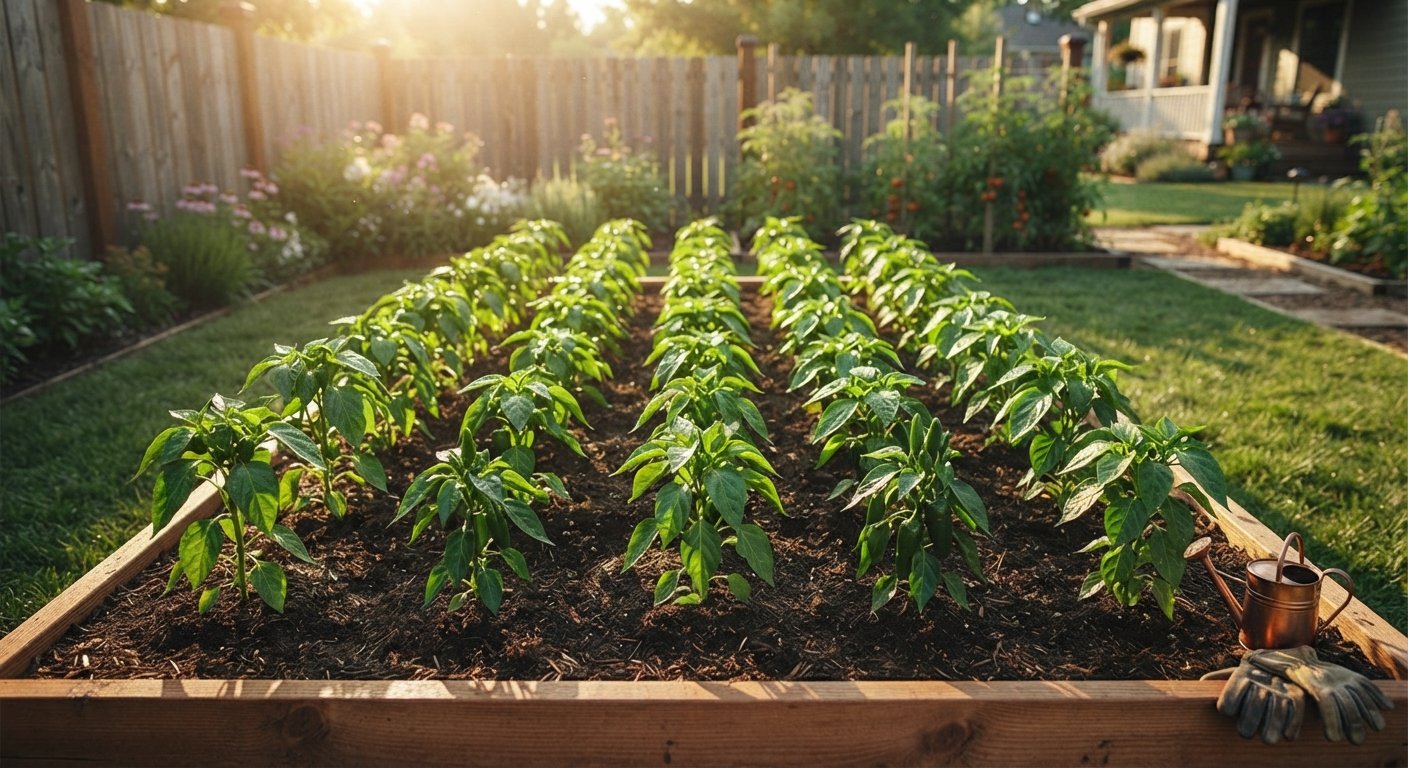
The general rule of thumb for pepper plant spacing is to leave 18 to 24 inches between individual plants and 24 to 36 inches between rows. However, the exact distance depends on the variety you’re growing, your garden’s soil quality, and whether you’re using raised beds, containers, or traditional in-ground rows.
Spacing Between Pepper Plants
Most standard pepper varieties, including bell peppers and common hot peppers like jalapeños, do best when spaced 18 to 24 inches apart. This distance gives each plant enough room to develop a healthy root system and full canopy without crowding its neighbors.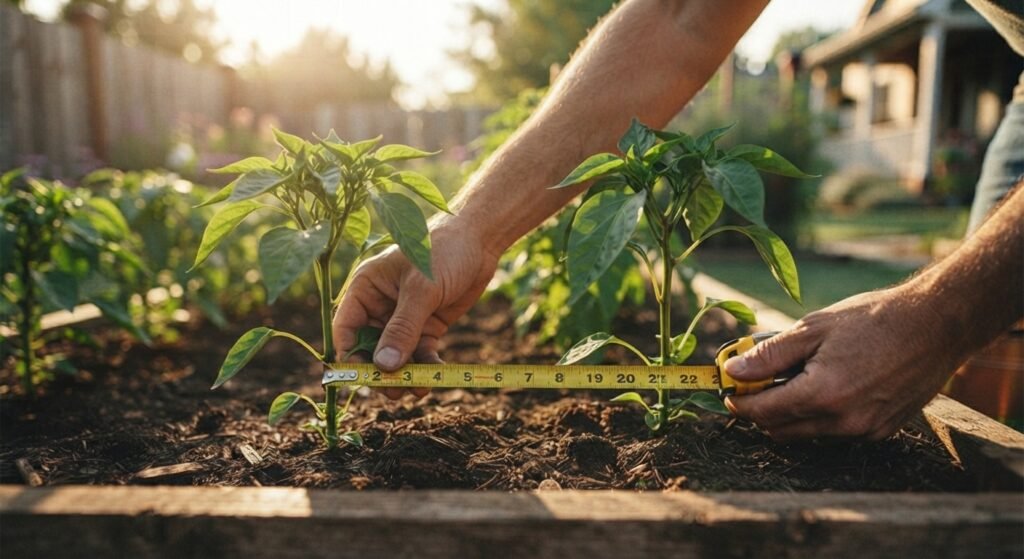
If you’re working with limited space, such as a small raised bed or container garden, you can push spacing down to around 14 to 16 inches, but this requires closer attention to watering and fertilizing since the plants will be competing more directly for resources. Gardeners using square foot gardening methods often plant one pepper per square foot, which works reasonably well for compact varieties but can feel tight for larger, bushier types.
Spacing Between Rows
Row spacing is just as important as the distance between individual plants. Leaving 24 to 36 inches between rows allows enough walking room for maintenance tasks like weeding, staking, and harvesting. It also ensures that plants in adjacent rows don’t shade each other excessively as they grow taller.
In commercial or larger backyard gardens, some growers increase row spacing to 36 inches or more, particularly when using mechanical equipment or drip irrigation lines that need extra clearance. For home gardeners using hand tools, 24 to 30 inches is usually sufficient while still making efficient use of garden space.
Pepper Spacing for Different Varieties
Not all peppers grow the same way, so spacing needs can vary quite a bit depending on the type you’re planting.
Bell peppers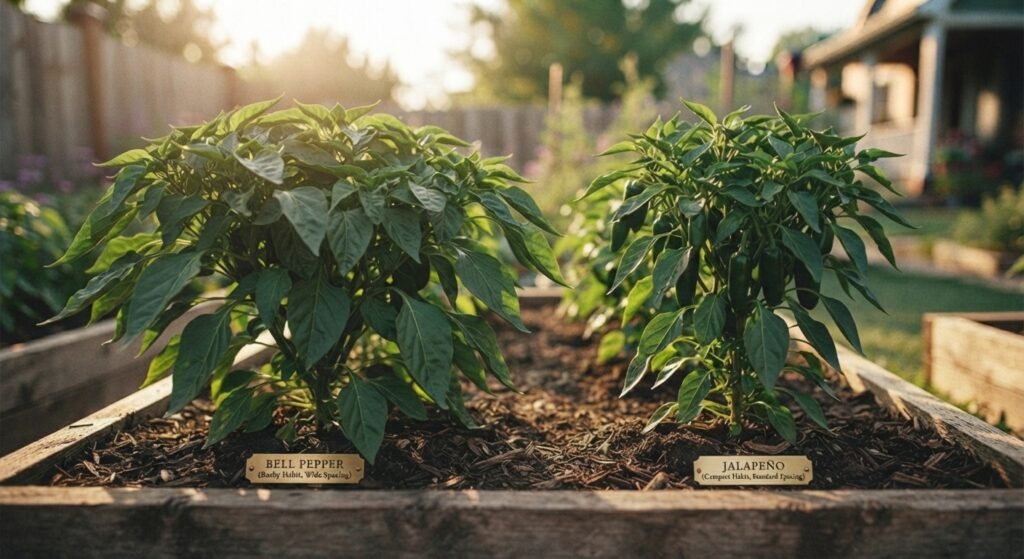 tend to grow into compact, bushy plants that reach about 18 to 24 inches tall and wide. Spacing them 18 to 24 inches apart gives them enough room to branch out fully and support the weight of their large, blocky fruit.
Jalapeños and other medium-sized hot peppers are generally more compact than bell peppers, so spacing of 16 to 18 inches often works well. These plants are productive and benefit from slightly closer spacing without sacrificing airflow.
Habaneros and other small, bushy hot peppers can be planted a bit closer together, around 14 to 18 inches, since their plants are typically smaller and less sprawling than bell pepper varieties.
Large or sprawling varieties, such as some heirloom sweet peppers or certain Italian frying peppers, may need up to 24 to 30 inches of spacing since their mature size is significantly larger than standard varieties. Checking the seed packet or plant tag for expected mature size is always a smart move before deciding on final spacing.
Container-grown peppers follow slightly different rules. A single pepper plant typically needs at least a 5-gallon container to thrive, and if you’re growing multiple plants in one large container or grow bag, maintaining at least 12 to 14 inches between plants helps prevent overcrowded roots.
How Crowding Affects Pepper Plants
When pepper plants don’t have enough space, the consequences show up in several noticeable ways. Understanding these effects can help you recognize the signs early and make adjustments before the problem gets worse.
Reduced fruit production is one of the most common outcomes of overcrowding. Plants competing for sunlight, water, and nutrients often put their limited energy into survival rather than fruit development, leading to fewer and smaller peppers at harvest time.
Increased disease risk follows closely behind. Poor airflow between crowded plants creates a humid microclimate that’s ideal for fungal and bacterial pathogens. Diseases like anthracnose and bacterial leaf spot spread more easily when leaves stay wet and plants are packed tightly together.
Weaker root systems develop when pepper roots don’t have enough soil volume to spread out. This can make plants more vulnerable to drought stress, nutrient deficiencies, and even toppling over in windy conditions since their root anchoring is compromised.
Pest problems also tend to increase in crowded gardens. Dense foliage provides hiding spots for pests like aphids and spider mites, and it’s harder to spot infestations early when you can’t easily inspect each plant from all angles.
Stunted growth is another common sign of overcrowding. Plants that are shaded by taller neighbors or forced to compete aggressively for root space often grow more slowly and never reach their full potential size, which directly limits how much fruit they can ultimately produce.
Tips for Planting Peppers at the Right Distance
Getting your pepper plant spacing right from the start sets your garden up for a much easier growing season. Here are some practical tips to help you plan and plant effectively.
Start with a garden plan. Before you put a single seedling in the ground, sketch out your garden bed and map where each plant will go based on its mature size. This prevents the common mistake of underestimating how large pepper plants become by midsummer.
Use stakes or string as a guide. Measuring and marking spacing with stakes and string before planting helps ensure consistency across your garden bed, rather than eyeballing distances that can end up uneven.
Consider companion planting carefully. While peppers can be planted alongside companions like basil or marigolds, make sure these companion plants don’t crowd your peppers’ root zone or block sunlight as they grow.
Account for mature size, not seedling size. A young pepper transplant might look small enough to fit in a tight space, but it can triple or quadruple in size by the time it’s fruiting. Always space according to the plant’s expected mature width.
Adjust for your climate. In hotter climates, slightly closer spacing can actually help provide natural shade for the soil and reduce moisture evaporation. In cooler, more humid climates, wider spacing improves airflow and reduces disease pressure.
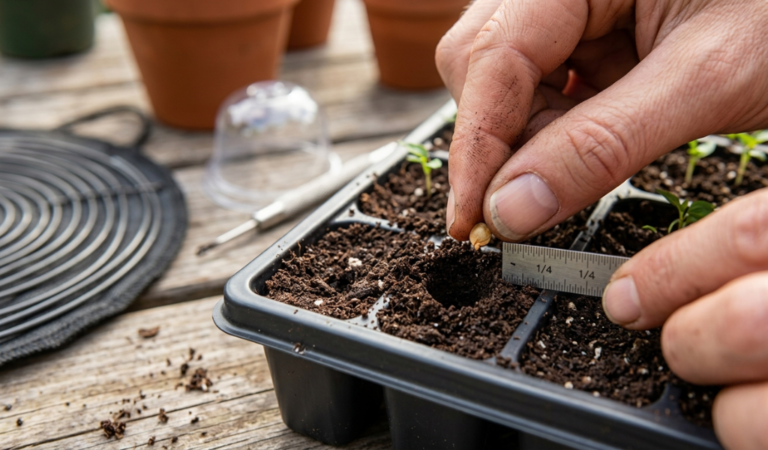
Thin seedlings if needed. If you direct-sow pepper seeds and multiple seedlings sprout close together, don’t hesitate to thin them out early. It’s better to sacrifice a few extra seedlings than to let overcrowded plants struggle all season.
Use raised beds or rows strategically. Raised beds often allow for slightly tighter spacing because soil quality is more controlled and consistent, but don’t crowd plants just because the bed looks like it has room. Stick to recommended distances even in raised beds.
Final Thoughts
Pepper plant spacing might seem like a minor detail, but it plays a major role in how healthy and productive your garden turns out to be. Giving your plants enough room, generally 18 to 24 inches between plants and 24 to 36 inches between rows, allows them to develop strong roots, access adequate sunlight, and stay protected from disease and pests. Adjusting spacing based on the specific variety you’re growing, whether it’s a compact habanero or a sprawling bell pepper, ensures each plant has exactly what it needs to thrive.
Take the time to plan your garden layout before planting season begins. A little extra space now means healthier plants and a better harvest later. Your peppers, and your future self pulling in baskets of fresh fruit, will thank you.
Frequently Asked Questions
How far apart should pepper plants be spaced in a raised bed?
In a raised bed, pepper plants should generally be spaced 14 to 18 inches apart, since the improved soil quality allows for slightly tighter planting than traditional garden rows while still giving roots enough room to spread.
Can you plant peppers too close together?
Yes, planting peppers too close together leads to root competition, reduced airflow, and increased risk of disease, which often results in smaller yields and weaker overall plant growth.
How many pepper plants can you grow in a 4×8 raised bed?
In a standard 4×8 raised bed, you can typically fit around 12 to 16 pepper plants, depending on the variety, using spacing of roughly 16 to 18 inches between plants in a grid pattern.
Do bell peppers and hot peppers need different spacing?
Bell peppers usually need slightly more space, around 18 to 24 inches, since their plants grow bushier and produce larger fruit, while many hot pepper varieties can be spaced a bit closer at 14 to 18 inches.
How close can pepper plants be in containers?
A single pepper plant does best with its own 5-gallon container, but if planting multiple peppers in one large container, maintain at least 12 to 14 inches between plants to avoid overcrowded roots.
Does spacing affect how many peppers a plant produces?
Yes, proper spacing allows plants to access enough sunlight, water, and nutrients without competing with neighboring plants, which generally results in higher yields compared to overcrowded plantings.
What happens if you don’t thin overcrowded pepper seedlings?
If overcrowded seedlings aren’t thinned, the plants will compete for resources as they grow, often leading to leggy, weak stems, fewer flowers, and a noticeably smaller harvest by the end of the season.