Topping Pepper Plants: A Complete Guide for Bigger, Bushier Growth
Topping Pepper Plants: Complete Beginner’s Guide
If you’ve spent any time browsing gardening forums, you’ve probably seen fellow growers debate whether topping peppers actually works. Topping pepper plants is a simple pruning technique that many gardeners swear by, yet plenty of beginners have never heard of it. This guide walks you through exactly what topping means, why it matters, and how to top your pepper plants the right way so you end up with a bushier plant and a stronger fruit production come harvest time.
Whether you’re growing bell peppers, jalapeño plants, habanero, or any other hot pepper variety, understanding when and how to top pepper plants can make a real difference in your garden’s yield. This technique isn’t complicated, but timing and technique both matter. Get it right, and you’ll see new branches forming within days. Get it wrong, and you might stunt your plant’s growth right when it needs to be building a strong root system.
By the end of this article, you’ll know exactly what topping peppers involves, when to do it, and how to avoid the common mistakes that trip up first-time gardeners.
What Does Topping a Pepper Plant Mean?
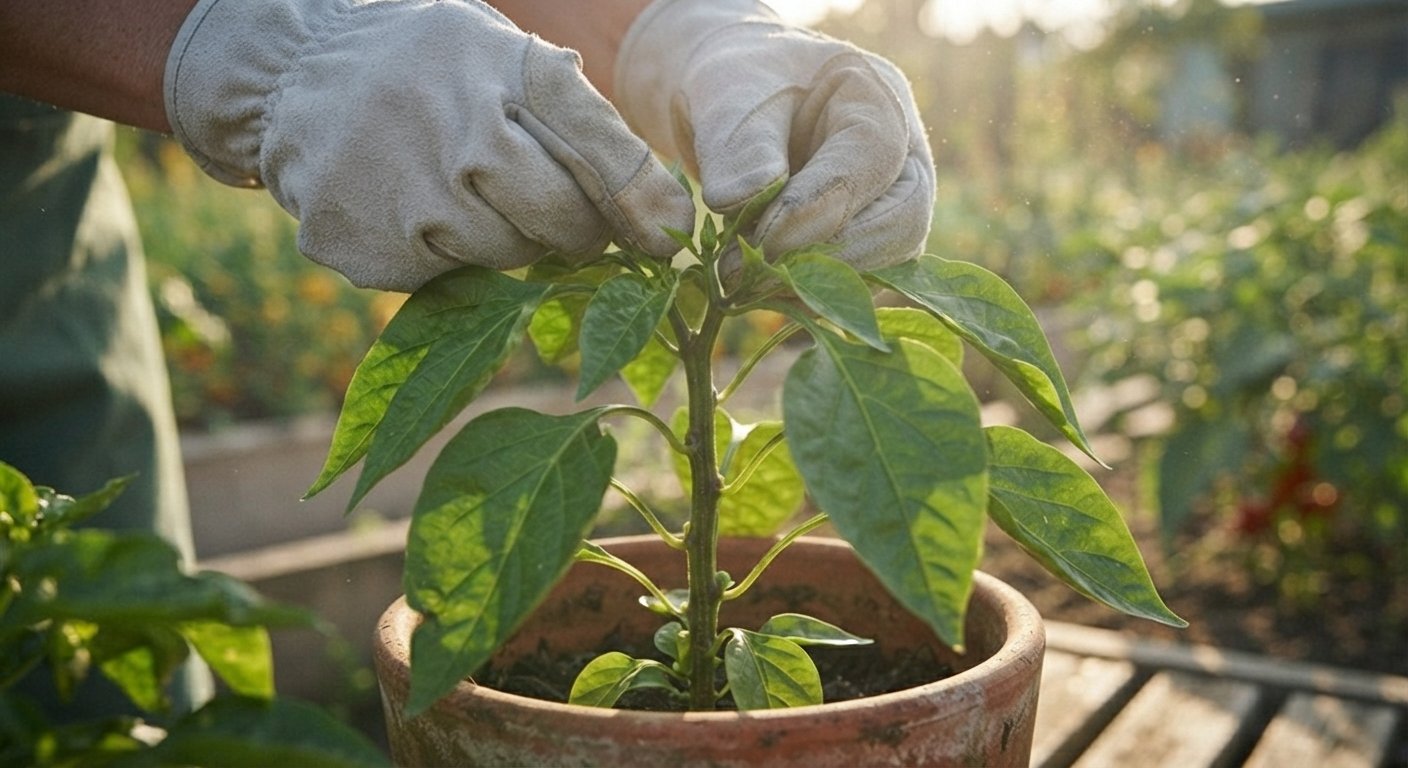
Topping a pepper plant means pinching or cutting off the main growing tip of the central stem, usually just above a leaf node. This small act sends a big signal to the plant. Once you remove the top the plant was using to grow taller, it redirects the plant’s energy toward producing new lateral branches instead.
Think of it this way. A pepper plant naturally wants to grow upward, with one dominant stem pushing toward the sky. This is driven by a plant hormone called auxin, which concentrates at the growing tip and suppresses the growth of side branches. When you top the plant, you remove that source of auxin, and the plant responds by activating dormant buds along the stem. Within a week or two, you’ll typically see new growth emerging from the nodes just below your cut.
Gardeners sometimes call this technique “pinching,” especially when done by hand on young pepper seedlings. Whether you use your fingers or a pair of pruning shears, the goal is the same: trim the tip to encourage the plant to branch out instead of growing tall and leggy.
Benefits of Topping Pepper Plants
Topping peppers offers several advantages for home gardeners, especially those working with limited space or a short growing season.
Bushier plant structure. The most obvious benefit is a fuller, bushier plant. Instead of one tall, thin stem, you get multiple lateral branches, each capable of producing flowers and fruit.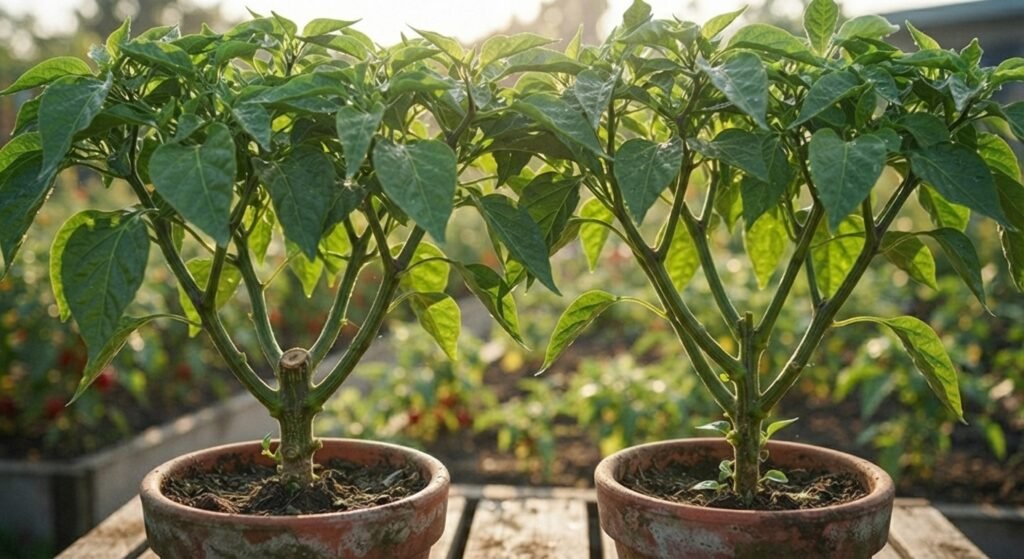
Better airflow. A bushier plant with well-spaced branches allows air to move freely through the foliage. This matters more than many gardeners realize, since poor airflow is a major contributor to fungal diseases like powdery mildew.
Increased fruit production. More branches generally mean more flower buds, which can translate into a higher overall yield by the end of the season.
Sturdier plants. A shorter, bushier pepper plant is less likely to topple over in heavy winds or under the weight of growing fruit. You’ll spend less time staking and more time harvesting.
More manageable size. For gardeners growing peppers indoors under a grow light or in small containers, topping keeps the plant compact and easier to manage.
Why Should You Top Pepper Plants?
The core reason gardeners top pepper plants comes down to one thing: yield. An untopped pepper plant often puts most of its early energy into vertical growth, producing one central stem with limited branching. While this isn’t necessarily bad, it does mean fewer growing points for flowers and fruit.
By topping the plant early, you’re essentially trading a few extra inches of height for several additional branches. Each of those lateral branches becomes its own small production line, capable of setting flower buds and developing fruit. For gardeners working with a shorter growing season, this trade-off can mean the difference between a modest harvest and an abundant one.
There’s also a practical side to this. Leggy, untopped plants tend to need more staking and support. A well-topped pepper plant develops a sturdier, more compact form naturally, which reduces the amount of maintenance work later in the season.
That said, topping isn’t mandatory. Plenty of successful gardeners never top their peppers and still get a good harvest. But if you’re looking to maximize fruit production and build a bushier, more resilient plant, topping is worth adding to your toolkit.
Best Time to Top Pepper Plants
Timing is everything when it comes to topping peppers. The ideal window is early in the season, once your pepper seedlings have developed at least two to three sets of true leaves and the plant has established a decent root system. This typically happens a few weeks after transplant, once the seedling has recovered from any transplant shock.
Topping too early, before the plant has built up enough root mass, can stunt its growth rather than encourage it. The plant needs enough stored energy and root development to bounce back quickly and push out new lateral growth. Topping too late, on the other hand, may cost you valuable growing time, since the plant will need a short recovery period before it resumes active growth.
A good rule of thumb is to top your pepper plants when they’re around six to eight inches tall, before the first flower buds appear. If your plant has already started flowering, it’s usually better to leave it alone or focus on light pruning instead, since removing the top at that stage can delay your first harvest.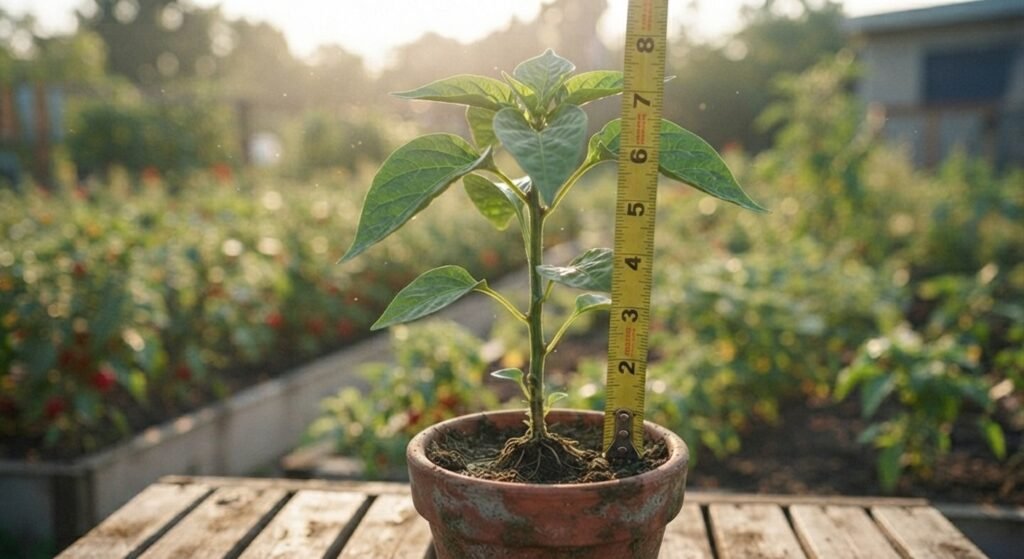
For gardeners in regions with a short growing season, timing becomes even more important. You’ll want to top early enough that the plant has plenty of time to recover and still ripen fruit before the first frost date.
Can Topping Increase Pepper Plant Growth?
This is one of the most common questions new gardeners ask, and the answer is nuanced. Topping doesn’t necessarily make a pepper plant grow faster overall, but it does change how that growth is distributed. Instead of one central stem racing upward, the plant redirects its energy into producing multiple lateral branches.
Research and years of gardener experience suggest that topped plants, when done correctly and at the right growth stage, often end up with a higher total fruit count compared to untopped plants of the same variety. This is because each new lateral branch has the potential to produce its own flowers and fruit, effectively multiplying the plant’s productive capacity.
However, there’s a trade-off worth understanding. Topped plants typically need a brief recovery period, usually one to two weeks, before new growth kicks in. During this time, the plant isn’t actively getting taller or setting new flowers. Once recovery is complete, though, most gardeners report vigorous new growth and a noticeably bushier plant within just a few weeks.
So while topping won’t necessarily speed up growth in the short term, it tends to improve the plant’s long-term structure and productivity, particularly for varieties known for leggy growth habits.
Topping vs. Pruning Pepper Plants
Topping and pruning are related techniques, but they’re not quite the same thing, and understanding the difference helps you decide which approach fits your garden.
Topping refers specifically to removing the main growing tip of the central stem. It’s typically a one-time or occasional action done early in the season to encourage branching.
Pruning, by contrast, is a broader term that covers ongoing maintenance throughout the growing season. This might include removing yellowing leaves, trimming suckers, cutting back lower branches to improve airflow near the soil, or selectively removing branches that aren’t producing well.
Here’s a simple way to think about it: topping shapes the plant’s early structure, while pruning maintains that structure as the season progresses. Both techniques aim to improve airflow, reduce the risk of fungal diseases, and direct the plant’s energy toward fruit production rather than excess foliage.
Some gardeners use both techniques together. They top their pepper seedlings early to encourage bushing, then prune selectively throughout the season to remove any weak or overcrowded growth. This combination tends to produce the healthiest, most productive plants.
Ideal Plant Height and Best Growth Stage
Knowing when a plant is ready for topping comes down to watching its height and leaf development rather than counting days on a calendar. Most gardeners look for a pepper plant that’s reached six to eight inches tall with at least two to three sets of true leaves. At this stage, the plant has typically moved past transplant shock and established enough of a root system to handle the stress of topping.
It’s worth noting that different pepper varieties grow at different rates. Bell pepper plants and larger varieties may take a bit longer to reach this stage compared to smaller hot pepper varieties like jalapeño or habanero. Rather than relying strictly on a timeline, check the plant itself. Look for a sturdy central stem, healthy green leaves, and no signs of flower buds yet.
If flower buds have already appeared, you still have options. Some gardeners choose to remove early flower buds along with the top to redirect even more energy into branching, though this does delay the first harvest slightly. Others skip topping altogether once flowering has started and move straight into regular pruning instead.
How to Top a Pepper Plant Step by Step
Once your plant has reached the right stage, topping itself is a quick process. Here’s how to do it properly.
Step 1: Choose the Right Candidates for Topping
Not every pepper plant needs topping. Look for seedlings with a strong central stem, healthy leaf growth, and no visible stress. Weak or struggling plants are better left alone until they catch up.
Step 2: Identify the Cutting Point
Locate the top the plant has been using for vertical growth, typically the uppermost leaf node on the main stem. You’ll be cutting just above this node.
Step 3: Make Your Cut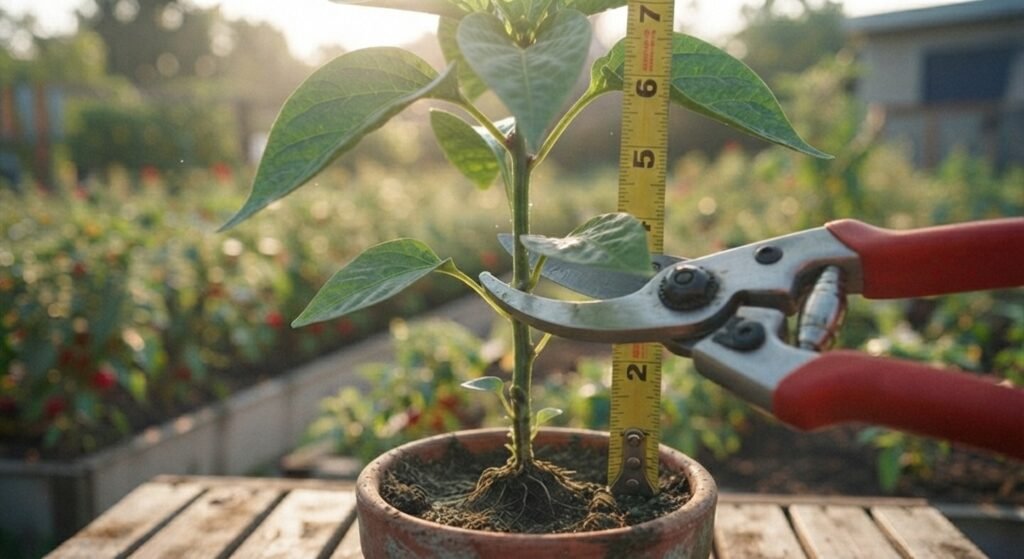
Using clean, sharp pruning shears or simply your fingers, pinch or cut the stem right above a leaf node. Leaving the node intact is important, since that’s where new growth will emerge.
Step 4: Clean Up Your Tools
If you’re topping multiple plants, wipe down your pruning shears between cuts. This simple habit helps prevent the spread of disease from one plant to another.
Step 5: Water and Monitor
After topping, give your plant a normal watering and keep an eye on it over the next week or two. Avoid fertilizing heavily right after cutting, since the plant needs time to recover before it can efficiently use extra nutrients.
What Happens After Topping?
Once you’ve topped your pepper plant, don’t expect instant results. The plant typically spends the first several days focused on healing the cut and redirecting its internal resources. During this recovery period, growth may appear to pause entirely, which can worry first-time gardeners.
Within one to two weeks, though, you should start to see new growth emerging from the leaf nodes just below where you made your cut. These become new lateral branches, each one capable of eventually producing its own flowers and fruit. As these branches develop, the plant takes on a noticeably bushier, fuller shape compared to its pre-topping form.
It’s normal for growth to look a little uneven at first, with some nodes producing new shoots faster than others. Over the following weeks, though, most topped plants even out and develop a balanced, well-branched structure. Compared to un-topped plants of the same age, topped plants often end up shorter but significantly wider, with more total growing points for fruit.
Patience is key during this stage. Resist the urge to top the plant again too soon or to over-fertilize in an attempt to speed things up. Let the plant recover naturally, and you’ll typically see strong, healthy new growth within a few weeks.
Common Topping Mistakes to Avoid
Even a simple technique like topping comes with a few pitfalls. Here are the mistakes that trip up most beginner gardeners.
Topping too early. Cutting the top off a seedling before it has established a solid root system and at least two sets of true leaves can stunt growth rather than encourage it.
Topping too late. Waiting until the plant has already started flowering means you’ll likely delay your first harvest, since the plant has to redirect energy away from fruit production to heal and regrow.
Using dirty tools. Cutting with unclean pruning shears can introduce disease into the plant right at its most vulnerable point.
Over-topping. Removing too much growth at once, or topping the same plant repeatedly within a short window, can overwhelm the plant and slow its recovery significantly.
Ignoring plant variety. Not all pepper varieties respond to topping the same way. Compact varieties may not need topping at all, while taller, leggier varieties tend to benefit the most.
Skipping aftercare. Forgetting to monitor watering and avoiding heavy fertilization right after topping can slow down the recovery process and delay new growth.
Final Thoughts on Topping Your Pepper Plants
Topping pepper plants is a straightforward technique that rewards a little patience and good timing. Done correctly, early in the season and at the right growth stage, it encourages a bushier plant, improves airflow, and can boost your overall fruit production by the time harvest season rolls around. Done too early, too late, or without the right aftercare, it can set your plants back instead.
If you’re new to growing peppers, start small. Try topping just a few plants this season and compare them to your untopped ones. You’ll likely notice the difference in branching and overall plant structure within a matter of weeks. Once you see the results for yourself, you’ll understand why so many experienced gardeners consider topping a standard part of their growing routine.
Frequently Asked Questions
Does topping pepper plants really increase yield?
In many cases, yes. Topping encourages lateral branching, which creates more growing points for flowers and fruit. While individual results vary by variety and growing conditions, many gardeners report a noticeably bushier plant and higher overall fruit count after topping.
What is the best height to top a pepper plant?
Most gardeners top their pepper plants once they reach six to eight inches tall with two to three sets of true leaves, typically before any flower buds have formed.
Can I top a pepper plant that’s already flowering?
You can, but it’s not ideal. Topping after flowering has started usually delays your first harvest, since the plant has to redirect energy toward healing and new growth instead of fruit development.
Is topping the same as pruning?
Not exactly. Topping refers to removing the main growing tip, usually done once early in the season. Pruning is an ongoing process of trimming leaves and branches throughout the growing season to maintain plant health and airflow.
Do all pepper varieties need to be topped?
No. Compact or naturally bushy varieties may not benefit much from topping. Taller or leggier varieties, including many hot pepper types, tend to respond better to the technique.
How long does it take for a pepper plant to recover after topping?
Most plants show signs of new growth within one to two weeks after topping, though full recovery and visible branching can take a bit longer depending on growing conditions.
Will topping stunt my pepper plant’s growth?
Topping at the wrong time, particularly too early before the root system is established, can stunt growth temporarily. When done at the right stage, though, topping typically redirects growth rather than stunting it, resulting in a bushier, more productive plant.