Bacterial Speck of Tomato: Complete Guide to Causes, Symptoms, and Treatment
Bacterial Speck of Tomato: Complete Guide to Causes, Symptoms, and Treatment
If you’ve ever walked through your tomato patch and spotted small, dark, greasy-looking spots scattered across the leaves, you might be dealing with bacterial speck of tomato. This common disease affects tomato plants in gardens and commercial fields alike, and it can spread fast when conditions are cool and wet. Left untreated, bacterial speck can reduce yields, scar fruit, and weaken plants right when they should be thriving.
This guide walks you through everything you need to know about bacterial speck of tomato, including what causes it, how to spot the symptoms, how it spreads, and the most effective ways to treat and prevent it. Whether you’re growing a handful of plants in raised beds or managing acres of tomatoes, understanding this disease is the first step toward protecting your harvest.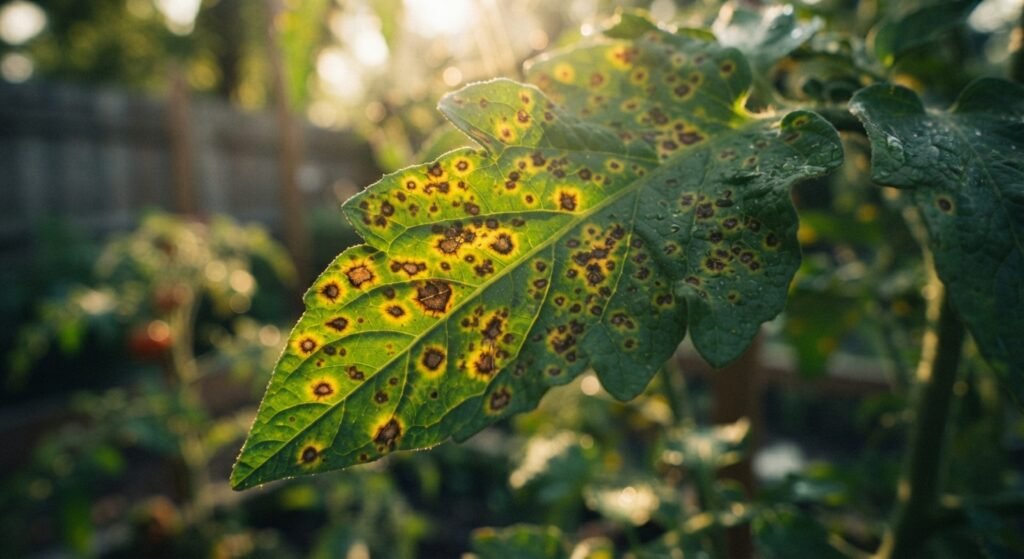
What Is Bacterial Speck of Tomato?
Bacterial speck of tomato is a plant disease caused by the bacterium Pseudomonas syringae pv. tomato. It primarily affects tomato plants, though it can occasionally show up on related species. The disease gets its name from the small, speck-like lesions that appear on leaves, stems, and fruit.
Bacterial speck thrives in cool, moist conditions, which makes it especially common during early spring and late fall growing seasons. Unlike some tomato diseases that favor heat and humidity, this one prefers temperatures between 63°F and 75°F, paired with wet foliage. Once established, it can spread quickly through a garden or field, particularly when plants are watered overhead or exposed to heavy rain and fog.
While bacterial speck rarely kills a tomato plant outright, it can significantly reduce fruit quality and marketability. For commercial growers, this translates into real financial losses, since specked fruit is often unsellable fresh and must be diverted to processing, if it can be used at all.
What Causes Bacterial Speck?
The direct cause of bacterial speck is infection by Pseudomonas syringae pv. tomato, a bacterial pathogen that survives on plant debris, seeds, and even weeds between growing seasons. Several factors contribute to outbreaks:
Contaminated seed. One of the most common ways bacterial speck gets introduced into a new area is through infected or contaminated tomato seed. The bacteria can live on the seed coat and infect seedlings as soon as they germinate.
Cool, wet weather. The pathogen needs moisture to multiply and spread. Rain, heavy dew, and overhead irrigation create the perfect environment for bacterial speck to take hold, especially when temperatures stay on the cooler side.
Plant wounds and natural openings. Bacteria enter tomato plants through small wounds caused by wind-driven sand, insect feeding, or handling during transplanting. They can also enter through natural openings like stomata, the tiny pores on leaf surfaces.
Crop debris. Leftover plant material from a previous infected crop can harbor the bacteria over winter, giving it a head start the following season if debris isn’t properly cleared or composted at high enough temperatures to kill the pathogen.
Overcrowded planting. Dense plantings restrict airflow, trapping moisture around leaves and stems for longer periods. This extended leaf wetness gives the bacteria more time to infect plant tissue.
Understanding these causes helps explain why bacterial speck often appears in waves tied to specific weather events, rather than spreading evenly throughout a growing season.
Symptoms of Bacterial Speck on Tomato Plants
Recognizing bacterial speck early makes a significant difference in how effectively you can manage it. The disease shows distinct symptoms depending on which part of the plant is affected.
Leaf Symptoms
The most recognizable sign of bacterial speck appears on tomato leaves. Small, dark brown to black spots develop, usually surrounded by a narrow yellow halo. These spots typically measure less than an eighth of an inch across, which is smaller than lesions caused by other common tomato diseases like early blight or septoria leaf spot.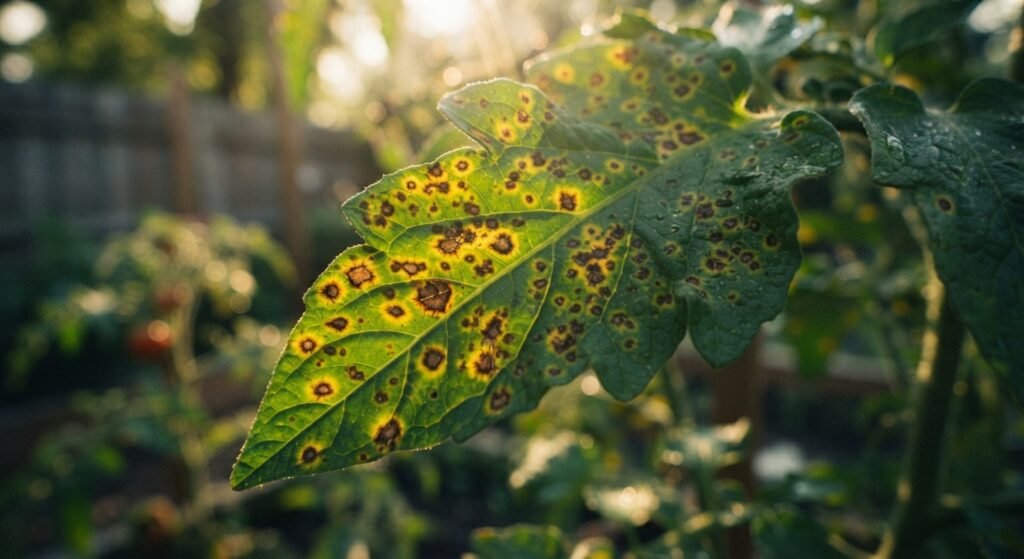
As the disease progresses, these specks can multiply rapidly, sometimes merging together to form larger necrotic patches. Heavily infected leaves may turn yellow and drop prematurely, reducing the plant’s overall ability to photosynthesize and support fruit development. In severe cases, significant leaf loss can expose fruit to sunscald due to reduced canopy coverage.
Stem Symptoms
On stems and petioles, bacterial speck produces dark, water-soaked lesions. These spots tend to be elongated rather than perfectly round, and they can appear slightly sunken as the tissue around them dies back. While stem infections are less commonly discussed than leaf or fruit symptoms, they play an important role in disease spread, since bacteria on infected stems can be transferred to healthy tissue through rain splash or contact during garden work.
Fruit Symptoms
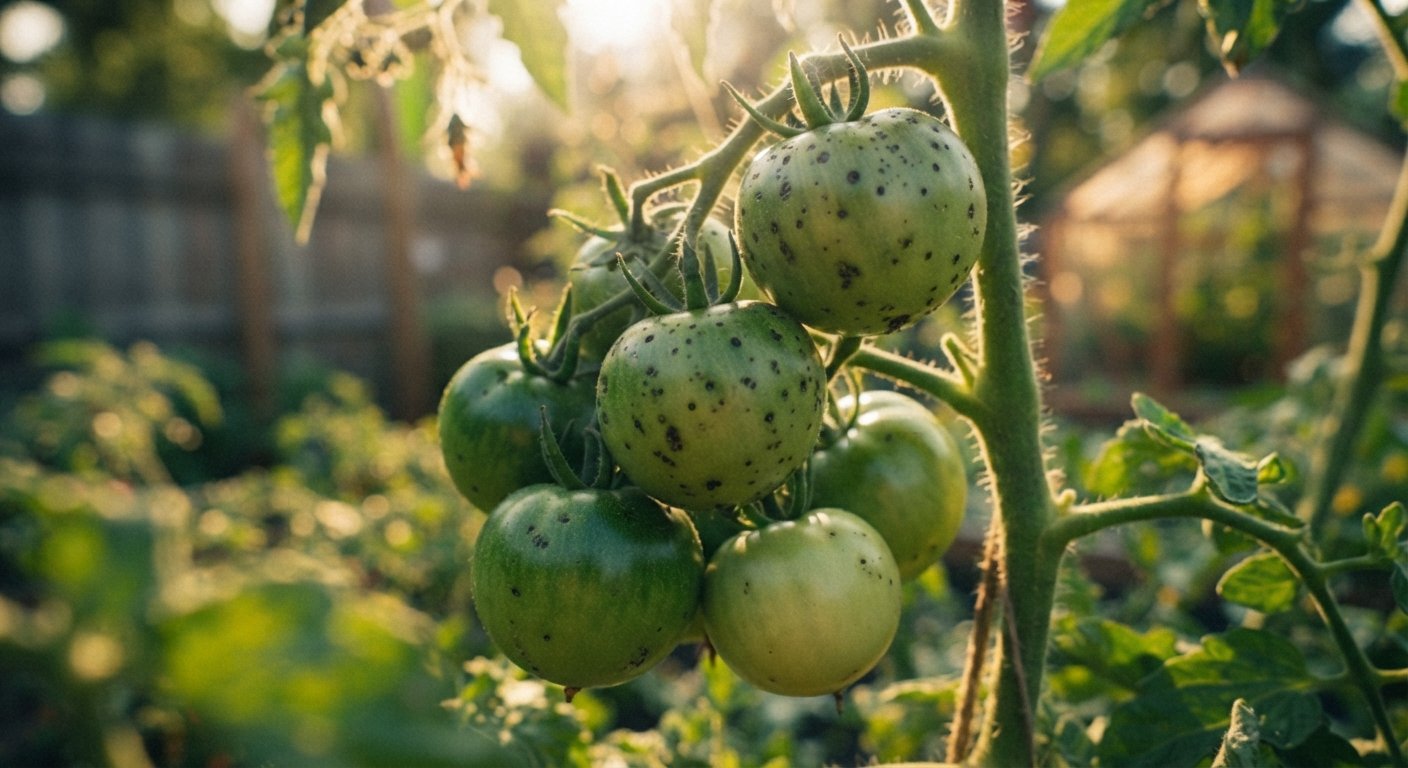
Fruit symptoms are often what gardeners notice last, but they’re the most economically damaging. Bacterial speck causes small, dark, slightly raised spots on the surface of green tomatoes. These specks usually stay superficial, affecting only the outer skin rather than penetrating into the flesh.
Despite being shallow, these blemishes make fruit far less appealing for fresh market sales. Interestingly, bacterial speck typically only infects green fruit. Once tomatoes begin to ripen and turn red, they become much more resistant to new infections, though existing specks remain visible on the fruit surface.
How Bacterial Speck Spreads
Bacterial speck spreads through several pathways, and knowing them helps you break the cycle before it gets out of hand.
Water is the primary spreading agent. Rain splash, overhead irrigation, and even heavy dew can carry bacteria from infected leaves to healthy ones. 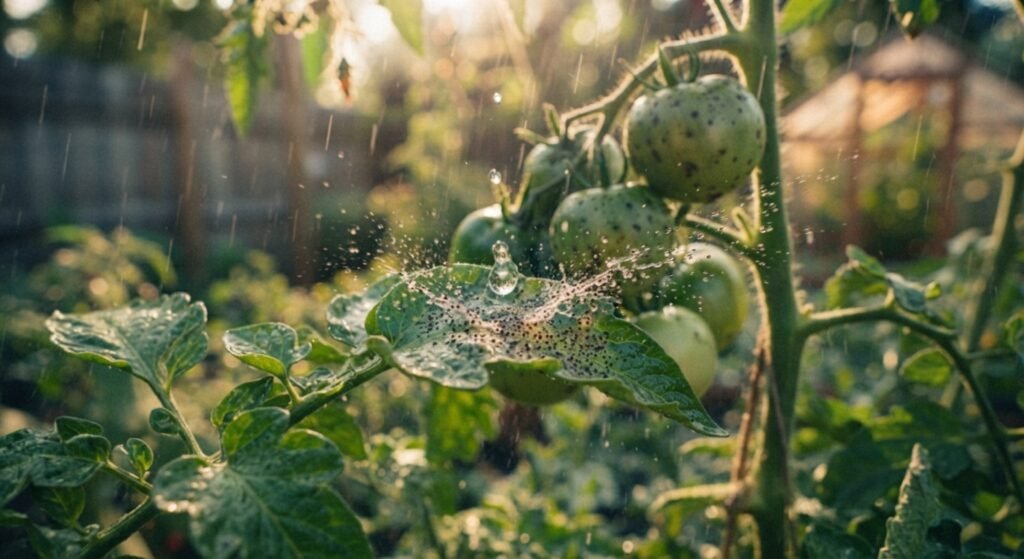 This is why bacterial speck outbreaks often follow storms or extended periods of wet weather.
Human activity speeds things along. Working in the garden when foliage is wet, whether it’s pruning, tying up vines, or harvesting, can transfer bacteria from plant to plant on hands, tools, and clothing.
Insects can act as carriers. While not the primary spread mechanism, insects moving between plants can introduce bacteria into fresh wounds.
Infected transplants introduce the disease to new areas. Purchasing seedlings from a nursery that unknowingly has contaminated stock is a common way bacterial speck shows up in gardens that have never had it before.
Wind-driven rain carries bacteria over longer distances. In open fields, this can mean the disease jumps from one section of a planting to another within just a day or two of a storm.
Because the bacteria can survive on seeds, in soil debris, and on volunteer tomato plants, bacterial speck has multiple ways to persist and reintroduce itself season after season if sanitation practices aren’t followed.
How to Treat Bacterial Speck
Once bacterial speck appears, your goal shifts to limiting its spread and protecting unaffected plant tissue, since there’s no cure that eliminates the bacteria from already infected plants.
Remove and destroy infected plant material. As soon as you spot symptoms, prune out affected leaves and stems. Dispose of this material away from your garden, either by bagging it for trash collection or burning it where local regulations allow. Don’t compost infected debris, since home compost piles rarely reach temperatures high enough to kill the bacteria.
Apply copper-based bactericides. Copper sprays are the most widely used chemical treatment for bacterial speck. They don’t cure infected tissue, but they do help protect healthy foliage from new infections when applied preventively or at the first sign of disease. Follow label instructions carefully, since overuse can lead to copper resistance in bacterial populations and may also cause phytotoxicity on sensitive plants.
Avoid overhead watering. Switching to drip irrigation or soaker hoses reduces leaf wetness, making it harder for bacteria to spread. If overhead watering is your only option, water early in the day so foliage has time to dry before evening.
Improve air circulation. Pruning lower leaves and spacing plants appropriately allows better airflow, which helps leaves dry faster after rain or dew.
Avoid working with wet plants. Wait until foliage is completely dry before pruning, tying, or harvesting to reduce the chance of spreading bacteria on your hands or tools.
Rotate your tools and sanitize them regularly. Wiping down pruning shears and other tools with a diluted bleach solution or rubbing alcohol between plants helps prevent cross-contamination.
While these steps won’t eliminate bacterial speck from a heavily infected planting, they can significantly slow its progression and protect your overall yield for the rest of the season.
How to Prevent Bacterial Speck
Prevention is far more effective than treatment when it comes to bacterial speck, and the good news is that most preventive measures are straightforward and don’t require special equipment.
Start with certified disease-free seed. Since contaminated seed is one of the main ways bacterial speck gets introduced, sourcing seed from reputable suppliers who test for seed-borne pathogens significantly lowers your risk from the start.
Practice crop rotation. Avoid planting tomatoes, or related crops like peppers, in the same spot for at least two to three years. This gives any lingering bacteria in the soil time to die off naturally.
Choose resistant varieties when available. While complete resistance to bacterial speck isn’t common, some tomato varieties show better tolerance than others. Checking with your local extension office for regionally recommended varieties can help.
Clean up garden debris at the end of the season. Removing and properly disposing of old tomato plants reduces the amount of pathogen that can overwinter in your garden.
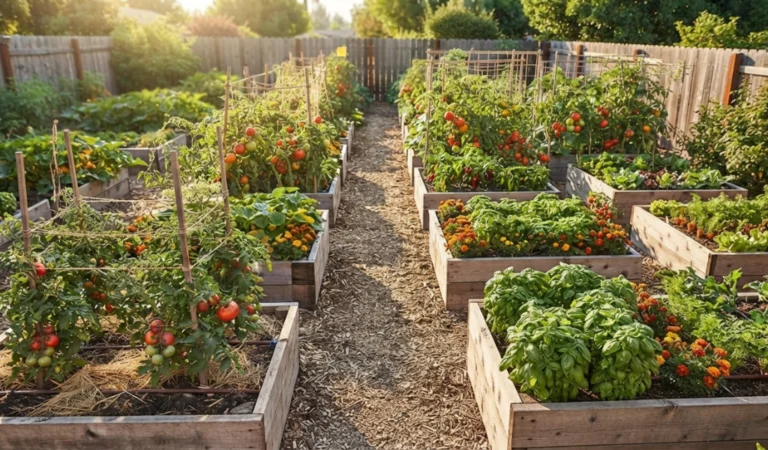
Space plants properly. Giving tomatoes enough room to grow improves airflow and reduces the humidity around foliage, making conditions less favorable for bacterial growth.
Avoid working in the garden during wet conditions. Save pruning, staking, and harvesting tasks for days when plants are dry.
Apply preventive copper sprays during high-risk periods. If your region tends to have cool, wet springs, applying copper-based products before symptoms appear can help protect plants during the window when infection risk is highest.
Inspect transplants before planting. Look over seedlings carefully for any signs of leaf spotting before introducing them to your garden or field.
By combining these practices, you create multiple layers of protection that make it much harder for bacterial speck to gain a foothold in the first place.
Final Thoughts
Bacterial speck of tomato is one of those diseases that can sneak up quickly, especially during a cool, damp spring. The key takeaway is that prevention works far better than trying to treat an active infection. Starting with clean seed, rotating your crops, spacing plants well, and keeping foliage dry go a long way toward keeping this disease out of your garden altogether.
If you do spot the telltale dark specks with yellow halos on your tomato leaves, act quickly. Remove infected material, apply copper-based treatments as needed, and adjust your watering habits to reduce leaf wetness. With a bit of vigilance and the right habits, you can keep bacterial speck from taking over your tomato crop and still enjoy a healthy, productive harvest.
Frequently Asked Questions
Can bacterial speck of tomato spread to other plants in my garden?
Bacterial speck mainly affects tomatoes and closely related plants, such as peppers, in some cases. It’s unlikely to spread to unrelated vegetables like beans or squash, but it’s still wise to practice good garden sanitation across all your plants.
Is bacterial speck the same as bacterial spot on tomatoes?
No. While the symptoms look similar, bacterial speck is caused by Pseudomonas syringae pv. tomato, while bacterial spot is caused by Xanthomonas species. They require similar management strategies, but they are distinct diseases.
Can I still eat tomatoes with bacterial speck?
Yes. Bacterial speck only affects the surface of the fruit and doesn’t make tomatoes unsafe to eat. The spots are cosmetic, though heavily affected fruit may be less appealing for fresh eating or selling.
Does cold weather kill bacterial speck?
Freezing temperatures can kill the bacteria on exposed plant surfaces, but the pathogen can still survive in protected spots like seed coats or buried plant debris, allowing it to reappear the following season.
How quickly does bacterial speck spread once it appears?
Under favorable cool, wet conditions, bacterial speck can spread through a planting within a matter of days, particularly after rain or heavy dew events that keep foliage wet for extended periods.
Are organic treatments effective against bacterial speck?
Copper-based bactericides, which are approved for organic use, remain one of the most effective organic options. Combining copper sprays with good cultural practices, like proper spacing and avoiding overhead watering, offers the best results.
Can bacterial speck survive in the soil between seasons?
The bacteria primarily survive on plant debris and seeds rather than freely in soil. This is why removing infected plant material at the end of the season and rotating crops are such important prevention steps.