How Often to Fertilize Pepper Plants: The Complete Feeding Schedule with Fertilizer Tips for Healthy Growth
How Often to Fertilize Pepper Plants in Pots and Garden Beds
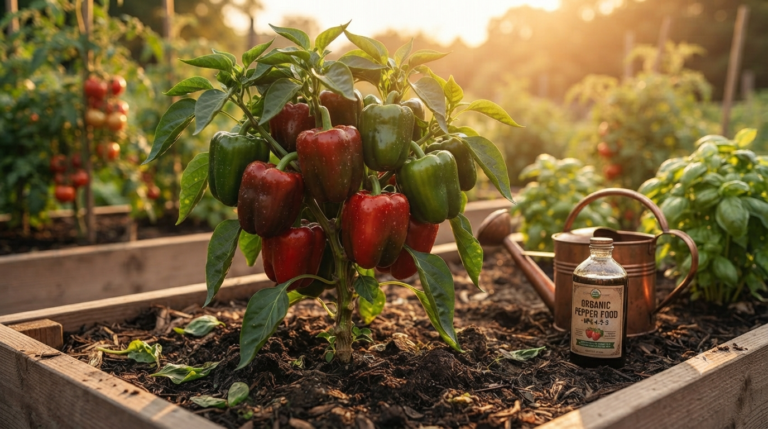
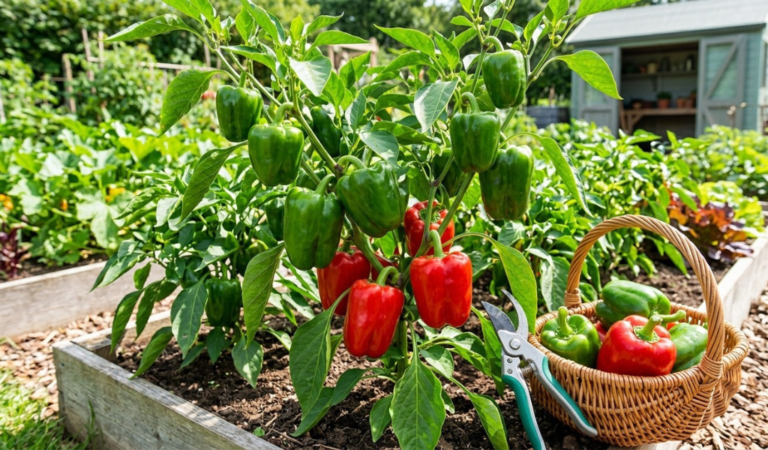
Growing peppers that are loaded with fruits starts with one thing most gardeners overlook: a consistent fertilizer schedule. Knowing how often to fertilize pepper plants can be the difference between a plant that produces a handful of peppers and one that goes wild all season long.
If you’ve ever watched your pepper plants grow slowly, drop their flowers, or show yellowing leaves, there’s a good chance the issue comes down to nutrients. The good news? Once you understand what pepper plants need at each growth stage, feeding them becomes second nature.
This guide covers everything you need to know about fertilizer for peppers, including which nutrients matter most, when to start fertilizing, how often to apply it, and the most common mistakes to avoid. Whether you’re growing bell peppers in garden beds or hot peppers in pots on a balcony, this guide has you covered.
Understanding Pepper Plant Needs
Pepper plants are heavy feeders. Compared to many other vegetables in the garden, they require a steady supply of nutrients throughout the entire growing season. However, the type and amount of fertilizer they need changes as they grow.
During the early stages, pepper plants are focused on building strong roots, stems, and leafy growth. At this point, nitrogen is the most important nutrient. As the plant matures and begins to set flowers and fruits, the need for phosphorus and potassium increases while nitrogen becomes less critical.
Potted pepper plants are especially demanding because nutrients in container soil get depleted quickly with regular watering. Garden soil holds nutrients longer, but it still needs to be replenished throughout the season.
Understanding these shifts in pepper growth is key to building a schedule that works.
What Nutrients Do Pepper Plants Need?
The first thing any gardener should ask before reaching for a bottle of fertilizer is: what nutrients do pepper plants need? The answer lies in the three main macronutrients found in almost every commercial fertilizer: nitrogen (N), phosphorus (P), and potassium (K).
These three are listed on every label as an NPK ratio. For example, with an NPK of 5-10-10 contains 5% nitrogen, 10% phosphorus, and 10% potassium.
- Nitrogen drives leafy green growth and is essential during the seedling and vegetative stages
- Phosphorus supports root development, flower production, and fruit development
- Potassium strengthens the plant overall, helps regulate water use, and boosts disease resistance
Beyond these three, pepper plants also need secondary nutrients like calcium, magnesium, and sulfur, along with trace minerals. Skipping these can lead to problems like blossom end rot and magnesium deficiency, both of which are common complaints among pepper growers.
What Do These Nutrients Do?
Let’s break down exactly what each major nutrient does for your pepper plants:
Nitrogen is the engine of early growth. It fuels the production of chlorophyll, which gives leaves their green color and powers photosynthesis. Without enough nitrogen, pepper leaves will turn pale or yellow, and the plant grows slowly. Too much nitrogen, on the other hand, results in big, lush leaves and stems but very little flower and fruit production.
Phosphorus works underground before you ever see the results above soil. It drives strong root development early in the plant’s life and then shifts to supporting flower and fruit set as the plant matures. Bone meal is a popular organic source of phosphorus that many gardeners add to planting holes before transplanting.
Potassium acts as a general health booster. It helps the plant move water and sugars efficiently, supports cell structure, and helps peppers resist stress from heat, drought, and disease. Potassium deficiency often shows up as browning along the edges of leaves.
Secondary Nutrients
While the NPK ratio gets most of the attention, secondary nutrients play a surprisingly important role in growing healthy and productive pepper plants.
Calcium is critical for cell wall development and preventing blossom end rot, a condition where the bottom of the fruit turns dark and mushy. This is one of the most frustrating problems bell pepper plants face.
Magnesium supports chlorophyll production. A magnesium deficiency typically shows up as yellowing between the veins of older leaves. Epsom salt (magnesium sulfate) is a common remedy, applied as a foliar spray or soil drench.
Sulfur plays a role in protein synthesis and enzyme activity. It is rarely deficient in most garden soils but should be included in any comprehensive regimen.
Best Fertilizers for Pepper Plants
There is no single best fertilizer for pepper plants that works for everyone, since the right choice depends on your soil, your growing setup, and your preferences for organic versus synthetic products. That said, some options consistently perform well.
Granular Fertilizers
Granular fertilizer is worked into the soil at planting time and releases nutrients slowly over weeks or months. Products with a balanced NPK like 10-10-10 work well for general use, while a formula like 5-10-10 is better suited for the flowering and fruiting stages when you want less nitrogen and more phosphorus and potassium.
Mix compost into the top few inches of garden soil before planting to give your peppers a rich, well-balanced base.
Liquid Fertilizers
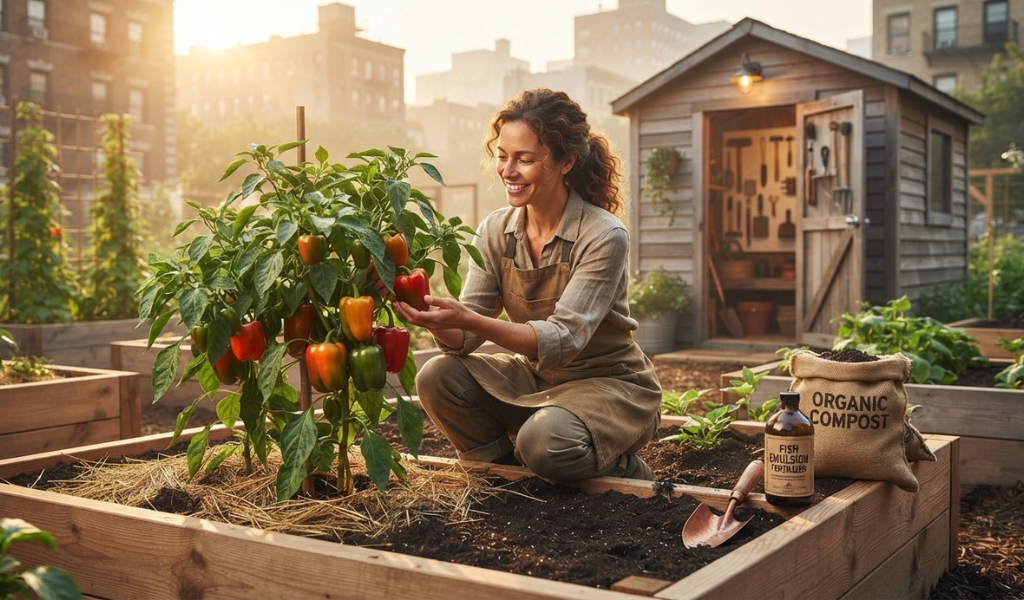
Liquid fertilizer absorbs quickly and delivers nutrients directly to the root zone. A water-soluble fertilizer applied every two weeks works well throughout the growing season. Fish emulsion is a popular organic option that provides a gentle boost of nitrogen along with trace minerals.
For potted pepper plants, liquid fertilizer every two weeks is especially effective since containers drain and lose nutrients faster than garden beds.
Slow-Release Fertilizers
Slow-release options are popular for low-maintenance gardeners. These are blended into the soil at planting and feed the plant over several months. They work best when combined with liquid fertilizer applications during peak fruiting stages.
What Do the Best Fertilizers for Peppers Have in Common?
The best fertilizer for your pepper plants shares a few key traits regardless of the brand or type:
- A balanced or slightly low-nitrogen NPK ratio suited to the current growth stage
- Calcium and magnesium included or available as a supplement
- A form that matches your gardening style, whether granular, liquid, or slow-release
- Quality ingredients that are free from excessive salts that cause nutrient burn
Can You Make Homemade Fertilizers?
Yes, homemade fertilizers are a practical and cost-effective option for growing peppers. Compost is the most versatile option. A few inches of finished compost worked into garden soil before planting provides a slow, steady supply of nutrients.
Other effective homemade options include:
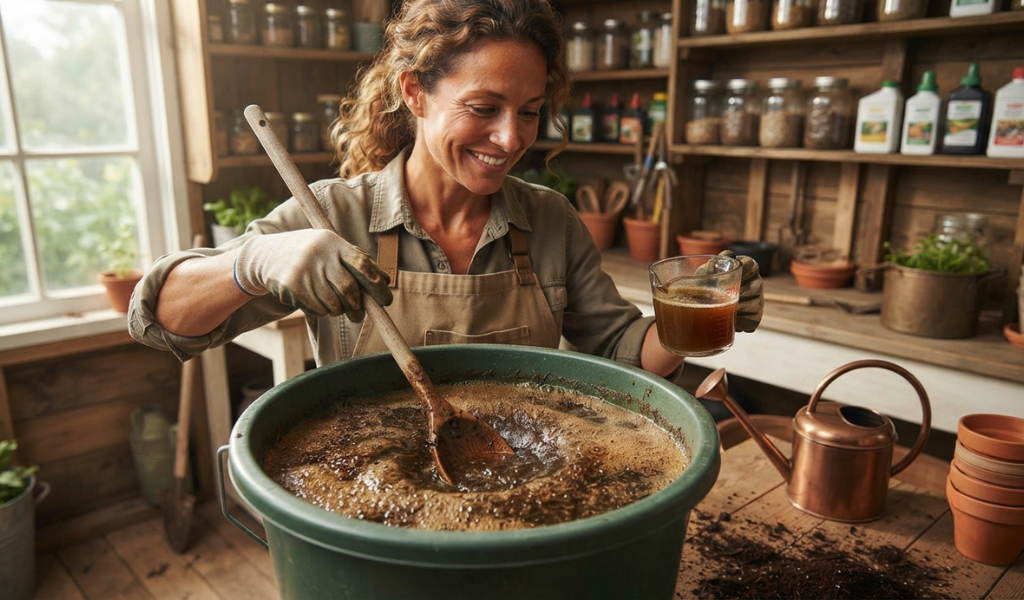
- Compost tea brewed from finished compost and water, applied as a liquid fertilizer every two weeks
- Banana peel water for a potassium boost during the fruiting stages
- Epsom salt solution at one tablespoon per gallon of water to address magnesium deficiency
- Diluted fish emulsion for a nitrogen boost during the vegetative stage
These options work especially well when combined with a commercial fertilizer regimen, filling in the gaps for secondary nutrients and trace minerals.
How Often to Fertilize Pepper Plants
This is the big question most growers want answered, and the honest answer is that frequency depends on the growth stage your plants are in.
Pepper Seedlings (Weeks 1 to 4)
Pepper seedlings that are just a few weeks old don’t need heavy feeding. At this stage, a very diluted liquid fertilizer applied once every two weeks is plenty. Wait until your seedlings have at least two to three sets of true leaves before introducing it at all. Early over-fertilizing can burn delicate roots and slow growth.
Vegetative Stage (Transplant to First Flowers)
Once your peppers are transplanted into the garden or into larger containers and they start developing foliage, they are ready for regular feeding. A nitrogen-forward fertilizer applied every two weeks supports healthy leafy growth and strong stems during this phase.
Flowering and Fruiting Stages
Once flowers appear, switch to a fertilizer with lower nitrogen and higher phosphorus and potassium, such as a 5-10-10 formula. Continue applying this every two weeks throughout the fruiting stages to support fruit development and keep the plant producing.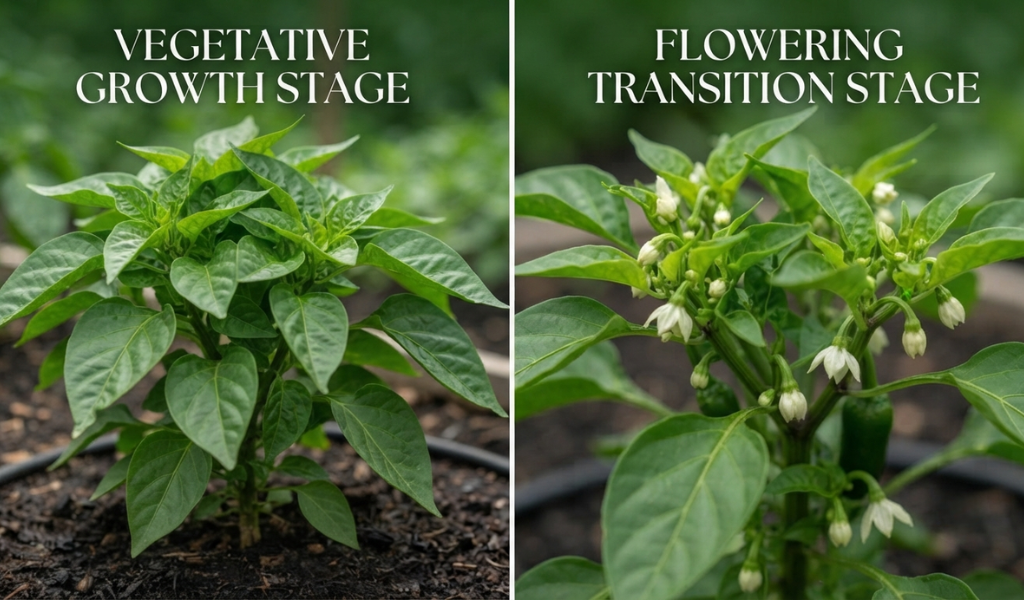
Quick Reference Schedule:
- Seedlings: Every 2 weeks with diluted liquid fertilizer
- Vegetative stage: Every 2 weeks with nitrogen-forward fertilizer
- Flowering and fruiting: Every 2 weeks with low-nitrogen, high-P and K formula
- Late season: Taper off fertilizing as temperatures drop and growth slows
When to Start Fertilizing
Start fertilizing pepper plants after they develop their first two to three sets of true leaves. Before that point, the nutrients stored in the seed are enough to sustain growth.
For transplants going into garden soil that has been amended with compost, you can wait two to three weeks after transplanting before adding extra fertilizer. The compost will provide a solid nutritional base in the meantime.
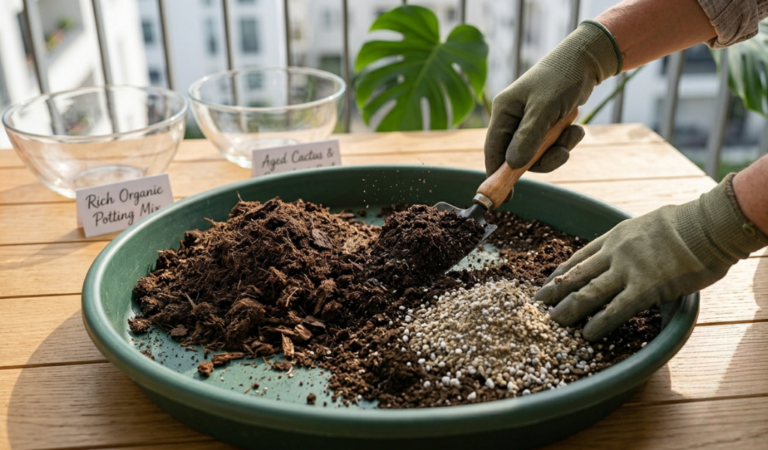
For peppers grown in containers, start feeding sooner since potting mixes often contain limited nutrients that get used up quickly.
Signs Your Peppers Need More Fertilizer
Your plants are constantly giving you feedback. Here are the most common signs that your pepper plant is running low on nutrients:
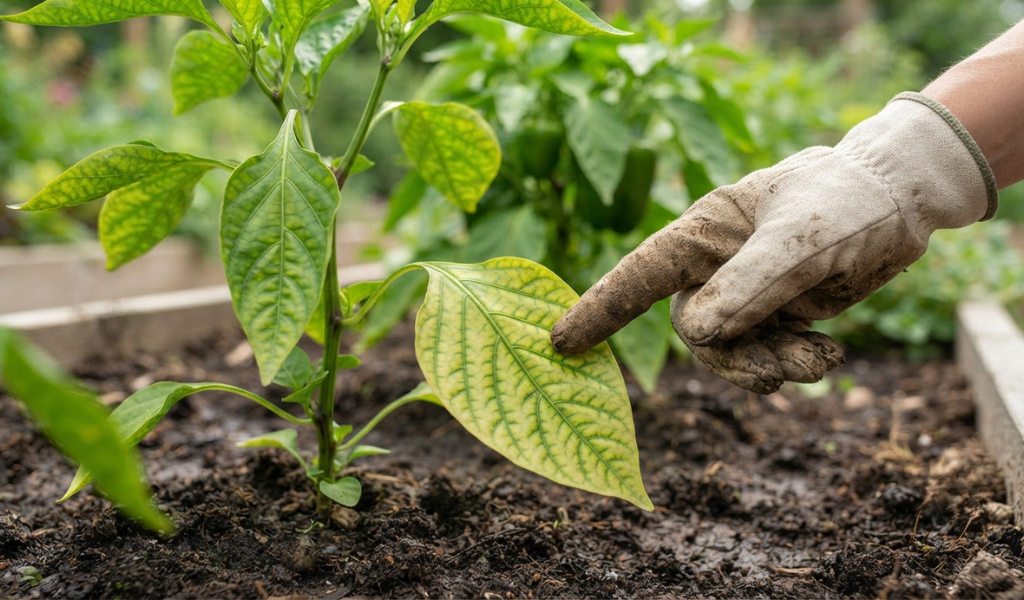
- Why your leaves are turning yellow? Yellow leaves, especially on older, lower foliage, often indicate nitrogen deficiency
- Purple-tinged leaves or stems can signal a phosphorus deficiency, particularly in cool weather
- Slow or stunted growth despite good watering and sunlight is often a nutrient issue
- Poor flower set or flowers dropping before fruiting can result from low phosphorus and potassium
- Blossom end rot on developing fruit points to calcium deficiency, often tied to inconsistent watering
If you notice any of these symptoms, a soil test is the best first step. A soil test tells you exactly what nutrients the soil is lacking so you can make targeted corrections rather than guessing.
Choosing the Right Fertilizer for Peppers
Choosing the right fertilizer for peppers comes down to matching the product to your goals, growing method, and current plant stage.
For beginning gardeners, a balanced water-soluble fertilizer like a 10-10-10 or 12-12-12 is a safe starting point that covers all the basics without overcomplicating things. As you gain more experience, you can dial in your choice more precisely by testing your soil and watching how your plants respond.
For organic growers, fish emulsion, bone meal, kelp meal, and compost cover most of what pepper plants need across the growing season.
For high-production growers targeting maximum fruit yield, a two-phase approach works well: a nitrogen-heavy fertilizer during vegetative growth, followed by a high-phosphorus and potassium formula like 5-10-10 once flowering begins.
Soil pH
Soil pH has a major impact on how well pepper plants can absorb nutrients from the soil. Even if your soil is packed with the right fertilizers, a pH that is too high or too low will lock nutrients out and make them unavailable to the plant.
Pepper plants prefer a soil pH between 6.0 and 6.8. At this range, nitrogen, phosphorus, potassium, calcium, and magnesium are all readily available.
A simple soil test kit from a garden center will tell you your current pH. If your soil is too acidic, add garden lime. If it is too alkaline, sulfur can help bring it down. Adjusting pH before the season starts is far more effective than trying to correct it mid-season.
Nutrient Burn and Flushing
Adding fertilizer more often does not always mean better results. Excess fertilizer builds up in the soil, especially in containers, and leads to a condition called nutrient burn. You will know nutrient burn has occurred when leaf tips and edges start turning brown and crispy while the rest of the leaf looks healthy.
To correct nutrient burn in pots, flush the soil thoroughly with plain water. Run water through the container until it drains freely from the bottom, which washes away excess fertilizer salts. Let the soil dry slightly before resuming your regular fertilizer schedule.
In garden beds, nutrient burn is less common but can happen if you over-apply granular fertilizer. Watering deeply after applying granular products helps move the this down into the root zone and reduces surface salt buildup.
Common Fertilizing Mistakes to Avoid
Even experienced gardeners make these mistakes with pepper fertilizer. Here are the most common ones to watch out for:
Fertilizing too early. Starting fertilizer before pepper seedlings have developed true leaves risks burning young roots. Wait until the plant has some size before introducing this.
Using the same formula all season. Many gardeners use a high-nitrogen fertilizer through the entire season, which leads to lush leafy growth but poor fruit production. Transition to a lower-nitrogen formula once flowers appear.
Skipping calcium and magnesium. Blossom end rot and magnesium deficiency are both common and both preventable. Make sure your fertilizer regimen includes these secondary nutrients, either in the main formula or as a supplement.
Fertilizing dry soil. Always water your plants before applying liquid fertilizer or after adding granular fertilizer to avoid burning roots.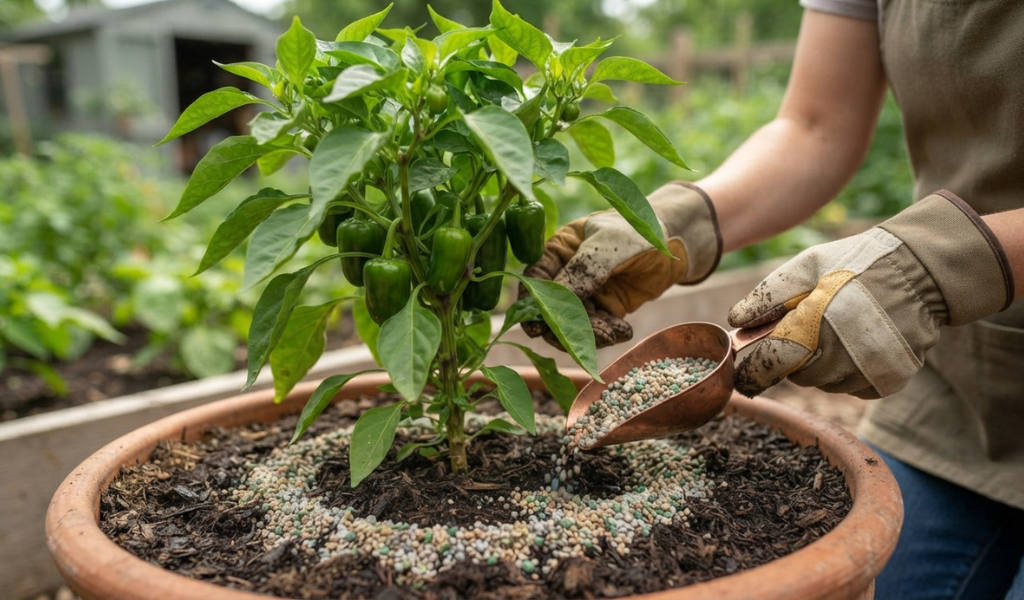
Ignoring the pot size. Small pots dry out and lose nutrients fast. Potted pepper plants in small containers may need fertilizer more frequently than those in larger containers or garden beds.
Feed Smart, Grow Strong
Fertilizing pepper plants is not complicated once you understand the basics. Match the fertilizer to the growth stage, apply every two weeks, and keep an eye on how your plants are responding. A little attention throughout the season goes a long way toward bigger harvests, healthier plants, and better-tasting peppers.
Start with a solid foundation of compost in your garden soil, choose a fertilizer that suits your growing style, and adjust as the season progresses. Whether you are growing sweet bell peppers in raised beds or hot peppers in containers on a sunny porch, giving your plants the right nutrients at the right time is the single biggest lever you have for improving your results.
FAQs: Best Fertilizer for Peppers
Do pepper plants need a lot of fertilizer?
Pepper plants are moderate to heavy feeders, meaning they need consistent fertilization throughout the growing season. They don’t need enormous amounts at once, but a steady supply every two weeks keeps them healthy and productive. Skipping fertilizer for extended periods leads to slow growth, yellow leaves, and reduced fruit production.
Which fertilizer is best for pepper plants?
The best fertilizer for pepper plants depends on the growth stage. During the vegetative stage, a nitrogen-forward balanced fertilizer works well. Once flowering begins, switch to a formula with lower nitrogen and higher phosphorus and potassium, such as a 5-10-10. Organic options like fish emulsion and compost tea are excellent choices for those who prefer natural products.
How often should I use Miracle-Gro on pepper plants?
Miracle-Gro water-soluble fertilizers are generally applied every 7 to 14 days when mixed as a liquid feed. Follow the product label closely, as over-application can lead to nutrient burn. During the vegetative stage, every two weeks is a safe starting point, and you can adjust from there based on how your plants look.
Do pepper plants need to be watered every day?
Not necessarily. Pepper plants prefer deep, infrequent watering over frequent light watering. How often you water depends on your climate, pot size, and soil type. In hot weather, potted pepper plants may need water daily. In cooler conditions or garden beds, every two to three days may be sufficient. The soil should be moist but not waterlogged.
What is nutrient burn, and how do I fix it?
Nutrient burn happens when too much fertilizer builds up in the soil and damages plant roots and leaf tissue. It shows up as browning on leaf tips and edges. To fix it in containers, flush the soil thoroughly with plain water to wash out excess salts. In garden beds, deep watering helps dilute the concentration. Once corrected, resume fertilizing at a lower rate.
Can I use compost instead of fertilizer for pepper plants?
Compost is a great supplement to a regular fertilizer regimen but works best when combined with targeted fertilizers. Compost improves soil structure, adds beneficial microorganisms, and provides a slow-release source of nutrients. It may not supply enough phosphorus and potassium on its own for peak fruiting, so pairing it with a balanced liquid fertilizer gives the best results.
Is a 5-10-10 fertilizer good for peppers?
Yes, a 5-10-10 fertilizer is an excellent choice for pepper plants during the flowering and fruiting stages. The lower nitrogen content prevents excessive leafy growth while the higher phosphorus and potassium levels support fruit development, root health, and overall plant strength. It is a widely recommended option for transitioning from the vegetative to fruiting stage.