Best Fertilizer for Pepper Plants in Pots: Fertilizer Guide for Peppers
Best Fertilizer for Pepper Plants in Pots: Essential Nutrients and Practices
Growing peppers in containers is one of the most rewarding things you can do as a home gardener. Whether you’re nurturing fiery hot peppers or sweet bell peppers on your balcony, the best organic fertilizer for peppers makes all the difference between a modest harvest and an abundant one. Peppers are heavy feeders, meaning they pull a lot of nutrients from the soil to produce their vibrant fruits. In pots, those nutrients deplete even faster than in the ground, making a solid fertilizer regimen non-negotiable.
Growing bell peppers in pots is especially popular among urban gardeners who want fresh produce without a large backyard. But here’s the thing: what you feed your pepper plants matters just as much as how much sun or water they get. Choose the wrong fertilizer, and you’ll end up with lush green leaves and very little fruit. Choose the right one, and you’ll be harvesting delicious peppers all season long.
This guide covers everything you need to know about choosing the best fertilizer for pepper plants in pots. You’ll learn how to read NPK values, which fertilizer types and forms work best, and how to build a feeding schedule that supports healthy pepper plant growth from seedling to harvest. There are also practical tips for keeping your potted pepper plants thriving beyond just fertilization.
Choosing the Best Fertilizer for Pepper Plants
Not every fertilizer will work equally well for peppers. Before you pick one off the shelf, there are a few key things worth understanding.
What Should You Consider When Purchasing Fertilizer for Pepper Plants?
The NPK Value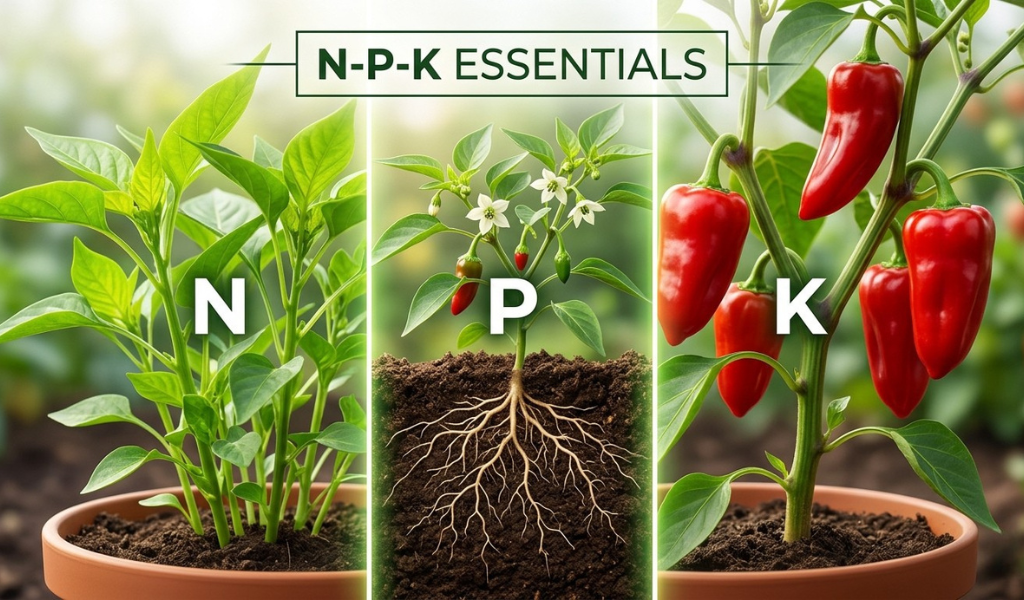
The Type of Fertilizer
Fertilizers broadly fall into two categories: organic and synthetic. Organic fertilizer for pepper plants releases nutrients slowly and improves soil structure over time. Synthetic fertilizers deliver nutrients quickly and are easy to control, but they don’t build soil health and can cause salt buildup in pots over time. For potted peppers, many growers prefer a combination of both.
The Form of Fertilizer
Fertilizer comes in several forms: granules, slow-release pellets, liquid fertilizer, spikes, and powder. Liquid fertilizer is a popular choice for potted pepper plants because it gets absorbed quickly and allows you to adjust feeding frequency easily. Granular fertilizers are convenient but take longer to break down. Slow-release pellets are a great set-and-forget option for busy gardeners.
What Type of Fertilizer Is Best for Peppers?
There are many fertilizer options for pepper plants, including both organic and synthetic choices. Here are the top options worth knowing.
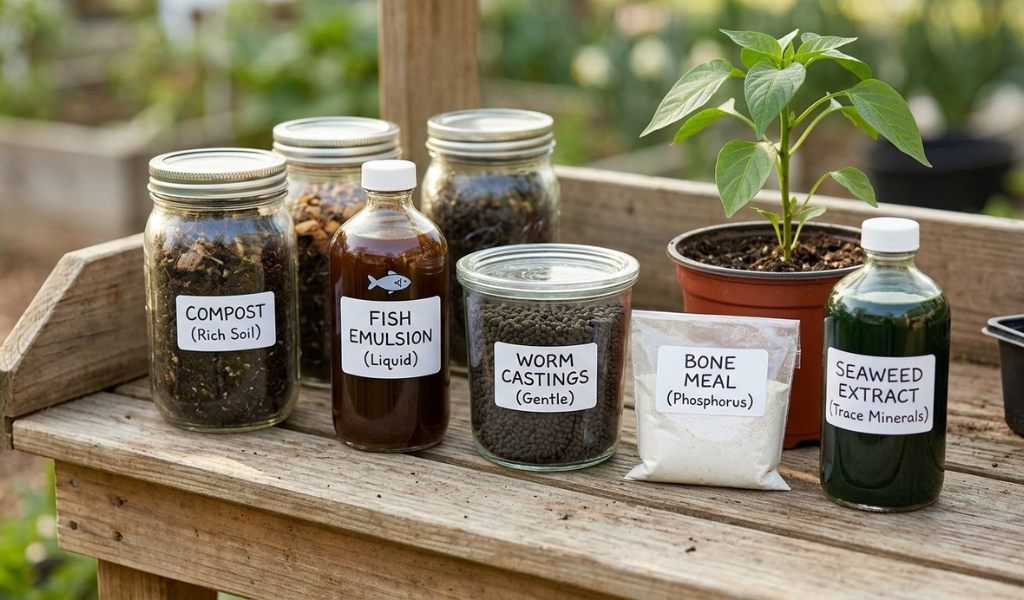 Compost
Compost is one of the best all-around soil amendments you can use. It adds a range of nutrients and beneficial microorganisms to your potting mix. Mix it into your potting soil before planting or use it as a top dressing throughout the season. It won’t burn roots and supports healthy pepper plant growth naturally.
Manure
Well-aged manure, particularly from chickens or cows, is an excellent organic fertilizer. Fresh manure can be too strong and may burn young pepper plants, so always use composted or aged manure. It adds nitrogen, phosphorus, and potassium, along with beneficial trace minerals.
Bone Meal
Bone meal is a slow-release source of phosphorus and calcium. It’s particularly useful during transplanting and in the early stages of growth, when root establishment is the priority. It also supports flower and fruit production as the season progresses.
Fish Emulsion
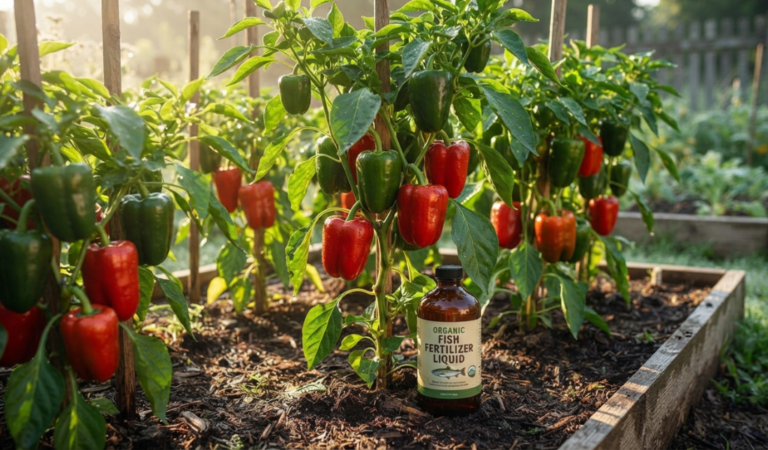
Fish emulsion is a liquid fertilizer made from processed fish. It’s rich in nitrogen and works fast, making it a good choice early in the growing season when pepper plants need to establish foliage. It has a strong smell, but plants love it. Dilute it according to the label before applying to potted peppers.
Seaweed Extract
Seaweed extract contains natural plant hormones and trace elements that boost overall plant health. It doesn’t provide large amounts of primary nutrients, but it acts as a great supplement to your main fertilizer regimen. Use it as a foliar spray or soil drench every few weeks.
Worm Castings
Worm castings are another natural fertilizer that’s gentle enough to use generously without risking nutrient burn. They improve soil structure, water retention, and microbial activity. Mix them into your potting soil at the start or top-dress throughout the season.
Greensand
Greensand is a slow-release mineral fertilizer that’s high in potassium and contains trace minerals like iron, magnesium, and silica. It’s an excellent long-term soil conditioner for potted pepper plants and works best when mixed into potting soil before planting.
Sulfate of Potash
Sulfate of potash provides readily available potassium without adding chloride, which can build up in pots and harm sensitive plants. It’s especially useful during the fruiting stage, when potassium demand is highest. It supports strong fruit development and improves flavor in many pepper varieties.
Superphosphate
Superphosphate is a high-phosphorus fertilizer that encourages strong root systems and boosts flower and fruit production. Use it during the transplanting phase or when plants start flowering. It’s a synthetic option, so use it according to the label to avoid over-application.
What Are the Benefits of Using Fertilizer on Pepper Plants?
The benefits go well beyond just getting more peppers. Here’s why feeding your pepper plants matters.
Potted peppers live in a limited volume of soil. Every time you water, some nutrients leach out through the drainage holes. Without regular fertilizer, your plants will run out of what they need to produce fruit. Fertilizer replenishes those nutrients and keeps the growing environment balanced.
A well-fed pepper plant develops a stronger root system, which helps it absorb water more efficiently. Good nutrition also improves a plant’s ability to fight off common pests and diseases. Pepper plants that get the right nutrients are more resilient and tend to recover faster from stress caused by heat, drought, or poor conditions.
From a harvest perspective, the difference between fertilized and unfertilized potted peppers is significant. Fertilized plants produce more flowers, set more fruit, and often yield peppers that are larger and more flavorful. Whether you’re growing bell peppers or hot peppers, regular feeding pays off at harvest time.
How to Fertilize Pepper Plants for the Best Results
Getting the most out of your fertilizer means more than just applying it on a schedule. Technique matters too.
Always water your pepper plants before applying fertilizer, especially liquid types. Applying fertilizer to dry soil can stress roots and cause burning. After watering,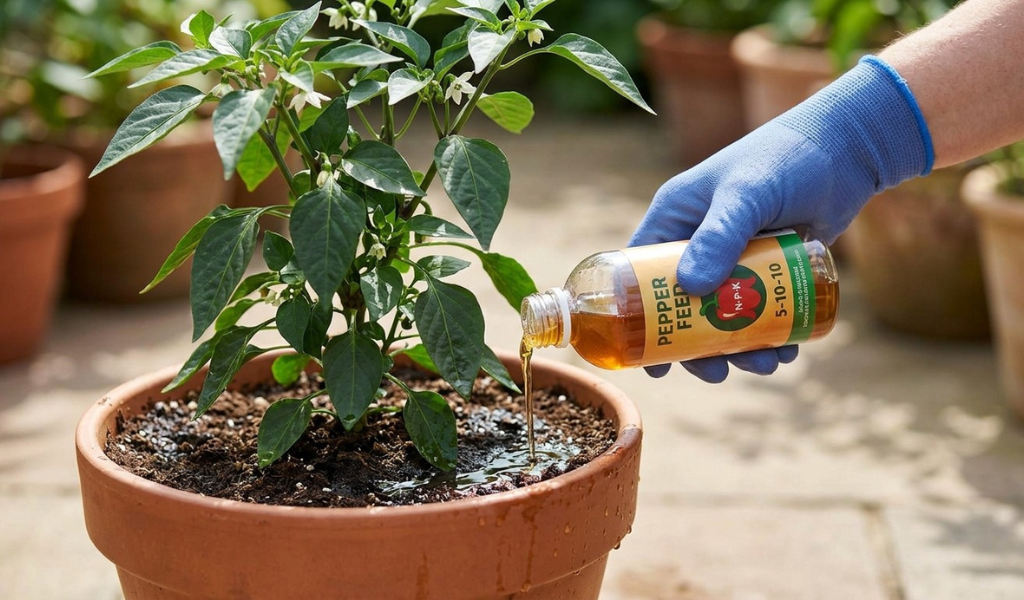 apply your liquid fertilizer at the recommended dilution rate and allow it to soak into the soil evenly.
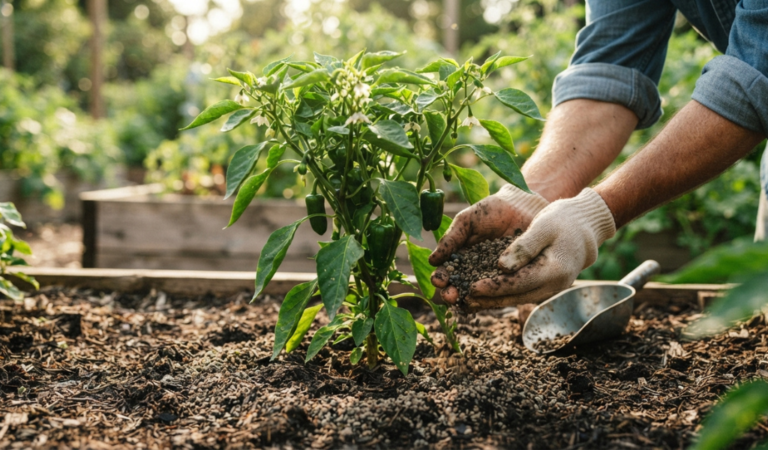
For granular or slow-release fertilizers, work them lightly into the top inch of soil around the base of the plant, being careful not to disturb the roots. Water well after application to help the nutrients move down to the root zone.
Avoid applying fertilizer during the hottest part of the day. Early morning or late afternoon is ideal, as it reduces the risk of leaf scorch if any fertilizer contacts the foliage.
Don’t over-fertilize. More is not better when it comes to potted peppers. Excess nitrogen, in particular, can cause lush, leafy growth at the expense of peppers. Stick to the recommended rates on your fertilizer label and adjust based on how your plants respond.
When and How Often to Fertilize Pepper Plants in Pots
Timing and frequency depend on what stage of growth your plants are in.
Start fertilizing pepper plants a few weeks after transplanting into their final pots, once the roots have settled. At this stage, a balanced fertilizer with equal parts nitrogen, phosphorus, and potassium works well.
During the vegetative stage, fertilize every one to two weeks with a balanced liquid fertilizer. Once the plants start setting flowers, reduce nitrogen and increase phosphorus and potassium to support fruit production. A fertilizer like 5-10-10 is a solid choice at this point.
As the season winds down and you’re approaching your final harvest, you can ease up on fertilization. Late-season plants don’t need as much input, and heavy feeding at that stage can push new growth that won’t have time to produce mature peppers before temperatures drop.
Do a soil test before the season starts if you can. Knowing your soil’s baseline nutrient levels helps you choose a fertilizer that fills in the gaps rather than adding more of what’s already there.
Additional Tips for Keeping Your Pepper Plants Healthy and Productive
Fertilization is just one piece of the puzzle. Here are eight more practices that will help you get the most from your potted peppers.
Water Regularly
Potted pepper plants dry out faster than ground-planted ones. Water consistently, keeping the soil moist but never waterlogged. Inconsistent watering leads to problems like blossom drop and bitterness in the fruit.
Soil pH
Peppers prefer a soil pH between 6.0 and 6.8. If the pH is off, your plants won’t be able to absorb nutrients properly, even if your fertilizer is perfect. Test the soil at the start of the season and amend if needed.
Apply Mulch
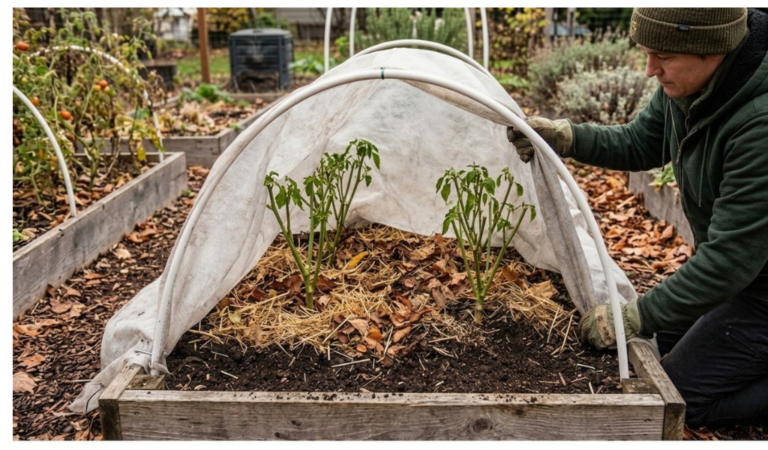
A thin layer of mulch on top of your potting soil helps retain moisture and regulate soil temperature. Organic mulches like straw or shredded leaves also break down slowly and add nutrients over time.
Choose the Right Location
Peppers need at least six to eight hours of direct sunlight daily. Place your pots in the sunniest spot available. More sun means better photosynthesis, better growth, and better fruit production.
Provide Adequate Ventilation
Good air circulation around your pepper plants reduces the risk of fungal diseases. Don’t crowd pots together too tightly, and trim any dense inner foliage to improve airflow.
Control Pests and Disease
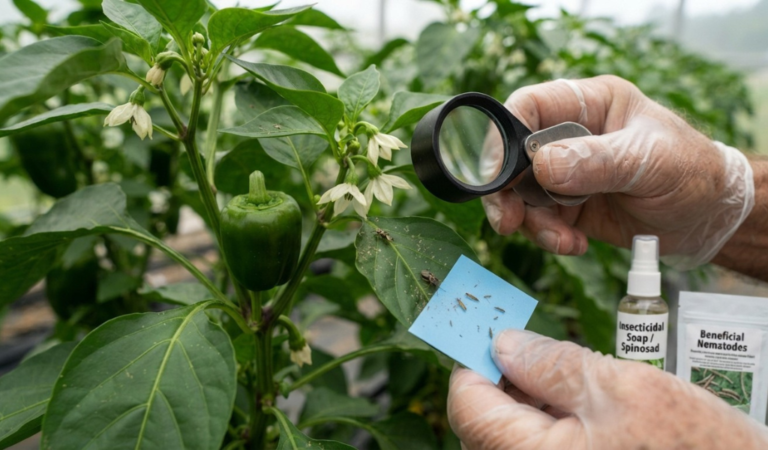
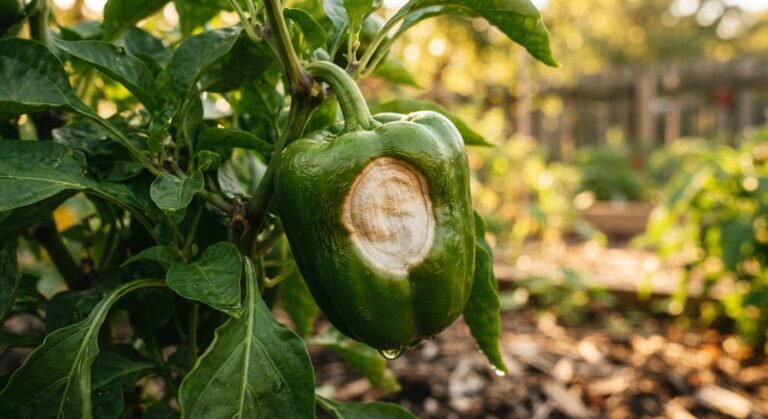
Keeping your plants healthy starts with regular care and early attention to problems. Check your plants often for common pests like aphids, spider mites, and whiteflies, especially under leaves and around new growth. If you notice signs of pests or disease, treat the problem early before it spreads to the rest of the plant. Proper watering, good airflow, healthy soil, and balanced feeding can help plants stay strong and better resist infestations. Still, even healthy plants are not completely immune to pests and diseases. With consistent monitoring and simple preventive steps, you can catch problems early and give your plants a better chance to grow strong, healthy, and productive throughout the season.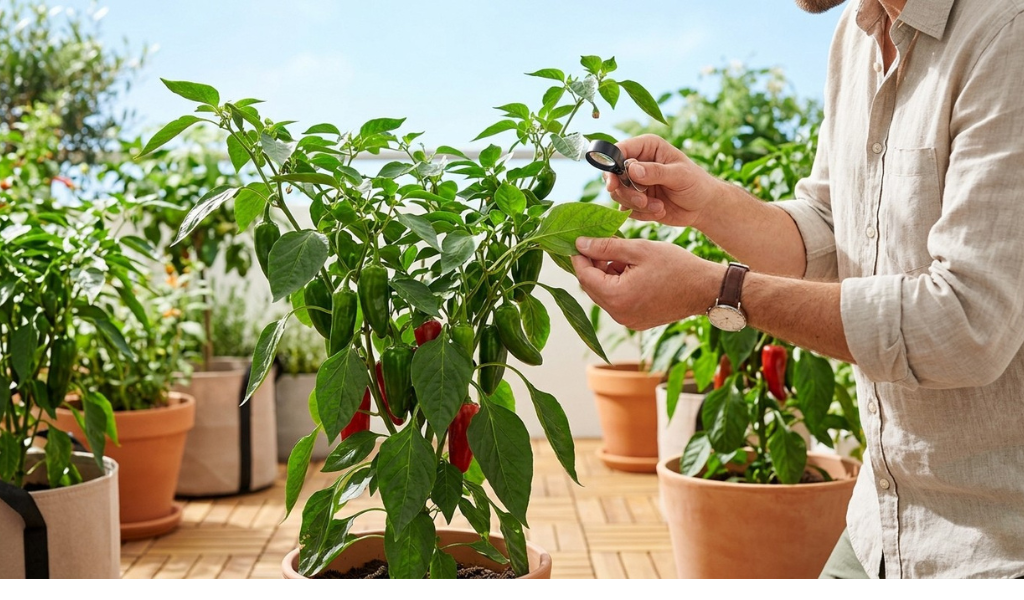
Harvest Regularly
Regular harvesting is one of the easiest ways to encourage your pepper plants to keep producing. The more often you harvest mature peppers, the more energy the plant can put into developing new flowers and fruits. Leaving ripe peppers on the plant for too long may signal that the growing cycle is nearing its end. Pick peppers as they mature to keep the plant productive throughout the season. Regular harvesting also helps prevent overripe or damaged peppers from weighing down the plant and gives new fruits more room to develop.
Store Properly
Fresh peppers store well in the refrigerator for one to two weeks. For a larger harvest, consider freezing, drying, or pickling your peppers to preserve them beyond the growing season.
Final Thoughts
Choosing the best fertilizer for pepper plants in pots doesn’t have to be complicated. Start with a balanced fertilizer during early growth, shift toward a phosphorus and potassium-rich option once flowering begins, and keep a consistent feeding schedule throughout the season. Whether you prefer organic options like compost, worm castings, and fish emulsion, or you lean toward synthetic solutions, what matters most is feeding your plants regularly and paying attention to how they respond.
Pair good fertilization with proper watering, the right soil pH, and a sunny spot, and your potted pepper plants will reward you with a generous harvest. Start with one or two fertilizer options, observe your results, and adjust from there.
Frequently Asked Questions
What is the best fertilizer for pepper plants in pots?
A balanced fertilizer with an NPK ratio of 10-10-10 works well during the early growth stages. Once flowering begins, switch to a fertilizer higher in phosphorus and potassium, such as 5-10-10, to support fruit development. Organic options like fish emulsion, worm castings, and compost are also excellent choices for potted peppers.
How often should you fertilize potted pepper plants?
Fertilize potted pepper plants every one to two weeks during the growing season. Liquid fertilizers can be applied more frequently at a diluted rate, while slow-release granular fertilizers may only need to be applied every four to six weeks.
When should you fertilize pepper plants?
Start fertilizing a few weeks after transplanting, once the roots have settled into their new container. Continue through the growing season, adjusting the fertilizer type based on the plant’s growth stage. Ease off fertilization as the season ends and plants approach their final harvest.
What should you feed peppers in pots?
Peppers in pots benefit from a combination of a balanced base fertilizer and organic supplements like seaweed extract or worm castings. During fruiting, focus on phosphorus and potassium to improve flower and fruit production.
Is Miracle-Gro good for pepper plants?
Miracle-Gro can be effective for pepper plants, particularly the all-purpose or tomato-specific formulas. However, it’s a synthetic option, so follow the label instructions carefully to avoid over-fertilizing. Pairing it with organic matter like compost can improve long-term soil health in pots.
Can I use organic fertilizer for pepper plants?
To boost fruit production, switch to a lower-nitrogen fertilizer once flowering begins and increase phosphorus and potassium. Harvest regularly, ensure your plants get plenty of sunlight, water consistently, and maintain the correct soil pH between 6.0 and 6.8. Adequate pollination, either by wind or by gently shaking the flowers, also improves fruit set in container-grown peppers.