Is Wood Ash Good for Tomato Plants? A Complete Fertilizer Garden Guide
Is Wood Ash Good for Tomato Plants? Best Ways to Use Wood Ash
Is wood ash good for tomato plants? The short answer is yes, but only when a gardener uses it with care. Wood ash from a fireplace or wood stove holds potassium, calcium and small amounts of other minerals that a tomato plant needs to grow strong and set fruit. It also raises soil pH, which can help or hurt depending on what is already in your garden bed.
Many home gardeners look at the pile of ashes after a cold winter and wonder if it belongs in the vegetable garden. That is a fair question, because wood ash as a fertilizer has been used for generations. Before planting tomatoes, though, it helps to know what ash does to the soil and how much is safe.
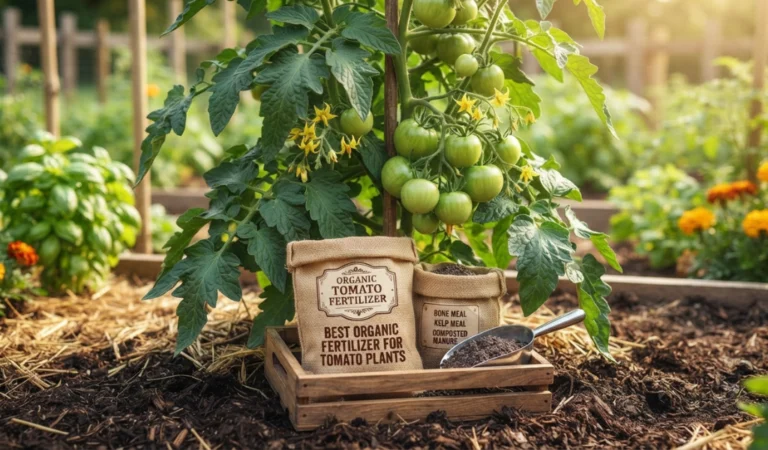
This guide explains everything step by step. You will learn what is inside wood ash, how it changes soil pH, how to test your soil, and how much to apply. If you are also searching for the Best Organic Fertilizer for Tomato Plants, you will see where ash fits and where other options work better. Used the right way, wood ash can be a free and useful tool. Used the wrong way, it can lock up nutrients and leave your plants weak.
Why Is Wood Ash Good for Tomato Plants: The Nutrients Behind the Hype
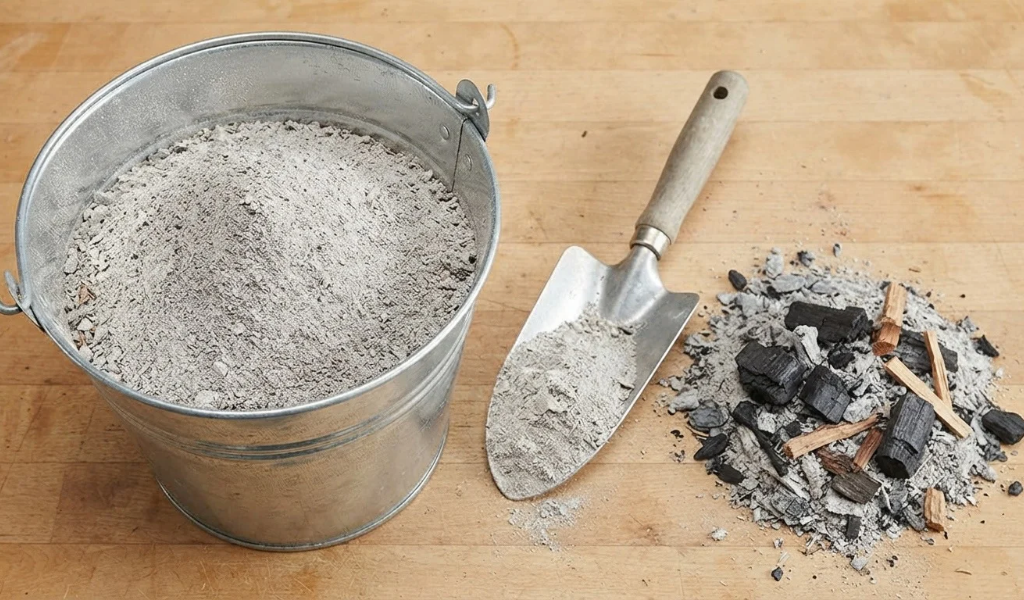
Wood ash is what remains after burning wood, and it keeps most of the minerals the tree pulled from the soil while it grew. That is why wood ash can work as a fertilizer in a vegetable garden. The main nutrients in wood ash are calcium, potassium, magnesium and a little phosphorus. Calcium makes up the largest share, often more than twenty percent of the ash by weight. Potassium follows, and the exact amount depends on the kind of wood and how hot the fire burned.
Tomato plants need these minerals. Potassium helps the plant move water and sugars, which supports healthy fruit. Magnesium sits at the center of chlorophyll, so it plays a direct role in photosynthesis. Phosphorus supports strong roots and early growth.
 There is one big gap, though. Wood ash has almost no nitrogen. Nitrogen escapes as gas when wood burns, so ash cannot work as a nitrogen fertilizer. A tomato plant still needs nitrogen to build leaves and stems. This is why the question “Is Wood Ash Good for Tomato Plants” never has a simple yes. Ash fills some needs and leaves others open. Think of it as a mineral boost and not a complete meal.
How Wood Ash Raises Soil pH and When Tomatoes Benefit From It
Wood ash is alkaline. Its pH often sits between 10 and 13, which is close to the strength of lye water. When you add wood ash to your garden, the ash reacts with the soil and raises the pH. Gardeners call this a liming effect because the calcium compounds in ash act much like garden lime.
Tomatoes grow best in slightly acidic soil with a pH between 6.0 and 6.8. If your soil is acidic and sits below 6.0, a light dusting of ash can raise the pH level and bring it into the sweet spot. Heavy clay and rainy regions often have acidic soil, so ash can help there.
If your soil is already neutral or alkaline, the story changes. More ash pushes the pH too high. Iron, manganese and phosphorus then become harder for roots to absorb. Leaves turn yellow even though the soil looks rich. Alkaline soil is the biggest reason Is Wood Ash Good for Tomato Plants gets a no for some gardens.
Testing Your Soil Before Adding Wood Ash
Guessing is the most common mistake. A simple soil test costs little and removes the doubt. Garden centers sell home kits, and many local extension offices offer lab tests for a small fee. A lab report gives the exact pH of your soil along with nutrient levels such as potassium and calcium. Take samples from a few spots in the bed at about six inches deep. Mix them in a clean bucket and let the soil dry. Then follow the kit directions or send the sample to the lab.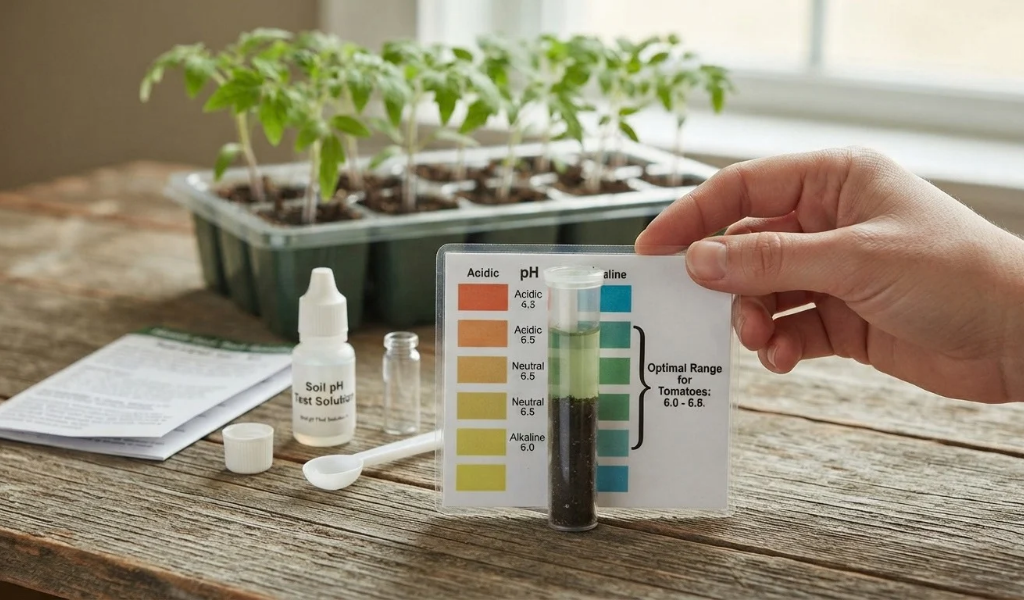
Retest every year if you use wood ash regularly. Ash changes the pH of the soil faster than most people expect. If the number climbs past 6.8, stop adding ash and let the bed settle.
Potassium Boost: What Wood Ash Does for Tomato Flowering and Fruit Set
Potassium is one of the nutrients tomatoes use the most. It controls how the plant handles water and sugar, and it directly affects blooms and fruit. A tomato plant short on potassium shows yellow edges on older leaves and produces fruit that ripens unevenly. The fruit may also taste flat and develop hard, pale patches inside.
Wood ash contains potash, which is a natural source of potassium. Hardwood ash usually holds around five to ten percent. Because the potassium dissolves quickly in water, plants can use it soon after a rain or watering. This makes ash a fast option compared with many slow organic fertilizer products.
Still, a gardener should not treat ash as the only potassium source. Many garden soils already hold enough. A soil test shows this. When levels are low, ash is a cheap fix. When levels are high, extra potassium can block calcium and magnesium uptake, and your tomato plants end up worse off. So the answer to Is Wood Ash Good for Tomato Plants depends on what your soil already has.
Calcium in Wood Ash and Its Role in Preventing Blossom End Rot
Blossom end rot shows up as a dark, sunken patch on the bottom of a tomato. Gardeners often blame a lack of calcium in the soil, and wood ash seems like an easy answer because it is rich in calcium. The truth is a little more complex.
Most soils already hold plenty of calcium. Blossom end rot usually happens because the plant cannot move calcium into the fruit. Uneven watering is the most common cause. Dry spells followed by heavy watering disrupt the flow. Root damage and too much nitrogen can also play a part.
Wood ash can help when the soil is truly low in calcium and acidic. In that case it adds calcium and raises the pH at the same time. In soil that is already rich in calcium, more ash will not stop the rot. Deep and steady watering with a layer of mulch works better. So when someone asks whether Is Wood Ash Good for Tomato Plants that suffer from rot, the best reply is that it depends on the cause.
How Much Wood Ash to Use on Tomato Plants Per Square Foot
Moderation matters more than anything else. A safe rule for most vegetable garden beds is about one cup of wood ash per ten square feet. That is a thin layer and not a thick blanket.
For a single plant, a small handful is enough. Many gardeners measure with a 5 gallon bucket. One bucket holds a large amount, so it should cover a big area over many seasons rather than one bed in a single year.
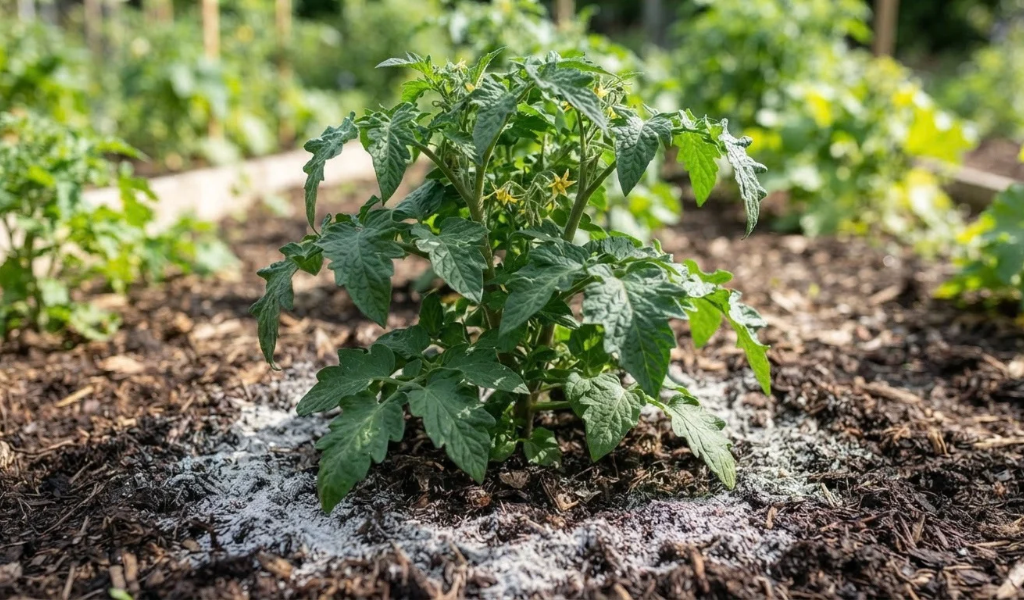
Always sift the ash first to remove charcoal chunks and nails. Fine ash spreads evenly and reacts faster. Scatter it over the soil surface and rake it in so the ash mixes with the existing soil. Never pile it near stems because strong alkalinity can burn roots.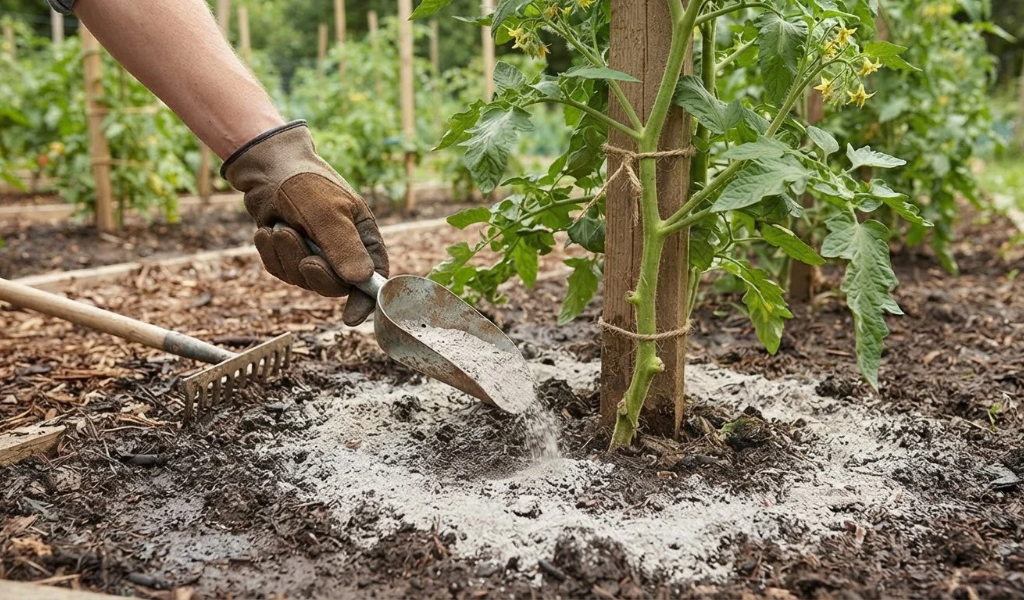
Keep to one light application a year. If a soil test shows a high pH, skip it entirely. The goal is to give your tomato plants a little help and not to change the whole garden. Anyone asking Is Wood Ash Good for Tomato Plants should remember that the dose makes the difference.
Best Time to Apply Wood Ash Around Tomato Plants
Timing helps ash work better and keeps plants safe. The best time is late fall or early spring, before planting tomatoes. Ash needs a few weeks to react with the soil and settle the pH. Spread it, work it in and let rain and time do the rest.
Early spring application gives you room to test again before transplanting. If the pH looks fine, you can plant right away. Fresh ash applied on the same day as planting can burn tender roots.
During the growing season a gardener may add a thin dusting around the base of established plants. Do this only if a test shows a need. Keep the ash a few inches from the stems and water it in well. Dry ash can blow away or form a crust.
Avoid applying ash right before heavy rain. Water can wash out potassium and cause nutrients to leach below the root zone. Also skip wet ash since it turns into a hard paste. Some gardeners scatter a dry ring of ash to keep off slugs and snails. It works only while dry, so it needs a refresh after every rain.
Hardwood vs. Softwood Ash and Which Is Safer for Your Tomato Garden
Not all wood ash is equal. Hardwood such as oak, maple and hickory burns hot and leaves ash rich in calcium and potassium. Softwood such as pine and fir burns faster and produces less ash with fewer nutrients. Softwood ash is still safe to use in small amounts but it offers less value.
The source of the wood matters more than the species. Ash from clean and untreated firewood is the safest option for a home garden. Fireplace ash from a normal evening of burning wood is fine as long as nothing else went into the fire.
Ash from a wood stove often burns hotter and gives a finer powder. This kind spreads easily and works well in a vegetable garden. Store it in a metal container with a lid and keep it dry until you are ready to use it.
Types of Ash You Should Never Put on Tomatoes
Some ash should never reach a garden bed. Coal ash and charcoal briquette ash contain sulfur and heavy metals that harm soil and plants. Ash from treated, painted or pressure treated wood holds chemicals such as arsenic. Ash from burned trash, glossy cardboard or plastic also carries toxins.
Lighter fluid and fire starter logs leave residue too. Skip any ash from fires that used them. Barbecue ash is risky for the same reason. If you are not sure what burned, do not use it. Throw it in the trash instead. A tomato plant takes up what sits in the soil and you will eat the fruit.
Risks of Using Too Much Wood Ash on Tomato Plants
Too much ash is the top risk. Heavy use drives the soil pH up fast. Once the soil turns alkaline, tomato plants struggle to take in iron, zinc, manganese and phosphorus. Leaves turn pale, growth slows and fruit stays small.
Salt buildup is another issue. Ash holds soluble salts that can damage roots when applied thickly. Seedlings are most at risk. Young plants may wilt or stop growing even with plenty of water.
Nutrient imbalance can also appear. Excess potassium blocks magnesium and calcium, which leads to weak stems and fruit problems. Wood ash can also hurt acid loving plants. Blueberries and azalea need acidic soil, so keep ash far from them. Potatoes may get scab in alkaline soil, which matters when they share a bed with tomatoes in crop rotation.
Safety matters for people too. Ash dust irritates eyes and lungs and it can burn damp skin. Wear gloves and a mask when you spread it.
Wood Ash Alternatives and Better Ways to Feed Tomatoes Naturally
If your soil test says ash is not a good fit, plenty of organic options exist. Compost is the best place to start. It adds organic matter, feeds soil life and supplies a slow release of many nutrients. A thin layer worked into the bed each spring improves almost every garden.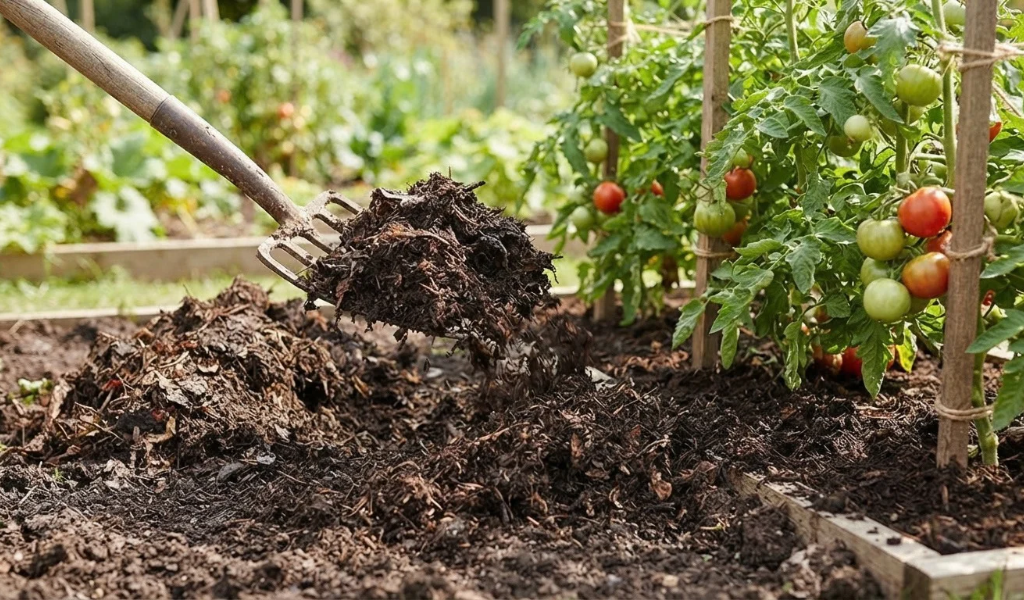
For nitrogen, try well aged manure, blood meal or alfalfa meal. These fill the gap that ash leaves behind. For phosphorus and potassium, bone meal and greensand work well. Kelp meal adds trace minerals and potassium. Crushed eggshells offer slow calcium though they break down over many months.
A liquid fertilizer made from compost tea or fish emulsion gives quick feeding during flowering. Follow the label and use it every two weeks as part of a simple fertilizer schedule.
Many gardeners ask about the Best Organic Fertilizer for Tomato Plants. A balanced mix of compost plus a fertilizer made for tomatoes usually wins. Wood ash can then act as a small extra for acidic soil and not the main feed. Small amounts of ash can also go into a compost pile, where they mix with other material and cut the risk of overuse.
Final Thoughts
So, Is Wood Ash Good for Tomato Plants? Yes, in the right setting. It supplies potassium, calcium and magnesium, and it raises soil pH where the soil is too acidic. It cannot replace a nitrogen fertilizer, and it can cause real damage in alkaline soil or when used too heavily. The safe path is simple. Test your soil first. Use clean ash from untreated wood. Apply about one cup per ten square feet. Do it once a year, ahead of planting tomatoes. Then retest and adjust. Ready to try it? Grab a soil test kit this week, check your pH and decide if the pile of ashes by your fireplace belongs in your garden. Your tomato plants will show you the rest.
Frequently Asked Questions
Which vegetables do not like wood ash?
Potatoes are the main one because alkaline soil encourages scab. Acid loving plants such as blueberries and azalea also dislike ash. Always check your soil pH before adding ash near any crop that prefers acidic soil.
What is the absolute best fertilizer for tomatoes?
No single product wins in every garden. A balanced organic fertilizer made for tomatoes plus compost works well for most growers. A soil test shows which nutrients your bed needs, so the answer depends on your results.
What plants benefit the most from wood ash?
Plants that like neutral to alkaline soil and need potassium respond best. Asparagus, garlic, onions, beans and cabbage family crops are common examples. Lilacs and roses also do well with a light dusting.
How long will tomatoes last in wood ash?
This question has two meanings. Some old storage methods packed produce in dry ash to cut moisture, but it is not a safe or reliable way to keep fresh tomatoes today. If you mean how long the effect lasts in soil, the pH change usually holds for several months to a full season.
How should you apply wood ash to tomato plants?
Sift the ash and scatter a thin layer over the soil surface. Rake it into the top few inches and water it in. Keep it a few inches from stems and apply it only once a year.
Is wood ash good for tomato plants in pots?
Use extra caution here. Potting soil is a small space, so pH shifts fast. If a test shows the mix is acidic, mix in about one tablespoon per large pot once. Otherwise skip it and use compost.
Is wood ash good around tomato plants?
Yes, a light dusting works if the soil needs it. Keep it away from the stems and never pile it up. Thin and even coverage is always safer than a thick layer.