Best Organic Fertilizer for Tomato Plants: Organic Options for a Healthy Garden
Best Organic Fertilizer for Tomato Plants: Easy Tips for Better Tomatoes
If you want juicy, flavorful tomatoes this season, the secret almost always comes down to what you feed your plants. Finding the best organic fertilizer for tomato plants is one of the simplest ways to turn a so-so harvest into a bumper crop of red, ripe fruit. Whether you are a first time gardener or you have grown tomatoes for years, understanding how to fertilize tomatoes the organic way can make a real difference in taste, yield, and plant health.
In this guide, we will walk through everything you need to know about choosing and using the best organic fertilizer for tomato plants, from soil preparation to harvest. You will learn how organic fertilizer supports healthy roots, strong stems, lush leaves, and better fruit production. Options such as fish fertilizer for tomato plants can also provide useful organic nutrients when used correctly. We will also cover practical tomato growing tips, including when to fertilize, how much fertilizer to use, and which organic options work best in the garden.
These simple tips are based on what works in real gardens, not just theory, so you can feed your plants with confidence and grow healthy tomato plants throughout the season. With the right fertilizer and proper care, your tomato plants can produce stronger growth and a more rewarding harvest.
Understanding Tomato Nutrient Needs
Tomato plants are heavy feeders, which means they pull a lot of nutrients from the soil as they grow. Every tomato plant needs a steady supply of nitrogen, phosphorus, and potassium, along with smaller amounts of calcium, magnesium, and other micronutrients. Nitrogen supports leafy green growth early in the season, phosphorus helps develop strong roots and flowers, and potassium plays an important role in fruit quality, overall plant strength, and disease resistance.
Without the right nutrient balance, you might see yellow leaves, weak stems, slow growth, or tomato plants that grow tall and leafy but produce very little fruit. This is exactly why choosing the **best organic fertilizer for tomato plants** matters so much. A quality fertilizer for tomatoes provides essential nutrients in balanced amounts and helps support the changing needs of the plant throughout the growing season.
When selecting the best organic fertilizer for tomato plants, consider the plant’s growth stage and the condition of your garden soil. Young tomato plants need nutrients that encourage healthy roots and strong vegetative growth, while flowering and fruiting plants benefit from adequate phosphorus and potassium. Soil testing can also help identify nutrient deficiencies before they affect your tomato harvest.
Why Organic Fertilizer Is Better for Your Soil
Organic fertilizer does more than feed your tomato plant. It also feeds the soil itself. Unlike synthetic fertilizer, which can provide a quick burst of nutrients, organic fertilizer adds natural organic matter that breaks down gradually and supports beneficial microbes, earthworms, and fungi in the garden. This makes organic fertilizer a valuable choice for gardeners who want healthier soil as well as productive tomato plants.
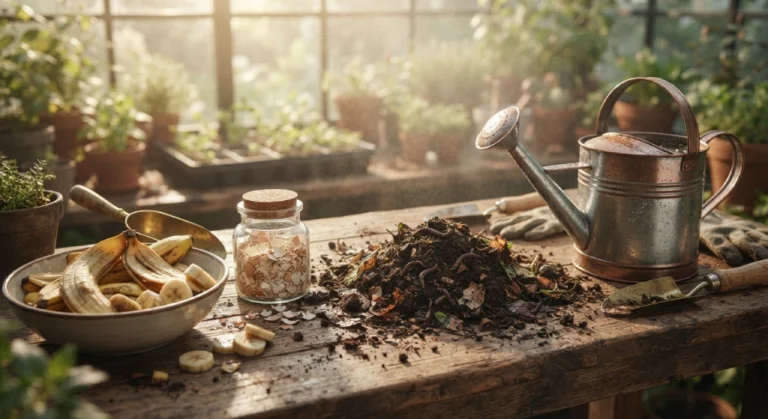
Over time, soil treated with organic fertilizer can develop better structure, improved moisture retention, and greater resistance to compaction. This creates an environment where tomato roots can spread easily and access nutrients more naturally. Compost, worm castings, aged manure, fish-based fertilizers, and other organic options can all contribute to healthier garden soil when used properly.
Many gardeners who consistently use the best organic fertilizer for tomato plants notice that their soil becomes richer, darker, and easier to work after one or more growing seasons. By improving both soil health and nutrient availability, organic fertilizer can help tomato plants develop stronger roots, healthier foliage, better flowering, and more productive fruiting throughout the season.
Key Components of the Best Organic Fertilizer for Tomato Plants
A quality tomato fertilizer usually includes a mix of ingredients working together. Common components include:
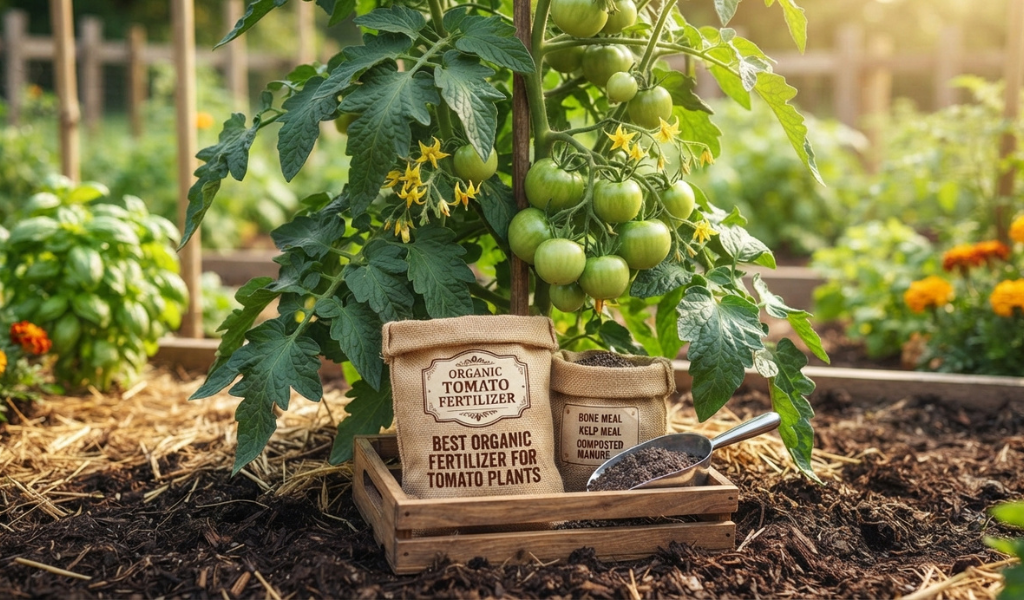
- Bone meal for phosphorus and calcium
- Blood meal or feather meal for nitrogen
- Kelp meal for potassium and trace micronutrients
- Compost or aged manure for slow-release organic matter
- Rock phosphate for long-term phosphorus availability
When these ingredients come together, they form what many gardeners consider the best organic fertilizer for tomato plants, since it addresses nitrogen, phosphorus, potassium, and micronutrients all at once. Look for a granular fertilizer that lists these organic sources directly on the label rather than vague filler ingredients.
Preventing Blossom End Rot with Calcium
Blossom end rot is one of the most common problems gardeners face, showing up as a dark, sunken spot on the bottom of the fruit. It happens when a tomato plant cannot access enough calcium, often due to inconsistent watering rather than a true calcium shortage in the soil.
To prevent this, choose the best organic fertilizer for tomato plants that includes calcium sources like bone meal or gypsum, and keep your watering schedule consistent. Mulching around the planting hole also helps retain even soil moisture, which allows calcium to move through the plant properly and reach developing fruit.
When and How to Apply Your Organic Fertilizer
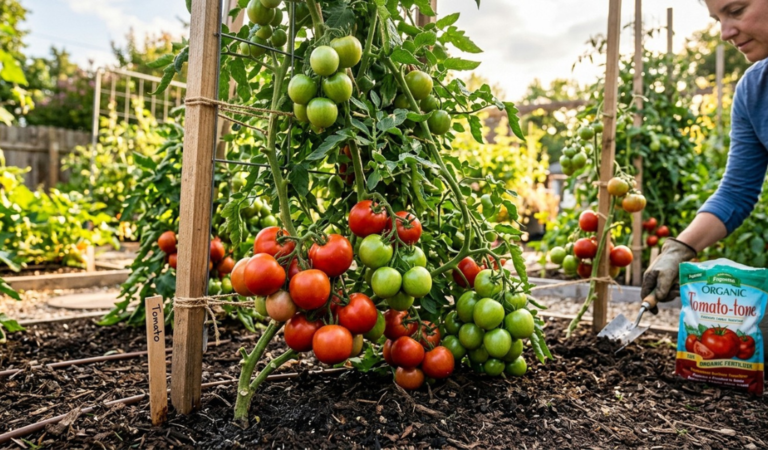
Timing matters just as much as the fertilizer itself. Applying too much nitrogen early can lead to lush foliage with little fruit, while applying fertilizer too late may not give the plant enough time to use it. The best organic fertilizer for tomato plants is typically worked into the soil before planting, then reapplied every few weeks throughout the growing season.
A light monthly feeding, paired with occasional liquid fertilizer during flowering and fruiting, tends to give the most consistent results. Always water the soil after applying granular fertilizer so nutrients can begin breaking down and reaching the root zone.
Cultivating a Bountiful Harvest From the Ground Up
Great tomatoes start with great soil. Before you even think about which fertilizer for tomatoes to buy, spend time improving your garden bed with compost and organic matter. A soil rich in organic matter holds nutrients longer and supports the beneficial bacteria that help roots absorb what they need.
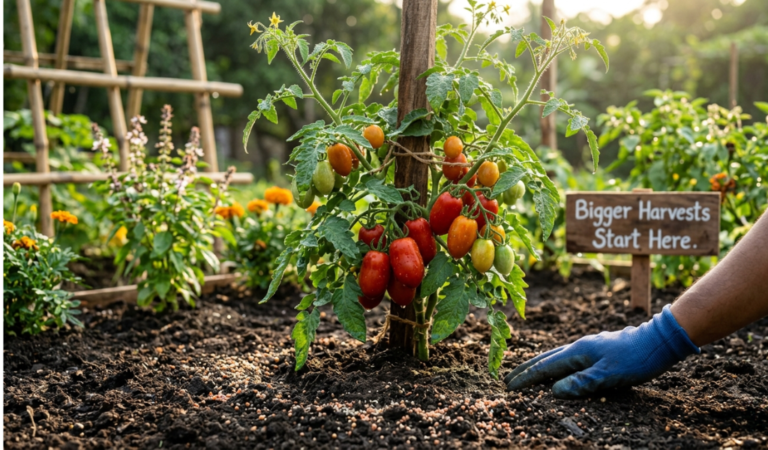
Combining healthy soil with the best organic fertilizer for tomato plants creates a strong foundation. Instead of chasing problems mid-season, you are setting your tomato plant up to thrive from day one, which usually means fewer pests, fewer diseases, and a much more productive harvest.
How to Choose the Right Organic Fertilizer for Your Tomato Plants
With so many fertilizer options on the shelf, choosing can feel overwhelming. Start by considering your soil test results, since some gardens already have plenty of phosphorus or potassium and simply need more nitrogen. From there, decide whether a granular fertilizer or a liquid fertilizer fits your routine better.
Granular products offer slow-release feeding, while liquid fertilizer gives a faster boost, which is useful during flowering. Many gardeners find that the best organic fertilizer for tomato plants combines both, using granular fertilizer at planting and liquid feeding during the growing season for an extra nutrient boost when the plant needs it most.
Fertilize Your Tomato Plant in Stages
Tomato plants have changing nutrient needs as they move from seedling to harvest. Rather than applying the same fertilizer for tomatoes the whole season, it helps to break feeding into three clear stages.
Stage 1: Amending Your Soil Before Planting Tomatoes
Before transplanting tomatoes into the garden, mix compost and a balanced organic fertilizer into the planting hole.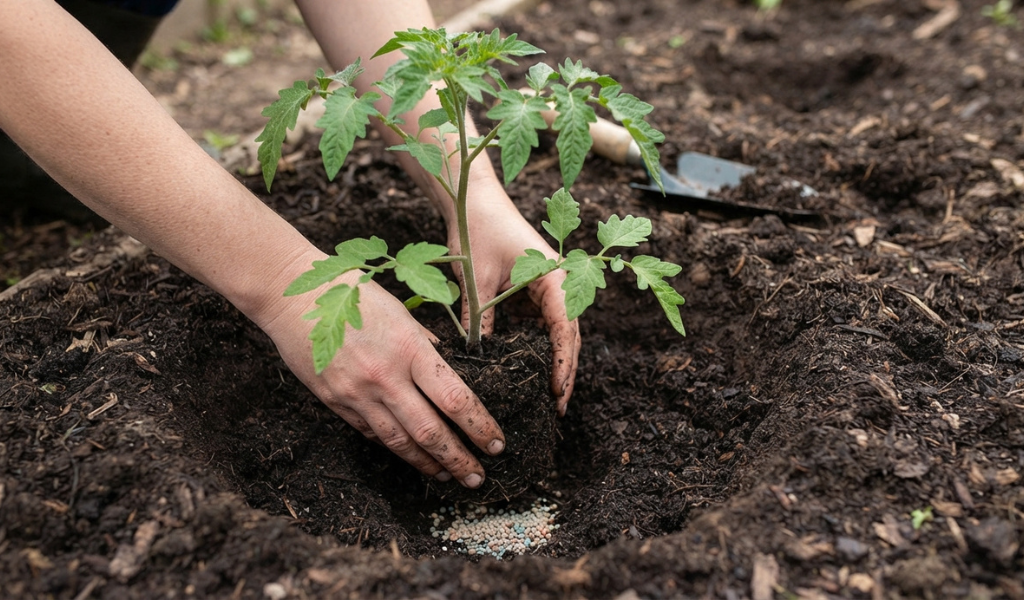 This gives young roots immediate access to nutrients and organic matter as they establish themselves in new soil.
Shop Our Soil Test Kit for Your Garden
A soil test kit takes the guesswork out of fertilizing. Testing your soil before planting tells you exactly what nutrients are missing, so you are not adding fertilizer your soil does not need. Many local garden centers and extension offices sell an affordable soil test kit that can save you money and prevent over-fertilizing.
Stage 2: Fertilizing a Young Tomato Plant
Once your young tomato plant has a few sets of true leaves, begin light, regular feeding. At this stage, a nitrogen-rich organic fertilizer supports healthy foliage and strong stem growth, which prepares the plant for the flowering stage ahead.
Stage 3: Fertilizing a Tomato Plant That’s Forming Flowers & Fruit
Once flowers appear, shift toward a fertilizer higher in phosphorus and potassium. This helps the plant set fruit and supports better flavor and size as tomatoes ripen. Too much nitrogen at this stage can actually reduce fruit production, so balance is key.
The Best Organic Nitrogen Fertilizers for Young Tomato Plants
Young tomato plants rely heavily on nitrogen to build strong leaves and stems. Some of the best organic nitrogen sources include blood meal, feather meal, fish emulsion, and well-aged manure. These options release nitrogen gradually, reducing the risk of burning plants compared to fast-acting synthetic fertilizer.
Fish emulsion works especially well as a liquid fertilizer for young tomato plants because it acts quickly while still being gentle on tender roots. Just be sure to follow label directions closely, since even organic nitrogen sources can burn your plants if overused.
The Best Organic Phosphorus Fertilizers for Flowering Tomato Plants
Once your tomato plant begins flowering, phosphorus becomes essential for strong root development and fruit set. Bone meal and rock phosphate are two of the most reliable organic phosphorus sources, breaking down slowly to provide steady nutrition throughout the fruiting period.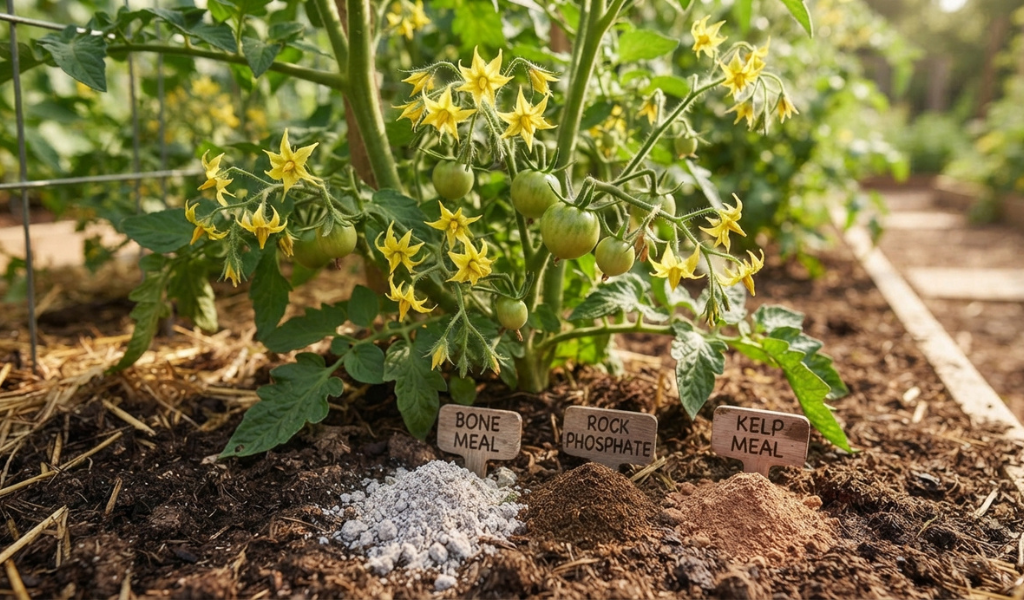
Kelp meal also contributes trace micronutrients that support overall plant vigor during this demanding stage. Together, these organic sources form part of what many consider the best organic fertilizer for tomato plants once flowering begins.
How to Read a Label When Shopping for Organic Tomato Plant Fertilizer
Fertilizer labels can look confusing, but they follow a simple pattern. The three numbers on every label, known as the NPK ratio, represent nitrogen, phosphorus, and potassium percentages. A label reading 4-6-4, for example, contains more phosphorus than nitrogen or potassium, which suits flowering tomato plants well.
Look beyond the NPK numbers too. Check that the fertilizer company lists actual organic sources like bone meal, kelp meal, or compost rather than generic terms. This helps you confirm you are truly getting the best organic fertilizer for tomato plants rather than a product with only a small percentage of organic content.
Why Compost Is the Best All-Stage Organic Fertilizer for Tomato Plants
If there is one ingredient that works at every stage, it is compost. Compost slowly releases a wide range of nutrients while improving soil with organic matter, structure, and moisture retention. It rarely burns plants, making it safe to use generously throughout the growing season.
Many gardeners consider compost the best organic fertilizer for tomato plants because it supports the whole plant, from root to fruit, without the risk of over-fertilizing. Mixing compost into your soil at planting, then top-dressing every few weeks, is a simple and effective habit.
Other Tips to Grow Healthy Tomato Plants
Beyond fertilizer, a few other habits help tomato plants thrive. Rotate where you plant tomatoes each year to avoid soil-borne disease buildup. Stake or cage plants early to support heavy fruit and improve airflow, which reduces pest and fungal issues.
Watch for common pests like hornworms and aphids, and address them early with organic methods such as neem oil or hand-picking. Consistent watering, mulching, and good sun exposure all work alongside the best organic fertilizer for tomato plants to produce a healthy, productive garden.
Best Organic Fertilizer for Tomatoes: A Side-by-Side Test With Real Results
To see real differences, many gardeners run a simple side-by-side test using identical tomato varieties, one grown with organic fertilizer and one with synthetic fertilizer. This kind of hands-on comparison often reveals more than any product label.
The Side-by-Side Test: What Actually Happened
In one common backyard test, plants fed with the best organic fertilizer for tomato plants grew slightly slower at first but caught up by mid-season, developing deeper root systems and richer foliage color. By harvest, the organic side often produced tomatoes with better flavor and fewer issues like blossom end rot, while the synthetic side showed faster early growth but more inconsistent fruit quality later in the season.
The Best NPK Ratio for Tomatoes, Stage by Stage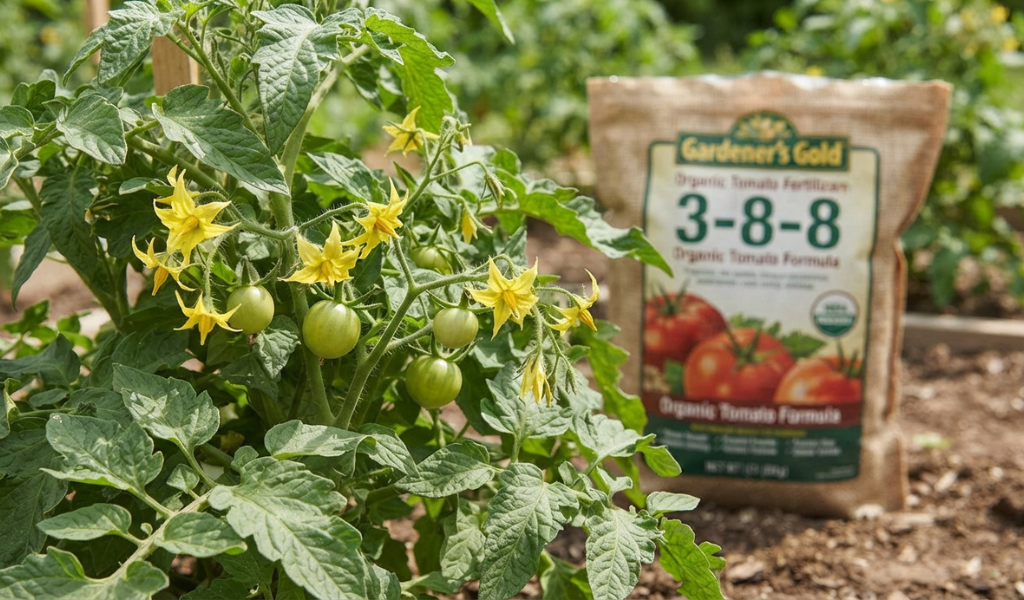
Getting the NPK ratio right at each stage makes a noticeable difference. At planting, a balanced ratio close to 4-6-4 works well to support root and early growth. During vegetative growth, a slightly higher nitrogen ratio helps build foliage. Once flowering begins, shift toward higher phosphorus and potassium, such as 3-8-8, to encourage fruit set and improve overall plant food efficiency through harvest.
Organic Fertilizers Vs. Chemical Fertilizers: Which Is Better?
Both organic and synthetic fertilizer can grow tomatoes, but they work differently. Chemical tomato fertilizers act fast, delivering nutrients almost immediately, which can be useful for correcting a severe deficiency. However, repeated use can degrade soil health over time and increase the risk of nutrient runoff.
Organic alternatives release nutrients more slowly, build long-term soil health, and support beneficial microbial life. For gardeners focused on sustainable, chemical-free tomatoes, the best organic fertilizer for tomato plants generally offers better long-term results, even if it takes a little more patience to see the effects.
Final Thoughts
Choosing the best organic fertilizer for tomato plants is one of the smartest decisions any gardener can make. From amending soil before planting to feeding tomato plants through each growing stage, organic methods build healthier soil, stronger plants, and more flavorful fruit season after season.
Start with a soil test, choose a fertilizer that matches your tomato plant’s current stage, and stay consistent with feeding and watering. With the right approach and the best organic fertilizer for tomato plants, you will be well on your way to a garden full of delicious, homegrown tomatoes.
Frequently Asked Questions
What is the best natural fertilizer for tomatoes?
Compost combined with organic sources like bone meal, kelp meal, and aged manure is widely considered the best natural fertilizer for tomatoes, since it feeds the plant while improving soil health.
Do Tomatoes Need Fertilizer?
Yes, tomatoes are heavy feeders and typically need regular fertilizing throughout the growing season to produce strong growth and a good harvest of fruit.
What is the best fertilizer for tomatoes?
The best fertilizer for tomatoes provides balanced nitrogen, phosphorus, and potassium, adjusted to the plant’s growth stage, with organic options offering longer-lasting soil benefits.
Is organic fertilizer better than conventional fertilizer for tomatoes?
Organic fertilizer tends to build healthier soil over time and reduces the risk of burning plants, while conventional fertilizer acts faster but can wear down soil quality with repeated use.
What is the best liquid organic fertilizer for tomatoes?
Fish emulsion and liquid kelp are two of the best liquid organic fertilizer options, offering a quick nutrient boost that is gentle enough for both young and mature tomato plants.
What is the best organic fertilizer for tomato plants?
Many gardeners agree that a mix of compost, bone meal, and kelp meal makes up the best organic fertilizer for tomato plants, since it covers nutrient needs at every growing stage.
Can I make homemade organic fertilizer for tomatoes?
Yes, homemade tomato fertilizer can be made using compost, crushed eggshells for calcium, and diluted fish emulsion, giving your plants a natural nutrient boost without store-bought products.