Life Cycle of the Tomato Plant: Complete Growth Stage Guide
From Seed to Fruit: Life Cycle of the Tomato Plant
If you have ever dropped a tiny tomato seed into a pot of soil and watched it turn into a bushy plant loaded with juicy red fruit, you already know how satisfying gardening can be. But behind that simple joy is a fascinating process. The life cycle of the tomato plant moves through several clear stages, from germination to seedling growth, then flowering, fruit development, ripening, and finally harvest. Knowing what happens at each stage helps you grow healthier plants and pick a bigger, tastier harvest.
In this guide, we will walk through every part of the tomato growing stages in plain, simple language. Whether you are a first time gardener or someone who has grown tomatoes for years, understanding the life cycle of the tomato plant will help you troubleshoot problems, time your planting better, and enjoy more ripe tomatoes from your own backyard.
Understanding the Tomato Life Cycle Stages
The life cycle of the tomato plant is not a single event but a chain of stages that build on each other. A tomato seed cannot become a ripe fruit overnight. It has to sprout, grow leaves, build a strong root system, flower, get pollinated, form fruit, and slowly ripen on the vine. Each part of the tomato life cycle depends on the plant getting the right amount of light, water, and warmth.
Gardeners who understand the tomato growth stage they are dealing with can make smarter decisions. For example, a plant in the seedling stage needs gentle care and less fertilizer, while a plant entering the flowering stage needs different nutrients to support pollination and fruit set. Learning to read these signals is one of the most useful skills in growing tomatoes successfully.
Duration of Growth Phases
On average, tomatoes take 90-140 days to mature from seed to harvest, though this can vary based on the variety you plant. Cherry tomatoes tend to move faster through their growth stages, sometimes ready in as little as 60 to 100 days, while larger heirloom varieties can take longer to reach the final growth stage. Knowing the general timeline of the tomato plant growth timeline helps you plan your garden calendar and figure out the best planting window for your region.
Factors Affecting Growth
Several factors affect how smoothly a tomato plant moves through its stages of growth. Soil quality, sunlight, watering habits, and even the container or garden bed you choose all play a role. Poor soil or inconsistent watering can lead to stunted growth, while healthy soil rich in organic matter supports strong root development from the very beginning. Pests and fungal issues can also interrupt healthy growth and development if they are not managed early.
Temperature Requirements
Tomatoes are warm season plants, and temperature has a huge influence on every stage of tomato growth. Seeds germinate best when the soil temperature sits between 70 and 80 degrees Fahrenheit. Once seedlings are transplanted outdoors, tomato plants generally do best in daytime temperatures between 65 and 85 degrees. Cold snaps can slow the plant down or damage flowers, while extreme heat above 95 degrees can cause blossoms to drop before pollination happens.
What Are the Main Tomato Growth Stages?
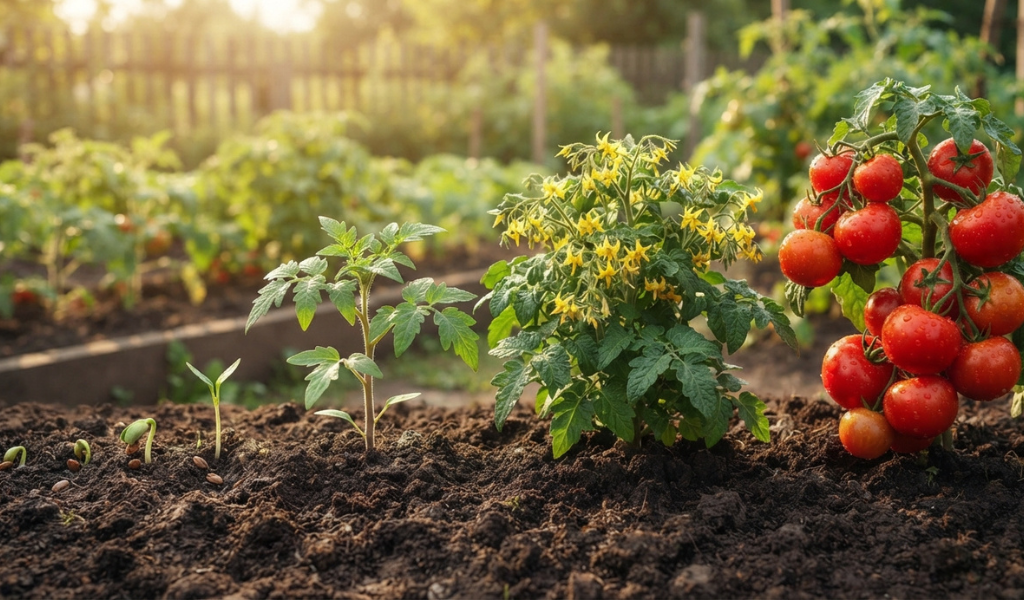
Before diving deeper, it helps to have a bird’s eye view of the entire life cycle of the tomato plant. The main tomato growth stages are germination, seedling growth, vegetative growth, flowering, fruit set and development, ripening, and harvest, followed by the natural end of the plant’s life. Each of these tomato growth stages has its own needs and challenges, and together they make up the life cycle of the tomato plant from seed to fruit.
The life cycle of the tomato Plant begins when a seed absorbs moisture and starts to germinate. Once the first roots and shoots appear, the young seedling needs adequate light, warmth, water, and nutrients to establish healthy growth. During the vegetative stage, the tomato plant develops stronger stems, roots, and leaves before producing flowers. Flowering is followed by pollination and fruit set, when small green tomatoes begin forming and gradually increase in size. As the fruits mature, they enter the ripening stage and develop their characteristic color, flavor, and texture. Knowing the life cycle of the tomato Plant can help gardeners provide appropriate care throughout the season and understand normal changes in plant growth. It also makes it easier to identify delays or problems before they affect the final harvest. Learning the life cycle of the tomato Plant provides a useful foundation for successful tomato gardening from seed to harvest.
Understanding the tomato plant growth stages in order also makes it easier to notice when something is going wrong. If a plant should be flowering by a certain point but is not, you can look back at earlier stages to see if a growth phase was skipped or slowed down.
How Does Tomato Germination Work?
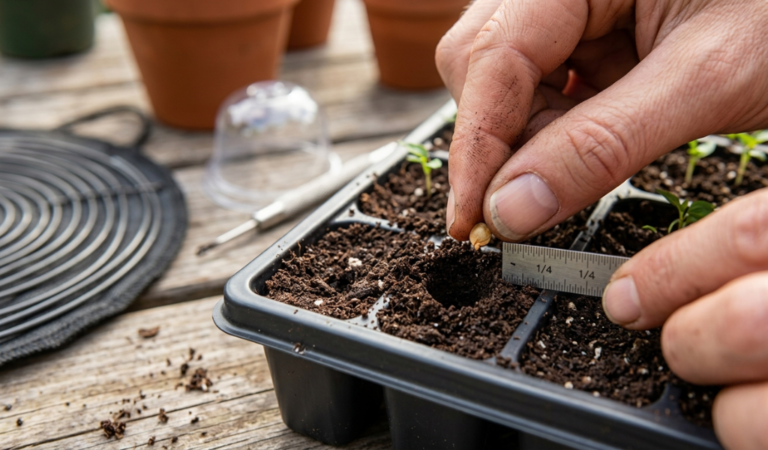
Germination is the very first stage in the life cycle of the tomato plant. Inside every tomato seed is a tiny embryo waiting for the right conditions to wake up. Once the seed absorbs enough moisture and sits in warm soil, it begins to sprout. A small root pushes downward first, followed by a shoot that grows upward and breaks through the surface of the soil.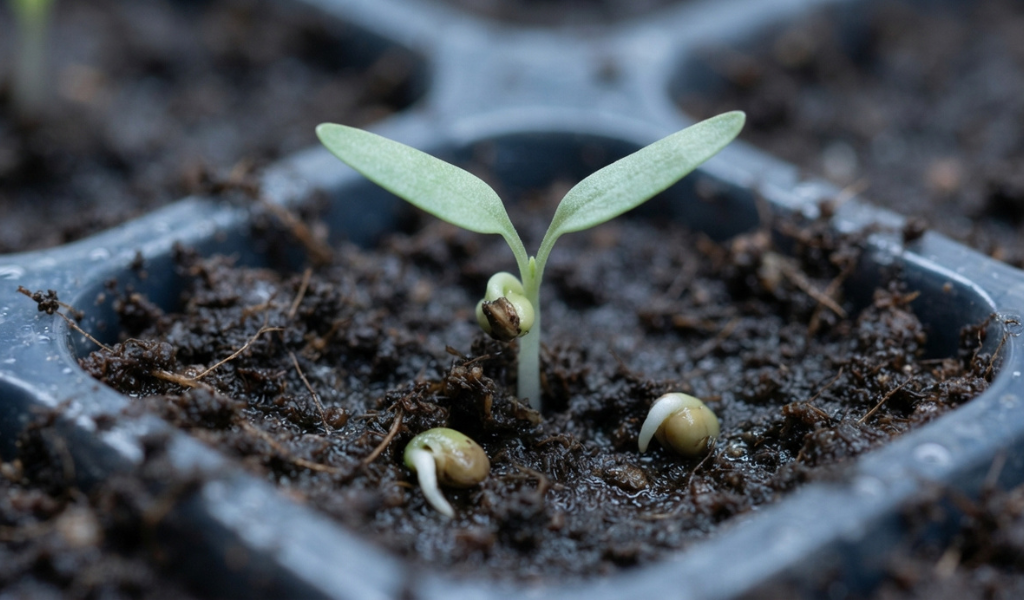 Within about a week under good conditions, you will notice two small leaves unfurl. These are called cotyledon leaves, and they are not true leaves at all but rather the seed’s stored food supply unfolding to help the young plant start photosynthesis. Germination usually takes between 5 and 10 days depending on soil temperature and seed quality, marking the true starting point of the life cycle of the tomato plant. Keeping the soil moist but not soggy is one of the most important habits during germination.
Overwatering can cause seeds to rot before they even sprout, while dry soil can stop germination completely. Many gardeners start their tomato seeds indoors using trays with a plastic cover to hold in humidity, along with a grow light or a sunny windowsill to give seedlings enough light once they emerge. Consistent warmth, ideally around 75 degrees Fahrenheit, speeds up sprouting and leads to stronger seedlings.
What Happens During the Seedling Stage?
Once the cotyledon leaves open, the plant enters the seedling stage, an important step in the life cycle of the tomato plant. The tomato seedling develops its first true leaves, which look more like the jagged, familiar tomato leaf shape compared to the smooth cotyledons. The plant is still small at this point, but it works hard underground too, building out its root system to support future growth.
During this stage, the plant relies heavily on light. Without enough light, tomato seedlings often become tall, thin, and weak as they stretch to find a light source. A healthy seedling should look sturdy and compact with a thick stem, not spindly or pale.
Care During the Seedling Stage
Seedlings need about 12 to 16 hours of light a day if grown indoors under a grow light. Rotating trays near a window helps prevent seedlings from leaning too much in one direction. This stage usually lasts around 20 to 25 days, and toward the end of it, seedlings should have several sets of true leaves and be ready for transplant into a larger pot or out into the garden once the danger of frost has passed. Hardening off, which means gradually exposing seedlings to outdoor conditions over a week, helps reduce transplant shock.
What Is the Vegetative Growth Stage?
After transplant, the tomato plant enters the vegetative growth stage, a leafy phase in the life cycle of the tomato plant. The plant focuses almost entirely on building height, branches, and foliage rather than fruit. The stem thickens, the root system spreads wider, and the plant starts to look like a proper bushy tomato rather than a small seedling.
This vegetative growth phase is critical because strong leaves and roots support a bigger harvest later on. Skipping proper care here, such as insufficient fertilizer or crowded planting, often leads to smaller yields.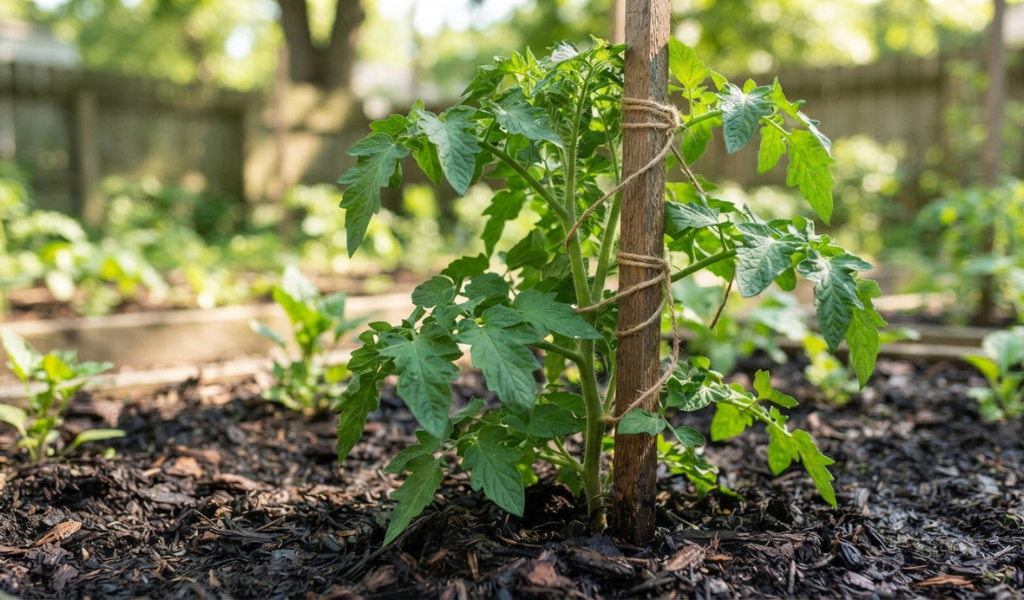
Care During Vegetative Growth
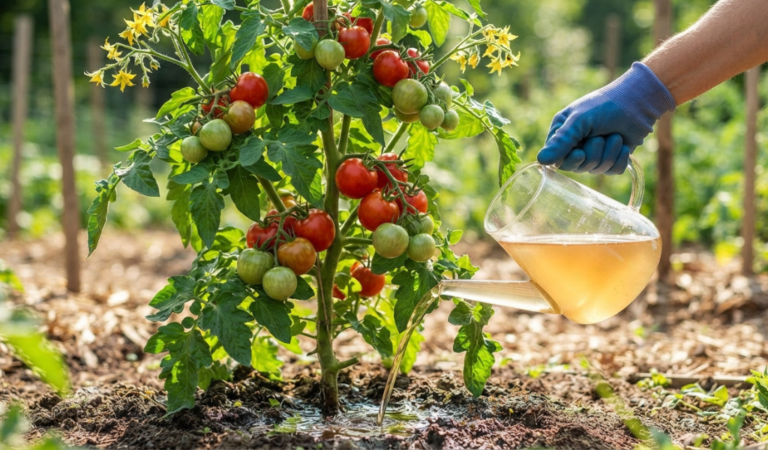
During vegetative growth, tomato plants benefit from a balanced fertilizer with a slightly higher nitrogen content to support leafy development. Regular watering, ideally deep and consistent rather than shallow and frequent, encourages roots to grow downward and makes the plant more resistant to drought later. This is also a good time to install stakes or cages, since it is much easier to support a young plant than one already loaded with fruit and flowers.
When Do Tomato Plants Start Flowering?
The flowering stage, a turning point in the life cycle of the tomato plant, usually begins once the plant has grown several sets of leaves and reached a certain size, often five to seven weeks after transplanting. Small yellow flowers appear in clusters along the stems, and each one can become a tomato fruit if pollination is successful.
Tomato flowers are unusual because they contain both male and female parts within the same bloom, which makes tomatoes largely self pollinating. Wind and the vibration caused by bees or other insects help shake pollen loose so it can fertilize the flower.
Care During Flowering
To support strong flowering, switch to a fertilizer lower in nitrogen and higher in phosphorus and potassium, which encourages blooms rather than excess leaf growth. Gently shaking plants or using a small fan for indoor tomatoes can mimic natural pollination if bees are scarce. Consistent watering also matters here, since drought stress or extreme heat during this window can cause flowers to drop before pollination happens.
How Does Fruit Set and Development Happen?
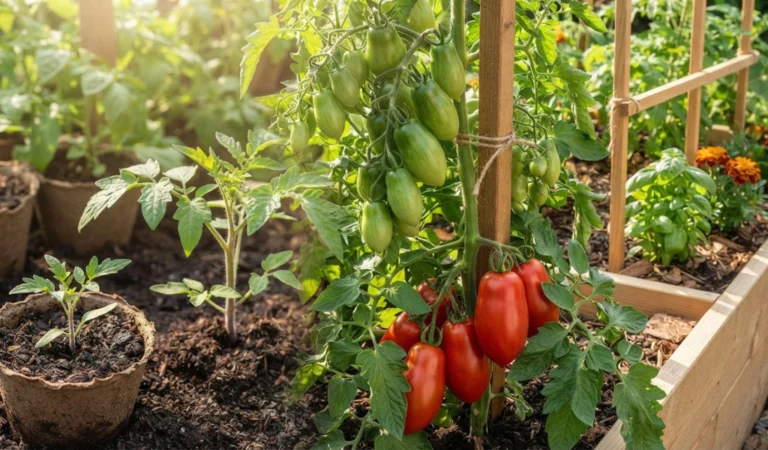
Once pollination succeeds, the flower petals fall away and a tiny green tomato forms in their place. This marks the fruit set stage, one of the most exciting points in the life cycle of the tomato plant because it proves a flower has turned into a real fruit.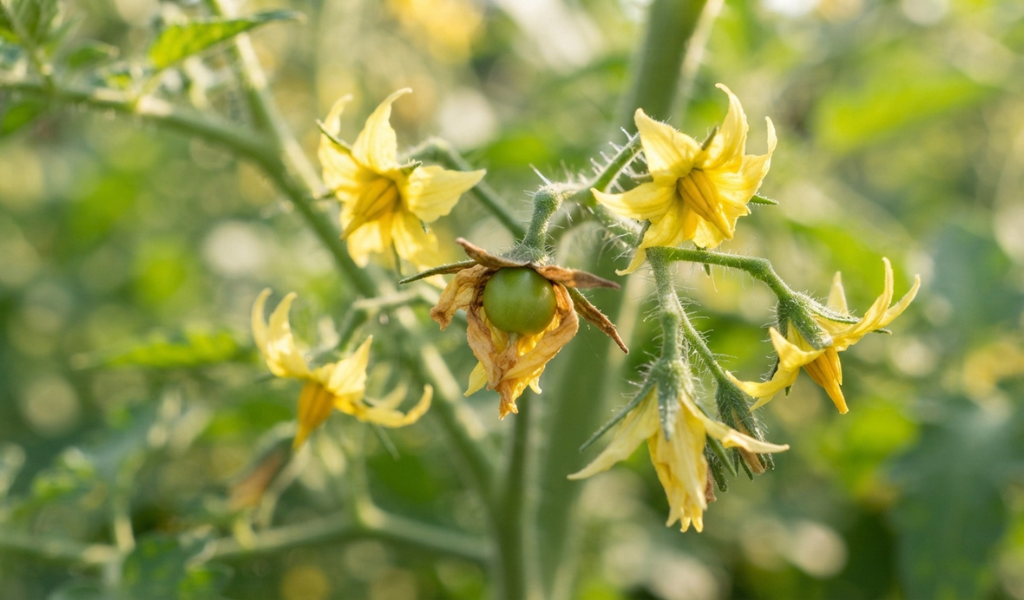 The plant develops small green tomatoes that slowly increase in size as the fruit fills with juice, seeds, and pulp.
During this fruit growth period, the plant is putting a large share of its energy into the developing fruit rather than new leaves, so growth above ground may appear to slow even though a lot is happening inside each tomato.
Care During Fruit Development
Even watering is especially important once fruit begins to form. Uneven watering, such as long dry spells followed by heavy watering, is one of the leading causes of blossom end rot and cracked skins. A layer of mulch around the base of the plant helps keep soil moisture steady and reduces stress on developing fruit. Continuing a balanced fertilizer with potassium supports healthy fruit growth without encouraging too much new leafy growth.
What Is the End of the Tomato Life Cycle?
Tomatoes are technically perennial plants in their native warm climates, but in most gardens they are grown as annuals because they cannot survive frost or cold winters. Once temperatures drop, the plant’s leaves wilt, growth slows dramatically, and the plant eventually dies, completing the life cycle of the tomato plant for that season.
Some gardeners in warm climates or those using greenhouses can keep a tomato plant alive and producing for more than one season, but for most backyard growers, each plant completes its full cycle within a single growing season.
Care at the End of Season
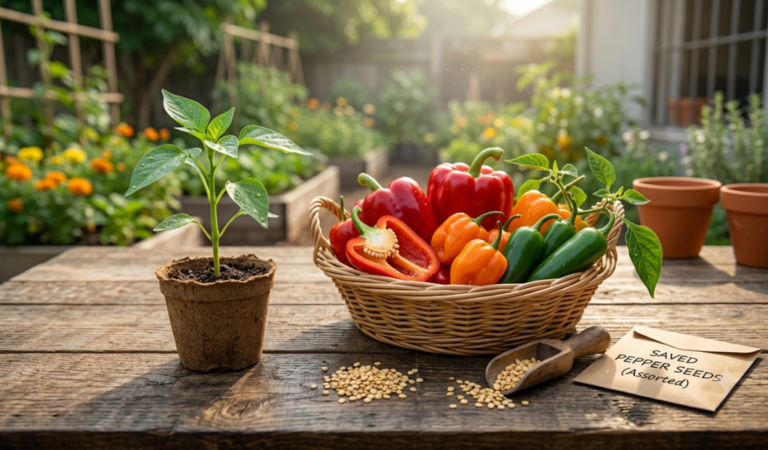
As the season winds down, remove any diseased leaves or fruit to prevent fungal issues from spreading in the garden. Clearing away old plant material after the final harvest reduces the chance of pests or disease carrying over into next year. Saving seeds from a favorite heirloom tomato is also a fun way to continue the cycle, since heirloom varieties tend to grow true to the parent plant, unlike many hybrid tomatoes.
How Long Does Each Tomato Growth Stage Take?
While timing can vary by variety and growing conditions, here is a general breakdown of the tomato growth stage timeline:
- Germination: 5 to 10 days
- Seedling stage: about 20 to 25 days
- Vegetative growth: 4 to 6 weeks
- Flowering stage: 1 to 2 weeks before fruit set begins
- Fruit development: 4 to 6 weeks
- Ripening: 1 to 3 weeks depending on temperature
Added together, most tomato varieties take somewhere between 60 and 100 days from transplant to first harvest, and the full life cycle of the tomato plant from seed to final harvest often falls within that 90-140 day range mentioned earlier.
What Happens During Tomato Ripening and Harvest?
Tomato ripening, one of the most rewarding parts of the life cycle of the tomato plant, is the stage most gardeners look forward to. Green tomatoes gradually shift in color, moving through pale green and yellow into deep red, orange, or purple depending on the variety. This happens because chlorophyll breaks down while pigments like lycopene become more visible.
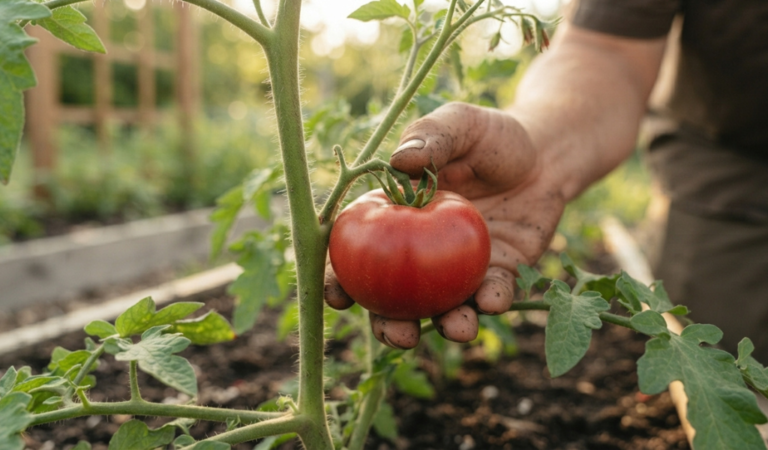
Warm weather speeds up ripening, while cooler temperatures slow it down. Once a tomato reaches full color and gives slightly when pressed, it is ready to harvest.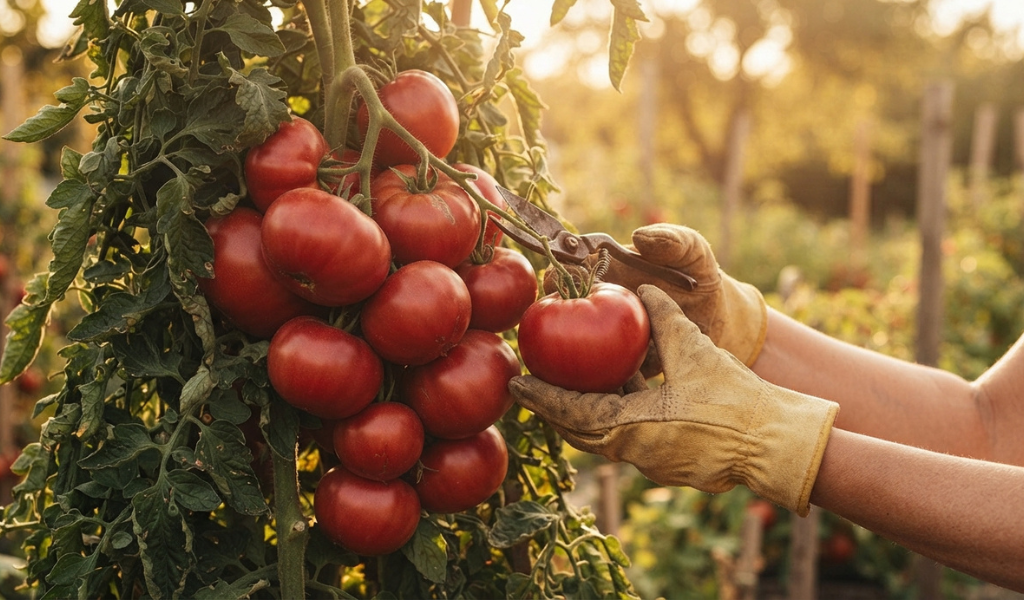 Harvest tomatoes by gently twisting or snipping them from the vine rather than pulling hard, which can damage the stem. Picking regularly encourages the plant to keep putting energy into remaining fruit and extends the harvest window. If frost is approaching and green tomatoes remain on the vine, pick them and let them ripen indoors on a sunny windowsill.
What Are the Most Common Tomato Growing Problems?
Even with good care, tomato plants can run into a few common issues along their growth stages. Blossom drop, where flowers fall off without forming fruit, often results from temperature extremes or inconsistent watering during the flowering stage. Blossom end rot, which shows up as a dark sunken spot on the bottom of the fruit, usually points to uneven watering rather than a lack of calcium in the soil itself.
Fungal problems, such as early blight or powdery mildew, tend to appear during humid weather and can slow growth if left untreated. Removing affected leaves and improving airflow helps manage these issues. Stunted growth in seedlings is often tied to insufficient light, cold soil, or crowded trays, so giving young plants enough space and warmth early on prevents many problems later in the life cycle of the tomato plant.
Final Thoughts
The life cycle of the tomato plant is a genuinely rewarding process to watch from start to finish. From a tiny seed pushing through the soil to a vine loaded with ripe, juicy fruit, every tomato growth stage plays an important role in the final harvest. By paying attention to what your plant needs during germination, seedling growth, vegetative growth, flowering, fruit development, and ripening, you set yourself up for a healthier plant and a bigger harvest.
If you are just starting out, do not worry about getting every detail perfect. Tomatoes are forgiving plants once you understand their basic needs. Pay attention to soil moisture, sunlight, and temperature, and you will see your own tomato plant move smoothly through its life cycle season after season. Give it a try this growing season, and enjoy watching the full life cycle of the tomato plant unfold right in your own garden.
Frequently Asked Questions
How long is the life cycle of a tomato plant?
Most tomato plants complete their life cycle in about 90-140 days from seed to final harvest, though this depends on the variety and growing conditions.
Do tomato plants come back every year or do you have to replant them?
In most home gardens, tomato plants are grown as annuals and need to be replanted each year since they cannot survive frost. In frost free climates, they can sometimes live longer as short lived perennials.
How many times will a tomato plant fruit?
A healthy tomato plant will continue producing new flowers and fruit throughout the growing season, often giving multiple harvests until cooler weather arrives.
How long does each growth stage of a tomato plant take?
Germination takes about 5 to 10 days, the seedling stage lasts around 20 to 25 days, vegetative growth runs 4 to 6 weeks, and fruit development typically takes another 4 to 6 weeks before ripening begins.
How long until a flower turns into a tomato?
Once a flower is successfully pollinated, it usually takes several weeks, often 4 to 6 weeks, for the small green fruit to grow and ripen into a mature tomato.
When is the best time to harvest tomatoes?
Tomatoes are ready to harvest once they reach full color for their variety and feel slightly soft when gently squeezed, which usually happens during warm, sunny weather.
How often should you water tomatoes?
Tomato plants generally need about 1 to 2 inches of water per week, applied consistently rather than in occasional heavy soakings, to keep the soil moist without becoming waterlogged.