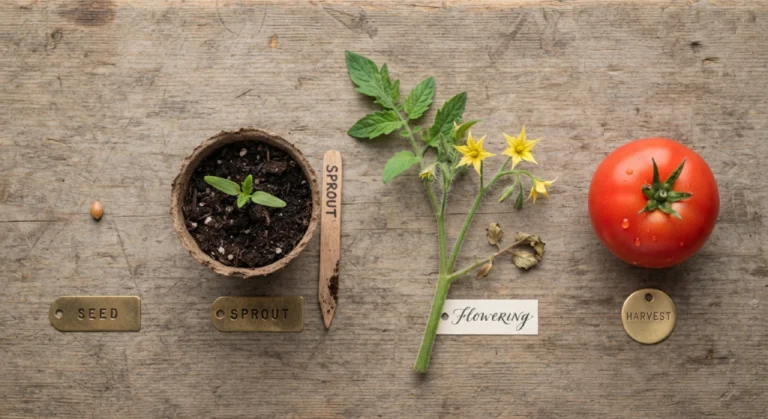
Roma Tomato Growing Stages: Seedling to Flowering to Harvest
Roma Tomato Growing Stages: What to Expect at Every Step
If you have ever planted a Roma tomato and wondered why it looks nothing like a tomato for weeks, you are not alone. Understanding roma tomato growing stages helps you know what is normal, what needs attention, and when you can finally expect that first ripe fruit. Roma tomatoes are known for their oval shape, meaty texture, and rich flavor, which makes them a favorite for sauces, canning, and salsas. But before you get to enjoy a basket full of them, the plant goes through a series of clear phases, each with its own needs and signs of progress.
In this guide, we will walk through the full journey of a Roma tomato plant, from a tiny seed to a mature, fruit-bearing plant. Knowing these tomato growing stages in advance means fewer surprises and better results in your garden, whether you are growing in raised beds, containers, or a traditional backyard plot.
How Roma Tomato Plants Develop
Roma tomato plants follow a fairly predictable growth pattern, though the exact timing can shift depending on climate, soil quality, and how much sunlight the plant receives. On average, a Roma tomato plant takes between 70 and 80 days from transplant to harvest, though some gardeners report slightly shorter or longer windows depending on their growing zone.
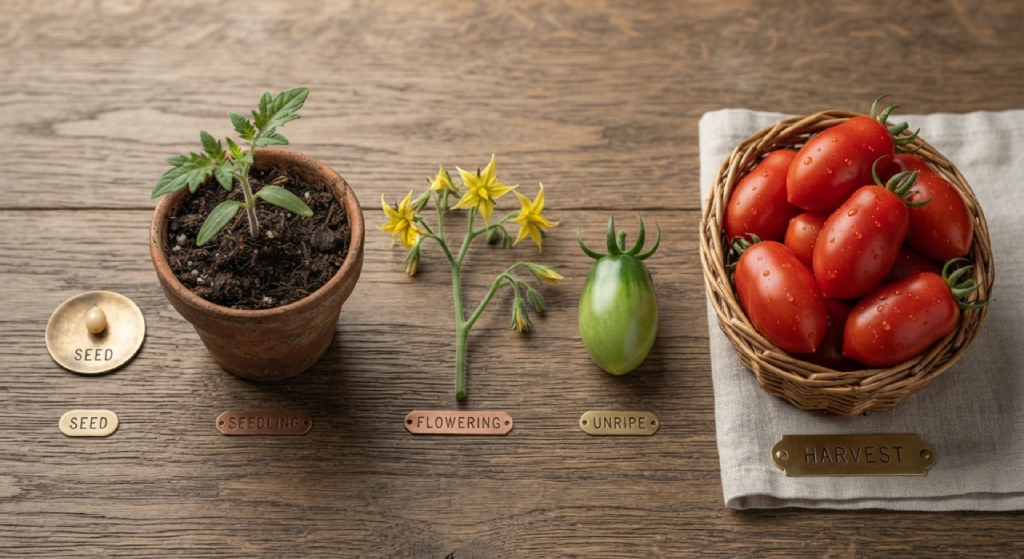
The full life cycle can be broken into distinct phases: germination, seedling growth, transplanting, vegetative growth, flowering, fruit set, ripening, and finally harvest. Each stage builds on the one before it, so a weak start in germination or seedling care often shows up later as slower flowering or smaller fruit. Paying attention early pays off later in the season.
Unlike some determinate tomato varieties that produce all their fruit at once, Roma tomatoes are also determinate but tend to give a fairly concentrated harvest window, which makes them ideal for people who want to can or preserve a large batch at one time. Knowing where your plant sits in its growth cycle helps you plan feeding schedules, watering routines, and support structures like cages or stakes.
Seed Germination: The Beginning of Growth
Every Roma tomato plant starts as a small, flat seed no bigger than a grain of rice. Germination is the process where that seed absorbs moisture, swells, and sends out its first tiny root. This stage usually takes between 5 and 10 days, though warmer conditions can speed things up.
Ideal Conditions for Germination
Roma tomato seeds germinate best in soil temperatures between 70 and 85 degrees Fahrenheit. If the soil is too cold, germination slows dramatically or may not happen at all. Many gardeners use a heat mat under their seed trays to keep the temperature steady, especially if starting seeds indoors during early spring.
Moisture matters just as much as warmth. The soil should stay consistently damp but never soggy, since waterlogged seeds are prone to rotting before they even sprout. A light misting once or twice a day is usually enough to keep the top layer of soil moist without drowning the seed.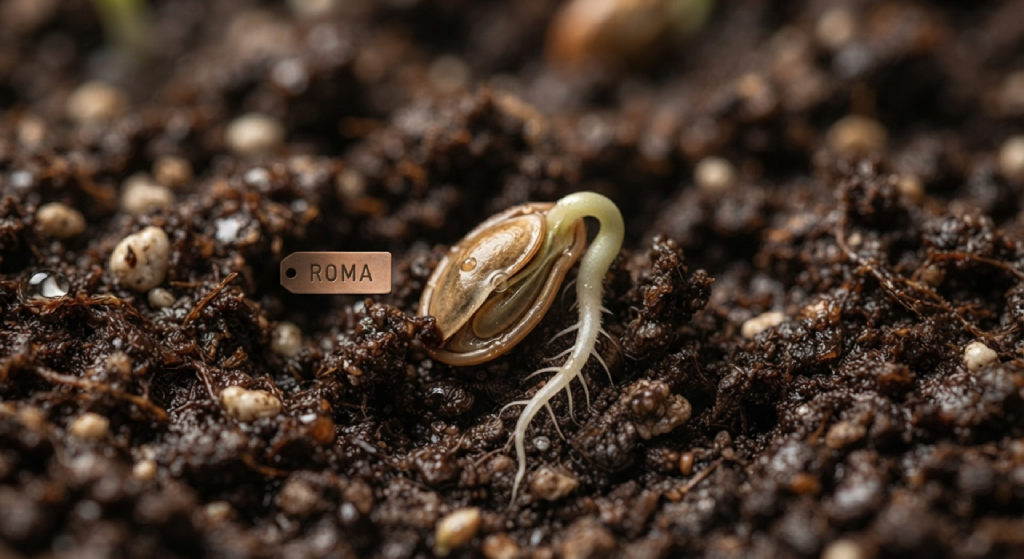
Signs of Successful Germination
The first visible sign is a small loop of stem pushing through the soil surface, followed by two seed leaves called cotyledons. These leaves do not look like typical tomato foliage. They are smooth, oval, and exist only to help the young plant capture early sunlight until true leaves appear. Once you see these cotyledons standing upright, you know germination has succeeded and the plant has officially entered its next phase of life.
Seedling Growth: Building Strong Roots
After germination, the young plant shifts its energy toward building a strong root system and its first set of true leaves. This stage typically lasts 3 to 4 weeks and is one of the most important periods for setting up a healthy plant later on.
Developing True Leaves
Roughly one to two weeks after the cotyledons appear, the plant produces its first true leaves. These leaves look like miniature versions of mature tomato foliage, with jagged edges and a slightly fuzzy texture. Once a seedling has two or three sets of true leaves, it is generally strong enough to handle light feeding and more direct sunlight exposure.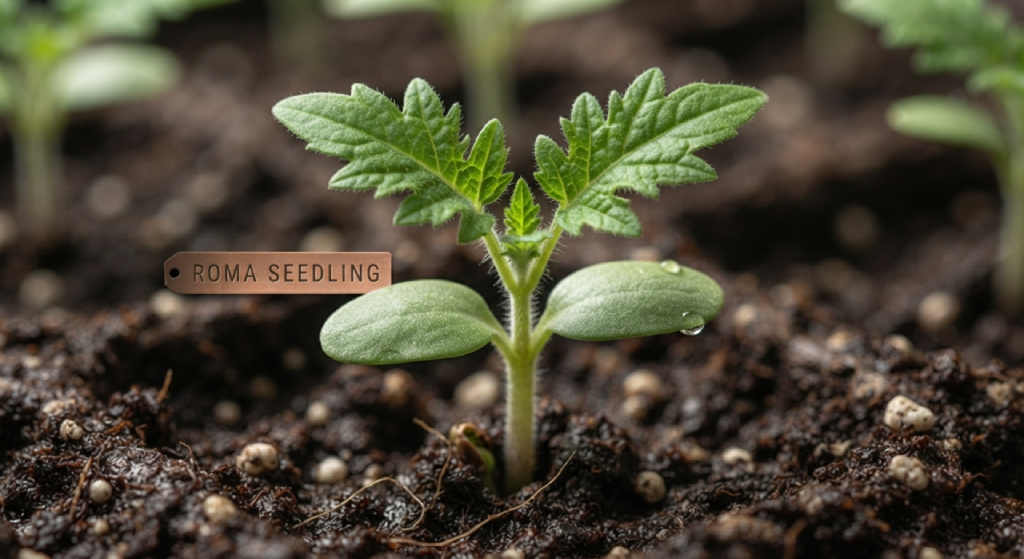
Light and Water Needs
Seedlings need at least 12 to 16 hours of light each day, whether from a sunny window or a grow light. Without enough light, seedlings often become leggy, meaning they stretch upward with weak, thin stems as they search for a light source. A grow light positioned a few inches above the seedlings helps prevent this stretching and encourages a compact, sturdy plant.
Watering during this stage should be gentle and consistent. The goal is moist soil, not standing water. Many gardeners water from the bottom by placing trays in a shallow pool of water for a few minutes, which encourages roots to grow downward in search of moisture rather than staying near the surface.
Transplanting: Moving Into the Garden
Once the seedlings have grown several inches tall and developed a few sets of true leaves, it is time to think about transplanting. This stage marks the shift from a protected indoor environment to the outdoor garden or a larger container.
Hardening Off Before Transplant
Before moving seedlings outdoors permanently, they need a process called hardening off. This involves gradually exposing the plants to outdoor conditions over 7 to 10 days, starting with just an hour or two outside and slowly increasing the time each day. Skipping this step often leads to shock, where leaves turn pale or wilt because the plant was not prepared for wind, direct sun, and temperature swings.
Best Time and Method for Transplanting
Roma tomatoes should be transplanted after the last frost date in your area, once nighttime temperatures stay reliably above 50 degrees Fahrenheit. When planting, bury the stem a bit deeper than it was in the pot, since tomato stems can grow extra roots along buried sections, which leads to a stronger overall root system.
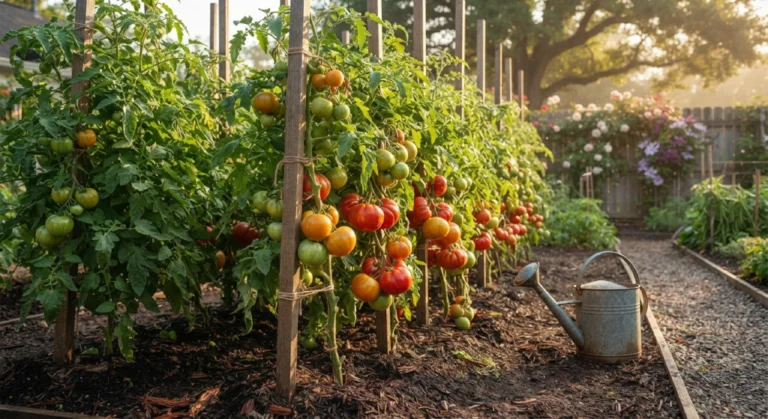
Spacing matters too. Roma tomato plants generally need 18 to 24 inches between each plant to allow proper airflow and reduce the risk of fungal diseases later in the growing season. A support structure like a stake or cage should be added at this point, before the plant grows too large to handle it safely.
Vegetative Growth: Leaves, Stems, and Branches
After transplanting, the plant enters a rapid growth phase focused on building leaves, stems, and branches. This stage can last anywhere from 3 to 5 weeks and is when the plant really starts to look like a full tomato plant.
Rapid Leaf and Stem Expansion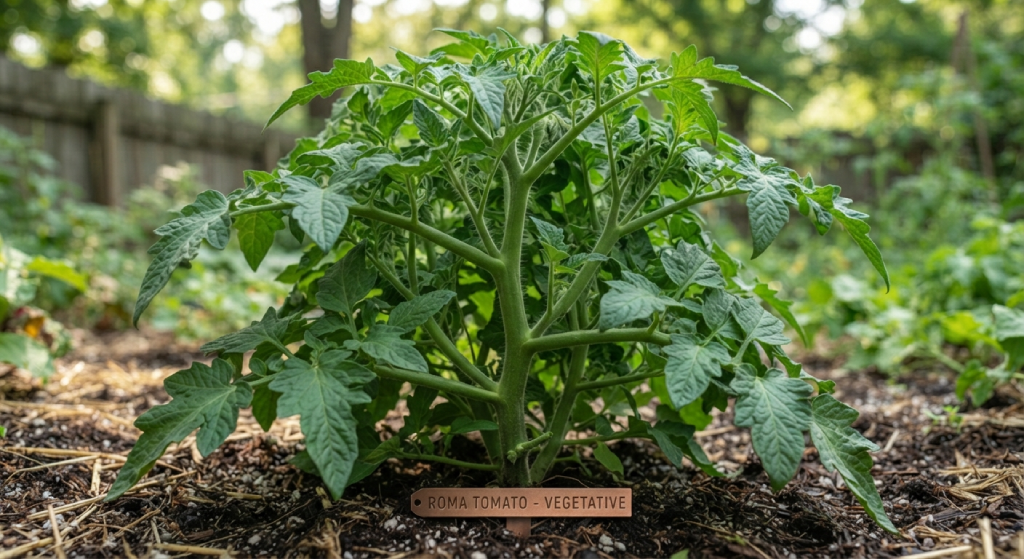
During vegetative growth, the plant channels most of its energy into producing foliage and thickening its main stem. This leafy growth is essential because it sets up the plant’s ability to photosynthesize efficiently, which fuels every later stage, including flowering and fruiting. You will notice new branches forming at leaf joints, and the overall plant becomes bushier week by week.
Feeding and Pruning Tips
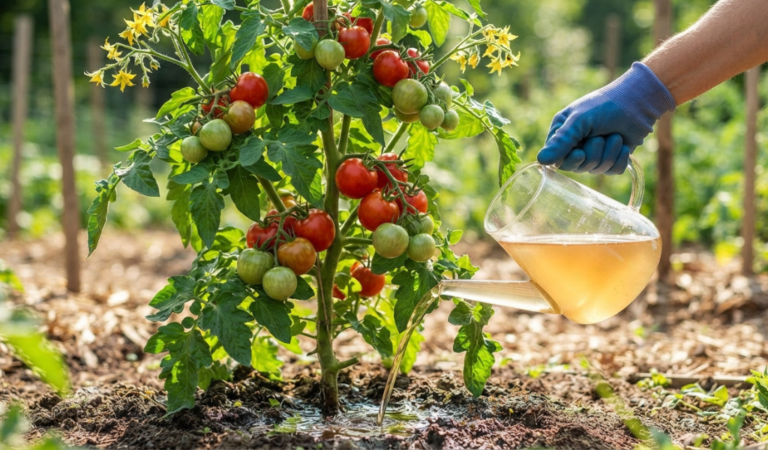
A balanced fertilizer with slightly higher nitrogen content supports this leafy growth phase well, though it should be switched to a phosphorus and potassium focused feed once flowering begins. Too much nitrogen for too long can lead to a plant with lots of leaves but few flowers.
Pruning suckers, the small shoots that grow between the main stem and a branch, is a common practice during this stage. Removing some suckers helps direct energy toward stronger main stems and better fruit production, though Roma tomatoes tolerate a bit more foliage than some other varieties since their determinate growth habit naturally limits overall size.
Flowering: The Start of Fruit Production
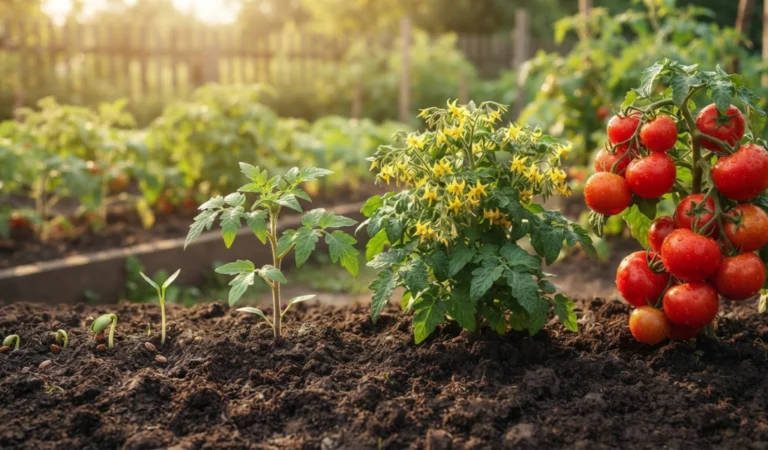
Flowering is one of the most exciting tomato growing stages because it signals that fruit is on the way. Small yellow flowers begin appearing at the tips of branches, usually 5 to 7 weeks after transplanting, depending on growing conditions.
Pollination and Flower Development
Tomato flowers are self-pollinating, meaning each flower contains both male and female parts. However, pollination still benefits from movement, whether from wind, bees, or a gentle shake of the plant by hand.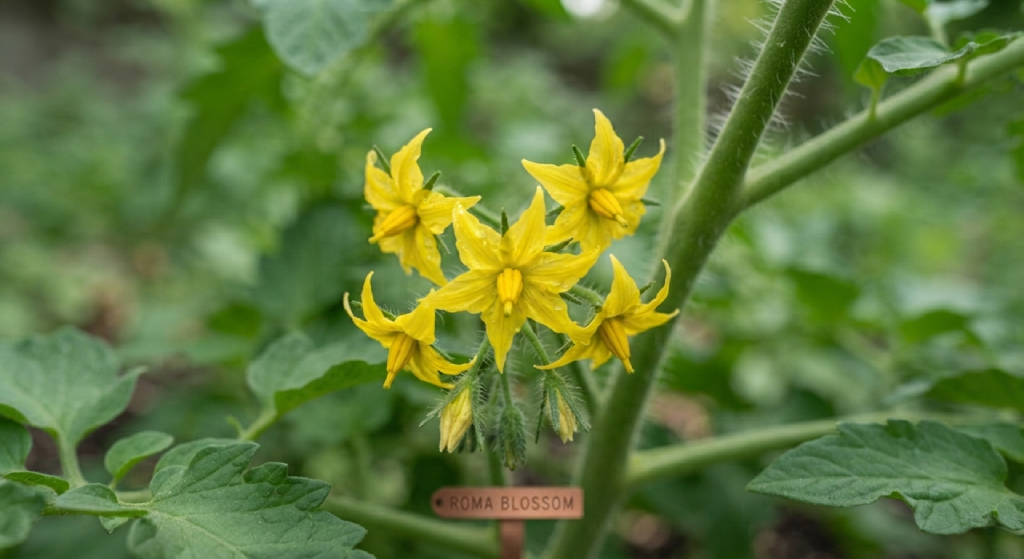 Without pollination, flowers may simply wither and drop without ever forming fruit, which is a common frustration for gardeners in greenhouses or enclosed spaces with little air movement.
Common Issues During Flowering
Extreme heat above 90 degrees Fahrenheit or cold snaps below 55 degrees Fahrenheit can cause flowers to drop before pollination occurs, a problem known as blossom drop. Inconsistent watering during this stage can also stress the plant enough to reduce flower production. Keeping a steady watering schedule and providing light afternoon shade during heat waves can help the plant hold onto more of its blossoms.
Fruit Set and Development
Once a flower is successfully pollinated, it begins to form a small green fruit at its base. This is called fruit set, and it marks the true beginning of the tomato you will eventually harvest.
From Flower to Tiny Green Tomato
Within a few days of pollination, the flower petals fall away and a small green nub appears in their place.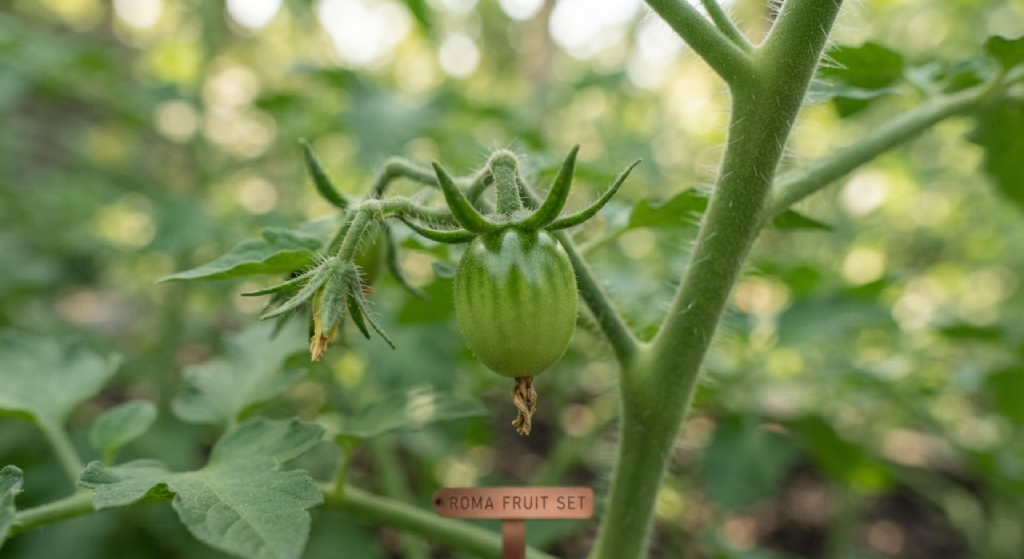 This tiny fruit grows steadily over the following weeks, and Roma tomatoes in particular develop their signature oblong shape fairly early in this process, unlike round varieties that stay more spherical throughout.
Supporting Healthy Fruit Growth
Consistent watering is critical during fruit development. Uneven watering, such as long dry spells followed by heavy watering, often causes blossom end rot, which shows up as a dark, sunken patch on the bottom of the fruit. This condition is linked to calcium uptake problems caused by irregular moisture rather than a lack of calcium in the soil itself.
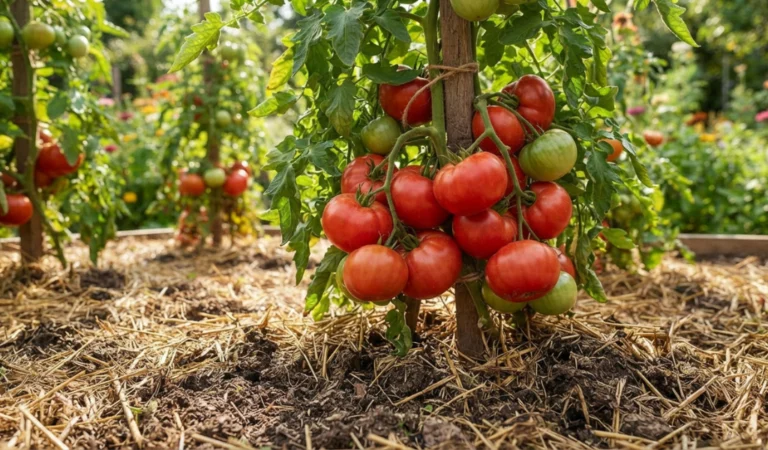
Feeding the plant with a fertilizer higher in potassium during this stage supports fruit size and overall plant health. Mulching around the base of the plant also helps retain even soil moisture and reduces the temperature swings that can stress developing fruit.
Ripening: Green to Red Roma Tomatoes
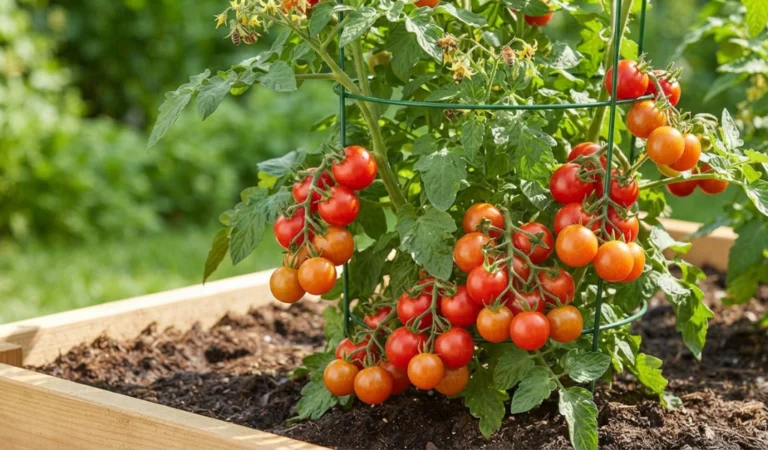
Ripening is the stage most gardeners watch closely, since it is the final transformation before harvest. Roma tomatoes typically take 4 to 6 weeks from fruit set to full ripeness, though warm, sunny weather can speed the process along.
The Color Change Process
As the fruit matures, it shifts from a solid dark green to a lighter green, then to shades of yellow, orange, and finally a deep red. This color change happens because chlorophyll in the skin breaks down while a pigment called lycopene builds up, giving ripe tomatoes their rich red color and much of their nutritional value.
Factors That Affect Ripening Speed
Temperature plays a major role in how quickly Roma tomatoes ripen. Warm days between 70 and 85 degrees Fahrenheit encourage steady ripening, while temperatures above 95 degrees can actually slow the process down and cause fruit to stay orange or yellow longer than expected. Reducing watering slightly as fruit nears full ripeness can also concentrate flavor, since the plant is not diluting sugars with excess water.
Harvesting Mature Roma Tomatoes
The final stage in the Roma tomato life cycle is harvesting, and timing this correctly makes a noticeable difference in flavor and texture.
When and How to Harvest
Roma tomatoes are ready to pick once they reach a deep, even red color and feel slightly firm but not hard when gently squeezed. Twisting the fruit gently or using pruning shears to snip the stem just above the tomato prevents damage to the plant and the fruit itself. Harvesting in the morning, when temperatures are cooler, often results in firmer, better tasting tomatoes.
Storing and Using Your Harvest
Freshly harvested Roma tomatoes store best at room temperature, away from direct sunlight, since refrigeration can dull their flavor and affect texture. Because Roma tomatoes have less water content and thicker walls than many other varieties, they are especially well suited for sauces, pastes, and canning, holding their shape and flavor well through cooking. Many home gardeners find that a single Roma plant, once it reaches full production, can supply enough fruit for several batches of homemade sauce over the course of a few weeks.
Final Thoughts
Growing Roma tomatoes from seed to harvest is a rewarding process once you understand what happens at each phase. From the first sprout pushing through the soil to the deep red fruit ready for picking, every stage plays a role in the final result. Paying attention to watering, feeding, and support at the right times makes the difference between a struggling plant and a thriving one loaded with fruit. If you are planning your next planting season, keep this guide handy so you always know what to expect and how to help your Roma tomato plants reach their full potential.
Frequently Asked Questions
How long does it take for a Roma tomato plant to produce fruit?
Most Roma tomato plants take between 70 and 80 days from transplanting to the first ripe fruit, though this can vary based on climate and growing conditions.
Why are my Roma tomato flowers falling off without producing fruit?
This is usually caused by extreme heat, cold temperatures, or inconsistent watering, all of which can lead to blossom drop before pollination completes.
Can Roma tomatoes be grown in containers?
Yes, Roma tomatoes grow well in containers as long as the pot is at least 5 gallons in size and has good drainage, since their determinate growth habit keeps them fairly compact.
What causes dark spots on the bottom of Roma tomatoes?
Dark, sunken spots are usually a sign of blossom end rot, which happens due to irregular watering rather than a direct lack of calcium in the soil.
How often should I water Roma tomato plants?
Roma tomatoes generally need about 1 to 2 inches of water per week, applied consistently rather than in occasional heavy doses, to support healthy fruit development.
Do Roma tomatoes ripen all at once?
Since Roma tomatoes are a determinate variety, they tend to produce a large portion of their fruit within a concentrated window, which makes them popular for canning and sauce making.
Should I prune Roma tomato plants?
Light pruning of suckers can help direct energy toward fruit production, though Roma tomatoes generally need less aggressive pruning than indeterminate varietie