Bone Meal for Peppers: A Complete Guide for Healthy Plants
Bone Meal for Peppers: A Complete Guide to Using It
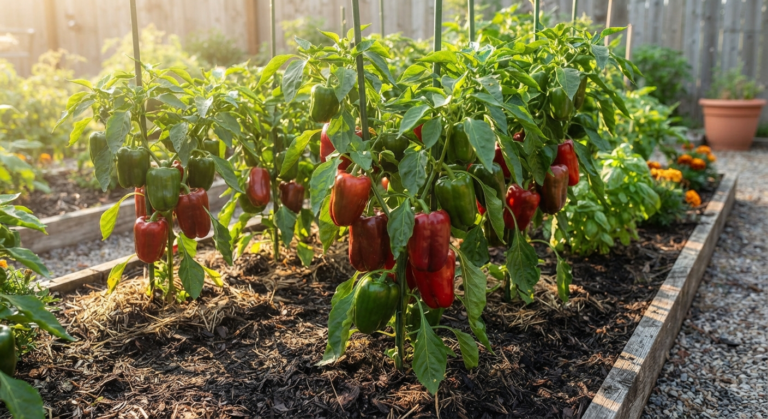
If your pepper plants look healthy but refuse to produce much fruit, the problem might be hiding underground. Peppers need more than sunlight and water to thrive. They need the right nutrients at the right time, and phosphorus is often the missing piece. That’s where bone meal for peppers comes in.
Bone meal has been a staple in organic gardening for generations, prized for its ability to feed plants slowly and naturally. Gardeners use it on everything from roses and bulbs to tomatoes and peppers, and for good reason. It’s packed with phosphorus and calcium, two nutrients that peppers need for strong roots, healthy blooms, and better fruit production.
In this guide, we’ll break down exactly what bone meal is, how it works in soil, and whether it’s actually good for pepper plants. We’ll also cover when and how to apply it, how it compares to other fertilizers like blood meal, and what happens if you use too much. By the end, you’ll know exactly how to use this organic fertilizer to grow flavorful peppers all season long.
What Is Bone Meal?
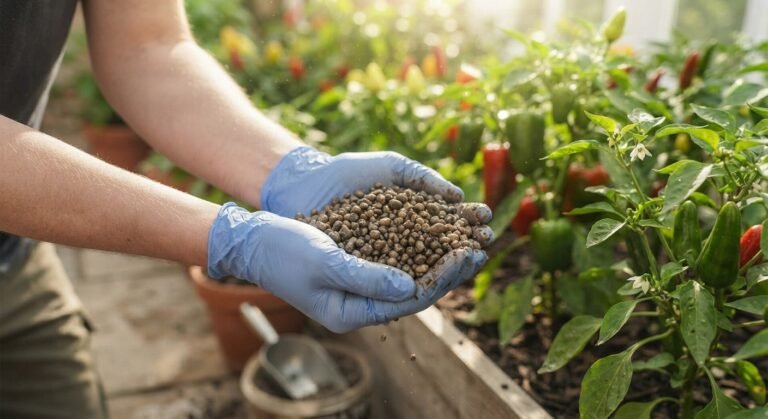
Bone meal is an organic fertilizer made from crushed and steamed animal bones, usually from cattle. The bones are ground into a fine powder or granules, which makes it easy to mix into soil or sprinkle around the base of a plant. Because it’s a byproduct of the meat industry, bone meal is considered a sustainable soil amendment rather than a synthetic chemical fertilizer.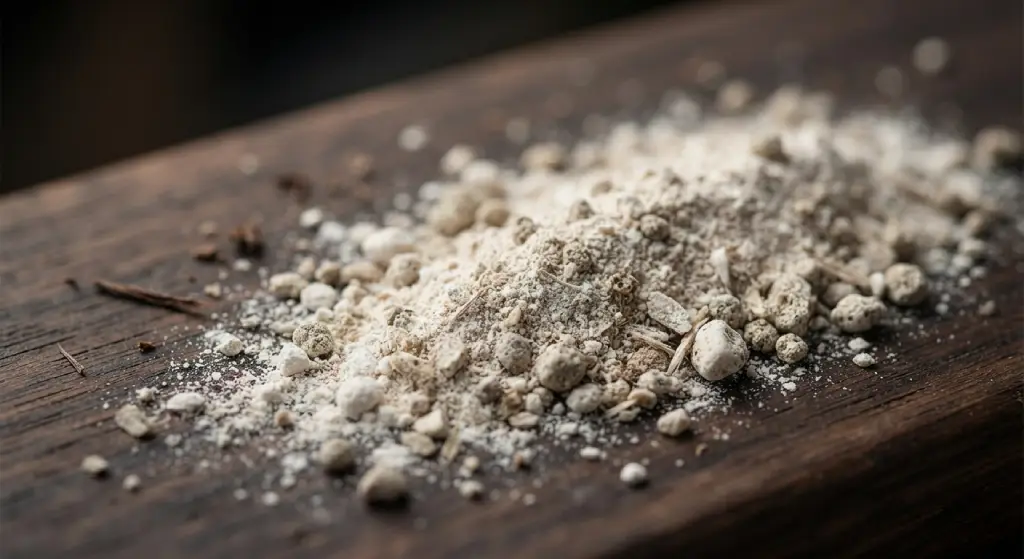
Gardeners have relied on bone meal for centuries to feed everything from vegetable gardens to flower beds. It’s particularly popular among people who garden organically, since it comes from a natural source and releases nutrients gradually instead of all at once.
What Nutrients Does Bone Meal Provide?
Bone meal provides phosphorus and calcium as its two primary nutrients, along with smaller amounts of nitrogen. Phosphorus plays a critical role in root development, flowering, and fruit set, which makes it especially valuable for pepper plants trying to produce a good harvest. Calcium strengthens cell walls and helps prevent issues like blossom end rot, a common problem in peppers and tomatoes alike.
Unlike synthetic fertilizers that often list a balanced ratio of nitrogen, phosphorus, and potassium, bone meal is unbalanced on purpose. It leans heavily toward phosphorus, with a typical NPK ratio somewhere around 3-15-0. That means it won’t do much for leafy green growth, but it will give your peppers a serious phosphorus boost right when they need it most.
How Bone Meal Works in Soil
Bone meal is a slow-release fertilizer, meaning it breaks down gradually over weeks or months instead of dissolving quickly like liquid feeds. Soil microbes and acids slowly convert the bone meal into forms that plant roots can absorb, which is why it works best when mixed directly into the soil rather than left on the surface.
Soil pH matters a lot here. Bone meal breaks down most efficiently in slightly acidic to neutral soil, roughly between 6.0 and 7.0 on the pH scale. In alkaline soil, the phosphorus in bone meal becomes less available to plants, so gardeners in regions with naturally alkaline soil may need to adjust pH or consider a different phosphorus source.
Is Bone Meal Good for Pepper Plants?
Yes, bone meal is good for pepper plants, especially during the early stages of growth and at transplant time. Peppers are heavy feeders that need strong root systems to support their fruit production later in the season. Since bone meal is rich in phosphorus, it directly supports that root development, giving young pepper plants a solid foundation before they start flowering.
That said, bone meal isn’t a cure-all. It works best as part of a balanced feeding plan rather than the only fertilizer you use. Peppers also need nitrogen for healthy foliage and potassium for overall plant health and disease resistance, so pairing bone meal with other soil amendments often produces the best results.
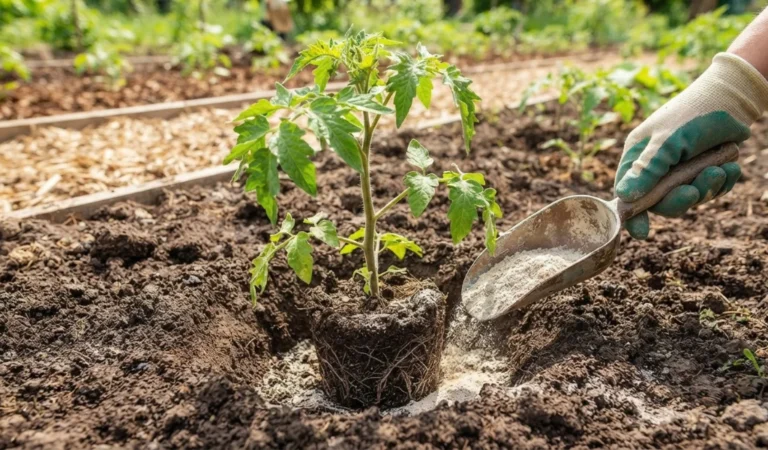
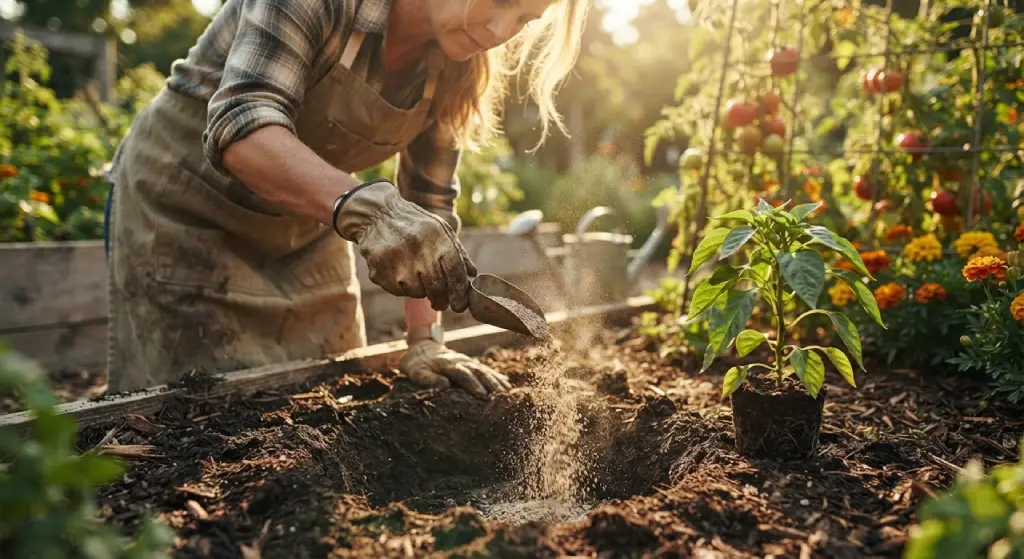
Many experienced gardeners add bone meal directly to the planting hole when transplanting pepper seedlings into the garden or into containers. This places the phosphorus right where the roots will grow, setting the plant up for strong early development.
Signs Your Peppers May Need More Nutrients
Pepper plants are pretty good at telling you when something’s off, as long as you know what to look for. A few common signs of nutrient deficiency include:
- Purple or reddish leaves, which often signal a phosphorus shortage
- Slow or stunted growth, especially in young seedlings
- Poor flowering or blossom drop, where flowers appear but fail to set fruit
- Weak, thin stems that struggle to support the plant as it matures
- Blossom end rot, which shows up as dark, sunken spots on the bottom of developing peppers and often points to a calcium imbalance
If you’re seeing any of these symptoms, it’s worth checking your soil nutrients before reaching for a general all-purpose fertilizer. Since bone meal targets phosphorus and calcium specifically, it can directly address several of these issues rather than masking them with a broad nutrient blend.
Benefits of Bone Meal for Peppers
Bone meal offers a few specific advantages that make it a favorite among pepper growers, particularly for anyone trying to keep their garden organic.
Supporting Root Development
Strong roots are the foundation of a healthy pepper plant, and phosphorus is the nutrient most responsible for building them. When you mix bone meal into the soil at planting time, it encourages roots to grow deeper and wider, which helps the plant absorb more water and nutrients throughout the growing season. This is especially helpful for seedlings and transplants, which rely on quick root establishment to survive the shock of being moved into new soil.
Providing Phosphorus and Calcium
Beyond root growth, phosphorus also plays a key role in flowering and fruit set. Without enough of it, pepper plants may produce fewer blooms or drop them before they turn into fruit. Calcium, the other major nutrient in bone meal, helps strengthen cell walls throughout the plant and reduces the risk of blossom end rot, a frustrating issue that ruins otherwise healthy peppers. Together, these two nutrients give pepper plants the building blocks they need for a productive harvest.
When to Use Bone Meal for Peppers
Timing matters when it comes to getting the most out of bone meal. The best time to apply it is at planting or transplanting, since this is when phosphorus has the biggest impact on root development. Mixing a handful of bone meal into the bottom of each planting hole gives seedlings direct access to phosphorus as their roots start to spread.
A second application can help once plants begin flowering, since this is when phosphorus demand increases again to support fruit set. Some gardeners also work bone meal into the soil at the start of each growing season as part of their regular soil preparation, especially in raised beds or containers where nutrients deplete faster than in open garden soil.
Avoid applying bone meal too late in the season, since its slow-release nature means it won’t provide much benefit if the plant is already close to the end of its fruiting cycle.
Bone Meal vs Other Pepper Fertilizers
Bone meal is just one of several organic fertilizers gardeners use for peppers, and it’s often compared to blood meal, another popular animal-based soil amendment. While bone meal is high in phosphorus and calcium, blood meal is high in nitrogen, making it useful for boosting leafy green growth, especially in plants that look pale or stunted early in the season.
Many gardeners actually use bone meal and blood meal together to create a more balanced feeding approach. Blood meal supports foliage growth early on, while bone meal supports the root and fruiting stages later. Using blood or bone meal on its own works fine for targeted problems, but combining them can mimic the balance you’d get from a complete fertilizer while still keeping everything organic.
Compared to synthetic fertilizers, bone meal releases nutrients more slowly and gently, which lowers the risk of burning plant roots. Synthetic options tend to act faster but don’t improve soil health over time the way organic fertilizer does. For gardeners focused on long-term soil quality rather than quick fixes, bone meal is usually the better choice.
How to Apply Bone Meal to Pepper Plants
Applying bone meal correctly makes a real difference in how well your pepper plants respond. Here’s a simple approach that works for garden beds, pots, and containers alike:
- At transplanting:
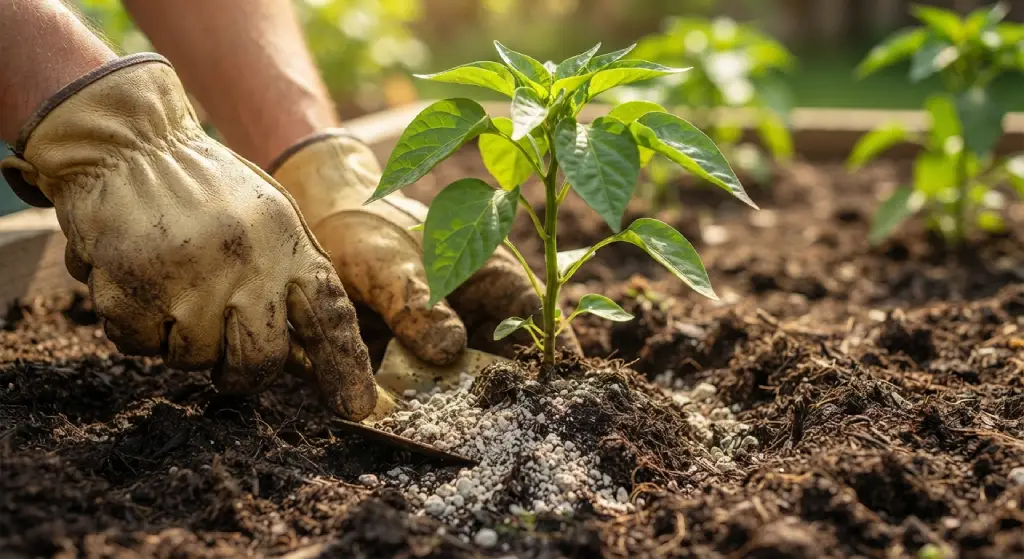 Mix one to two tablespoons of bone meal into the soil at the bottom of each planting hole before setting in your pepper seedling. This puts the phosphorus right where new roots will grow.
 - In potting soil: If you’re growing peppers in a pot or container, blend bone meal into the potting soil before filling the container. Since container soil has limited volume, mixing it in evenly prevents nutrient pockets.
- As a side dressing: Once plants are established, sprinkle bone meal around the base of each plant and lightly work it into the top few inches of soil, then water thoroughly to help it start breaking down.
- During flowering: A light second application around bloom time can support fruit set, particularly if your plants are heavy producers or growing in soil that drains quickly.
Always water your pepper plants after applying bone meal. Moist soil helps activate the slow breakdown process and gets nutrients moving toward the root zone faster.
Can You Use Too Much Bone Meal?
Yes, it’s possible to overdo it with bone meal, even though it’s a gentler option than most synthetic fertilizers. Applying too much can throw off the nutrient balance in your soil, leading to a phosphorus buildup that interferes with the plant’s ability to absorb other important nutrients like iron and zinc. Over time, this imbalance can show up as yellowing leaves or stunted growth, even though you were trying to help the plant.
Excess calcium from overapplication can also raise soil pH, making it more alkaline. Since bone meal already works best in slightly acidic soil, pushing the pH too high can actually reduce how well the plant absorbs the phosphorus you added in the first place.
As a general rule, stick to the application rates listed on the product packaging, usually a tablespoon or two per plant at transplant time, and avoid repeated heavy applications throughout the season. If you’re unsure how your soil nutrients stand, a simple soil test can tell you whether you actually need more phosphorus before adding any additional bone meal.
Growing Flavorful Peppers With the Right Nutrients
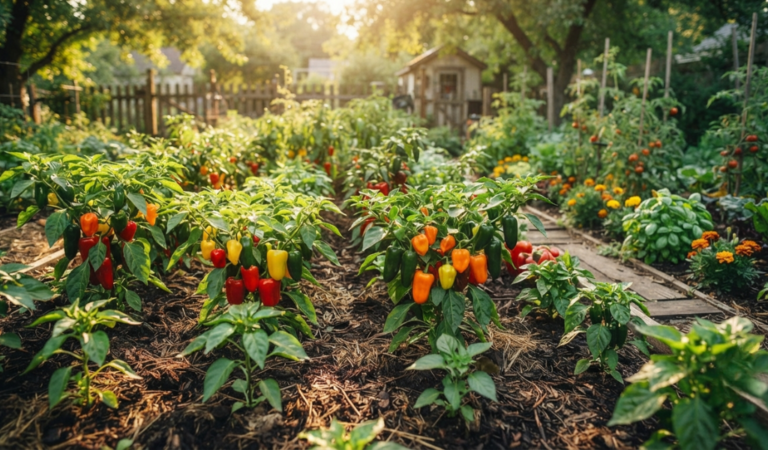
Bone meal isn’t a magic fix, but it’s a reliable, organic way to give pepper plants the phosphorus and calcium they need for strong roots, better blooms, and a more productive harvest. Whether you’re growing peppers in garden beds, containers, or alongside tomatoes and herbs, working bone meal into your soil routine at the right time can make a noticeable difference by harvest season.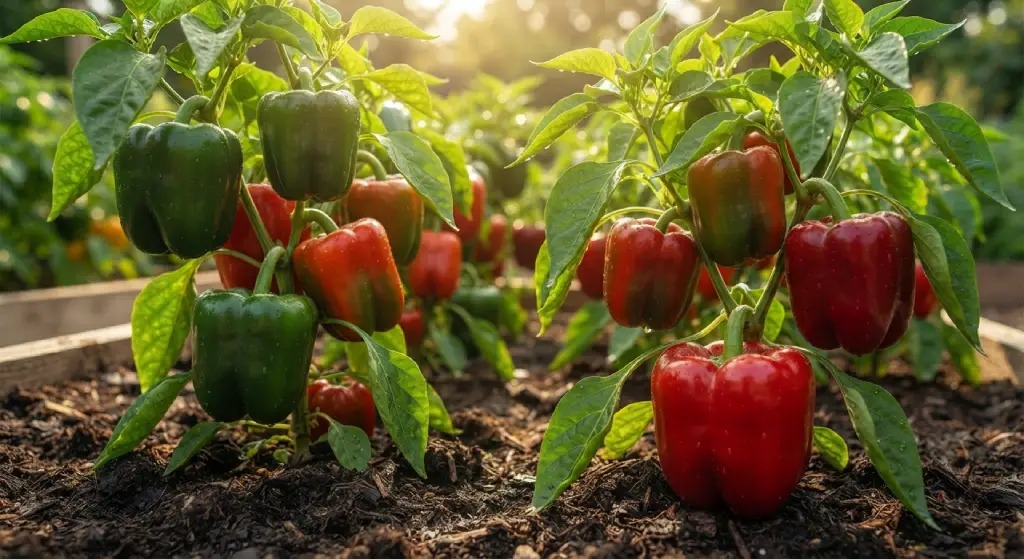
Pair it thoughtfully with other amendments like blood meal if your plants need a nitrogen boost too, and keep an eye on soil pH to make sure your plants can actually use the nutrients you’re providing. With the right balance, you’ll end up with healthier plants and a lot more flavorful peppers to show for it.
FAQs About Bone Meal for Peppers
Is bone meal better than blood meal for peppers?
It depends on what your plants need. Bone meal is better for root development and fruiting because it’s high in phosphorus and calcium, while blood meal is better for boosting leafy growth because it’s high in nitrogen. Many gardeners use both at different stages of the growing season.
Can I use bone meal on pepper plants in containers?
Yes, bone meal works well in containers. Mix it into the potting soil before planting, or work it into the top layer of soil around established plants, then water well to help it break down.
How often should I apply bone meal to peppers?
Most gardeners apply bone meal once at transplanting and again lightly during flowering. Since it’s a slow-release fertilizer, it doesn’t need frequent reapplication throughout the season.
Does bone meal help with blossom end rot in peppers?
Yes, bone meal can help prevent blossom end rot because it supplies calcium, which strengthens cell walls and reduces the likelihood of this condition developing in peppers and tomatoes.
Will bone meal attract pests to my garden?
Bone meal can sometimes attract digging animals like dogs or raccoons due to its smell, especially right after application. Mixing it into the soil rather than leaving it on the surface helps reduce this risk.
Can bone meal be used alongside other organic fertilizers?
Yes, bone meal pairs well with other organic amendments like blood meal, compost, or worm castings. Combining it with a nitrogen source creates a more balanced nutrient profile for pepper plants.
Is bone meal safe for organic gardening?
Yes, bone meal is considered safe and approved for organic gardening since it comes from a natural, animal-based source rather than synthetic chemicals.