How to Ripen Tomatoes on the Vine: Complete Garden Guide
How to Ripen Tomatoes on the Vine: Complete Guide
If you’ve ever walked into your garden in late summer only to find a plant full of stubborn green tomatoes, you know the frustration. You want that deep red color, that soft give when you press your thumb into the skin, that first bite of a fully ripe tomato still warm from the sun. The good news is that you can ripen tomatoes on the vine with a few simple changes to how you water, feed, and care for your plants. This guide walks through exactly what causes tomatoes to stay green longer than they should, how to speed up the process, and what to do when frost is coming and your plants still have a full load of unripe fruit.
Growing tomatoes is one of the most rewarding parts of having a garden, but ripening them on schedule takes a little know-how. Whether you’re dealing with a slow growing season, a plant that’s more leaf than fruit, or tomatoes that seem stuck in that frustrating mature green stage, there are proven techniques that work. Let’s break down what’s actually happening inside that tomato as it ripens, and what you can do to help the process along.
What Does Vine-Ripened Mean?
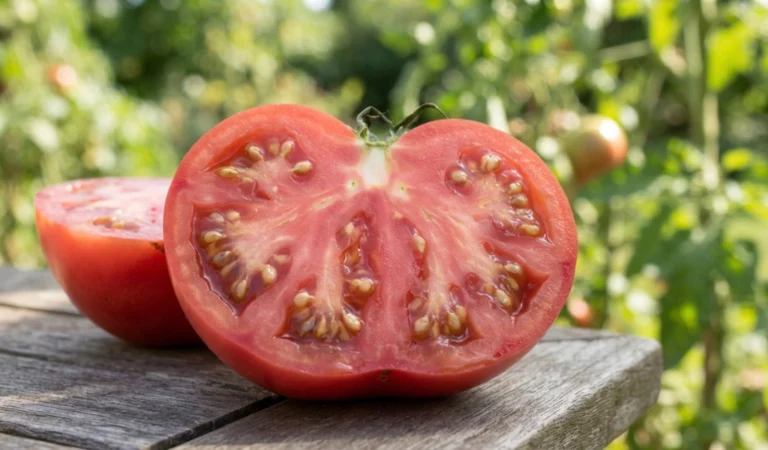
A vine-ripened tomato is one that stays attached to the plant until it reaches full color and flavor, rather than being picked while still green and left to ripen indoors. This matters because tomatoes that ripen on the vine develop more sugar, better texture, and a richer flavor than those picked early. The plant continues to feed the fruit with nutrients and water right up until harvest, which is why a tomato pulled fresh off a healthy vine almost always tastes better than one that finished ripening on a kitchen counter.
Why Tomatoes Are Picked Green
Most tomatoes you find in grocery stores were picked at the mature green stage, long before they show any blush of color. Commercial growers do this because green tomatoes are firmer and can survive shipping and handling without bruising. Once they arrive at the store, they’re often treated with ethylene gas to trigger ripening artificially. The result is a tomato that looks ripe but never developed the full flavor that comes from staying on the plant. Home gardeners don’t have this problem, since there’s no shipping involved, but many still pick tomatoes early out of impatience or fear of losing them to pests, disease, or an early frost.
Which Tomatoes Will Ripen?
Not every tomato on your plant is a good candidate for vine-ripening, especially late in the season. A tomato needs to have reached full size and entered at least the early stages of color change, known as the breaker stage, before it has any real chance of ripening properly. Tomatoes that are still small and rock hard with no sign of color won’t have enough stored energy to finish ripening, even indoors. If frost is coming and you need to make decisions about what to save, focus your energy on tomatoes that are full size with at least a hint of yellow, pink, or orange showing on the skin.
Three Moves That Work
If you want to ripen tomatoes on the vine faster, there are three techniques experienced gardeners rely on. Each one works by changing the plant’s priorities or its environment, pushing it to focus more energy into the fruit that’s already there.
1. Snap Off the Top
Pinching or snapping off the top growth of an indeterminate tomato plant, a method sometimes called topping, tells the plant to stop focusing on producing new flowers and leaves. Instead, it redirects nutrients toward the fruit that’s already set. This technique works especially well about four to six weeks before your average first frost date, since it signals the plant to put its remaining energy into finishing the tomatoes already on the vine rather than starting new ones that won’t have time to mature.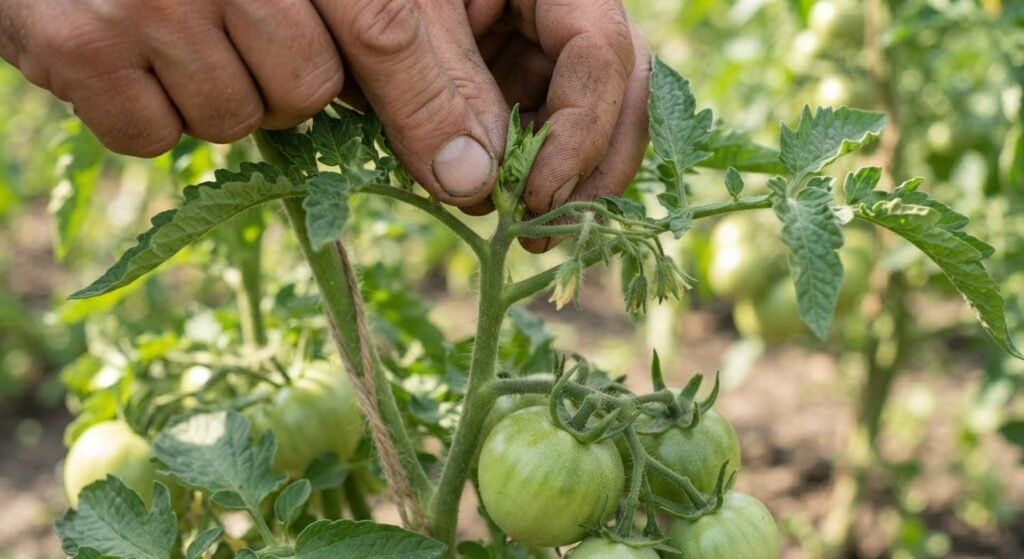
2. Water Less
Cutting back on water sounds counterintuitive, but a little stress actually speeds up ripening. When a tomato plant receives less water, it responds by concentrating sugars in the fruit rather than pushing out more leafy growth. This doesn’t mean letting your plant wilt completely, but easing off the watering schedule in the final weeks of the season can encourage faster color change and a more concentrated flavor.
3. Trap Heat at Night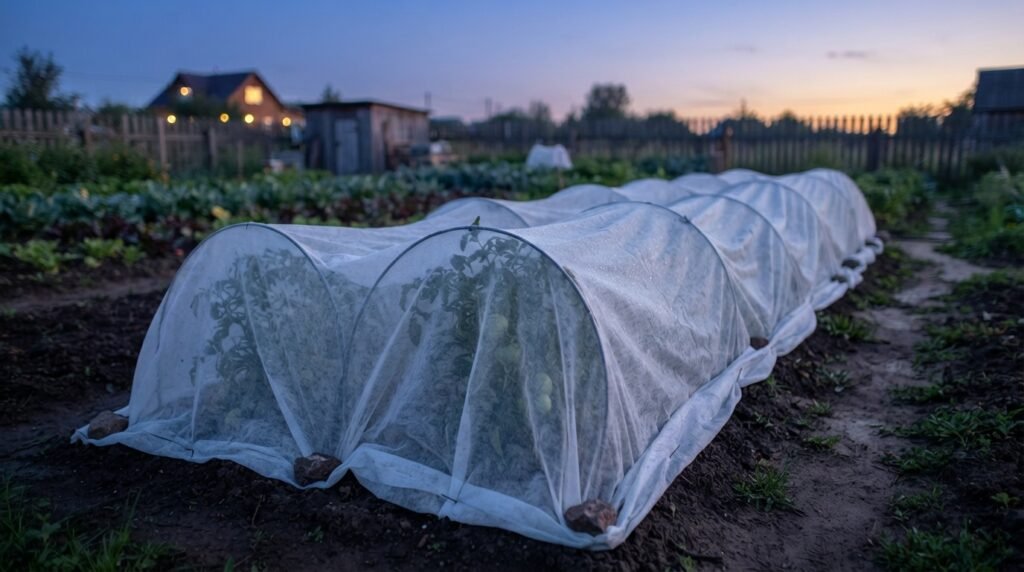
Tomatoes ripen fastest in warm conditions, generally between 68 and 77 degrees Fahrenheit. As nights get cooler toward the end of the growing season, you can trap a bit of extra heat around your plants by covering them loosely with a light fabric or row cover in the evening. Removing the cover each morning lets sunlight back in during the day while protecting the plant from the chill overnight. This simple trick can shave days off the time it takes for a tomato to move from the breaker stage to fully ripe.
When Do Tomatoes Start to Ripen?
Tomatoes begin to ripen once they reach full size and stop growing larger. At this point, the plant shifts its focus from swelling the fruit to changing its internal chemistry, breaking down chlorophyll and producing the pigments that create that familiar red, orange, or yellow color. This transition doesn’t happen overnight. It unfolds in stages, and recognizing those stages can help you know exactly where your tomatoes stand and how much longer they need.
Signs of the Breaker Stage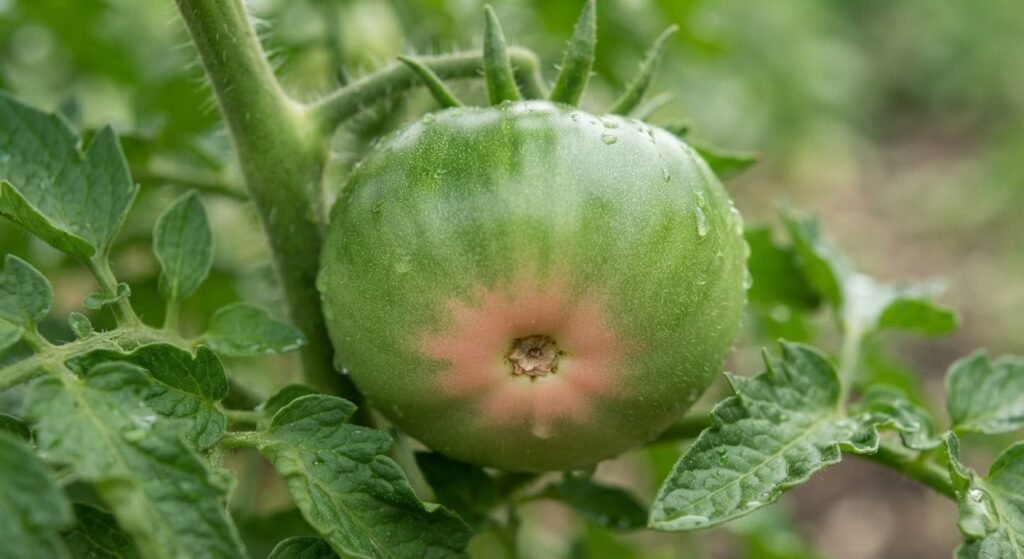
The breaker stage is the first visible sign that a tomato is starting to ripen. At this point, you’ll notice a small patch of color, usually a blush of pink, yellow, or tan, appearing at the blossom end of the fruit. The rest of the tomato may still look fully green, but the skin often takes on a slightly lighter, less glossy appearance. Once a tomato reaches the breaker stage, it has enough stored sugars and the right internal signals to continue ripening even if it’s removed from the vine, though it will always taste best if left in place a bit longer.
Signs a Tomato Is Nearly Ripe
As ripening continues past the breaker stage, the color spreads across more of the fruit until it reaches full color. The skin softens slightly under gentle pressure, and the tomato takes on a slightly matte finish rather than the shiny look of an unripe fruit. The stem area may also loosen a bit, making the tomato easier to pull from the vine without tugging. These are the signs to look for when you’re checking the tomatoes daily as harvest time approaches.
How to Help Tomatoes Ripen on the Vine
Beyond the specific tricks mentioned earlier, there are foundational care practices that keep your tomato plants healthy enough to ripen fruit efficiently throughout the season. Getting these basics right makes a bigger difference than any single trick.
Provide Enough Sunlight
Tomato plants need at least six to eight hours of direct sunlight each day to produce the energy required for ripening. Fruit that’s shaded by dense foliage or overcrowded nearby plants often ripens more slowly, since it isn’t getting the direct light needed to trigger the color change efficiently. If you notice tomatoes hiding deep inside a bushy plant, consider thinning out some of the surrounding leaves so sunlight can reach the fruit directly. This also helps with air circulation, which reduces the risk of disease.
Maintain Consistent Watering
While easing off water late in the season can help speed up final ripening, consistent watering throughout most of the growing season is essential for healthy fruit development. Irregular watering, swinging between drought and heavy soaking, can cause problems like blossom end rot and uneven ripening. Aim to water deeply and consistently, allowing the top inch of soil to dry out slightly between waterings, rather than giving your plants small sips every day.
Avoid Overfertilizing
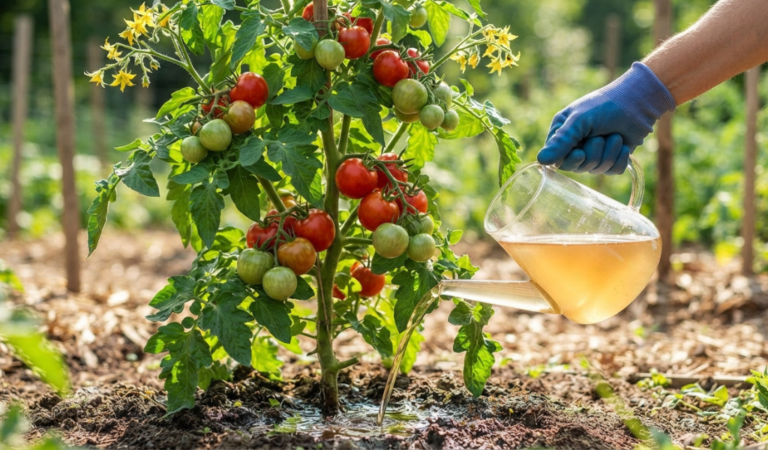
It’s tempting to think more fertilizer means more tomatoes, but too much nitrogen pushes a plant to grow lush green leaves at the expense of fruit production and ripening. If your tomato plant looks like a jungle but has very little fruit showing color, nitrogen overload could be the culprit. Switch to a fertilizer lower in nitrogen and higher in phosphorus and potassium once your plants start flowering and setting fruit, since these nutrients support fruit development and ripening rather than leafy growth.
How Long Do Tomatoes Take to Ripen on the Vine?
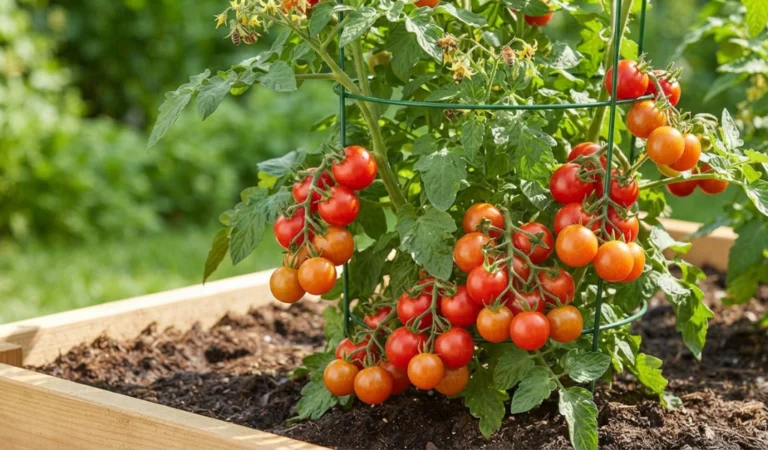
Most tomatoes take between 20 and 45 days to ripen fully once they reach full size, though the exact timeline depends on the variety, the weather, and the specific growing conditions. Cherry tomatoes and other small varieties tend to ripen faster, often within three weeks of reaching full size, while larger beefsteak types can take closer to six weeks. Determinate tomato varieties, which grow to a set size and ripen their fruit over a shorter window, often finish ripening faster as a whole crop compared to indeterminate varieties, which continue growing and producing fruit until frost or disease stops them.
Temperature plays one of the biggest roles in this timeline. Warm days and mild nights speed up ripening considerably, while cool, overcast weather can stretch the process out by a week or more. This is why late-season tomatoes, ripening as temperatures drop, often take noticeably longer than those maturing during the peak heat of summer.
Common Problems That Delay Ripening
Even with the best care, tomatoes sometimes refuse to ripen on schedule. A few common culprits are responsible for most delays, and knowing them can help you troubleshoot a slow-ripening crop.
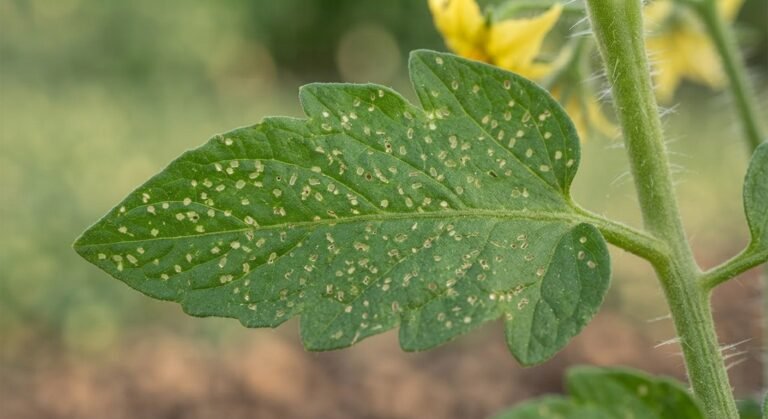
Extreme heat above 85 degrees Fahrenheit can actually pause ripening temporarily, since the plant diverts energy toward survival rather than fruit development. On the opposite end, cool nights below 55 degrees Fahrenheit slow the chemical processes responsible for color change. Disease and pest damage can also stress a plant enough to delay ripening, as can overcrowded plants competing for sunlight and nutrients. If you’re noticing a lot of green tomatoes with no sign of a breaker stage despite being full size, check your plant for these stress factors first before assuming something is wrong with the fruit itself.
The Spade Trick, and Why It Probably Doesn’t Do What You Think
One popular piece of garden folklore involves pushing a spade into the soil near the base of a tomato plant to slightly sever some of the roots, with the idea that this stresses the plant into ripening its fruit faster. While this technique has been passed down through generations of gardeners, there’s limited evidence that it reliably speeds up ripening in a meaningful way. Damaging the root system can stress the plant, but that stress doesn’t necessarily translate into faster or better fruit ripening, and it can just as easily weaken the plant’s ability to support the tomatoes already growing. If you’re looking for a reliable way to speed up ripening, the three techniques covered earlier, topping the plant, reducing water, and trapping heat at night, have a much stronger track record than the spade trick.
Bringing In the Harvest Before Frost
As the end of the growing season approaches, keep a close eye on the weather forecast. Once frost is coming, any tomatoes left on the vine are at risk of cold damage, which causes the fruit to turn mushy and inedible almost overnight. If a hard frost is forecast and you still have a plant full of green tomatoes, it’s better to harvest the whole crop rather than lose it to the cold. Tomatoes that have reached at least the mature green or breaker stage can continue ripening tomatoes indoors on a sunny windowsill or in a paper bag with a banana, which releases ethylene gas to speed up the process. While these indoors tomatoes won’t taste quite as good as fruit that ripened naturally in the garden, they’re still far better than a plant full of frost-damaged fruit.
For gardeners who want to make the most of every tomato before the season ends, a combination of strategies works best. Start topping your plants a few weeks before your expected first frost date, ease off watering as the season winds down, and cover your plants on cool nights to trap a bit of extra warmth. Check your tomatoes regularly for signs of the breaker stage, and don’t hesitate to bring fruit indoors if a hard frost threatens your garden. With a bit of attention and the right timing, you can enjoy vine-ripened tomatoes right up until the final days of the gardening season.
Final Thoughts
Ripening tomatoes on the vine comes down to understanding what your plant needs at each stage, from providing enough sunlight and consistent water early in the season to easing back and trapping heat as the weather cools. Pay attention to the breaker stage, watch the forecast for frost, and don’t be afraid to bring tomatoes indoors as a backup plan when the weather turns. With these techniques in your toolkit, you’ll spend less time staring at stubborn green tomatoes and more time enjoying the deep flavor of fruit that ripened right where it grew.
Frequently Asked Questions
Can a tomato ripen after it’s picked green?
A fully mature green tomato can ripen after picking, since it has already developed enough stored sugars and internal signals to continue the process. However, a tomato picked too early, before reaching full size, will not ripen properly and often stays hard or rots instead.
What is the fastest way to ripen tomatoes on the vine?
The fastest combination involves topping the plant to stop new growth, reducing water slightly to concentrate sugars in the fruit, and covering plants at night to trap warmth as temperatures drop. Together, these techniques can shave a week or more off the ripening timeline.
Why are my tomatoes still green at the end of the season?
Cool temperatures, excess nitrogen fertilizer, inconsistent watering, and overcrowded plants are the most common reasons tomatoes stay green longer than expected. Checking these factors can help you identify what’s slowing down your plant.
Should I bring tomatoes indoors before a frost?
Yes. If frost is coming and you have tomatoes that have reached at least the breaker stage, bringing them indoors protects them from cold damage and allows them to continue ripening on a windowsill or in a paper bag.
Does the spade trick really help tomatoes ripen faster?
There is little solid evidence supporting the spade trick as an effective ripening method. Techniques like topping the plant, cutting back on water, and trapping heat at night have a much more reliable track record.
How long does it take for a green tomato to turn red on the vine?
Most tomatoes take between 20 and 45 days from reaching full size to full ripeness, depending on the variety and weather conditions. Warmer temperatures speed up this timeline, while cooler weather slows it down.
Do all tomato varieties ripen at the same rate?
No. Smaller varieties like cherry tomatoes tend to ripen faster, often within three weeks, while larger varieties like beefsteak tomatoes can take up to six weeks. Determinate varieties also tend to ripen their fruit over a shorter, more concentrated window than indeterminate varieties.