Liquid Fertilizer for Tomato Plants: Tomato Fertilizer Guide
Liquid Fertilizer for Tomato Plants: A Complete Guide to Tomato Fertilizer
Growing juicy, flavorful tomatoes takes more than sunshine and water. If you want vines loaded with fruit, you need the right liquid fertilizer for tomato plants at the right time. Tomatoes are heavy feeders, meaning they pull a lot of nutrients from the soil throughout the growing season. Without proper feeding, you’ll notice yellow leaves, weak stems, and disappointing harvests.
This guide walks you through everything you need to know about tomato fertilizer, from understanding N-P-K ratios to building a feeding schedule that keeps your plants thriving from seedling to harvest. Whether you’re growing in raised beds, containers, or a backyard garden, you’ll find practical advice for choosing the best fertilizer for tomatoes Plants and using it correctly.
Why Use Liquid Fertilizer for Tomato Plants?
Liquid fertilizer has become a favorite among gardeners for good reason. It’s fast-acting, simple to use, and gentle enough for tomatoes at nearly every growth stage.
Liquid Fertilizer Is Easy to Apply
Unlike granular fertilizers, which need to be worked into the soil, liquid plant food can be mixed with water and poured or sprayed directly onto your plants. This makes it one of the easiest ways to feed tomato plants without a lot of extra labor. Many gardeners simply fill a watering can or spray bottle and apply it during their normal watering routine.
It Can Deliver Nutrients Quickly
Because liquid fertilizer is already water soluble, tomato plants absorb the nutrients almost immediately through their roots and foliage. This quick delivery system makes liquid fertilizer especially useful when your tomato plant shows signs of a nutrient deficiency and needs a boost right away.
It Works Especially Well in Containers
Potted plants have limited soil, which means nutrients get used up or washed out faster than in-ground plants. Liquid fertilizer for tomato plants in containers helps replenish nutrient levels consistently, supporting strong growth throughout the growing season.
What Nutrients Do Tomato Plants Need?
Before choosing a tomato fertilizer, it helps to understand what tomato plants actually need to grow healthy and produce fruit.
What Does N-P-K Mean?
Every fertilizer label lists three numbers, known as the NPK ratio. These numbers represent the percentage of nitrogen, phosphorus, and potassium in the product. Understanding this ratio is the first step toward choosing a plant fertilizer that matches your tomato plant’s needs at each growth stage.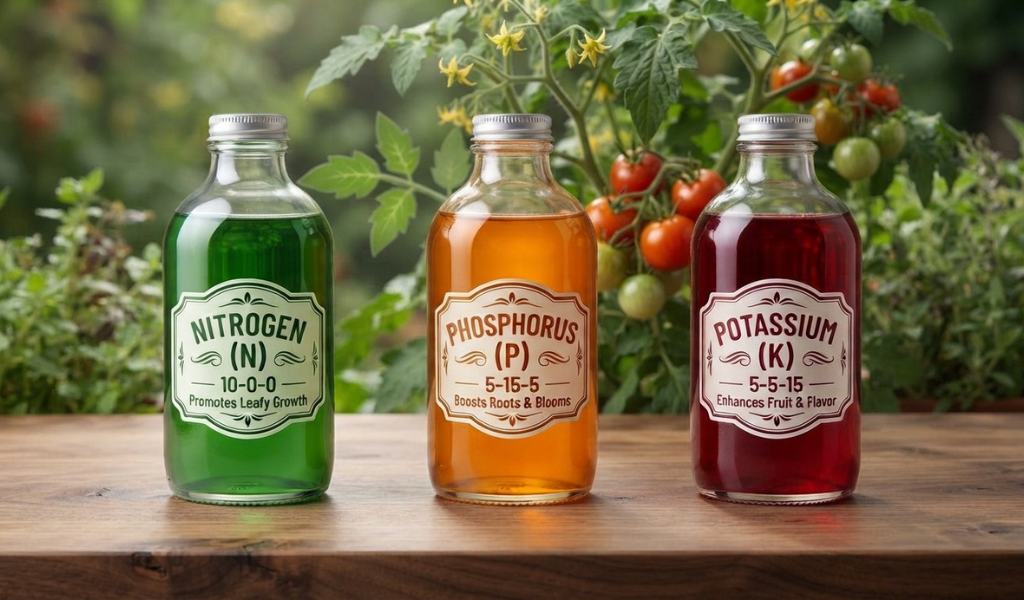
Nitrogen Supports Vegetative Growth
Nitrogen fuels the leafy, green growth of a tomato plant, especially early on. However, too much nitrogen later in the season can lead to lush foliage with few flowers or fruit, so it’s important to adjust nitrogen levels as your plant matures.
Phosphorus Supports Plant Development
Phosphorus plays a key role in root development and helps tomato plants establish strong roots. It also supports flowering, which is essential for fruit production down the line.
Potassium Matters for Fruit Development
Potassium helps regulate water movement within the plant and supports fruit development, flavor, and disease resistance. A tomato fertilizer with balanced potassium levels often leads to firmer, better-tasting tomatoes.
How to Choose the Best Liquid Fertilizer for Tomato Plants
With so many options at the garden center, choosing the right tomato fertilizer can feel overwhelming. Here’s how to narrow it down.
Start With a Soil Test
A soil test kit, or a sample sent to a professional lab, tells you exactly what your soil is lacking. This helps you avoid guessing and ensures you buy a fertilizer that actually addresses your soil’s nutrient levels.
Look for a Fertilizer Made for Vegetables or Tomatoes
Fertilizers labeled specifically for tomatoes or fertilizer for vegetables are formulated with the right balance of nitrogen, phosphorus, and potassium for fruiting plants. These products often include micronutrients like calcium and magnesium, which help prevent common tomato problems like blossom end rot.
Consider Complete Fertilizers
A complete fertilizer contains all three primary nutrients plus secondary nutrients and micronutrients. These purpose fertilizer blends are a solid choice for gardeners who want a simple, all-in-one solution instead of juggling multiple products.
Liquid Fertilizer for Tomato Plants at Different Growth Stages
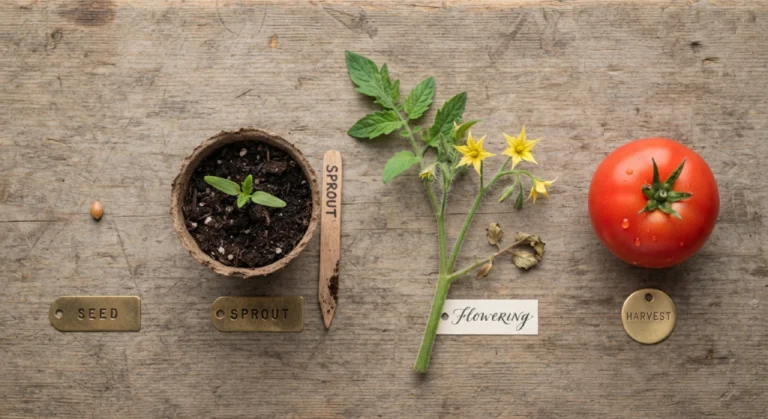
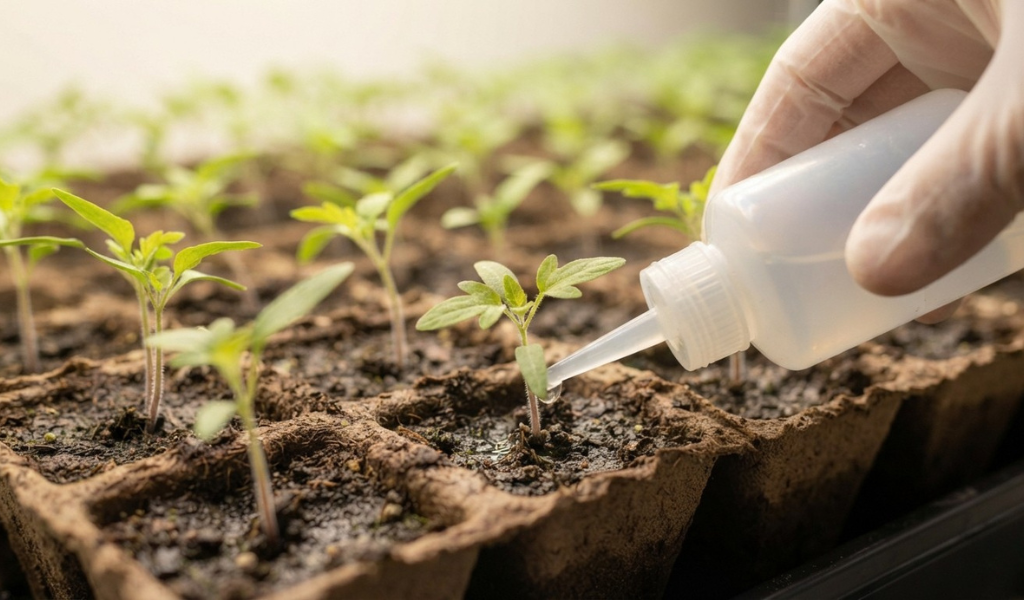 Tomato plants have different nutrient needs at each stage of growth. Adjusting your liquid fertilizer accordingly helps you grow healthy tomato plants from seed to harvest.
Feeding Young Tomato Seedlings
Young seedlings need a light, diluted fertilizer to avoid overwhelming their delicate roots. A weak, balanced liquid concentrate mixed with water supports steady, gentle growth without shocking the plant.
Feeding After Transplanting
Once seedlings are transplanted into the garden or a planting hole in a container, they benefit from a fertilizer slightly higher in phosphorus to encourage strong root establishment.
Feeding During Flowering
As tomato plants begin to flower, switch to a fertilizer with more balanced or slightly higher phosphorus and potassium. This supports healthy blossom formation, which eventually turns into fruit.
Feeding During Fruit Development
Once fruit starts to form, potassium becomes especially important. A tomato fertilizer higher in potassium during this stage supports fruit development, flavor, and overall plant health.
How to Apply Liquid Fertilizer to Tomato Plants
Applying liquid fertilizer correctly makes a real difference in how well your tomato plants respond.
Step 1: Read the Fertilizer Label
Every fertilizer label includes mixing instructions and application frequency. Following these guidelines helps you avoid both underfeeding and overfeeding your plants.
Step 2: Mix the Fertilizer Correctly
Most liquid fertilizers need to be diluted with water at a specific ratio, often measured per gallon of water. Mixing it too strong can burn your plants, while mixing it too weak won’t provide enough nutrients.
Step 3: Apply Around the Root Zone
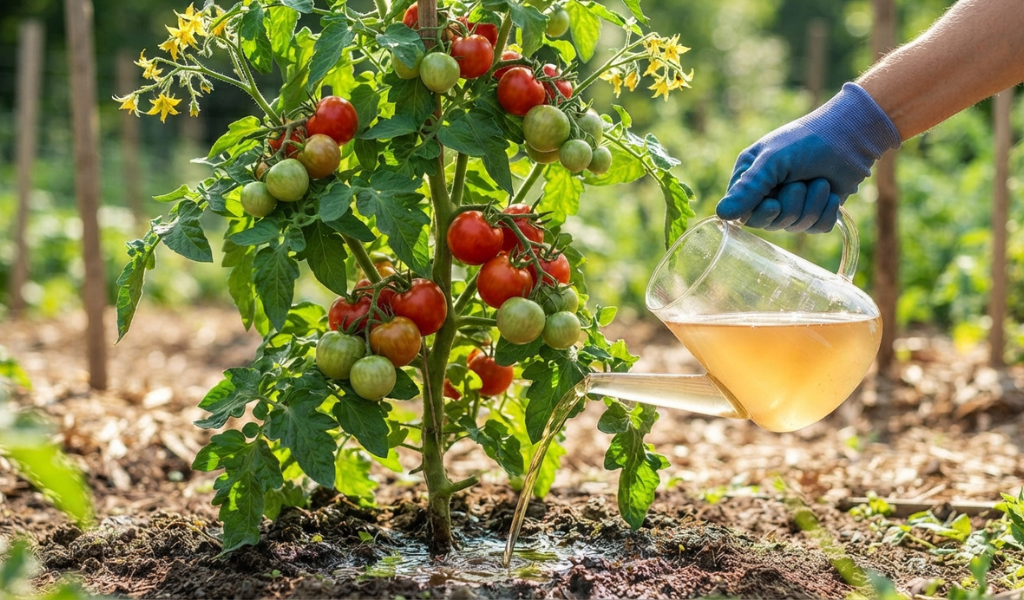
Pour the diluted fertilizer around the base of the plant, near the root zone, rather than directly on the stem. This helps the roots absorb nutrients efficiently and reduces the risk of foliage burn.
Step 4: Keep the Feeding Consistent
Tomato plants respond best to a consistent feeding routine. Applying fertilizer every two weeks, or according to the product’s recommendation, helps maintain steady nutrient levels throughout the growing season.
Should You Water Tomato Plants Before Fertilizing?
Yes. Watering your tomato plant before applying liquid fertilizer helps prevent root shock and allows for even nutrient absorption. Dry soil combined with concentrated fertilizer can stress the plant’s root system.
Avoid Fertilizing a Severely Wilted Plant
If your tomato plant is severely wilted, hold off on fertilizing until it recovers. Feeding a stressed plant can do more harm than good, sometimes worsening the damage instead of helping it bounce back.
How Often Should You Use Liquid Fertilizer for Tomato Plants?
The right feeding frequency depends largely on where your tomato plant is growing.
Container Tomatoes May Need More Frequent Feeding
Potted plants have less soil to hold onto nutrients, so they typically need liquid fertilizer more often, often every one to two weeks during active growth.
In-Ground Tomatoes Are Different
Tomato plants growing in garden beds or in-ground soil rich in organic matter may need less frequent feeding, since the surrounding soil already supplies some nutrients. Fertilizing every two weeks during the growing season is usually sufficient for most in-ground tomato plants.
Signs Your Tomato Plant May Need Nutrients
Knowing what to look for helps you catch nutrient deficiencies before they seriously affect plant health.
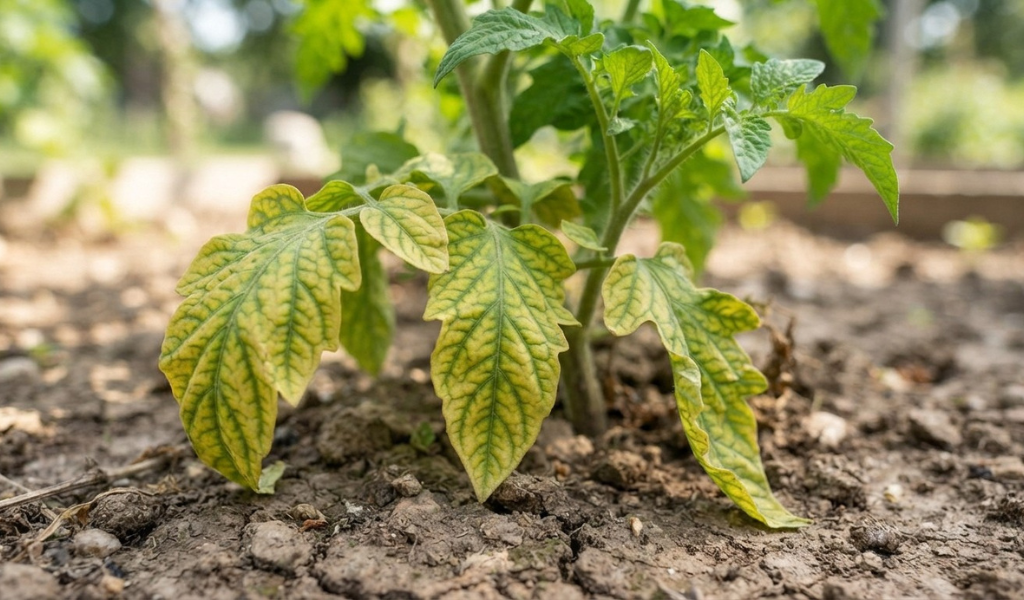 Yellowing Leaves
Yellow leaves, especially on older growth, often signal a nitrogen deficiency. If new growth also appears pale, it may point to a broader nutrient issue that needs addressing.
Slow Growth
If your tomato plant seems stalled, with little new growth compared to neighboring plants, it may not be getting enough essential nutrients from the soil.
Poor Flower or Fruit Development
A tomato plant that flowers but fails to set fruit, or produces small, underdeveloped tomatoes, may need more phosphorus or potassium to support proper fruit development.
Liquid Fertilizer Problems That Can Affect Tomato Growth
Even with good intentions, it’s easy to make mistakes when fertilizing tomato plants.
Using Too Much Fertilizer
Overapplying liquid fertilizer can lead to nutrient burn, damaged roots, and even reduced fruit production. More is not always better when it comes to plant food.
Using High-Nitrogen Fertilizer All Season
Sticking with a high-nitrogen fertilizer throughout the growing season can result in a tomato plant full of leaves but light on fruit. Adjusting nutrient ratios as the plant matures is essential.
Fertilizing Every Time You Water
Fertilizing too frequently, without giving the soil time to absorb and use existing nutrients, can lead to a buildup of salts in the soil, which stresses the plant’s root system.
Ignoring Soil Fertility
Relying solely on liquid fertilizer while ignoring overall soil fertility, such as organic matter and soil structure, can limit your tomato plant’s ability to absorb nutrients effectively.
Organic Liquid Fertilizer for Tomato Plants
For gardeners who prefer natural ingredients, several organic fertilizer options work well for tomatoes.
Fish-Based Fertilizers
Fish emulsion and fish bone meal are popular organic sources of nitrogen and phosphorus. These organic liquid fertilizers are gentle on plants and support strong, steady growth.
Kelp and Seaweed Products
Kelp meal and seaweed-based liquid fertilizer provide micronutrients and natural growth hormones that support overall plant health and stress resistance.
Homemade Liquid Fertilizer
Compost tea, made by steeping compost in water, is a simple homemade liquid fertilizer packed with organic matter and beneficial microbes. Many gardeners also use diluted worm castings as a natural, nutrient-rich option for organic tomato care.
Liquid Fertilizer for Tomato Plants in Pots
Growing tomatoes in pots requires a slightly different approach than in-ground gardening. Liquid fertilizer for tomato plants can be especially useful for container-grown tomatoes because nutrients can wash out more quickly.
Use a Quality Potting Mix
A good quality potting mix is essential for healthy tomato plants growing in containers. It should retain enough moisture for steady growth while draining excess water properly to prevent soggy roots. A well-draining mix also helps liquid fertilizer for tomato plants spread evenly through the soil when you water. For patio tomatoes, use a lightweight container mix that supports strong roots and allows water and nutrients to reach the plant without compacting. When applying diluted liquid fertilizer, direct the water stream toward the soil surface rather than the foliage for more effective feeding.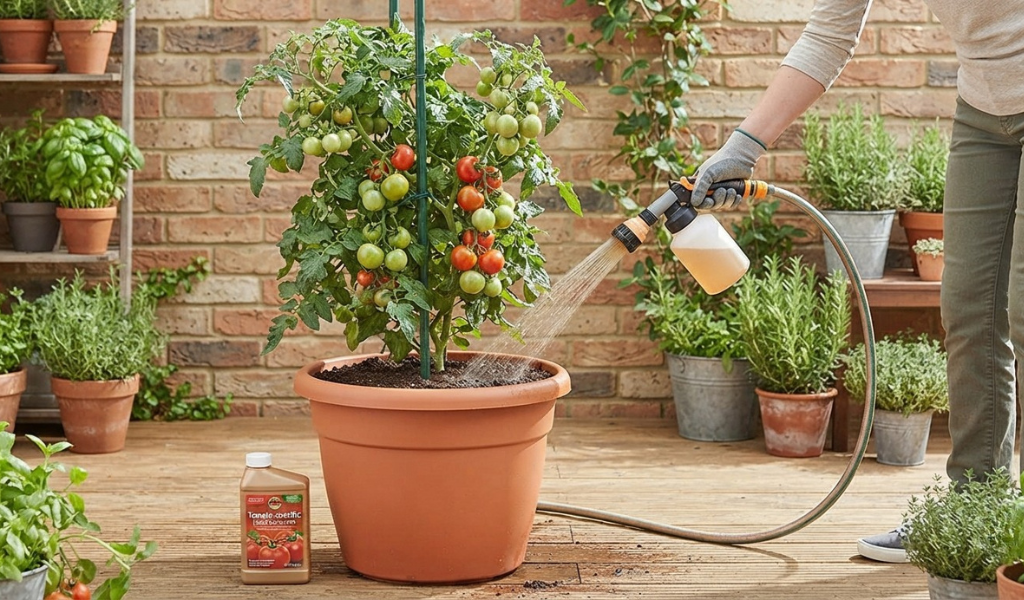
Watch the Drainage
Pots with poor drainage can trap excess fertilizer salts, leading to root damage. Make sure your containers have adequate drainage holes before feeding liquid fertilizer for tomato plants.
Feed According to Plant Growth
Potted plants often need more frequent feeding than those in raised beds or garden soil, simply because nutrients wash out of containers more quickly during watering. Using liquid fertilizer for tomato plants according to the plant’s growth stage can help maintain steady nutrition.
How to Avoid Fertilizer Burn on Tomato Plants
Fertilizer burn is a common issue, but it’s easy to prevent with a few precautions when using liquid fertilizer for tomato plants.
Follow the Recommended Dilution
Always dilute liquid fertilizer according to the label instructions. A stronger mix does not mean faster growth, it usually means damaged roots and scorched foliage instead. Follow the recommended dilution when applying liquid fertilizer for tomato plants.
Do Not Double the Dose
A Simple Tomato Feeding Routine
Here’s a straightforward feeding routine you can follow throughout the season using liquid fertilizer for tomato Plants. A consistent schedule helps provide nutrients when tomato plants need them most without encouraging excessive growth.
Week 1: Establish the Plants
After transplanting, use a diluted, balanced liquid fertilizer to help seedlings adjust and establish strong roots. Avoid heavy feeding at this stage because young roots can be sensitive to concentrated nutrients.
Active Vegetative Growth
During this stage, feed every two weeks with a balanced fertilizer to support healthy leaf and stem development. Using liquid fertilizer for tomato Plants at the recommended strength can provide steady nutrition while the plant builds a strong structure.
Flowering and Fruit Set
Switch to a fertilizer with more phosphorus and potassium to encourage blossoms and early fruit development. Avoid excessive nitrogen, as too much can produce lots of leaves but fewer flowers and fruits.
Heavy Fruit Production
As tomatoes ripen and multiply, continue feeding every two weeks with a potassium-rich liquid fertilizer to support fruit development and flavor. Adjust feeding if plants show signs of nutrient stress or if the soil already contains plenty of nutrients.
What Makes Liquid Fertilizer Work Better?
Fertilizer alone won’t guarantee a great harvest. A few supporting habits make a big difference when using liquid fertilizer for tomato Plants.
Give Tomatoes Plenty of Sunlight
Tomato plants need at least six to eight hours of direct sunlight daily to make the most of the nutrients they receive. Good sunlight also supports flowering and healthy fruit production.
Maintain Consistent Moisture
Inconsistent watering can lead to problems like blossom end rot, even when nutrient levels are adequate. Keep soil moisture steady, especially during fruit development, and avoid letting containers dry out completely.
Protect the Root Zone
Mulching around the base of your tomato plant helps retain moisture, regulate soil temperature, reduce weed growth, and protect the root zone. A proper layer of mulch also supports healthier roots and helps the plant absorb water and nutrients more efficiently throughout the growing season.
Final Thoughts
Choosing the right liquid fertilizer for tomato plants and applying it consistently can make the difference between a mediocre harvest and a garden full of ripe, flavorful tomatoes. Pay attention to your plant’s growth stage, watch for signs of nutrient deficiency, and don’t be afraid to adjust your feeding routine as the season progresses. Whether you choose a store-bought tomato fertilizer or a homemade organic option, the key is consistency and balance. Start applying these tips today, and you’ll likely notice healthier plants and a more productive harvest by the end of the season.
Frequently Asked Questions
What is the best fertilizer for tomato plants?
The best fertilizer for tomatoes plants is typically a balanced formula made specifically for tomatoes or vegetables, with adjustments in nitrogen, phosphorus, and potassium depending on the plant’s growth stage.
What type of fertilizer is best for tomato plants?
Liquid fertilizer is often preferred for its fast absorption and ease of application, though granular fertilizers can also work well for slow, steady feeding over time.
How to make liquid fertilizer for tomato plants?
You can make a simple homemade liquid fertilizer by steeping compost in water to create compost tea, or by diluting worm castings in water for a natural, nutrient-rich feed.
Should I add fertilizer to my tomato plants?
Yes, tomato plants are heavy feeders and generally need regular fertilizing throughout the growing season to support healthy growth and fruit production.
What is the best liquid fertilizer for tomato plants?
A liquid fertilizer formulated specifically for tomatoes, with balanced nitrogen, phosphorus, and potassium plus micronutrients like calcium, tends to work best across all growth stages.
How can I make liquid fertilizer for tomato plants at home?
Combine compost or worm castings with water, let it steep for a few days, then strain and dilute the liquid further before applying it around the base of your tomato plants.
How often should I apply liquid fertilizer to my tomato plants?
Most tomato plants benefit from liquid fertilizer every two weeks during the growing season, though container tomatoes may need slightly more frequent feeding due to limited soil volume.