Cherry Tomato Growing Tips: A Guide to Growing Cherry Tomatoes in Your Garden
Cherry Tomato Growing Tips: Your Easy Guide to Growing Cherry Tomatoes at Home
If you have ever wanted to fill your garden with juicy, homegrown produce, cherry tomatoes are the perfect place to start. These small, sweet fruits are forgiving for beginners yet rewarding enough for experienced gardeners. Whether you’re planting in raised beds, containers, or a small backyard plot, these cherry tomato growing tips will help you grow strong, productive plants all season long.
Cherry tomatoes are known for being easy to grow compared to larger tomato varieties, but that doesn’t mean they don’t need proper care. From choosing the right variety to harvesting at the perfect time, this guide to growing cherry tomatoes covers everything you need to know. By the end, you’ll have a clear plan for growing cherry tomatoes at home, whether in your garden soil or in pots on a sunny patio.
Let’s dig into these tomato growing tips and get your cherry tomato plant thriving from seed to harvest.
Why Cherry Tomatoes Are So Easy to Grow
Cherry tomatoes are one of the easiest and most rewarding crops for home gardeners to grow. They grow quickly, need relatively simple care, and can produce a large number of small, sweet fruits throughout the growing season. Whether you have a spacious garden, a raised bed, or just a sunny balcony, cherry tomatoes can thrive with the right growing conditions.
One reason they are so beginner-friendly is that they are not overly demanding when it comes to care. Give the plants plenty of sunlight, well-draining soil, regular water, and enough support as they grow, and you can enjoy a healthy harvest. These simple cherry tomato growing tips can also help beginners avoid common problems such as overwatering, poor growth, and weak stems.
With a little attention and consistent care, even first-time gardeners can successfully grow productive cherry tomato plants. Following these cherry tomato growing tips can help you build stronger plants, encourage more flowers and fruit, and enjoy fresh, flavorful cherry tomatoes right from your own garden.
Choose the Right Cherry Tomato Variety Before Planting
Before you put a single seed in the ground, it helps to understand the different tomato varieties available. Not all cherry tomato varieties grow the same way, and picking the right one for your space can make a big difference in your results.
Determinate and Indeterminate Cherry Tomatoes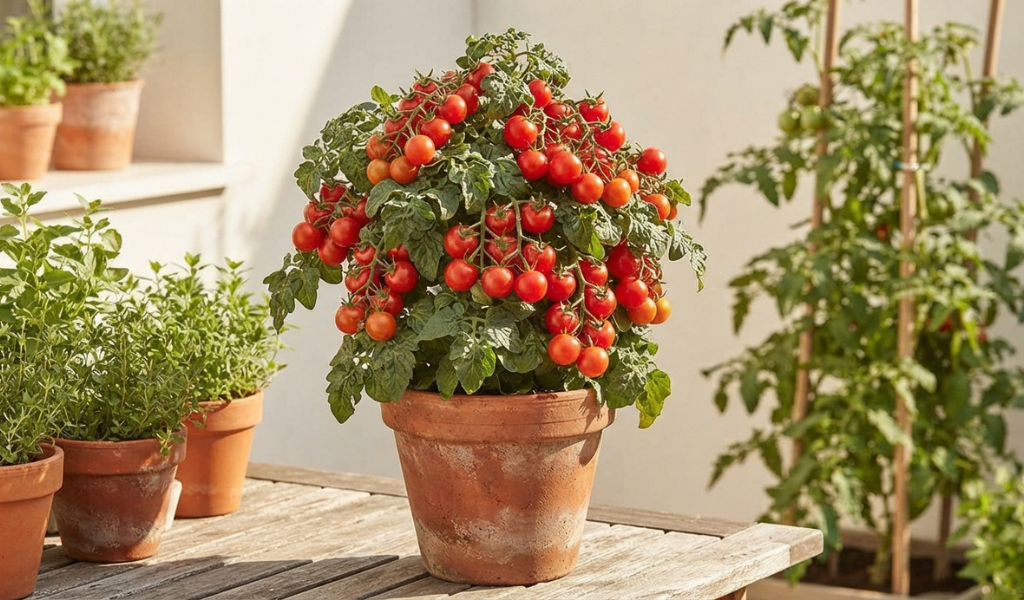
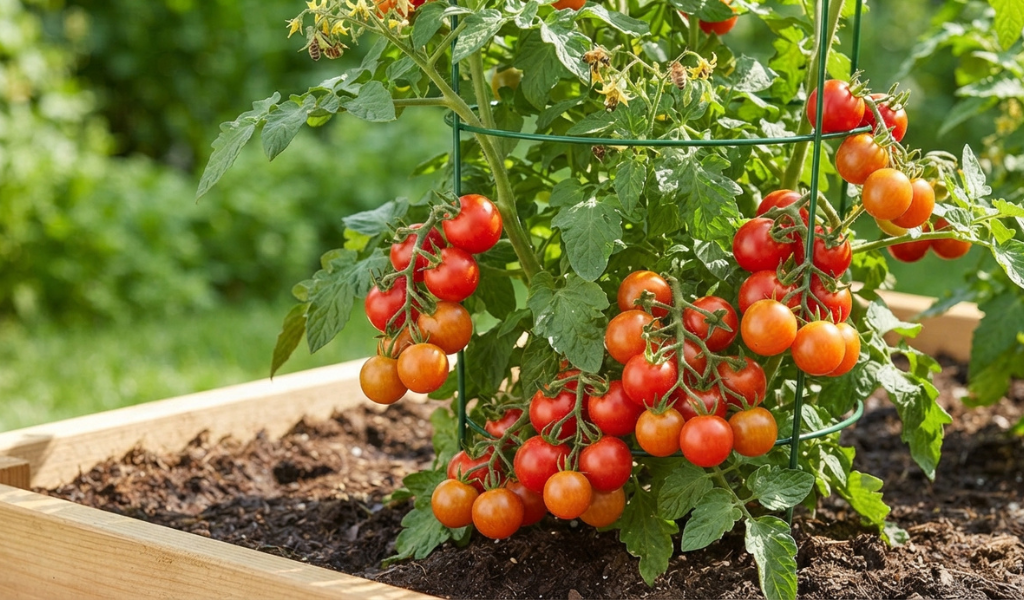
Cherry tomato plants generally fall into two categories: determinate tomatoes and indeterminate tomatoes. Determinate plants grow to a set height, produce their fruit within a shorter window, and then stop. This makes them a great choice if you want a more compact plant or a predictable harvest timeline.
Indeterminate tomatoes, on the other hand, keep growing and producing fruit until frost kills the plant. Most cherry tomatoes are indeterminate, which means they need more space and sturdy support, but they’ll reward you with tomatoes all season.
Choose Based on Your Growing Space
If you’re working with a small balcony or container garden, look for compact or dwarf tomato varieties bred specifically for pots. Gardeners with more room can grow full-sized indeterminate plants like Sungold or Black Cherry, which are known for their sweet flavor and heavy yields. Thinking about your space early is one of the simplest tomato growing tips that saves you frustration later in the season.
Give Cherry Tomatoes Plenty of Sunlight
Sunlight is the fuel that drives fruit production, and cherry tomato plants are no exception.
- Watch the Sun Throughout the Day: Cherry tomatoes need full sun, which means at least six to eight hours of direct sunlight daily. Before planting, spend a day watching how sunlight moves across your garden or patio. Areas that seem bright in the morning might fall into shade by afternoon, which can slow down growth and reduce your harvest.
- Good Airflow Matters Too: Along with sunlight, good airflow around your cherry tomato plant helps prevent fungal diseases and keeps the leaves dry after rain or watering. Avoid cramming plants too close together. Give each plant enough room to breathe, and your tomato plant will reward you with healthier foliage and more fruit.
Prepare Rich, Well-Drained Soil for Cherry Tomatoes
Good soil is the foundation of any successful garden, and cherry tomatoes are particularly responsive to soil quality.
- Improve the Soil Before Planting: Cherry tomatoes grow best in loose, well-drained garden soil rich in organic matter. Mix in compost or aged manure a few weeks before planting to give the soil time to settle. This step feeds beneficial microbes and improves the soil’s ability to hold moisture without becoming waterlogged.
- Avoid Excessive Nitrogen: It’s tempting to add extra fertilizer for a boost, but too much nitrogen encourages leafy growth at the expense of fruit. Balanced soil, rather than an overload of nutrients, helps your tomato plant put its energy into producing tomatoes instead of just green vines.
Plant Cherry Tomatoes Correctly for Strong Root Growth
Getting the planting stage right sets the tone for the rest of the growing season.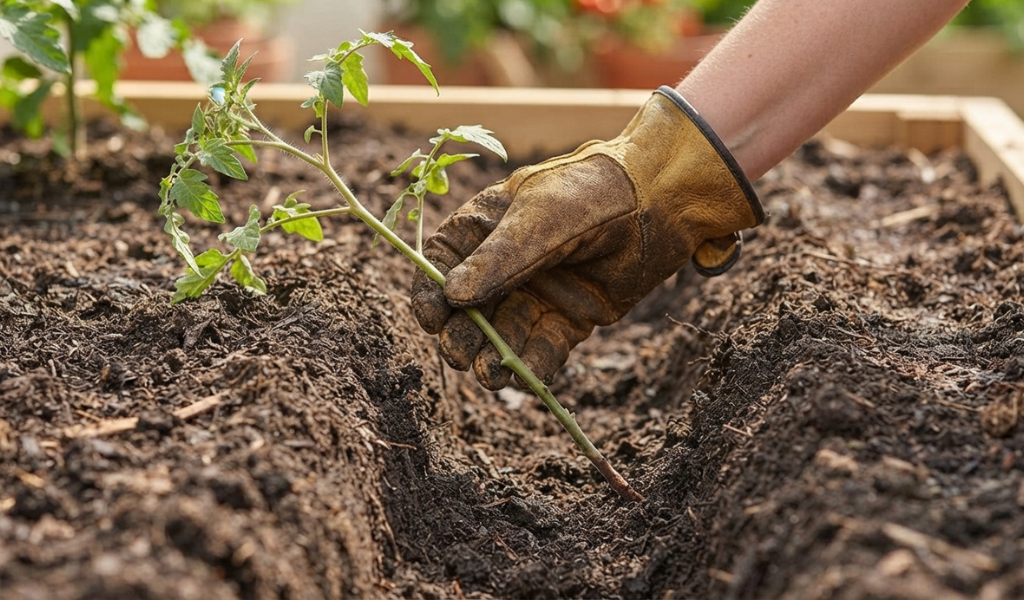
- Plant the Seedling Deeply: One of the most useful cherry tomato growing tips involves how deep you plant your seedling. Unlike most plants, tomatoes can grow roots along their buried stem. Remove the lower leaves and plant the seedling deep enough that only the top set of leaves sits above the soil. This encourages a stronger root system, which supports the plant through hot weather and heavy fruiting.
- Water Immediately After Planting: Once your cherry tomato plant is in the ground or pot, water it right away. This helps settle the soil around the roots and removes any air pockets that could dry out the roots before they establish.
Water Cherry Tomatoes Consistently
Consistent watering is one of the most important tomato growing tips for preventing common problems later on.
- Water the Soil, Not the Leaves: Whenever possible, water at the base of the plant rather than overhead. Wet leaves are more prone to fungal diseases, especially in humid climates. A soaker hose or drip irrigation system works well for keeping moisture at the root zone where it’s needed most.
- Check the Soil Before Watering Again: Rather than watering on a strict schedule, check the soil with your finger before each watering. If the top inch feels dry, it’s time to water. Inconsistent watering, especially alternating between very dry and very wet soil, is a leading cause of cracked cherry tomatoes and blossom-end rot.
Feed Cherry Tomato Plants Without Overfertilizing
Cherry tomatoes are productive plants that benefit from regular feeding, but balance matters.
- Choose Fertilizer Carefully: Look for a tomato fertilizer with a balanced or slightly phosphorus-heavy ratio to support flowering and fruiting rather than just leaf growth. Feed your plants every two to three weeks during the growing season, following the instructions on the product label. Over-fertilizing can burn the roots or cause the plant to focus on foliage instead of fruit, so more is not always better.
Support Cherry Tomato Plants Before They Become Heavy
Cherry tomato plants often grow taller and bushier than expected, so support should go in early.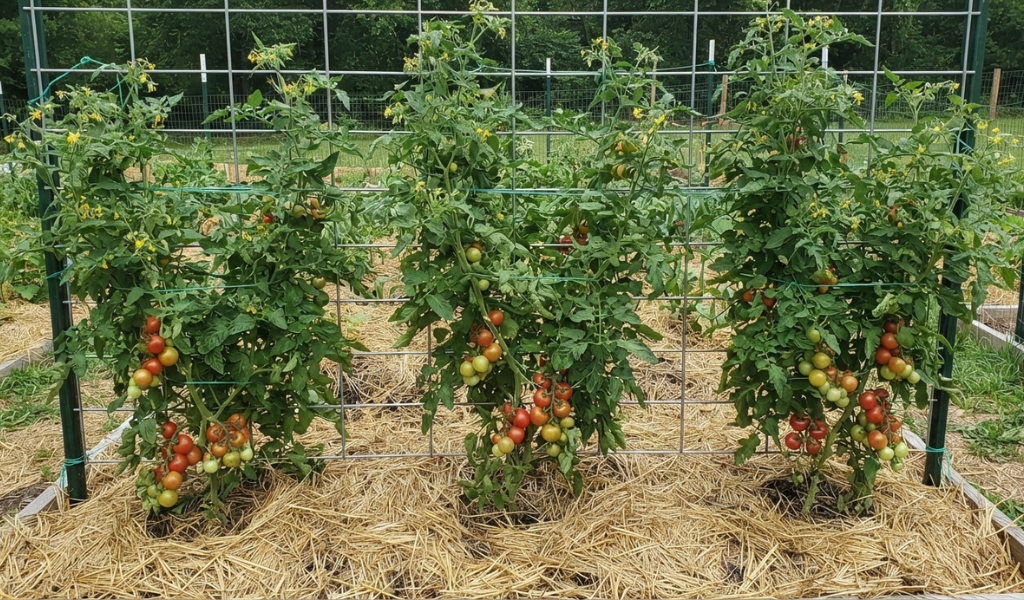
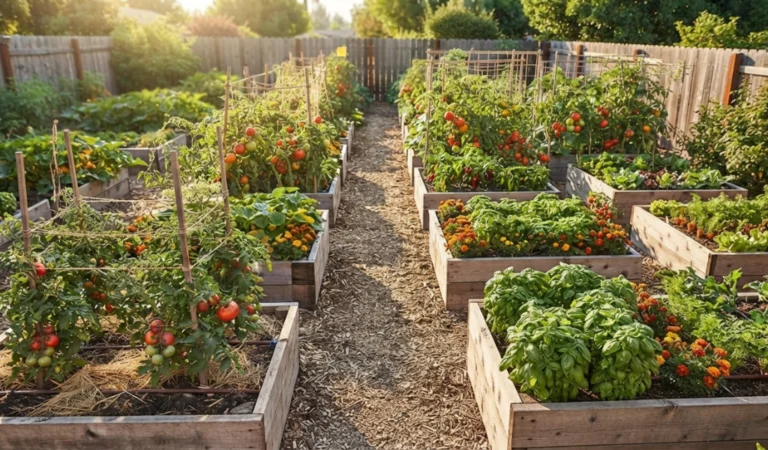
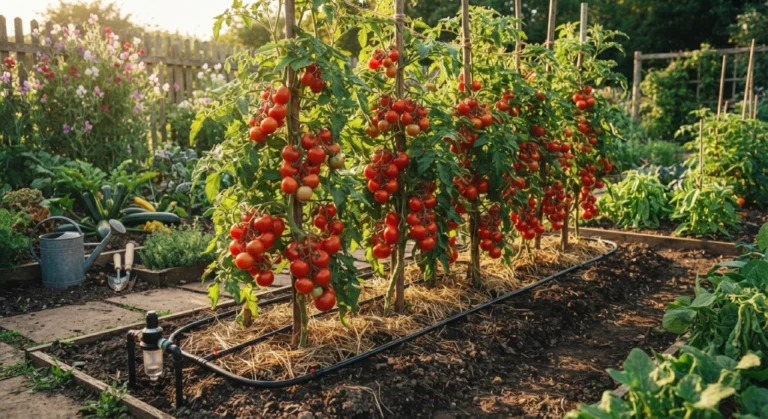
- Use a Cage, Stake, or Trellis: A sturdy tomato cage, stake, or trellis keeps the plant upright and off the ground, which improves airflow and makes harvesting easier. Installing support at planting time, rather than waiting until the plant is heavy with fruit, prevents damage to the roots and stems.
- Tie the Plant Gently: As the plant grows, loosely tie the main stems to the support using soft garden twine or plant clips. Avoid tying too tightly, since the stems will continue to thicken throughout the growing season.
Prune Cherry Tomatoes With a Purpose
Pruning helps direct the plant’s energy, but it should be done thoughtfully.
- Remove Damaged or Diseased Growth: Regularly check your cherry tomato plant for yellowing, damaged, or diseased leaves and remove them promptly. This keeps the plant healthy and reduces the chance of disease spreading to healthy foliage.
- Don’t Strip the Plant Bare: While some gardeners prune suckers to control size, avoid removing too many leaves at once. Leaves are how the plant produces energy through photosynthesis, and over-pruning can stress the plant and reduce your harvest.
Help Cherry Tomatoes Set Fruit During Difficult Weather
Extreme temperatures can interfere with fruit production, even on healthy plants.
- Protect the Root Zone From Heat Stress: Mulching around the base of the plant helps regulate soil temperature and retain moisture during hot spells. A two to three inch layer of straw or shredded bark works well.
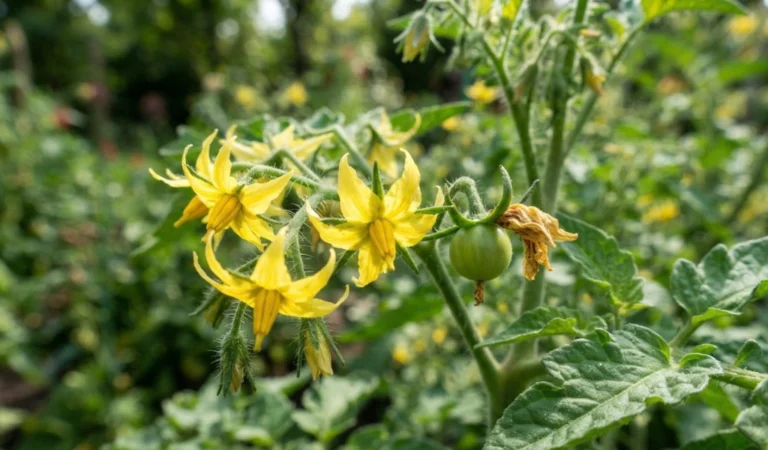
- Pay Attention During Extreme Heat: Tomatoes do not tolerate temperatures above 95 degrees Fahrenheit very well, and flowers may drop without setting fruit. Providing afternoon shade during heat waves and watering deeply can help your plants push through difficult stretches of weather.
Prevent Common Cherry Tomato Problems
Even with the best cherry tomato growing tips, cherry tomato plants can develop a few common issues.
- Yellow Leaves: Yellow leaves often signal inconsistent watering, nitrogen deficiency, or early signs of disease.
Following cherry tomato growing tips and checking your watering routine first can help, since this is the most common cause. - Cracked Cherry Tomatoes: Cracking usually happens when the plant receives a sudden burst of water after a dry period.
Keeping soil moisture consistent is one of the most useful cherry tomato growing tips for preventing this issue. - Blossom-End Rot: This appears as a dark, sunken spot on the bottom of the fruit and is usually caused by calcium deficiency linked to irregular watering, not a lack of calcium in the soil itself.
Steady watering habits are among the most important cherry tomato growing tips for helping prevent this problem.
Watch for Pests and Tomato Diseases
Cherry tomatoes are susceptible to a handful of pests and tomato diseases, so regular monitoring goes a long way.
As part of your cherry tomato growing tips routine, inspect your plants regularly so you can notice problems before they become severe.
- Inspect Leaves and Stems Regularly: Check the undersides of leaves for aphids, whiteflies, and hornworms.
Catching pests early makes them far easier to manage without resorting to harsh treatments. - Keep Foliage Dry When Possible: Many tomato diseases, including blight and powdery mildew, thrive in damp conditions.
Watering at the soil level and spacing plants properly helps keep the foliage dry and less hospitable to disease, making this another useful part of cherry tomato growing tips.
Harvest Cherry Tomatoes at the Right Time
After weeks of care, harvesting is the most satisfying part of growing cherry tomatoes.
Knowing when and how to harvest is also an important part of successful cherry tomato growing tips.
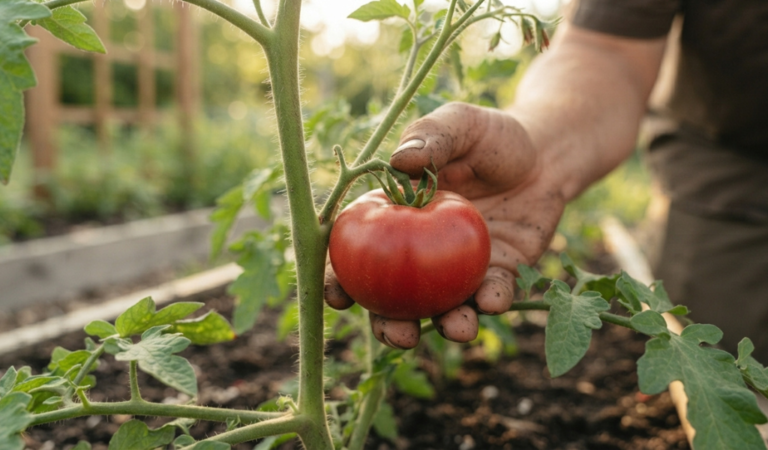
- Pick Fruit When It Is Fully Colored: Wait until each cherry tomato reaches its full color, whether that’s red, yellow, or black cherry, before picking.
A ripe tomato should come off the vine easily with a gentle twist. - Harvest Regularly: Picking fruit regularly encourages the plant to keep producing throughout the growing season.
Letting ripe tomatoes sit too long on the vine can slow down new fruit production.
Container Cherry Tomato Growing Tips for Small Spaces
Growing tomatoes in containers has become popular among gardeners without much yard space, and cherry tomatoes are well suited for it.
These cherry tomato growing tips are especially useful for gardeners growing tomatoes on patios, balconies, or other small spaces.
- Choose a Large Enough Container: For growing tomatoes in containers, choose a pot that holds at least five gallons of soil.
Container plants dry out faster than those in the ground, so a larger container helps maintain consistent moisture. - Monitor Container Plants More Closely: Tomatoes in pots need more frequent watering and feeding compared to those grown in garden soil, since nutrients wash out faster in containers.
Checking your container garden daily during hot weather helps prevent stress on the plant and is one of the most practical cherry tomato growing tips for container gardeners.
How to Use Cherry Tomatoes: Fresh and Delicious Ideas
One of the most rewarding parts of following Cherry Tomato Growing Tips is having a steady supply of fresh, sweet tomatoes for everyday meals. Cherry tomatoes are versatile, juicy, and easy to prepare, so you can enjoy them fresh, roasted, grilled, cooked, or preserved. These Cherry Tomato Growing Tips can help you make better use of your harvest once the fruits begin ripening.
- Fresh salads: Add halved cherry tomatoes to green salads with cucumber, onion, herbs, and a simple dressing.
- Breakfast: Use them in omelets, scrambled eggs, sandwiches, or avocado toast for extra flavor and freshness.
- Pasta: Cook cherry tomatoes with garlic, olive oil, and herbs to make a quick and flavorful pasta sauce.
- Roasted tomatoes: Roast them with olive oil and herbs until they become soft and slightly caramelized.
- Pizza topping: Add sliced or whole cherry tomatoes to homemade pizza with mozzarella and fresh basil.
- Fresh salsa: Combine chopped tomatoes with onion, chili, cilantro, and lime juice for a quick homemade salsa.
- Sandwiches and wraps: Add sliced cherry tomatoes to burgers, sandwiches, wraps, and grilled vegetable rolls.
- Grain bowls: Mix fresh or roasted tomatoes with rice, quinoa, beans, vegetables, and leafy greens.
- Soups: Use excess tomatoes in homemade tomato soup or other vegetable-based soups.
- Grilling: Thread cherry tomatoes onto skewers or place them in a grill-safe tray for a lightly charred flavor.
- Freezing: Freeze extra ripe tomatoes when you have more fruit than you can use immediately.
The best Cherry Tomato Growing Tips connect successful gardening with practical kitchen use. With proper sunlight, consistent watering, suitable soil, balanced feeding, and timely harvesting, your cherry tomato harvest can become a useful ingredient for many different meals. Whether you enjoy them fresh, roasted, grilled, or cooked, Cherry Tomato Growing Tips can help you get more value from every tomato you grow.
Final Thoughts
Growing cherry tomatoes at home doesn’t require a green thumb, just a bit of planning and consistency. From choosing the right variety to watching for pests, these cherry tomato growing tips give you a solid foundation for a productive garden. Start with healthy soil, give your plants plenty of sunlight, and stay consistent with watering and feeding. Before long, you’ll be harvesting handfuls of sweet, homegrown cherry tomatoes straight from your garden or container garden.
Frequently Asked Questions
What helps cherry tomatoes grow faster?
Consistent sunlight, warm soil temperatures, regular watering, and balanced fertilizing all help cherry tomatoes grow faster. Starting with healthy seedlings rather than seeds can also speed up your first harvest.
What are 9 common mistakes to avoid when growing tomatoes?
Common mistakes include overwatering, underwatering, planting too early in cold soil, ignoring sunlight needs, skipping support structures, overcrowding plants, over-fertilizing with nitrogen, ignoring pest signs, and letting foliage stay wet for long periods.
Do you water cherry tomato plants every day?
Not always. Cherry tomatoes typically need watering two to three times per week in garden soil, though container plants may need daily watering during hot weather since pots dry out faster.
Do cherry tomato plants need to be watered every day?
It depends on your climate and growing method. In-ground plants usually don’t need daily watering, but container plants in warm weather often do.
How long do cherry tomatoes take to grow?
Most cherry tomato varieties take between 55 and 75 days from transplanting to reach their first ripe fruit, depending on the variety and growing conditions.
Do cherry tomatoes do better in pots or ground?
Both work well. Ground planting gives roots more room to spread, while pots offer flexibility for small spaces and easier control over soil quality.
Can cherry tomatoes grow in containers?
Yes, cherry tomatoes can grow well in containers as long as the pot is large enough, drainage is good, and watering is monitored closely throughout the growing season.