How to Stop Catfacing on Tomatoes: Complete Guide
How to Stop Catfacing on Tomatoes: Complete Guide
If you have ever pulled a tomato off the vine only to find it puckered, scarred, or oddly shaped at the bottom, you have likely encountered catfacing on tomatoes. It is one of the most common frustrations home gardeners face, especially with large heirloom or beefsteak varieties. The good news is that catfacing on tomatoes is almost always preventable once you understand what causes it.
This guide walks you through everything you need to know about catfacing on tomatoes, from spotting the signs early to fixing the underlying growing conditions that cause it. We will also cover related issues like poor pollination, plant stress, and even how to get rid of whiteflies on tomatoes naturally, since pest pressure can sometimes contribute to misshapen fruit. By the end, you will know exactly how to protect your tomato plants and enjoy smooth, healthy harvests all season long.
What Is Catfacing on Tomatoes?
Catfacing is a physical deformity that affects the blossom end of a tomato, which is the bottom of the fruit opposite the stem. Instead of forming a smooth, rounded surface, the tomato develops deep scars, puckers, and irregular ridges. In severe cases, the fruit can look almost multi-lobed, with brown, leathery patches where the tissue failed to develop properly.
The name comes from the resemblance some scarred tomatoes bear to a cat’s face, with folds and creases that look similar to whiskers or wrinkles. While the appearance can be alarming, catfacing on tomatoes is a cosmetic and structural issue rather than a disease. It happens during the earliest stages of flower and fruit development, long before the tomato itself starts to ripen.
Large-fruited varieties like beefsteak, Brandywine, and other heirloom tomatoes are especially prone to catfacing. Their larger blossoms have more tissue that can be damaged during unfavorable conditions, which makes them more susceptible than smaller cherry or grape tomato varieties.
Common Signs of Catfaced Tomatoes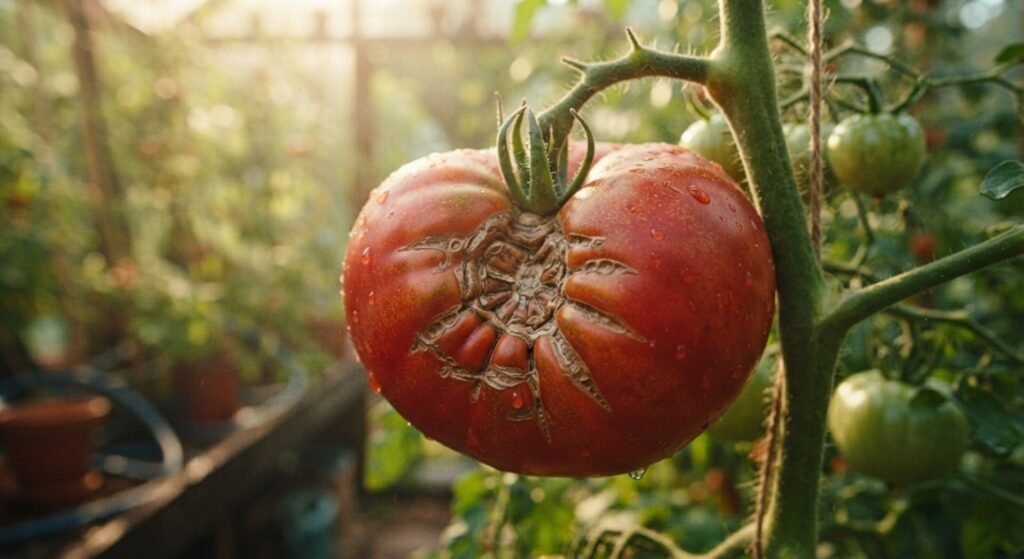
Recognizing catfacing early can help you adjust your growing practices before it spreads to more of your harvest. Here are the most common signs to look for:
- Deep grooves or creases running from the blossom end toward the middle of the fruit
- Brown, scarred, or leathery patches on the bottom of the tomato
- Irregular lobes or bulges that make the tomato look lumpy instead of round
- Holes or cavities near the blossom scar, sometimes exposing the internal flesh
- Uneven ripening around the scarred areas, with some sections staying green or yellow longer than the rest
These symptoms typically appear while the fruit is still small and green, becoming more pronounced as the tomato grows. If you notice these signs on a few fruits, it is worth reviewing your growing conditions right away, since the same environmental stress often affects an entire flush of blossoms at once.
Main Causes of Catfacing
Understanding the root causes of catfacing on tomatoes is the key to preventing it. Most cases trace back to one of three factors: cold temperatures, flower development problems, or general plant stress. Often, these factors overlap, which is why a multi-pronged prevention approach works best.
Cold Temperatures
Cold weather is the single most common cause of catfacing. When temperatures drop below 50 degrees Fahrenheit during the flowering stage, the delicate tissue inside the tomato blossom can be damaged. This damage does not kill the flower outright, but it disrupts normal cell division, leading to fused or malformed plant tissue as the fruit develops.
This is why catfacing tends to show up more frequently on early-season tomatoes. Gardeners who plant too early, before nighttime temperatures have stabilized, often see the highest rates of catfacing on their first few clusters of fruit. Even a single cold night during bloom can affect the shape of tomatoes that form weeks later.
Flower Development Problems
Tomato flowers are self-pollinating, but they still depend on specific conditions to develop correctly. If the flower’s reproductive parts, particularly the pistil, fail to develop normally, the resulting fruit often grows unevenly. Poor pollination, whether from lack of pollinator activity or disrupted flower structure, can leave sections of the developing tomato without enough cell growth, resulting in the telltale scarring and puckering associated with catfacing.
Herbicide drift is another factor that can interfere with flower development. Even small amounts of certain herbicides carried by wind can distort blossoms enough to cause catfacing later in the fruit’s development.
Plant Stress
General stress on the tomato plant, whether from inconsistent watering, nutrient imbalances, or extreme heat, can also trigger catfacing. Stressed plants often produce imperfect blossoms, since the plant prioritizes survival over reproductive perfection under difficult conditions. Heavy pruning, root disturbance, and transplant shock can compound this stress, making young plants more vulnerable during their first bloom cycle.
Pest pressure adds another layer of stress. Sap-sucking insects, especially whiteflies, weaken tomato plants by draining nutrients and spreading viruses. A heavily stressed plant fighting off a whitefly infestation is far more likely to produce misshapen fruit, which is one more reason learning how to get rid of whiteflies on tomatoes naturally matters for overall fruit quality, not just pest control.
Choose Suitable Tomato Varieties
One of the simplest ways to reduce catfacing is to select tomato varieties that are naturally less prone to it. Large heirloom and beefsteak tomatoes, prized for their size and flavor, are genetically more susceptible to catfacing because of how their blossoms form. If catfacing has been a recurring problem in your garden, consider planting a mix of varieties rather than relying solely on large-fruited types.
Smaller-fruited varieties, such as cherry, grape, and Roma tomatoes, tend to show far less catfacing because their blossoms are simpler in structure. If you still want to grow beefsteak or heirloom varieties, look for cultivars that have been bred with improved fruit set reliability. Some seed catalogs specifically note which varieties show better resistance to catfacing and other blossom-end disorders, so reading variety descriptions carefully before planting can save you frustration later.
Protect Tomato Plants From Cold Weather
Since cold exposure during flowering is the leading cause of catfacing on tomatoes, protecting your plants from temperature swings is essential. Wait until nighttime temperatures consistently stay above 55 degrees Fahrenheit before transplanting seedlings outdoors. Rushing to plant in early spring, especially in regions with unpredictable frosts, significantly increases your risk of catfaced fruit.
If a cold snap is forecast after you have already planted, cover your tomato plants with row covers, cloches, or even old bed sheets overnight. These simple barriers trap heat near the plant and can make a difference of several degrees, which is often enough to protect the flowers from damage.
Raised beds and black plastic mulch can also help by warming the soil faster in spring, giving your tomato plants a more stable root environment. In regions with cool, unpredictable springs, starting seeds indoors and hardening off transplants gradually helps the plants adjust without the shock of sudden cold exposure.
Maintain Consistent Watering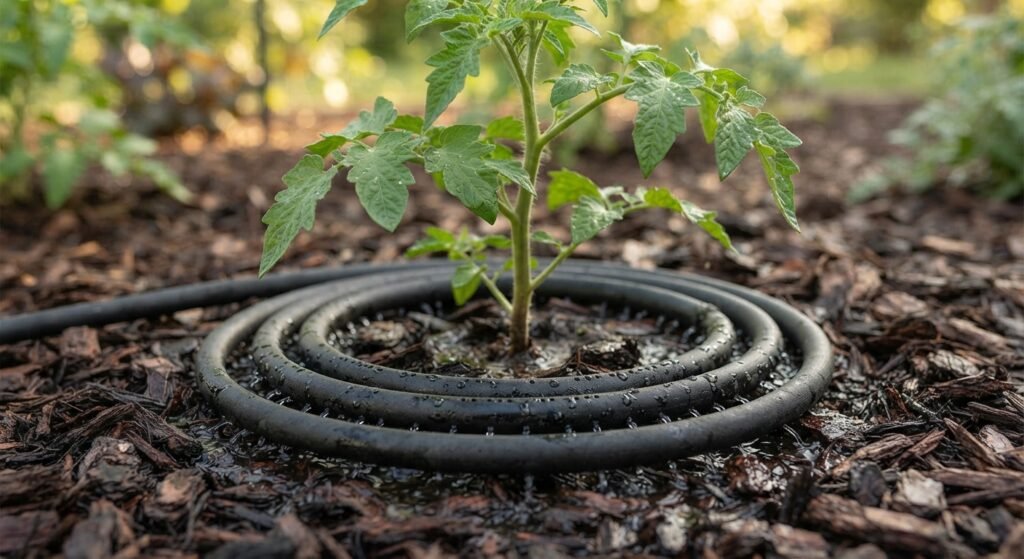
Irregular watering is a major stress factor that contributes to catfacing on tomatoes. When soil moisture fluctuates dramatically, from bone dry to saturated and back again, the plant experiences repeated stress cycles that interfere with normal flower and fruit development.
Aim to water tomato plants deeply and consistently, providing about one to two inches of water per week, adjusted for rainfall and temperature. Drip irrigation or soaker hoses work particularly well because they deliver water slowly and evenly, preventing the swings that come with occasional heavy watering followed by long dry spells.
Mulching around the base of your tomato plants with straw, shredded leaves, or wood chips helps retain soil moisture and regulate soil temperature. This simple step reduces evaporation and keeps roots cooler during hot weather, which supports steadier growth and fewer blossom problems overall.
Provide Proper Nutrients
Nutrient imbalances, particularly excess nitrogen, can encourage lush foliage growth at the expense of healthy flower and fruit development. While nitrogen is important for early vegetative growth, too much of it during flowering can throw off the plant’s hormonal balance and contribce to catfacing.
Use a balanced fertilizer formulated for tomatoes, and consider one with a slightly higher phosphorus and potassium ratio once flowering begins. Phosphorus supports strong root and flower development, while potassium helps regulate water movement within the plant, both of which reduce stress during fruit set.
Adding compost to your soil before planting improves overall nutrient availability and soil structure, giving your tomato plants a more stable foundation throughout the season. A simple soil test at the start of the season can also reveal whether your garden has any specific deficiencies that need correcting before symptoms show up on your fruit.
Prevent Catfacing During Flowering
The flowering stage is the most critical window for preventing catfacing on tomatoes, since this is when the damage actually occurs, even though it does not become visible until weeks later. During this period, avoid heavy pruning, minimize root disturbance, and hold off on transplanting if possible, since these actions add unnecessary stress right when the plant is most vulnerable.
Encourage healthy pollination by gently shaking flower clusters or tapping the stems on calm days, especially in greenhouse or indoor growing setups where natural airflow and pollinator activity are limited. This helps ensure pollen is distributed evenly within each flower, supporting more uniform fruit development.
Keep an eye out for pests during flowering as well. Whiteflies, aphids, and other sap feeders can weaken blossoms directly or indirectly by stressing the whole plant. Learning how to get rid of whiteflies on tomatoes naturally, using methods like introducing beneficial insects, applying neem oil, or using reflective mulch, can protect your plants without resorting to harsh chemicals that might cause additional stress.
Can Catfaced Tomatoes Still Be Eaten?
Yes, catfaced tomatoes are completely safe to eat. Despite their unusual appearance, the deformity is purely cosmetic and structural, not a sign of disease or contamination. The scarred and puckered sections are simply areas where the fruit tissue did not develop evenly, but the rest of the tomato typically tastes just as good as an unaffected fruit.
That said, it is worth trimming away any particularly tough, leathery, or discolored scar tissue before eating, since these areas can have a slightly different texture. Catfaced tomatoes are also perfectly fine for cooking, canning, or making sauce, where minor shape irregularities do not matter at all. Many home gardeners save their most catfaced tomatoes for salsas, soups, and sauces, reserving the smoother fruits for slicing and fresh eating.
Final Thoughts
Catfacing on tomatoes might look concerning at first glance, but it is one of the most manageable tomato problems once you understand the causes behind it. Cold temperatures, flower development issues, and plant stress are the three main culprits, and each one responds well to simple, proactive care. By choosing suitable varieties, protecting your plants from temperature swings, watering consistently, feeding your soil properly, and staying alert during the flowering stage, you can dramatically reduce catfacing in your garden this season.
Take a walk through your tomato patch this week and check your plants for early blossoms. A little extra attention now, whether that means covering plants on a cool night or setting up drip irrigation, can mean smoother, healthier tomatoes by harvest time.
Frequently Asked Questions
Does catfacing on tomatoes affect the taste of the fruit?
No, catfacing does not affect the taste of the tomato in most cases. The deformity is limited to the outer texture and shape of the fruit, so the flavor inside remains normal and unaffected.
Which tomato varieties are most prone to catfacing?
Large-fruited varieties like beefsteak, Brandywine, and many heirloom tomatoes are the most prone to catfacing because their larger blossoms are more sensitive to cold and stress during development.
Can catfacing be completely prevented?
While it is difficult to prevent catfacing entirely, especially in unpredictable weather, following consistent watering, proper nutrition, and cold protection practices can significantly reduce how often it occurs.
Is catfacing caused by a virus or disease?
No, catfacing is not caused by a virus, bacteria, or fungal disease. It is a physiological disorder caused by environmental stress during flower and fruit development, not by any pathogen.
Do whiteflies cause catfacing directly?
Whiteflies do not cause catfacing directly, but the stress they place on tomato plants can make blossoms more vulnerable to developmental problems. Managing whitefly populations naturally helps reduce overall plant stress.
Should I remove catfaced tomatoes from the plant?
There is no need to remove catfaced tomatoes early, since they will continue to ripen and remain edible. Many gardeners simply harvest them as usual and use them in cooked dishes if the texture bothers them fresh.
Does greenhouse growing reduce catfacing?
Greenhouse growing can reduce catfacing by protecting plants from sudden cold snaps and wind, though it may require manual pollination assistance since natural airflow and pollinators are more limited indoors.