Better Bush Tomato Growing Tips: Easy Growing Tips for Better Bush Tomatoes
Better Bush Tomato Growing Tips for a Healthy, Productive Tomato Plant
If you have ever wanted a tomato plant that gives you buckets of fruit without taking over your whole yard, the Better Bush tomato might be exactly what you need. This guide is packed with better bush tomato growing tips that will help you grow a strong, productive tomato plant whether you are working with a small garden bed, a raised bed, or a container on your patio. We will walk through everything from picking the right spot to harvesting juicy, homegrown tomatoes for salad, sauce, or a simple slice on a sandwich. These better bush tomato growing tips are written for real gardeners, not just people with perfect weather and unlimited space, so let’s get into it.
Why Better Bush Tomatoes Are Good for Small Gardens
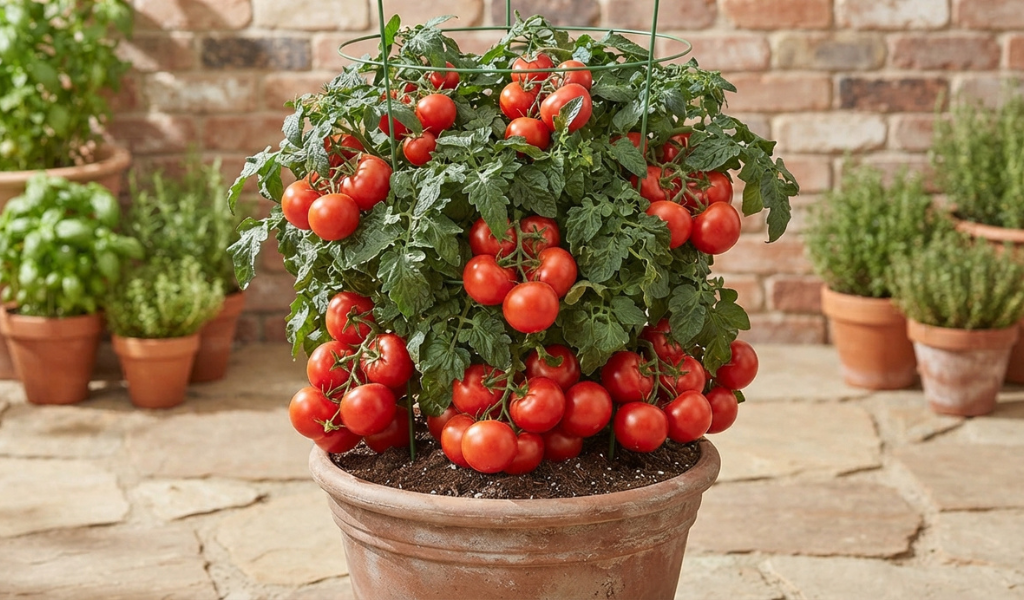
Not everyone has a big backyard to dedicate to sprawling tomato vines, and that is exactly why the Better Bush tomato has become a favorite among home gardeners. This is a compact plant that works well in small garden beds, raised beds, and even large pots on a balcony or patio. Instead of growing long, unruly vines that need a whole trellis system, Better Bush stays neat and upright while still producing a generous harvest through the growing season. These better bush tomato growing Tips are especially useful for gardeners who want productive plants without needing a large growing space.
Many gardeners who are short on growing space still want fresh, homegrown tomatoes for salads, sandwiches, and sauces, and this variety was bred with that exact need in mind. It gives you the flavor and size of a full-sized slicing tomato without asking for a ton of room. If you have struggled with tomato plants sprawling everywhere in years past, this could be the easier answer you have been searching for. Following these better bush tomato growing tips can make growing this compact variety much easier.
What Makes Better Bush Tomatoes Different?
The Better Bush tomato is a determinate variety, which means it grows to a set height, produces its fruit within a shorter window, and does not keep stretching out all season the way indeterminate varieties do. Most plants reach around 3 to 4 feet tall, sometimes up to 4 feet in ideal conditions, which is much shorter than many indeterminate tomato varieties that can climb well past 6 feet. Understanding this growth habit is one of the most important better bush tomato growing tips for knowing how to care for the plant properly.
This tomato plant was also bred by Cornell University with disease resistance in mind. It carries resistance to verticillium wilt and fusarium wilt races 1 and 2, two of the most common tomato diseases that stress plants and reduce yields. That resistance, combined with its compact and bushy growth habit, is what makes it such a reliable pick for both beginner and experienced gardeners. The fruit itself is a classic red slicing tomato, large enough for sandwiches and juicy enough for fresh salads or homemade sauces.
Choose the Right Location Before Planting Better Bush Tomatoes
Give Your Tomatoes Plenty of Sunlight
Every tomato plant needs to be grown in full sun to produce well, and Better Bush is no exception. Aim for at least 6 to 8 hours of direct sunlight each day. Less sunlight than that usually means fewer flowers, smaller fruit, and a plant that struggles to ripen tomatoes evenly. If you are planting in a garden bed, walk your yard at different times of day before you decide on a spot, since shade from trees or fences can shift throughout the day. Providing enough sunlight is one of the basic better bush tomato growing tips that can make a major difference in plant growth and fruit production.
Leave Enough Space Around the Plant
Even though this is a compact plant, it still needs breathing room. Space plants around 24 to 36 inches apart in a garden bed so air can move freely between them. Good air circulation helps keep foliage dry and lowers the risk of fungal problems like early blight and leaf spot, which thrive in damp, crowded conditions. If you are growing more than one plant, resist the urge to squeeze them close together just to fit more in. Proper spacing is another important part of better bush tomato growing tips for maintaining healthy plants.
Pick a Large Enough Container for Better Bush Tomatoes
Choose the Right Pot Size
Better Bush tomatoes grow well in containers, but the container needs to be large enough to support the root system. A pot that holds at least 10 to 15 gallons of soil is a safe bet, and one plant per container is the way to go. Cramming more than one tomato plant into a single pot leads to competition for water and nutrients, which usually stresses plants and lowers your final harvest. Choosing an appropriately sized container is one of the most practical better bush tomato growing tips for patio and balcony gardeners.
Never Ignore Drainage
Drainage holes are not optional. Tomato roots that sit in soggy soil are prone to root rot and other problems, so make sure your container drains freely. If you are reusing an old pot, check that the holes are not clogged with old roots or debris before you plant. Good drainage should always be included in your better bush tomato growing tips because healthy roots are essential for strong growth.
Use Quality Potting Mix
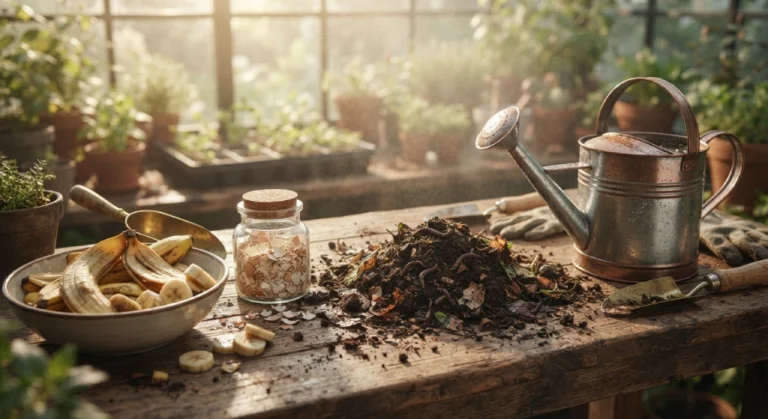
Skip garden soil for containers since it tends to compact and drain poorly in a pot. A quality potting mix formulated for vegetable plants will hold moisture without staying soggy, and it gives roots the loose structure they need to spread out. Mixing in a bit of compost at planting time gives young plants an extra boost of nutrients early in the season. Using the right growing medium is one of the better bush tomato growing tips that helps container plants stay healthy.
Plant Better Bush Tomatoes for Strong Root Growth
When you are ready to put your tomato plants in the ground or in containers, plant them a little deeper than they sat in their nursery pot. Bury the stem up to the first set of true leaves, since tomatoes are one of the few garden vegetable plants that will grow new roots along a buried stem. This simple trick builds a stronger root system right from the start, which helps the plant handle heat and dry spells later in the season. Strong root development is an important part of better bush tomato growing tips for establishing healthy plants.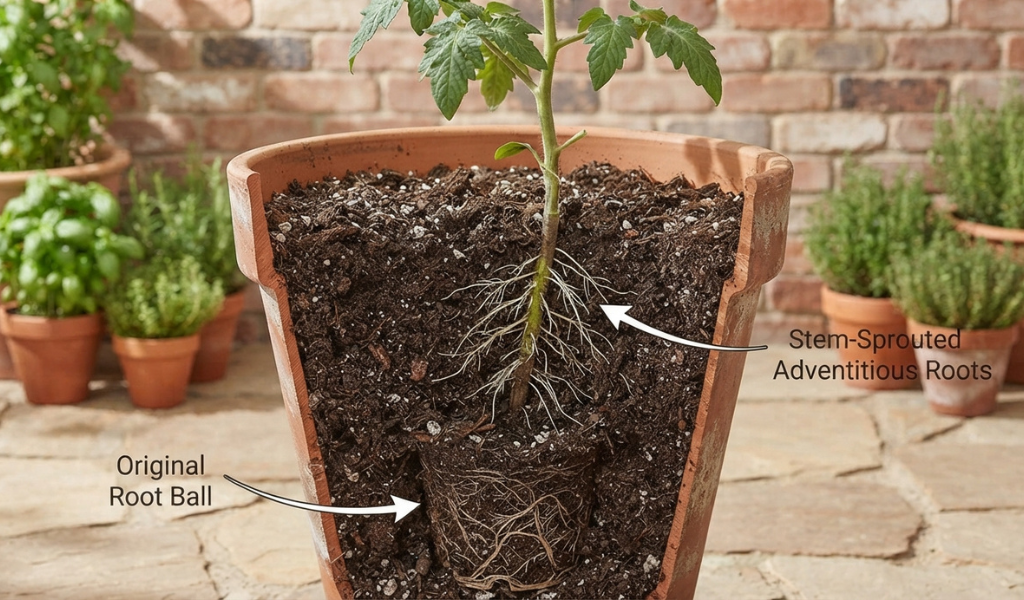
Wait until after the last frost date in your area before planting outside. Tomato plants are sensitive to cold, and a late frost can kill young seedlings overnight. If you started plants from seed indoors, harden them off gradually over about a week by setting them outside for a few hours a day before transplanting them permanently. These simple steps are among the most useful better bush tomato growing tips for getting plants off to a strong start.
Feed Better Bush Tomatoes Without Overdoing Fertilizer
Choose a Tomato-Friendly Fertilizer
Look for a fertilizer labeled for tomatoes or general vegetable plants, ideally one with a bit more phosphorus and potassium than nitrogen. These nutrients support strong flowering and fruit development rather than just leafy growth. Choosing the right fertilizer is one of the essential better bush tomato growing tips for encouraging a productive plant.
Avoid Too Much Nitrogen
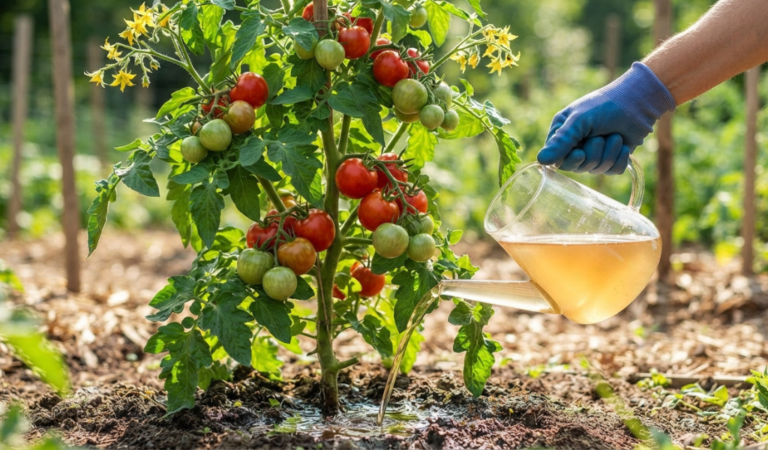
It is tempting to think more fertilizer means more tomatoes, but too much nitrogen actually works against you. Plants fed heavy nitrogen tend to grow lots of lush green foliage with very few flowers, which means fewer tomatoes at harvest time. Feed lightly every few weeks rather than dumping in a large dose all at once.
Know When Your Plant Needs More Nutrients
Pale or yellowing leaves, especially on older growth near the bottom of the plant, can be a sign that your tomato needs a nutrient boost. Slow growth early in the season, even with good sun and water, is another clue. A balanced feeding schedule through the growing season keeps plants steady without pushing them too hard in either direction. Watching the plant closely is one of the most practical better bush tomato growing tips for identifying nutrient problems early.
Water Better Bush Tomatoes Consistently
Check the Soil Before Watering
One of the most useful better bush tomato growing tips is to check soil moisture before you water, rather than watering on a fixed schedule. Stick your finger into the top inch of soil. If it feels dry, it is time to water. If it still feels moist, wait another day and check again. This is especially important for container plants, since pots dry out much faster than garden beds.
Avoid the Wet-Dry Cycle
Tomato plants want evenly moist soil, not a cycle of drought followed by a flood. Swinging between bone-dry and soaking wet is one of the leading causes of blossom-end rot and cracked fruit. Try to water deeply two or three times a week rather than giving your plants a light sprinkle every day, since deep watering encourages roots to grow down instead of staying near the surface.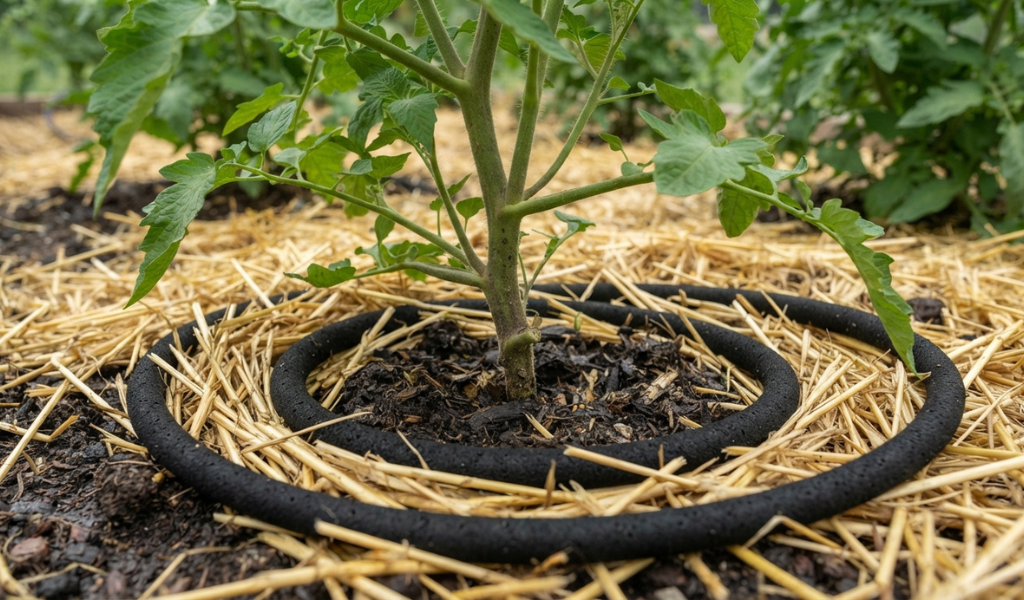 Keeping moisture consistent is a key part of better bush tomato growing tips for reducing common fruit problems.
Mulch Around Garden-Grown Tomatoes
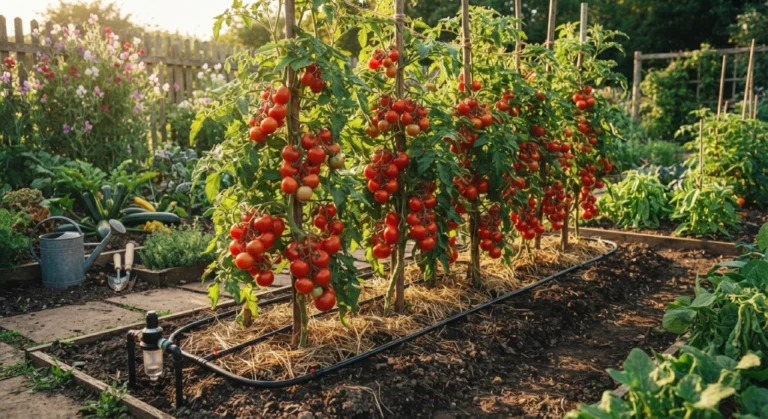
A 2 to 4 inch layer of mulch around the base of garden-grown tomato plants makes a real difference in soil moisture retention. Straw, shredded leaves, or wood chips all work well. Mulch also helps keep soil from splashing onto the lower leaves during wet weather, which is one of the most common ways early blight spreads from the soil onto the plant. A well-mulched garden bed also cuts down on weeding, which means more time enjoying your garden and less time pulling weeds.
Get Better Bush Tomatoes Through Flowering and Fruit Set
Once your plant starts flowering, consistent care matters more than ever. Extreme heat above 90 degrees can cause flowers to drop before they set fruit, so afternoon shade during a heat wave can help protect a stressed plant. Gently shaking the plant or brushing your hand across the flowers can help with pollination, especially in areas with fewer pollinating insects. Keep up with steady watering and light feeding during this stage, since this is when the plant is putting most of its energy into producing fruit all season until the first fall frost arrives. These flowering and fruit-setting practices are important better bush tomato growing tips for getting the most from each plant.
Support and Prune Better Bush Tomatoes Carefully
Do Not Prune a Bush Tomato Like an Indeterminate Vine
This is where a lot of gardeners get confused. Indeterminate varieties benefit from regular pruning of suckers to control their size, but Better Bush is a determinate variety, and heavy pruning can actually reduce your total harvest. Since the plant only grows to a set size and sets most of its fruit within a shorter window, cutting away too much foliage removes the very growth that would have produced tomatoes.
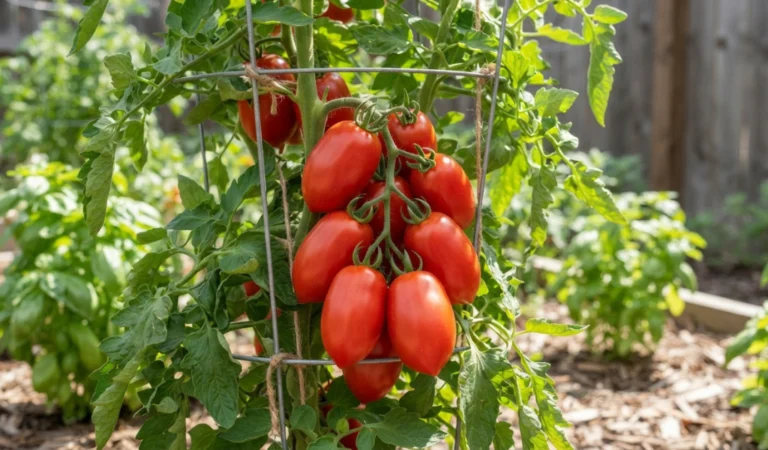
Light pruning is still useful. Remove any yellowing or diseased leaves near the bottom of the plant to improve air circulation and reduce the risk of soil-borne disease. A simple tomato cage or a sturdy stake is usually enough support for this upright, bushy plant,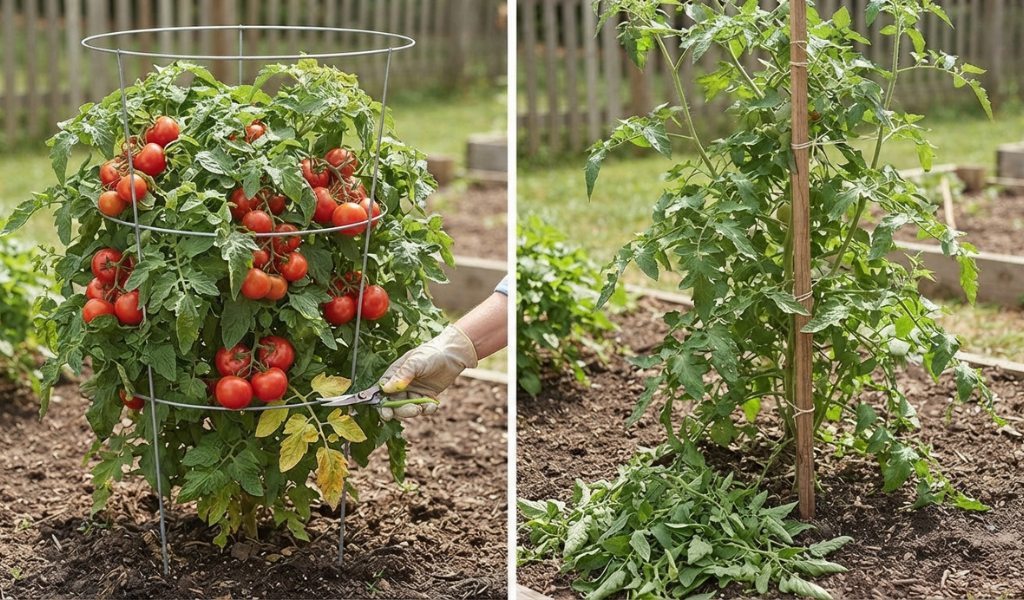
since it does not grow tall or heavy enough to need the elaborate staking systems some heirloom tomato varieties require. Careful support and pruning are valuable better bush tomato growing tips for protecting the plant while avoiding unnecessary pruning.
Watch for Common Better Bush Tomato Problems
Yellow Leaves and Poor Growth
Yellowing leaves can point to a few different issues, including inconsistent watering, a nutrient shortage, or early stages of a tomato disease. Start by checking your watering routine and soil moisture before assuming the worst, since uneven watering is the most common cause. Careful observation is an important part of better bush tomato growing tips when troubleshooting plant problems.
Blossom-End Rot and Cracked Fruit
Blossom-end rot shows up as a dark, sunken spot on the bottom of the fruit and is usually linked to inconsistent watering rather than a true calcium shortage in the soil. Cracked tomatoes often happen after a heavy rain following a dry spell, since the fruit absorbs water faster than the skin can stretch. Keeping soil moisture even, especially with mulch, helps prevent both problems.
Check for Common Tomato Pests
Aphids, hornworms, and whiteflies are common visitors to tomato plants. Check the undersides of leaves regularly, since many pests hide there. Hand-picking hornworms works well for small gardens, and a strong blast of water can knock aphids off without needing chemical sprays. Even though Better Bush resists verticillium wilt and fusarium wilt, it can still be affected by early blight and other leaf spot diseases during long stretches of wet weather, so keep an eye on foliage after rainy periods.
Harvest Better Bush Tomatoes at the Right Time
Look for the Right Color and Firmness
Better Bush tomatoes are ready to pick once they reach a deep, even red color and give slightly under gentle pressure. Waiting too long can lead to overripe fruit that splits or attracts pests, while picking too early means missing out on full tomato flavor. Knowing when to harvest is one of the final better bush tomato growing tips for enjoying the best-quality fruit.
Harvest Carefully Without Damaging the Plant
Twist gently or use garden snips to remove the fruit rather than yanking it off the vine, which can damage nearby stems or unripe tomatoes still growing close by. Harvesting in the cooler morning hours often keeps the fruit firmer and easier to handle.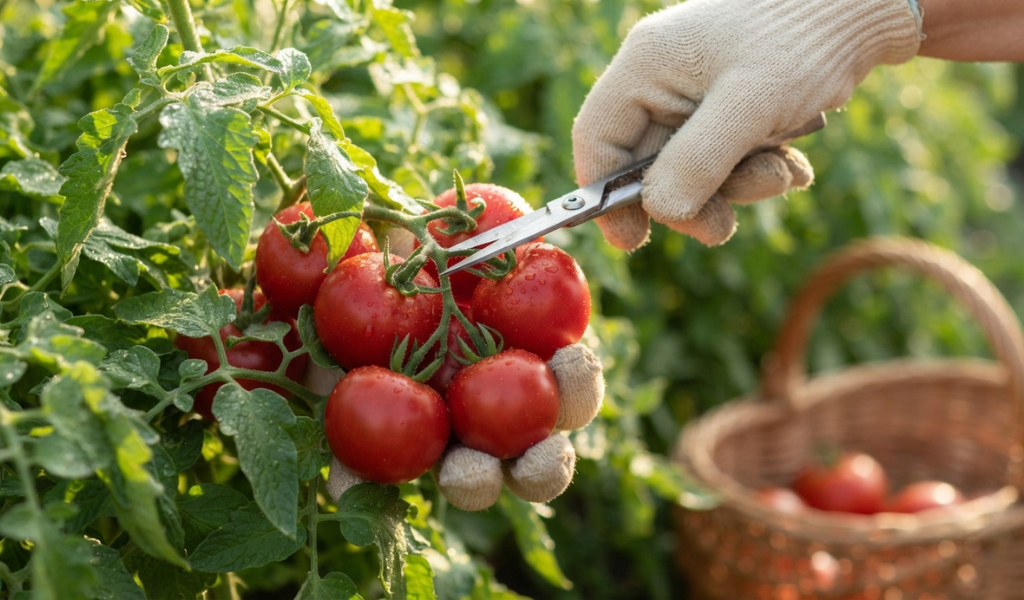
What to Do With Extra Ripe Tomatoes
A productive Better Bush plant can give you more tomatoes than you expect, especially during peak harvest weeks. Extra fruit works well in fresh salads, homemade sauces, or simply sliced for sandwiches. Tomatoes that are slightly underripe when frost threatens can be brought indoors to finish ripening on a windowsill, so nothing goes to waste at the end of the season.
Final Thoughts
Growing a Better Bush tomato plant is one of the easiest ways to enjoy homegrown tomatoes without needing a huge garden or years of experience. With the right container or garden bed, steady watering, light feeding, and a bit of attention to common problems like early blight, this compact plant can reward you with a strong harvest of juicy, flavorful tomatoes all season long. Whether you are slicing them fresh for a sandwich, tossing them into a salad, or simmering them down into a rich sauce, these better bush tomato growing tips should help you get the most out of every plant you grow. Give these better bush tomato growing tips a try this season, and do not be surprised if your Better Bush becomes a permanent spot in your garden every year after.
Frequently Asked Questions
How tall will a better bush tomato plant get? Most Better Bush tomato plants grow between 3 to 4 feet tall. This compact, upright habit is one of the main reasons it works so well in small gardens, raised beds, and containers compared to taller indeterminate varieties.
What are 9 common mistakes to avoid when growing tomatoes? Common mistakes include planting too early before the last frost, overwatering or underwatering, skipping mulch, using a container that is too small, over-fertilizing with too much nitrogen, ignoring air circulation, pruning a determinate variety too heavily, planting too close together, and not watching for early signs of pests or disease.
Is a better bush a good tomato plant? Yes, it is considered a great choice for gardeners with limited space. It offers disease resistance, a manageable size, and high yields of full-flavored slicing tomatoes, making it a solid pick for both beginners and experienced gardeners.
What does Epsom salt do for growing tomatoes? Epsom salt provides magnesium, which can help with chlorophyll production in plants that show a true magnesium deficiency. However, it should only be used if a deficiency is confirmed, since adding it without need will not improve fruit production and can throw off soil nutrient balance.
Are there tomato plants that resist nematodes? Yes, some tomato varieties are bred with nematode resistance, often labeled with an “N” on seed packets alongside other resistance codes. Better Bush itself is bred mainly for resistance to verticillium wilt and fusarium wilt rather than nematodes specifically.
Is Better Bush a good tomato plant variety? It is widely considered one of the better choices for small-space gardening because of its compact size, disease resistance, and consistent production of large, juicy slicing tomatoes throughout the growing season.
What does Epsom salt do for growing tomatoes? As mentioned earlier, Epsom salt supplies magnesium to the soil, which can support healthier foliage in plants dealing with a genuine magnesium shortage. It is not a general fertilizer replacement and works best as a targeted fix rather than a routine addition.