Black Prince Tomato Growing: Growing, Care, and Harvest Tips
Black Prince Tomato Growing: Complete Guide From Seed to Harvest
If you want a tomato that looks as good as it tastes, Black Prince tomato growing deserves a spot in your garden this year. This striking heirloom produces small round fruit in shades of deep red, brown, and near black, with a rich sweet flavor that has made it a favorite at farmers markets and among home gardeners who want something different from the usual red slicer. In this guide, we will cover everything from starting seeds indoors to picking your first ripe fruit off the vine.
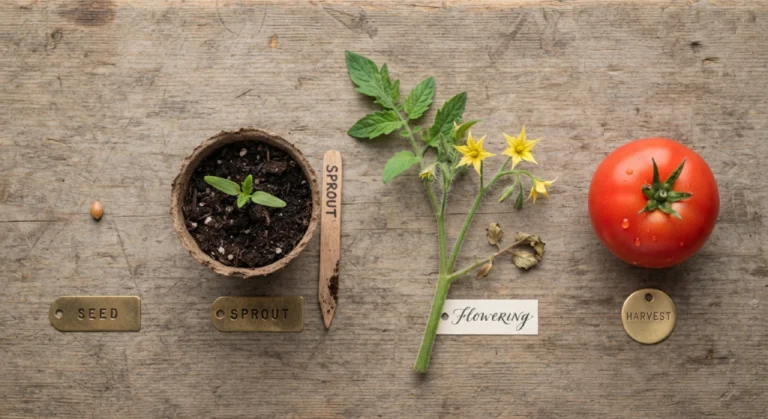
Before diving into the specifics of this variety, it helps to understand the general path any tomato plant follows. Tomato Growing Stages move from seed germination, through seedling growth, flowering, fruit set, and finally ripening, and Black Prince follows this same pattern, just on a slightly quicker timeline than many other tomatoes since it was bred for short, cool growing seasons. Knowing where your plant sits in this cycle helps you plan watering, feeding, and harvest with much less guesswork.
What Is a Black Prince Tomato?
Black Prince is a heirloom tomato variety that originally comes from Irkutsk, a city in Siberia, Russia. It was developed to handle short summers and cooler temperatures, which is part of why it grows so well even in regions with a limited frost free season. Despite its cold climate origins, Black Prince has become popular with gardeners all over the world, largely because of its unusual coloring and deep, satisfying flavor.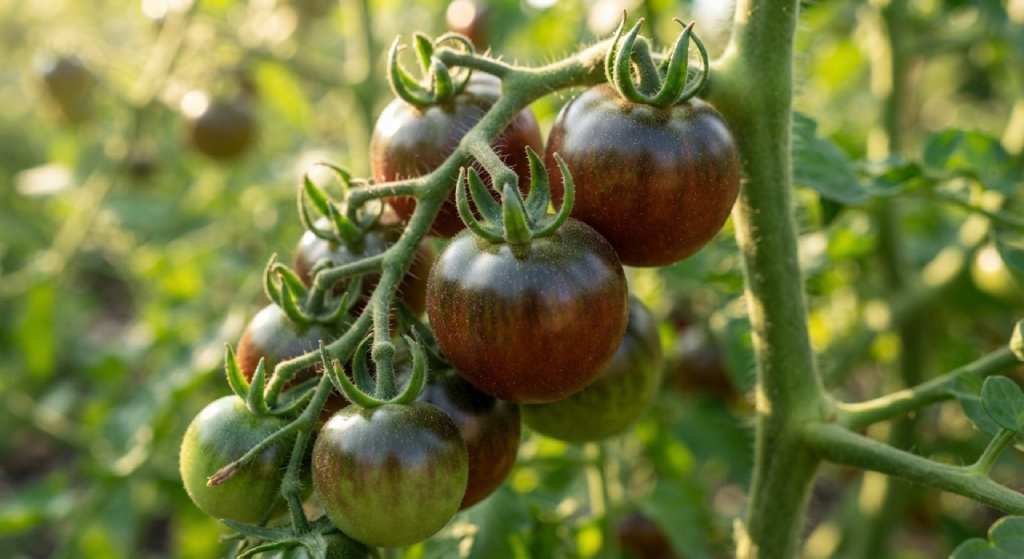
This variety belongs to a group often called black tomatoes, though the fruit is not truly black. Instead it carries higher levels of chlorophyll than typical red tomatoes, which mixes with the natural red pigment to create those dark, smoky tones. Home gardeners often grow it alongside more common varieties just for the contrast it adds to a harvest basket or a summer salad.
Black Prince Tomato Characteristics
Black Prince is an indeterminate variety, which means the vine keeps growing and producing fruit throughout the season rather than stopping after one main flush. Plants typically reach 4 to 6 feet tall, sometimes taller under good conditions, and they need consistent support to keep the vines from sprawling across the ground.
The plant tends to be fairly vigorous once established, with regular leaf foliage that provides decent shade cover for the developing fruit. It also has a reputation for setting fruit even when nights turn cool, a trait inherited directly from its Siberian background, which makes it a solid choice for gardeners in short season climates or those who want an early harvest.
Flavor, Color, and Fruit Size
The fruit itself is what really sets Black Prince apart. Each tomato is round to slightly oval, usually 2 to 5 ounces, with smooth glossy skin that shifts between dark red, brownish purple, and deep green shoulders where the fruit gets the most sun. Cut one open and the flesh continues that same rich color story, often a deep garnet red with hints of brown near the skin.
Flavor wise, Black Prince is known for being sweet with low acidity, giving it a smooth, almost dessert like taste compared to sharper red tomatoes. Many gardeners describe it as fruity and full bodied, with enough juice to make it a favorite for fresh eating, though it also holds up well in sauces where its natural sweetness comes through.
How to Start Black Prince Tomato Seeds
Starting your own seeds gives you more control over the whole process and lets you grow this variety even if local nurseries don’t carry it.
Choosing Quality Tomato Seeds
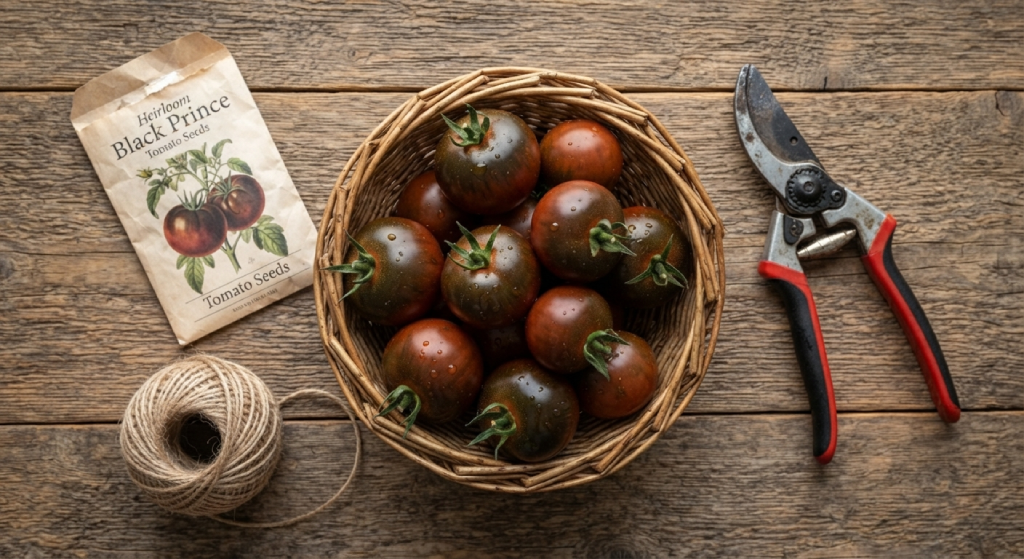
Buy seeds from a reputable heirloom seed supplier to make sure you are getting true Black Prince genetics rather than a look alike variety. Since this is an open pollinated heirloom, seeds saved from a healthy, ripe fruit will grow true to type, which means you can save your own seeds year after year once you have a good plant established. Look for seed packets that mention Irkutsk or Siberian origin, since that confirms you are working with the authentic strain.
Best Conditions for Germination
Sow seeds indoors about 6 to 8 weeks before your last expected frost date. Plant them roughly a quarter inch deep in a light, well drained seed starting mix, and keep the soil consistently moist without letting it get soggy. Warm soil speeds up germination considerably, so a temperature around 80°F, often achieved with a heat mat, will usually bring seedlings up within 7 to 14 days.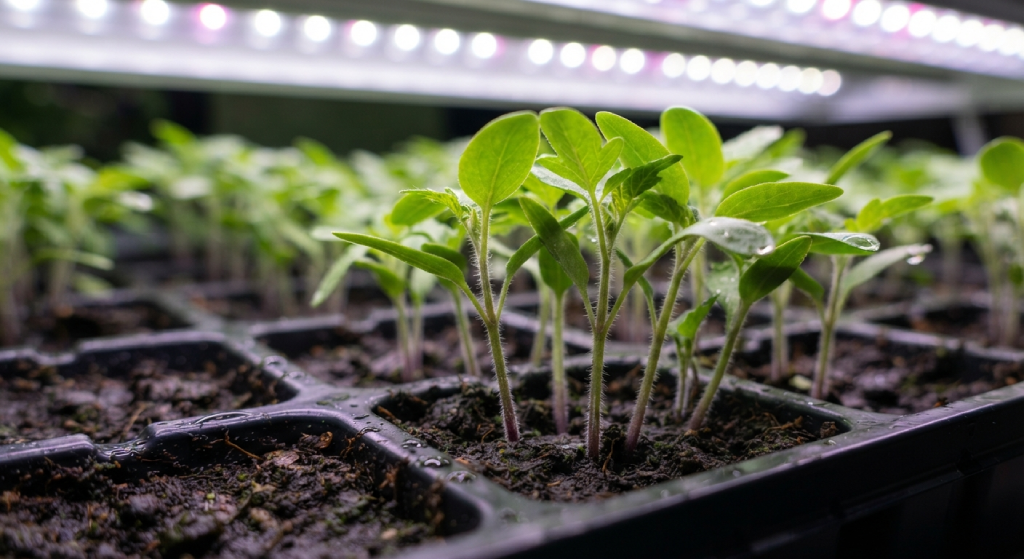
Once the seeds sprout, move the trays to a bright spot right away, either a sunny window or under grow lights kept close to the plants. Without strong light, young seedlings tend to stretch and grow weak and leggy, which makes them harder to transplant successfully later on.
When to Plant Black Prince Tomatoes
Black Prince tomatoes should go outside once all danger of frost has passed and soil temperatures have warmed up, usually one to two weeks after your last frost date. Because this variety was bred for cool, short seasons, it tolerates slightly cooler nights better than many other tomato types, which gives you a bit more flexibility with timing compared to heat loving varieties.
That said, it is still smart to wait for stable weather before transplanting. A late cold snap can stress or kill young seedlings even if they are cold tolerant compared to other tomatoes. Watching your local forecast and easing into the transition, rather than rushing seedlings outside the moment the calendar allows, tends to produce stronger, more productive plants.
How to Transplant Black Prince Tomato Seedlings
Moving seedlings from their trays into the garden is a key step, and doing it right sets the tone for the rest of the season.
Choosing the Right Planting Location
Pick a spot that gets full sun for most of the day, since tomatoes need strong consistent light to produce well. Black Prince plants grow tall and need good airflow around them to avoid fungal problems, so avoid cramming them into a corner where they will be shaded by fences, walls, or taller plants nearby. Space individual plants about 24 to 36 inches apart to give the vigorous vines room to spread.
Preparing the Soil
Work compost or aged manure into the planting area ahead of time to build up organic matter and improve drainage. Black Prince, like most tomatoes, prefers loose, well drained soil with a pH somewhere between 6.0 and 6.8. When you transplant, bury the seedling a bit deeper than it sat in its pot, covering part of the stem, since tomato plants will grow extra roots along any buried stem section, giving the plant a stronger foundation before the heavier growth of summer begins.
Black Prince Tomato Plant Care
Once your plants are settled into the garden, regular care through the season keeps them healthy and productive.
Watering
Water deeply and consistently, aiming for about 1 to 2 inches per week depending on rainfall and heat. Black Prince plants do best with steady moisture rather than alternating between dry and soaked soil, since uneven watering is one of the leading causes of cracked fruit and blossom end rot. Watering at the base of the plant rather than over the leaves also helps keep foliage dry and reduces disease risk.
Fertilizing
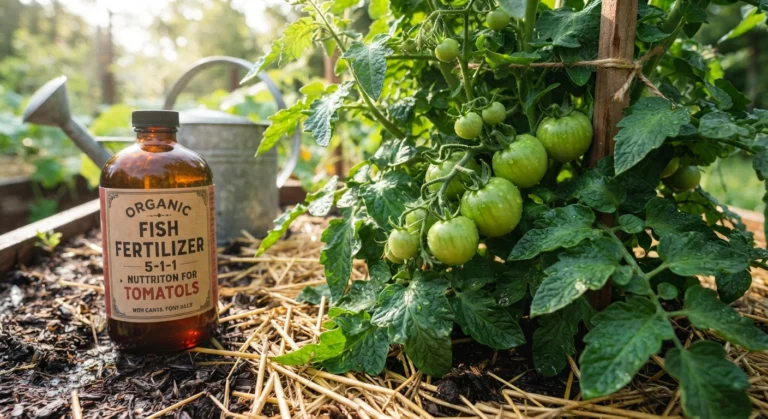
Feed your plants with a balanced fertilizer at planting time, then shift toward one lower in nitrogen and higher in phosphorus and potassium once flowering begins. Too much nitrogen late in the season pushes the plant to grow more leaves instead of setting fruit, which is the opposite of what you want once flowers start appearing. A light monthly feeding through the growing season usually keeps plants productive without overdoing it.
Sunlight Requirements
Black Prince tomatoes need full sun, ideally 8 hours or more of direct light each day. Strong sunlight not only fuels fruit production but also helps develop that signature dark coloring on the shoulders of the fruit, where sun exposure deepens the reddish brown and near black tones the variety is known for.
Supporting and Pruning Black Prince Tomato Plants
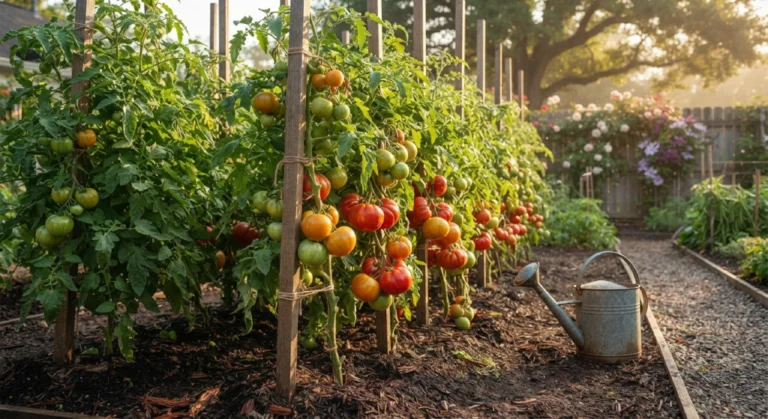
Since Black Prince is an indeterminate variety that can grow quite tall, sturdy support is not optional. A tall cage, trellis, or stake system set up at planting time will save you a lot of trouble later, since trying to add support to an already sprawling plant often damages stems and fruit clusters.
Light pruning helps too. Removing some of the suckers, the small shoots that grow between the main stem and branches, keeps the plant a bit more manageable and improves airflow, which lowers the risk of fungal disease.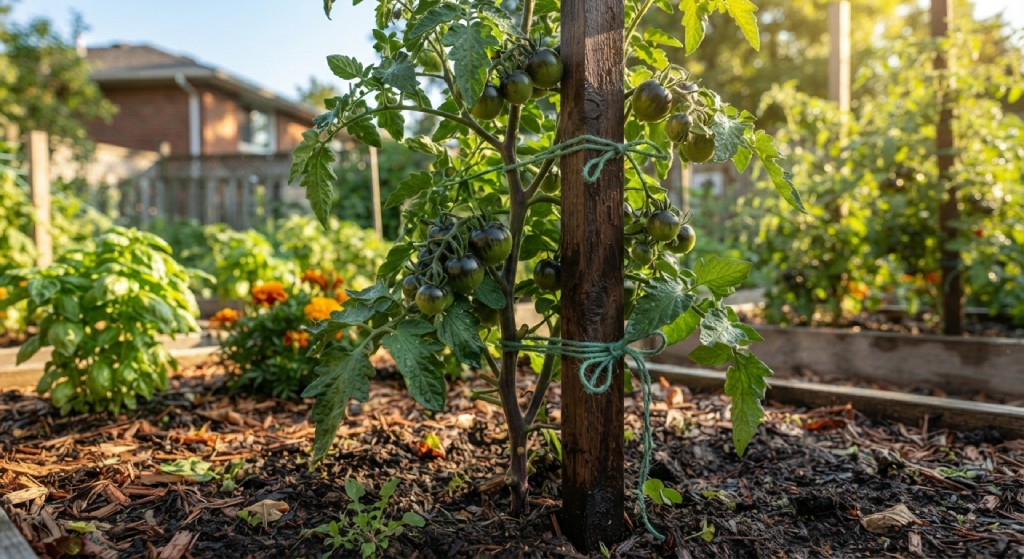 That said, Black Prince tends to be a fairly vigorous, productive grower, so avoid over pruning, since the plant relies on plenty of foliage to support its long fruiting season.
Flowering and Fruit Development
Black Prince plants typically begin flowering within a few weeks of being transplanted, producing small yellow blossoms along the stems. Once pollinated, these flowers develop into small green fruit that gradually increase in size over the following weeks. One advantage of this variety is its tolerance for cooler nights during flowering, which means it often sets fruit successfully even during early season temperature swings that can cause other tomato varieties to drop their blossoms.
As the fruit matures, you will notice the color shift begin at the shoulders first, moving from green to a deep brownish purple before spreading down through the rest of the fruit. This is one of the more visually interesting parts of growing Black Prince, since the color change looks quite different from the simple green to red transition most gardeners are used to.
When and How to Harvest Black Prince Tomatoes
Black Prince is considered an early to midseason variety, usually reaching maturity around 70 to 75 days from transplant, which makes it one of the quicker tomatoes you can grow. Harvest fruit once it reaches a deep, even color across the shoulders and gives slightly when gently pressed. Because the coloring is more subtle than a standard red tomato, it can take a little practice to judge ripeness by eye alone, so gently squeezing the fruit is a reliable way to check.
Pick fruit regularly once it starts ripening, since leaving overripe tomatoes on the vine can slow down the production of new fruit. Use pruning shears or twist gently at the stem to avoid damaging nearby branches.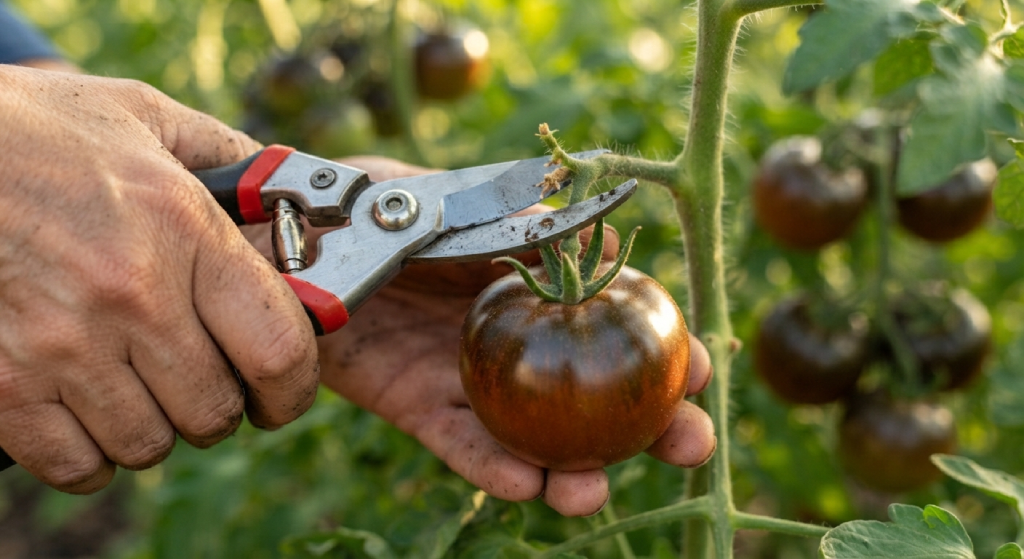 Freshly picked Black Prince tomatoes are best enjoyed within a few days, whether sliced for a salad, layered into a sandwich, or simmered down into a rich, naturally sweet sauce.
Common Growing Problems and Solutions
Like most tomatoes, Black Prince can run into a few common issues. Cracking often shows up after heavy rain following a dry spell, caused by the fruit absorbing water faster than the skin can stretch. Keeping soil moisture consistent through regular watering and a layer of mulch helps prevent this.
Blossom end rot, which appears as a dark sunken spot on the bottom of the fruit, usually points to inconsistent watering or a calcium shortage rather than disease. Steady watering and working some calcium rich amendment into the soil at planting time both help reduce the risk. Fungal issues like early blight can also appear, especially in humid conditions, showing up as dark spotted leaves near the base of the plant. Good airflow from proper spacing, mulching, and avoiding overhead watering all go a long way toward keeping the plant healthy through the season.
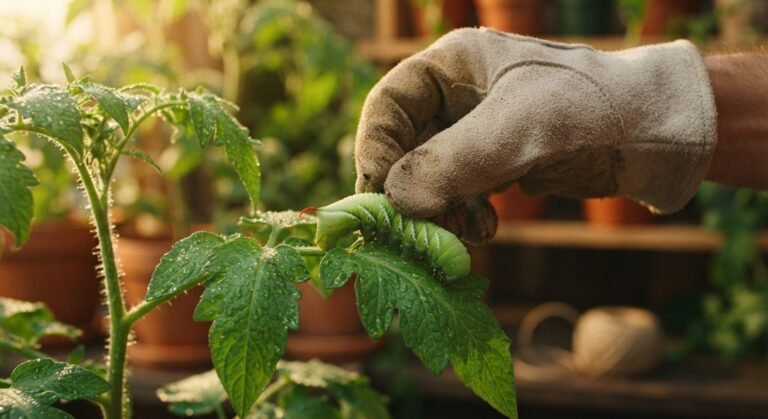
Pests such as aphids and hornworms are common visitors too, and regular inspection lets you catch and remove them before they cause serious damage. Since Black Prince plants grow tall and dense, checking the undersides of leaves periodically makes it easier to spot these pests early.
Final Thoughts
Black Prince tomato growing rewards gardeners with something genuinely different from the standard red slicer, offering rich color, sweet low acid flavor, and a plant that handles cooler weather better than most. From its roots in the short summers of Siberia to backyard gardens around the world, this heirloom has earned its popularity through flavor and character rather than flashy marketing. With full sun, steady watering, sturdy support, and a bit of attention to common problems, you can expect a generous harvest of beautiful, flavorful fruit by mid to late summer. If you are ready to try something new in the garden this year, Black Prince is a variety worth the space.
Frequently Asked Questions
Is Black Prince a determinate or indeterminate tomato?
Black Prince is indeterminate, meaning the vine keeps growing and producing fruit throughout the season rather than stopping after a single harvest window.
How long does it take for Black Prince tomatoes to ripen?
Most Black Prince plants reach maturity around 70 to 75 days after transplant, making it one of the earlier heirloom varieties you can grow.
Why are Black Prince tomatoes dark in color instead of red?
The dark red, brown, and near black coloring comes from higher chlorophyll levels in the fruit mixing with the normal red pigment, a trait shared by other black tomato varieties.
Can Black Prince tomatoes grow in cooler climates?
Yes. This variety originally comes from Siberia and tolerates cooler nights better than many other tomatoes, making it a strong choice for short season or cooler climate gardens.
Do Black Prince tomato plants need staking?
Yes. Since it is an indeterminate variety that can grow 4 to 6 feet or taller, a sturdy cage, stake, or trellis is important to keep the vines supported through the season.
What does a Black Prince tomato taste like?
It has a sweet, low acid, fruity flavor with rich juicy flesh, often described as smoother and less sharp than typical red slicing tomatoes.
Can I save seeds from Black Prince tomatoes?
Yes. Since it is an open pollinated heirloom, seeds saved from a healthy ripe fruit will grow true to type, letting you replant the same variety in future seasons.