Vegetable Backyard Garden: A Simple Vegetable Garden Guide for Every Gardener
Vegetable Backyard Garden Ideas: Build a Better Garden for Beginners
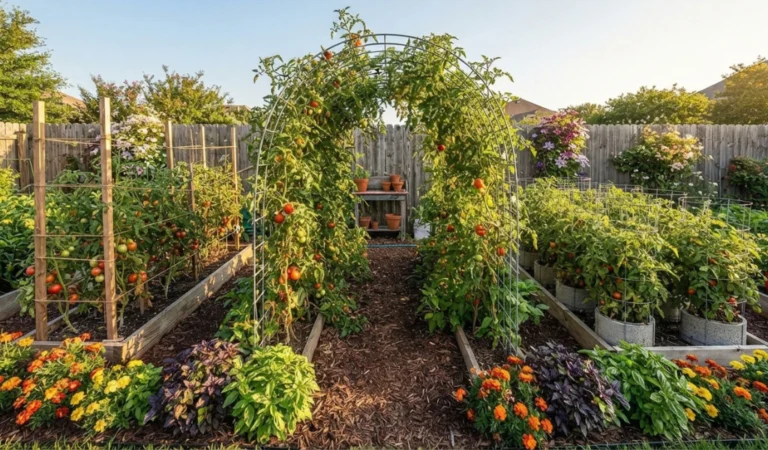
A vegetable backyard garden has a way of quietly becoming the best part of your week without you really planning for it that way. One day you’re staring at a plain stretch of grass, and a season later you’re stepping outside every morning to see what’s ripened overnight. This guide walks through the entire process of building your own vegetable backyard garden, from choosing the right spot and planning the layout to preparing the soil, planting vegetables, and harvesting fresh produce. Even if you’re working with a small space, small space vegetable gardening makes it easier for beginners to start with a few productive crops without feeling overwhelmed. Whether you have a wide open backyard or just a narrow strip along a fence, there’s a version of this that can work for you.
The key to a successful vegetable backyard garden is keeping the setup simple and matching your plants to the space, sunlight, and growing conditions you have. Start with vegetables you actually enjoy eating, such as tomatoes, peppers, lettuce, beans, carrots, or cucumbers. Prepare healthy soil, leave enough room between plants, and create an easy watering routine from the beginning. As your garden grows, you’ll learn which plants perform best and what small changes make a difference. With regular care, patience, and a little hands-on practice, even a beginner can turn an ordinary backyard into a productive vegetable garden.
Why a Vegetable Backyard Garden Might Be the Best Thing You Do This Year
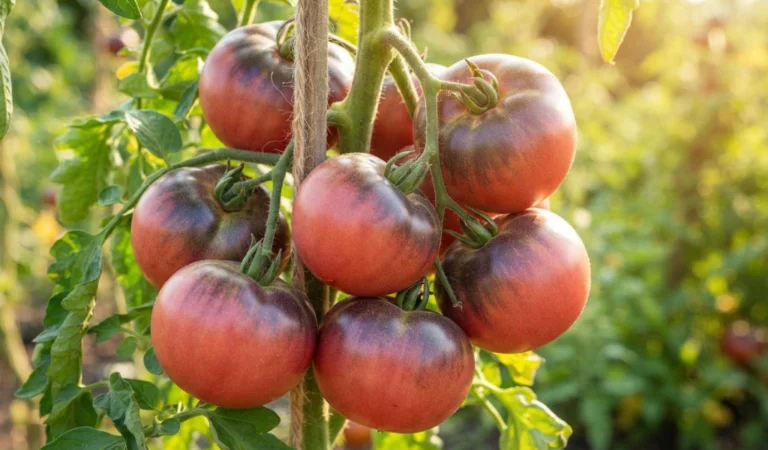
A vegetable backyard garden can turn an ordinary piece of outdoor space into something useful, productive, and enjoyable. You do not need a huge yard, expensive equipment, or years of gardening experience to get started. With the right garden plan, healthy garden soil, and regular care, even a beginner can grow fresh vegetables at home. There is something special about walking into your own garden and picking a ripe tomato, crisp cucumber, tender leafy greens, or fresh radishes for dinner. A backyard vegetable garden also lets you choose vegetables you actually enjoy eating while giving you more control over what reaches your kitchen table. Growing tomatoes in raised beds is another practical option because raised beds can provide good drainage, loose soil, and a convenient growing space.
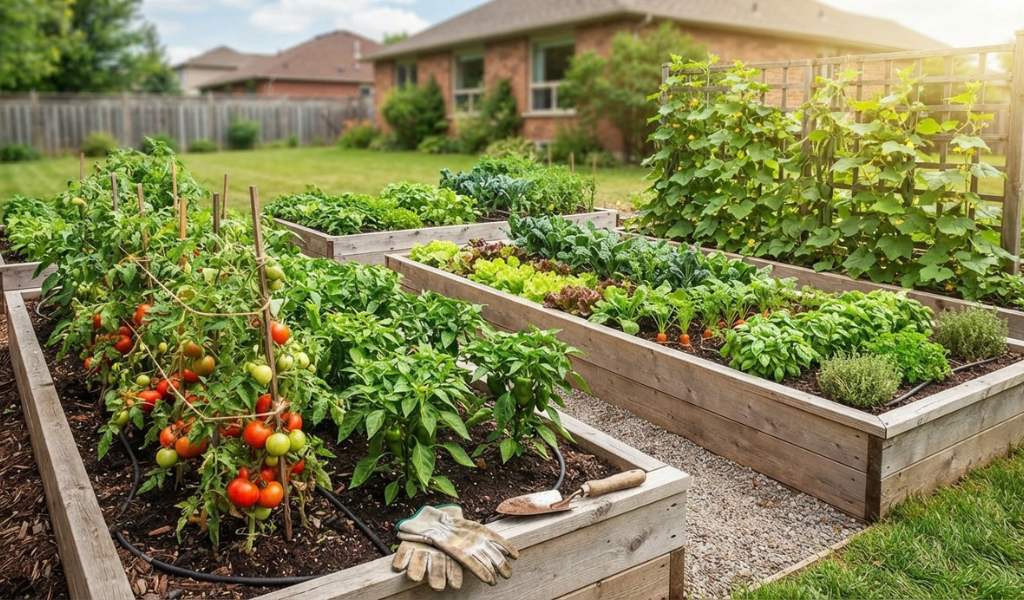
If you have limited room, Small Space Vegetable Gardening can work surprisingly well. Raised beds, containers, compact vegetable plants, and vertical growing ideas can help you use every available corner. For example, a gardener with a small backyard might use one raised bed for tomatoes, peppers, and leafy greens, while a trellis supports cucumbers and pole beans along the edge. A few containers can hold herbs, carrots, and radishes. The key is not simply planting more. It is planning better, choosing suitable vegetables, preparing good soil, and giving each plant enough sunlight, water, and space to grow.
Planning Your Vegetable Backyard Garden Layout
Before buying seeds or visiting a garden center, spend some time planning your vegetable garden layout.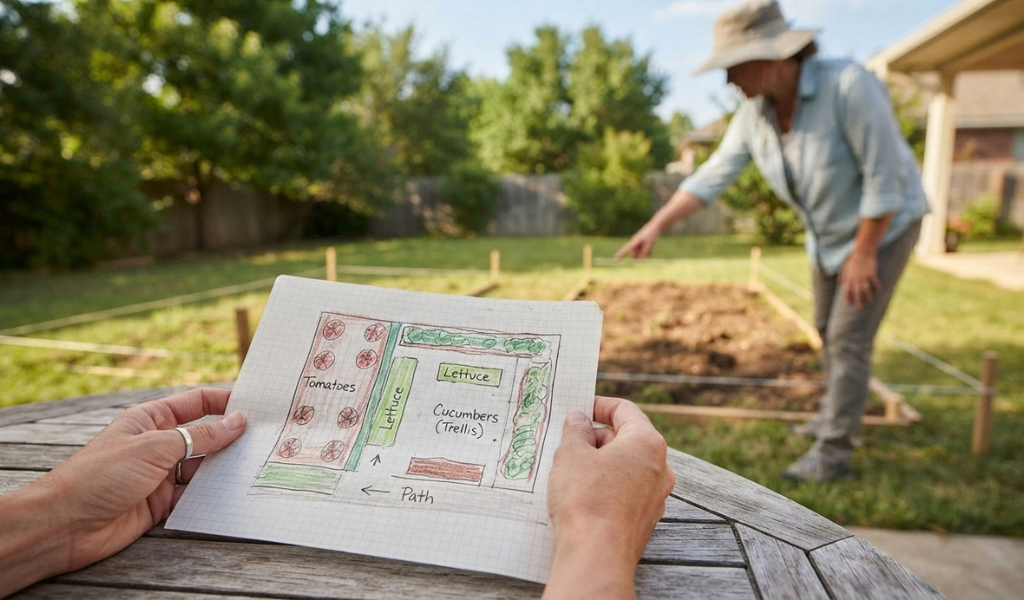
A good layout makes daily care easier and helps every vegetable plant receive the sunlight, water, and growing space it needs.
Start by observing your yard and noting which areas receive the most sunlight. Most vegetables need several hours of direct sunlight, while leafy greens can often handle some afternoon shade. Place tall crops such as tomatoes, pole beans, corn, and trellised cucumbers where they will not shade shorter plants. Shorter vegetables like radishes, carrots, lettuce, and other greens can then get better sunlight.
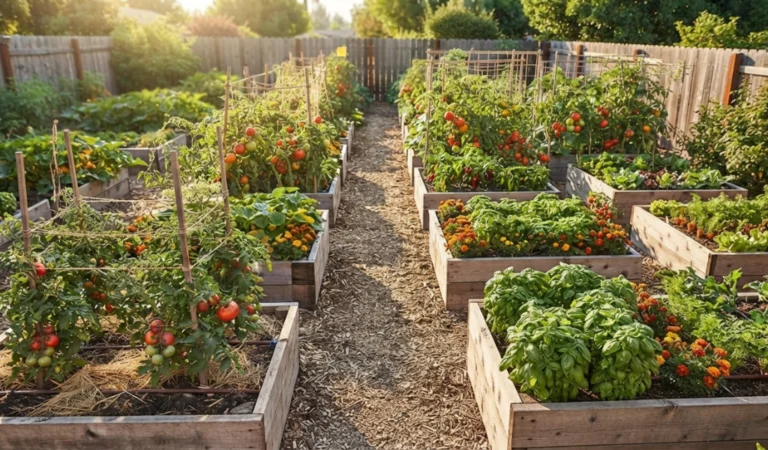
Leave enough space between beds for walking, watering, weeding, and harvesting without stepping on the soil. A simple vegetable backyard garden might have two or three rectangular beds with paths between them. For a small yard, one raised bed combined with a few containers can provide plenty of growing space.
Keep your garden near a convenient water source whenever possible. This makes regular watering much easier, especially during hot or dry weather. You can also group vegetables with similar water needs together to simplify care.
Think about convenience when placing herbs and frequently harvested crops. Herbs can grow near the kitchen, while crops that need regular attention should be easy to reach.
Your first vegetable garden layout does not have to be perfect. As each season passes, you will learn which vegetables grow best in your space, how much room they need, and which layout makes gardening easier. Use that experience to improve your garden year after year.
Preparing the Soil for a Thriving Vegetable Backyard Garden
Healthy garden soil is one of the biggest factors behind a successful vegetable garden. You can have excellent seeds and plenty of sunlight, but poor soil can still leave vegetable plants weak and unproductive.
- Start by checking whether your soil drains well. Dig a small hole, fill it with water, and see how quickly it drains. Soil that stays wet may need better drainage or raised beds.
- Adding compost is one of the easiest ways to improve garden soil. Compost adds organic matter, improves moisture retention, and supports beneficial soil organisms. Mix well-rotted compost into the top layer before planting.
- For heavy clay soil, organic matter can gradually improve structure. Sandy soil can also benefit from compost because it helps retain water and nutrients.
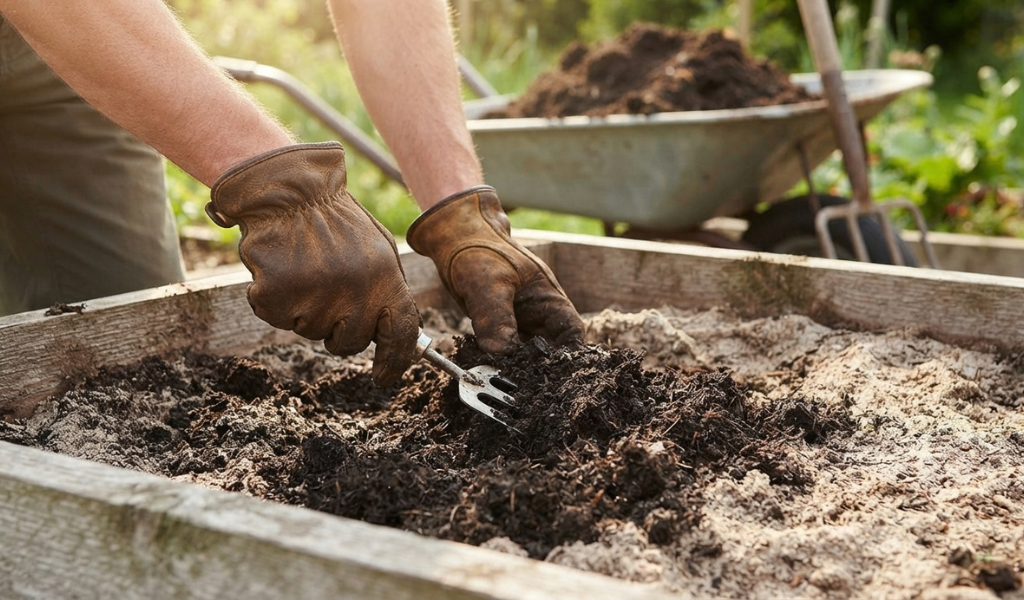
- Avoid digging when the soil is extremely wet, as this can damage its structure. Wait until it is moist but not muddy.
- A vegetable backyard garden does not need perfect soil from day one. Improve it gradually by adding compost and suitable organic materials each season.
- After planting, apply mulch around vegetables while keeping it away from the stems. Mulch helps reduce weeds, slow moisture loss, and protect the soil during hot weather.
- Focus on feeding the soil rather than constantly trying to fix unhealthy plants with fertilizer. Healthy soil creates a strong foundation for vigorous roots and better harvests.
Choosing the Right Vegetables for Your Backyard Space
Choosing vegetables is one of the most enjoyable parts of planning a garden, but beginners often make one common mistake: trying to grow too many different vegetables at once. Instead, choose vegetables your household actually eats and that match your climate and growing season. Tomatoes, cucumbers, beans, carrots, radishes, leafy greens, and squash are popular choices, but the best options depend on your local conditions.
Tomatoes can provide a large harvest from just a few healthy plants, while cucumbers grow especially well with vertical support. Radishes and carrots work well in smaller beds, and leafy greens can offer repeated harvests when you pick the outer leaves. Pole beans are also useful for limited spaces because they grow upward rather than spreading across the ground.
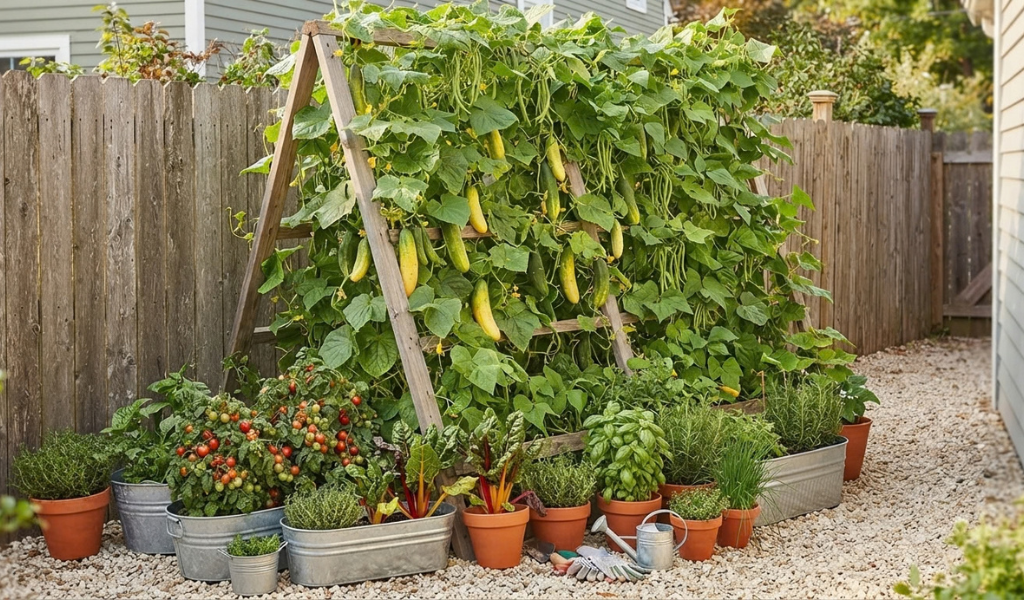
For larger gardens, consider squash, melons, or parsnips, but remember that vining crops can require plenty of room. A practical vegetable backyard garden can start with six to eight vegetable types. As you gain experience, you can add more crops and use succession planting to keep your garden productive throughout the growing season.
Starting From Seeds Versus Buying Transplants
Starting vegetables from seed can be inexpensive and gives you access to many varieties. However, it also requires patience and careful attention during the seedling stage. Seeds need the right combination of moisture, temperature, light, and planting depth. Tiny seedlings can become weak if they do not receive enough light. They can also suffer if the soil remains constantly wet. For beginners, buying healthy transplants can make the first vegetable backyard garden much easier. Tomato plants, cucumber plants, peppers, and other crops can often be purchased as young plants from a garden center. Look for compact, healthy seedlings with strong stems and good leaf color. Avoid plants that appear badly damaged, diseased, or severely root-bound. Starting from seed makes sense when you want unusual varieties, need a large number of plants, or simply enjoy the process. Buying transplants makes sense when you want to get started quickly or have limited time.
You can also combine both approaches. Buy a few tomato and cucumber transplants while starting fast-growing vegetables such as radish and leafy greens from seed.
Watering Habits That Keep a Vegetable Backyard Garden Healthy
Watering sounds simple, but poor watering habits can cause several garden problems. Both too little water and too much water can stress vegetable plants. Instead of watering a little every day without checking the soil, feel the soil with your finger. If the surface is dry but the soil below is still moist, you may not need to water immediately. When you water, try to soak the root zone rather than simply wetting the leaves. Deep, thorough watering encourages roots to grow downward and can help plants handle short dry periods. Morning is often a convenient time to water because plants can use the moisture during the day. If you water containers, remember that they may dry out faster than garden beds. A vegetable backyard garden also needs different watering schedules depending on weather, soil, plant size, and container type. Newly planted seedlings generally need closer attention than established plants. Mulch can reduce how quickly water evaporates from the soil. A layer of organic mulch around established plants can help maintain more even moisture.
Watch your plants for clues. Wilting, dry soil, and curled leaves can indicate water stress, while yellowing leaves and constantly soggy soil may point toward overwatering or drainage problems.
Feeding the Soil and Plants Through the Season
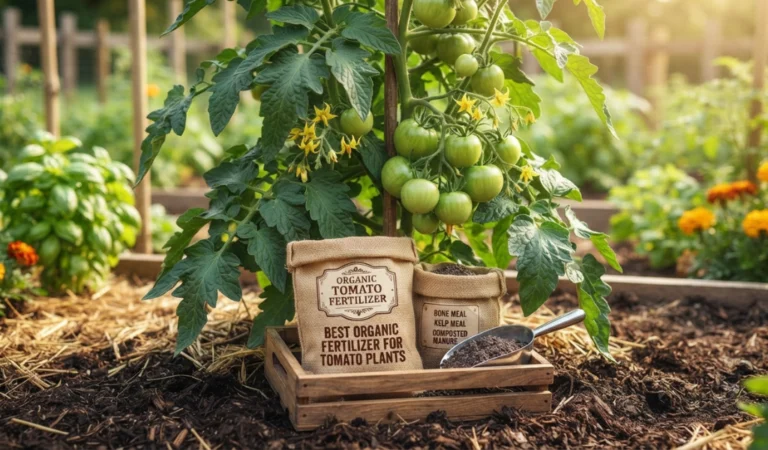
Even rich soil can lose nutrients as vegetables grow and produce a harvest. Feeding the soil helps maintain productivity throughout the season. Compost is a useful starting point because it adds organic matter as well as a range of nutrients. Depending on your soil and crop needs, you may also use a balanced fertilizer during active growth. Do not assume that more fertilizer means more vegetables. Excess fertilizer can damage roots, encourage excessive leafy growth, or create nutrient problems. Before applying fertilizer, read the product instructions and consider what your plants actually need. Heavy-feeding crops such as tomatoes and squash may have different requirements from radishes or leafy greens. A vegetable backyard garden benefits from regular observation. If plants are growing strongly and producing well, avoid changing several things at once. Adding compost between growing seasons and using appropriate fertilizer during active growth can help keep your garden productive. The goal is to feed the soil and plants in a balanced way, not to force rapid growth.
Dealing With Pests Without Losing Your Mind
Every vegetable gardener eventually meets a pest. Aphids, caterpillars, beetles, mites, and other insects can appear even in a carefully maintained garden. The first step is not to panic. Seeing a few insects does not automatically mean your entire garden is in danger. Inspect the undersides of leaves and look for holes, sticky residue, curled leaves, or clusters of insects. Early detection makes pest problems much easier to manage. Encouraging beneficial insects is another useful strategy. Flowers and diverse plantings can help attract insects that feed on common garden pests. Companion planting can also add diversity to your veggie garden. While it should not be treated as a guaranteed pest-control method, mixing different plants can make the garden more varied and may support a healthier garden ecosystem. Remove badly damaged leaves when appropriate and keep weeds under control because weeds can compete with vegetables for water and nutrients while providing shelter for some pests. Avoid reaching immediately for harsh treatments. Identify the pest first, then choose a control method suitable for the crop and the problem.
Adding Structure With Trellises and Raised Beds
A trellis can completely change how you use garden space. Vining vegetables such as cucumber and pole beans can grow upward instead of spreading across the ground. This is especially useful in a small garden. When you use the vertical space, you create more room below for crops such as lettuce, radish, or herbs. Make sure the trellis is strong enough for mature plants. A cucumber vine may look small at planting time, but it can become surprisingly heavy once covered with leaves and fruit. Raised beds are another helpful option. A raised bed can improve drainage, make soil easier to manage, and provide a clear boundary between growing areas and pathways.
For gardeners with poor native soil, raised beds can be filled with a suitable soil and compost mixture. They can also be easier to maintain because the growing area is clearly defined. Your vegetable backyard garden does not need expensive raised-bed materials. Simple untreated boards, suitable recycled materials, or purpose-built garden structures can work depending on your budget and local conditions. The most important point is to create a structure that makes gardening easier rather than adding unnecessary work.
Protect Your Garden From Pests and Common Problems
Good garden care is mostly about prevention. Healthy plants are generally better prepared to handle everyday stress. Start by giving every vegetable enough growing space. Crowded plants have poorer airflow and can make it harder to inspect leaves and notice problems early. Keep weeds under control because they compete with vegetables for water, nutrients, sunlight, and growing space. Pull weeds when they are young rather than waiting until they become large. Rotate crops when practical. Planting the same crop family in the same location repeatedly can increase certain soil-related pest and disease problems. Remove diseased plant material promptly when appropriate, and avoid adding obviously diseased material to a home compost pile. Clean garden tools when moving between plants that show signs of disease. Simple hygiene can reduce the chance of spreading problems. A Vegetable Backyard Garden should also be checked regularly. Spend a few minutes walking through the beds several times a week. Look at new growth, check the soil, inspect leaves, and notice changes before they become major problems.
Harvesting and Enjoying Your Vegetable Backyard Garden
Harvesting is the moment when all your planning finally becomes food. Do not wait until every vegetable reaches an oversized stage. Many vegetables taste best when harvested at the right size and maturity. Radishes are usually ready relatively quickly, while carrots can remain in the soil longer depending on the variety. Cucumbers are often best harvested while they are still young and tender rather than allowed to become oversized. Tomatoes should be harvested according to the variety and your preferred level of ripeness. Regular harvesting can also encourage some plants to keep producing. Leafy greens offer an especially useful harvest because you can often pick individual leaves and allow the plant to continue growing.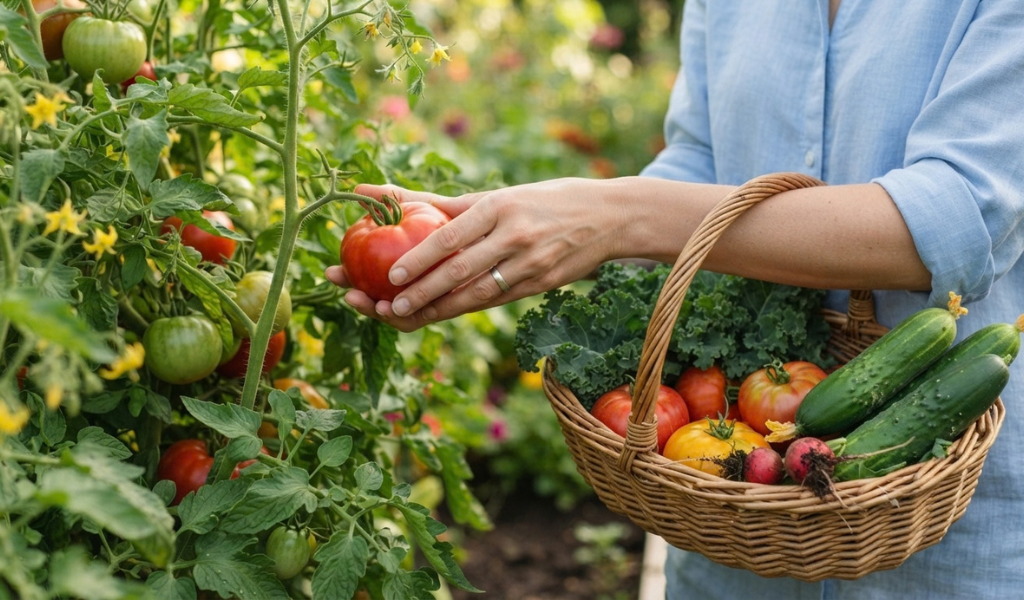 The best harvest routine is simple. Check the garden regularly, use clean tools when needed, and handle vegetables gently after picking.
One of the joys of a Vegetable Backyard Garden is that your harvest does not have to be enormous to be valuable. A bowl of fresh salad greens, several ripe tomatoes, or a basket of cucumbers can make the effort worthwhile. You can also share extra produce with family, friends, or neighbors. A small harvest often feels even more rewarding when it becomes part of someone else’s meal. Keep notes about what grew well. Write down planting dates, varieties, pest problems, and approximate harvest times. Those notes can become extremely useful when you plan the following season.
Final Thoughts
Starting a Vegetable Backyard Garden is not about creating a perfect garden on the first attempt. It is about learning what works in your particular garden space and improving each season. Begin with a realistic garden plan, study the sunlight, prepare the soil, and choose vegetables that fit your space. If room is limited, use raised beds, containers, or vertical growing for a small vegetable garden. Feed the soil, water thoughtfully, control weeds, watch for pests, and harvest at the right time. The most successful vegetable garden is not always the biggest. It is one you can enjoy, maintain, and use. Choose a few vegetables you love, plant your first seeds or seedlings, and start growing your own food.
Frequently Asked Questions
What is the 70/30 rule in gardening?
The 70/30 rule generally means focusing about 70% of your garden space and effort on the plants and practices that provide the most value, while using the remaining 30% for variety, experimentation, or supporting plants.
How do I start a vegetable garden in my backyard?
Choose a sunny spot, prepare healthy soil, select vegetables suited to your climate, and start with easy crops such as tomatoes, peppers, lettuce, beans, and radishes. Water regularly and give each plant enough space to grow.
What are the top 10 vegetables to grow in a garden?
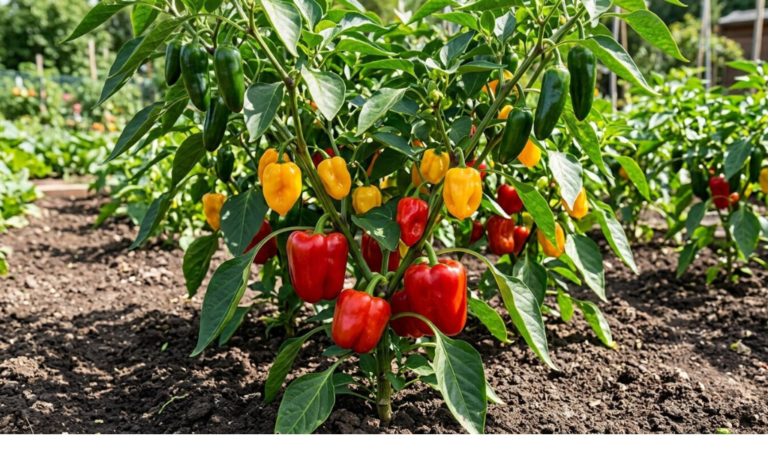
Popular vegetables for a home garden include tomatoes, peppers, lettuce, carrots, radishes, cucumbers, beans, spinach, zucchini, and onions. The best choices depend on your climate, available space, and growing season.
What vegetables should not be planted together?
Some plants can compete for nutrients, attract similar pests, or grow poorly together. For example, beans are generally not recommended near onions and garlic, while fennel can inhibit the growth of many nearby plants.
What are some simple and cheap ways to grow vegetables?
Use recycled containers, homemade compost, inexpensive seeds, and simple raised beds or garden rows. Growing vegetables from seeds, saving suitable seeds, using natural mulch, and reusing household containers can also reduce gardening costs.