Cherokee Purple Tomato Growing: A Complete Heirloom Tomato Guide
Cherokee Purple Tomato Growing: Everything You Need to Know
If you have ever wanted to grow a tomato that tastes like summer itself, cherokee purple tomato growing is where you need to start. This dusky, purple heirloom tomato has earned a cult following among home gardeners, and once you taste one warm off the vine, you will understand why. Before we dig into the dirt, let’s walk through the basic tomato growing stages so you know what to expect from seed to harvest, since cherokee purple tomato growing follows the same rhythm as most indeterminate tomato varieties, just with a lot more flavor at the finish line. From seedling to bloom, from fruit set to that first ripe slice on your cutting board, this guide covers everything a gardener needs for successful cherokee purple tomato growing this season.
Whether you are planting your first heirloom tomato or adding another variety to your vegetable garden, understanding the needs of Cherokee Purple tomatoes can make a real difference. These plants need plenty of sunlight, nutrient-rich soil, consistent watering, and enough space to grow their long, indeterminate vines. With the right care, you can encourage healthy growth, beautiful flowers, and a rewarding harvest of flavorful tomatoes.
Throughout this guide, we will explore how to start Cherokee Purple tomato seeds, prepare the soil, transplant young seedlings, and provide the water and nutrients your plants need. You will also find practical advice on pruning, supporting growing vines, recognizing common tomato problems, and knowing when your tomatoes are ready to pick.
What Makes The Cherokee Purple Tomato An Heirloom Legend
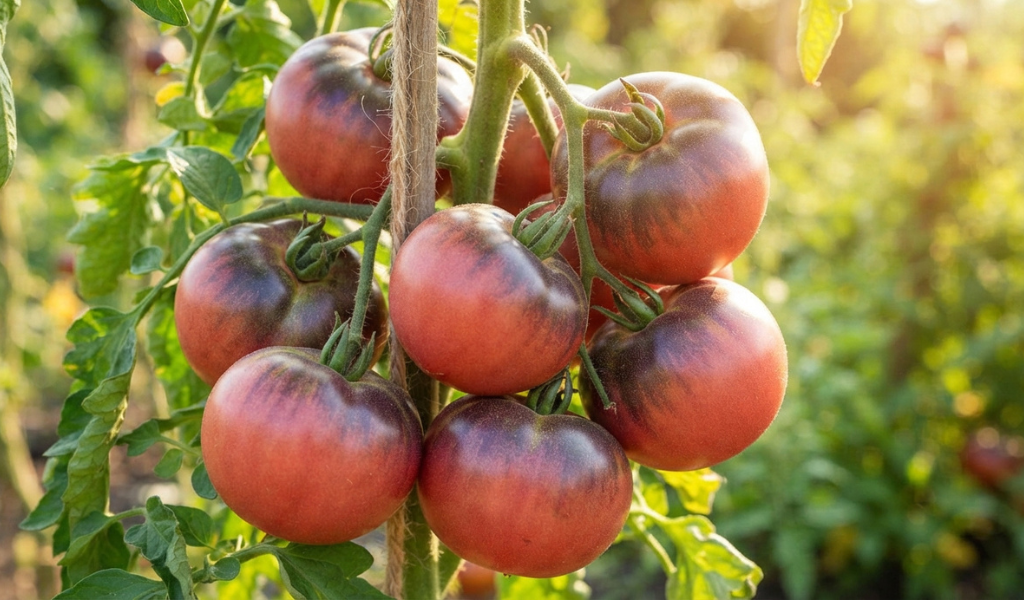
Cherokee purple is an heirloom tomato variety with a story that goes back well over a hundred years, tracing its roots to the Cherokee tribe in Tennessee. Unlike a lot of modern hybrid tomato varieties bred for shipping and shelf life, this purple heirloom was bred by generations of growers simply passing along seeds because the flavor was worth keeping. The fruit itself looks nothing like a typical grocery store tomato. Instead of bright red, you get a dusky brick pink color with deep purple and green undertones, especially around the shoulders near the stem. Slice one open and the flesh inside looks almost bruised, but that appearance hides one of the best tasting tomatoes you will ever grow.
Gardeners often compare the flavor to a beefsteak tomato but richer, smokier, and less acidic, with a wine-like sweetness that makes it a favorite for a fresh summer salad or a simple sandwich. There is also a close cousin called cherokee green, which shares the same heirloom lineage but ripens to a green and yellow blush instead of purple, and many growers who enjoy cherokee purple tomato growing end up trying that variety too.
Understanding The Tomato Growing Stages For Cherokee Purple
Every tomato plant moves through the same basic tomato growing stages, and Cherokee Purple tomato growing is no different. It starts as a tiny seedling, usually started indoors under grow lights or a sunny window about six to eight weeks before the last expected frost. From there, the young tomato plant grows leafy new growth, develops a strong root system, and eventually gets transplanted outdoors once the danger of frost has fully passed. The next stage is vegetative growth, where the plant focuses on building height, developing healthy leaves, and producing a sturdy stem before it starts to bloom. During this stage, providing enough sunlight, consistent watering, and nutrient-rich soil helps the plant establish itself and prepare for flowering. These early tomato growing stages are important because a healthy, well-established plant has a better foundation for producing a good harvest. Once flowering begins, pollinators like bees move pollen between blossoms, and small green fruit begins to form along the vine. Cherokee Purple tomatoes are indeterminate, meaning the plant continues growing and producing flowers and fruit throughout the growing season when conditions are favorable. As the tomatoes develop, they gradually increase in size and begin changing color.
From there, the fruit slowly ripens, shifting from green to a dusky reddish-purple color with darker shoulders, which is a signature feature of Cherokee Purple tomatoes. The fruit is usually ready to harvest when it has developed its characteristic color and feels slightly soft when gently squeezed. Knowing these tomato growing stages helps a grower plan watering, feeding, and pruning at the right time, which makes a real difference in the size and quality of your Cherokee Purple tomato harvest. By understanding each stage, from seed germination to the first ripe tomato, you can provide the care your plants need throughout the season and enjoy flavorful, homegrown Cherokee Purple tomatoes straight from your garden.
Choosing Cherokee Purple Seeds Or Starting With Bonnie Plants
There are two common ways to begin cherokee purple tomato growing, and both work well depending on how much time you want to invest. Starting from cherokee purple seeds gives you the most control and is often cheaper if you want several tomato plants for a larger garden. Seeds should be started indoors in a good potting mix, kept warm and moist until they sprout, then given plenty of light so they grow into stocky, healthy seedlings rather than tall and leggy ones. If starting from seed feels like too much of a commitment, buying an established tomato plant from a garden center or from Bonnie Plants is a completely reasonable shortcut. Bonnie Plants has been supplying home gardeners with quality tomato plants for decades, and picking up a healthy cherokee purple tomato plant already a few inches tall can save you weeks of waiting. Either path leads to the same rewarding destination, so choose whichever fits your schedule and gardening experience.
Ideal Growing Conditions For Cherokee Purple Tomato Growing
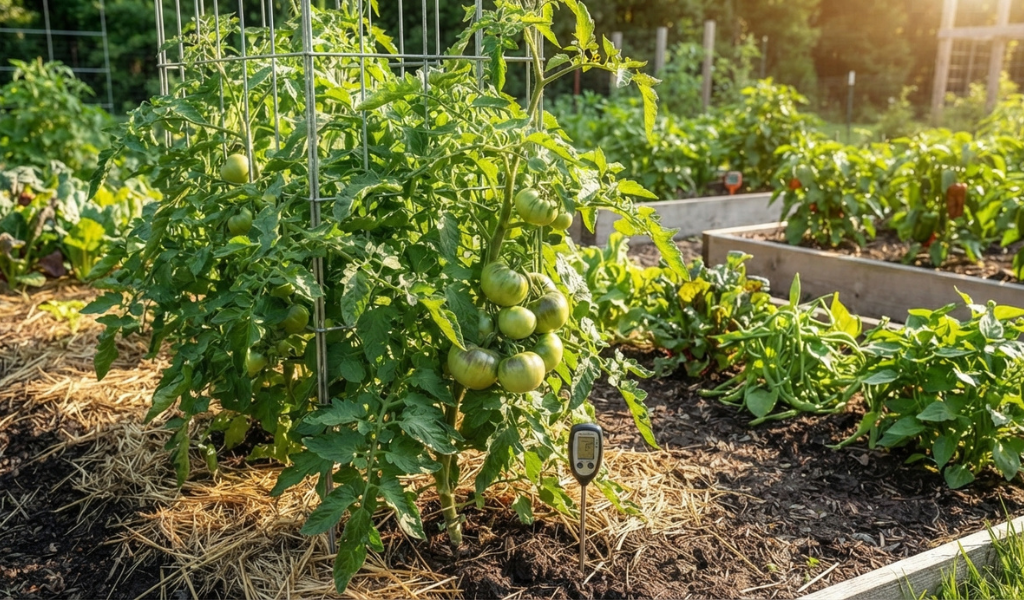
Full sun is non-negotiable for cherokee purple tomato growing. These plants need at least six to eight hours of direct sunlight every single day to produce a strong harvest of sweet, flavorful fruit. Check your USDA hardiness zone before planting outdoors, since cherokee purple tomato plants are grown as an annual in most regions and cannot tolerate frost or a real cold snap. As tender perennial plants in their native tropical range, tomatoes simply cannot survive a minimum winter temperature below freezing, which is why most gardeners grow them fresh from seed or seedling each year rather than trying to overwinter them outdoors. Soil matters just as much as sunlight.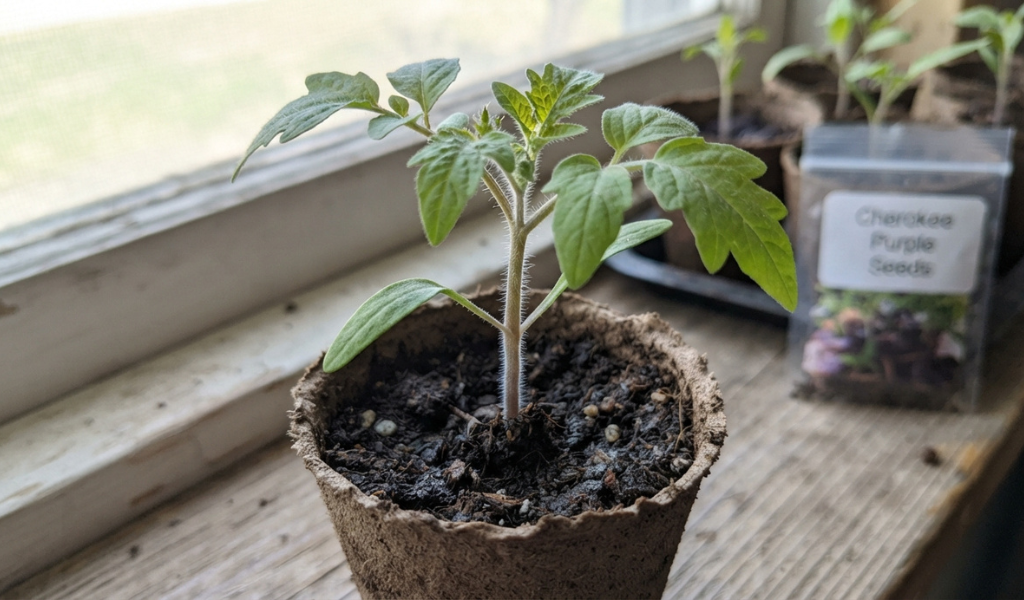
Rich, well-draining soil amended with compost gives cherokee purple tomato plants the nutrients they need to grow into a healthy plant capable of producing dozens of tomatoes over a full growing season. A soil pH between 6.2 and 6.8 tends to keep plants happiest, and adding compost before planting helps retain moisture without leaving the roots sitting in soggy ground.
Planting Your Cherokee Purple Tomato Plant The Right Way
Timing is everything when it comes to cherokee purple tomato growing outdoors. Wait until nighttime temperatures are reliably staying above fifty degrees before moving your tomato plant into the garden. When transplanting, bury the stem deeper than you think you should, right up to the first set of leaves. This might look strange at first, but that buried section of stem grows extra roots underground, giving your cherokee purple tomato plant a stronger foundation for the rest of the growing season. Space your plants at least two to three feet apart since indeterminate tomato varieties like cherokee purple keep growing taller and bushier all season long, unlike a compact determinate variety such as roma. Crowded plants struggle with airflow, which invites disease, so give each cherokee purple tomato plant enough room to breathe.
Watering, Feeding, And Caring For Cherokee Purple Tomato Plants
Consistent watering is one of the biggest keys to successful cherokee purple tomato growing. Deep watering at the soil level, rather than a light sprinkle over the leaves, encourages roots to grow down deep instead of staying near the surface. A friend of mine let her tomato plant needs slip during a busy work week one summer, letting the soil dry out completely before drenching it again. The result was several tomatoes with ugly cracks running down the sides, a classic sign of inconsistent watering. Mulching around the base of the plant helps hold moisture steady and keeps weeds from competing for nutrients.
When it comes to fertilizer, a balanced feed at planting time works fine, but once the plant starts to bloom, switch to something lower in nitrogen and higher in phosphorus and potassium. Too much nitrogen gives you a jungle of leafy foliage and very few tomatoes, which is the opposite of what any grower wants. Watering irregularities and low calcium levels are also the main culprits behind blossom end rot, that dark leathery patch that sometimes shows up on the bottom of an otherwise perfect tomato. Keeping your watering schedule steady is the simplest fix.
Staking And Pruning Cherokee Purple Tomato Vines
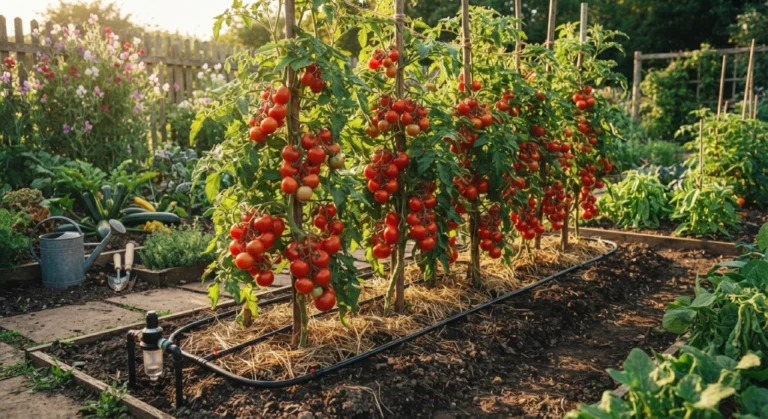
Because cherokee purple is an indeterminate tomato, the vines will keep growing and producing fruit right up until frost ends the season. Without support, those vines sprawl across the ground, which makes fruit more likely to rot and easier for pests to reach. A sturdy stake or cage, set up at planting time, keeps the tomato vines upright and makes it much easier to prune tomato leaves and manage growth throughout the season. Prune away some of the suckers, the small shoots that form between the main stem and side branches, to keep the plant a little more open.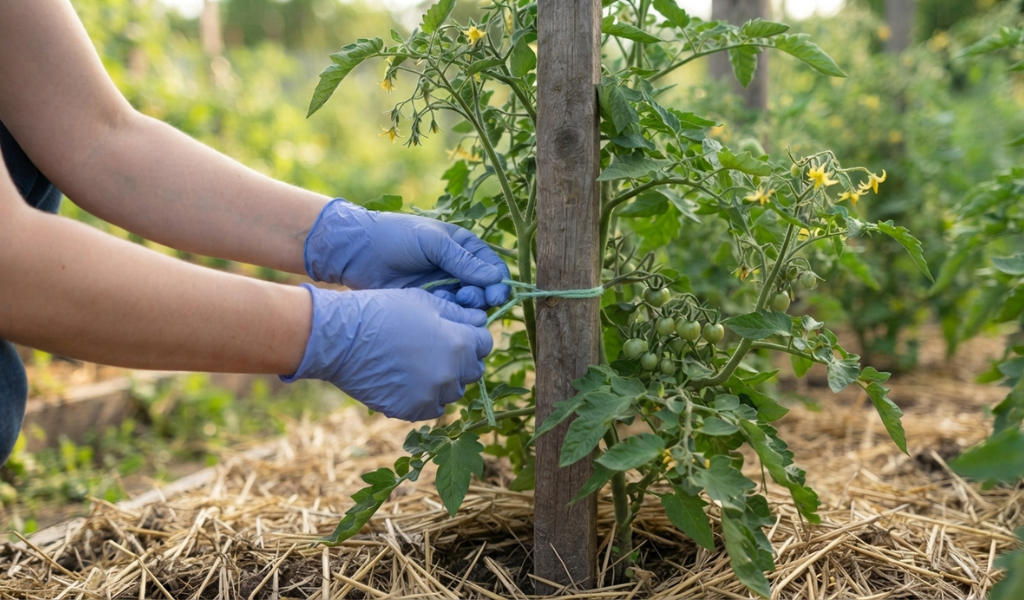
This simple prune step improves airflow around the leaves, which helps the plant resist fungal problems, and it directs more energy toward growing larger, better tasting fruit instead of extra foliage. You do not need to prune aggressively, just enough to keep things tidy and let light reach the ripening tomatoes.
Common Pest And Disease Problems In Cherokee Purple Tomato Growing
Every tomato grower runs into a pest problem sooner or later, and cherokee purple tomato growing is no exception.
Hornworms are one of the most common visitors, and while they look alarming, hand picking them off the plant works well for small gardens.
For larger infestations, a natural treatment containing Bacillus thuringiensis is a safe and effective option that will not harm beneficial pollinators visiting your blooms.
Aphids and flea beetles can also show up, especially early in the season, and a strong blast of water or insecticidal soap usually keeps their numbers down.
Fungal diseases like early blight are a bigger concern for heirloom tomato varieties, since many older varieties were not bred with the same disease resistance as some newer hybrids.
Good spacing, consistent watering at the soil level instead of overhead, and mulching all help prevent soil-borne fungal spores from splashing up onto the lower tomato leaves.
Rotating where you plant your tomatoes each season also reduces the buildup of soil-borne disease over time, keeping your cherokee purple tomato plant healthier year after year.
Harvesting Your Cherokee Purple Tomato At Peak Flavor
Harvesting is where all the patience of cherokee purple tomato growing finally pays off. Because of the unusual color, telling when a cherokee purple tomato is ripe takes a little practice compared to a standard red variety. Look for a deep dusky pink or brick red color mixed with purple tones, and give the fruit a gentle squeeze. A ripe tomato will have a slight give without feeling mushy.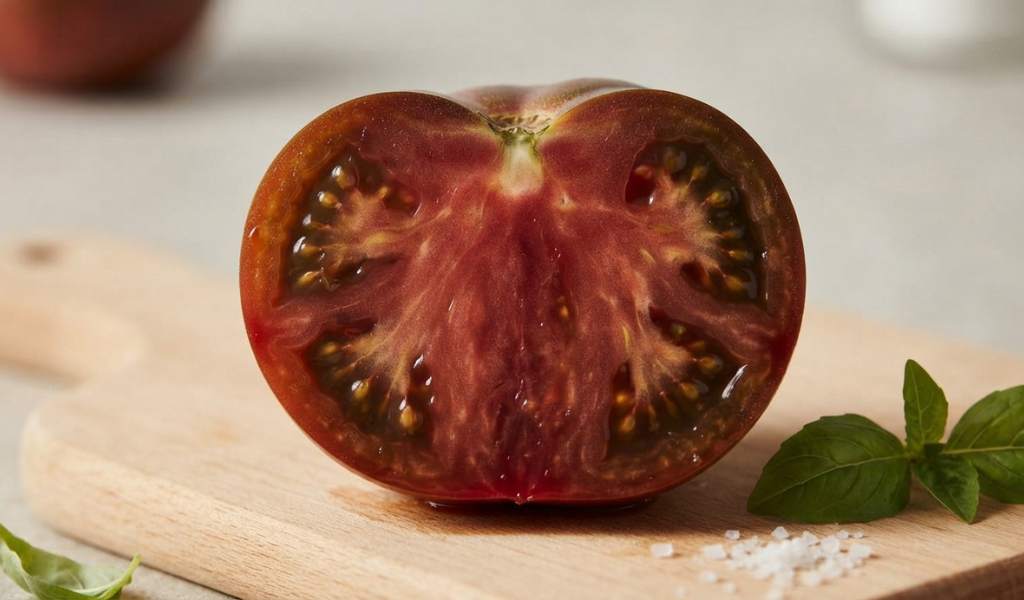 The shoulders near the stem often stay a little green even at full ripeness, which throws off a lot of first-time growers expecting an even color all over. If a heavy rain is in the forecast, picking slightly early and letting the fruit finish ripening indoors on a windowsill helps prevent splitting.
Most gardeners find their cherokee purple tomato plants produce steadily from midsummer right through the first fall frost, giving you weeks of homegrown, delicious tomato harvests to enjoy.
Cooking And Enjoying Your Purple Heirloom Tomato
Once you have a basket full of ripe fruit, the fun part of cherokee purple tomato growing truly begins. This purple heirloom is best enjoyed simply, since cooking it too much can mute the incredible flavor that makes it so popular. A thick slice with a sprinkle of salt and good olive oil is one of the simplest ways to taste what makes this heirloom tomato variety so special. It also shines in a fresh summer salad paired with basil and a little balsamic, or layered onto a sandwich alongside bacon and mayo for a classic BLT upgrade.
Compared to a firmer, meatier roma tomato meant for sauces, cherokee purple is a slicing tomato through and through, best appreciated raw where its juicy texture and aromatic sweetness can really stand out.
Saving Cherokee Purple Seeds For Next Season
One of the best parts of growing an open pollinated heirloom is that you can save cherokee purple seeds year after year without losing the traits that make this tomato special. Scoop the seeds out along with the surrounding gel, place them in a jar of water, and let them ferment for a few days until a light mold forms on top. Rinse the seeds thoroughly, spread them out to dry completely, then store them somewhere cool and dark until next year’s growing season.
This simple habit means you never have to buy cherokee purple seeds again, and it connects your garden to the same seed line gardeners have been saving since the Cherokee tribe first shared this tomato generations ago.
Final Thoughts On Cherokee Purple Tomato Growing
Cherokee purple tomato growing rewards patience with one of the best tasting tomatoes you will ever slice into. From choosing between cherokee purple seeds and a starter plant from Bonnie Plants, to giving your tomato plant full sun, steady water, and a sturdy stake, every step builds toward that first incredible bite of homegrown fruit. Keep an eye on pests, prune when needed, and harvest at just the right shade of dusky purple, and your garden will reward you with tomatoes that put grocery store produce to shame.
If you have never tried cherokee purple tomato growing before, this is the season to start, and once you taste the difference, you will understand why so many gardeners keep coming back to this heirloom tomato every single year.
Frequently Asked Questions
Is cherokee purple tomato growing difficult for beginners?
Not really. It needs a bit more attention than a basic hybrid tomato, mainly consistent watering and good airflow, but a beginner gardener can absolutely grow a healthy cherokee purple tomato plant with the tips above.
How long does cherokee purple tomato growing take from seed to harvest?
Most gardeners see ripe fruit around seventy five to eighty five days after transplanting outdoors, though total time from seed can stretch closer to three months depending on your climate and hardiness zone.
Why is my cherokee purple tomato still green on the shoulders when it feels ripe?
This is completely normal for this heirloom variety. The green or yellow tint near the stem often stays even when the tomato is fully ripe, so rely on gentle squeeze and overall color rather than waiting for solid red.
Can I grow cherokee purple tomato plants in containers?
Yes, as long as the container is large enough, at least fifteen to twenty gallons, since this is a vigorous indeterminate variety that needs room for its roots and a sturdy stake or cage for support.
What is the difference between cherokee purple and cherokee green tomatoes?
They share the same heirloom lineage and similar rich flavor, but cherokee green ripens to a green and yellow blush instead of the dusky purple color cherokee purple is known for.
Do cherokee purple tomato plants come back every year like a perennial?
No. Tomatoes are true perennial plants only in frost-free tropical climates. In most home gardens they are grown as an annual since they cannot survive a real winter freeze.
How do I stop blossom end rot on my cherokee purple tomato plant?
Keep your watering schedule as consistent as possible and make sure your soil has enough calcium, since irregular watering is the main trigger for this common issue in heirloom tomato varieties.