How to Prune Pepper Plants: A Complete Guide for Healthier Plants and Bigger Harvests
How to Prune Pepper Plants for Maximum Growth: Topping, Care, and Indoor Growing Guide
Most gardeners spend a lot of time picking the right seeds, amending their soil, and watering on schedule but skip one of the most effective steps for a bigger harvest: pruning. Learning how to prune pepper plants properly can be the difference between a scraggly, underperforming plant and one that’s loaded with fruit by the end of the season.
This guide covers everything you need from topping and trimming suckers to growing peppers indoors and avoiding the mistakes that set plants back. Whether you’re growing bell peppers in a backyard garden or jalapeños on a windowsill, these techniques will help you get more from every plant.
Why Pruning Pepper Plants Is Important
Pepper plants grow fast, and without any guidance, they’ll put energy into lots of stems and leaves rather than fruit. Pruning redirects that energy. By removing the right leaves and branches at the right time, you help the plant focus on what matters most growing peppers.
This is especially important in short growing seasons. If your summer is only 90 to 100 days long, every week counts. Pruning pepper plants early can mean the difference between a plant that sets fruit before the first frost and one that’s still trying to establish its structure when the cold arrives.
For growers with limited space, pruning also keeps plants manageable. A bushy, well-shaped pepper plant is easier to support, easier to harvest, and less likely to develop disease.
Benefits of Pruning for Plant Health and Yields
There are several clear reasons why experienced gardeners recommend pruning their pepper plants every season.
First, pruning improves airflow around the foliage. Dense, crowded branches create damp, shaded pockets where fungal disease and pest pressure thrive. Removing some of that growth opens the plant up, reducing disease risk significantly.
Second, light penetration improves. When sunlight reaches the interior of the plant, more of the foliage can photosynthesize, which supports stronger stems and healthier growth throughout the season.
Third, pruning keeps your pepper plant structurally sound. Unpruned plants often develop weak side branches that snap under the weight of pepper fruit. Regular trimming encourages thicker, stronger growth from the base.
Results of Pruning Pepper Plants
How Pruning Increases Pepper Production
When you prune away weak or redundant growth, the plant stops dividing its energy across too many shoots. Instead, it channels resources into fewer, stronger branches and ultimately into more and larger peppers. Many gardeners report noticeably higher yields after adding pruning to their routine.
Topping, in particular, triggers a branching response. When you cut off the main growing tip, the plant responds by pushing out two or more new side shoots from just below the cut. This creates a bushier plant with more fruiting sites than it would have developed on its own.
Which Pepper Varieties Benefit Most from Pruning?
Most pepper varieties respond well to some level of pruning, but the technique that works best varies by type.
Large-fruited varieties like bell peppers benefit most from structural pruning and topping. The fruit is heavy, and managing the plant’s shape helps distribute that weight across sturdy branches.
Hot peppers like jalapeños and habaneros tend to be vigorous growers. They benefit from removing suckers and lower leaves, especially when grown in humid conditions where soil-borne disease is a concern.
Smaller, ornamental pepper varieties usually need less intervention light shaping and the occasional removal of dead or damaged growth is often enough.
When Is the Best Time to Prune Pepper Plants?
Pruning Young Pepper Seedlings
The earliest and arguably most impactful pruning decision is topping a young pepper seedling. Once a seedling reaches about 12 inches tall and has developed several sets of leaves, you can pinch off the main growing tip just above a set of leaves. This single cut encourages the plant to grow bushier from early on.
Some growers wait until transplanting and let seedlings establish for two to three weeks before making the first cut. Either approach works. The key is making sure the plant is healthy and actively growing before you prune.
Mid-Season Pruning for Better Airflow
As the season progresses and your plant fills out, mid-season pruning focuses mainly on maintaining airflow and removing growth that isn’t contributing to fruit production. This includes suckers growing from below the main fork, yellow or damaged leaves, and any branches crowding the center of the plant.
Mid-season pruning can be done every two to three weeks during the peak of the growing season. Keep each session light, removing too much at once causes stress.
End-of-Season Pruning Before Frost
Late in the season, when temperatures start to drop and you’re racing against the first frost, a harder prune can help the plant ripen the fruit it already has. Removing new flower buds and the tips of branches signals the plant to put its remaining energy into maturing existing peppers rather than starting new ones.
This technique is especially useful for growers with a short growing season who want to maximize their good harvest before cold weather sets in.
Essential Tools and Preparation Before Pruning
Choosing Clean and Sharp Pruning Shears
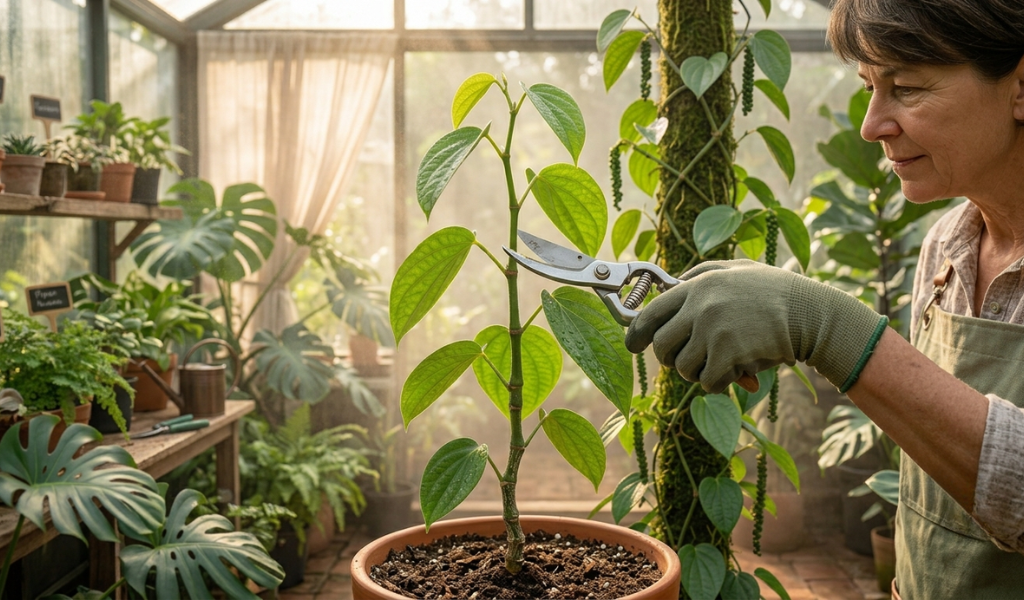
The right tool makes clean cuts that heal quickly. Sharp pruning shears or snips are ideal for most pepper pruning tasks. Avoid tearing or pinching branches by hand unless you’re dealing with very young, tender growth blunt force damages the surrounding tissue and creates an entry point for disease.
For thick main stems, use bypass pruners. For lighter trimming—suckers, soft side shoots, and lower leaves small garden snips or even clean scissors work well.
Sanitizing Tools to Prevent Disease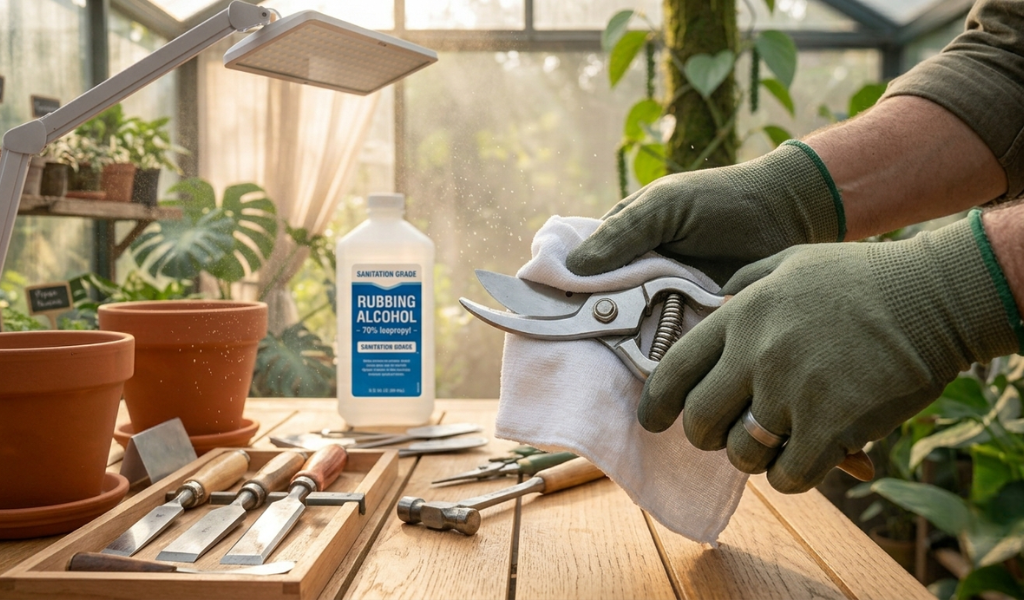
Before you prune your pepper plants, wipe your blades with rubbing alcohol or a diluted bleach solution. This prevents the spread of disease from one plant to another, particularly bacterial and fungal infections that can travel on blade surfaces. Clean your tools between plants if you notice any signs of disease on the foliage.
Inspecting Plants for Pests and Damage
Before making a single cut, spend a minute inspecting the plant. Look under leaves for aphids, spider mites, or thrips. Check stems for discoloration, spots, or unusual texture. Identifying a problem before you prune helps you make better decisions and in some cases, means you can address a pest issue before it spreads to the rest of your garden.
How to Prune Pepper Plants Step by Step
Remove Dead, Yellow, or Diseased Leaves
Start every pruning session by removing any foliage that’s clearly not healthy. Yellow leaves, spotted leaves, and fully dead branches should come off first. This is low-risk pruning you’re removing growth the plant has already abandoned, and you’re reducing places where disease and pests can hide.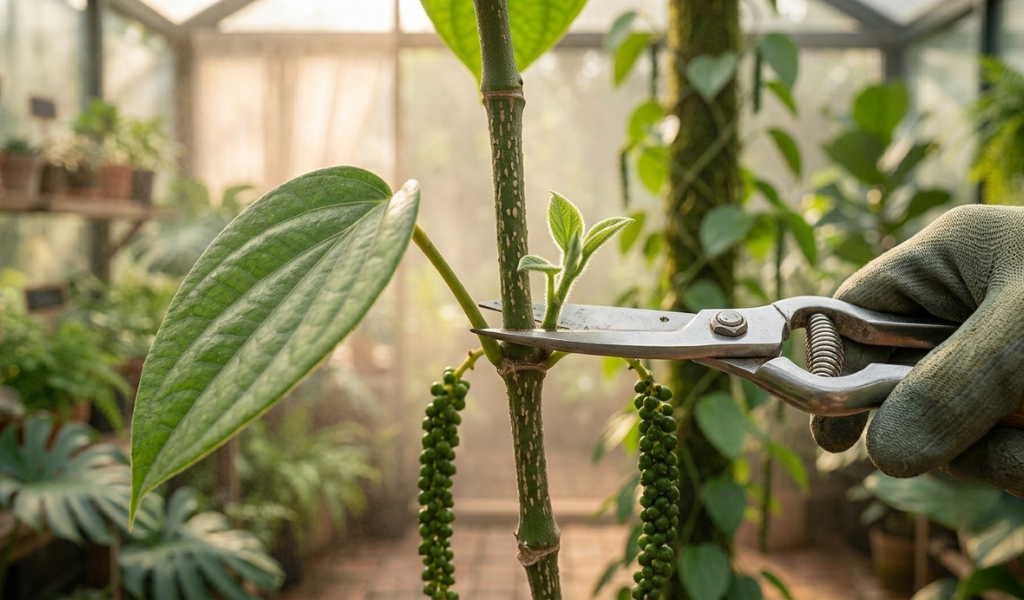
Trim Suckers and Weak Side Shoots
A sucker is a shoot that grows from the junction between the main stem and a branch. Left unchecked, suckers divert energy without producing much fruit. Pinch or snip them off when they’re still small, less than an inch of growth before they become established.
Weak side shoots that grow at sharp downward angles or from very low on the stem are also good candidates for removal. Focus on keeping growth that’s upright, strong, and well-positioned.
Prune Lower Leaves to Improve Air Circulation
Bottom pruning is one of the most practical pruning techniques for pepper plants growing in humid conditions. Removing the lower few sets of leaves within four to six inches of the soil—reduces the risk of soil-borne disease splashing up onto foliage during watering or rainfall.
Leave at least four to six sets of healthy leaves above the cut to ensure the plant still has plenty of photosynthetic capacity.
Shape the Plant for Maximum Sunlight Exposure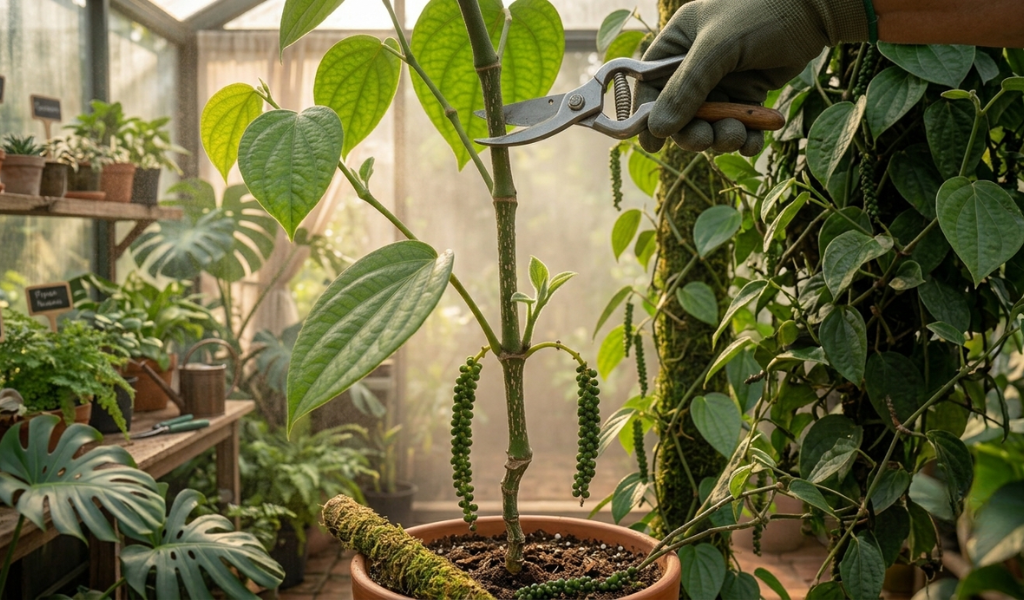
Once you’ve removed the obvious problem areas, step back and look at the overall plant. The goal is an open, balanced shape where sunlight reaches as much of the interior as possible. Trim branches that are crossing each other or growing toward the center, and shorten any that are drooping under their own weight.
How Many Times Should You Prune?
There’s no single right answer, but a general rule is to prune lightly every two to three weeks during the active growing season. Heavy pruning sessions where you remove more than a third of the plant at once should be limited to once or twice per season, such as the initial topping and the end-of-season cutback.
The more often you check on your plants, the easier each pruning session becomes. Small, frequent trims are far less stressful for the plant than occasional heavy cuts.
Growing Peppers Indoors Hydroponically
Growing indoors gives you control over light, temperature, and humidity all of which affect how often and how aggressively you need to prune. Peppers grown under grow lights tend to stretch toward the light source, making topping and shaping especially important for maintaining a compact, productive structure.
In a hydroponic setup, nutrients are delivered directly to the roots, which means plants can grow faster than they would in soil. Faster growth means more frequent pruning sometimes every one to two weeks to keep the plant’s energy focused on fruit production.
When growing peppers indoors, good airflow is even more critical. Without natural wind and outdoor air movement, humidity builds up around dense foliage and creates ideal conditions for mold and mildew. Pruning regularly, combined with a small fan for circulation, keeps things in check.
Tips and Tricks With Pruning
A few practical habits make the whole process more effective. Always prune in the morning so that cuts have time to dry out before the cooler, damper conditions of evening. Avoid pruning during a heat wave. The combination of stress from heat and stress from pruning can set the plant back significantly.
When topping, cut just above a node (the point where a leaf or branch meets the stem). New growth emerges from nodes, so cutting above one encourages two or more new shoots from that point. The same principle applies when shaping the plant, always cut above a node rather than leaving a bare stub.
If you’re unsure about a particular branch, leave it for another week and reassess. Pruning mistakes can usually be corrected; you can always cut more, but you can’t put growth back.
Common Pruning Mistakes to Avoid
Pruning Too Early or Too Late
Pruning a seedling that hasn’t established itself yet can stunt early growth. Wait until the plant is actively growing and has at least four to six sets of true leaves before making the first cut. On the other end of the season, pruning too late after fruit has already set and temperatures are dropping can stress the plant without giving it time to recover.
Removing Too Much Foliage at Once
Taking more than a third of the plant’s foliage in one session is one of the most common and damaging mistakes. Leaves are the plant’s energy source. Remove too many at once, and the plant struggles to recover, often stalling fruit production for weeks.
Cutting Healthy Flowering Branches
It might be tempting to reshape the plant by removing a branch that’s in the wrong spot, but if that branch has flowers or developing fruit, think twice. Early in the season when you’re trying to establish structure before fruit sets, cutting these is acceptable. Once the plant is in full production, leave flowering branches alone.
Using Dirty or Dull Cutting Tools
Dull blades crush tissue instead of cutting cleanly. Dirty blades carry disease between cuts. Neither outcome is good for the plant. Keep your pruning shears sharp and sanitized, and they’ll reward you with clean, fast-healing cuts all season long.
Caring for Pepper Plants After Pruning
Watering and Fertilizing After Pruning
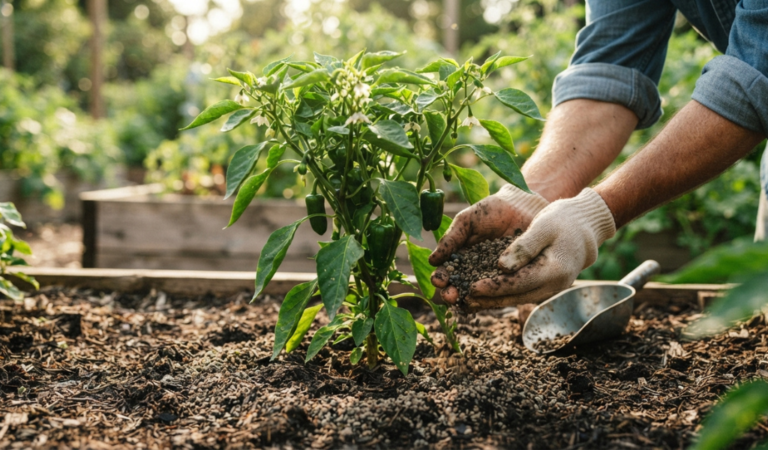
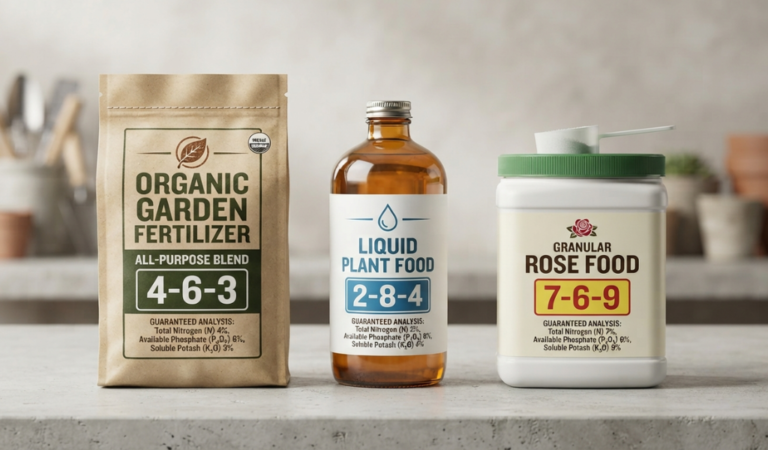
Give your pepper plant a thorough watering after each pruning session. The plant will be working to heal its cuts and push out new growth, and consistent moisture supports that process. If you fertilize regularly, a light application of a balanced fertilizer within a few days of pruning can help the plant bounce back quickly.
Monitoring for Stress and New Growth
Watch the plant closely in the days following a pruning session. Wilting, leaf curl, or slowed growth can indicate stress. Usually this passes within a few days. New shoots emerging from nodes near the cut are a good sign that the plant is responding well.
Supporting Heavy Branches as Fruit Develops
As the season progresses and peppers start to size up, branches can droop under the weight of the fruit. Use soft ties or garden clips to support heavy branches from a stake or cage. This prevents snapping and keeps the fruit off the ground, where it’s vulnerable to rot and pests.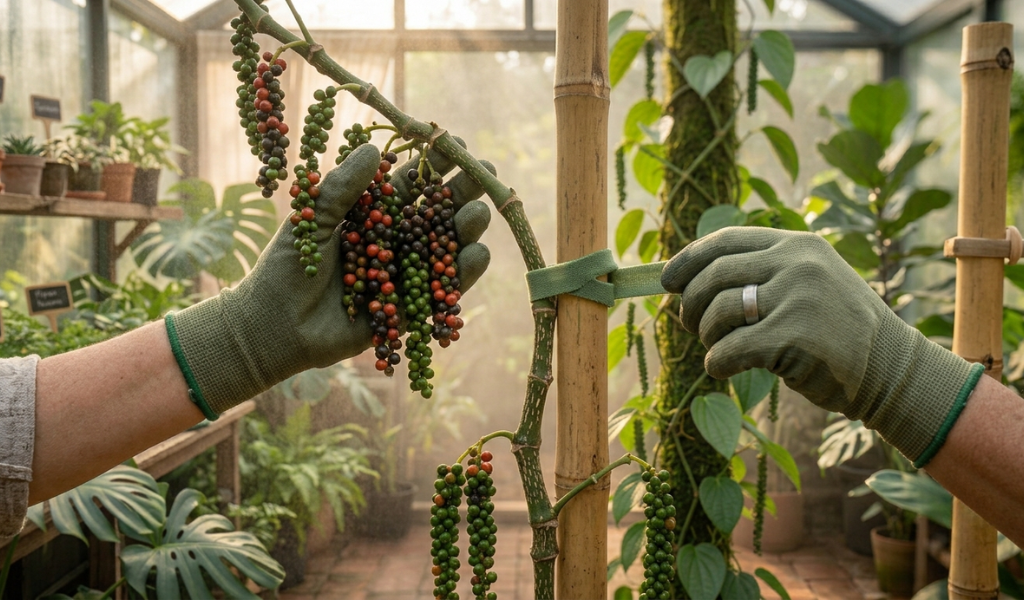
Preventing Disease After Cutting
Fresh cuts are entry points for disease, particularly in wet conditions. After pruning, avoid overhead watering for a day or two to let the cuts dry out. If you live in a humid climate, a light application of garden sulfur or copper fungicide around the base of the plant can provide extra protection.
Your Best Pepper Season Starts Here
Pruning pepper plants isn’t complicated, but it does require a little consistency and attention to detail. The plants that produce the most fruit are almost always the ones that have been shaped, topped, and tidied throughout the season not left to grow however they please.
Start with clean tools, make your first topping cut when the plant reaches 12 inches, and check on your plants every couple of weeks from there. Each small pruning session adds up to better airflow, stronger structure, and by the end of the season a noticeably better harvest.
Frequently Asked Questions
Should You Prune All Types of Pepper Plants?
Most pepper varieties benefit from at least some pruning, but the extent varies. Large-fruited types like bell peppers need more structural shaping, while compact ornamental varieties may only need occasional light trimming. If in doubt, start conservatively—remove dead or damaged growth first, then reassess.
How Often Should You Prune Pepper Plants?
Light maintenance pruning removing suckers, yellow leaves, and crossing branches—can be done every two to three weeks during the growing season. Reserve heavy pruning sessions, like initial topping or end-of-season cutbacks, for once or twice per season.
Can Pruning Increase Pepper Yield?
Yes. When done correctly, pruning redirects the plant’s energy away from excess foliage and toward fruit production. Topping in particular encourages bushier growth with more fruiting sites, which generally translates to a higher overall yield.
Should You Remove Pepper Flowers?
Early in the season, pinching off the first set of flowers sometimes called “flower topping” encourages the plant to put more energy into root and stem development before it starts producing fruit. This can lead to a stronger plant and better overall production later in the season. Once the plant is well established, leave flowers to develop into peppers.
Is It Safe to Prune Potted Pepper Plants?
Absolutely. Container-grown pepper plants benefit from the same pruning techniques as garden plants. Topping keeps them compact and manageable, and removing lower leaves reduces disease risk in the confined soil environment. Just be mindful that potted plants can dry out faster after pruning—check soil moisture more frequently.
What Happens If You Never Prune Pepper Plants?
Unpruned pepper plants can still produce fruit, but they’re often less productive and more vulnerable to disease. Without pruning, plants tend to develop weak, crowded branches, poor airflow, and uneven light distribution all of which work against a good harvest.
Can You Prune Pepper Plants During Fruiting?
Light maintenance pruning is fine during fruiting. Remove suckers, yellow leaves, and damaged foliage as needed. Avoid heavy structural cuts while the plant is in full fruit production, as this can cause the plant to drop developing peppers.