Vegetable Container Plants: Best Vegetables to Grow in Pots
Vegetable Container Plants: A Complete Beginner’s Guide
Not everyone has a big backyard to dig into, and that is exactly why vegetable container plants have become such a popular way to grow fresh food at home. All you really need is a pot, some good soil, and a sunny spot on a porch, balcony, or patio. Whether you live in an apartment or just want an easier way to garden, container growing makes fresh vegetables possible almost anywhere.
If you have ever read our guide on Small Space Vegetable Gardening: Easy Ideas for Growing More, you already know that limited space does not have to limit your harvest. This article takes that idea further and focuses specifically on container growing, covering everything from picking the right pots to keeping your plants healthy all season long.
What Are Vegetable Container Plants?
Vegetable container plants are simply vegetables grown in pots, buckets, grow bags, or any other type of container instead of directly in garden soil. This method gives you full control over the growing environment, since you choose the soil, the container size, and exactly where the plant sits throughout the day.
This style of gardening works well for people with small yards, shaded lawns, or no ground space at all. A container garden can sit on a porch, a rooftop, a balcony, or even a sunny doorstep. It is also a smart choice for renters who want to garden without digging up someone else’s property, since everything can be packed up and moved whenever needed.
Benefits of Growing Vegetables in Containers
There are quite a few reasons gardeners, both new and experienced, choose containers over traditional garden beds. One of the biggest advantages is control. Since you are not dealing with existing yard soil, you avoid problems like poor drainage, rocky ground, or soil that is full of weed seeds.
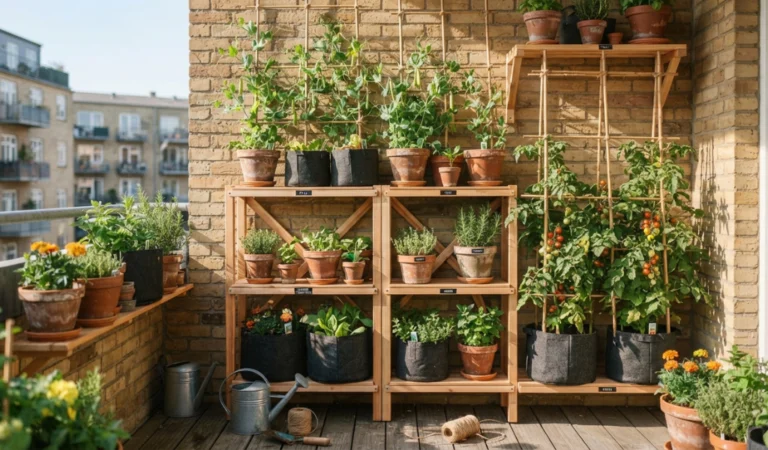
Containers are also easier on the body. There is far less bending and kneeling involved, especially if you raise pots up on stands or shelves, which makes this a great option for people with back or knee issues. Pest control tends to be simpler too, since container plants are easier to inspect closely and treat if bugs show up.
Another underrated benefit is flexibility. If a plant is not getting enough sun in one spot, you can simply move the container somewhere brighter. This kind of flexibility is nearly impossible with an in ground garden bed, and it can make a real difference in how well your vegetables grow, especially early in the season when sunlight patterns can be unpredictable.
Finally, containers help keep things tidy. Weeds are far less of a problem, watering is more targeted, and there is no need for tilling or turning soil year after year.
Best Vegetables for Container Gardening
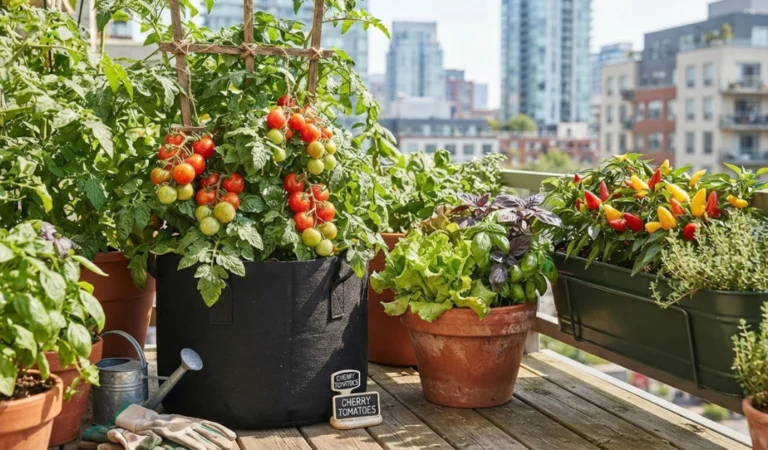
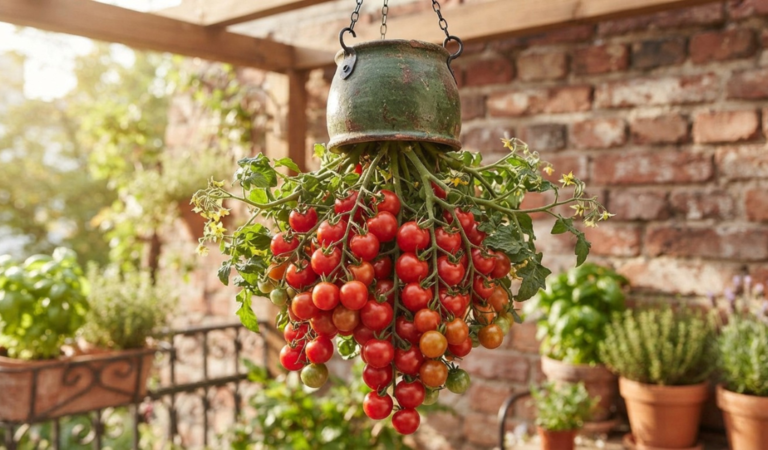
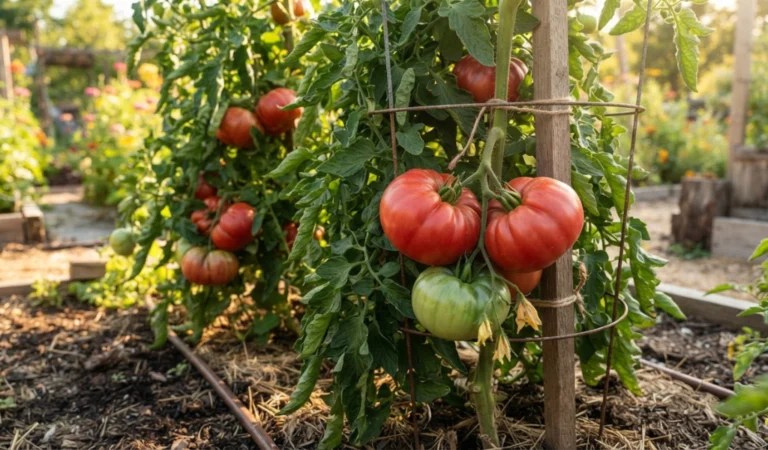
Not every vegetable is suited for container life, but plenty of popular ones do wonderfully in pots. Tomatoes are probably the most common choice, and compact or determinate varieties tend to perform best since they do not sprawl out as much as their full sized cousins.
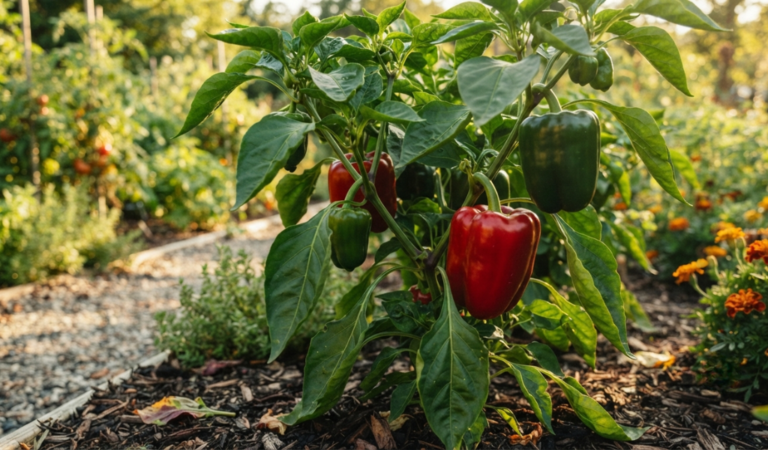
Peppers, both sweet and hot, are another reliable pick. They stay fairly compact and actually tend to enjoy the way containers warm up in the sun. Leafy greens like lettuce, spinach, and kale are excellent beginner vegetables since they grow fast, do not need deep pots, and can be harvested a little at a time.
Herbs deserve a mention too, even though they are technically not vegetables. Basil, parsley, and chives thrive in containers and pair nicely alongside vegetable plants, often sharing the same pot without any trouble.
For anyone wanting a bit more variety, bush beans, radishes, and dwarf cucumber varieties all grow well in containers, especially when paired with a small trellis or stake for support. Root vegetables like carrots can work too, as long as the container is deep enough to give the roots room to grow straight down.
How to Choose the Right Containers
Picking a good container is one of the most important decisions in this whole process, since the wrong size or material can hold your plants back no matter how well you care for them otherwise.
Container Size and Depth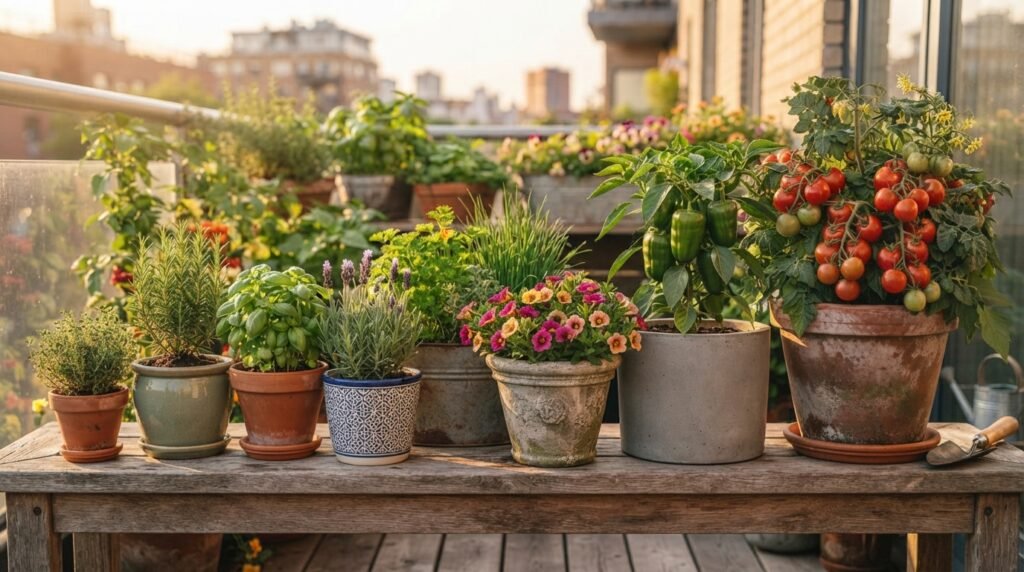
Different vegetables need different amounts of room. Shallow rooted plants like lettuce and herbs can do fine in a pot around six to eight inches deep. Tomatoes, peppers, and other larger vegetables need something closer to twelve to eighteen inches deep, along with enough width for the roots to spread out comfortably.
A container that is too small will stunt growth and dry out constantly, while a properly sized pot gives roots the room they need to support a healthy, productive plant.
Material Matters
Containers come in plastic, terracotta, fabric, wood, and even metal, and each material behaves differently. Plastic pots hold moisture longer, which is helpful in hot or dry climates. Terracotta looks great and breathes well, but it dries out faster and may need more frequent watering.
Fabric grow bags have gained popularity recently because they drain extremely well and encourage healthier root systems through a process called air pruning. Wooden containers offer a natural look but will eventually break down over time, especially with constant exposure to moisture.
Drainage Is Non Negotiable
No matter what container you choose, drainage holes are absolutely essential. Without them, water collects at the bottom, roots sit in soggy soil, and root rot becomes almost guaranteed. If you fall in love with a container that does not have holes, drilling a few into the bottom takes only a few minutes and can save your plants down the road.
Choosing the Best Soil for Container Vegetables
Soil is where a lot of beginners go wrong, mostly because it feels natural to just scoop some dirt from the yard and fill up a pot. Unfortunately, regular garden soil is usually too dense for containers and tends to compact quickly, which chokes out root growth and drainage.
A good quality potting mix is the better option. These mixes are formulated to stay light and airy, allowing roots to breathe while still holding enough moisture to keep plants hydrated. Adding compost to the mix gives an extra boost of nutrients, and a common ratio that works well is about seventy percent potting mix combined with thirty percent compost.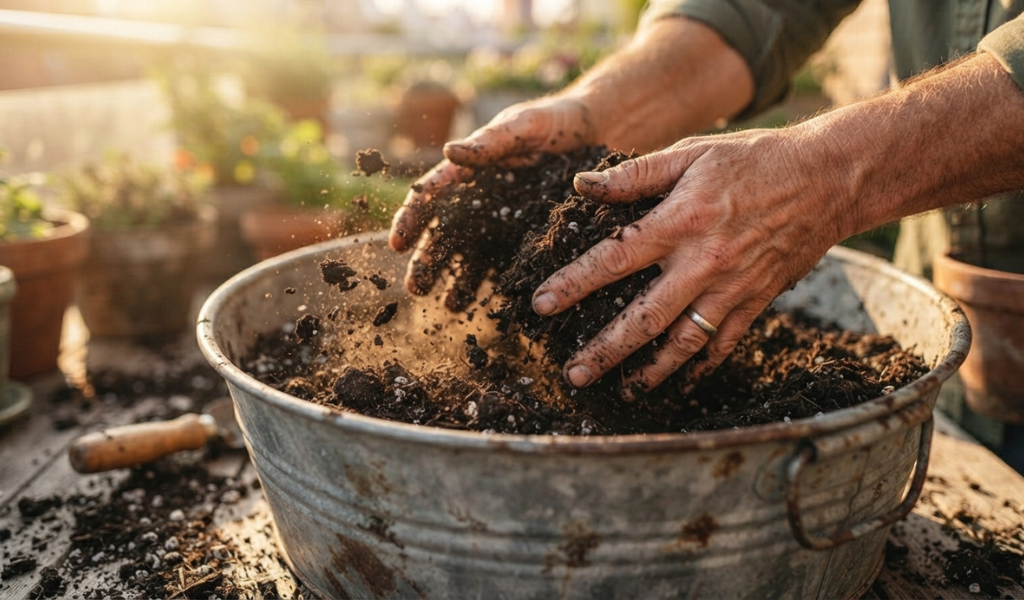
Some gardeners also like to mix in a slow release fertilizer at planting time, which feeds the plant gradually over several weeks without the need for constant reapplication. Refreshing or replacing the soil every year or two is also a smart habit, since nutrients get used up and the soil structure naturally breaks down with repeated watering.
Watering and Fertilizing Container Plants
Container plants dry out faster than those growing in the ground, simply because there is less soil to hold onto moisture. During hot summer days, daily watering is often necessary, and sometimes even twice a day for smaller pots sitting in direct sun.
A simple way to check if watering is needed is to stick a finger about an inch into the soil. If it feels dry at that depth, it is time to water.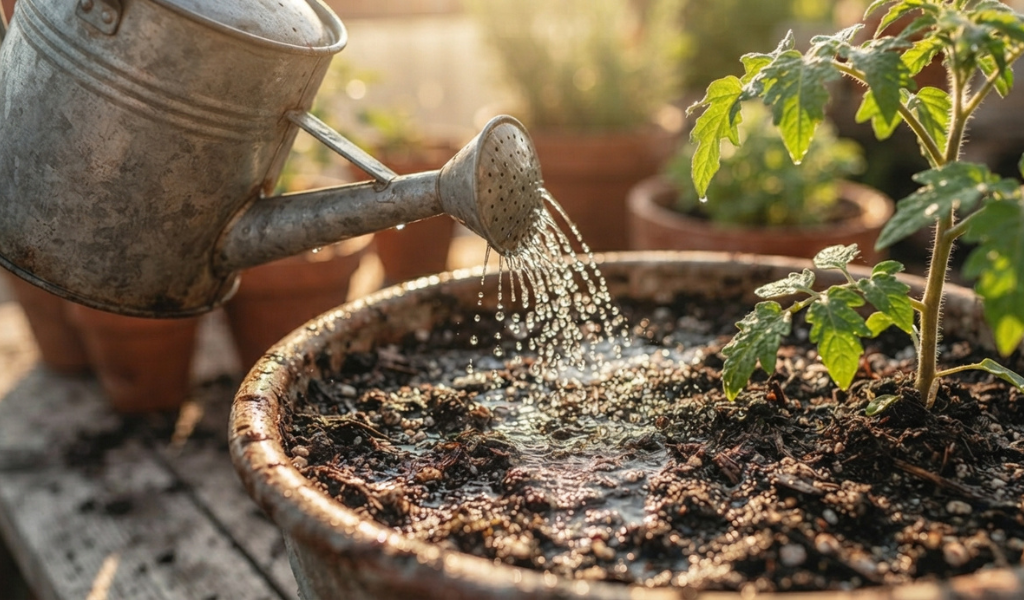
When you do water, soak the soil thoroughly until water runs out from the drainage holes, rather than giving a light splash that only wets the surface.
Because nutrients wash out of containers more easily than garden beds, regular fertilizing keeps plants healthy and productive. A balanced liquid fertilizer applied every two to three weeks usually works well for most vegetables. Heavy producers like tomatoes and peppers often benefit from slightly more frequent feeding once they start setting fruit, since they are pulling a lot of energy from the soil to support their growing harvest.
Real Life Example: A Small Patio Container Garden
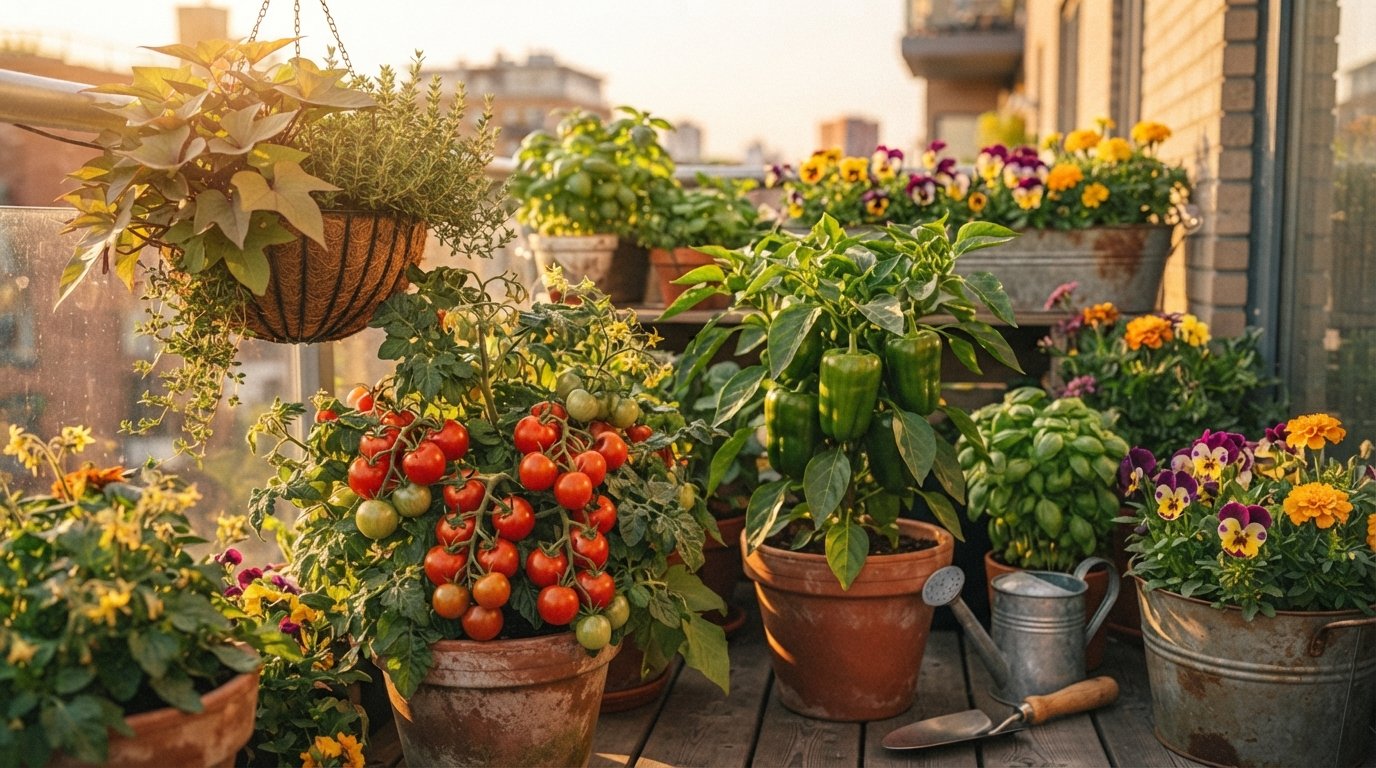
Picture a modest patio with just enough room for a few pots along one sunny wall. A gardener here might place two large containers with cherry tomatoes at the back, each with a simple stake for support as the plant grows taller. In front of those, medium sized pots hold peppers and bush beans, taking advantage of the same bright afternoon sun.
Along the edge, a row of smaller pots filled with lettuce, basil, and radishes rounds out the setup, offering quick harvests throughout the season while the tomatoes and peppers take their time to mature. This kind of simple, layered layout shows how a handful of well chosen containers can produce a genuinely satisfying harvest, even without a traditional garden bed anywhere in sight.
Common Container Gardening Mistakes
Even enthusiastic gardeners run into a few recurring problems, and knowing about them ahead of time can save a lot of trial and error.
Overwatering is one of the most common issues, often coming from good intentions but ending in root rot. It is easy to assume a plant needs water every day, but checking the soil first prevents this from becoming a habit that harms your plants.
Choosing the wrong container size trips up a lot of beginners as well. Planting a tomato in a small herb pot, for example, almost guarantees a stressed, underperforming plant. Always match the container size to how large the mature vegetable plant will actually become.
Skipping drainage holes is another frequent mistake, especially when gardeners fall in love with a decorative pot that was not originally designed for plants. Poor drainage leads to soggy soil, and soggy soil leads to unhappy roots.
Finally, many people underestimate how much sun their containers actually need. A spot that looks sunny in the morning might fall into shade later in the day, so it helps to watch your space for a full day before settling on a permanent layout.
Tips for a More Productive Container Garden
A few small habits can make a noticeable difference in how well your vegetable container plants perform throughout the season. Rotating containers occasionally helps plants get even sunlight on all sides, especially for pots sitting near a wall where one side naturally gets more light than the other.
Mulching the top of the soil with straw or bark helps retain moisture and reduces how often you need to water, particularly during the hottest stretches of summer. Grouping containers together can also help, since plants create a bit of shared humidity that slows down evaporation compared to pots sitting alone and exposed.
Keeping a simple routine, checking soil moisture each morning, watching for pests, and trimming back any yellowing leaves, goes a long way toward keeping plants healthy without turning gardening into a stressful chore.
Final Thoughts on Vegetable Container Plants
Growing vegetable container plants proves that a full sized garden bed is not a requirement for fresh, homegrown food. With the right container, good soil, and a sunny spot, you can grow everything from juicy tomatoes to crisp lettuce on a patio, balcony, or even a small doorstep.
Start with just a few pots, learn what works in your space, and expand from there as you gain confidence. Once you taste a tomato you grew yourself in a simple container, it becomes very hard to go back to store bought produce, no matter how small your growing space might be.
Frequently Asked Questions
What vegetables grow best in containers?
Tomatoes, peppers, lettuce, radishes, and herbs like basil and parsley are among the easiest and most reliable choices for vegetable container plants.
How deep should a container be for vegetables?
Shallow rooted plants like lettuce need about six to eight inches of depth, while larger vegetables like tomatoes and peppers need at least twelve to eighteen inches.
Can I use regular garden soil in containers?
It is best to avoid it. Garden soil compacts too easily in pots and drains poorly. A quality potting mix, ideally blended with some compost, works much better.
How often should I water container vegetables?
Check the soil daily, especially in hot weather. Water thoroughly whenever the top inch feels dry, since containers dry out faster than garden beds.
Do container vegetables need more fertilizer than garden vegetables?
Yes, generally. Nutrients wash out of containers more quickly, so regular feeding every two to three weeks helps plants stay healthy and productive.
What is the best container material for vegetables?
It depends on your climate. Plastic holds moisture longer, terracotta breathes well but dries faster, and fabric grow bags offer excellent drainage and healthy root growth.
Can I grow vegetables in containers without a garden or yard?
Absolutely. A sunny balcony, patio, or even a doorstep is enough space to grow a productive container garden, making it a great option for renters and apartment dwellers.