What Size Grow Bag for Tomatoes: A Comprehensive Guide to Growing Tomatoes in Grow Bags
What Size Grow Bag for Tomatoes: The Right Size Grow Bag for Healthy Plants
If you have ever stood in a garden store staring at a wall of fabric containers wondering which one to grab, you are not alone. Choosing the right size grow bag for tomatoes is one of the most common questions gardeners ask. The right size gives tomato roots enough room to grow, supports healthy plants, and helps maintain consistent moisture throughout the season. This comprehensive guide explains how to choose the best size grow bag for tomatoes based on the variety you plan to grow. Whether you are growing compact cherry tomatoes, determinate varieties, or large indeterminate plants, choosing the right container can make a noticeable difference.
You will learn how grow bag size affects root development, watering, plant growth, and fruit production. We will also cover practical tips for growing tomatoes in grow bags, including drainage, soil depth, sunlight, and proper care. By choosing the right size grow bag from the beginning, you can give your tomato plants a stronger foundation for a productive and healthy growing season.
Understanding Tomato Growth Patterns and Space Requirements
Before you can answer the question of what size grow bag for tomatoes is right for you, it helps to understand how a tomato plant actually grows. Tomatoes move through several tomato growing stages, starting as tiny seedlings, then developing into leafy vegetative plants, followed by flowering, fruit set, and finally ripening. Each stage places different demands on the root system, and the container you choose needs to support the plant through all of them, not just the first few weeks.
A tomato seedling in a small pot might look perfectly happy, but as it moves through its growing stages it will quickly outgrow a container that is too small. This is why so many gardeners end up disappointed with weak, yellowing plants that never produce much fruit. The size grow bag you start with often determines how far your plant can go.
The Science Behind Root Development
Tomato roots are aggressive growers. Left in the ground, a single indeterminate tomato plant can send roots down two to three feet and spread just as wide. When you grow tomatoes in grow bags, you are essentially giving the plant a limited version of that natural environment, so the size grow bag for tomatoes needs to offer enough volume for the roots to branch out, absorb nutrients, and hold moisture between waterings.
Fabric grow bags have an added benefit here called air pruning. When roots reach the fabric wall, they are exposed to air and stop growing outward. Instead of circling the container like they would in a plastic pot, they branch off and create a denser, healthier root mass. This is one reason fabric grow bags are often recommended over plastic grow bags for tomato growing, since a denser root system usually means a stronger, more productive plant.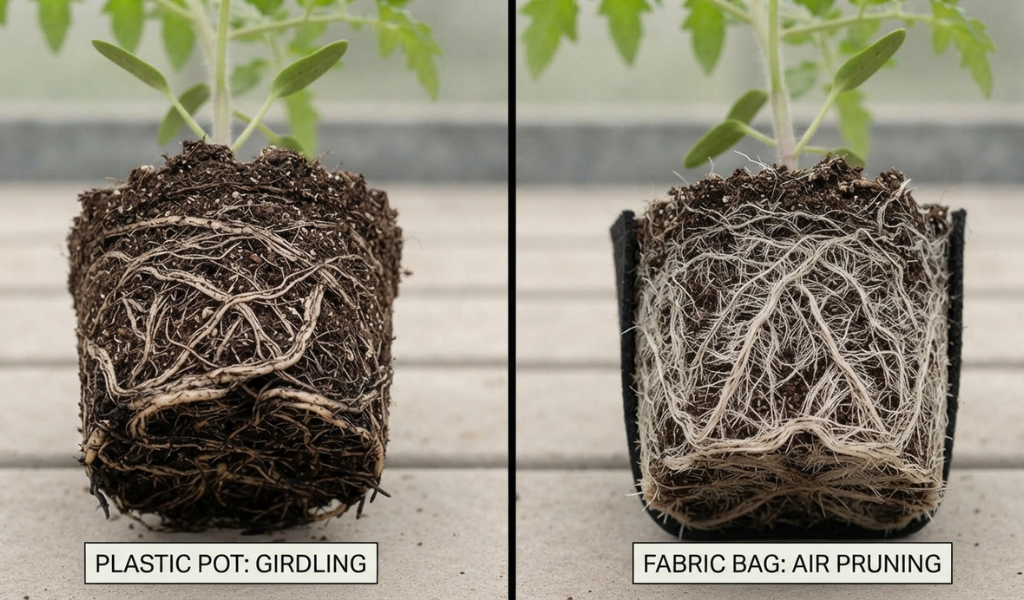
Factors Influencing Container Size Selection
Several things influence how big a container you actually need. Variety type is the biggest factor, since determinate and indeterminate tomatoes have very different growth habits. Climate matters too, because in hot regions a larger volume of potting mix holds moisture longer and protects roots from heat stress. Your watering schedule, the amount of sunlight available, and even how much space you have on a patio or balcony all play a role in determining the ideal size grow bag for tomatoes for your particular setup.
Factors To Consider When Selecting Grow Bag Sizes
Picking the correct grow bag size is not just about grabbing the biggest bag you can find. While bigger often means more room for roots, it also means more soil to keep moist, more weight to move, and more cost. When you are trying to figure out the right size grow bag for tomatoes, think about the mature size of the variety you are planting, whether it is a compact patio type or a sprawling vine that needs staking.
Consider your growing environment as well. A rooftop garden with strong wind exposure might call for a slightly smaller, more stable bag, while a sheltered backyard can handle a taller container. Root system size is directly related to bag size, so if you know your tomato varieties are heavy feeders with extensive roots, err on the side of a larger grow bag. Finally, always think about drainage. Tomatoes need at least 8 hours of sunlight and well-draining soil, and a properly sized grow bag with good fabric construction supports both of these needs far better than a container that is too tight or made from low-quality material.
Best Grow Bag Sizes for Different Tomato Varieties
There is no single answer to what size grow bag for tomatoes works for every plant, because tomato varieties differ so much in size and habit. As a general guideline, cherry tomato plants and other compact varieties do well in a 5 gallon grow bag or slightly larger, while full-sized determinate tomatoes usually need a 10 gallon grow bag. Indeterminate varieties, which keep growing and producing all season, perform best in a 15 gallon grow bag or a 20 gallon grow bag, giving their extensive root system plenty of room to develop.
Beefsteak tomatoes and other large-fruited indeterminate types are especially demanding, since they put a lot of energy into producing big fruit. For these, a 20 gallon grow bag or larger is often the safest choice. Matching the size grow bag for tomatoes to the specific variety you are growing is the single best thing you can do to set your plants up for success.
Determinate vs. Indeterminate: Size Requirements Explained
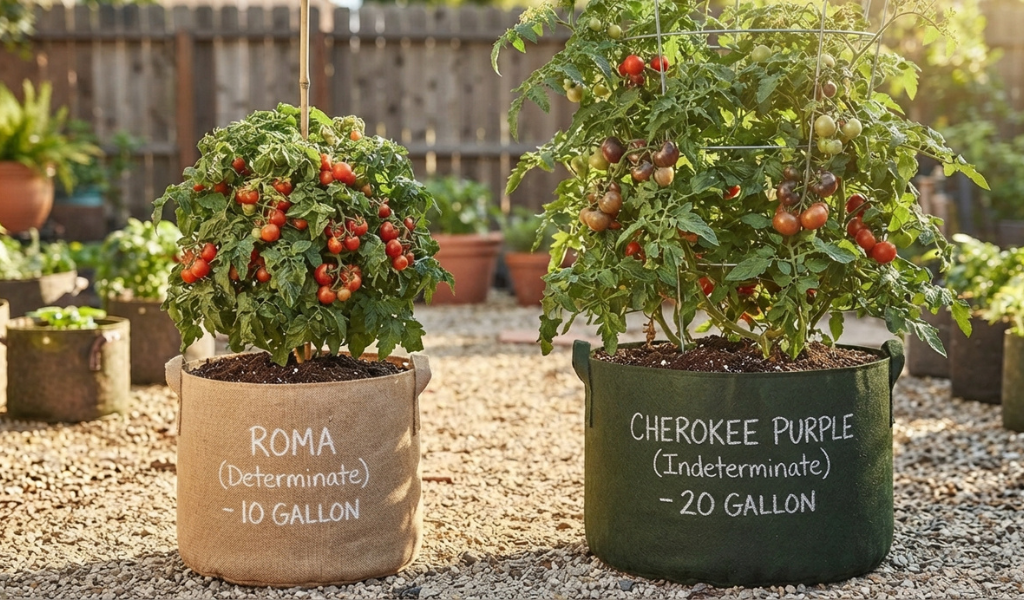
Understanding the differences between determinate and indeterminate tomatoes is essential when deciding on bag size. Determinate tomatoes grow to a set height, produce their fruit within a shorter window, and then stop growing. Indeterminate tomato varieties, on the other hand, keep growing taller and producing fruit until frost kills them off. This difference has a big impact on the size grow bag for tomatoes you should choose.
 Determinate Tomatoes: Compact Container Options
Determinate tomato varieties have a compact size with a bushy appearance, which makes them a great fit for smaller grow bags. A 10 gallon grow bag is usually enough for most determinate types, since their root system does not need to support months of continuous new growth. Many patio and container tomato varieties fall into this determinate category, making them a popular choice for gardeners with limited space who still want a reliable harvest.
Indeterminate Tomatoes: Maximum Space Requirements
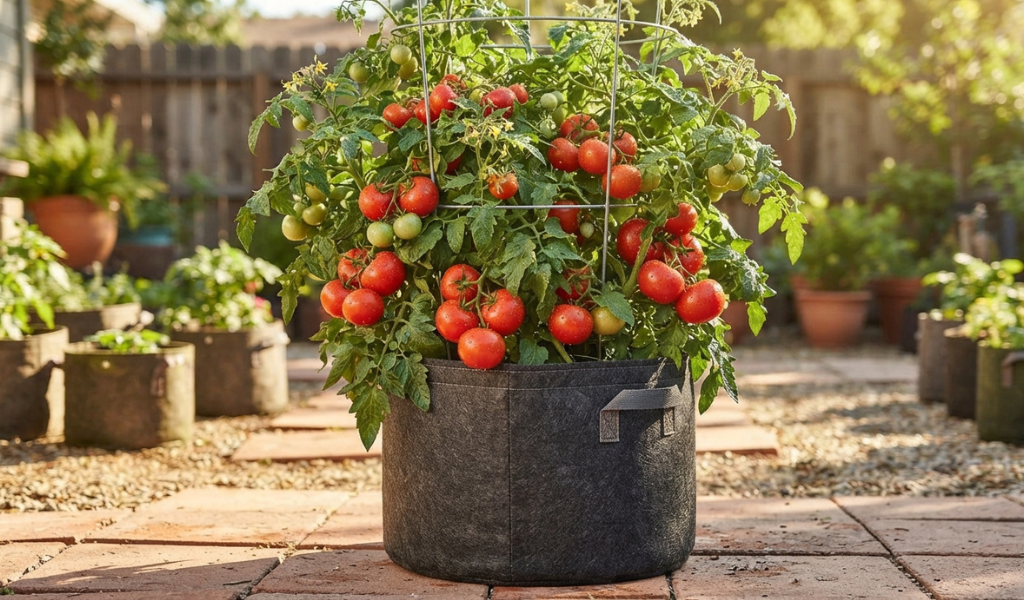
Indeterminate tomato plants require more room both above and below the soil line. Because they continue producing new stems, leaves, and fruit clusters throughout the season, their root system needs a much larger reservoir of soil and nutrients. A 15 gallon grow bag is the minimum for most indeterminate varieties, and many experienced growers prefer a 20 gallon grow bag or larger to really let the plant thrive. If you plan to use traditional tomato cages or a tall stake system alongside your grow bag, make sure the container is also wide and heavy enough at the base to stay stable as the plant grows tall.
Cherry Tomatoes: Special Considerations
Cherry tomato plants are a bit of an exception. While many cherry varieties are technically indeterminate and can grow quite tall, their root systems tend to be less demanding than large beefsteak types. You can often grow tomatoes in 5-gallon buckets or grow bags for cherry varieties with good results, though moving up to a 7 or 10 gallon grow bag will give you larger plants and a heavier harvest over the season.
Professional Size Recommendations by Category
To make things simple, it helps to break grow bag sizing down into three broad categories based on gallon capacity. These categories give you a quick reference point whenever you are asking yourself what size grow bag for tomatoes fits your situation.
Small Space Solutions (5-7 Gallons)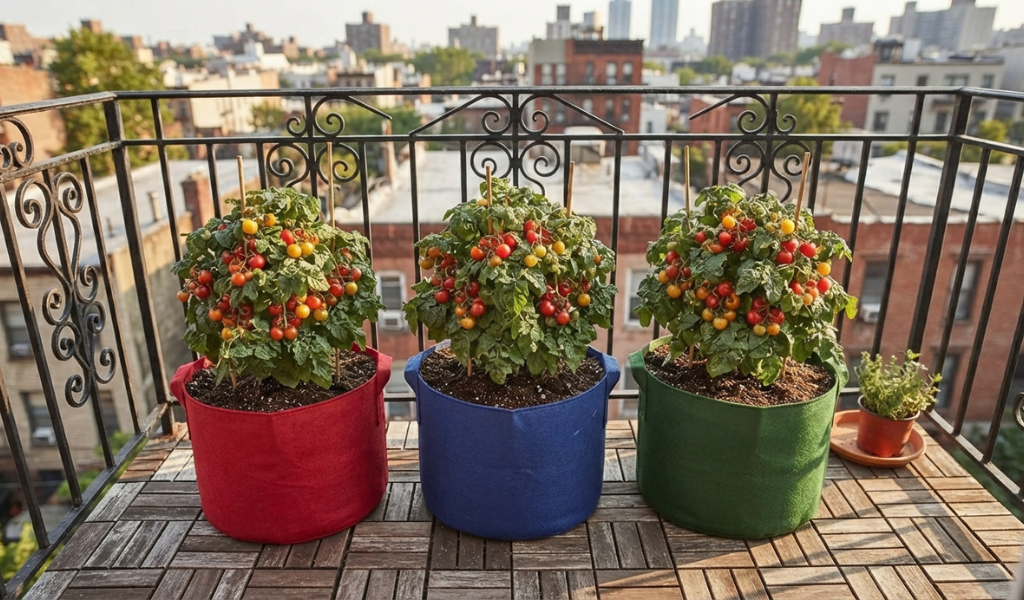
A 5 gallon grow bag is best suited for compact determinate varieties, cherry tomatoes, or gardeners who are short on space, such as those growing on a balcony or small patio. While tomatoes in 5-gallon containers can absolutely produce fruit, keep in mind that smaller grow bags dry out faster and need more frequent watering, especially during hot summer days.
Mid-Range Options (10-15 Gallons)
For most home gardeners, a 10 gallon grow bag or 15 gallon grow bag hits the sweet spot. This range works well for the majority of determinate tomatoes and many moderately sized indeterminate varieties. It offers a good balance between root space, soil volume, weight, and practicality, which is why this size range is often recommended as the best grow bag size for tomatoes for general use.
Premium Large Containers (20+ Gallons)
If you are growing large indeterminate varieties, beefsteak tomatoes, or want maximum production from a single plant, a 20 gallon grow bag or larger is worth the investment. These bigger containers hold more moisture, support extensive root systems, and can sustain a tomato plant through an entire long growing season without the roots becoming cramped.
Practical Considerations for Size Selection
Beyond gallon capacity, there are practical details that affect how well a grow bag performs, and these matter just as much as the number printed on the tag.
Container Dimensions and Shape Importance
Two bags with the same gallon rating can have very different shapes. A shorter, wider bag spreads roots horizontally, while a taller bag encourages deeper root growth. For tomatoes, a depth of at least 15 inches is generally recommended, since it allows the taproot and lateral roots enough vertical room to establish a stable, healthy structure.
Weight and Mobility Factors
Once filled with potting mix and watered, even a mid-sized grow bag can weigh forty pounds or more, and a full 20 gallon grow bag can weigh well over sixty pounds. If you need to move your containers to chase sunlight or bring them indoors before a frost, factor this weight into your decision. Some gardeners choose slightly smaller grow bags specifically because they are easier to relocate during the season.
Soil Volume Economics
Larger grow bags need more potting mix, which means a higher upfront cost. However, more soil volume also means more nutrient reserves and better moisture retention, which can reduce how often you need to fertilize or water. When you weigh the cost of soil against the benefit of healthier, more productive plants, a slightly larger size grow bag for tomatoes often pays for itself in a better harvest.
Container Material and Quality Considerations
The material your grow bag is made from affects drainage, durability, and root health just as much as the size does.
Why Fabric Beats Plastic
Fabric grow bags are made from breathable, porous material that allows excess water to drain and air to reach the root zone. This reduces the risk of root rot, a common problem in plastic grow bags where water can pool at the bottom. The air pruning effect mentioned earlier only happens with fabric, making these bags a favorite among tomato growers who want a dense, healthy root system.
Professional-Grade Features
Higher quality fabric bags often include reinforced handles for easier moving, sturdy stitched seams that resist tearing, and a thicker fabric that stands up to UV exposure over multiple seasons. Since grow bags can be reused year after year if properly cared for, investing in a well-made bag is often more economical in the long run than replacing cheap ones annually.
Installation and Setup Best Practices
Getting your grow bag ready properly makes a real difference in how well your tomato plant performs.
Soil Preparation and Filling
Fill your grow bag with a high-quality potting mix rather than garden soil, which can compact and drain poorly in a container. Leave a couple of inches of space at the top for watering, and consider mixing in compost or a slow-release fertilizer before planting. When you plant tomatoes deep, burying part of the stem, the plant will develop additional roots along the buried section, which is especially beneficial in a grow bag setting.
Support System Integration
Even compact determinate varieties often benefit from some form of support. Place a stake, cage, or trellis into the grow bag at planting time rather than after the roots have filled in, since this avoids damaging the root system later. For indeterminate varieties in larger bags, a sturdy stake driven into the ground beneath the bag, or a freestanding cage, will help keep the plant upright as it grows taller through the season.
Sizing for Specific Growing Scenarios
Different gardeners have different goals, and the ideal size grow bag for tomatoes can shift depending on your specific situation.
Beginner Recommendations
If you are new to container tomato growing, a 10 gallon grow bag is a safe and forgiving starting point. It is large enough to support most varieties without being too heavy or expensive, and it gives you some margin for error while you learn how often to water and fertilize.
Space-Constrained Growing
For balconies, rooftops, or small patios, prioritize compact determinate varieties in 5 to 7 gallon grow bags. You can still get a satisfying harvest of homegrown tomatoes even in a tight space, as long as you choose a variety that matches your container size and place the grow bag in a location that receives plenty of direct sunlight.
Production-Focused Operations
If your goal is maximum yield, whether for canning, selling at a market, or simply feeding a large family, go with 15 to 20 gallon grow bags for indeterminate varieties and give each plant its own container. One plant per bag is the standard recommendation, since overcrowding roots leads to competition for nutrients and water, ultimately reducing your overall harvest.
Maintenance and Care Adjustments
The size of your grow bag directly affects your maintenance routine. Smaller grow bags dry out faster and may need daily watering during hot weather, while larger containers can go a bit longer between waterings thanks to their bigger soil reservoir. Regardless of size, check moisture levels regularly by feeling the top inch of soil, and feed your plants with a balanced fertilizer every few weeks throughout the growing season. As your tomato plant moves through its later growing stages and begins setting fruit, increasing potassium-rich feeding can support better fruit development.
Advantages Of Using Grow Bags For Tomatoes
There are several clear advantages of using grow bags for tomatoes compared to traditional pots or in-ground planting. The breathable fabric promotes healthier root systems through natural air pruning, reducing the risk of root rot that often plagues plastic containers. Grow bags are lightweight when empty, easy to store during the off season, and can be reused for several years with proper care. They also offer flexibility, since you can move them to chase sunlight, bring them indoors during a cold snap, or rearrange your growing space as needed. For anyone using grow bags for tomatoes in a rental property or temporary garden setup, the portability alone makes them a practical choice over permanent raised beds.
Troubleshooting Size-Related Issues
If your tomato plant is wilting quickly despite regular watering, your grow bag may be too small for the variety, causing the roots to dry out faster than the plant can handle. Yellowing lower leaves and stunted growth can also signal that the root system has outgrown its container. On the other hand, if your plant seems to be putting all its energy into leafy growth with little fruit, an oversized bag paired with too much nitrogen-rich fertilizer could be the culprit. In most cases, moving up to the next size grow bag for tomatoes, or adjusting your watering and feeding schedule, resolves these common problems.
Final Thoughts
Choosing the right size grow bag for tomatoes does not need to be complicated once you understand how your specific variety grows. Compact determinate varieties are happy in smaller 5 to 10 gallon grow bags, while sprawling indeterminate varieties need the extra room that comes with a 15 or 20 gallon grow bag. Pay attention to material quality, container depth, and proper setup, and your tomato plants will reward you with a strong root system and a generous harvest of homegrown tomatoes. Whether you are just starting out or looking to improve your yields this season, matching bag size to plant type is the simplest way to grow tomatoes successfully in grow bags.
Frequently Asked Questions
Is a 10 gallon grow bag enough for tomatoes?
Yes, a 10 gallon grow bag is enough for most determinate tomato varieties and even some smaller indeterminate types. It offers a good balance of root space and manageable weight, making it one of the most commonly recommended sizes for home gardeners.
How many tomato plants can I put in a 20 gallon grow bag?
It is best to plant only one tomato plant per 20 gallon grow bag, especially for indeterminate varieties. Crowding multiple plants into one container leads to competition for nutrients, water, and light, which reduces overall fruit production.
Do tomatoes do well in a grow bag?
Tomatoes thrive in grow bags because the breathable fabric promotes healthy root development through air pruning and prevents the waterlogging that often causes root rot in plastic pots. Many gardeners find they get equal or better results compared to traditional containers.
What is the best grow bag for growing tomatoes?
A high-quality fabric grow bag with reinforced handles and sturdy stitching is generally considered the best option for growing tomatoes, since it offers superior drainage and root health compared to plastic alternatives.
Are grow bags good for tomatoes?
Yes, grow bags are good for tomatoes because they support strong root systems, offer excellent drainage, and are lightweight and reusable. They are especially useful for gardeners with limited space or those growing on patios, balconies, or rooftops.
What is the best grow bag size for tomatoes?
The best grow bag size for tomatoes depends on the variety. Determinate types do well in 10 gallon grow bags, while indeterminate varieties generally need 15 to 20 gallon grow bags for optimal root development and fruit production.
Are grow bags better than pots for growing tomatoes?
Grow bags are often considered better than plastic pots because of their breathable material, which reduces root rot and encourages a denser root system through air pruning. They are also lighter and easier to store when not in use.
Can I use 5-gallon grow bags to grow tomatoes?
Yes, you can grow tomatoes in 5-gallon grow bags, particularly for cherry tomatoes or compact determinate varieties. Just be prepared to water more frequently, since smaller containers dry out faster than larger ones.