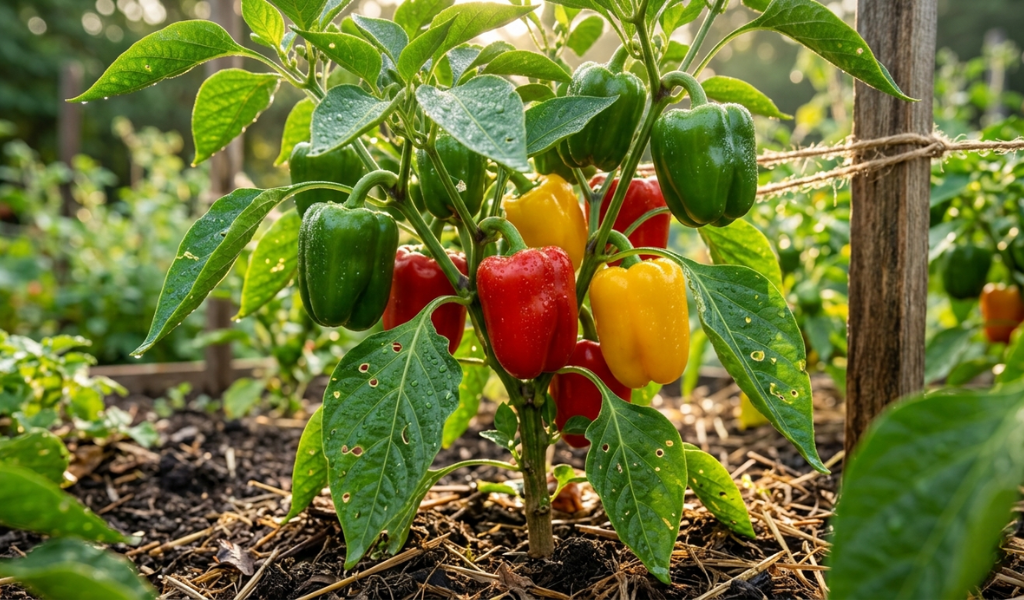
What Is Eating My Pepper Plant Leaves? Common Pepper Pests and Garden Solutions
What Is Eating My Pepper Plant Leaves? A Guide to Aphids and Pepper Pests
You walk out to your pepper garden, ready to check on your plants, and something stops you cold. The leaves are riddled with holes. Some are yellowing. A few look like they’ve been skeletonized overnight. Sound familiar?
Figuring out what is eating my pepper plant leaves is one of the most frustrating parts of growing peppers. Whether you’re growing spicy peppers, bell peppers, or hot peppers, pest problems can sneak up fast and spiral out of control before you even notice. The good news? Most pepper pests follow recognizable patterns, and once you know what you’re looking for, you can act quickly.
This guide covers the most common pepper plant pests and diseases, how to identify the damage they cause, and practical ways to protect your plants. We’ll also explain why pepper plants turning yellow even with fertilizer can happen and what may be causing the problem. Plus, you’ll learn about organic and natural treatment options, including soapy water sprays, neem oil, and biological controls like ladybugs, to help keep your pepper plants healthy, strong, and productive throughout the growing season.
One thing worth mentioning early: healthy, well-fed plants are naturally more resistant to insect damage and disease. Using a quality Liquid Fertilizer For Pepper Plants helps your plants build stronger cell walls and recover faster from pest pressure. Nutrient-deficient plants tend to attract more pests and struggle to bounce back after an infestation.
Let’s dig in.
Common Pepper Pests and Diseases That Can Kill Your Crops
There are quite a few insects and bugs that love pepper plants just as much as we do. Some feed on the leaves and stems, others get into the fruit, and a few attack peppers right at the root level. Knowing which pest you’re dealing with makes all the difference when it comes to treatment.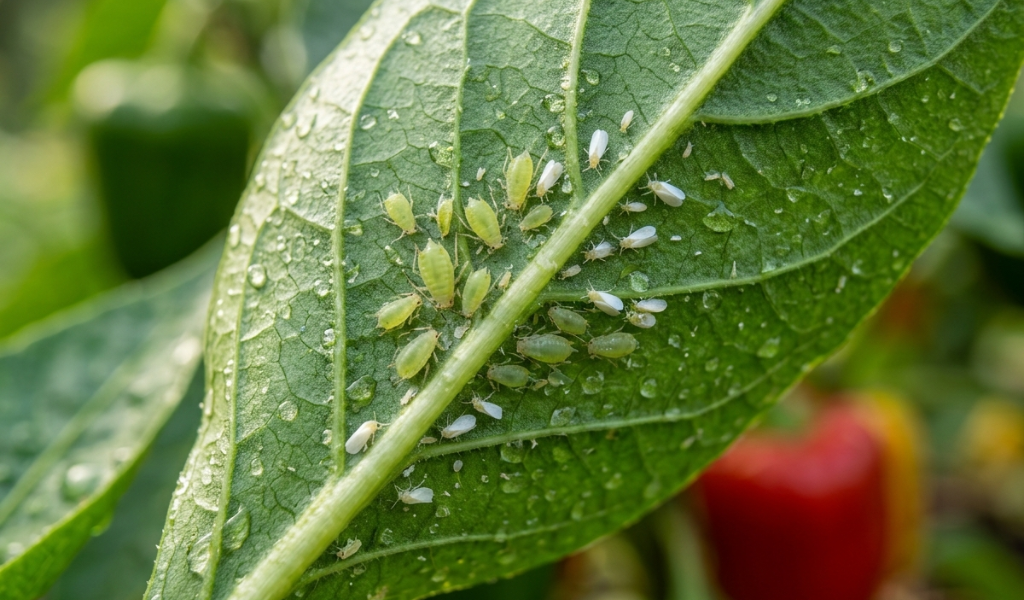
Aphids (Aphidoidea)
Aphids are one of the most common pepper plant bugs you’ll encounter. These tiny, soft-bodied insects cluster on the undersides of leaves and along stems, where they feed on plant sap. They’re usually green, yellow, black, or white, and while individual aphids are hard to see with the naked eye, a full infestation is hard to miss.
As aphids feed, they suck the nutrients right out of the plant tissue, causing leaves to curl, yellow, and eventually fall off the plant. They also excrete a sticky substance called honeydew, which encourages mold growth on the leaves and stems. If left unchecked, a large aphid infestation can seriously set back pepper production, especially on young plants and pepper seedlings.
Thrips (Thysanoptera)
Thrips are slender, fast-moving insects that feed on the leaves of your pepper plants by puncturing the surface and sucking out the contents. This causes a silvery, streaked, or stippled appearance on the leaves. Heavily infested plants may show distorted growth, scarred pepper fruits, and dropped plant flowers.
Thrips are especially damaging because they can also transmit plant viruses as they move between host plants. Hot peppers and spicy peppers tend to be just as vulnerable as bell peppers, so don’t assume your chili varieties are safe.
Whiteflies (Aleyrodidae)
Whiteflies are small, white-winged insects that gather on the undersides of leaves. Like aphids, they feed on plant sap and produce honeydew. Shake an infested plant and a cloud of tiny white insects will fly up.
Whitefly damage shows up as yellowing leaves, wilting, and reduced plant health overall. Heavy populations can cause entire leaves to drop. Whiteflies reproduce quickly, so controlling these pests early is key. They’re common in warm climates and in greenhouses, and they’ll happily move from tomato plants to pepper plants without hesitation.
Armyworms (Spodoptera)
Armyworms are the larvae of certain moth species and they are serious garden pests. They chew on the leaves aggressively, often moving in large numbers from plant to plant. Young armyworm larvae tend to feed on the surface of leaves, while older larvae chew clean through them, leaving ragged, irregular holes.
These pests are most active at night, which is why you might notice damage in the morning but not spot any insects during the day. Check the undersides of leaves and the soil around the base of the plant to find them.
Corn Borers (Ostrinia nubilalis)
The European corn borer doesn’t limit itself to corn. These larvae will also infest pepper plants, boring into the stems and fruit. Once inside, they’re very difficult to treat with sprays since they’re feeding inside the plant material. Infested stems may break easily, and pepper fruits will show entry holes and internal damage.
Look for small piles of frass (insect droppings) near holes in the stems or fruit. Removing and destroying infected plants is often the most effective response.
Cutworms (Noctuidae)
Cutworms are moth larvae that feed at night, and they have a particular habit of cutting through the stems of young plants right at the soil line. You may come out in the morning to find pepper seedlings toppled over, the stem neatly severed. More established plants can also suffer when cutworms feed on the roots.
Physical barriers like cardboard collars placed around the base of plants can help keep cutworms away. You can also apply beneficial nematodes to the soil to attack the larvae underground.
Corn Earworms (Helicoverpa zea)
Corn earworms are moth larvae that get into the fruit as well as chew on the leaves of pepper plants. They lay their eggs on plant flowers or directly on the leaves, and once the larvae hatch, they get straight to work feeding.
Look for entry holes in pepper fruits, especially near the top. Inside, you’ll find larval damage and frass. The damage often causes the fruit to rot, reducing your harvest significantly.
Hornworms (Manduca quinquemaculata)
Hornworms (Manduca quinquemaculata) are large, green caterpillars that can defoliate a plant quickly. They’re the same caterpillars that devastate tomato plants, and they attack peppers too since both belong to the nightshade family. Despite their size, hornworms blend in remarkably well with foliage.
Look for large, irregular holes in the leaves and stems, as well as dark, pellet-shaped droppings on the leaves below. Hand-picking is effective for small infestations, and parasitic wasps are a natural control.
Spider Mites (Tetranychidae)
Spider mites feed on plant sap by piercing the leaf surface. Spider mites feed on plant tissue so aggressively that heavily infested plants can look bronzed, dry, and mottled. You might notice fine webbing between leaves and stems, and tiny dots moving on the undersides of leaves when you look closely.
Mites feed on plant sap by the thousands, draining the plant and causing widespread leaf damage. They thrive in hot, dry conditions, so pepper plants under drought stress are especially vulnerable. Mite populations can explode fast, so early intervention is critical.
Flea Beetles (Alticini)
Flea beetles are small, shiny insects that jump like fleas when disturbed. They chew tiny, round holes through the leaves of your pepper plants, giving them a shot-through, peppered appearance.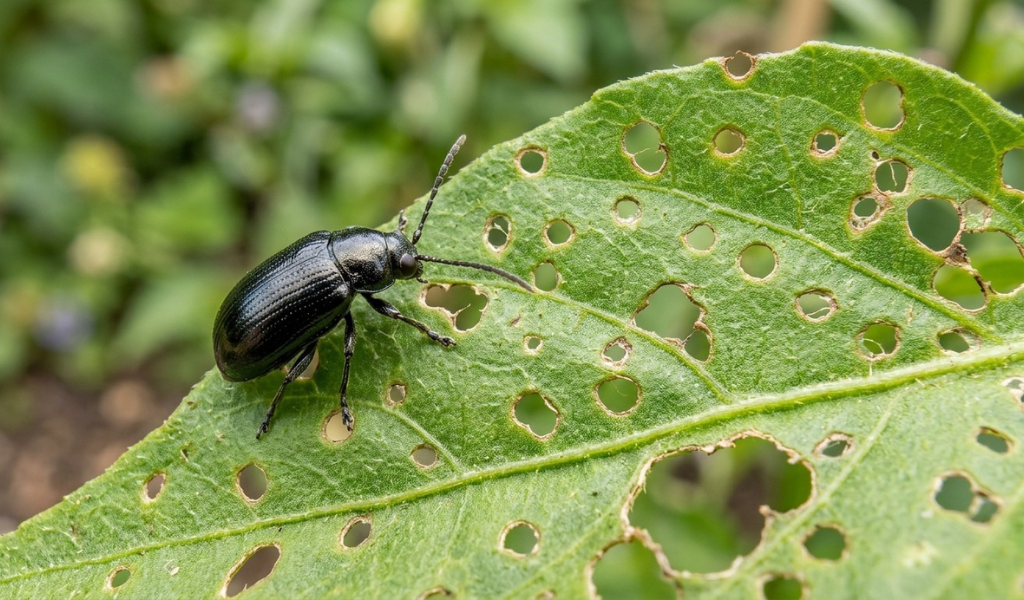 While a few flea beetles won’t cause lasting damage, a heavy infestation can seriously weaken young plants and pepper seedlings.
Adults chew on the leaves and stems, while larvae feed on the roots underground. Row covers early in the season can help keep them away before plants are established enough to handle some feeding.
Potato Leafhoppers (Cicadellidae)
Potato leafhoppers are small, wedge-shaped bugs that feed on plant sap by inserting their mouthparts into the leaves. The damage they cause, called “hopper burn,” shows up as yellowing and browning at the leaf tips and edges, sometimes spreading inward as the infestation worsens. Affected plants can wilt and show stunted growth.
Leafhoppers also move quickly and jump or fly when you disturb them. They’re common across many nightshade plants, including peppers, tomatoes, and eggplant.
Leaf Miners (Agromyzidae)
Leaf miners are the larvae of small flies that lay their eggs inside the leaves of your pepper plants. The larvae feed inside the leaves, creating distinctive winding or blotchy trails that you can see through the leaf surface. This gives the leaves a pale, tunneled appearance.
While light infestations usually won’t kill a plant, heavy leaf miner activity weakens the plant, damages plant health, and can lead to secondary infections. Removing infested leaves and destroying them helps prevent the pest from spreading to nearby plants.
Pepper Weevils (Anthonomus eugenii)
The pepper weevil is one of the more serious common pepper pests, particularly in warmer growing regions. Adult weevils feed on plant flowers, buds, and fruits, while their larvae feed on the inside of the fruit, causing it to drop prematurely. A single infested fruit can contain several larvae, all quietly destroying the pepper from the inside.
Pepper weevils are hard to control once they get into the fruit. Prevention matters most, which means monitoring your pepper garden closely and removing and disposing of dropped fruit immediately.
Pepper Maggots (Zonosemata electa)
Pepper maggots are the larvae of a fly that lays its eggs just under the skin of pepper fruits. Once the eggs hatch, the larvae feed inside the fruit, causing it to rot from the inside out. You might not even notice the damage until you cut open a pepper and find it tunneled through.
Pepper maggots are more common in hot peppers and bell peppers in the eastern parts of the US. Yellow sticky traps can help monitor adult fly populations, and row covers early in the season can prevent females from laying their eggs on your plants.
Do Deer Eat Pepper Plants? Easy Ways to Keep Deer Away
Deer generally avoid spicy peppers and hot pepper varieties because of the capsaicin content. That said, if food is scarce, deer will eat almost anything, including the leaves and fruit of your pepper plants. Bell peppers and milder varieties are at higher risk.
Signs of deer damage include large, ragged bites taken from the leaves and stems, usually higher up on the plant than most insect pests would reach. You may also notice hoof prints in the soil around your plants.
To keep deer away from your pepper garden, try these approaches:
- Install a physical fence at least 8 feet tall, since deer are strong jumpers
- Use motion-activated sprinklers to startle deer that approach
- Apply deer-repellent sprays around your plants and along the perimeter of the garden
- Plant deer-resistant herbs like rosemary, lavender, and sage around your pepper plants as a natural deterrent
- Use strong-smelling deterrents like garlic spray or predator urine around the garden border
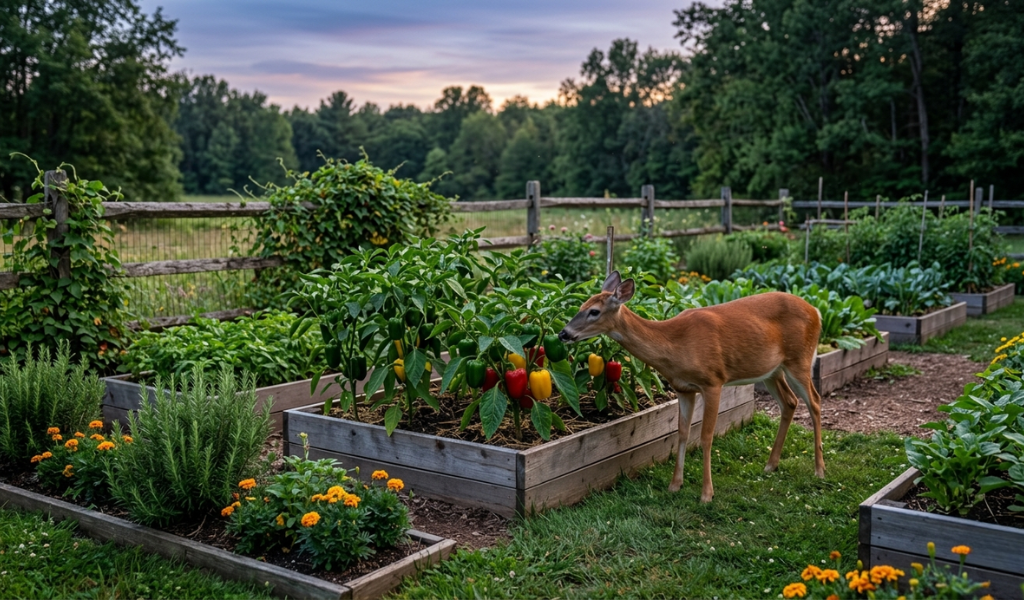 Deer pressure tends to increase at certain times of the year, particularly in late summer and fall when natural food sources thin out and pepper plants are at their most productive.
How to Get Rid of Pests on Pepper Plants
Now that you know which bugs might be attacking your plants, here’s how to actually deal with them. The approach you take will depend on the severity of the infestation and your preference for organic versus chemical controls.
Aphids: Small, Sap-Sucking Pests
Signs of Aphid Damage
Aphid damage is usually concentrated on new growth, where the leaves and stem tips are softest. Look for curled or puckered leaves, sticky residue on the leaves and stems, and a dark sooty mold growing on the honeydew. You may also notice ants farming aphids on infested plants, since ants feed on the honeydew aphids produce.
How to Get Rid of Aphids
For small infestations, a strong blast of water from a garden hose will knock aphids off the plant. Repeat this every few days to keep populations under control.
For more serious aphid infestations, spray the plants thoroughly with insecticidal soap or neem oil, making sure to coat the undersides of leaves where the bugs cluster. These treatments are safe for most beneficial insects when applied correctly.
Introducing natural predators like ladybugs is a longer-term strategy that works well in organic gardens. Ladybugs are voracious aphid predators and will help keep populations under control once established.
Spider Mites: The Mitey Plant Killers
Signs of Spider Mite Damage
Spider mite damage starts as tiny yellow or white spots on the leaves, often on the upper surface, corresponding to where the mites are feeding below. As the infestation progresses, the spots merge and the leaves take on a bronze or bleached look. Fine webbing on the stems and undersides of leaves is a clear sign that mites feed on plant sap in large numbers.
Severe spider mite damage can cause leaves to dry out completely and fall off the plant. Since mites feed on plant sap across the entire leaf surface, heavily infested plants can look almost scorched.
How to Get Rid of Spider Mites
Make a Soapy Water Solution
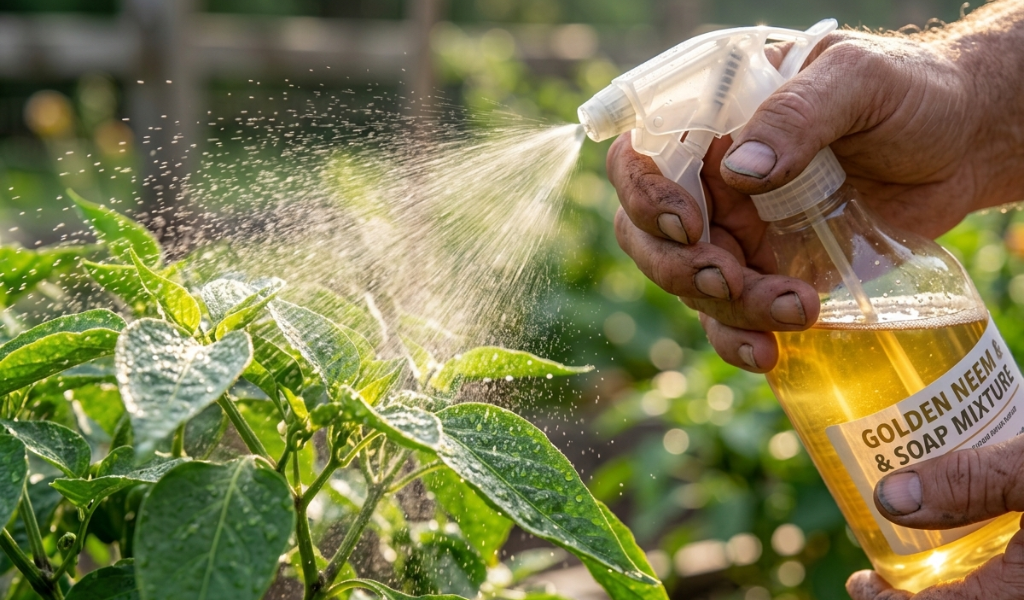
Mix a few drops of dish soap with water and spray it directly onto the affected leaves and stems, including the undersides. The soap disrupts the mites’ outer coating and kills them on contact. Repeat every few days for two to three weeks to break the reproductive cycle.
You can also use neem oil, which acts as both a contact insecticide and a growth disruptor for spider mites. Mix neem oil according to the product directions and spray in the early morning or evening to avoid burning the leaves in direct sunlight.
Attract Ladybugs
Ladybugs don’t just eat aphids. They will also consume spider mites given the opportunity, making them a valuable natural ally in your pepper garden.
Plants That Attract Ladybugs
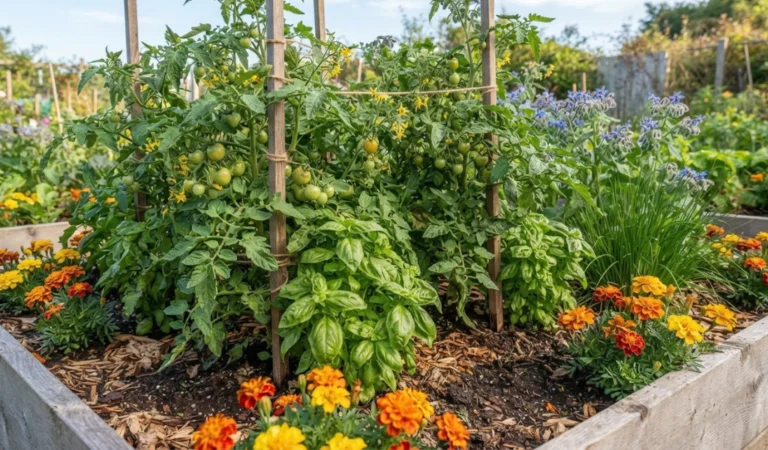
Planting certain companion plants near your pepper garden encourages ladybugs to move in and stay. Good options include:
- Dill
- Fennel
- Cilantro
- Yarrow
- Marigolds
- Sweet alyssum
These plants provide nectar and pollen that adult ladybugs need, while also offering shelter. Once you build a ladybug-friendly environment around your plants, you’ll naturally reduce the population pressure from many pests on this list.
Growing Supplies to Kickstart your Garden
The right growing supplies can help you identify, prevent, and manage common pepper plant pests while keeping your garden healthy and productive. Start with essentials such as garden gloves, pruning shears, seed-starting trays, quality potting soil, organic fertilizer, watering cans, plant supports, mulch, and insect netting. A hand sprayer is also useful for applying insecticidal soap or other garden-safe pest treatments when aphids, caterpillars, or other pests damage your pepper leaves. Homemade fertilizer for pepper plants can also be a helpful option for gardeners who prefer simple, budget-friendly ways to provide nutrients using common household or garden materials. Choose healthy pepper seeds or seedlings and provide suitable containers, well-draining soil, proper support, and the right gardening tools for strong growth. With the right supplies, regular plant inspections, proper watering, and appropriate feeding, you can protect your pepper plants, encourage healthy development, and enjoy a productive garden throughout the growing season.
Companion plants that aphids find unappealing
If you’re wondering what is eating my pepper plant leaves, aphids may be one of the culprits. Companion planting can help make your garden less attractive to these common pests while supporting healthier pepper plants. Certain herbs, flowers, and aromatic plants can help deter aphids and other unwanted insects when planted near peppers. Plants such as garlic, chives, onions, dill, and marigolds are often used in companion planting to create a more pest-resistant garden environment. While companion plants are not a guaranteed solution, they can be a useful part of an integrated pest management approach. Learn which companion plants aphids find unappealing, how to grow them alongside pepper plants, and what other steps you can take when what is eating my pepper plant leaves becomes a problem.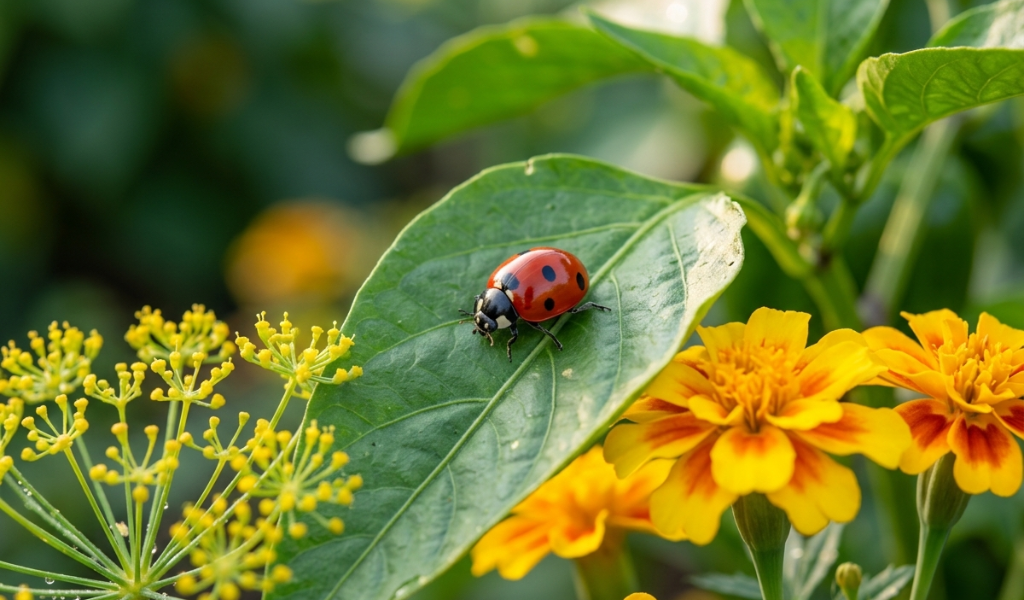
Start Getting Rid of Pests Right Away
The most important rule with pepper garden pests is this: don’t wait. Small infestations are manageable. Large ones can destroy your crop.
Check your plants every few days, paying close attention to the undersides of leaves, around the stems, and near the soil. Catch problems early and your treatment options are simpler, cheaper, and more effective.
Here’s a quick-reference approach for staying on top of pest control:
- Scout regularly. Walk through your garden every few days and inspect leaves and stems closely.
- Remove infested plant material promptly. Dropping leaves, damaged stems, and fallen fruit can harbor larvae and insects. Clear them away.
- Use organic treatments first. Soapy water sprays, neem oil, and diatomaceous earth are effective for most common pepper pests without harming beneficial insects.
- Rotate crops. Planting peppers in the same spot every year lets pest populations build up in the soil. Move your pepper garden around to break that cycle.
- Support plant health. Strong, well-nourished plants resist and recover from pest damage better. Regular feeding with a quality fertilizer makes a real difference.
How to Protect Pepper Plant Leaves From Common Pests
Learning how to protect pepper plant leaves from common pests is essential for keeping your pepper plants healthy, productive, and strong throughout the growing season. Aphids, flea beetles, caterpillars, spider mites, and other garden pests can quickly damage pepper leaves by creating holes, discoloration, curling, or sticky residue.
Common Ways to Protect Pepper Plant Leaves
- Inspect leaves regularly: Check the tops and undersides of pepper plant leaves for insects, eggs, webbing, holes, or unusual spots.
- Remove pests by hand: Pick larger insects and caterpillars from the plant and remove heavily damaged leaves when necessary.
- Use a strong water spray: Gently spray pepper leaves with water to knock aphids, mites, and other small pests off the plant.
- Encourage beneficial insects: Ladybugs, lacewings, and other helpful insects can naturally control common pepper pests.
- Apply insecticidal soap: For serious infestations, insecticidal soap can help control soft-bodied pests when applied according to the product directions.
- Keep the garden clean: Remove fallen leaves, weeds, and plant debris that can provide hiding places for pests.
- Avoid overwatering: Proper watering and good soil drainage help pepper plants remain healthy and better able to tolerate pest damage.
- Use physical barriers: Row covers or fine garden netting can help prevent certain insects from reaching young pepper plants.
- Check plants frequently: Early detection makes it much easier to control pests before they spread across the entire pepper plant.
By combining regular inspection, good garden hygiene, beneficial insects, and appropriate pest-control methods, you can protect pepper plant leaves and encourage healthier growth, flowering, and fruit production.
Final Thoughts
If you’ve been staring at your pepper plants wondering what is eating my pepper plant leaves, now you have the tools to find out and fight back. From tiny aphids clustering on young shoots to hornworms stripping entire stems, the range of common pepper plant pests is wide. But the approach is always the same: identify the problem correctly, act quickly, and stay consistent with your treatment.
Keep your pepper garden clean, your plants healthy, and your eyes open. Most pest problems are entirely manageable when caught early. The ones that get away from you are usually the ones nobody noticed until the damage was already done.
Take a walk through your garden today. Flip a few leaves over and take a close look. You might be surprised at what you find.
Frequently Asked Questions
How do I stop pepper plants from being eaten?
The best approach is a combination of regular scouting and preventive treatment. Keep your garden clear of debris, use row covers on young plants, apply neem oil or insecticidal soap as a preventive spray, and encourage beneficial insects like ladybugs by planting companion plants nearby. Healthy, well-fed plants are also much harder for pests to damage.
How do I get rid of bugs eating pepper plant leaves?
Start by identifying the specific bug or pest you’re dealing with, since treatments vary. For soft-bodied insects like aphids, whiteflies, and spider mites, insecticidal soap and neem oil sprays work well. For caterpillars and larvae like hornworms and armyworms, hand-picking is effective for small numbers, while products containing Bacillus thuringiensis (Bt) work well for larger infestations.
Can I spray vinegar on pepper plants?
Undiluted vinegar will burn and damage pepper plants, so it should not be sprayed directly on them. Some gardeners use a very diluted vinegar solution as a soil treatment to deter certain pests, but this carries risk and isn’t a recommended primary treatment. Safer and more effective options include neem oil and insecticidal soap.
What would eat the leaves off my pepper plants?
Several insects and animals chew on the leaves of pepper plants. Common culprits include hornworms, armyworms, flea beetles, cutworms, and grasshoppers. Larger animals like deer and rabbits can also strip leaves, particularly from young plants. The size and pattern of the damage usually gives you a clue about what’s responsible.
What are natural ways to remove pests from pepper plants?
Natural pest control options for pepper plants include: spraying plants with a diluted neem oil solution, using insecticidal soap sprays, blasting pests off with water, introducing beneficial insects like ladybugs and parasitic wasps, applying diatomaceous earth around the base of plants, and hand-picking larger insects like hornworms and caterpillars.
When should I use neem oil or insecticidal soap for pepper plant pests?
Neem oil is best applied as both a preventive spray and a treatment for active infestations of aphids, spider mites, whiteflies, and thrips. Apply it in the early morning or evening to avoid leaf burn. Insecticidal soap works well for direct contact with soft-bodied insects. Both should be reapplied every 7 to 10 days during an active infestation and after rain.
What are the most common pests that infest pepper plants?
The most common pepper plant pests include aphids, spider mites, thrips, whiteflies, flea beetles, hornworms, and pepper weevils. These insects attack different parts of the plant, from the leaves and stems to the fruit and roots. Regular monitoring is the most reliable way to catch infestations before they cause serious damage.