Pepper Fertilizer Burn: How to Identify, Treat, and Prevent It
Pepper Fertilizer Burn: How to Identify, Treat, and Prevent It
You gave your pepper plants a generous feeding, expecting lush growth and a bumper harvest. Instead, the leaf edges turned brown and crispy, the plants started wilting, and growth came to a halt. Sound familiar? Pepper fertilizer burn is one of the most common mistakes gardeners make, and the frustrating part is that it comes from trying to do the right thing.
Whether you grow bell peppers, hot peppers, or chili peppers, fertilizer burn can set your plants back weeks sometimes more. The good news is that it is treatable, and once you understand what causes it, it is also very easy to prevent.
This guide walks you through everything you need to know about fertilizer burn on plants: what it looks like, why it happens, how to fix it, and how to keep your pepper plants growing strong all season long.
What Is Pepper Fertilizer Burn?
Pepper fertilizer burn happens when a plant absorbs more fertilizer than it can handle. Instead of helping, the excess fertilizer builds up in the soil as soluble salts, and those salts interfere with the plant’s ability to take in water. The result looks a lot like drought stress, even when the soil is moist.
The term “burn” is fitting. Fertilizer salts draw moisture out of plant tissue through a process called osmosis, essentially pulling water away from the roots and leaves rather than delivering it. Leaf edges dry out, foliage turns yellow or brown, and in serious cases, the entire plant can wilt and die.
Fertilizer burn is not limited to one type of fertilizer. It can happen with granular fertilizer, liquid fertilizer, and even water-soluble fertilizers like Miracle-Gro when used in excess or applied incorrectly. Any time fertilizer application pushes salt levels in the soil too high, the risk is there.
How Fertilizer Burn Affects Pepper Plants
Pepper plants have tender roots that are sensitive to salt accumulation in the soil. When excess fertilizer builds up around those roots, the soil chemistry shifts. Instead of roots pulling water in, they lose water to the surrounding soil through osmosis. This is called reverse osmosis, and it is exactly as harmful to the plant as it sounds.
The visible damage shows up quickly. Leaves may start to scorch at the tips and edges within a day or two of overfertilizing. Over time, the foliage turns yellow, wilts, or drops off entirely. In seedlings and young transplants, fertilizer burn can be fatal if not caught early.
The broader impact on pepper growing goes beyond just the leaves. Fertilizer burn stunts growth, disrupts fruit production, and throws off the plant’s natural feeding schedule. A plant that should be flowering and setting fruit instead uses all its energy trying to survive.
Why Too Much Fertilizer Can Damage Peppers
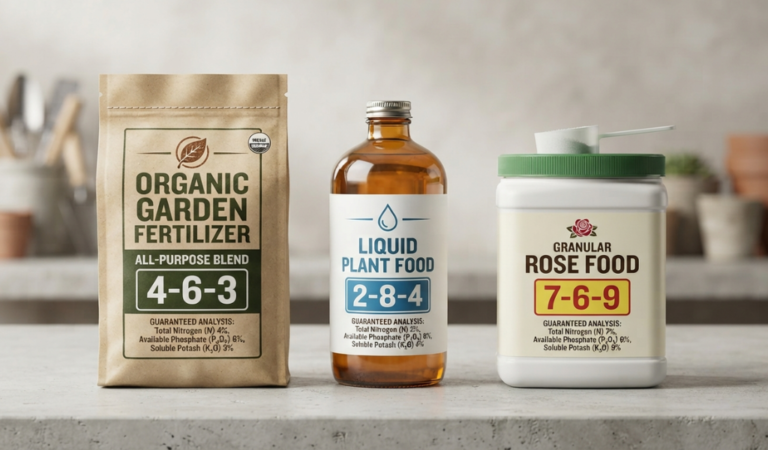
Fertilizer works by delivering nutrients mainly nitrogen, phosphorus and potassium to the plant through the soil and root system. These are the main three nutrients listed on any fertilizer package as the NPK ratio. Each one plays a role in healthy pepper plant development.
Nitrogen drives leafy, green growth. Phosphorus supports root development and fruit production. Potassium helps the plant manage water and resist stress. In the right amounts, they keep growing peppers on track. But when the concentration of these nutrients in the soil becomes too high, particularly nitrogen, the salt levels rise to a point where roots can no longer function normally.
The soil acts like a solution. When that solution becomes more concentrated outside the root than inside it, moisture loss happens at the root level rather than water uptake. This is why overfeeding plants and causing fertilizer burn produces drought symptoms even in moist soil. The plant is surrounded by water but cannot absorb it.
What Causes Fertilizer Burn in Pepper Plants?
Several specific habits lead to fertilizer burn. Understanding each one makes it easier to avoid them.
Applying Too Much Fertilizer
The most straightforward cause is simply using more fertilizer than the plant needs. Gardeners sometimes assume that pepper plants require large amounts of fertilizer to produce well, but that is rarely true. Doubling the recommended dose does not double the harvest. It increases salt accumulation in the soil and raises the risk of burn significantly.
This is especially common with granular fertilizer, where it can be easy to over-apply without realizing it. A small handful too many, worked into the soil around the base of a plant, can tip the balance from feeding to burning.
Using Fertilizer Too Frequently
Even at the correct dose, fertilizing your plants too often causes problems. Fertilizer salts build up over time with each application. If the soil does not have a chance to flush and balance between feedings, the accumulation grows with each feeding cycle.
Most pepper plants do well with feeding every two to three weeks during the growing season. Fertilizing more often than that, especially with a water-soluble or liquid fertilizer, leads to over-fertilization faster than most gardeners expect.
Applying Fertilizer to Dry Soil
Applying fertilizer to dry soil is one of the quickest ways to cause fertilizer burn. When soil moisture is low, fertilizer becomes highly concentrated in the soil right around the roots. There is no dilution to soften the salt impact.
Hot dry weather makes this worse. Evaporation increases, transpiration in the plant speeds up, and any fertilizer sitting in dry soil becomes even more concentrated as moisture evaporates. Always water the soil adequately before fertilizing, and avoid applying fertilizer during the hottest parts of the day.
What Does Fertilizer Burn Look Like on Pepper Plants?
Recognizing fertilizer burn early gives you a much better chance of saving the plant. The signs are usually visible within a few days of over-fertilization.
Brown and Crispy Leaf Edges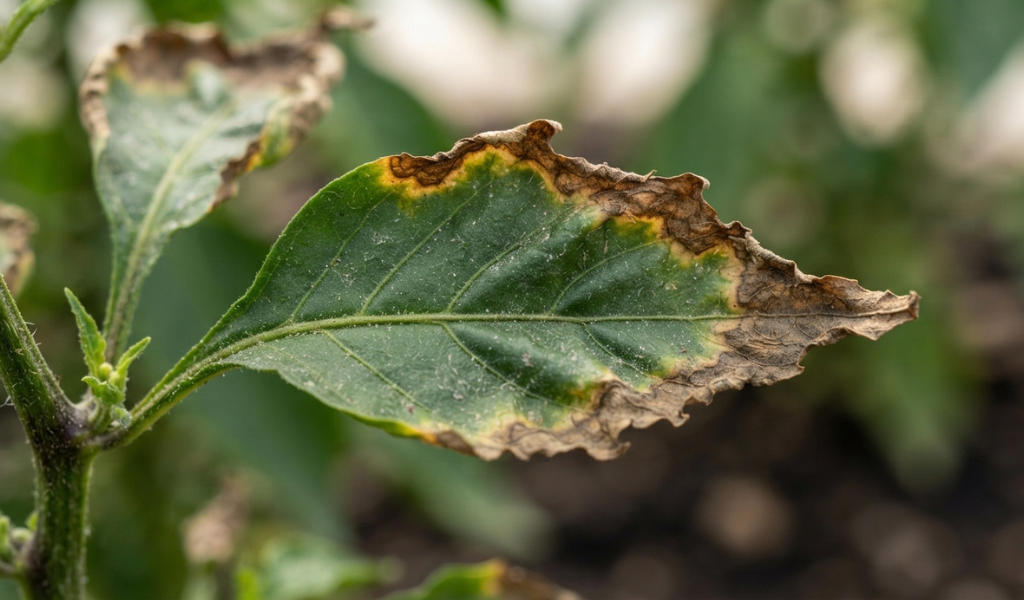
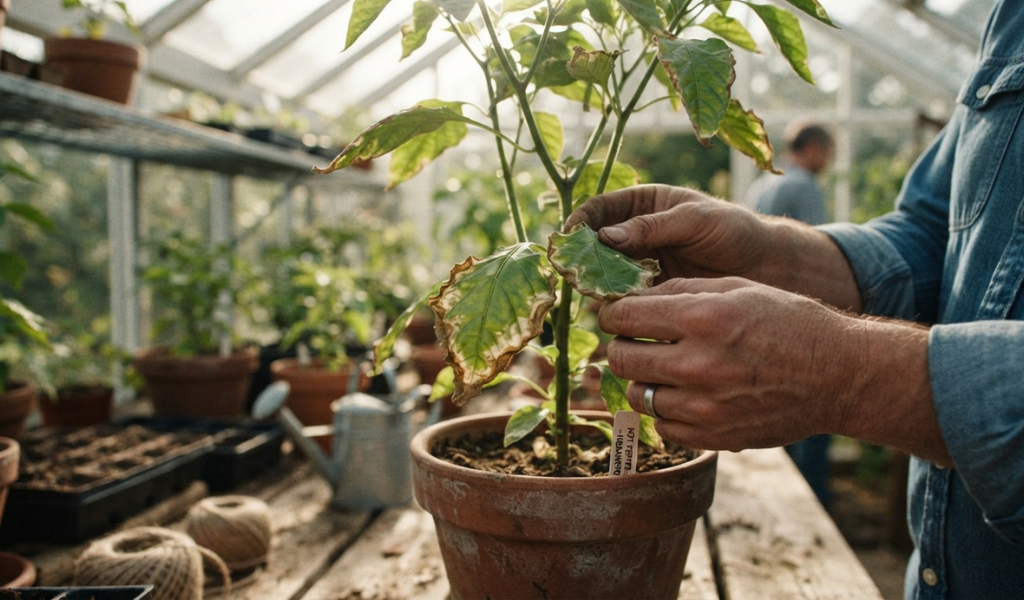
The most recognizable sign of fertilizer burn is brown, crispy leaf tips and edges. This is called leaf scorch, and it happens because the outer edges of the foliage dry out first as moisture loss accelerates. The brown areas often look dry and papery rather than soft and discolored like a disease would appear.
With bell peppers and hot peppers, this browning usually starts on older, lower leaves and works its way up the plant if the problem is not addressed. If you see this pattern developing alongside other signs, fertilizer burn is the likely cause.
Wilting Despite Moist Soil
Wilting is a normal sign of drought stress, but when the soil is clearly moist and the plant is still drooping, fertilizer burn is often responsible. The roots are being blocked from absorbing water by the high concentration of fertilizer salts, creating a drought-like effect from the inside out.
This particular symptom confuses a lot of gardeners because the instinct is to water more. Adding more water without flushing the soil first will not fix the problem and can sometimes make drainage worse in certain potting mix situations.
Excessive Leaf Growth With Few Flowers
Too much nitrogen from over-fertilization pushes the plant to produce an abundance of foliage at the expense of flowers and fruit. If your pepper plant looks lush and green but is not flowering or setting fruit during the growing season, excess nitrogen is a common culprit.
This type of over-fertilization is slower-acting than acute fertilizer burn but just as damaging to your harvest. The plant is not burning in the traditional sense, but it is still suffering from the consequences of overfeeding.
How to Tell Fertilizer Burn From Nutrient Deficiency
This is where many gardeners get confused, and it is an important distinction. Both fertilizer burn and nutrient deficiency can cause yellowing and leaf damage, but they have different causes and require opposite responses.
Common Signs of Nutrient Deficiency
Nutrient deficiency usually shows up as yellowing between leaf veins (often a sign of magnesium or iron deficiency), pale overall coloring, slow and weak growth, and leaves that fail to develop properly. With magnesium deficiency specifically, older leaves turn yellow while the veins stay green.
Deficiency symptoms tend to appear when plants are growing in poor soil, when the soil pH is off and blocking nutrient uptake, or when plants have not been fertilized at all. Plants in very sandy soil or containers with depleted potting mix are especially prone to it.
Key Differences Between Burn and Deficiency
Fertilizer burn typically causes brown, crispy edges and wilting in soil that has recently been fertilized heavily. Nutrient deficiency causes softer yellowing and pale growth in unfertilized or underfed plants.
One practical test: check whether you recently fertilized. If you have been feeding on schedule or more frequently than recommended, burn is the more likely cause. If the plant has had no fertilizer for weeks and the soil is poor, deficiency is more probable.
Soil pH also plays a role. Even with adequate fertilizer in the soil, a pH that is too high or too low prevents the plant from absorbing certain nutrients. A simple soil test can confirm pH and rule out deficiency before you start treating for burn.
How to Treat Pepper Fertilizer Burn
Once you see signs of fertilizer burn, act quickly. The goal is to reduce the concentration of fertilizer salts in the soil as fast as possible.
Stop Fertilizing Temporarily
Hold off on fertilizing as soon as you suspect burn. Adding more fertilizer while the plant is already stressed makes things significantly worse. Give the plant a break from feeding until it shows signs of recovery and new healthy growth appears.
This step alone can make a big difference in mild cases. When fertilizer salts stop accumulating, the soil gradually becomes safer for the roots, and the plant can start to stabilize.
Flush Excess Fertilizer From the Soil
Flushing is the most effective immediate treatment for fertilizer burn. Run a slow, steady stream of water through the soil for an extended period to physically move the fertilizer salts down through the soil and out through drainage.
For container plants, flush until water runs freely and continuously from the drainage holes for at least five to ten minutes. For garden beds, deep watering over a prolonged period achieves the same effect. The goal is to leach the accumulated salts away from the root zone.
Give the Plant Time to Recover
After flushing, patience is key. Trim off any dead or heavily burned foliage to reduce stress on the plant, but avoid pruning too aggressively while recovery is underway. The plant needs its remaining healthy foliage to photosynthesize and rebuild energy.
Recovery time depends on how severe the burn was. Mild cases may show improvement within a week. More serious over-fertilization can take several weeks before the plant looks healthy again.
How to Flush Overfertilized Pepper Plants
Flushing works by using water to dilute and carry away the soluble salts that have built up in the soil. The process is simple but requires a thorough approach.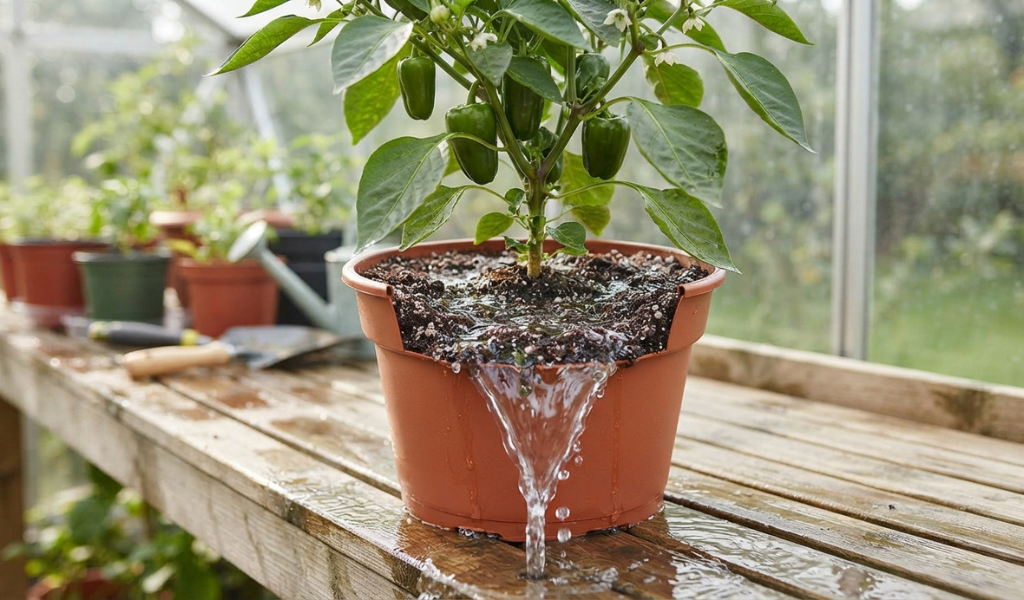
For potted pepper plants, take them to a location where drainage water can run off freely. Water slowly and steadily, allowing the water to soak through the entire potting mix rather than running straight down the sides. Flush with two to three times the volume of the pot. For a one-gallon pot, that means using two to three gallons of water in a single flushing session.
For in-ground plants, deep irrigation over a two to three hour period works well. The goal is to push water well below the root zone so the salts move with it. Avoid fertilizing again for at least two to three weeks after flushing, and do a soil test before resuming your regular feeding schedule.
How to Prevent Fertilizer Burn in Pepper Plants
Prevention is easier than treatment, and a few simple habits are all it takes to keep fertilizer burn from becoming a recurring problem.
Follow the Fertilizer Label
Fertilizer labels exist for a reason. The recommended application rates are based on what most plants need without crossing into harmful territory. Start at the lower end of the recommended range and adjust only if the plant shows clear signs of deficiency. When in doubt, less is safer.
This applies to all fertilizer types, including compost-based and slow-release fertilizers. Even organic options can cause salt accumulation if applied in excessive amounts.
Dilute Liquid Fertilizer Correctly
Liquid and water-soluble fertilizers are powerful tools, but they need to be diluted correctly. Using a stronger concentration than the label recommends dramatically increases the risk of burning tender roots, especially in young plants and seedlings.
If you are using something like Miracle-Gro or another concentrated liquid fertilizer, measure carefully and mix thoroughly before applying. When starting new pepper seedlings or transplanting into a fresh potting mix, consider using a half-strength solution for the first few feedings.
Keep Granular Fertilizer Away From the Stem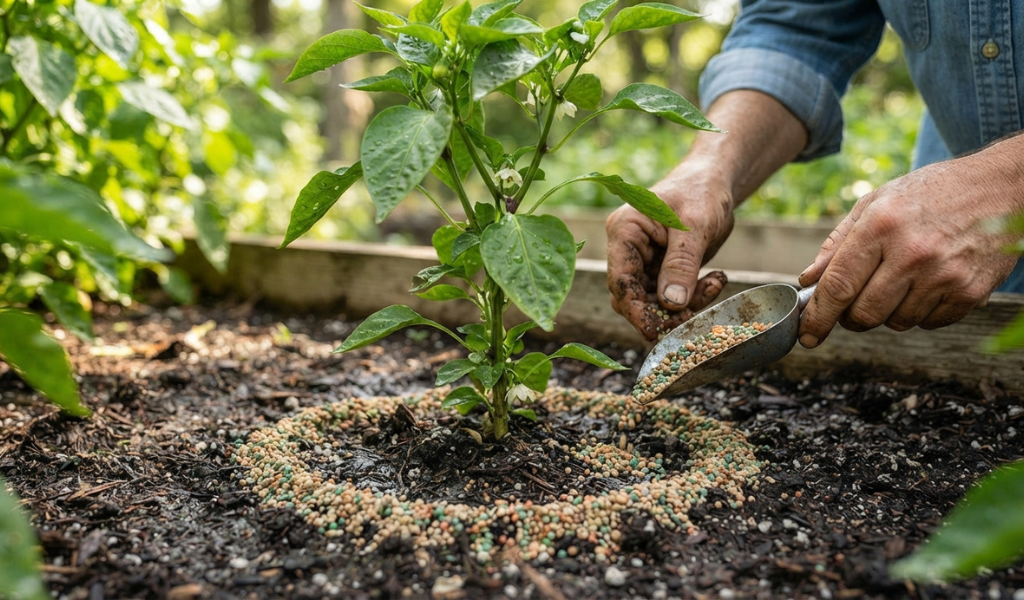
With granular fertilizer, placement matters as much as amount. Granules placed too close to the base of the stem release a highly concentrated dose of nutrients right where the plant is most vulnerable. This is sometimes called “burning the collar” and can seriously damage or kill young plants.
Broadcast granular fertilizer in a ring around the plant, at least a few inches away from the stem, and water it in well after application. This allows nutrients to dissolve and spread evenly through the soil before reaching the roots.
Best Fertilizing Practices for Healthy Pepper Plants
A consistent, thoughtful fertilizing approach does more for pepper growing than any single product. Here is what that looks like in practice.
Choose the Right NPK Fertilizer
The best fertilizers for pepper plants change depending on the growth stage. Early in the season, when plants are putting energy into foliage and root development, a balanced all-purpose fertilizer with equal parts nitrogen, phosphorus and potassium works well. As the plant shifts into flowering and fruiting, lower the nitrogen and increase phosphorus and potassium to support fruit production rather than excessive foliage.
A common recommendation for fruiting peppers is a fertilizer with an NPK ratio along the lines of 5-10-10 or 3-4-6. These support bloom and fruit set without pushing too much green growth.
Adjust Feeding During Different Growth Stages
Pepper plants require different levels of nutrition at different points in the growing season. Seedlings need very little fertilizer and are highly sensitive to over-application. Once plants are established and growing actively, regular feeding supports strong development. When the plant is actively flowering and fruiting, a phosphorus and potassium-focused fertilizer keeps production going.
Slowing or stopping fertilization toward the end of the season allows the plant to focus energy on ripening existing fruit rather than producing new growth.
Test Your Soil Before Fertilizing
A soil test before you start fertilizing your plants gives you a clear picture of what is already in the soil and what is missing. It also reveals the soil pH, which directly affects whether nutrients are available to the plant regardless of how much fertilizer you apply.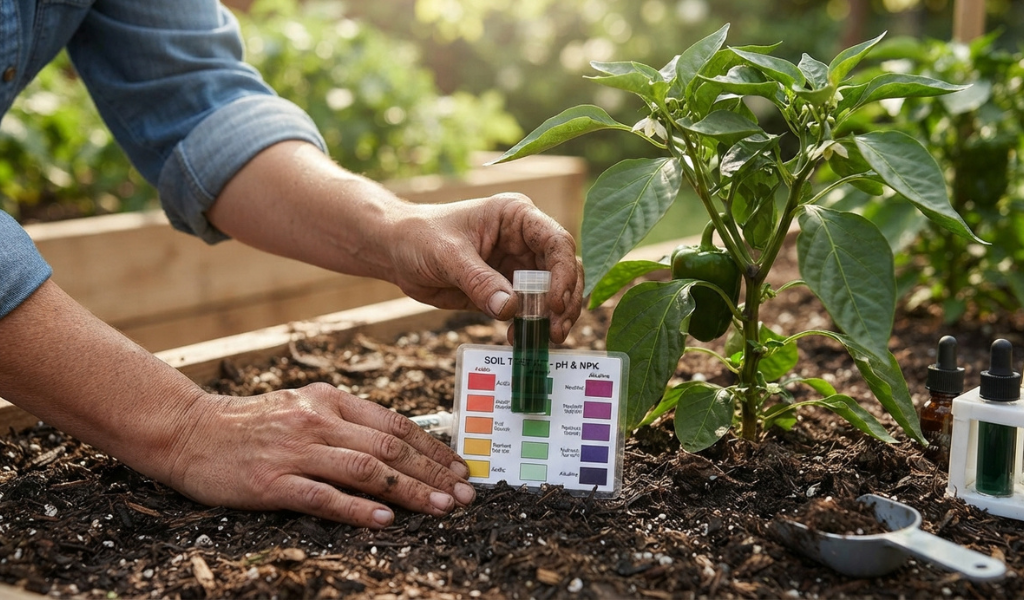
Inexpensive test kits are available at most garden centers and give readings for nitrogen, phosphorus, potassium, and pH. Testing your soil once before planting and again mid-season takes the guesswork out of fertilization and helps you feed your pepper plants exactly what they need.
Common Pepper Fertilizer Mistakes to Avoid
Even experienced gardeners fall into these habits. Knowing them makes it easier to catch yourself before damage is done.
Assuming More Fertilizer Means More Peppers
This is the most widespread misconception in pepper growing. More fertilizer does not produce more fruit. It produces more risk. Pepper plants are not heavy feeders compared to many vegetables, and pushing them with excess nitrogen especially leads to lush foliage and poor fruiting rather than the harvest you are after.
Feed your pepper plants consistently and appropriately, and they will reward you without needing excessive amounts of fertilizer.
Fertilizing Stressed or Dry Plants
Fertilizing a plant that is already stressed from heat, drought, transplant shock, or disease makes every problem worse. Stressed plants cannot absorb and process nutrients normally, which means fertilizer salts accumulate faster and burn may develop more quickly.
Always ensure adequate soil moisture before fertilizing, and avoid fertilizing on hot dry days when evaporation is high and the plant is already working hard to maintain water balance.
Ignoring Signs of Overfertilization
Brown leaf edges and unexpected wilting are the plant’s way of asking for help. Ignoring these signs and continuing on the same feeding schedule allows the problem to escalate. Catching fertilizer burn early makes it much easier to treat and gives the plant a better chance of full recovery.
Check your plants regularly during the growing season, especially after fertilizing, and act quickly if you see signs of stress.
Final Thoughts on Pepper Fertilizer Burn
Fertilizer burn is one of those gardening problems that feels worse than it is — because it often happens right when you are trying hardest to care for your plants. The key takeaway is straightforward: more fertilizer is not better, and consistency matters more than quantity.
By following the fertilizer label, keeping an eye on soil moisture, testing your soil before the season starts, and watching your plants closely for early warning signs, you can keep pepper fertilizer burn from ever becoming a real problem. And if it does happen, now you know exactly how to fix it.
Healthy bell peppers, hot peppers, and chili peppers all grow from the same foundation: well-balanced soil, steady moisture, and a feeding schedule that works with the plant rather than against it.
Frequently Asked Questions About Pepper Fertilizer Burn
How long does it take for fertilizer burn to go away?
Recovery time depends on how severe the damage was. Mild fertilizer burn typically improves within one to two weeks after flushing the soil and stopping fertilization. More serious over-fertilization can take three to four weeks or longer before the plant returns to healthy growth. Trimming damaged foliage and maintaining good soil moisture speeds up the process.
Can you reverse fertilizer burn?
You can treat fertilizer burn and stop further damage, but leaves that have already turned brown and crispy will not recover. The plant can produce new, healthy foliage once the salt levels in the soil drop to safe levels. Flush the soil thoroughly, hold off on fertilizing, and give the plant time. Most pepper plants recover fully from mild to moderate fertilizer burn.
How do you fix fertilizer burn on plants?
The main steps are to stop fertilizing immediately, flush the soil with a large volume of water to leach out excess fertilizer salts, and remove any heavily damaged leaves. For potted plants, flush with two to three times the container volume. For garden beds, deep irrigate over a few hours. Then wait at least two to three weeks before resuming a reduced feeding schedule.
Will fertilizer burn fix itself?
Not on its own. Without flushing, fertilizer salts remain concentrated in the soil and continue to damage the roots. The plant may survive if the burn is very mild and rain washes some salts away naturally, but active treatment with deep watering gives a much better outcome. It is always better to flush intentionally rather than wait.
Does it matter what kind of Epsom salt you use on pepper plants?
When using Epsom salt (magnesium sulfate) to supplement magnesium for pepper plants, standard food-grade or agricultural Epsom salt works fine. There is no need for a specialized horticultural version. That said, only use Epsom salt if a soil test confirms a magnesium deficiency. Applying it without confirming a deficiency adds unnecessary salt to the soil and can contribute to overall salt accumulation over time.
Can you make homemade fertilizers for pepper plants?
Yes. Compost, worm castings, and compost tea are popular homemade options that feed the soil gradually and reduce the risk of fertilizer burn. Banana peel fertilizer adds potassium, and diluted fish emulsion provides nitrogen and trace nutrients. Homemade fertilizers tend to release nutrients more slowly than synthetic options, which makes them gentler on tender roots. They are not a complete replacement for all-purpose fertilizers in heavy-feeding situations, but they are a great low-risk addition to a feeding schedule.
How do you prevent fertilizer burn in the first place?
Follow label instructions closely, test your soil before the growing season, water the soil before applying fertilizer, keep granular fertilizer away from the stem, and avoid fertilizing on hot dry days. Using slow-release fertilizer instead of frequent liquid applications also lowers the risk significantly by delivering nutrients gradually rather than all at once.