Homemade Fertilizer for Pepper Plants: How to Grow Healthier Peppers Naturally
The Best Homemade Fertilizer for Pepper Plants: A Complete Guide
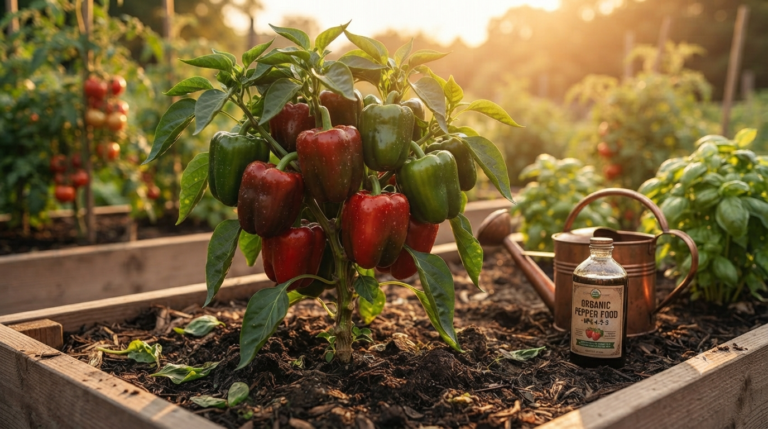
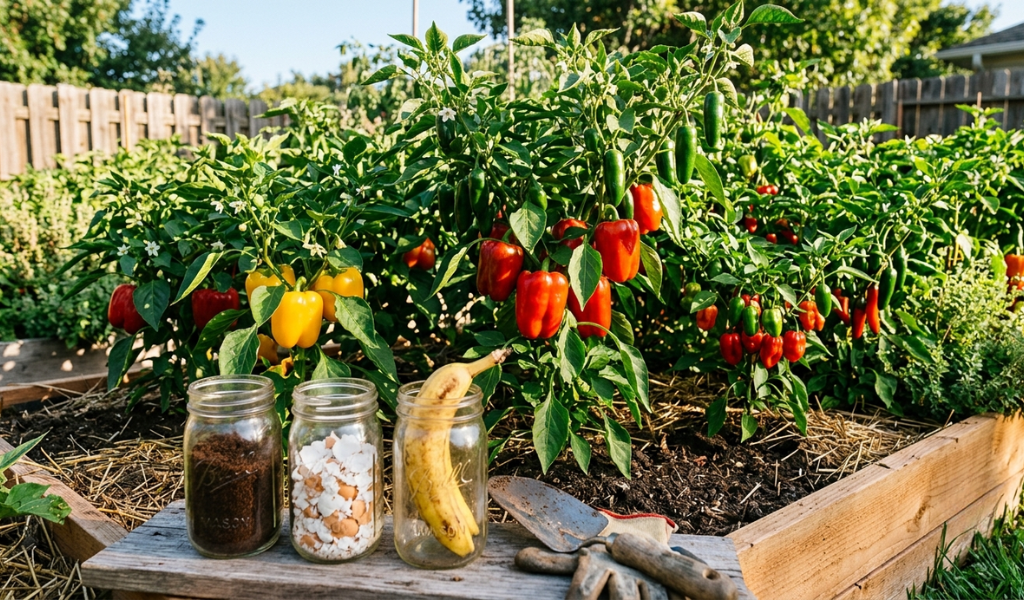 Pepper plants are heavy feeders. If you want a bumper crop of juicy bell peppers or fiery hot peppers, feeding them right is just as important as giving them sunlight and water. The good news? You don’t need to spend a fortune on store-bought products. The best homemade fertilizer for pepper plants can be made from things you already have in your kitchen or backyard.
This guide walks you through everything: what nutrients pepper plants need, which kitchen scraps make the best plant fertilizer, pepper fertilizer ratio and NPK, how to fertilize pepper plants at every stage of growth, and what mistakes to avoid. Whether you’re growing peppers in a garden bed or a pot on your balcony, these natural fertilizer tips will help you grow healthier, more productive plants from seedling to harvest.
Step 1: Understand Why Pepper Plants Need Fertilizer
Pepper plants are demanding growers. They need a steady supply of nutrients throughout their growing season, and most garden soils simply can’t keep up on their own. That’s where fertilizer for pepper plants becomes essential.
Essential Nutrients Every Pepper Plant Needs
The three main nutrients every pepper plant needs are nitrogen (N), phosphorus (P), and potassium (K). Nitrogen supports leafy, vigorous growth. Phosphorus drives root development and fruit production. Potassium strengthens the plant overall and helps with disease resistance.
But it doesn’t stop there. Calcium prevents blossom end rot, a common problem where the bottom of the fruit turns black and mushy. Magnesium, found in Epsom salt (magnesium sulfate), supports photosynthesis. Micronutrients like sulfur, iron, and zinc round out the plant’s needs in smaller amounts.
Benefits of Using Homemade Fertilizer for Peppers
Making your own fertilizer for peppers has real advantages over buying commercial products. It’s cheaper, it recycles kitchen waste, and it feeds your plants with slow-release nutrients that don’t burn roots or cause sudden growth spurts. Organic fertilizer also improves soil structure over time, which means your garden gets more fertile every season. For gardeners who want to grow peppers naturally, it’s a win all around.
Step 2: Gather Ingredients to Make Homemade Fertilizer
You don’t need a chemistry degree to make plant fertilizer at home. Most of the best ingredients are already sitting in your kitchen or backyard.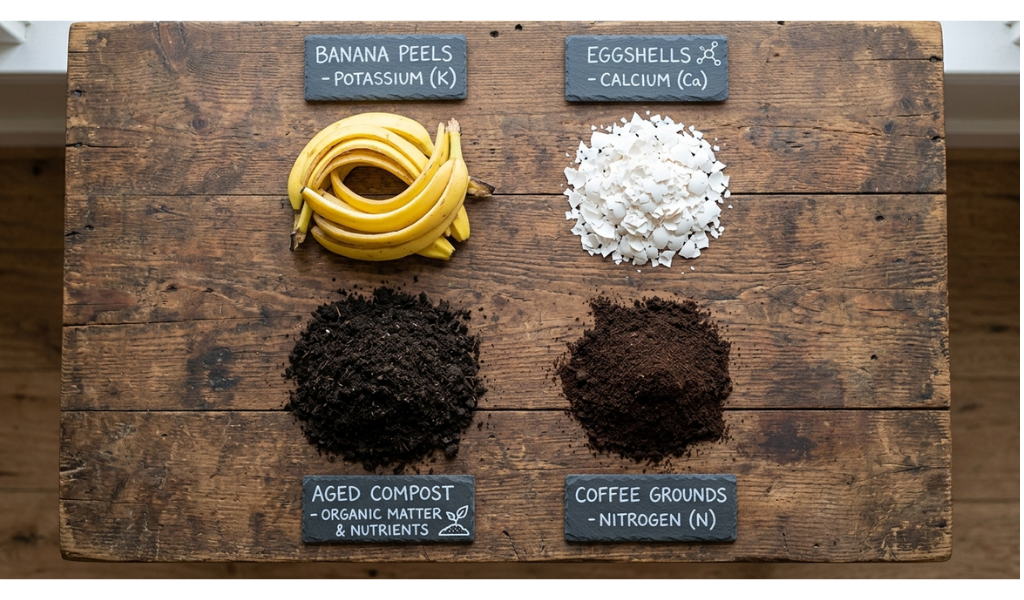
Common Kitchen Scraps That Feed Pepper Plants
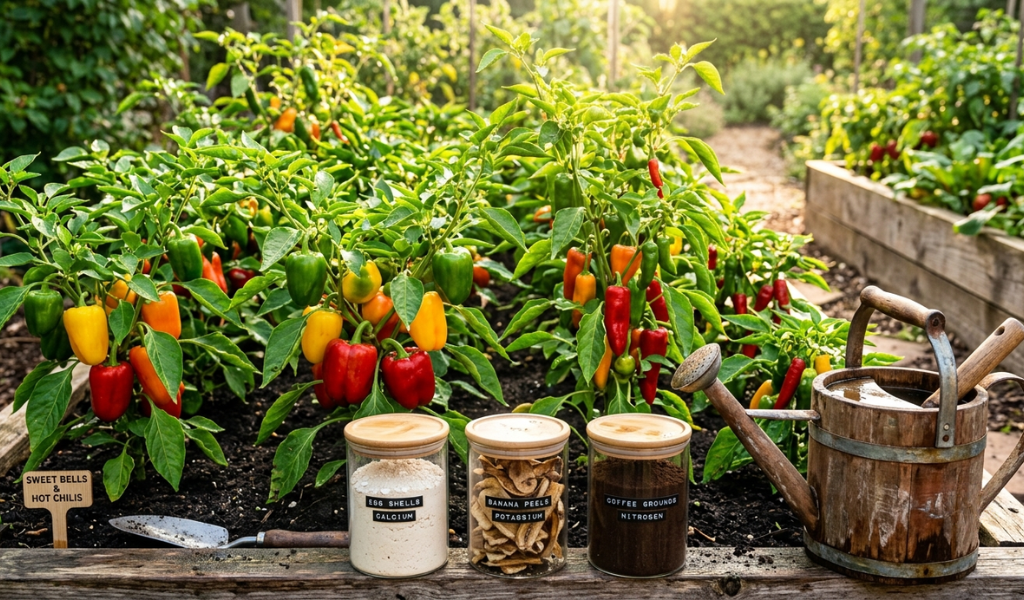
Banana peels are rich in potassium and phosphorus, two nutrients that support flowering and fruit development. Eggshells provide calcium, which protects peppers from blossom end rot. Coffee grounds add nitrogen to the soil and slightly lower the pH, which suits pepper plants well since they prefer mildly acidic conditions.
Vegetable scraps like onion skins and carrot tops can also go into compost, where they break down into a balanced fertilizer over time.
Garden Materials That Improve Soil Fertility
Grass clippings are a solid source of nitrogen and can be added directly to compost or used as mulch. Fallen leaves, once composted, add carbon and improve soil texture. Wood ash provides potassium and raises soil pH, so use it sparingly on peppers since they don’t like alkaline conditions. Aged manure from chickens, cows, or horses is one of the richest organic fertilizer options available and works very well when mixed into the soil before planting.
Step 3: Make Homemade Fertilizer for Pepper Plants
Discover simple and effective homemade fertilizer for pepper plants recipes made from everyday ingredients. These natural solutions provide essential nutrients, improve soil health, and help every pepper plant produce stronger roots, healthier leaves, and higher yields without relying on synthetic fertilizer.
How to Use Coffee Grounds in Homemade Pepper Fertilizer
Coffee grounds can become a valuable part of homemade fertilizer for pepper plants when used correctly. Learn how they improve soil structure, add organic matter, and support healthy pepper growth while avoiding common mistakes caused by overapplication.
DIY Epsom Salt Fertilizer for Peppers and Results
Epsom salt is a popular ingredient in homemade fertilizer for pepper plants because it supplies magnesium and sulfur. Learn when to apply it, how much to use, and the results you can expect for healthier foliage, better flowering, and improved pepper production.
Natural Fertilizer from Kitchen Scraps for Peppers
Turn everyday kitchen waste into nutrient-rich homemade fertilizer for pepper plants. Discover how fruit peels, vegetable scraps, eggshells, and other compostable materials create an affordable fertilizer for peppers while reducing household waste.
Using Fish Emulsion in Homemade Pepper Fertilizer Recipes
Fish emulsion is a fast-acting organic ingredient that enhances homemade fertilizer for pepper plants. Learn how this nutrient-rich liquid encourages vigorous pepper plant growth, greener leaves, and stronger root development when applied correctly.
Eggshell Fertilizer DIY Methods for Peppers
Eggshells provide a natural source of calcium for homemade fertilizer for pepper plants. This guide explains how to prepare and use crushed or powdered eggshells to strengthen pepper plants and reduce the risk of blossom-end rot.
Banana Peel Fertilizer for Pepper Plants: DIY Guide
Banana peels make an excellent homemade fertilizer for pepper plants by supplying potassium and other essential nutrients. Learn several easy DIY methods to transform banana peels into a natural fertilizer that supports flowering and fruit development.
Manure-Based Homemade Fertilizer for Peppers
Properly aged manure is one of the most reliable ingredients for homemade fertilizer for pepper plants. Discover which types of manure work best, how to apply them safely, and how they enrich soil for long-lasting pepper growth.
Compost Tea for Fertilizing Pepper Plants at Home
Compost tea is a nutrient-rich liquid that boosts homemade fertilizer for pepper plants naturally. Learn how to brew compost tea, apply it effectively, and improve soil biology to help pepper plants thrive throughout the growing season.
Using Molasses in Homemade Pepper Fertilizer
Molasses can improve the effectiveness of homemade fertilizer for pepper plants by feeding beneficial soil microbes. Learn how to use it correctly to support nutrient availability, healthier roots, and stronger pepper growth.
Homemade Seaweed Fertilizer for Pepper Plants
Seaweed is packed with trace minerals that enhance homemade fertilizer for pepper plants. Discover how to prepare homemade seaweed fertilizer to improve plant vigor, increase stress tolerance, and promote healthier pepper harvests.
Wood Ash and Charcoal as Pepper Plant Fertilizer
Wood ash and charcoal can become valuable additions to homemade fertilizer for pepper plants when used in moderation. Learn how these natural materials supply minerals, improve soil conditions, and benefit pepper plants without raising soil pH excessively.
Neem Cake and Neem Oil Fertilizer for Peppers
Neem products offer both nutrition and natural pest protection in homemade fertilizer for pepper plants. Learn how neem cake enriches soil while neem oil helps protect pepper plants from common insects and fungal problems.
DIY Liquid Fermented Fertilizers for Peppers
Fermented Liquid Fertilizers are nutrient-rich solutions that fit perfectly into homemade fertilizer for pepper plants routines. Discover how fermentation releases valuable nutrients that encourage vigorous pepper growth and healthier soil.
DIY Bone Meal Fertilizer for Pepper Growth
Bone meal is a phosphorus-rich ingredient for homemade fertilizer for pepper plants that encourages strong roots and abundant flowering. Learn how to use it correctly to support healthy pepper plant development and improved fruit production.
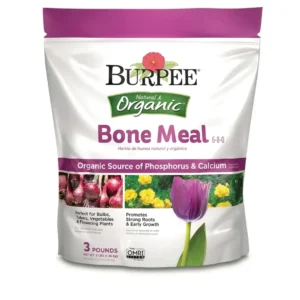 If you prefer a ready-made organic fertilizer that contains bone meal, Burpee Organic Tomato & Vegetable Plant Food with Bone Meal Fertilizer is an option to consider. It provides phosphorus and calcium and is formulated for vegetable gardens, making it suitable for gardeners looking for a convenient alternative to preparing bone meal fertilizer from scratch.
Homemade Fertilizer Schedule for Pepper Plants
Applying homemade fertilizer for pepper plants at the right time is just as important as choosing the right ingredients. This schedule explains when to feed seedlings, mature pepper plants, and fruiting peppers for consistent growth and maximum harvests.
Organic Foliar Sprays for Pepper Plants
Organic foliar sprays complement homemade fertilizer for pepper plants by delivering nutrients directly through the leaves. Learn which homemade sprays work best, when to apply them, and how they help maintain healthy, productive pepper plants throughout the season.
Step 4: Choose the Best Homemade Fertilizer for Peppers
Not every fertilizer suits every stage of growth. Matching your fertilizer to your plant’s current needs makes a real difference in yield.
Best Fertilizer for Seedlings
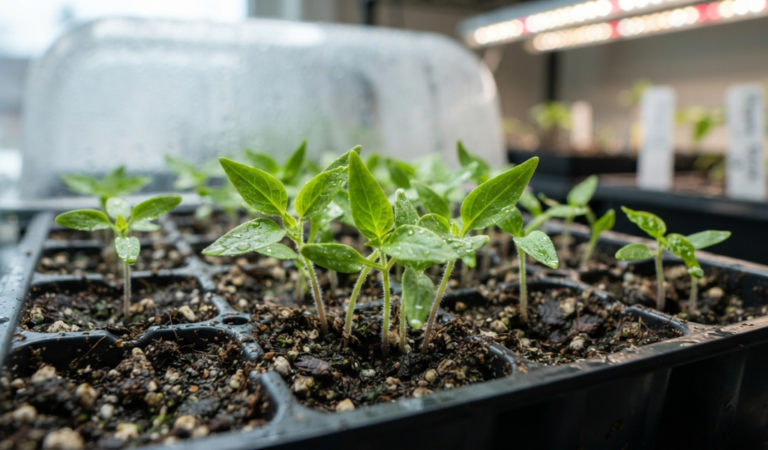
Pepper seedlings are delicate. Their root systems are small and easily overwhelmed by too much fertilizer. For seedlings, diluted compost tea is the safest choice because it provides balanced nutrition without the risk of nutrient burn. Apply it at half strength every two weeks until transplanting.
Coffee grounds can also be mixed lightly into seed-starting soil to give seedlings a nitrogen boost, but use a small amount since too much can create overly acidic conditions.
Best Fertilizer for Flowering and Fruiting Pepper Plants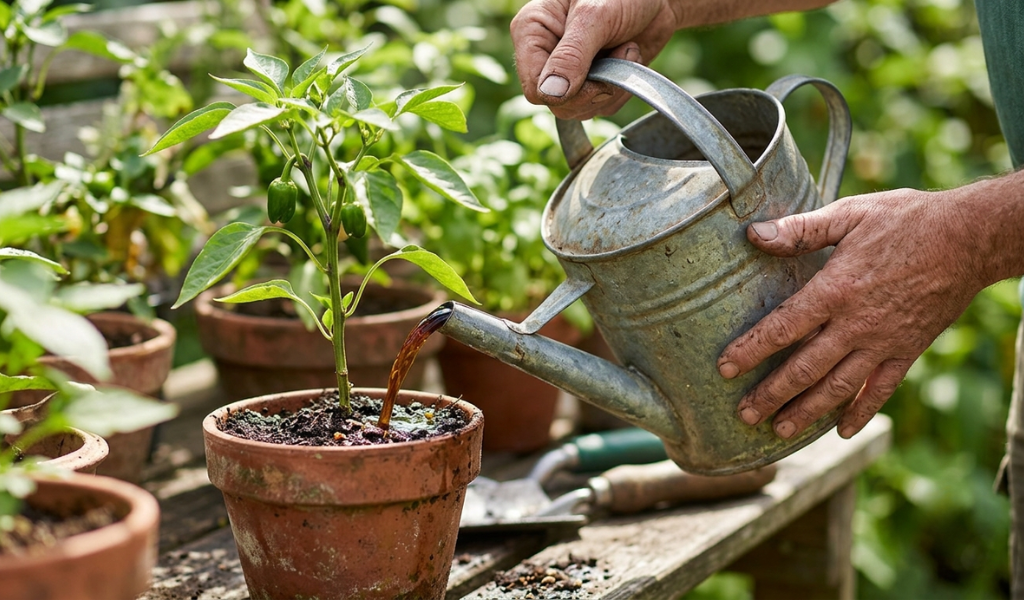
Once your pepper plants start flowering, their nutrient needs shift. They need less nitrogen and more phosphorus and potassium to support flower production and fruit development. Too much nitrogen at this stage causes lush leaf growth at the expense of fruit.
Switch to banana peel fertilizer or the eggshell and coffee grounds mix during this phase. Both provide the phosphorus, potassium, and calcium that flowering and fruiting plants require. Compost tea remains a solid all-around option since it naturally contains balanced nutrients from well-decomposed organic matter.
Step 5: Apply Homemade Fertilizer to Pepper Plants Correctly
Even the best fertilizer for pepper plants can cause problems if applied incorrectly. Here’s how to get it right.
How Much Fertilizer to Use
Less is more. A common mistake among home gardeners is overfeeding, which leads to nutrient toxicity, root burn, and poor fruit set. For liquid fertilizers like compost tea or banana peel water, use about one cup per plant every two to four weeks. For dry amendments like the eggshell and coffee grounds mix, one tablespoon worked into the soil around each plant is plenty.
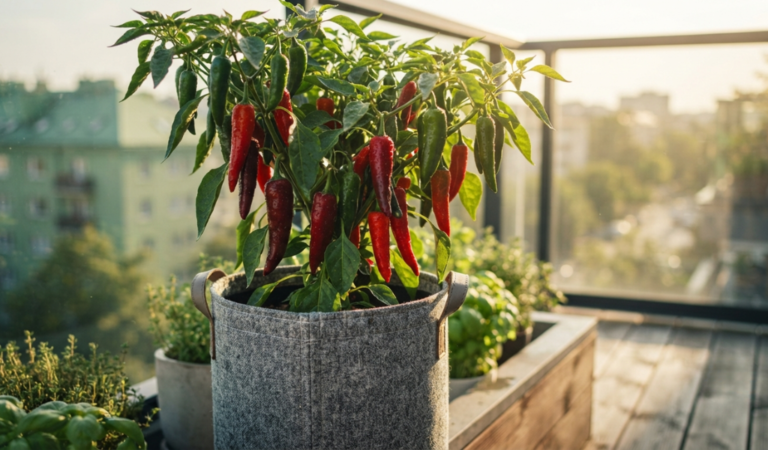
For potted pepper plants, reduce the amount slightly since nutrients have less space to dilute and can build up in the soil faster than in a garden bed.
How to Avoid Overfeeding Pepper Plants
Always start with less than you think you need and increase gradually based on how your plants respond. Water your plants thoroughly before applying any liquid fertilizer to avoid applying it to dry roots, which increases the risk of burn. Avoid fertilizing right after heavy rain, when the soil is already saturated.
Step 6: Know When to Fertilize Pepper Plants
Timing matters as much as the type of fertilizer you use.
Fertilizing After Transplanting
After moving pepper seedlings into the garden or a larger pot, hold off on fertilizing for two to three weeks. Transplanting is stressful for plants, and giving them time to settle in before adding nutrients reduces the chance of root burn. Once they show signs of new growth, that’s your signal to begin a regular fertilizer regimen.
Fertilizing During Flowering and Fruit Production
During active flowering, fertilize every two to three weeks with a low-nitrogen, phosphorus-rich option. Once the fruit is developing and growing in size, continue feeding with potassium-rich fertilizers like banana peel liquid to support strong fruit production. Ease off fertilizing about four weeks before your expected harvest to allow the plant to direct all its energy into ripening the existing fruit.
Step 7: Improve Soil to Help Homemade Fertilizer Work Better
Fertilizer alone isn’t enough. The soil around your pepper plants needs to be in good shape for those nutrients to actually reach the roots.
Maintaining Proper Soil pH
Pepper plants prefer soil with a pH between 6.0 and 6.8. Outside this range, nutrients become locked in the soil and unavailable to the plant, even if you’re fertilizing regularly. A simple soil test kit from a garden center can tell you exactly where your soil stands.
To lower pH (make soil more acidic), add coffee grounds or pine needle mulch. To raise pH, add small amounts of wood ash or garden lime. Checking your soil pH once a season is a habit that separates good gardeners from great ones.
Adding Organic Matter for Long-Term Fertility
Compost is the single best thing you can add to pepper plant soil. It improves drainage in clay soils, helps sandy soils hold moisture, and steadily feeds plants as it breaks down. Mix two to three inches of compost into your garden bed each season, or add a handful to the planting hole before setting in a transplant. Over time, a soil rich in organic matter requires less supplemental fertilizer because it supports its own fertility cycle.
Step 8: Avoid Common Homemade Fertilizer Mistakes
Even well-meaning gardeners make mistakes. Here are the most common ones to watch out for.
Signs of Too Much Fertilizer
Yellowing leaves (especially between the veins), brown leaf tips, wilting despite adequate watering, and little to no fruit despite lots of foliage are all classic signs of excess fertilizer. If you spot these symptoms, stop fertilizing immediately and flush the soil with plain water to help dilute the nutrient buildup.
Ingredients You Should Never Use
Not all kitchen scraps are safe for the garden. Avoid adding meat, dairy, cooked foods, or oily items to compost or fertilizer mixes as they attract pests and create unpleasant odors. Dog or cat manure should also never be used near edible plants due to the pathogens they carry. Diseased plant material should go in the trash, not the compost pile, since it can spread disease back into the garden.
Step 9: Boost Pepper Growth with Extra Natural Tips
Fertilizer works best when combined with other good growing practices.
Proper Watering and Mulching
Pepper plants like consistent moisture but not soggy soil. Inconsistent watering leads to problems like blossom drop and cracked fruit. Water deeply two to three times a week depending on your climate, and always check the soil before watering.
Mulching around the base of pepper plants with straw, wood chips, or dried grass clippings keeps moisture in the soil, regulates soil temperature, and slowly adds organic matter as it breaks down. A two-inch layer of mulch does a lot of heavy lifting in the garden.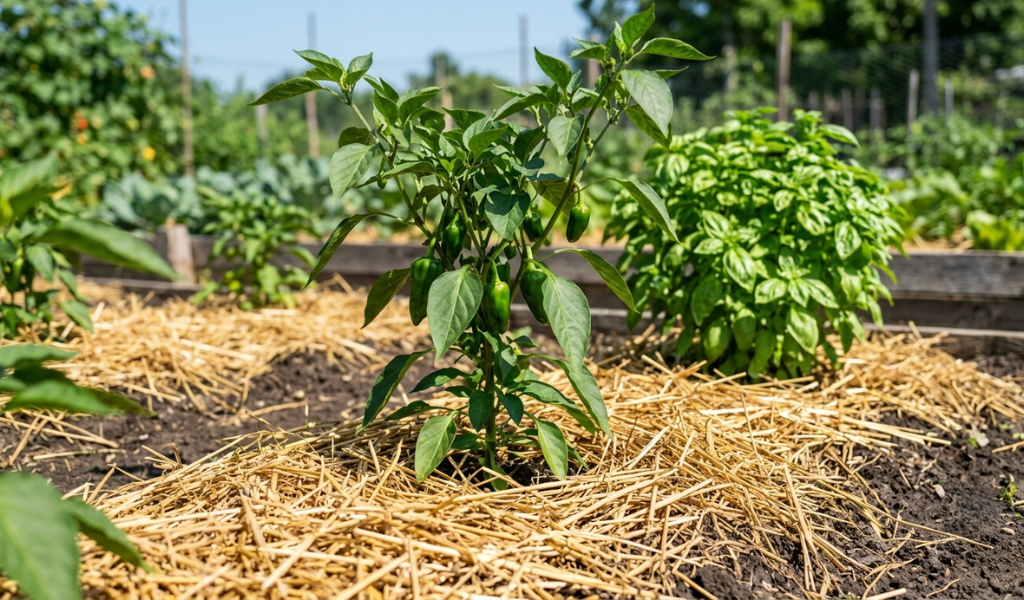
Companion Plants That Support Healthy Peppers
Some plants make excellent neighbors for pepper plants. Basil is a classic companion that many gardeners believe improves the flavor of peppers while deterring aphids. Carrots help loosen compacted soil near pepper roots. Marigolds repel nematodes and other common pests. Avoid planting peppers near fennel, which is known to inhibit the growth of many vegetable plants.
Step 10: Monitor Results and Adjust Your Fertilizer Routine
Healthy pepper plants respond differently to every homemade fertilizer. Regularly monitor leaf color, flowering, fruit production, and overall growth to see how well your fertilizer for peppers is working. If needed, adjust the amount or frequency to avoid overfeeding or nutrient deficiencies. Tracking results helps you make homemade fertilizer more effective and ensures your pepper plants receive the right nutrients throughout the growing season.
No fertilizer routine is perfect from the start. The goal is to observe your plants and adjust based on what you see.
How to Recognize Healthy Pepper Plants
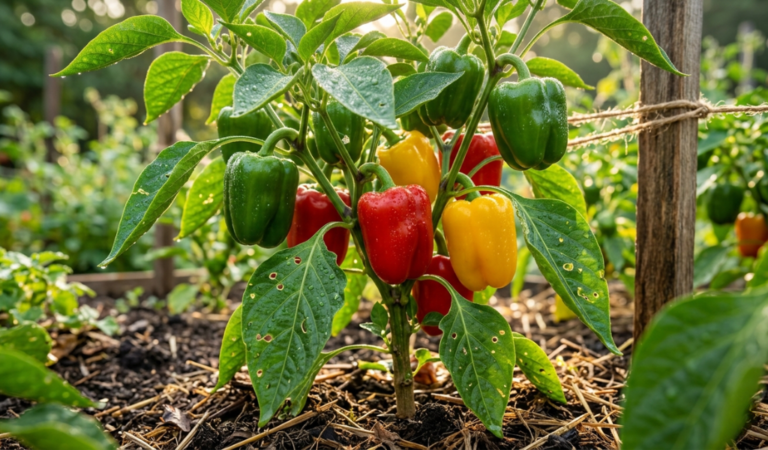
A healthy pepper plant has dark green, glossy leaves and a sturdy stem. It produces flowers regularly and sets fruit that develops without cracking or rotting. Roots stay white or light tan when healthy. If your plant checks these boxes, your fertilizer regimen is working.
When to Change Your Homemade Fertilizer Recipe
If your plants look pale, stunted, or unproductive despite regular feeding, it may be time to switch your approach. Try a different recipe, adjust the frequency, or do a soil test to identify a specific deficiency. Sometimes all a struggling pepper plant needs is a dose of Epsom salt (magnesium sulfate) mixed into the watering can to correct a magnesium deficiency that’s blocking nutrient uptake.
Final Thoughts
Making homemade fertilizer for pepper plants isn’t complicated. It starts with understanding what your plants need, sourcing the right ingredients, and applying them at the right time. Banana peels, coffee grounds, eggshells, and compost tea are all powerful, low-cost tools that most home gardeners already have access to.
Combine consistent feeding with good soil, smart watering, and careful monitoring, and your pepper plants will reward you with a generous, flavorful harvest. Start with one or two of the recipes in this guide, watch how your plants respond, and build your fertilizer routine from there.
Frequently Asked Questions
Should I put Epsom salt on my pepper plants?
Yes, but only if your plants show signs of magnesium deficiency, such as yellowing leaves with green veins. Dissolve one tablespoon of Epsom salt (magnesium sulfate) in one gallon of water and apply it as a foliar spray or soil drench once a month. Epsom salt adds magnesium and sulfur, both of which support healthy plant growth. Avoid using it on plants that already have healthy, dark green foliage since too much magnesium can interfere with calcium absorption.
What do coffee grounds do for pepper plants?
Coffee grounds add nitrogen to the soil and gently lower soil pH, which suits pepper plants since they prefer slightly acidic conditions. You can mix used coffee grounds directly into the soil, add them to compost, or steep them in water to make a diluted liquid fertilizer. Use them in moderation since large amounts can make soil too acidic or compact the surface and restrict water flow.
Does baking soda help pepper plants grow?
Baking soda can help control certain fungal diseases on pepper leaves when diluted and sprayed on foliage. However, it doesn’t function as a fertilizer and won’t directly improve plant growth or soil nutrition. Use it as a pest and disease management tool rather than as part of your regular fertilizer regimen.
What can I put on pepper plants to make them grow faster?
A combination of compost-enriched soil, consistent watering, and a balanced fertilizer routine gives pepper plants the best conditions for steady, healthy growth. During the vegetative stage, nitrogen-rich amendments like coffee grounds or compost tea encourage strong plant growth. Once flowering begins, shift to phosphorus and potassium-rich options like banana peel fertilizer to support fruit production. Adding Epsom salt once a month supports photosynthesis and helps plants utilize other nutrients more efficiently.
How can I use banana peels to fertilize pepper plants?
You can bury chopped banana peels directly in the soil near the plant’s roots, add them to your compost pile, or soak them in water for 48 hours and use the strained liquid as a gentle liquid fertilizer. Banana peels are rich in potassium and phosphorus, making them especially useful during the flowering and fruiting stages of pepper growing.
Are Marconi peppers fertilized the same way as bell peppers?
Yes. Marconi peppers and bell peppers are both sweet pepper varieties with very similar nutrient needs. The same homemade fertilizer recipes, application rates, and timing guidelines outlined in this guide apply to both types. The main factors that influence your fertilizer approach are the plant’s current growth stage and your local soil conditions, not the specific pepper variety.
How do I make natural liquid fertilizer from coffee grounds?
Fill a bucket or jar with one gallon of water and let it sit overnight so any chlorine evaporates. Add two to three tablespoons of used coffee grounds and stir well. Let it steep for 24 hours, stirring occasionally. Strain out the grounds and use the liquid to water your pepper plants. This creates a mild, nitrogen-rich liquid fertilizer that can be applied every two to three weeks throughout the growing season.