Do Pepper Plants Need Full Sun or Shade? The Best Way to Grow Peppers in Your Home Garden
Do Pepper Plants Need Full Sun or Shade? A Complete Growing Peppers Guide
Growing peppers successfully starts with one simple question most gardeners overlook: how much sunlight do these plants actually need? Get it wrong, and you’ll end up with weak stems, poor flowering, and a disappointing harvest. Get it right, and your pepper plants will reward you with an abundance of fruit from mid-summer all the way through fall.
Whether you’re growing sweet bell peppers, spicy jalapeños, or fiery aji varieties, sunlight plays a central role in how well your plants perform. The good news is that peppers are not complicated once you understand their basic needs. This guide covers everything from ideal daily sun exposure to protecting your plants during heat waves, choosing the best spot in your home garden, and avoiding the most common sunlight mistakes growers make.
By the end of this post, you’ll know exactly where to plant peppers this year, how to manage light throughout the growing season, and what to do when conditions aren’t ideal.
Do Pepper Plants Prefer Full Sun or Shade?
Pepper plants prefer full sun. That is the short answer, and it holds true for nearly every variety, from mild bell peppers to scorching hot peppers like habaneros and ghost peppers. Peppers are warm-season vegetables that draw energy from the sun to fuel flowering, fruit development, and overall plant health.
That said, “full sun” does not mean relentless, scorching heat with no relief. There is an important distinction between strong, productive sunlight and extreme afternoon heat that stresses your plants. Understanding that difference will make you a much better pepper grower.
In most home garden settings, placing your peppers in the sunniest available spot is the right move. A south-facing bed or a container on a sunny patio both work well. The goal is consistent, direct sunlight for the majority of the day, paired with good soil drainage, airflow around the foliage, and proper watering.
Ideal Sunlight Requirements for Pepper Plants
How Much Sun Is Enough Each Day?
Pepper plants need at least 6 to 8 hours of direct sunlight per day. Most experienced growers aim for closer to 8 hours, especially for hot peppers, which tend to produce more capsaicin (the compound responsible for heat) when they receive plenty of sunlight.
Morning sun is particularly valuable. It warms the soil gradually, dries overnight moisture from the foliage, and sets up the plant for strong photosynthesis activity throughout the day. Afternoon sun is intense, especially in summer, and in hotter climates like Phoenix or USDA zones 9 and above, too much afternoon direct sunlight can cause more harm than good.
For most gardeners in temperate climates, 6 to 8 hours of full sun is the sweet spot. In extremely hot regions, 6 hours of morning sun combined with light afternoon shade tends to produce healthier plants and better pepper production than full-day exposure.
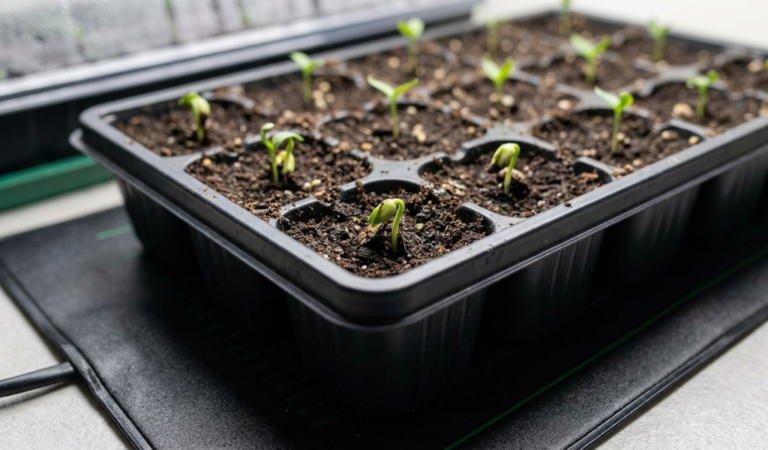
Pepper seedlings and young transplants need slightly more protection. When you first move pepper seedlings outdoors after starting them indoors, give them a few days to harden off in partial sun before exposing them to full sunlight. This prevents shock and reduces the risk of sun scald on young plants.
Benefits of Growing Peppers in Full Sun
Better Flowering and Fruit Production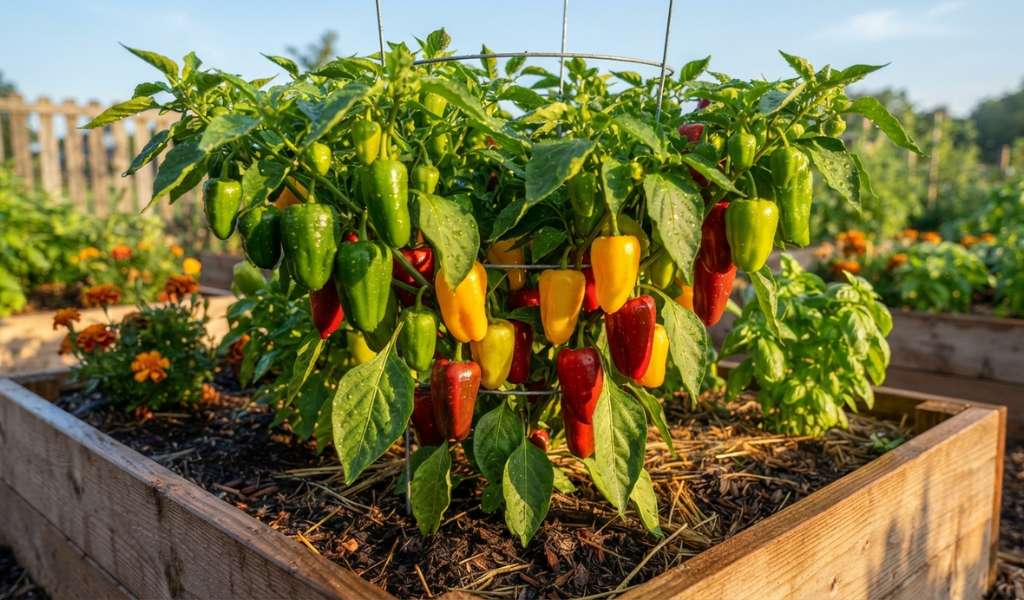
Sunlight is the engine behind fruit production in peppers. When plants receive plenty of sunlight, they produce more flowers, and more flowers mean more peppers. Photosynthesis converts sunlight into the energy that peppers need to support fruit development, which is a physically demanding process for the plant.
Gardens with less sunlight often produce pepper plants that look healthy enough but yield very little fruit. The plant may grow tall and green, but without adequate energy from the sun, it simply does not have the resources to support a full harvest. Full sun solves this problem.
Improved Flavor and Color Development
Sunlight does more than grow peppers. It improves them. Bell peppers grown in full sun develop richer colors, moving from green to yellow, orange, or red much more reliably than those grown in partial shade. Hot peppers like jalapeños and aji varieties become spicier and more flavorful when they receive consistent direct sunlight throughout the growing season.
The same principle applies to sweetness. Peppers need warm temperatures and strong sunlight to convert starches into sugars as they ripen. A shaded pepper may ripen slowly and taste flat. A sun-grown pepper, harvested at peak ripeness, tastes far better.
Can Pepper Plants Grow in Partial Shade?
Pepper plants can survive in partial shade, but survival is not the same as thriving. In partial shade, plants tend to grow taller and leggier as they stretch toward available light. Fruit production drops significantly. Flowers may drop before setting fruit, a problem known as flower drop, which is triggered by stress, including insufficient sunlight.
When Partial Shade Is Beneficial
There are situations where partial shade actually helps pepper plants. In extremely hot climates where daytime temperatures regularly climb above 95 degrees Fahrenheit, intense afternoon sun can push plants into heat stress. When plants overheat, they drop their blossoms and fruit production stalls even if the plant looks otherwise healthy.
In these conditions, afternoon shade provided by a shade cloth, a nearby taller plant like tomatoes, or a fence can reduce heat stress and actually improve overall pepper production. The goal is to protect plants from the hottest part of the day while still giving them 6 or more hours of quality morning sun.
Gardeners in cooler climates rarely need to worry about this. For most people growing peppers in zones 5 through 7, full sun all day is ideal and heat stress is not a major concern.
How Shade Affects Plant Growth
Shade has a cascading effect on pepper plant health. When plants do not receive adequate sunlight, the following problems tend to develop:
Reduced photosynthesis limits the plant’s ability to produce energy, leading to slow growth and poor fruit set. The stems grow longer and weaker as the plant reaches for light, making it more prone to damage from wind or heavy fruit. Moisture stays on the foliage longer in shaded conditions, creating favorable conditions for fungal disease and rot.
Shaded pepper plants also tend to have poor airflow around their dense, elongated foliage, which further increases disease risk. Roots in perpetually shaded, damp soil are more prone to root rot, especially if drainage is not excellent.
The bottom line: if you are growing peppers in your vegetable garden and yields have been disappointing, lack of sunlight is one of the first things to investigate.
Choosing the Best Planting Location
Garden Beds vs. Containers
Both garden beds and containers work well for growing peppers, and each has advantages. Garden beds offer more root space, better moisture retention in the soil, and easier integration with compost and mulch. Raised beds are especially popular because they warm up faster in spring, drain well, and allow gardeners to plant peppers earlier in the season.
Containers give you flexibility. If your garden has limited sunny spots, you can move potted pepper plants to track the sunniest areas throughout the day. Use a pot at least 12 inches deep and wide to give roots enough room, and fill it with quality potting soil that drains freely. One pepper plant per container is usually the right approach for full-sized varieties.
Finding the Sunniest Spot
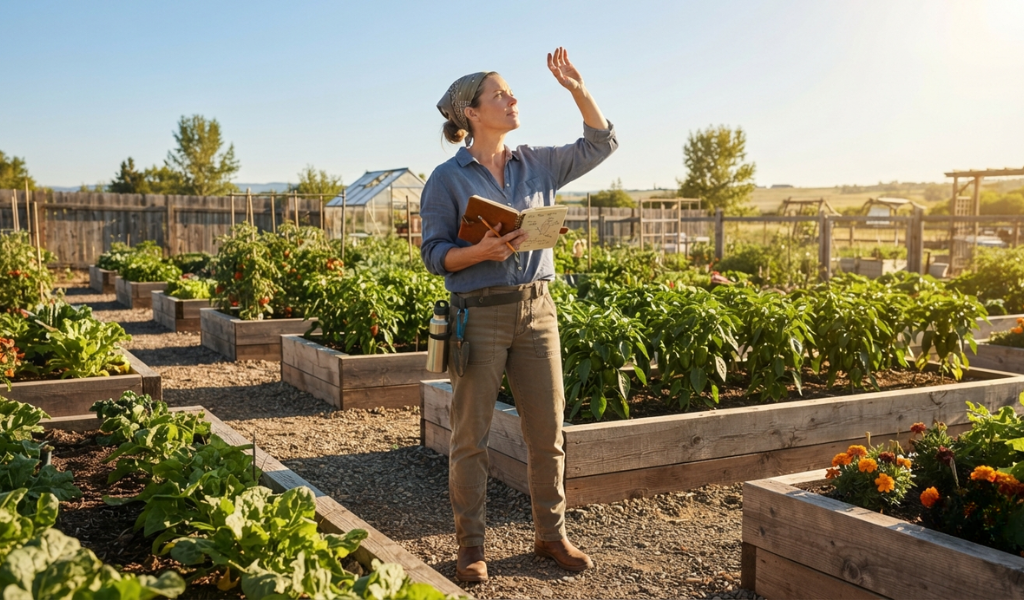
Before planting peppers, spend a day observing your garden and tracking where sunlight falls. The sunniest spots in most home gardens are south-facing areas that receive unobstructed sunlight from morning through mid-afternoon.
Avoid spots that sit in the shadow of fences, large trees, or buildings during peak sunlight hours. Even a couple of hours of mid-day shade can reduce total sun exposure enough to noticeably impact your harvest.
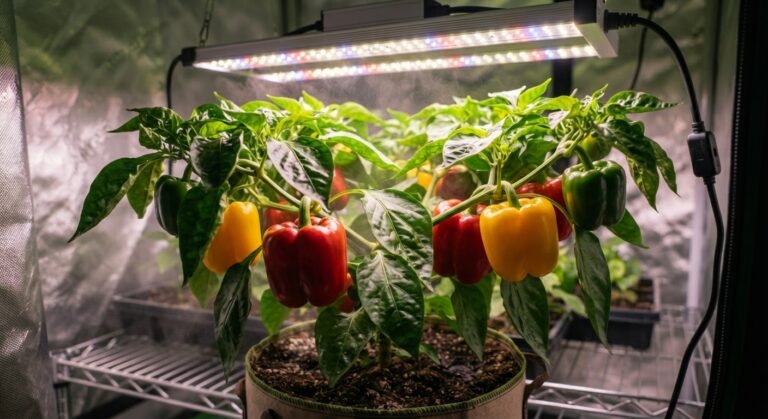
If you are growing peppers indoors or starting pepper seeds before the last frost date, place them near a south-facing window or under a grow light that provides at least 14 to 16 hours of artificial light per day to compensate for the lower intensity compared to outdoor sunshine.
Protecting Pepper Plants from Extreme Heat
Using Shade Cloth During Heat Waves
A shade cloth is one of the most practical tools a pepper grower can own. During summer heat waves, when temperatures stay above 95 to 100 degrees Fahrenheit for multiple days, a shade cloth draped over your plants reduces direct sunlight intensity by 20 to 40 percent without cutting them off from sunlight entirely.
Look for shade cloth with 30 to 40 percent shade density for peppers.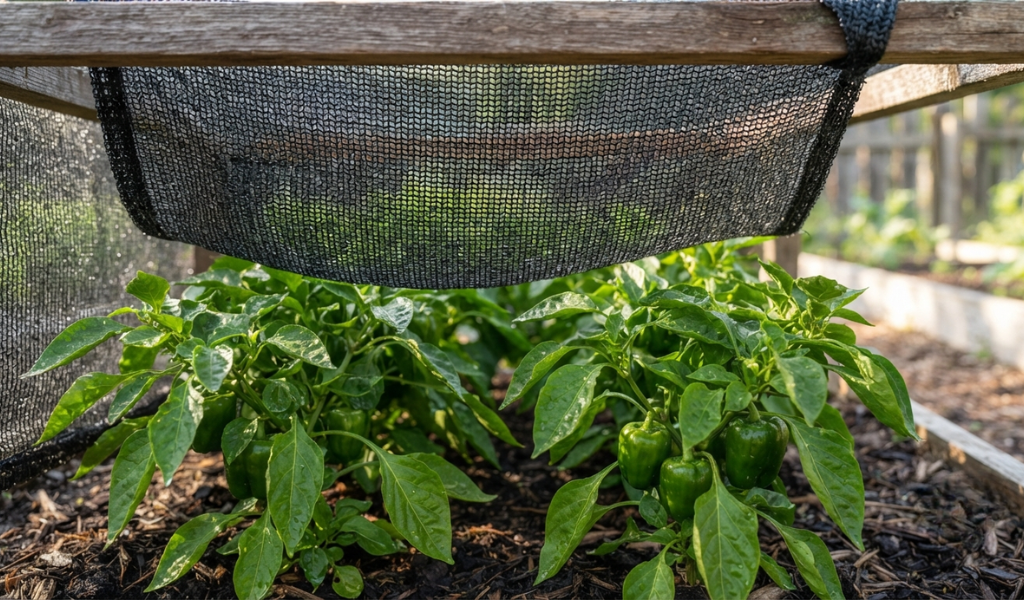 Anything heavier will reduce light too much and trigger the same problems as growing in full shade. Set it up so there is still airflow around the plants, and remove it once temperatures drop back to normal.
Shade cloth is especially useful for gardeners in hot climates who want to grow peppers through the peak of summer without losing their entire crop to heat-induced flower drop.
Preventing Sun Scald on Peppers
Sun scald appears as pale, papery patches on the skin of pepper fruit. It happens when fruit is suddenly exposed to intense direct sunlight after being shaded by foliage, or when young pepper seedlings are moved outdoors too quickly without a proper hardening-off period.
Preventing sun scald starts with leaving enough foliage on the plant to provide natural shade for developing fruit. Avoid aggressively pruning leaves during summer, even if you normally do light pruning to improve airflow. You can also use a shade cloth during the hottest part of the growing season to reduce the risk.
If sun scald does occur, the affected fruit is still edible, though the damaged areas may become susceptible to rot over time. Harvest those peppers a bit earlier than usual and use them right away.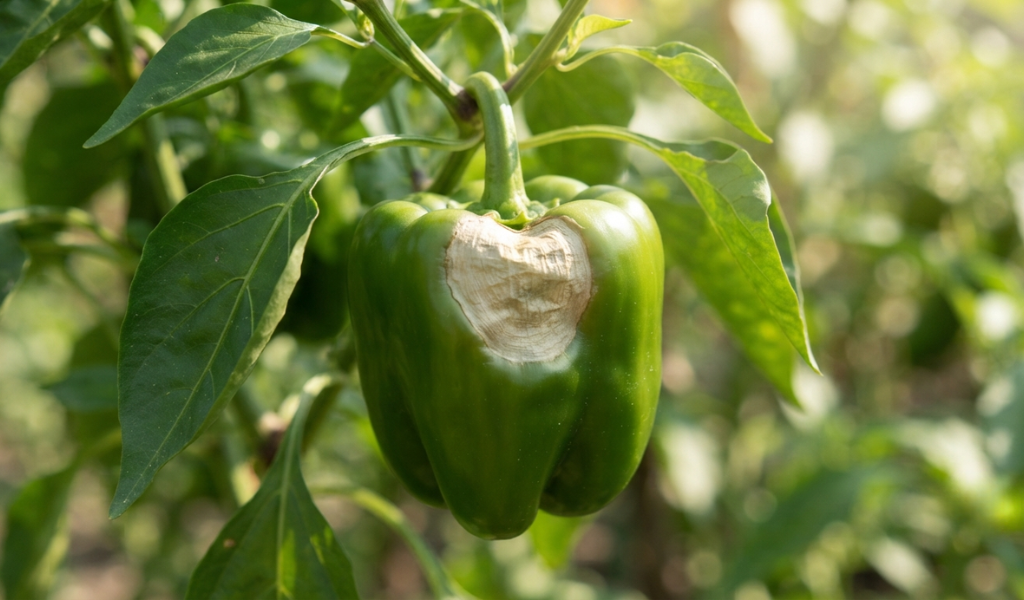
Common Sunlight Mistakes
Planting in Too Much Shade
The most frequent sunlight mistake gardeners make is planting peppers in a spot that looks sunny in spring but becomes increasingly shaded as nearby trees leaf out through summer. Deciduous trees that are bare in April may cast significant shade by July, right when your pepper plants are trying to set their heaviest fruit.
Always evaluate your planting location in mid-summer conditions, not early spring. If you can, choose spots that are clear of overhead canopy year-round.
Ignoring Afternoon Heat Stress
On the opposite end, many gardeners assume that more sun always means better growth. In hotter climates, planting peppers against a south-facing wall that reflects additional heat or in a spot with no airflow can push daytime temperatures around the plant well beyond what peppers can tolerate.
Watch your plants for signs of heat stress: wilting in the afternoon even when the soil is moist, flowers drop during heat waves, or fruit that fails to set despite regular watering. These are signals that your plants are getting too much heat, not too little sunlight.
Tips for Growing Healthy Pepper Plants
Monitoring Sun Exposure
Use a simple sun calculator app or spend a day timing how many hours of direct sunlight your planting area receives. This takes the guesswork out of site selection and helps you make better decisions about where to plant peppers in your home garden.
Check sun exposure at different times of year if you can. A spot that gets 8 hours of sun in June might get only 5 hours in August as the sun’s angle changes.
Adjusting Care Throughout the Season
Pepper plants need to shift as the season progresses. In early spring, young transplants benefit from warm temperatures and gentle sun. By midsummer, established plants need deep, consistent watering to cope with heat and support fruit development. Drip irrigation works particularly well because it delivers water directly to the soil line without wetting foliage, which helps prevent disease.
Apply a layer of mulch around the base of each plant to retain soil moisture, regulate soil temperature, and reduce weed competition. Mulch is especially effective in raised beds and garden beds where soil can dry out quickly during hot weather.
As the growing season winds down in fall, light levels naturally decrease. This is fine for peppers that are already loaded with developing fruit. At this stage, focus on protecting plants from early frost rather than worrying about sunlight.
Growing Peppers the Right Way: Final Thoughts
Peppers are sun-loving plants that deliver their best results when given 6 to 8 hours of direct sunlight each day. Choose a spot in your vegetable garden or home garden that gets strong morning sun, ensure good drainage and airflow, and protect your plants during extreme heat with a shade cloth if needed.
Avoid the two biggest mistakes: planting in too much shade and ignoring the impact of intense afternoon heat. Both reduce flower set and fruit production, often without any obvious signs until your harvest falls short of expectations.
With the right location, a little attention to seasonal changes, and good basic care, pepper plants are remarkably productive. Whether you are chasing a bumper crop of bell peppers or trying to grow the spiciest jalapeños in the neighborhood, sunlight is the foundation everything else is built on.
Frequently Asked Questions
How much sun do pepper plants need daily?
Pepper plants need a minimum of 6 hours of direct sunlight per day. For best results, especially with hot pepper varieties like jalapeños and aji peppers, aim for 8 hours of direct sunlight. Morning sun is ideal, as it warms the soil and foliage without the intensity of peak afternoon heat.
Do peppers do better with morning or afternoon sun?
Morning sun is generally better for pepper plants, particularly in hot climates. It provides consistent, productive sunlight for photosynthesis without the stress of extreme afternoon heat. In areas with temperatures regularly above 95 degrees Fahrenheit, afternoon shade can actually improve pepper production by reducing heat-related flower drop.
Can pepper plants grow in the shade?
Pepper plants can survive in partial shade, but they will not produce well. Shaded peppers grow tall and spindly, flower less frequently, and set significantly less fruit. For a productive harvest, peppers need full sun for most of the day. Partial shade is acceptable only in very hot climates where afternoon shade reduces heat stress.
Can peppers get too much sun?
Yes, in extremely hot climates. When temperatures consistently exceed 95 to 100 degrees Fahrenheit, intense afternoon sunlight can cause heat stress, flower drop, and sun scald on fruit. Using a 30 to 40 percent shade cloth during heat waves helps protect plants while still allowing adequate light for healthy growth.
Do pepper plants need a lot of water?
Pepper plants need regular, consistent watering, especially during hot weather and fruit development. Allow the top inch of soil to dry out slightly between waterings, then water deeply to encourage strong root growth. Drip irrigation is a great option because it delivers water to the soil line without wetting the foliage. Avoid overwatering, which can lead to root rot and blossom end rot.
Do bell peppers do better in pots or in the ground?
Both work well, though in-ground garden beds and raised beds offer more root space and better moisture retention. Containers are a good option if your garden has limited sun, since you can move them to track sunlight throughout the day. Use at least a 12-inch pot per plant, filled with well-draining potting soil, and water more frequently than you would for in-ground plants.
What should not be planted near peppers?
Avoid planting peppers near fennel, which can inhibit the growth of most vegetable garden plants. Planting peppers too close to other members of the nightshade family, such as tomatoes, can also create competition for nutrients and increase shared disease risks. Peppers grow well alongside basil, carrots, and marigolds, which can help deter pests and improve growing conditions.