Florida Weave Trellis for Tomatoes: Ultimate Guide
The Ultimate Guide to the Florida Weave Trellis for Tomatoes : Easy and Affordable Method for Garden
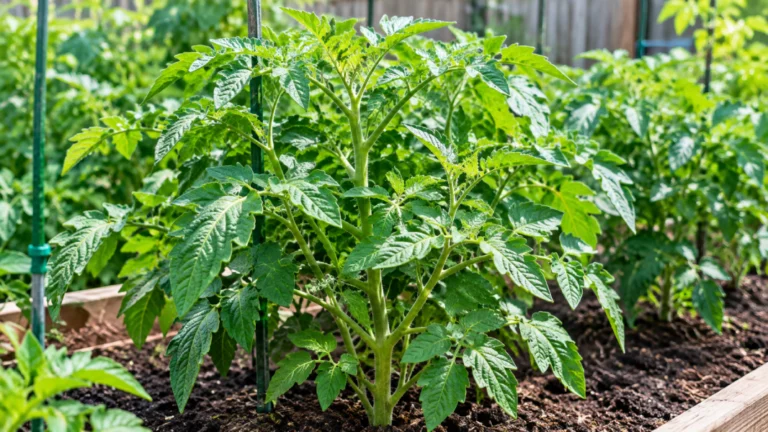
If you have ever struggled to keep a row of tomato plants upright once the fruit starts weighing down the stems, the florida weave trellis for tomatoes might be the simplest fix you have not tried yet. This method has been used by commercial growers for decades, and it has quietly become a favorite among home gardeners who want strong support without building an expensive structure.
This guide is especially useful for anyone practicing Small Space Vegetable Gardening, since the florida weave takes up almost no extra room compared to bulky tomato cages. A single row of stakes and a few passes of twine can support an entire line of tomato plants, freeing up garden space for other crops while still giving your tomatoes the strong backbone they need to stay upright through a full growing season.
Below we will cover exactly what the florida weave is, why so many gardeners prefer it over other trellis tomatoes methods, what materials you need, and a full step by step walkthrough for setting it up yourself. We will also cover maintenance through the season and the mistakes that trip up first timers, so your weave holds strong from planting all the way to harvest.
What Is a Florida Weave Trellis?
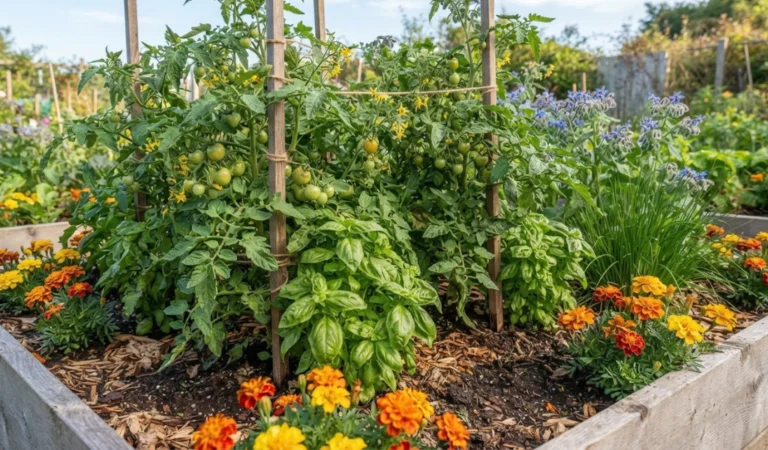
The florida weave trellis is a support system that uses a line of stakes and woven twine to hold tomato plants upright as they grow, without the need for individual cages or ties on every single stem. Instead of surrounding each plant, the florida weave method runs along an entire row, weaving twine back and forth between stakes and plants to create a supportive channel that the tomato plant grows up through.
Definition and origin of the Florida weave system
This trellising system got its name from its roots in commercial tomato production in Florida, where growers needed a fast, low cost way to support large rows of tomatoes without the labor of caging or staking every plant individually. Over time, the florida weave system made its way into home gardens because it solves the same problem on a smaller scale, offering strong support with a fraction of the material and setup time that cages or individual stakes require.
How the weaving method supports indeterminate and determinate tomatoes
The weave works well for both determinate and indeterminate tomatoes, though the approach differs slightly. Indeterminate tomato plants keep growing taller throughout the season, so the florida weave trellis is built in stages, with new rows of twine added as the plants grow. Determinate tomatoes stop growing at a set height, so fewer rows of twine are usually needed to fully support them. In both cases, the twine holds tomato stems in place as they grow, keeping fruit off the ground and stems from snapping under their own weight.
Benefits of Using a Florida Weave for Tomatoes
There are a few clear reasons the florida weave has stuck around in gardens for so long, and why it keeps winning over gardeners who have tried cages or individual staking before.
Cost-effectiveness and minimal hardware required
Compared to buying a tomato cage for every plant, a florida weave trellis needs only stakes placed every few plants and a roll of twine, making it one of the most budget friendly ways to support your tomatoes. For a full row of tomato plants, this can save a significant amount compared to individual cages, especially if you are growing several varieties across a long bed.
Improved airflow to prevent fungal diseases
Because the florida weave lifts foliage up and spreads plants slightly rather than boxing them into a tight cage, air moves through the row more freely. Better airflow means leaves dry out faster after rain or morning dew, which lowers the risk of fungal problems like blight that thrive in damp, stagnant conditions. This is one of the quieter benefits of the method, but it makes a real difference over a full growing season.
Easy harvesting and clean fruit
With stems held upright and spread along the row rather than tangled inside a cage, tomatoes are easier to spot and easier to reach at harvest time. Fruit also stays up off the soil, which means less contact with dirt, fewer slug or pest issues at ground level, and cleaner tomatoes overall when you pick them.
Essential Materials Needed
Setting up a florida weave trellis does not require anything fancy, and most of what you need can be found at a local hardware or garden store.
 Sturdy wooden or metal stakes
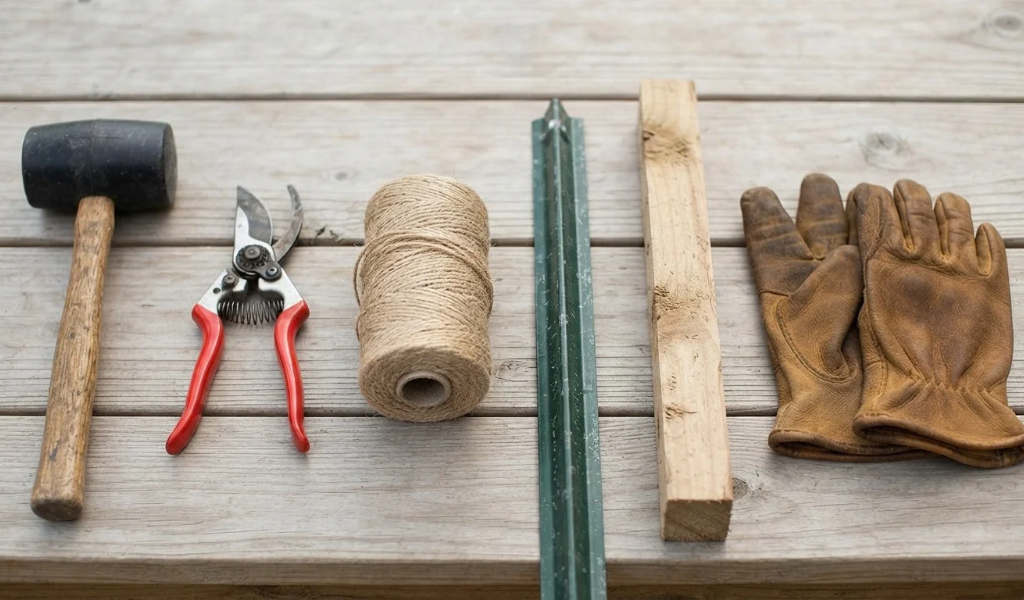
You will need sturdy stakes, either wooden stakes or metal options like t-posts or rebar, placed at both ends of your row and at intervals along its length. Metal stakes tend to hold up better over a full season and can be reused year after year, while wooden stakes are cheaper upfront but may need replacing more often as they weather.
Horticultural twine or strong jute string
For the weaving itself, you need a strong twine that will not stretch or snap under the weight of a heavily fruiting tomato plant. Jute or cotton twine are popular natural choices, while horticultural twine made specifically for garden use offers extra strength and weather resistance. Avoid anything too thin or flimsy, since the twine is doing the real work of holding your plants upright.
Mallet, post driver, and pruning shears
A mallet or post driver makes quick work of getting stakes firmly into the ground, which matters since a loose stake can lean or pull out once the row fills in with fruiting plants. Pruning shears come in handy throughout the season for trimming stray growth and keeping the weave tidy as plants fill out.
Step-by-Step Instructions for Setting Up a Florida Weave
Building your florida weave trellis is straightforward once you understand the basic rhythm of the process, and most gardeners get the hang of it after the first row.
Step 1: Spacing and driving your end stakes and inner stakes
Start by placing a stake at each end of your row of tomatoes, then add inner stakes every two to three plants along the row. Drive each stake firmly into the ground using your mallet or post driver, making sure they are stable enough to resist pulling or leaning once twine tension and plant weight are added later in the season.
Step 2: Tying off the first run of twine
Once your stakes are set, tie your twine securely to one end stake, low enough to catch the plants at their current height. This first row is usually placed around eight to twelve inches above the soil, just above where the plants naturally branch out.
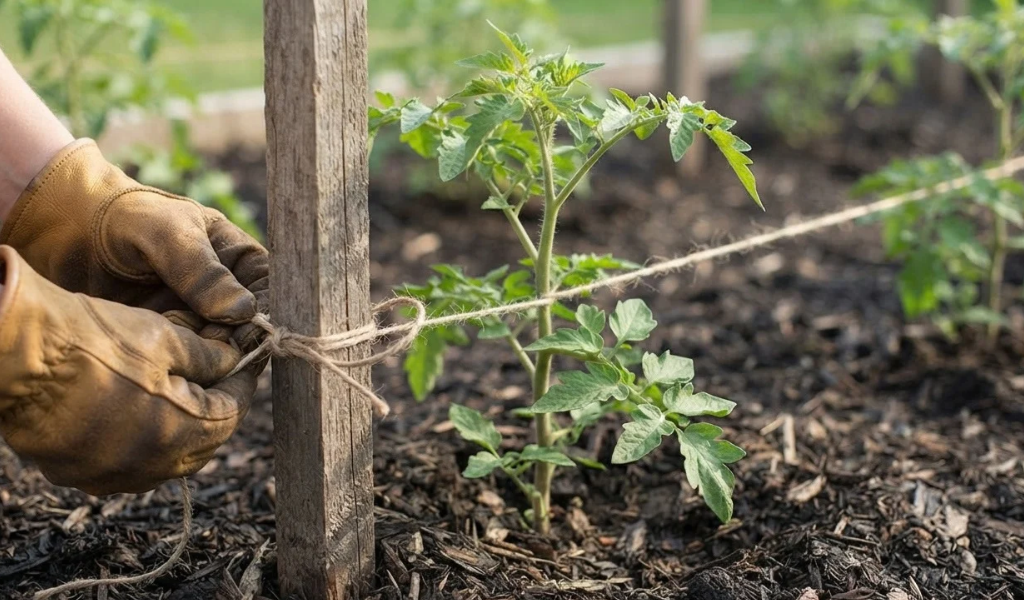 Step 3: Weaving the twine tightly between plant stems
Walk down the row, passing the twine on one side of each plant, then crossing to the other side as you reach the next stake, weaving back and forth so that each tomato plant ends up gently sandwiched between two lines of twine. Keep the twine snug as you go, wrapping it around each inner stake before continuing to the next section, and tie off firmly at the final end stake.
Step 4: Adding upper rows as plants grow taller
As your tomato plants grow, add new rows of twine following the same weaving pattern, spaced above the previous row. This keeps the plant supported at multiple heights as it gets taller and heavier with fruit, rather than relying on a single row that would let the top of the plant flop over.
Best Maintenance Practices Throughout the Season
A florida weave trellis is not a one time setup, it needs a bit of attention as the season goes on to keep doing its job well.
When to add new rows of twine
A good rule of thumb is to add a new row of twine every eight to twelve inches of new growth, checking your plants weekly during the peak growing season since tomatoes can grow surprisingly fast once the weather warms up. Waiting too long between rows lets the upper part of the plant flop over before you get a new line in place to catch it.
Pruning and tucking stray vines back into the weave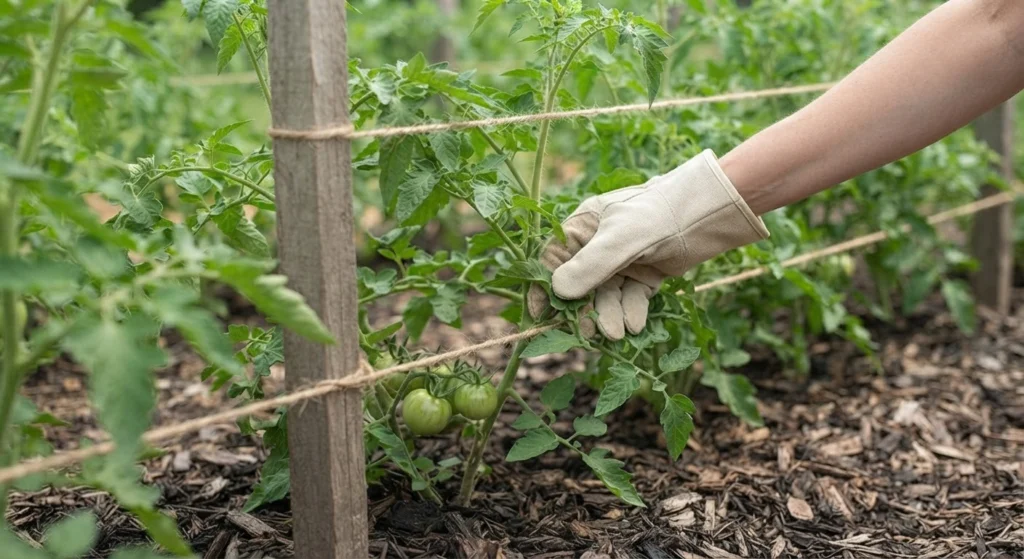
Every week or two, walk your row and tuck any stems that have flopped outside the twine back into the weave, gently guiding them between the lines rather than forcing them. Pruning suckers and excess growth, especially on indeterminate tomato varieties, helps keep the plant manageable within the trellis and reduces the weight the weave needs to support.
Common Mistakes to Avoid
A few simple mistakes can undermine an otherwise well built florida weave, and knowing them ahead of time will save you frustration mid season.
Using weak twine that snaps under fruit weight
Cheap or thin twine might hold up fine in June, but by the time your plants are loaded with ripening fruit in late summer, that same twine can snap under the added weight, letting an entire section of the row collapse at once. Investing in quality jute, cotton, or horticultural twine from the start avoids this problem entirely.
Placing stakes too far apart, leading to sagging lines
Spacing stakes too far apart might seem like a time saver, but it leaves long unsupported sections of twine that sag under weight, especially once plants are heavy with fruit. Keeping inner stakes every two to three plants gives the twine enough support points to stay taut and keep your row standing straight through the whole season.
Final Thoughts
The florida weave trellis for tomatoes offers a rare combination of low cost, low effort, and strong results, which is exactly why it has stuck around in gardens for so long. With just a few sturdy stakes and some quality twine, you can support an entire row of tomatoes better than most cages manage, while also improving airflow and making harvest easier.
If you have been fighting with tomato cages that tip over or stakes that cannot keep up with a sprawling plant, give the florida weave a try this season. Set up your first row, add new twine as your plants grow, and watch how much sturdier and tidier your tomato patch looks by midsummer.
Frequently Asked Questions
How far apart should stakes be for a florida weave trellis?
Place stakes every two to three plants along the row, with sturdy end stakes anchoring both sides. This spacing keeps the twine taut and prevents sagging as plants grow heavier with fruit.
What is the best twine to use for the florida weave method?
Jute, cotton, or horticultural twine work best since they are strong enough to hold up under the weight of fruiting tomato plants without stretching or snapping.
Can the florida weave support both determinate and indeterminate tomatoes?
Yes, the method works for both. Indeterminate tomato plants usually need more rows of twine added as they keep growing taller, while determinate varieties typically need fewer rows since they stop growing at a set height.
How often should I add a new row of twine?
Add a new row roughly every eight to twelve inches of new growth, checking your plants weekly during peak growing season so the weave keeps up with how fast the plants are growing.
Is the florida weave trellis good for small space vegetable gardening?
Yes, it is one of the most space efficient trellising systems available, since it runs along a row rather than surrounding each plant individually, making it ideal for raised beds and tight garden layouts.
Do I need special tools to set up a florida weave?
Not really. A mallet or post driver for the stakes and a pair of pruning shears for maintenance are the main tools needed, along with sturdy stakes and quality twine.
Can I reuse the stakes and twine from a florida weave trellis next season?
Metal stakes like t-posts can be reused for many seasons if stored properly. Twine is generally best replaced each year, since it weakens after a season of sun, rain, and tension.