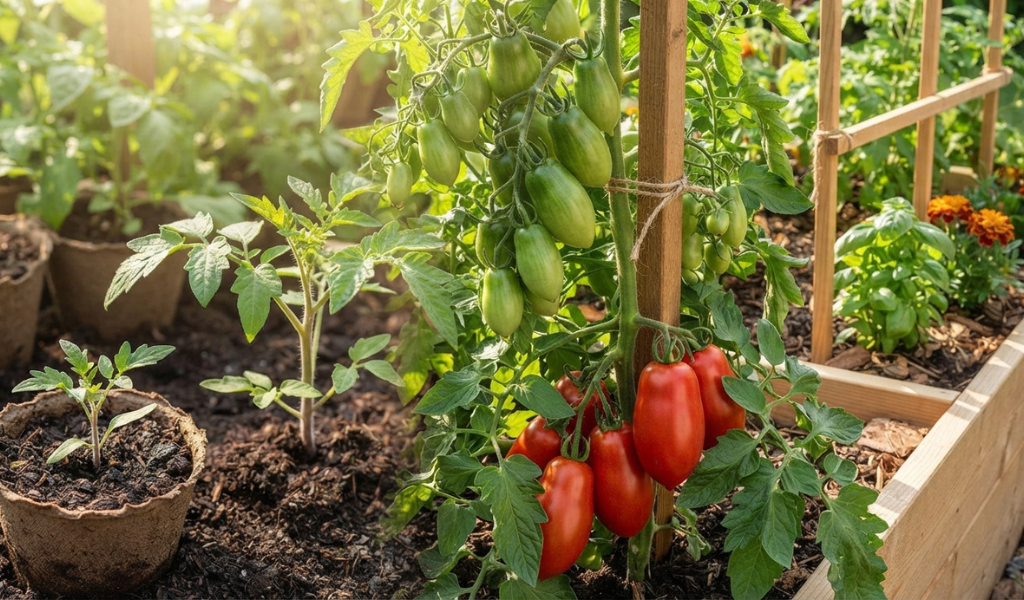
San Marzano Tomato Growing Stages: From Seed to Healthy Tomato Plant
San Marzano Tomato Growing Stages: From Seed to Healthy Tomato Plant
If you have ever tasted a sauce made from real San Marzano tomatoes, you already know why so many gardeners want to grow this Italian heirloom at home. Understanding the San Marzano tomato growing stages is the key to raising healthy plants that reward you with sweet, meaty, low-acid fruit perfect for canning and sauce making. This guide walks you through every step of the San Marzano tomato growing stages, from sowing seeds indoors to picking ripe plum tomatoes off the vine.
San Marzano is native to Italy, specifically the volcanic soil near Naples, and it has earned its reputation as one of the best paste tomatoes in the world. Whether you are a first time gardener or someone who has grown Roma tomatoes before, learning the full timeline of San Marzano tomato growing stages will help you avoid common mistakes and get a stronger harvest.
How to Start San Marzano Tomato Seeds Successfully
Every gardener’s journey through the San Marzano tomato growing stages begins with seed starting. Starting tomatoes from seed gives you more control over the variety and lets you grow this heirloom even if your local nursery does not carry it.
Choosing Quality Seeds and the Right Growing Medium
Pick seeds from a trusted seed company and check that they are labeled true San Marzano, since many stores sell hybrid look-alikes. Fill seed trays or small pots with a light seed starting mix rather than garden soil, because garden soil can be too heavy and hold too much moisture around tender seed cavities. Sow seeds about a quarter inch deep and keep the medium moist but never soggy. Start seeds indoors roughly six to eight weeks before the last frost date in your area, since this timing lines up nicely with the rest of the San Marzano tomato growing stages once the weather warms up.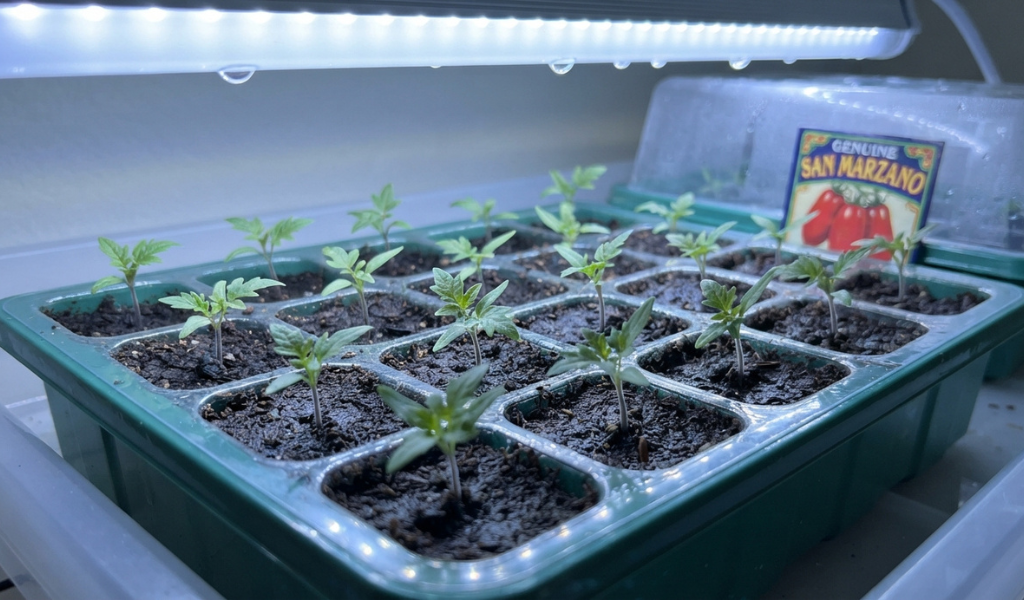
Germination and Early Seedling Care
Germination usually takes five to ten days when the soil stays around 70 to 80 degrees Fahrenheit. A heat mat can speed things along if your home runs cool. Once the seedling pushes through the soil, move the tray to a bright window or under a grow light, because weak light causes leggy, weak stems. Give young san marzano seedlings at least twelve to sixteen hours of light a day and water from the bottom to keep the soil evenly moist without drowning the roots. Thin out weaker seedlings so the strongest plant in each cell has room to grow.
Transplanting San Marzano Tomato Seedlings Outdoors
Moving your tomato plant from indoor tray to garden bed is one of the more delicate San Marzano tomato growing stages, and doing it correctly sets the tone for the whole season.
When San Marzano Seedlings Are Ready to Transplant
Your seedlings are ready to transplant once they have two to three sets of true leaves and the outdoor soil temperature stays reliably above 60 degrees. This is usually a few weeks after the last frost in your region. Before moving them outdoors, harden off the seedlings by gradually exposing them to outdoor conditions. Choose a warm, sunny day for transplanting, and avoid rushing the process if cold weather is still possible. A sudden cold snap can damage or even kill young plants.
Hardening Off Before Planting
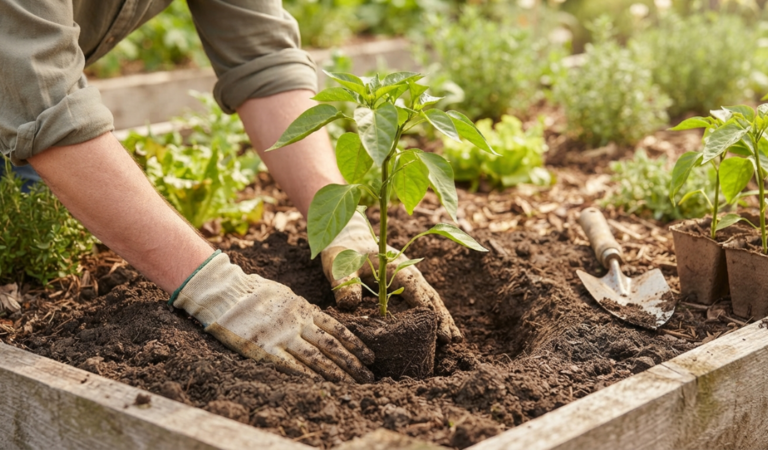
Before you plant San Marzano tomatoes in the ground, harden off the seedlings by setting them outside for a short time each day, gradually increasing sun exposure and wind contact over seven to ten days. This toughens the stems and leaves so the shock of transplanting does not stunt the plant. When you are ready to transplant san marzano seedlings, dig a trench and bury the plant sideways up to at least two-thirds of the stem, since San Marzano tomatoes will grow new roots along the buried portion of the stem and this creates a stronger root system. Space plants 30 to 48 inches apart to allow airflow and room for the vines to elongate as the season goes on.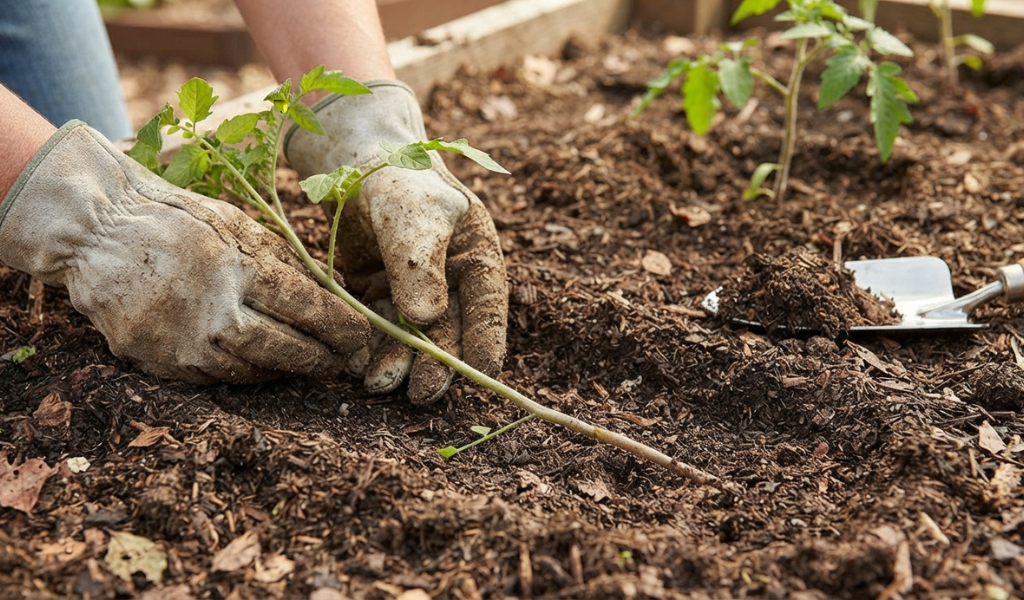
The Vegetative Growth Stage of San Marzano Tomatoes
After transplanting, the plant enters a vigorous vegetative stage where it builds leaves, stems, and root mass before it starts producing flowers. This stage of the San Marzano tomato growing stages can last three to four weeks.
Sunlight, Watering, and Soil Requirements
San Marzano tomato plants need six to eight hours of sunlight per day, and more is even better since these are sun loving plants. Water deeply and consistently, aiming to keep the soil moist but not waterlogged. Letting the soil become too dry between waterings, then soaking it heavily, is a major cause of blossom end rot later in the season, so try to keep watering steady throughout the growing season. Work compost into the soil before planting and side dress with a balanced fertilizer such as 5-10-10 once the plant is established, since too much nitrogen at this point encourages leafy growth at the expense of fruit.
Supporting and Pruning San Marzano Tomato Plants
San Marzano is an indeterminate variety, meaning the vine keeps growing and producing fruit until frost kills it, unlike determinate varieties that stop growing at a certain height. Because of this, support and pruning become essential parts of the San Marzano tomato growing stages.
Stakes, Cages, and Trellises for Tall Vines
Because the vine grows tall and can reach five to seven feet, sturdy stakes or cages are a must. A simple wooden stake driven into the ground next to the main stem, combined with twine or strips of pantyhose to tie the vine loosely as it grows, works well for most gardeners. Cages give the plant more support with less tying, which is helpful for a beginner gardener who wants an easier setup.
Managing Suckers and Maintaining Healthy Growth
Suckers are the small side shoots that form in the joint between the main stem and a branch. Pinching off suckers directs the plant’s energy toward the main stem and fruit clusters rather than excess foliage. Many experienced gardeners prune suckers weekly once the plant grows past a foot tall, keeping one or two main stems for the strongest structure. Pruning also improves airflow around the plant, which helps deter pests and reduces the chance of fungal disease.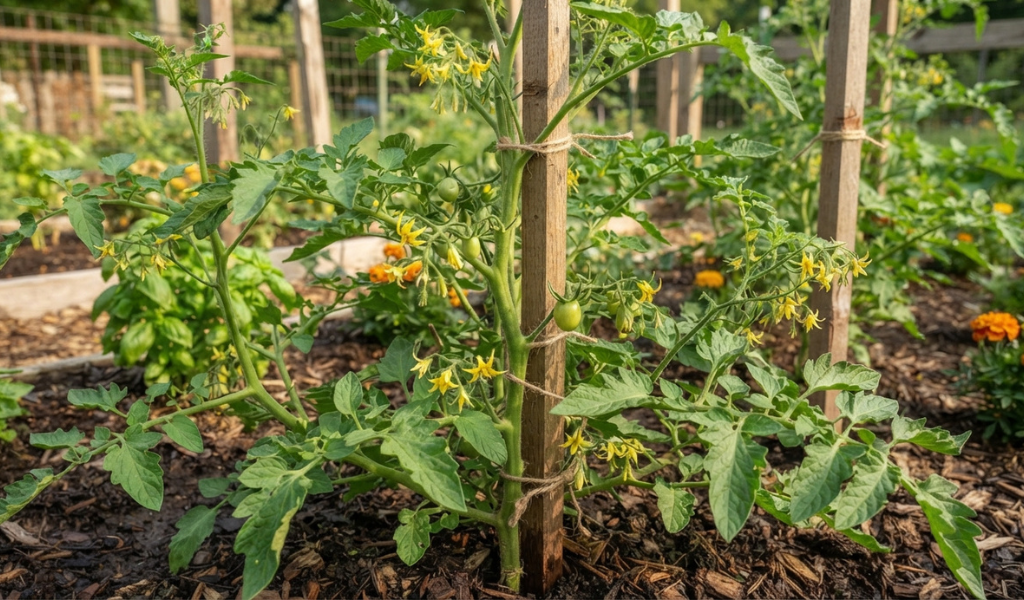
Flowering Stage: When San Marzano Tomatoes Start to Bloom
Once the plant has built a solid frame of stems and leaves, it moves into the flowering stage, usually four to six weeks after transplanting. This is one of the most exciting San Marzano tomato growing stages because it signals that fruit is on the way.
Small yellow flowers appear along the stems, often in clusters of six to eight blossoms. Bees and other pollinators do most of the work, but you can gently shake the stems on a calm day to help pollen move between flowers if pollinator activity is low. Avoid high nitrogen fertilizer at this stage since it can delay flowering. Instead, switch to a fertilizer with more phosphorus and potassium to support strong blossoms and better fruit set.
Fruit Development and Early Tomato Formation
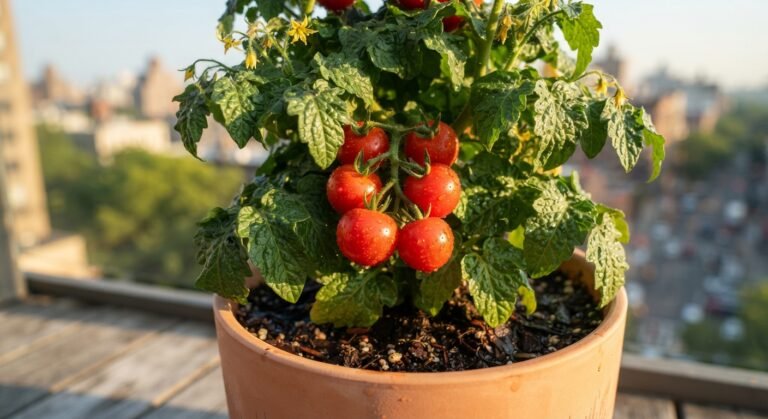
After pollination, small green fruits begin to form where the flowers were. San Marzano tomatoes grow in clusters of six to eight, taking on their signature elongated plum shape fairly early in development. Consistent watering is especially important during this stage of the San Marzano tomato growing stages. As the fruits begin to swell, the plant needs steady moisture to support healthy growth. Water deeply when the top inch of soil feels dry, but avoid keeping the soil constantly soggy. For container-grown or garden-bed tomatoes, a balanced water-soluble fertilizer every two weeks can help maintain steady nutrient levels during fruit development. Mulching around the base with straw, compost, or dried leaves helps conserve moisture and control weeds. It also reduces competition around the roots, allowing the plant to put more energy into developing strong, healthy fruit. Avoid sudden changes in watering, since inconsistent moisture can lead to issues such as cracked tomatoes and blossom-end rot.
During this stage, keep an eye on the leaves and developing fruit for signs of stress or nutrient problems. With regular watering, adequate sunlight, and steady nutrition, the small green tomatoes will gradually increase in size and move toward the next stage of ripening.
San Marzano Tomato Ripening Stages
Watching green fruit slowly turn deep red is one of the most satisfying parts of growing this heirloom variety. But getting to that moment takes time, patience, and a little attention at every stage. From planting the first seed to caring for the young plant and waiting for the fruit to ripen, each step plays a role in a healthy harvest.
From Green Fruit to Fully Ripe Tomatoes
The fruit starts firm and pale green, then gradually shifts through lighter green and pale orange before turning a rich red. Unlike some varieties, San Marzano tomatoes fully ripen on the vine with excellent flavor, so patience pays off. Ripening usually takes two to three weeks from the time the fruit reaches full size. Warm days and consistent moisture help the process along, while cool or wildly fluctuating temperatures can slow ripening down.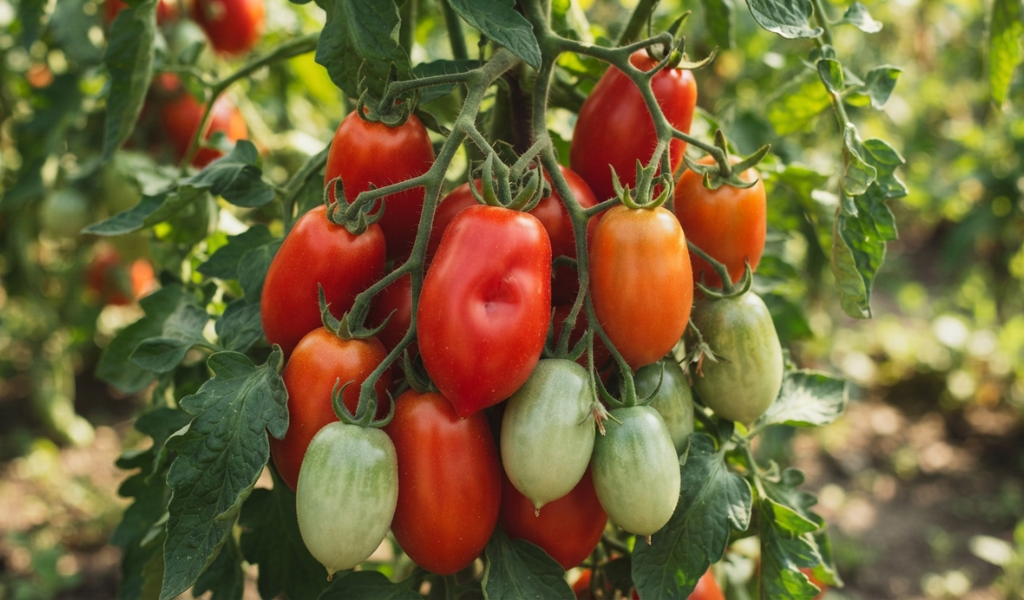
Common Problems During the San Marzano Growing Stages
Even with good care, san marzano tomato growing stages can come with a few unexpected problems. Yellow leaves, slow growth, curling leaves, pests, or poor fruit development can show up at different points in the season. The good news is that most issues are easier to manage when you notice the early signs and understand what your plant needs.
Yellow Leaves, Blossom End Rot, and Cracked Fruit
Yellow leaves near the bottom of the plant often mean a nutrient deficiency or simply older leaves dying back naturally, which is normal as the plant grows. Blossom end rot shows up as a dark, sunken spot on the bottom of the fruit and is usually caused by inconsistent watering rather than a lack of calcium in the soil, so steady watering to prevent blossom end rot is your best defense. Cracked fruit happens when the plant takes in a sudden burst of water after a dry spell, so try to keep moisture levels even. Keep an eye out for pests like hornworms and aphids, and hand pick or use organic pest control methods to protect your gardener’s hard work.
When to Harvest San Marzano Tomatoes
Knowing when to harvest San Marzano tomatoes can make a big difference in their flavor and texture. Picking them too early may leave the fruit less flavorful, while waiting too long can lead to splitting or overripe tomatoes. The good news is that the plant gives you a few easy signs to watch for, so you can pick your San Marzano tomatoes at just the right stage.
Look for a deep, even red color across the entire fruit and a slight give when you gently squeeze it. The tomato should twist off the vine easily without much resistance. Most gardeners harvest San Marzano tomatoes about 80 to 90 days after transplanting outdoors. Many people pick them just before full ripeness and let them finish ripening on a counter, which works well if frost is approaching or if pests are getting to the ripest fruit first.
Growing San Marzano tomatoes is a rewarding process, but each stage of the season needs a little different care. From the first tiny seedling to a healthy plant covered with ripe, flavorful tomatoes, san marzano tomato growing stages give you a clear idea of what to expect along the way. Knowing these stages makes it easier to plan planting, watering, feeding, pruning, and harvesting at the right time.
From Seed Germination to the First Harvest
To summarize the full journey of San Marzano tomato growing stages from start to finish:
- Weeks 1 to 2: Sow seeds indoors and wait for germination
- Weeks 3 to 8: Seedling growth under light, followed by hardening off
- Week 8 to 9: Transplant outdoors after the last frost date
- Weeks 9 to 12: Vegetative growth, staking, and early pruning
- Weeks 12 to 14: Flowering begins and pollination takes place
- Weeks 14 to 17: Fruit development and steady feeding
- Weeks 17 to 20: Ripening from green to full red
- Around week 20: First harvest, with more clusters ripening throughout the season
This timeline can shift a bit depending on your climate, but it gives a solid roadmap for anyone tracking the San Marzano tomato growing stages in their own garden.
Final Thoughts
Growing this heirloom variety from seed to harvest takes patience, but each of the San Marzano tomato growing stages builds toward that first bite of homemade sauce made from tomatoes you grew yourself. From choosing quality seeds, to transplanting seedlings, to supporting the vine and watching flowers turn into meaty red fruit, every step matters. Once you understand the full pattern of San Marzano tomato growing stages, you will find this variety is genuinely one of the more forgiving and rewarding plants for a home garden. Grab some seeds, pick a sunny spot, and give this classic Italian tomato a try this season.
Frequently Asked Questions
How long does it take for San Marzano tomatoes to grow? From seed to first harvest, San Marzano tomatoes typically take around 80 to 100 days total, counting both the indoor seed starting period and the time spent growing outdoors after transplanting.
Are San Marzano tomatoes difficult to grow? No, San Marzano tomatoes are easy to grow for most gardeners as long as they get enough sunlight, steady water, and some form of staking or caging since the vine grows tall and vigorously.
How do you know when San Marzano tomatoes are ready to pick? The fruit turns a deep, even red color, feels slightly soft when squeezed, and twists off the vine without much effort. This usually happens 80 to 90 days after transplanting.
How many tomatoes will one San Marzano plant produce? A healthy, well cared for plant can produce anywhere from 20 to 40 or more tomatoes across the growing season, especially with regular pruning and consistent feeding.
Can we use red soil and coco peat in a 50:50 mix to grow tomatoes in a container? Yes, a 50:50 mix of red soil and coco peat can work for container grown tomatoes since coco peat improves drainage and moisture retention while red soil adds structure. It helps to mix in some compost as well to boost nutrients, since red soil alone can be low in organic matter.
What are the best methods for planting and transplanting San Marzano tomatoes? The best method is to start seeds indoors, harden off the seedlings gradually, then dig a trench and bury the plant sideways up to at least two-thirds of the stem when transplanting. This encourages a stronger root system and healthier plant overall.
Why Grow San Marzano Tomatoes? San Marzano tomatoes are prized for their sweet, low-acid flavor and meaty texture, making them ideal for sauces and canned tomatoes. As a true heirloom variety native to Italy, they offer a taste and quality that many hybrid store-bought canned tomatoes simply cannot match.