Tomato Growing Stages: How Tomato Plants Grow Step by Step
Tomato Growing Stages: Complete Guide From Seed to Harvest
If you have ever wondered how a tiny seed turns into a plant loaded with juicy red fruit, you are about to find out. Understanding tomato growing stages is the single best thing you can do before you plant tomatoes this season, because every mistake gardeners make usually comes down to not knowing what the plant needs at a specific point in its life. Whether you are starting tomato seeds indoors for the first time or you have grown tomatoes for years and want to sharpen your technique, this guide walks through every growing stage from the moment a seed germinates to the day you pick a ripe tomato off the vine.
Tomatoes are one of the most rewarding plants a home gardener can grow, but they are also one of the most misunderstood. People often ask how long does it take to grow tomatoes, and the honest answer depends on the variety, your climate, and how well you manage each stage of tomato development. On average, most tomato plants take 60 to 100 days from transplant to harvest, though some quick-growing cherry varieties can be ready sooner and larger beefsteak types often need the full stretch. This article breaks the entire journey into clear, manageable stages so you always know what your plant needs next.
Understanding the Tomato Plant Life Cycle
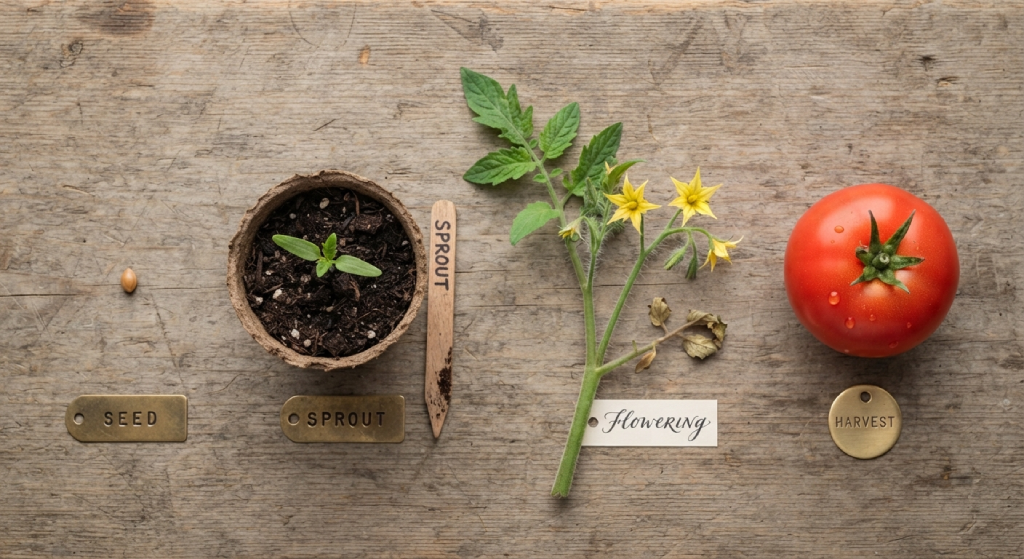
A tomato plant moves through several distinct phases, and each one builds on the last. The cycle begins with germination, moves into seedling growth, then vegetative growth, flowering, fruit set, fruit development, and finally ripening. Skipping proper care during any single stage can slow the whole process down or reduce how much fruit you get at harvest.
Most gardeners treat tomatoes as annuals, meaning the plant completes its entire life cycle in one growing season. In truly frost-free climates, tomato plants can actually behave more like short-lived perennials, but for the vast majority of home gardeners, the plant grows, flowers, fruits, and eventually dies back once frost arrives. Knowing this timeline helps you plan when to start tomato seeds indoors, when to transplant tomato seedlings outside, and when you can realistically expect your first ripe tomatoes.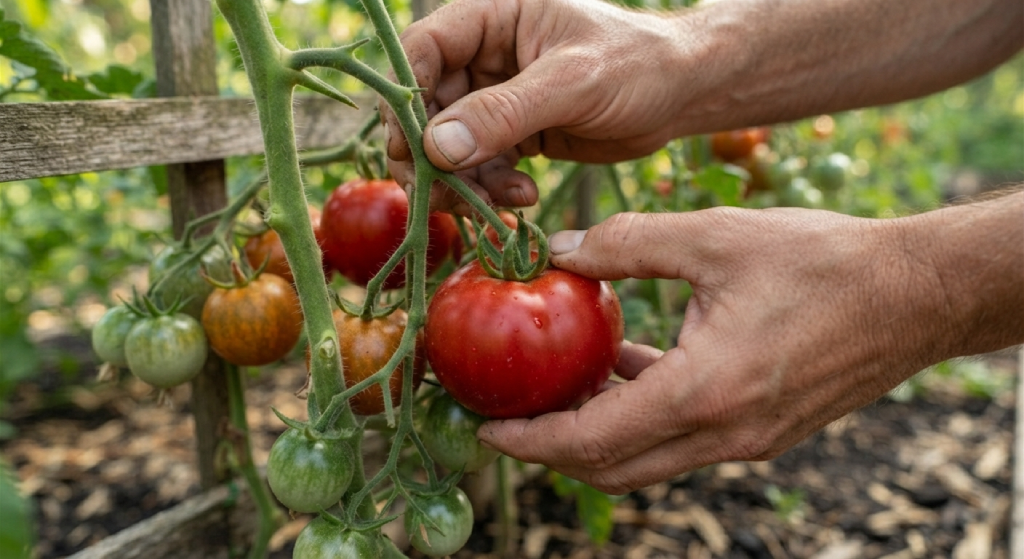
The type of tomato you choose also shapes the life cycle. Determinate tomatoes grow to a set height, produce their fruit within a shorter window, and then slow down. Indeterminate tomatoes keep growing and producing fruit until frost stops them. This difference matters at every stage, from how you stake the plant to how you manage flowering and fruit development later in the season.
How Tomato Plants Grow
Tomato plants grow through a combination of root expansion, stem elongation, and leaf production, all fueled by sunlight, water, and nutrients pulled from the soil. In the earliest days, growth is slow because the plant is putting most of its energy into building a root system strong enough to support everything that comes later. Once the roots are established, growth speeds up noticeably, and you will start to see new leaves appearing every few days.
As the plant matures, it shifts its energy from just growing leaves and stems toward producing flowers and then fruit. This shift is influenced by light exposure, temperature, and the nutrients available in the soil. Tomato plants thrive when they get consistent moisture, warm days, and plenty of direct sun, and any stress during a growing stage, whether from cold nights or dry soil, can show up later as fewer flowers or smaller fruit.
Gardeners who pay attention to this pattern of growth can time their fertilizing, watering, and pruning to match what the plant actually needs at each point, rather than following a generic schedule. That is really the secret behind healthy tomatoes: matching your care to the current growing stage instead of treating the whole season the same way.
Seed Germination Stage
Germination is where it all starts. This is the stage where a dormant tomato seed wakes up, sends out a root, and begins the process of becoming a full tomato plant. It typically takes 5 to 10 days for a tomato seed to sprout under good conditions, though cooler temperatures can stretch this out considerably.
Planting Tomato Seeds
Most gardeners start tomato seeds indoors about six to eight weeks before their region’s last expected frost. Planting tomato seeds indoors gives you control over temperature and light, and it means your seedlings are already strong and established by the time it is safe to move them outdoors. Use a seed starting mix rather than garden soil, since regular soil can be too heavy and may carry disease that harms young seedlings.
Plant each seed about a quarter inch deep in a small pot or seed tray, then cover lightly with the mix. Label your trays if you are growing more than one type of tomato, because seedlings of different varieties can look nearly identical in the first few weeks. Water gently after planting so the soil is moist but not soggy, since waterlogged soil can cause seeds to rot before they ever germinate.
Germination Conditions
The seed germinates fastest when soil temperature stays between 70 and 85 degrees Fahrenheit. A seedling heat mat placed under your trays can make a huge difference here, especially if you are starting seeds in a cool basement or garage. Without enough warmth, germination slows dramatically and some seeds may not sprout at all.
Keep the soil consistently moist during this stage, checking daily since small trays can dry out quickly. Light is not essential until the seed germinates and pushes up through the soil, but once you see the first sprout, move the tray under a grow light or into a bright window immediately. A delay here is one of the most common reasons seedlings end up weak and stretched before they even reach the seedling stage properly.
Seedling Stage
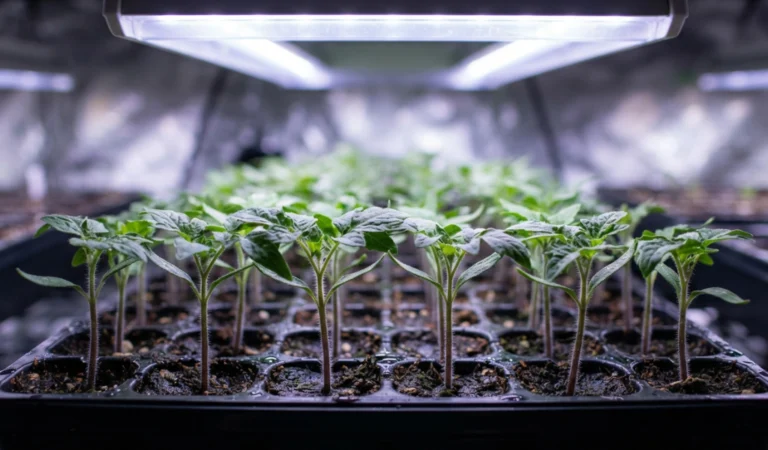
Once germination is complete, your tomato seedling enters a stage of rapid but delicate growth. This period, which usually lasts around 20 to 25 days, is when the plant develops its first true leaves and begins building the foundation for everything that follows. Seedlings need strong light, steady moisture, and good air circulation to grow into sturdy plants rather than weak, floppy ones.
Cotyledons and True Leaves
The first leaves you see on a tomato seedling are called cotyledons, and they are not true leaves at all. Cotyledons are part of the seed itself and look smooth and rounded, quite different from the jagged, textured leaves that come later. Their job is to photosynthesize just enough to fuel the plant until real leaves take over.
After the cotyledons appear, the plant begins producing true leaves, which have the classic serrated tomato foliage shape. Once you see two or three sets of true leaves, the seedling is generally strong enough to handle being moved into a larger pot if it is outgrowing its current container. This is also the point where many gardeners begin light feeding with a diluted fertilizer, since the plant has used up most of the stored energy from the seed itself.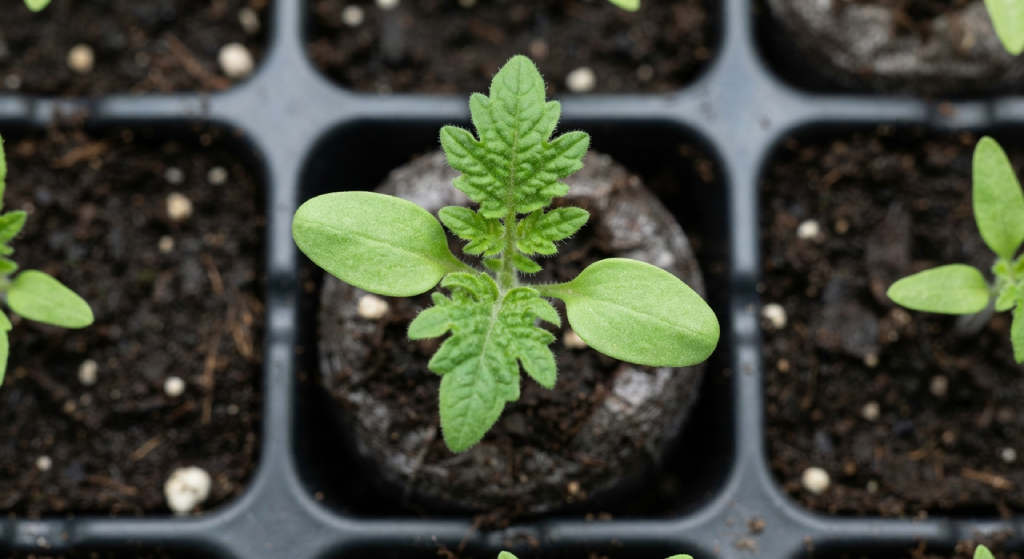
Preventing Leggy Seedlings
Leggy seedlings are thin, pale, and stretched out, usually because they did not get enough light. When a tomato seedling reaches for light that is too far away or too weak, it grows tall and thin instead of compact and sturdy. This makes the plant more fragile and more likely to snap or fall over once it is transplanted outside.
To prevent leggy seedlings, keep a grow light just a few inches above the top of the plants and run it for 14 to 16 hours a day. A gentle fan pointed at your seedlings for part of the day also helps, since the light breeze encourages thicker, stronger stems, similar to how wind toughens up plants outdoors. If you already have leggy seedlings, you can bury the stem a bit deeper when transplanting, since tomato stems grow roots wherever they touch soil, which helps stabilize the plant.
Vegetative Growth, Flowering and Pollination Stage
After the seedling stage, tomato plants enter vegetative growth, where the focus shifts entirely to building height, branches, and foliage. This stage often overlaps with transplanting tomato seedlings outdoors once the frost has passed and nighttime temperatures stay reliably above 50 degrees Fahrenheit. During vegetative growth, plants need full sun, ideally six to eight hours of direct light a day, along with regular watering and a balanced fertilizer to support strong stem and leaf development.
As the plant continues growing, usually reaching 12 to 18 inches tall, it begins forming its first flower clusters. Small yellow flowers appear along the stems, marking the start of the flowering stage.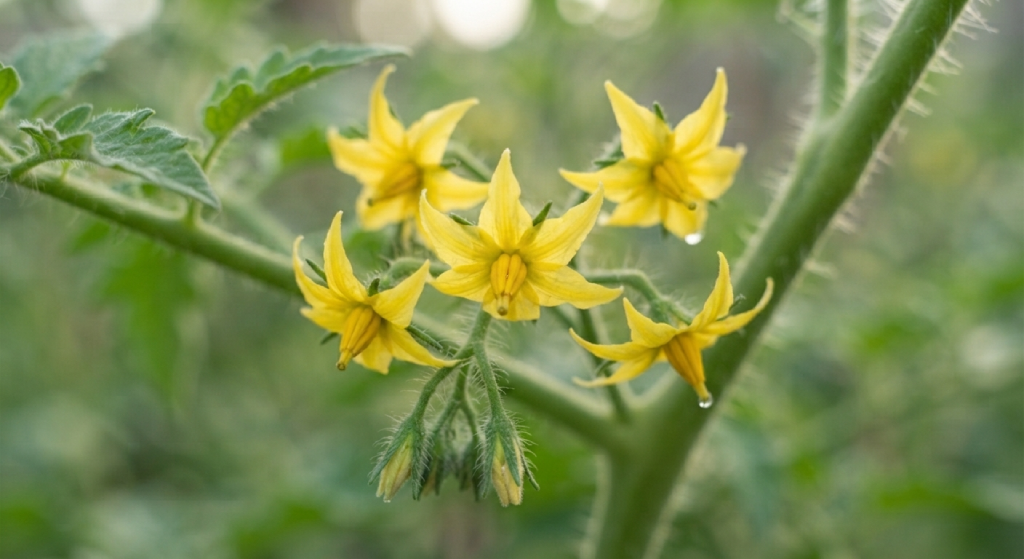 These flowers are self-pollinating, meaning each one contains both male and female parts, but they still benefit from a bit of help. Wind, bees, and other pollinators cause the flowers to shake slightly, which releases pollen and completes fertilization.
If you are growing tomatoes indoors or in a very still, sheltered spot, pollination can struggle simply because there is not enough movement. Gently shaking the main stem or flower clusters every day or two, or using a small fan to create airflow, can significantly improve how many flowers successfully turn into fruit. Temperature also plays a big role here. Tomato flowers can drop without ever pollinating if daytime temperatures climb above 95 degrees or nighttime temperatures fall below 55 degrees, since extreme heat or cold interferes with pollen viability.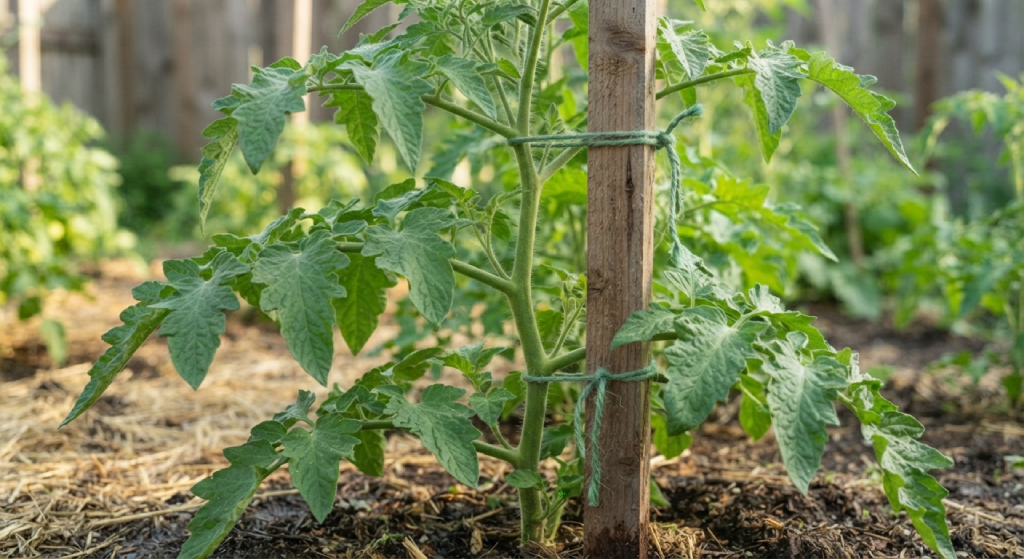
Fruit Set, Fruit Development Stage
Once a flower is successfully pollinated, the petals fall away and a small green fruit begins to form at the base. This is called fruit set, and it is one of the most exciting growing stages because it is the first visible sign of the harvest to come. Not every flower will set fruit, and that is completely normal. Weather stress, inconsistent watering, or a lack of pollination are the most common reasons flowers fail to develop into fruit.
Fruit development follows fruit set, and this stage can take anywhere from several weeks to over a month depending on the variety. Small green fruits gradually increase in size as the plant channels energy and nutrients toward them. Consistent watering matters enormously here, since irregular moisture during fruit development is the leading cause of problems like blossom end rot and cracked skins later on.
During this stage, many gardeners start giving their plants a fertilizer lower in nitrogen and higher in potassium and phosphorus, since too much nitrogen at this point encourages more leafy growth rather than fruit production. Staking or caging the plant becomes especially important now too, since the added weight of developing fruit can bend or snap unsupported stems.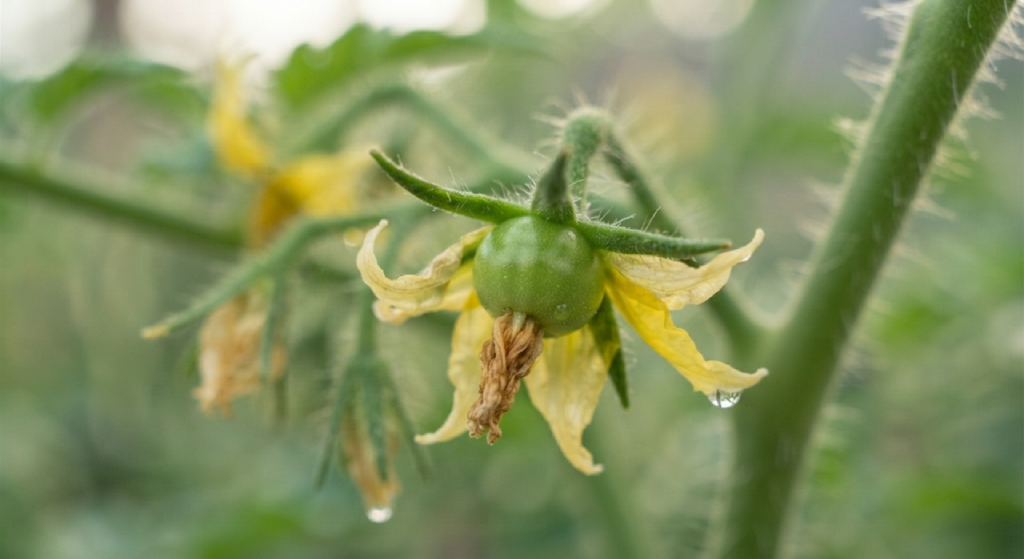
Ripening Stage and Harvest Stage
The ripening stage begins once fruits reach their mature green size and start to change color, usually shifting first to a pale, almost whitish green before moving into yellow, orange, or red depending on the variety. Ripening happens as chlorophyll breaks down and other pigments take over, and it is triggered by a natural plant hormone called ethylene. Warm temperatures speed ripening along, while cooler weather slows it down considerably.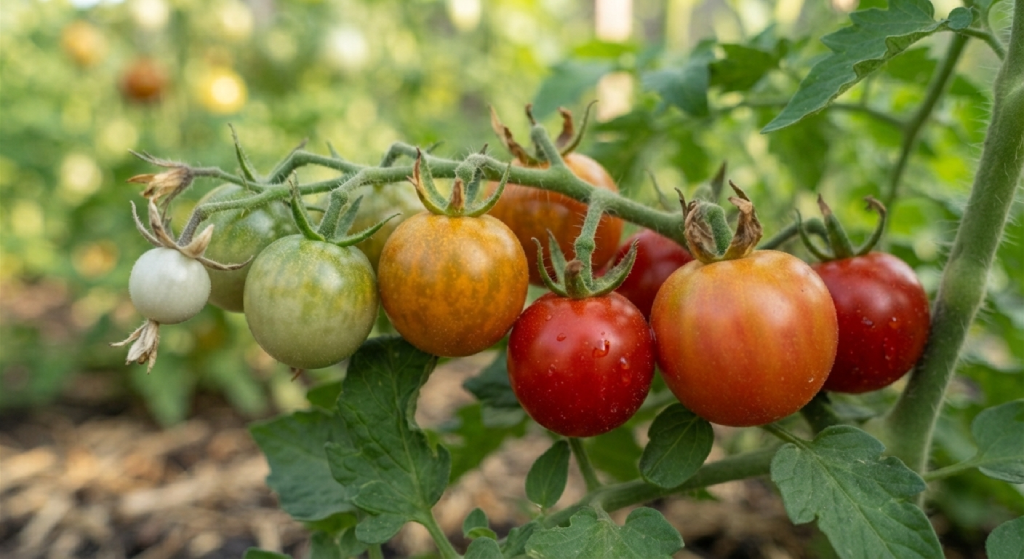
Harvest timing depends a lot on personal preference and how you plan to use the tomatoes. Many gardeners pick fruit when it is fully colored but still slightly firm, since tomatoes continue to ripen a bit after being picked and this timing helps protect the fruit from pests, cracking, or overripening on the vine. If frost is approaching and you still have green tomatoes on the plant, you can pick them and let them ripen indoors on a windowsill, though the flavor will not quite match a tomato that ripened naturally in the sun.
Regular harvesting actually encourages the plant to keep producing, especially with indeterminate varieties, since removing ripe fruit signals the plant to redirect energy into developing the next round. Checking your plants every couple of days during peak season helps you catch tomatoes at their best and prevents overripe fruit from attracting pests or splitting after heavy rain.
Growing Stages and Timeline of Various Kinds of Tomato
Not all tomatoes follow the exact same timeline, and knowing the differences helps you plan your garden and set realistic expectations for each type of tomato you grow.
Beefsteak Tomato Beefsteak tomatoes are large, meaty, and slower to mature compared to smaller varieties. From transplant to harvest, they typically need 80 to 100 days. Because the fruit grows so large, beefsteak plants benefit from sturdy staking and a slightly longer, more patient growing season, but the reward is a tomato perfect for thick slices on sandwiches and burgers.
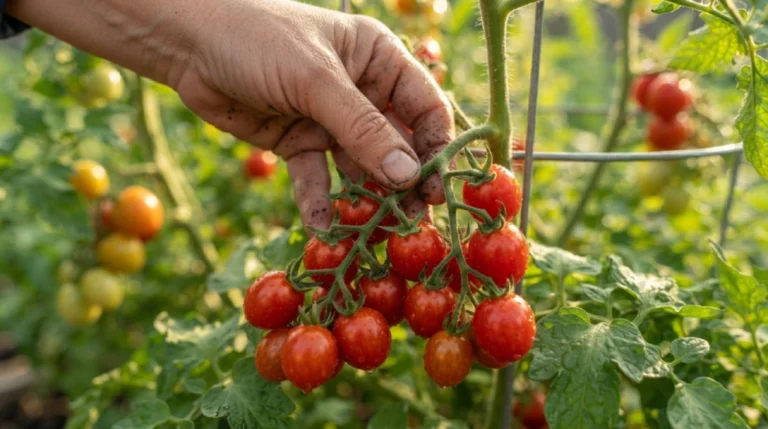
Cherry Tomato Cherry tomato plants are known for being fast growing and incredibly productive. Many varieties reach harvest in as little as 60 to 70 days from transplant, making them a favorite for gardeners who want quicker results. Cherry tomato plants also tend to keep producing steadily throughout the season, with clusters of small fruit ripening in waves rather than all at once.
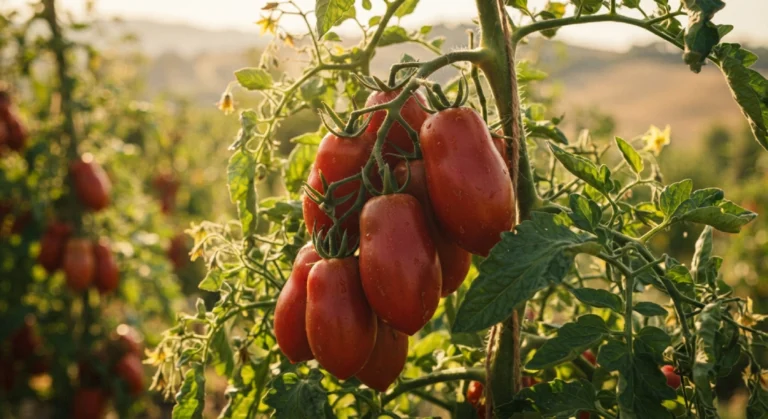
San Marzano Tomato San Marzano tomatoes are a classic paste variety, prized for sauce making and canning. They generally take around 80 to 90 days to reach harvest. This type of tomato tends to grow tall and benefits from strong support, and the fruit itself has a denser flesh with fewer seeds, which is exactly why it is so popular for cooking.
Roma Tomato Roma tomatoes are another paste type, slightly more compact than San Marzano, usually ready for harvest in about 75 to 80 days. Roma plants tend to be more determinate in growth habit, meaning they produce a large portion of their fruit within a shorter window, which makes them convenient for gardeners planning a big canning or sauce-making session all at once.
Troubleshooting Tomato Growth Problems
Even experienced gardeners run into tomato problems at some point, and most issues can be traced back to a specific growing stage. Yellowing lower leaves often point to a nitrogen deficiency or simply the natural aging of older foliage as the plant redirects energy upward. Wilting during the heat of the day but recovering by evening is usually normal, but wilting that does not bounce back can signal root damage, disease, or inconsistent watering.
Blossom drop, where flowers fall off without ever setting fruit, is commonly caused by temperature extremes or poor pollination, both of which were mentioned earlier during the flowering stage. Cracked or split fruit usually results from uneven watering, particularly a dry spell followed by a heavy soak, which causes the fruit to expand faster than the skin can stretch. Blossom end rot, recognized by a dark, sunken patch on the bottom of the fruit, is tied to calcium uptake problems, which are almost always caused by inconsistent moisture rather than an actual lack of calcium in the soil.
Slow or stunted plant growth can come from container size being too small, soil that is compacted, or simply not enough sunlight. If your tomato plants seem to be struggling no matter what you try, going back through each growing stage and checking watering, light, and soil conditions usually reveals the root of the problem.
Fertilizer and Nutrients Needs During Growth
Tomato plants need different nutrients depending on which growing stage they are in, and matching your fertilizer to the plant’s current needs makes a noticeable difference in both plant growth and fruit quality. During the seedling and early vegetative growth stages, a balanced fertilizer with moderate nitrogen supports healthy leaf and stem development. Nitrogen helps the plant build the foliage it needs to eventually support flowering and fruiting.
Once the plant reaches the flowering stage and moves into fruit development, nutrient needs shift. Too much nitrogen at this point can cause the plant to produce lots of leaves but very little fruit. Switching to a fertilizer higher in phosphorus and potassium supports strong root systems, better flowering, and more robust fruit development. Calcium and magnesium also matter a great deal during fruiting, since deficiencies in these minerals are directly linked to problems like blossom end rot.
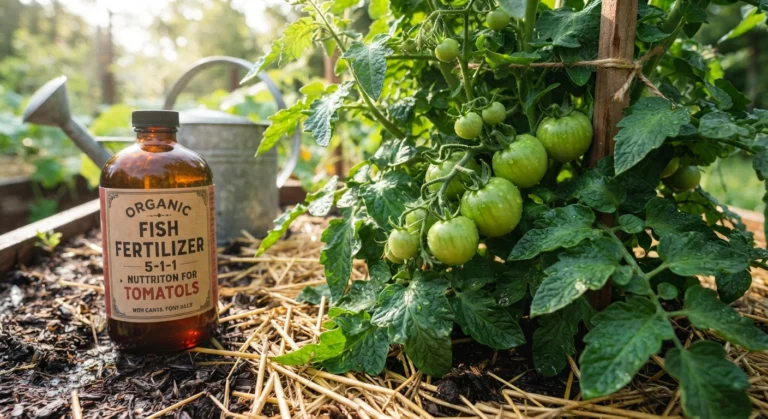
Organic options like compost, aged manure, and fish emulsion work well throughout the growing season and tend to release nutrients more slowly and steadily than synthetic fertilizers. Whatever you choose, feeding on a consistent schedule, roughly every two to three weeks during active growth, tends to work better than heavy, infrequent applications that can shock the plant or burn its roots.
How to Keep Tomato Plants Healthy at Every Stage
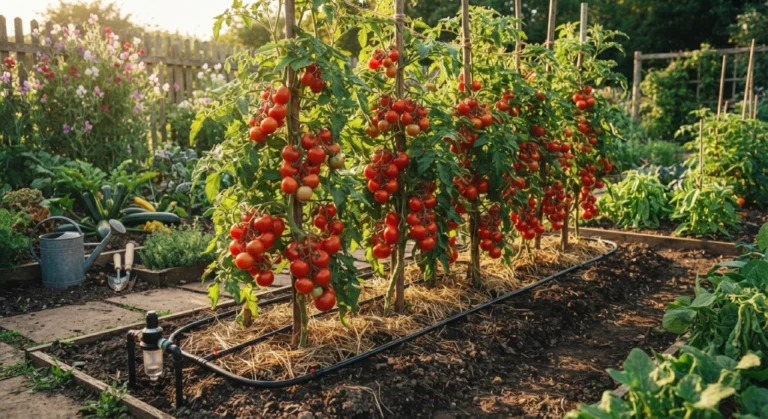
Healthy tomatoes start with healthy habits from the very first growing stage all the way through harvest. Good air circulation around the plants reduces humidity near the foliage, which helps prevent many common fungal diseases. Watering at the base of the plant rather than overhead keeps leaves drier and further lowers disease risk. Mulching around the base also helps retain soil moisture and keeps soil-borne pathogens from splashing up onto lower leaves during rain or watering.
Pest and Disease Issues
Tomato plants can attract a range of pests, including aphids, hornworms, whiteflies, and spider mites, each of which can weaken the plant if left unchecked. Regularly inspecting the undersides of leaves helps you catch infestations early, before they spread across the whole plant. Hornworms in particular can strip a plant of its foliage remarkably fast, so hand picking them off as soon as you spot them is often the most effective solution for a home garden.
Diseases like early blight, late blight, and powdery mildew tend to show up as spots or a dusty coating on the leaves, usually worsened by high humidity and poor air circulation. Removing affected leaves promptly, spacing plants properly, and avoiding overhead watering all help keep disease pressure low. Rotating where you plant tomatoes each year, rather than growing them in the same spot repeatedly, also reduces the buildup of soil-borne diseases over time.
Flowering, Fruit Development and Ripening Problems
Problems during flowering, fruit development, and ripening are often connected to environmental stress rather than pests or disease. Extreme heat can cause flowers to drop before pollination occurs, while a sudden cold snap can do the same. Uneven watering during fruit development is behind many of the cracking and blossom end rot issues gardeners see later in the season, so keeping soil moisture as consistent as possible is one of the best things you can do.
Slow ripening is usually tied to cooler weather, since tomatoes ripen fastest in warm conditions, generally between 68 and 77 degrees Fahrenheit. If nights turn cool as the season winds down, ripening can slow noticeably, which is when many gardeners choose to bring mature green tomatoes indoors to finish ripening in a warm, sheltered spot.
Maintenance and Care Tips Throughout the Growing Cycle
Caring for tomato plants well means adjusting your routine as the plant moves through each growing stage rather than sticking to one fixed approach all season. Early on, focus on light and warmth for germinating seeds and young seedlings. As the plant grows, prioritize consistent watering, a sturdy support system, and steady feeding. Once flowering and fruiting begin, keep an eye on moisture consistency and nutrient balance, and stay alert for pests and disease as the foliage thickens.
Pruning, Staking and Checking soil moisture
Pruning suckers, the small shoots that grow between the main stem and branches, can help indeterminate varieties direct more energy toward fruit rather than excess foliage, though this is optional and depends on your personal growing style. Staking or caging early, before the plant gets too large, prevents damage to roots and stems that can happen when you try to add support later. Checking soil moisture with your finger rather than guessing, watering deeply but less frequently rather than a light daily sprinkle, and keeping mulch topped up all season are small habits that add up to noticeably healthier tomatoes.
By the time harvest season arrives, a plant that received the right care at each growing stage will reward you with a steady, flavorful crop. Growing tomatoes really does come down to understanding what the plant needs and when it needs it, and once you have that timeline down, the whole process becomes far less mysterious and a lot more enjoyable.
Conclusion
Growing tomatoes from seed to harvest is a journey through several clearly defined growing stages, each with its own needs and challenges. From the first days of germination through seedling growth, vegetative growth, flowering, fruit development, and finally ripening, every stage builds toward the moment you pick that first ripe tomato of the season. Paying attention to light, water, temperature, and nutrients at the right times makes all the difference between a struggling plant and one that produces baskets of healthy, flavorful fruit.
Whether you are growing cherry tomatoes for fresh snacking, Roma or San Marzano for sauce, or a big beefsteak for summer sandwiches, the underlying growing stages remain the same. Use this guide as a reference throughout your growing season, and do not be afraid to adjust your care based on what your plants are telling you. Happy growing, and enjoy the harvest.
Frequently Asked Questions
How long does it take to grow tomatoes from seed to harvest?
Most tomato varieties take between 60 and 100 days from transplant to harvest, depending on the type. Adding the four to six weeks needed for seed starting and germination indoors, the full seed to harvest timeline generally runs around three to four months.
When should I start tomato seeds indoors?
Start tomato seeds indoors about six to eight weeks before your area’s last expected frost date. This gives seedlings enough time to develop strong roots and true leaves before it is safe to transplant them outside.
Why are my tomato seedlings leggy?
Leggy seedlings are usually caused by insufficient light. Keep a grow light close to the plants and run it for 14 to 16 hours a day to encourage compact, sturdy growth instead of tall, thin stems.
Why do tomato flowers fall off without producing fruit?
Flower drop is often caused by temperature extremes, either very hot days above 95 degrees or cool nights below 55 degrees, which interfere with pollination. Poor air circulation can also reduce pollination success, especially for plants grown indoors.
What causes blossom end rot on tomatoes?
Blossom end rot happens due to inconsistent watering, which disrupts how the plant takes up calcium. Keeping soil moisture even, rather than letting it swing between very dry and very wet, is the most effective way to prevent it.
Can I grow tomatoes in pots?
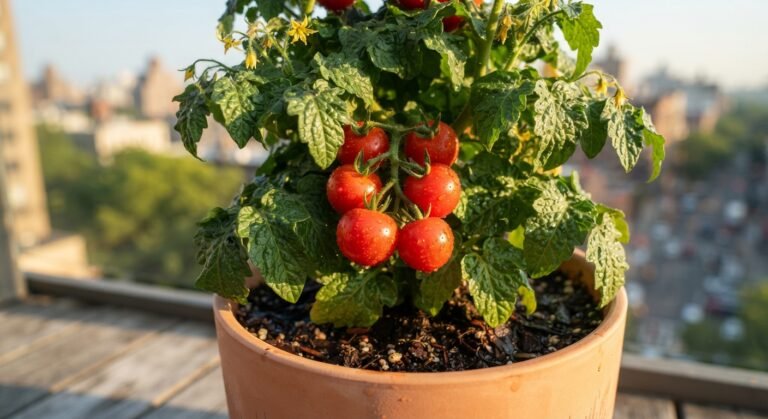
Yes, many tomato varieties, especially compact and determinate types, grow well in a large pot with good drainage. Container-grown tomatoes need more frequent watering than those in the ground since soil in pots dries out faster.
How do I know when a tomato is ready to harvest?
A tomato is ready to harvest when it reaches full color for its variety and feels slightly firm but gives a little under gentle pressure. Many gardeners prefer to pick fruit just before it is fully soft, since tomatoes continue ripening slightly after being picked.