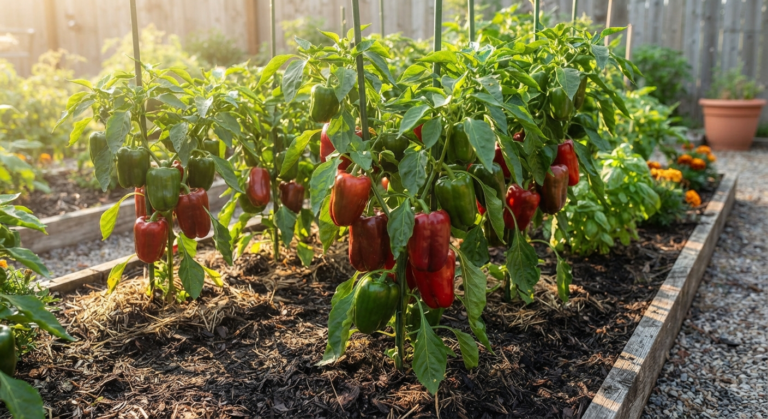
How to Plant Pepper Seeds: A Complete Guide to Growing Peppers from Seed
How to Plant Pepper Seeds: The Complete Guide to Planting and Growing Peppers
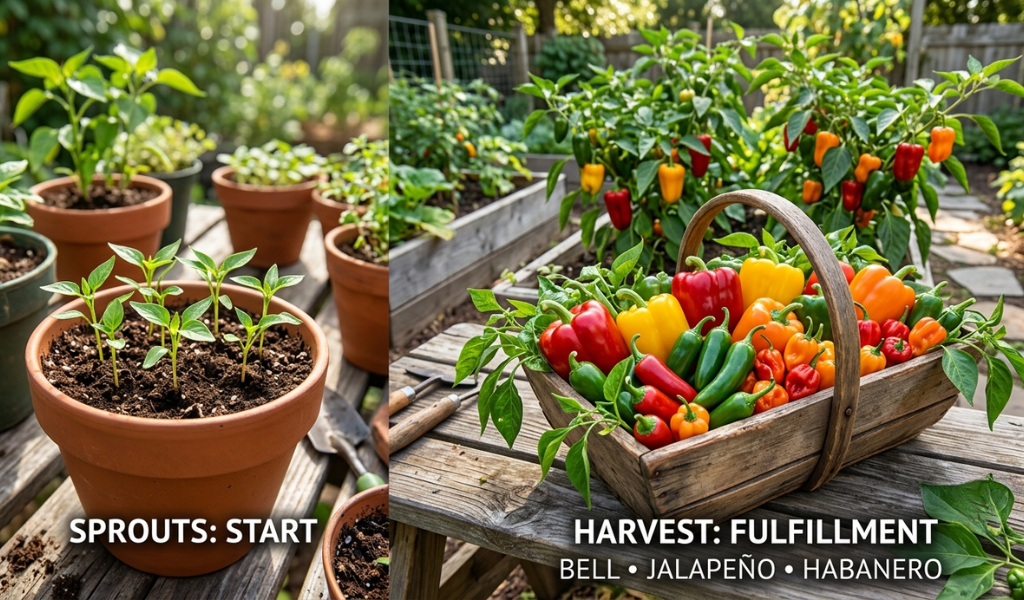
Growing peppers from scratch is one of the most rewarding things you can do as a home gardener. Whether you’re after sweet bell peppers, smoky jalapeños, or fiery habaneros, learning how to plant pepper seeds correctly sets the foundation for a successful harvest. The process isn’t complicated, but there are a few key steps that make all the difference between strong, healthy seedlings and a tray of nothing.
This guide walks you through everything from germination basics and the supplies you’ll need, to transplanting, common mistakes, and how to save seeds for next season. By the end, you’ll have a clear, practical plan for growing peppers from seed, even if you’ve never done it before.
What Is Pepper Seed Germination?
Germination is the process where a dormant seed wakes up and begins sprouting into a new plant. For pepper seeds whether you’re working with Capsicum annuum varieties like bell peppers and jalapeños, or more heat-tolerant species like the habanero germination requires consistent warmth and moisture above almost everything else.
Pepper seeds don’t need light to germinate. What they do need is soil that stays consistently moist and warm, ideally between 80–90°F (27–32°C). Without enough heat, seeds sit in a kind of extended dormancy and may take weeks longer to sprout or may not sprout at all. This is why most gardeners in the United States start their seeds indoors, where temperature and humidity can be controlled.
When Should You Start Pepper Seeds Indoors?
Timing is everything with peppers. Because peppers have a long growing season, they need a head start indoors usually 8 to 10 weeks before your last expected frost date. In most parts of the United States, that means starting seeds somewhere between late January and early March.
Starting too early can leave you with overgrown seedlings that become root-bound before it’s warm enough to transplant them. Starting too late gives peppers less time to mature and produce fruit before the season ends. Check your local frost dates and count backward from there to find your ideal sowing window.
Supplies Needed to Start Pepper Seeds Indoors
Essential Supplies
You don’t need a greenhouse or professional setup to get started. Here’s what works:
- Seed starting mix — Choose a light, well-draining blend. Avoid regular potting soil at this stage, as it can be too heavy and may contain bacteria that harm young seedlings.
- Seed trays or small pots — Shallow trays work well for germination. You’ll pot up into larger containers later.
- Humidity dome — A clear plastic cover that traps moisture and warmth around the seeds.
- Heat mat — Probably the single most useful tool for germinating peppers. A seedling heat mat raises soil temperature by 10–20°F above room temperature.
- Grow lights — Once seedlings emerge, they need strong, consistent light. A quality grow light prevents the leggy, stretched-out growth that happens when seedlings reach for a window.
- Labels and a marker — Easy to skip, but you’ll be glad you labeled your varieties.
How to Plant Pepper Seeds (Step-by-Step)
Step 1: Pre-Saturate Your Seed Starting Mix
Before filling your trays, add warm water to your seed starting mix and work it through until it feels like a wrung-out sponge moist but not dripping. Pre-saturating prevents dry pockets in the mix that can leave seeds without consistent moisture during germination.
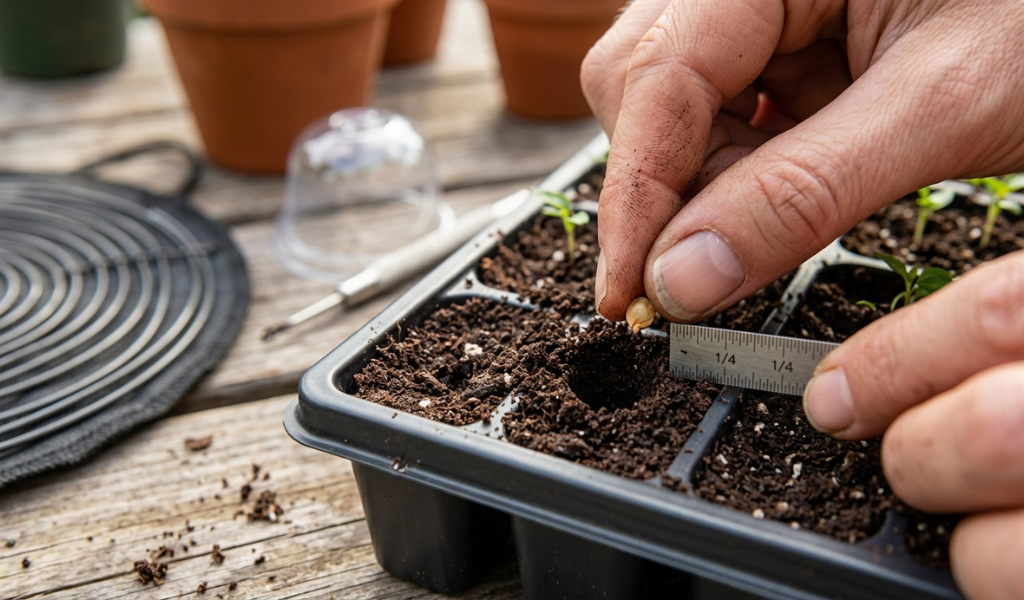
Step 2: Make a ¼-Inch Hole
Use a pencil, chopstick, or your fingertip to make a small hole in each cell about ¼ inch deep. Pepper seeds are small, and planting them too deep slows germination significantly.
Step 3: Plant the Seeds
Drop 2–3 seeds per cell. Planting more than one seed increases your chances of germination and gives you options for thinning later. Cover lightly with a thin layer of seed starting mix or fine compost, then gently press the surface down to ensure good contact between the seed and the soil.
Step 4: Add Bottom Heat and Humidity
Place your tray on a heat mat and cover with a humidity dome. Check the tray daily and mist the surface with water if the mix starts to look dry. Most pepper seeds will begin sprouting within 7–21 days, depending on the variety and temperature.
Step 5: Add Grow Lights
Once the first seedlings break through the soil, remove the humidity dome and position your grow lights 2–4 inches above the tops of the seedlings. Run the lights for 14–16 hours per day. Consistent, close light is what keeps pepper seedlings compact and strong during their early weeks indoors.
What to Do After Seeds Sprout
Remove the Humidity Dome
The dome’s job is done once sprouting begins. Leaving it on too long creates excess humidity that can lead to mold and disease. Remove it as soon as you see sprouts in most of your cells.
Add Gentle Airflow
Running a small fan on low near your seedlings for a few hours each day helps strengthen the plant stem. This simulates natural outdoor conditions and encourages stronger, more resilient growth.
Fix Leggy Seedlings
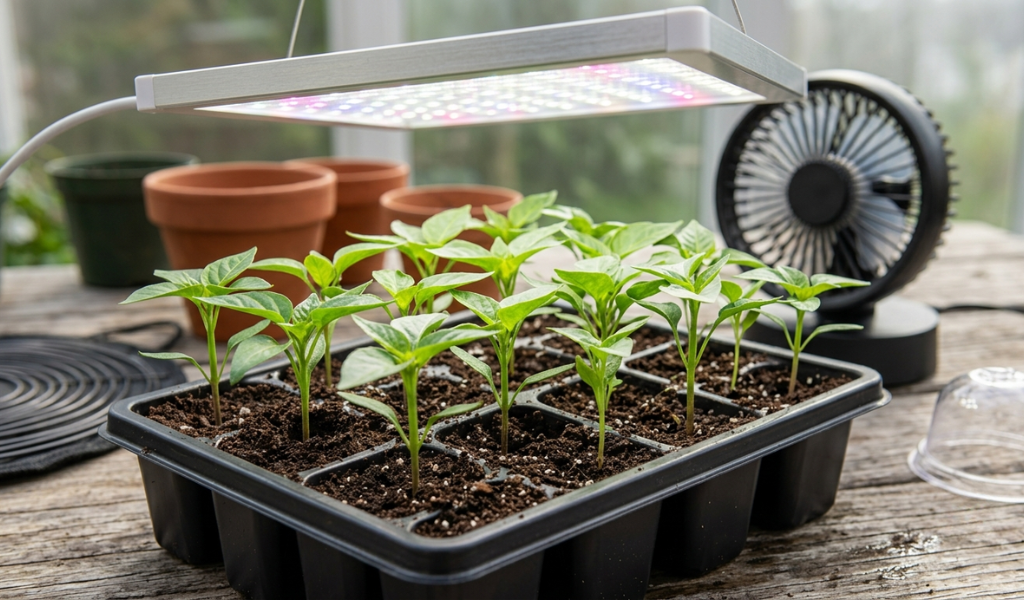
If your seedlings are tall and thin rather than short and sturdy, they’re not getting enough light. Move your grow lights closer or increase the daily light hours. Leggy seedlings can also be buried a little deeper when you pot them up just like tomatoes, peppers can form roots along their buried stem.
Thin Seedlings
Once seedlings develop their first set of true leaves, thin each cell down to the single strongest plant. Use scissors to snip the weaker ones at the soil line rather than pulling them out, which can disturb the roots of the seedling you’re keeping.
How to Grow Peppers from Seed
Time to Germination
Most pepper varieties germinate within 10–14 days under ideal conditions. Hotter varieties like habanero and other high-capsaicin species can take longer, sometimes up to 21 days or more.
Seedling Care
Water seedlings when the top of the soil feels dry, but don’t let them sit in standing water. Overwatering is one of the most common causes of seedling loss. Begin fertilizing with a diluted liquid fertilizer once seedlings develop their second set of true leaves.
Potting Up
When roots start appearing at the drainage holes, it’s time to move your seedlings into larger pots. Step up gradually from a small cell to a 3–4 inch pot, then to a 6-inch container before transplanting outdoors. Using high-quality potting soil at this stage gives seedlings the nutrients they need to keep growing.
Light Requirements
Peppers are sun-lovers. They need at least 6–8 hours of direct sunlight per day outdoors, or the equivalent under a grow light indoors.
Spacing Requirements
When planting in the garden, space pepper plants 18–24 inches apart. Crowded plants compete for nutrients and airflow, which can increase disease pressure.
Plant Care
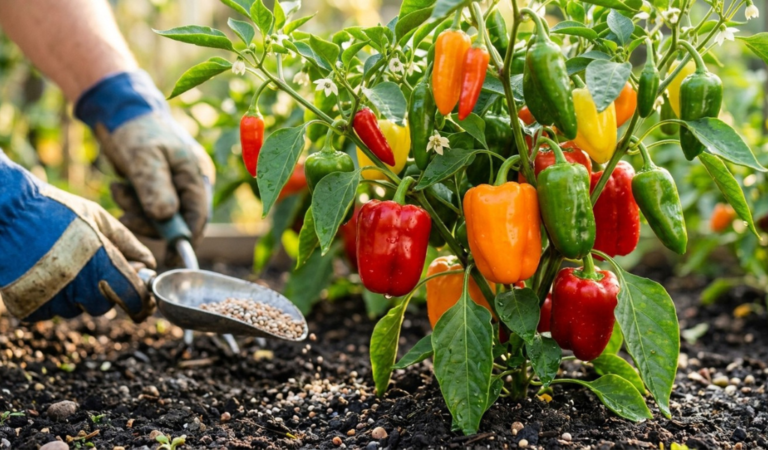
Water regularly and consistently, especially once peppers start flowering and setting fruit. Feed with a balanced fertilizer during the vegetative stage, then switch to a lower-nitrogen formula once plants begin to flower. Watch for signs of calcium deficiency, which shows up as blossom end rot or distorted new growth.
Growing Peppers in Containers
Peppers do well in containers as long as the pot is large enough at least 5 gallons for most varieties. Use a well-draining potting mix and water more frequently than you would for in-ground plants, as containers dry out faster. A flowerpot placed in a sunny spot on a balcony or patio can produce a surprisingly generous harvest.
Common Diseases
Watch for fungal diseases like powdery mildew and bacterial spot, both of which thrive in humid conditions with poor airflow. Rotating your crops each season and avoiding overhead watering can reduce the risk. Remove any affected leaves promptly to slow the spread.
Instructions for Transplanting Pepper Seedlings
Transplanting Peppers into Large Containers or in the Ground
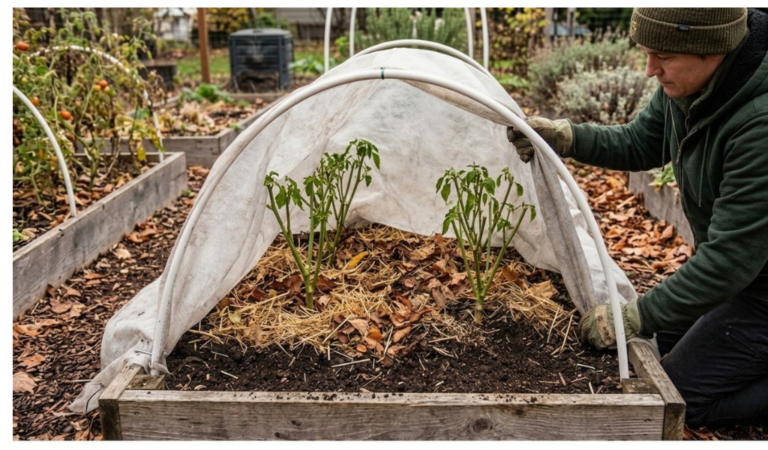
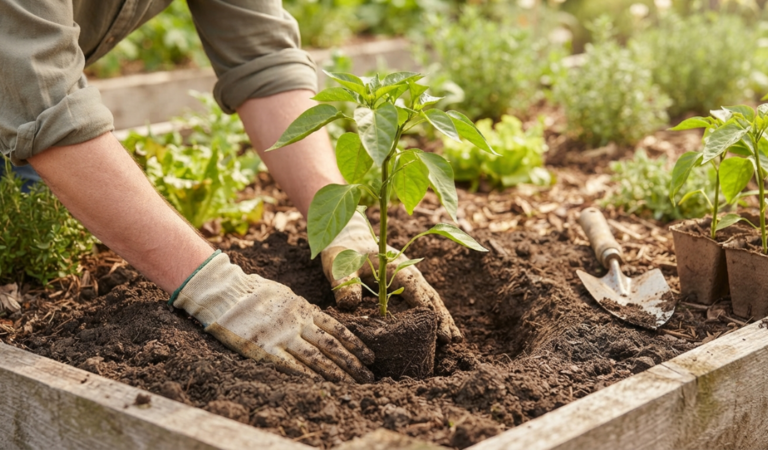
Transplant seedlings outdoors only after nighttime temperatures are consistently above 55°F (13°C). Before moving plants outside permanently, harden them off over 7–10 days by gradually increasing their outdoor exposure starting with a few hours of indirect sunlight and working up to a full day outside.
Dig a hole slightly deeper than the root ball, place the plant in, and firm the soil around it. Water thoroughly right after transplanting. Avoid transplanting on hot, sunny days, cloudy or overcast conditions are gentler on young plants that are still adjusting.
Common Germination Mistakes to Avoid
Skipping the heat mat. Room temperature is usually not warm enough for reliable pepper germination. Soil temperature not air temperature is what matters. A heat mat is worth every penny.
Overwatering. Seeds need moisture, but soggy soil promotes mold and rot. The goal is consistently moist, not wet.
Planting too deep. The ¼-inch depth rule matters. Deeper planting means the seedling uses up its energy reserves before it can break the surface.
Starting too early. It’s tempting to get going in December, but overgrown seedlings stuck indoors for months become stressed and are harder to transplant successfully.
Using garden soil indoors. Garden soil and compost can carry weed seeds, fungi, and bacteria that damage seedlings. Always use a fresh, sterile seed starting mix.
How to Save Pepper Seeds
Life Cycle
Peppers are perennial plants in warm climates but are typically grown as annuals in temperate regions. To save seeds, allow the fruit to fully ripen on the plant past the eating stage, until it softens and begins to wrinkle.
Recommended Isolation Distance
Peppers cross-pollinate easily. To keep a variety pure, isolate plants by at least 300–1,000 feet from other Capsicum species, or hand-pollinate and bag the flowers before they open.
Recommended Population Sizes
Save seeds from at least 6 plants of the same variety to maintain genetic diversity within the population.
Storage and Viability
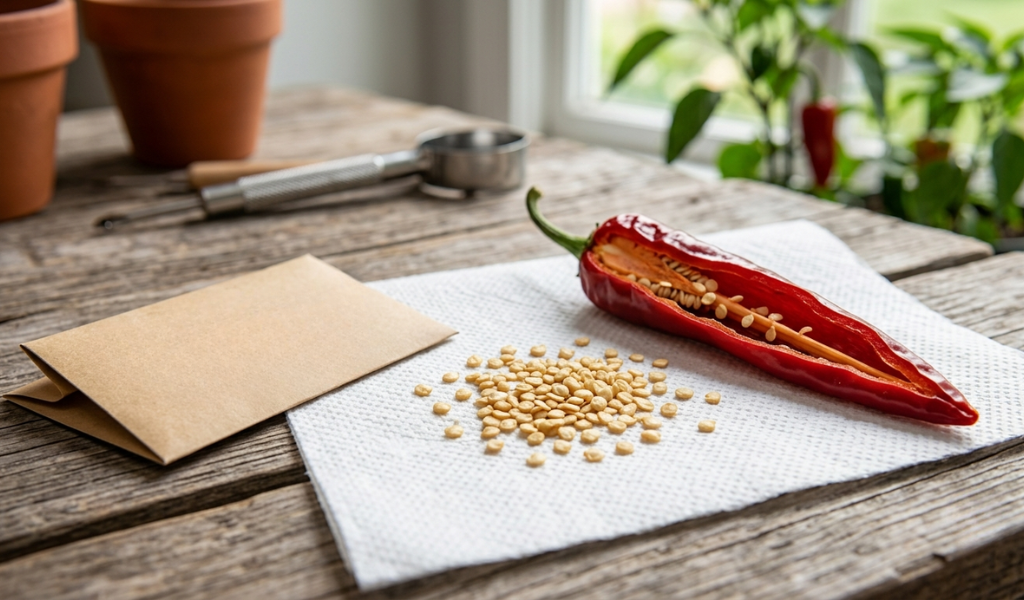
After removing seeds from the fruit, rinse them and spread them on a paper towel or plate to dry for 1–2 weeks. Store dried seeds in a cool, dark, dry location. A sealed envelope inside a refrigerator works well. Properly stored pepper seeds remain viable for 2–4 years.
Final Thoughts: Growing Peppers from Seed Is Worth It
Once you understand what pepper seeds actually need consistent warmth, controlled moisture, and strong light after sprouting the process becomes much more manageable. The biggest advantages of starting from seed are variety selection and cost. A single seed packet gives you access to dozens of plants and varieties you’d never find at a garden centre.
Start with the basics: a good seed starting mix, a heat mat, and a grow light. Get the timing right by counting back from your last frost date. Follow the steps above, avoid the common mistakes, and you’ll be harvesting your own jalapeños, bell peppers, or habaneros by summer.
Frequently Asked Questions
How do you grow peppers from seeds?
Fill a tray with moist seed starting mix, plant 2–3 seeds per cell at ¼-inch depth, cover with a humidity dome, and place on a heat mat set to 80–90°F. Once seedlings emerge, move them under a grow light for 14–16 hours per day. Pot up gradually before transplanting outdoors after the last frost.
What is the fastest way to germinate pepper seeds?
The fastest way to germinate pepper seeds is to use a seedling heat mat to maintain soil temperature between 80–90°F. Some growers also pre-soak seeds in warm water for 8–12 hours before planting, which can soften the seed coat and speed up sprouting. High soil moisture and a humidity dome also help.
What month should you plant pepper seeds?
In most parts of the United States, plant pepper seeds indoors between late January and early March—about 8 to 10 weeks before the last expected frost date in your area.
Can I plant pepper seeds from a fresh pepper or store-bought peppers?
Yes, you can plant seeds from fresh peppers, including store-bought ones. Seeds from fully ripe peppers tend to germinate better than those from underripe fruit. Keep in mind that hybrid varieties (common in grocery stores) may not grow true to the parent plant. Seeds from open-pollinated or heirloom varieties are more reliable for replanting.
How deep should I plant pepper seeds?
Plant pepper seeds ¼ inch deep. Planting deeper than this slows germination because the seedling has to work harder to reach the surface before its energy reserves run out.
Why are my pepper seeds not germinating?
The most common reasons are low soil temperature, inconsistent moisture, or seeds that are too old. Pepper seeds need soil temperatures of 80–90°F to germinate reliably. If you’re using a heat mat and still seeing no activity after three weeks, the seeds may have low viability. Try fresh seeds from a reputable source.
When should I transplant pepper seedlings outdoors?
Transplant pepper seedlings outdoors after nighttime temperatures are consistently above 55°F and all frost risk has passed. Harden off seedlings over 7–10 days before moving them to their permanent outdoor location.ys before moving them to their permanent outdoor location.