Best Varieties of Peppers to Grow: Complete Guide to Choosing Varieties
Best Varieties of Peppers to Grow: A Complete Guide for Every Garden
If you have ever stood in a nursery aisle staring at dozens of pepper seedlings, wondering which ones will actually thrive in your backyard, you are not alone. Picking the best varieties of peppers to grow can feel overwhelming when there are hundreds of options ranging from mild bell peppers to fiery ghost peppers. The good news is that once you understand what each variety needs and what it offers, choosing becomes much easier and a lot more fun.
Peppers are one of the most rewarding plants a home gardener can grow. They come in an incredible range of colors, shapes, flavors, and heat levels, and most varieties are surprisingly forgiving even for beginners. Whether you want a sweet crunchy snack, a spicy kick for your salsa, or a compact plant for a balcony pot, there is a pepper variety built for the job. Along the way, you will also want to keep an eye out for Common Pests Affecting Pepper Plants such as aphids, spider mites, and pepper weevils, since healthy plants start with early pest management.
This guide walks through everything you need to know, from sweet and hot varieties to the best choices for containers, short growing seasons, and high yields. By the end, you will have a clear idea of exactly which pepper plants deserve a spot in your garden this season.
What Are the Best Pepper Varieties to Grow?
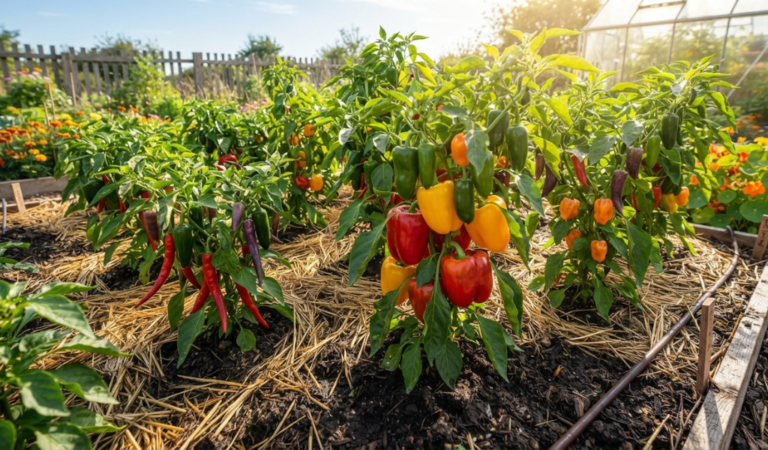
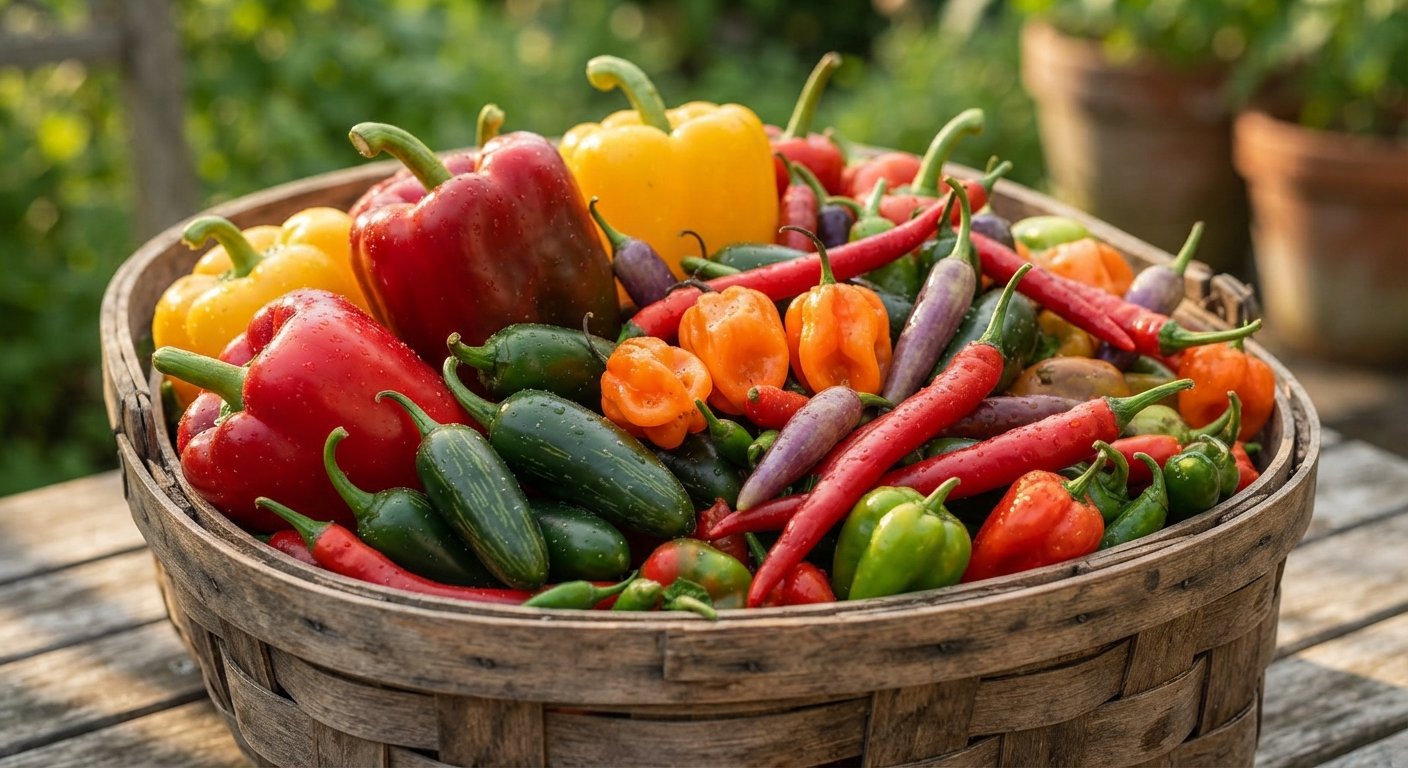
There is no single answer to this question because the right pepper depends on your climate, your garden space, and how you plan to use the harvest. That said, some varieties consistently perform well across different regions and skill levels. Bell peppers, jalapeños, and banana peppers are popular because they are reliable, productive, and easy to find as seedlings. For gardeners chasing bigger flavor or heat, cayenne, habanero, and serrano peppers bring something special to the table.
Think of choosing a pepper variety the same way you would choose a pair of shoes. You would not wear hiking boots to a wedding, and you should not plant a heat-loving habanero in a region with short, cool summers. Matching the plant to your conditions is the real secret behind a successful pepper harvest.
Sweet vs Hot Pepper Varieties
The biggest fork in the road when picking pepper plants is deciding between sweet and hot types. Sweet peppers, like bell peppers and banana peppers, contain little to no capsaicin, the compound responsible for heat. They are crisp, mild, and versatile in the kitchen, making them a favorite for salads, stir fries, and stuffed pepper recipes.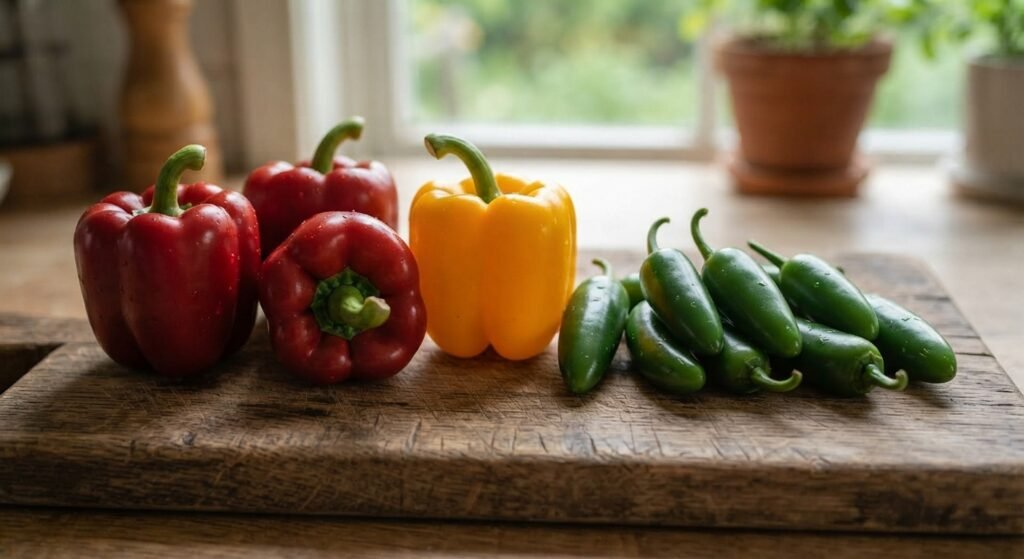
Hot peppers, on the other hand, are graded using the Scoville Heat Scale, which measures capsaicin concentration. A jalapeño sits around 2,500 to 8,000 Scoville units, while a habanero can reach well over 100,000. Growing both types side by side is completely fine, but many gardeners space them apart slightly since cross pollination can occasionally affect the heat level of nearby sweet varieties in future seed generations.
Choosing Peppers Based on Your Growing Goals
Before buying seeds or seedlings, it helps to ask yourself what you actually want from your pepper plants. Are you growing for fresh eating, sauces, pickling, or preserving? Do you have a large raised bed or just a sunny balcony? Are you gardening in a hot southern climate or somewhere with a shorter, cooler summer?
Answering these questions narrows the list quickly. A gardener in a small apartment with a short season should lean toward compact, fast-maturing varieties, while someone with a large backyard in a warm climate can experiment with slower-growing, high-heat types. Setting a clear goal from the start saves time and prevents disappointment later in the season.
Best Sweet Pepper Varieties
Bell Peppers
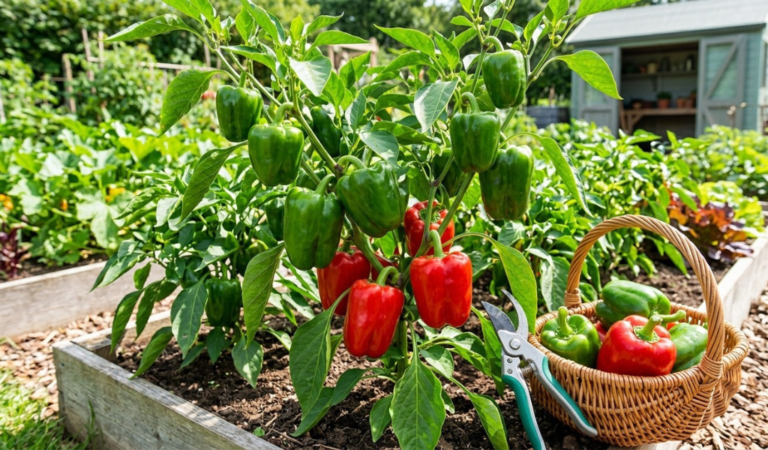
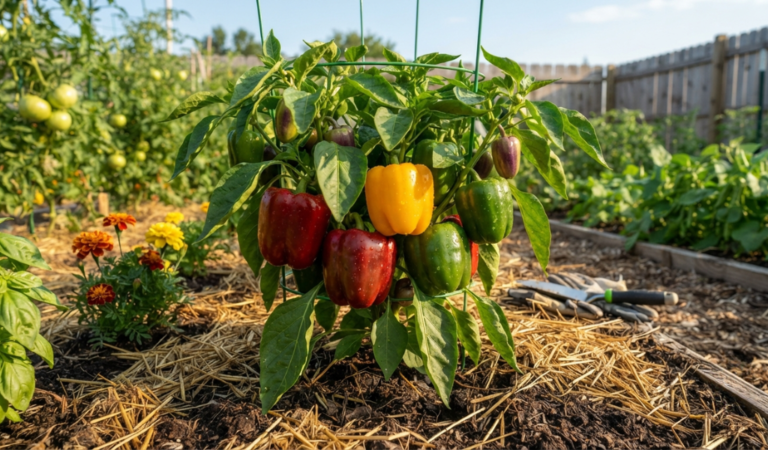
Bell peppers are the classic choice for a reason. They are crunchy, mild, and available in green, red, yellow, orange, and even purple varieties. Green bell peppers are simply unripe versions of the colored ones, which is why they taste slightly more bitter. Popular cultivars like California Wonder and Big Bertha are known for producing large, thick-walled fruit that holds up well in cooking or stuffing recipes.
Banana Peppers
Banana peppers are shaped like their namesake fruit and offer a tangy, mild flavor that works beautifully in pickling. They are prolific producers, often giving multiple harvests throughout the season. Because the plants stay relatively compact, banana peppers are also a solid option for gardeners with limited space.
Shishito and Pimento Peppers
Shishito peppers have become a restaurant favorite thanks to their blistered, charred preparation style, and they are surprisingly easy to grow at home. Most shishitos are mild, though occasionally one in a batch carries a surprising kick, which is part of their charm. Pimento peppers, often used in cheese spreads and stuffed olives, are sweet and thick fleshed with a slightly heart-shaped fruit.
Best Hot Pepper Varieties
Jalapeño Peppers
Jalapeños are arguably the most recognizable hot pepper variety and a great entry point for gardeners who want moderate heat. They grow quickly, produce heavily, and tolerate a wide range of conditions. Letting jalapeños ripen to red on the vine intensifies both their sweetness and their heat.
Cayenne Peppers
Cayenne peppers are long, thin, and packed with heat, making them ideal for drying and grinding into powder. The plants are hardy and tend to produce well even in less than ideal soil, which makes cayenne a forgiving choice for new pepper growers who still want serious spice.
Habanero and Serrano Peppers
Habaneros bring intense heat along with a fruity, almost citrus-like flavor that makes them popular in hot sauces. Serranos are smaller and slightly milder than habaneros but hotter than jalapeños, offering a nice middle ground for gardeners who want to build up their heat tolerance gradually. Both varieties love warmth and a long growing season to reach their full potential.
Best Pepper Varieties for Beginners
Easy-to-Grow Pepper Plants
If you are new to growing peppers, start with varieties known for their forgiving nature. Bell peppers, jalapeños, and banana peppers all tolerate minor mistakes in watering and soil quality better than finicky superhot varieties. These plants also recover well if you catch Common Pests Affecting Pepper Plants early, since strong, established root systems help them bounce back from minor damage.
Fast-Maturing Pepper Varieties
Beginners often get discouraged waiting for a harvest, so choosing fast-maturing types can help keep motivation high. Varieties like Jalapeño and small sweet peppers such as Lunchbox peppers typically mature in 60 to 75 days, giving you results well before the season ends. Fast maturity also reduces the window of exposure to pests and disease.
Best Peppers for Containers and Small Gardens
Compact Pepper Varieties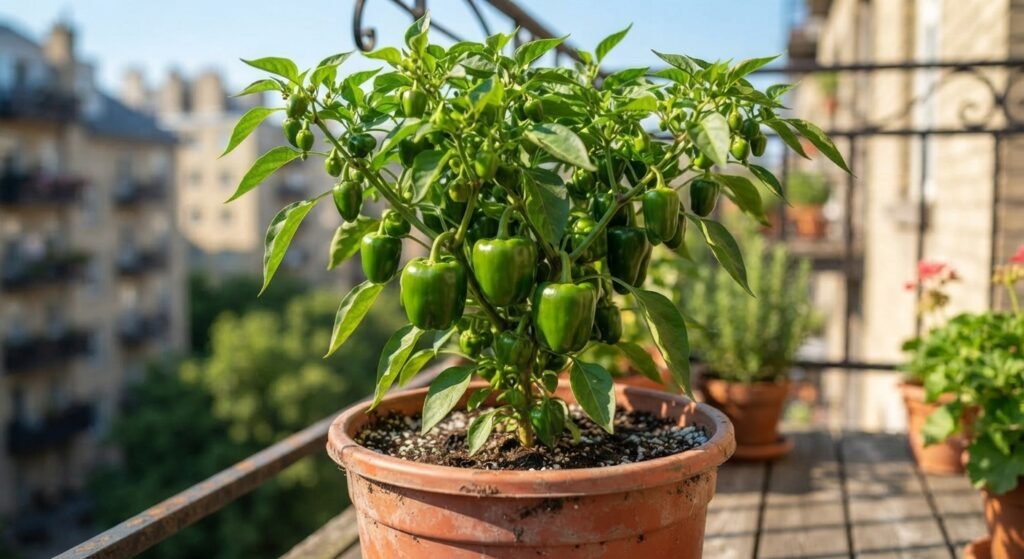
Not everyone has room for sprawling garden beds, and thankfully many pepper varieties are bred specifically for compact growth. Patio-type bell peppers, mini sweet peppers, and dwarf jalapeño varieties like Jalapeño Patio Fireball stay small enough for containers while still producing a solid harvest.
Choosing the Right Pot and Growing Space
When growing peppers in containers, size matters more than most people expect. A pot that is too small restricts root growth and leads to smaller yields. Aim for at least a five-gallon container per plant, with good drainage holes to prevent root rot. Placing containers where they get at least six hours of direct sunlight will make a noticeable difference in fruit production, even in a small urban garden or balcony setup.
Best Pepper Varieties for Different Climates
Warm Climates
Gardeners in hot, humid, or desert-like climates have the advantage of growing almost any pepper variety, including slow-maturing superhots like ghost peppers and Carolina Reapers. These plants thrive with long, consistent heat and plenty of sunshine throughout the growing season.
Short Growing Seasons
In regions with cooler summers or a shorter frost-free window, fast-maturing varieties are essential. Early Jalapeño, Cayennetta, and certain compact bell pepper cultivars are bred to produce fruit before the first frost arrives, making them reliable choices for northern gardens.
Growing Peppers in Cooler Areas
Cooler climate gardeners often benefit from starting seeds indoors six to eight weeks before the last expected frost and using black plastic mulch to warm the soil. Choosing varieties specifically labeled for shorter seasons, rather than tropical heat-loving types, greatly improves the odds of a full harvest before cold weather sets in.
Best Peppers for High Yields
Varieties Known for Heavy Production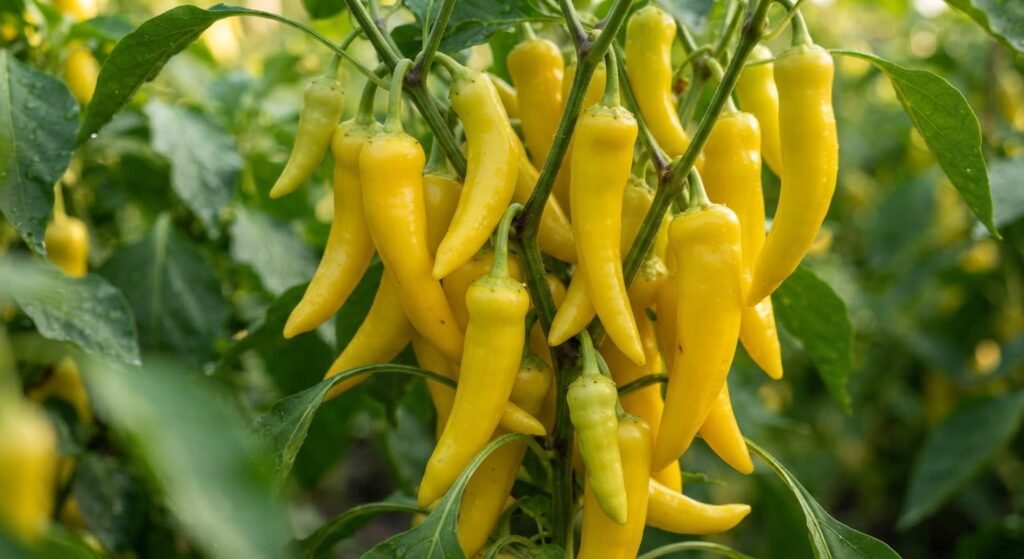
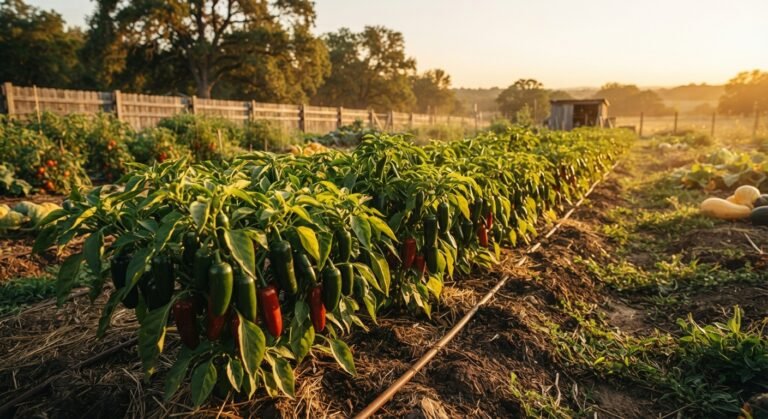
Some pepper varieties are simply bred to produce more fruit per plant. Banana peppers, cayenne peppers, and certain bell pepper hybrids like Ace and Gypsy are known for consistent, heavy yields throughout the season. These varieties tend to keep producing as long as you continue harvesting regularly, since picking ripe peppers signals the plant to keep flowering.
How Growing Conditions Affect Yield
Even the best high-yield variety will underperform without the right conditions. Peppers need warm soil, consistent moisture, and rich, well-draining soil to reach their full potential. Stress from drought, extreme heat, or nutrient deficiency can cause blossom drop, where flowers fall off before they ever turn into fruit. Keeping conditions steady rather than letting them swing dramatically is often the real key to a heavy harvest.
Best Pepper Varieties for Cooking
Fresh Eating
For snacking or salads, mild and crunchy varieties shine. Bell peppers, mini sweet peppers, and shishitos all offer great texture and flavor without overwhelming heat, making them ideal for fresh preparations.
Sauces, Pickling, and Cooking
Jalapeños, serranos, and banana peppers are excellent for cooking applications like salsas, hot sauces, and pickled toppings. Their balance of flavor and moderate heat blends well into recipes without dominating other ingredients.
Drying and Preserving
Cayenne and certain thin-walled hot peppers dry exceptionally well, making them perfect for homemade chili powders and flakes. Thicker-walled peppers like bell peppers do not dry as easily and are better suited for freezing or roasting for long-term storage.
How to Choose the Right Pepper Variety
Consider Heat Level and Flavor
Start by thinking honestly about how much heat you and your family actually enjoy. There is no benefit to growing a Carolina Reaper if nobody in your household can handle the spice. Match the variety to your taste preferences first, since flavor and heat matter more day to day than yield or size.
Check Days to Maturity
Every seed packet lists the days to maturity, and this number is one of the most useful tools for choosing wisely. If your growing season is short, prioritize varieties with lower maturity numbers to avoid losing your harvest to an early frost.
Match the Variety to Your Growing Space
Finally, consider your available space realistically. Sprawling, tall varieties need staking and room to grow, while compact patio varieties are better suited to small yards, raised beds, or containers on a porch.
Pepper Growing Tips for a Successful Harvest
Providing Enough Sunlight
Peppers are sun lovers and need at least six to eight hours of direct sunlight each day to produce well. Plants grown in partial shade often survive but rarely produce the abundant harvest that full sun encourages.
Watering and Fertilizing Pepper Plants
Consistent watering is more important than heavy watering. Peppers prefer evenly moist soil rather than alternating between drought and flooding. A balanced fertilizer with slightly higher phosphorus and potassium supports strong flowering and fruit development, while too much nitrogen can lead to lush leaves with fewer peppers.
Harvesting Peppers at the Right Time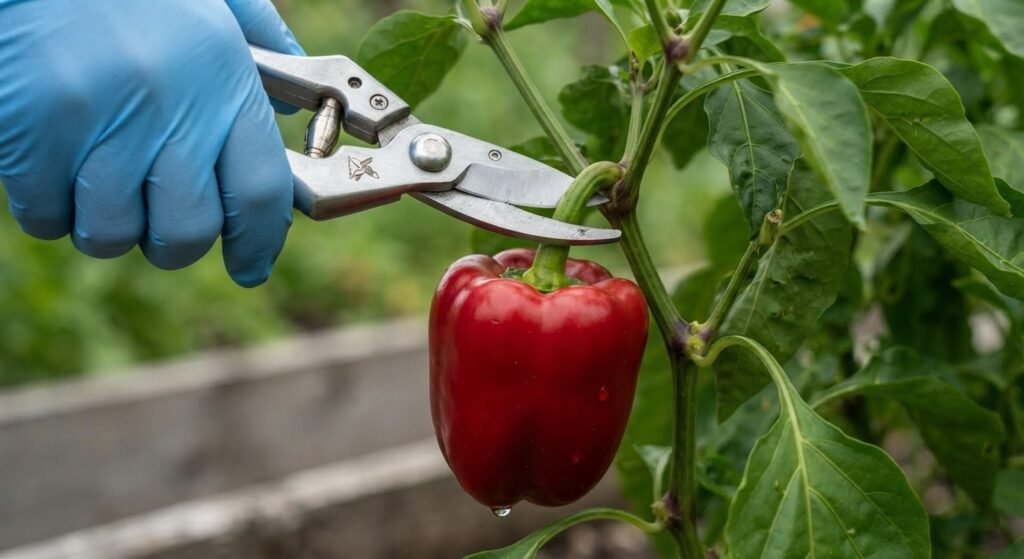
Most peppers can be harvested green or allowed to ripen to their final color for a sweeter, more intense flavor. Using scissors or pruning shears rather than pulling by hand prevents damage to the plant and encourages continued production throughout the season.
Conclusion
Choosing the best varieties of peppers to grow really comes down to understanding your space, your climate, and how you plan to use your harvest. Whether you lean toward crisp bell peppers for salads, fiery habaneros for hot sauce, or compact patio jalapeños for a small balcony garden, there is a variety suited to almost every gardener. Start with a couple of reliable, beginner-friendly types, watch closely for Common Pests Affecting Pepper Plants, and adjust your approach as you learn what works best in your own backyard. With the right variety and a little consistency in care, you will be harvesting fresh peppers all season long. Now it is time to pick your favorites and get planting.
Frequently Asked Questions
What is the easiest pepper variety to grow for beginners?
Bell peppers and jalapeños are generally the easiest choices since they tolerate minor care mistakes and produce reliably in most climates.
How long does it take for pepper plants to produce fruit?
Most varieties take between 60 and 90 days from transplanting to reach maturity, though this varies depending on the specific type and growing conditions.
Can I grow hot and sweet peppers next to each other?
Yes, you can grow them side by side without affecting the current season’s fruit, though cross pollination can occasionally influence the flavor of seeds saved for future planting.
What are the best pepper varieties for containers?
Compact types like Patio Fireball jalapeños, mini bell peppers, and dwarf pepper cultivars are specifically bred for container gardening and small spaces.
Why are my pepper plants not producing fruit?
Common causes include insufficient sunlight, inconsistent watering, extreme temperatures, and nutrient imbalances, especially too much nitrogen fertilizer.
How do I protect my pepper plants from pests naturally?
Introducing beneficial insects, using neem oil spray, and inspecting leaves regularly can help control aphids, spider mites, and other common pests without harsh chemicals.
Which pepper variety is best for making hot sauce?
Habaneros, cayennes, and serranos are popular hot sauce choices because of their strong flavor profiles and manageable to intense heat levels.