How Often to Water Pepper Plants in Pots and Garden Beds: Smart Watering Tips for Healthy Growth
How Often to Water Pepper Plants Without Overwatering
Knowing how often to water pepper plants is one of the most common questions gardeners ask and for good reason. Get it wrong in either direction, and your plants will let you know. Too much water leads to yellowing leaves and rotting roots. Too little, and your plants wilt, drop flowers, and produce fewer peppers.
The tricky part? There’s no single answer that works for every garden. A pepper plant growing in a clay-heavy garden bed in Michigan needs a completely different watering approach than one sitting in a terracotta pot on a patio in Arizona. Watering frequency depends on your climate, your soil, the size of your plants, and even the time of year.
This guide breaks it all down in plain terms. You’ll learn how to read your plants, build a watering schedule that fits your setup, avoid the most common mistakes, and fine-tune your approach as the season changes. By the end, you’ll have everything you need to keep your pepper plants healthy from seedling to harvest.
Understanding How Often to Water Pepper Plants
Pepper plants are highly sensitive to their environment, requiring a precise balance of soil moisture and oxygen to thrive. Because they are susceptible to root rot in waterlogged soil and experience stress or stunted growth when allowed to dry out completely, consistency is paramount. Proper watering does more than keep the plant alive; it directly influences fruit quality, flavor development, and total yield. By maintaining steady moisture, you ensure the plant can efficiently absorb essential nutrients like calcium, preventing common issues like blossom drop and blossom end rot.
Why Proper Watering Is Essential for Healthy Pepper Plants
Pepper plants are sensitive. They thrive on consistency, and their roots need a careful balance of moisture and oxygen to function properly. When the soil stays too wet for too long, the roots can’t breathe and begin to break down a condition known as root rot. When the soil dries out completely between waterings, the plant shifts into survival mode, redirecting energy away from fruit production.
Consistent, appropriate watering does more than keep your plants alive. It directly affects fruit quality, flavor development, and your overall harvest size. Plants that receive steady moisture throughout the growing season tend to produce more peppers, with fewer issues like blossom drop or end rot.
Beyond the roots, water also plays a role in nutrient uptake. Without adequate soil moisture, plants can’t absorb calcium and other minerals effectively even if those nutrients are present in the soil.
Factors That Affect Pepper Plant Watering Frequency
Several variables influence how frequently your plants need water. Container size matters smaller pots dry out faster than large ones. Soil composition plays a role too, since sandy soils drain quickly while clay soils hold moisture longer. Weather is perhaps the biggest factor of all. On a hot, dry day with wind, your plants may need watering every day. On a mild, overcast day, every two to three days might be enough.
Plant size is another key consideration. Young seedlings have small, shallow root systems and need more frequent, lighter waterings to stay moist without becoming waterlogged. Mature plants develop deeper roots and can handle slightly longer gaps between watering sessions.
Signs Your Pepper Plants Need More or Less Water
Before setting a rigid schedule, it helps to learn how to read your plants. Pepper plants communicate their needs clearly once you know what to look for.
Signs of underwatering:
- Leaves appear dull, curled inward, or drooping during the hottest part of the day
- Soil is dry an inch or more below the surface
- Flowers drop before setting fruit
- Peppers are small and slow to develop
Signs of overwatering:
- Yellowing leaves, especially on the lower part of the plant
- Soggy, compacted soil that doesn’t dry out between waterings
- Stems near the base feel soft or mushy
- A sour or musty smell coming from the soil
A simple and reliable method for checking soil moisture is the finger test. Push your finger about an inch into the soil near the base of the plant. 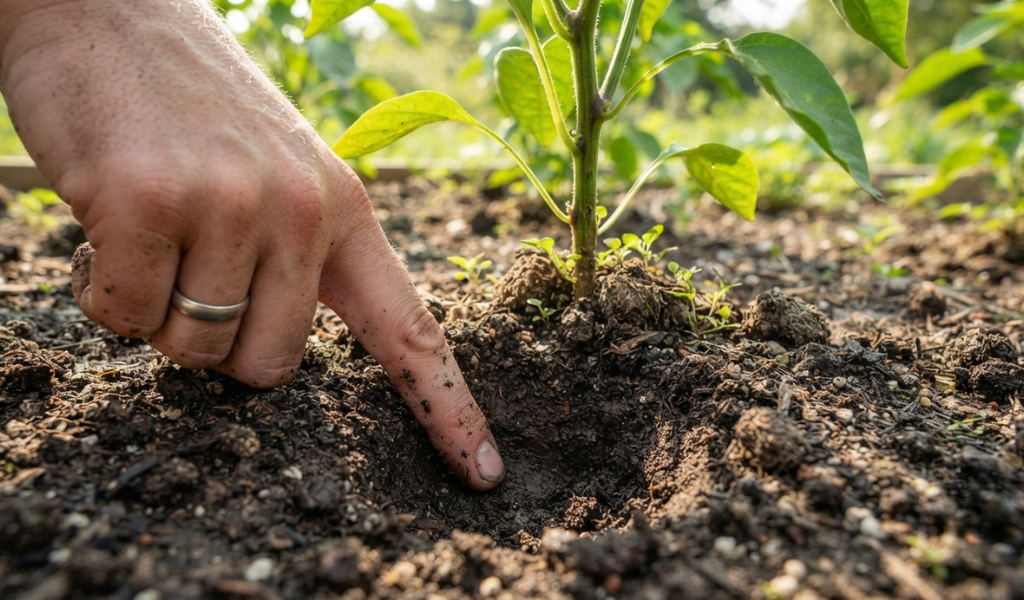 If it feels dry at that depth, it’s time to water. If it still feels moist, wait another day and check again. This quick check takes seconds and takes all the guesswork out of watering.
How Often Should You Water Pepper Plants?
Watering frequency depends heavily on the stage of the plant’s life and its growing environment.
Watering Seedlings vs. Mature Pepper Plants
Young pepper seedlings need to be watered more frequently than established plants. Because their roots are shallow and compact, the soil can dry out faster. A light watering every one to two days is typically appropriate for seedlings, depending on conditions. The goal is to keep the growing medium consistently moist, not wet.
Once plants mature and develop a deeper root system, they become more resilient. At this stage, most pepper plants do well with watering every two to three days during warm weather. During cooler periods, you can often stretch that to every three to four days.
Watering Schedule for Pots and Containers
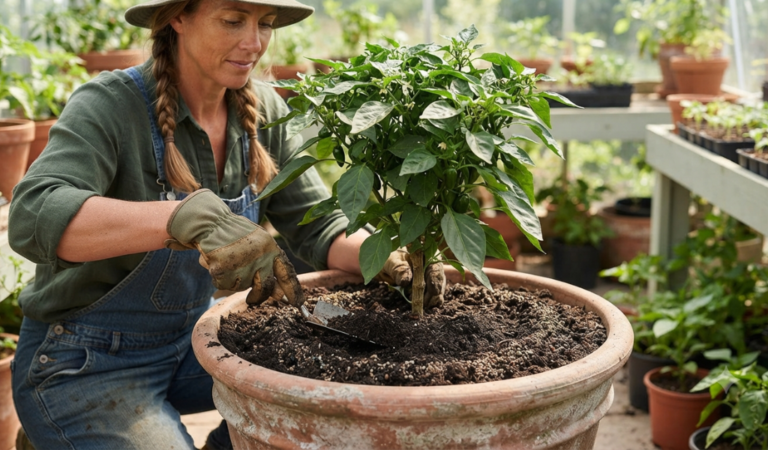
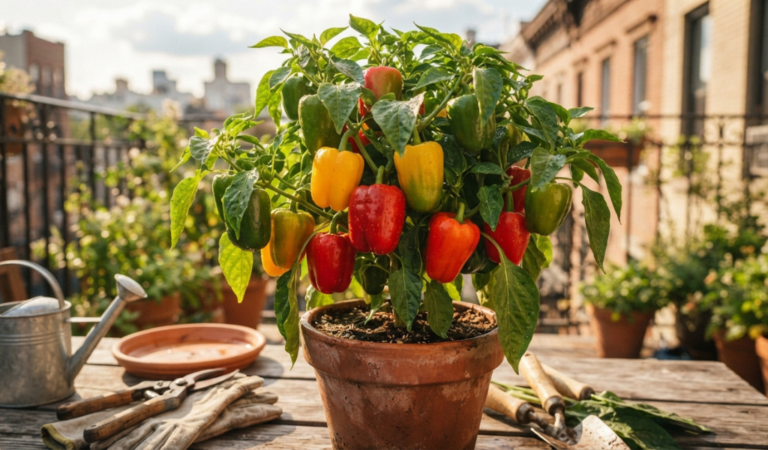
Container-grown peppers dry out faster than those in the ground. Pots, especially smaller ones made from terracotta or unglazed clay allow moisture to evaporate quickly through the sides. During summer, container pepper plants may need watering every day or every other day.
A few practical tips for potted peppers:
- Choose containers with drainage holes to prevent water from pooling at the bottom
- Water until it flows freely from the drainage holes, which ensures the entire root zone gets moisture
- Larger pots retain moisture longer, so consider upsizing if you’re watering daily and struggling to keep up
Watering Pepper Plants Growing in Garden Beds
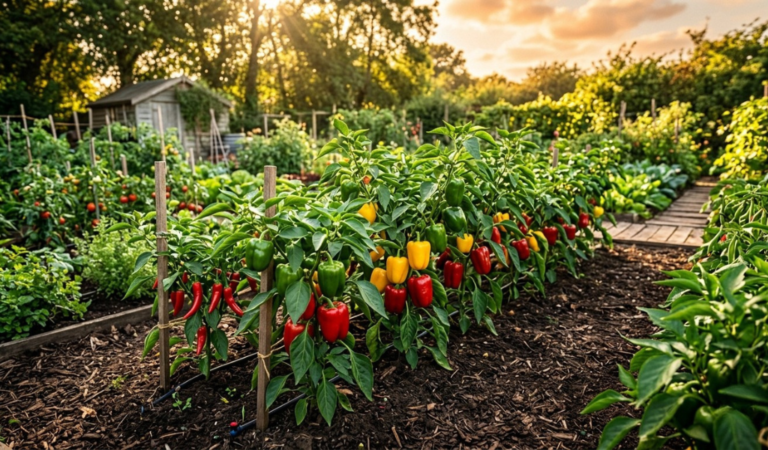
In-ground pepper plants have access to a larger volume of soil, which holds moisture more effectively and buffers against temperature swings. Most in-ground plants do well with deep watering every two to three days in summer. During hot spells, daily watering may be needed.
The key for garden beds is to water deeply rather than frequently. Shallow watering encourages roots to stay near the surface, making plants more vulnerable to heat and drought. Deep watering, where moisture penetrates 6 to 8 inches into the soil, encourages roots to grow downward making the plant more resilient overall.
Factors That Change Pepper Plant Watering Needs
Several environmental variables dictate how quickly moisture leaves your soil:
Climate and Temperature
High temperatures increase the rate at which both soil and plants lose moisture. When daytime temperatures consistently exceed 90°F, peppers may need daily watering. In cooler climates or during mild stretches of weather, you can often water less frequently without any negative effects.
Humidity matters too. In humid regions, moisture evaporates from the soil more slowly, which means you can space out waterings more than gardeners in arid climates typically can.
Soil Type and Drainage
Sandy soils drain quickly and don’t hold moisture well. Plants growing in sandy ground often need watering every day or two in summer. Clay-heavy soils retain water longer, which reduces watering frequency but increases the risk of waterlogging if you’re not careful.
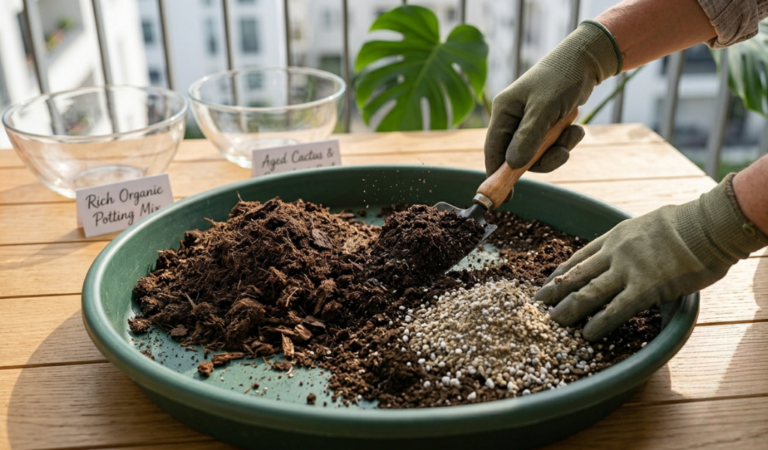
The ideal soil for pepper plants is a well-draining loam enriched with compost. If your soil is too sandy, adding organic matter like compost or aged manure helps it retain moisture longer. If it’s too clay-heavy, mixing in sand or perlite improves drainage and reduces the risk of root rot.
Mulch, Wind, and Sunlight Exposure
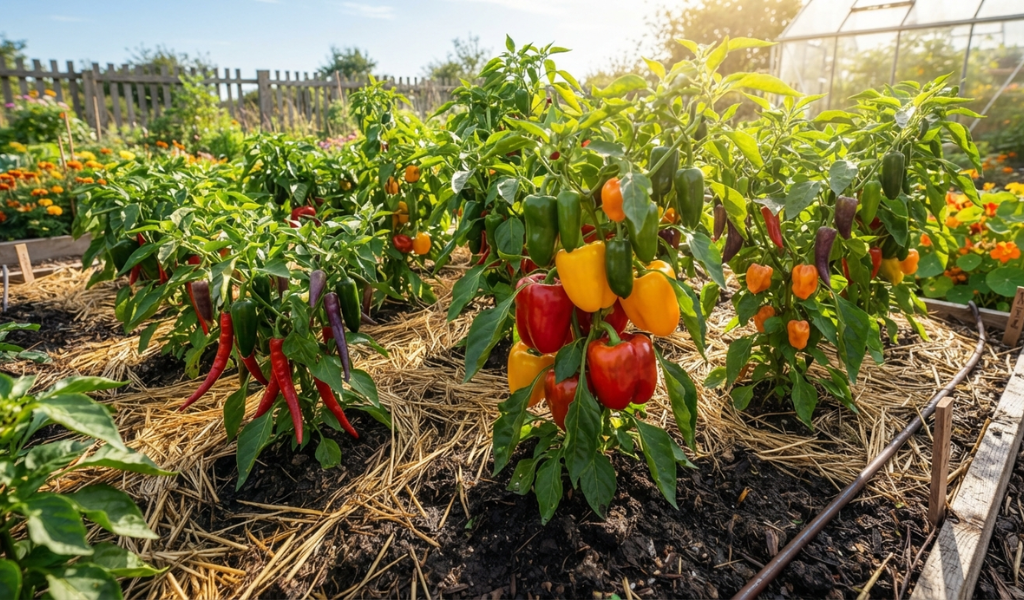
Applying a 2- to 3-inch layer of organic mulch such as straw, wood chips, or shredded leaves around the base of your plants can cut watering frequency significantly. Mulch slows evaporation, keeps soil temperatures stable, and suppresses weeds that compete for moisture. Many experienced pepper growers consider mulching one of the most impactful things you can do for water management.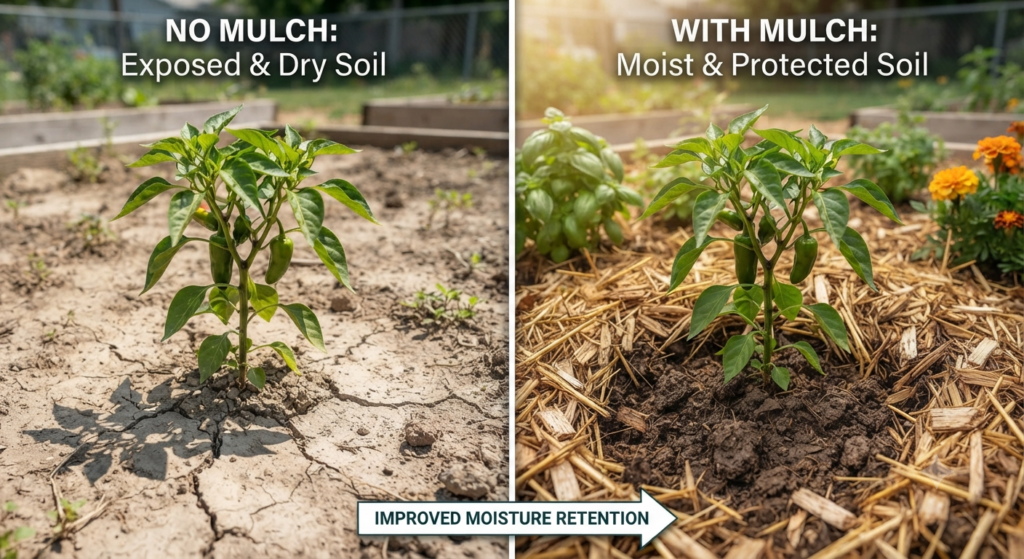
Wind and direct sun both accelerate moisture loss from soil and leaves. If your garden is exposed and windy, you may need to water more frequently than a sheltered bed in the same climate.
Best Watering Techniques for Healthy Pepper Growth
The goal is to encourage deep, robust root systems rather than shallow, surface-level roots.
How Deep Should You Water Pepper Plants?
Every time you water, the goal is to wet the soil to a depth of 6 to 8 inches. This encourages pepper plant roots to follow the moisture downward, creating a stronger and more drought-resistant root system. Shallow, frequent watering produces the opposite effect roots stay near the surface and the plant becomes dependent on constant moisture.
To check depth, water thoroughly and then use a stick or finger to probe the soil after a few minutes. If moisture hasn’t penetrated beyond the top couple of inches, your plants likely need more water per session.
Morning vs. Evening Watering
Morning is the best time to water pepper plants. Watering early in the day gives leaves time to dry out before evening, which reduces the risk of fungal diseases like leaf spot and mold. It also ensures the plant has adequate moisture going into the hottest part of the day.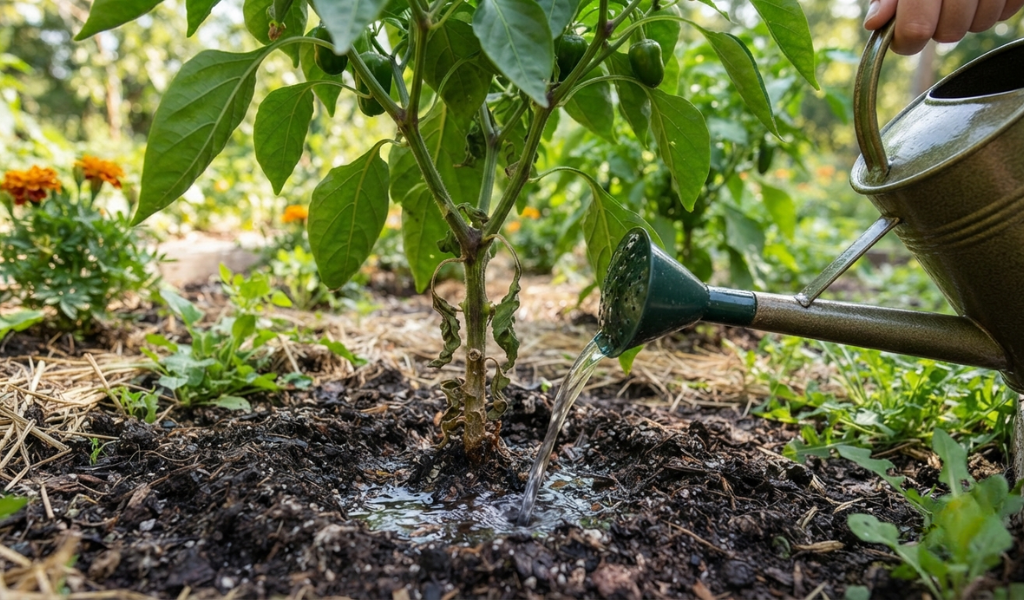
Evening watering is the next best option if mornings aren’t practical. The main downside is that wet foliage overnight creates conditions where fungal issues can take hold. If you water in the evening, try to direct water at the base of the plant rather than over the leaves.
Drip Irrigation, Soaker Hoses, and Hand Watering
Drip irrigation and soaker hoses are considered the most efficient watering methods for peppers. Both deliver water slowly and directly to the root zone, minimizing evaporation and keeping foliage dry. These systems are especially useful for gardeners with busy schedules, since they can be set on timers.
Hand watering with a watering can or gentle hose attachment gives you precise control and lets you check the soil and plants up close at the same time. It’s the most common method for home gardeners and works well as long as you’re consistent.
Overhead sprinklers are the least ideal option for peppers. They wet the foliage unnecessarily, which increases disease risk and wastes water through evaporation.
Common Pepper Plant Watering Mistakes to Avoid
The most frequent error is overwatering, driven by the misconception that “more is better.” Saturated soil cuts off the oxygen supply to roots, leading to irreversible root rot.
Conversely, inconsistent watering is the primary cause of blossom end rot, a condition where fruit develops dark, sunken patches due to the plant’s inability to move calcium effectively. To prevent this, focus on maintaining even, consistent soil moisture. Never stick to a strict, pre-set schedule; always adjust your frequency based on recent rainfall, temperature fluctuations, and the physical state of the soil.
Overwatering and Root Rot
Overwatering is the most common mistake home gardeners make with peppers. It’s often done with good intentions people assume more water means healthier plants. The reality is that roots need air as well as moisture, and saturated soil cuts off their oxygen supply.
Root rot caused by overwatering is difficult to reverse once it sets in. Prevention is far easier: always check soil moisture before watering, and never water on a fixed schedule without accounting for recent rainfall or cooler temperatures.
Underwatering and Plant Stress
Consistently dry conditions force pepper plants into stress mode. Heat and drought stress cause flowers and small fruit to drop, reducing your overall harvest. Sustained underwatering during fruit development also concentrates capsaicin, which can make sweet varieties taste bitter or unusually hot.
During summer heat waves, check your plants daily, especially container-grown peppers to make sure they’re not drying out faster than usual.
Inconsistent Watering and Blossom End Rot
Blossom end rot is a physiological disorder that shows up as a dark, sunken patch on the bottom of the fruit. It’s caused by calcium deficiency, but the root cause is usually inconsistent watering. When soil moisture fluctuates dramatically, calcium can’t move efficiently through the plant even if it’s present in the soil.
The fix is simple: water regularly and consistently. Mulching helps maintain even soil moisture between sessions, which significantly reduces the risk of blossom end rot.
Seasonal Watering Tips for Pepper Plants
Watering During Hot Summer Weather
Peak summer is when pepper plants need the most water. High temperatures, longer days, and increased evaporation mean you’ll often need to water every one to two days. Adding mulch during this period makes a noticeable difference, helping the soil retain moisture between waterings and keeping roots cooler.
Check container plants daily during heat waves. Small pots can dry out completely within 24 hours on very hot days.
Watering During Cool or Rainy Periods
During cool stretches or rainy spells, significantly reduce watering frequency. Allow natural rainfall to count toward your plants’ water needs and always check the soil before adding more. Overwatering is especially easy to do accidentally during cool, overcast periods when you’re not accounting for reduced evaporation.
If your area gets heavy rain, ensure your garden beds and containers drain well so roots don’t sit in standing water.
Adjusting Watering During Flowering and Fruiting
Flowering and fruit development are the most water-sensitive stages of the pepper growing cycle. During flowering, consistent moisture helps prevent blossom drop, a frustrating problem where flowers fall off before setting fruit. Dry or fluctuating soil conditions are a leading cause.
Once fruit begins to develop, keeping up with consistent watering is equally important. The fruit itself is mostly water, so adequate and steady moisture directly impacts the size and quality of your harvest. Cutting back on water too early can stunt fruit development and intensify bitterness or heat in varieties that shouldn’t have it.
Gradually reduce watering slightly as the season ends and plants mature.
The Bottom Line on Watering Pepper Plants
Getting your watering routine right is one of the most impactful things you can do for your pepper plants. The goal isn’t to follow a rigid schedule it’s to develop a feel for what your specific plants need based on their environment, growth stage, and the current weather.
Start with the finger test. Water deeply rather than shallowly. Mulch generously. And pay attention to what your plants are telling you. Once you build that habit, watering becomes intuitive rather than stressful.
Whether you’re growing sweet bells, fiery habaneros, or everything in between, consistent and thoughtful watering gives your plants the foundation to produce their best. Start applying these techniques now and watch the difference it makes by harvest time helps the plant transition toward the end of its productive cycle.
Frequently Asked Questions
How can you tell when pepper plants need water?
The most reliable method is the finger test. Push your index finger about an inch into the soil near the base of the plant. If the soil feels dry at that depth, water thoroughly. If it still feels moist, wait a day and check again. You can also watch for early signs of drooping or dull-looking leaves, which often signal that the plant is thirsty.
Can you water pepper plants every day?
Yes, in some situations daily watering is appropriate particularly for container-grown peppers during hot summer weather. However, daily watering in garden beds or cooler climates can easily lead to overwatering. Always use the soil moisture test rather than a fixed schedule to guide your decisions.
How much water does a pepper plant need per week?
Most pepper plants need roughly 1 to 2 inches of water per week during the growing season, including rainfall. This isn’t a rigid rule actual needs vary based on soil type, pot size, climate, and plant size. The best approach is to water deeply whenever the top inch of soil dries out, rather than measuring volume.
Does lack of water make peppers hotter?
Yes, water stress can increase the heat level in hot pepper varieties. When plants don’t receive enough consistent moisture, they produce more capsaicin the compound responsible for heat. Gardeners growing sweet peppers should pay particular attention to consistent watering to avoid unintended bitterness or heat. Some hot pepper growers actually use controlled water stress intentionally to intensify flavor.
How often should you water pepper plants in pots?
Container pepper plants typically need watering every one to two days in summer, and every two to three days during cooler periods. The key is to check the soil daily rather than assuming a schedule. Water until it drains freely from the bottom of the pot, which ensures the entire root zone receives moisture.