How Best to Freeze Fresh Peppers: Easy Tips for Freezing Bell Peppers
How Best to Freeze Fresh Peppers the Easy Way
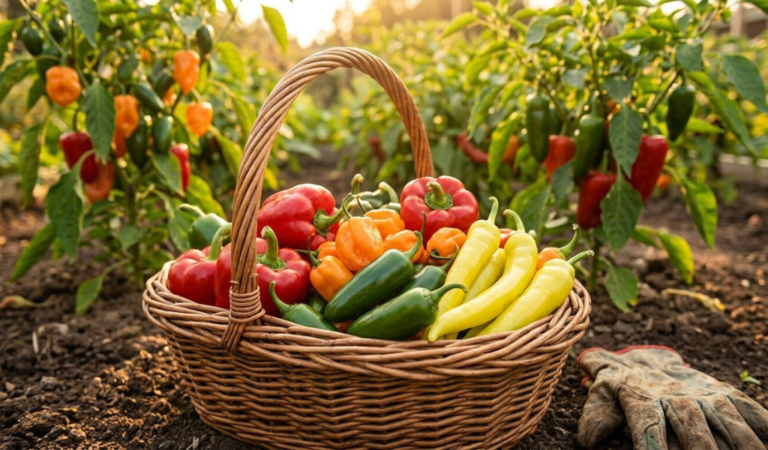
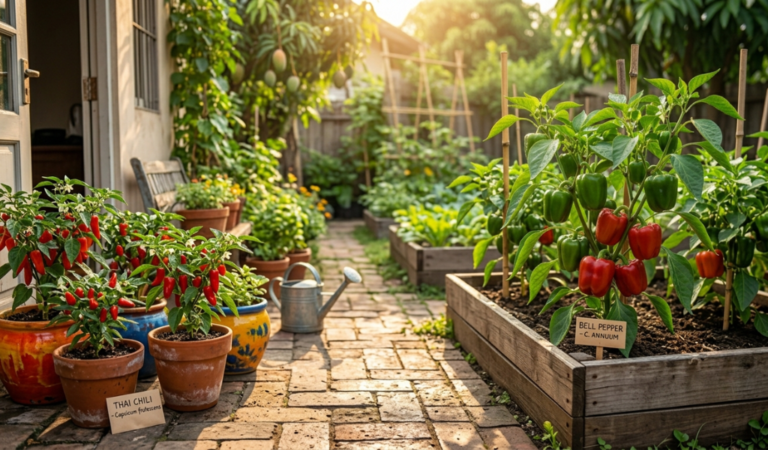
If your garden or fridge is overflowing with peppers, learning how best to freeze fresh peppers can save you time, money, and a whole lot of waste. Freezing is one of the simplest ways to preserve peppers so you can enjoy peppers to make soups, stir-fries, and sauces all year long, without needing any fancy equipment or complicated steps.
Bell peppers, hot peppers, and even sweet peppers all freeze well when you follow a few basic rules. Whether you grew a garden full of peppers or found a great deal at the farmers market, this guide walks you through everything from prepping to packaging, so your frozen bell peppers taste just as fresh months down the line.
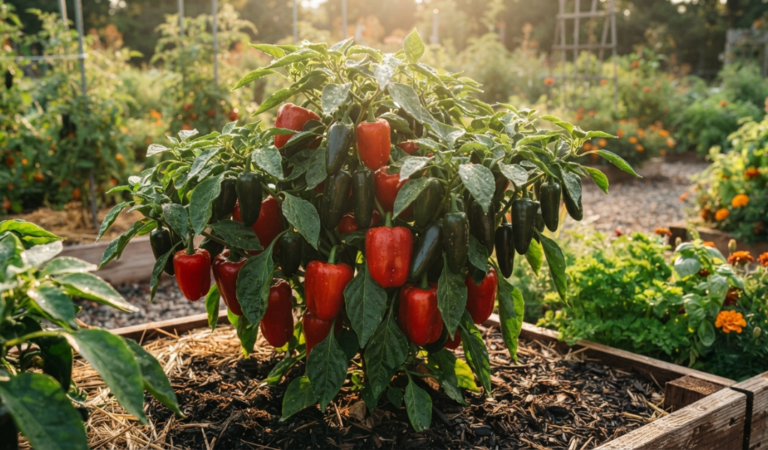
One quick note before we dive in: when to harvest bell peppers matters just as much as how you freeze them. Peppers picked at peak ripeness, when their skin is firm, glossy, and fully colored, freeze better and hold their flavor longer than peppers picked too early or left too long on the vine. Knowing whether bell peppers need to be refrigerated can also help you store freshly harvested peppers properly before freezing, keeping them firm, fresh, and ready for preparation. Once you have picked your bell peppers at the right stage and stored them correctly, you can freeze them with better texture, flavor, and quality for later use.
Why Freezing Fresh Peppers Is Worth It
Freezing peppers is an easy way to stretch your harvest and cut down on food waste. Instead of letting extra peppers go soft in the crisper drawer, you can turn them into a stash of ready-to-use ingredients.
Freezing Helps Handle a Big Pepper Harvest
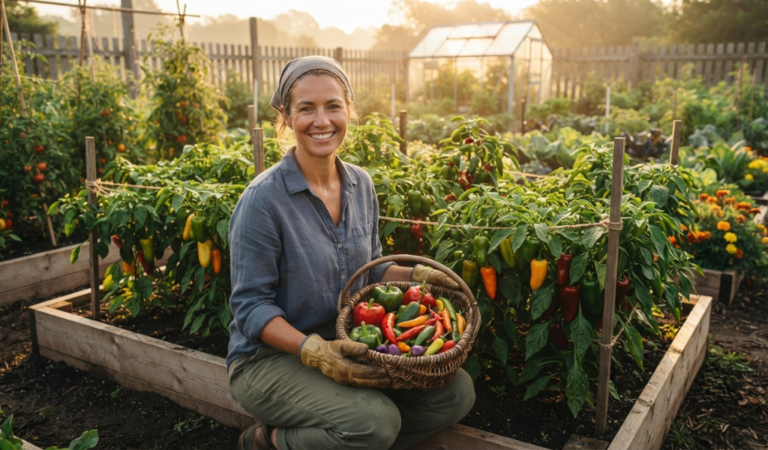
Gardeners know the feeling: one week your pepper plants give you a handful, and the next week you’re drowning in them. Freezing lets you handle a big harvest without rushing to eat or can everything at once. You simply prep the peppers, freeze them, and store them until you’re ready to cook.
Frozen Peppers Are Convenient
Having a bag of pre-cut peppers in the freezer means less chopping on busy weeknights. You can toss frozen peppers straight into a pan, skip the cutting board, and get dinner moving faster. This convenience is one of the biggest reasons home cooks freeze peppers year after year.
What Happens to Peppers After Freezing?
Freezing changes the texture of peppers because ice crystals form inside the cells and break down some of their firmness. This means frozen peppers won’t taste like crisp raw peppers once thawed. However, they still keep their flavor and color, making them ideal for cooked dishes like soups, sauces, and stir-fries rather than fresh salads.
How Best to Freeze Fresh Peppers Without Complicated Equipment
You do not need a vacuum sealer or special gadgets to freeze peppers successfully. A few basic kitchen tools and a little bit of planning go a long way.
Choose Fresh Peppers at the Right Time
The best peppers for freezing are ones picked at their peak. This is where when to harvest bell peppers comes back into play. Bell peppers are best picked once they’ve reached full color, whether that’s green, red, yellow, or orange, and feel firm to the touch.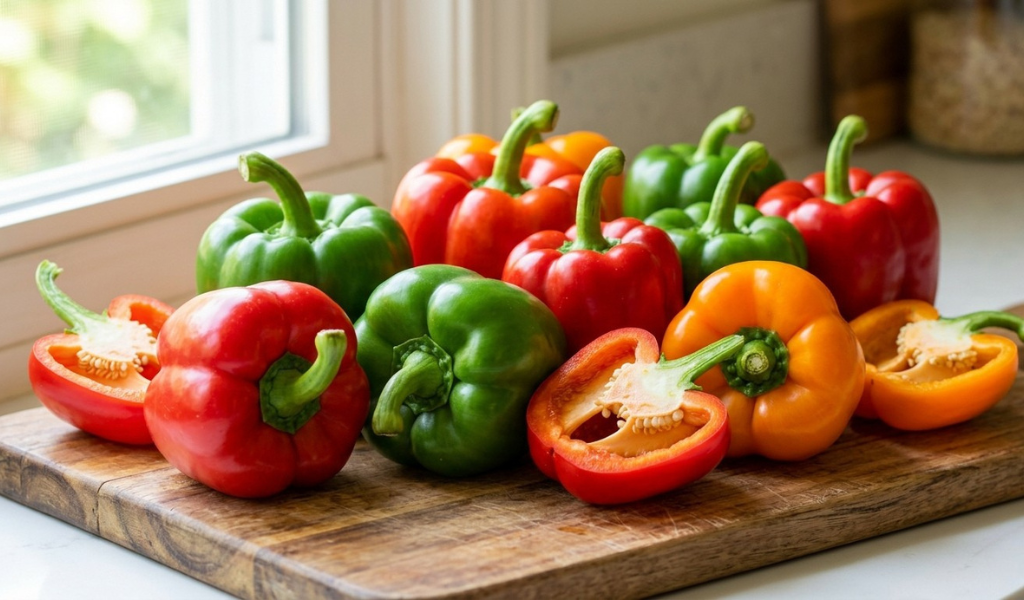 Hot peppers should be picked once they’ve reached their mature color and have a slight give but no soft spots.
Do Not Freeze Spoiled Peppers
Freezing does not improve the quality of peppers that are already spoiling. If a pepper has soft, mushy, or discolored spots, wrinkled skin, or a sour smell, skip it. Freezing spoiled peppers only locks in that poor quality and can affect the taste of everything else stored nearby.
Sort Peppers Before Preparing Them
Before you start washing and cutting, sort your peppers by type and ripeness. Group bell peppers together, hot peppers together, and set aside any peppers that are slightly overripe for immediate use instead of freezing. This step keeps your freezing process organized and prevents mixing flavors you’d rather keep separate, like sweet peppers and chili peppers.
Step-by-Step Guide: How Best to Freeze Fresh Peppers
This step-by-step method works for most types of peppers, whether you’re working with sweet bell peppers or hot chili peppers.
Step 1: Wash the Peppers
Rinse the peppers under cool running water to remove dirt, dust, or any residue. Gently rub the skin with your hands or a soft brush if needed.
Step 2: Dry the Peppers Thoroughly
After washing, pat the peppers dry with a clean towel. Removing excess moisture is important because too much water can lead to ice crystals and freezer burn later on.
Step 3: Remove the Stems
Cut off the stem end of each pepper. For bell peppers, you can also cut around the core to remove it in one piece.
Step 4: Remove Seeds If You Prefer
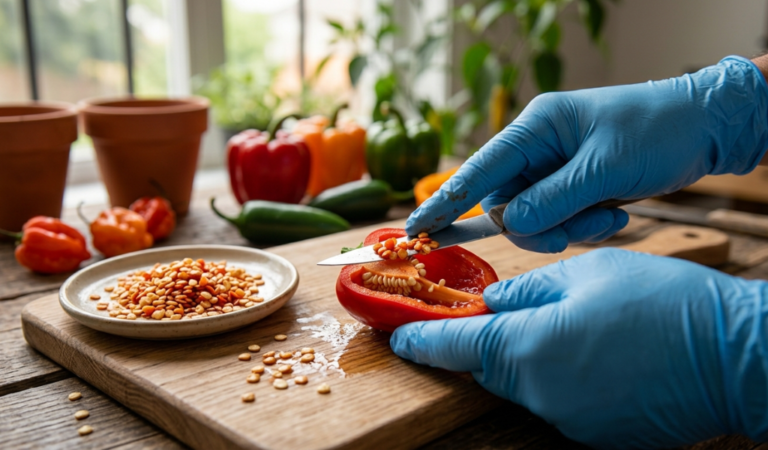
Slice the peppers in half and remove the seeds and white membranes if you don’t want them in your final dish. Some cooks skip this step for hot peppers, since the seeds add extra heat.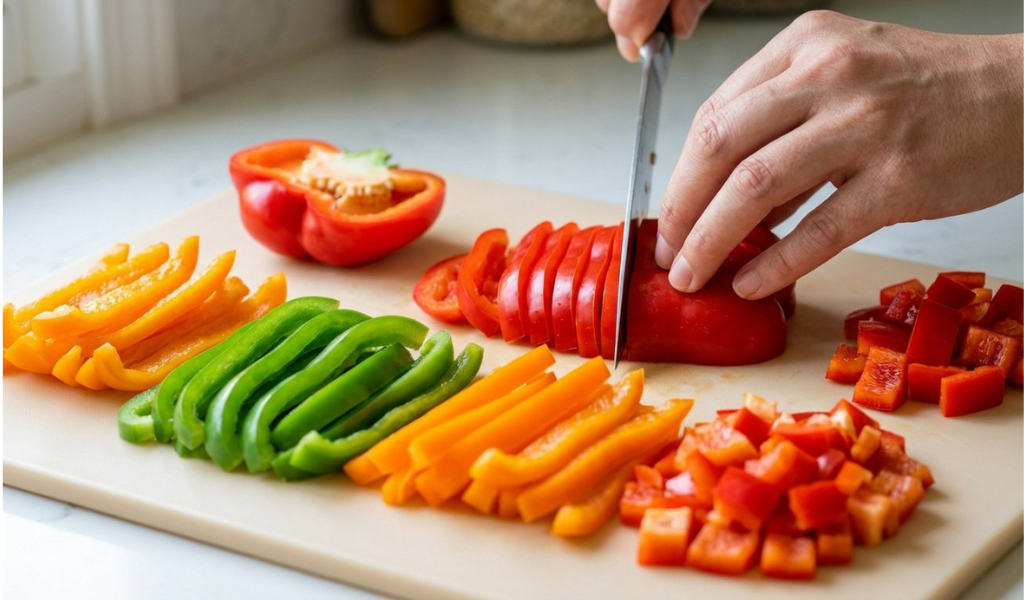
Step 5: Cut Peppers Into Useful Pieces
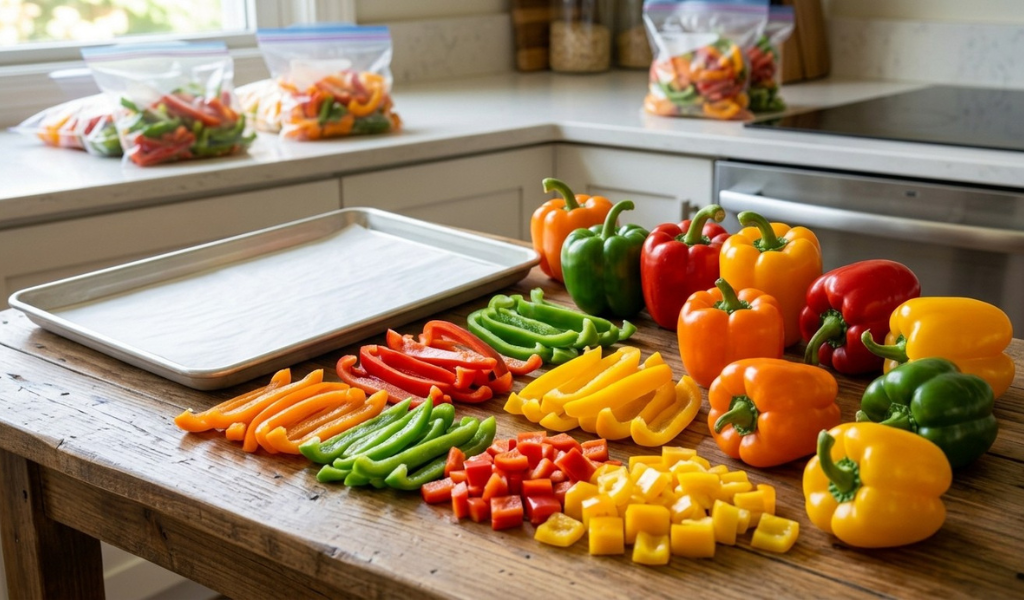
Decide how you’ll use the peppers later, then cut them accordingly. Common options include strips, diced pieces, or rings. Cutting peppers into the shape you’ll actually cook with saves time down the road.
Step 6: Portion the Peppers
Divide the cut peppers into portions that match how you typically cook. If you usually use one cup of peppers per recipe, portion them that way so you’re not thawing more than you need.
Step 7: Freeze the Pieces on a Tray
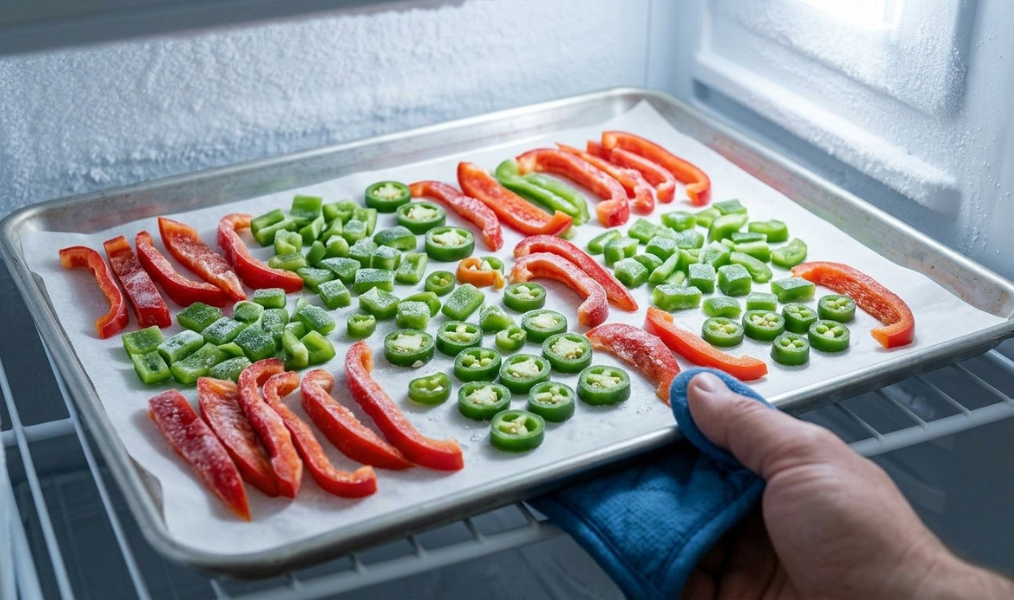
Spread the pepper pieces in a single layer on a baking sheet lined with parchment paper. This flash freeze step keeps the pieces from clumping together once they’re bagged.
Step 8: Transfer the Frozen Peppers to Bags or Containers
Once the peppers are frozen solid, usually after a few hours, transfer them to freezer bags or airtight containers. Remove as much air as possible before sealing to protect the peppers from freezer burn.
Step 9: Label Everything
Write the date and type of pepper on each bag or container. This small habit helps you keep track of how long frozen peppers have been stored and use the oldest ones first.
Should You Blanch Fresh Peppers Before Freezing?
Blanching is a common step in freezing vegetables, but it’s not always required for peppers. Here’s what you need to know.
What Is Blanching?
Blanching means briefly boiling vegetables and then plunging them into ice water to stop the cooking process. This method helps preserve color, texture, and nutrients in many vegetables before freezing.
When You Might Skip Blanching
Peppers have a naturally high water content and a thin skin, which means they don’t necessarily need blanching before freezing. Many home cooks freeze bell peppers and hot peppers raw with good results, especially if the peppers will be used in cooked dishes within a few months.
When Blanching May Be Worth Considering
If you plan to store peppers for a long time, blanching peppers before freezing can help maintain their color and slightly extend their quality in the freezer. This step is optional, though, and skipping it is fine to freeze peppers for most everyday cooking needs.
The Best Way to Freeze Bell Peppers
Bell peppers are one of the most popular vegetables to freeze because they’re versatile and freeze well in several forms.
Freeze Bell Peppers in Strips
Slicing bell peppers into strips works well for stir-fries, fajitas, and sandwiches. Lay the strips on a baking sheet and freeze bell peppers before transferring them to bags.
Freeze Diced Bell Peppers
Diced bell peppers are ideal for soups, chili, and egg dishes. Dice the peppers evenly so they cook at the same rate once you pull them from the freezer.
Freeze Different Bell Pepper Colors Separately
Fresh bell peppers come in green, red, yellow, and orange varieties, each with a slightly different flavor. Freezing fresh bell peppers by color keeps your options open when a recipe calls for a specific type, and it also makes portioning easier.
How Best to Freeze Hot Peppers
Hot peppers like jalapeños, serranos, and habaneros can be frozen a little differently depending on how you plan to use them.
Freeze Hot Peppers Whole
Peppers can be frozen whole if you don’t want to deal with cutting them right away. Whole peppers take up more freezer space but are useful if you like to slice them fresh after thawing.
Freeze Sliced Hot Peppers
Slicing hot peppers before freezing makes them easier to add directly to dishes like salsas, sauces, and stir-fries. Lay the slices in a single layer and freeze the peppers before bagging them.
Handle Hot Peppers Carefully
When working with hot peppers, wear gloves to avoid skin irritation from the oils. Avoid touching your face, and wash cutting boards and knives thoroughly afterward.
How to Prevent Frozen Peppers From Sticking Together
Nobody wants a solid block of frozen peppers when they only need a handful for a recipe.
 Use the Tray-Freezing Method
The flash freeze method mentioned earlier, freezing peppers on a baking sheet before bagging, is the best way to freeze peppers so they stay loose and easy to scoop from the bag.
Keep Moisture Under Control
Make sure peppers are dry before freezing. Excess moisture is one of the main reasons frozen pieces stick together, so pat the peppers dry thoroughly during preparation.
How to Package Frozen Fresh Peppers
Good packaging is just as important as proper prepping when it comes to keeping frozen peppers in good shape.
Use Airtight Containers
If you prefer containers over bags, choose airtight, freezer-safe options. These work well for portions you plan to use for stuffed peppers or larger recipes.
Avoid Overfilling Bags
Overfilled bags trap air and moisture, which increases the risk of freezer burn. Keep portions to a size you’ll actually use in one recipe.
Use Freezer-Safe Bags
A sturdy freezer bag is one of the most reliable ways to store cut peppers. 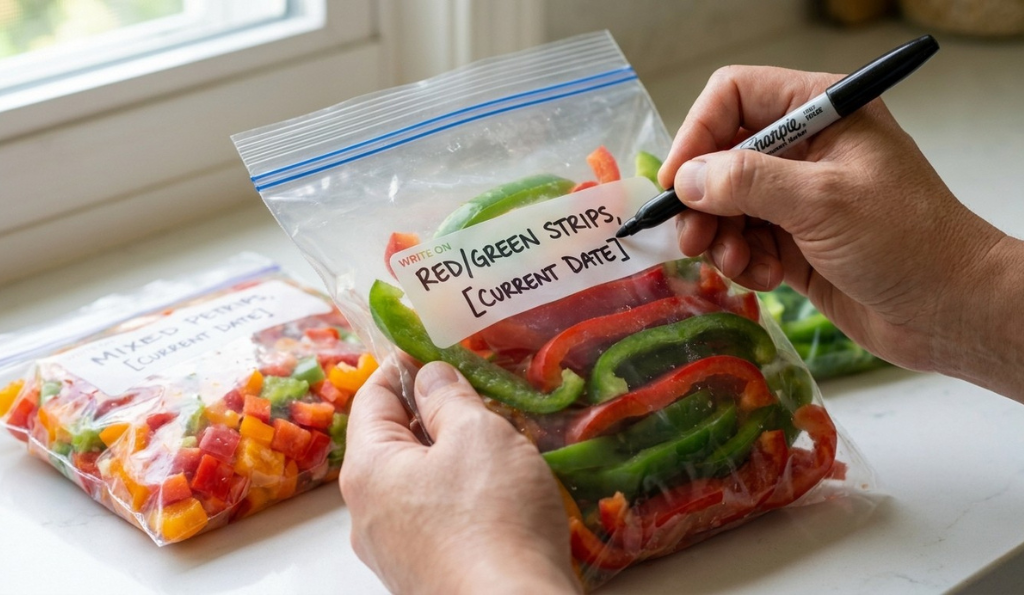 Squeeze out as much air as possible before sealing to protect the peppers from freezer burn.
How Long Can Frozen Peppers Stay in the Freezer?
Frozen peppers keep their best quality for about 8 to 12 months when stored properly. After that point, they’re often still safe to eat but may lose some flavor and texture.
Why Freezer Burn Happens
Freezer burn happens when air reaches the surface of the peppers, drying them out and creating grayish or white patches. Removing as much air as possible from bags and containers is the best defense against this.
Keep Your Freezer Organized
Store peppers toward the back of the freezer, where temperatures stay more consistent, and away from the door where temperature fluctuates each time it opens.
Do You Need to Thaw Frozen Peppers Before Cooking?
In most cases, no. Frozen peppers can go straight from the freezer into your cooking.
Cooking From Frozen Saves Time
Adding frozen peppers directly to a hot pan, soup pot, or sauce saves time and skips the thawing step altogether. This works especially well for stir-fries, chili, and casseroles.
Expect a Softer Texture
Thawed peppers will be noticeably softer than raw peppers, since freezing breaks down some of their cell structure. This is normal and doesn’t affect how they taste in cooked dishes.
Common Mistakes When Freezing Fresh Peppers
A few small errors can affect how well your peppers hold up in the freezer:
- Skipping the drying step, which leads to ice buildup
- Freezing peppers that are already overripe or spoiled
- Overpacking freezer bags, leaving no room to remove air
- Forgetting to label bags, making it hard to track freshness
- Not portioning peppers, leading to waste when only part of a bag is needed
Avoiding these mistakes makes a noticeable difference in how frozen peppers taste and perform in your cooking later on.
Best Ways to Use Frozen Peppers
Once you have a stash of frozen peppers ready, there are plenty of ways to put them to use.
Add Them to Soups and Chili
Frozen peppers hold up well in soups and chili, where their softer texture blends right in with the other simmered ingredients.
Use Them in Stir-Fries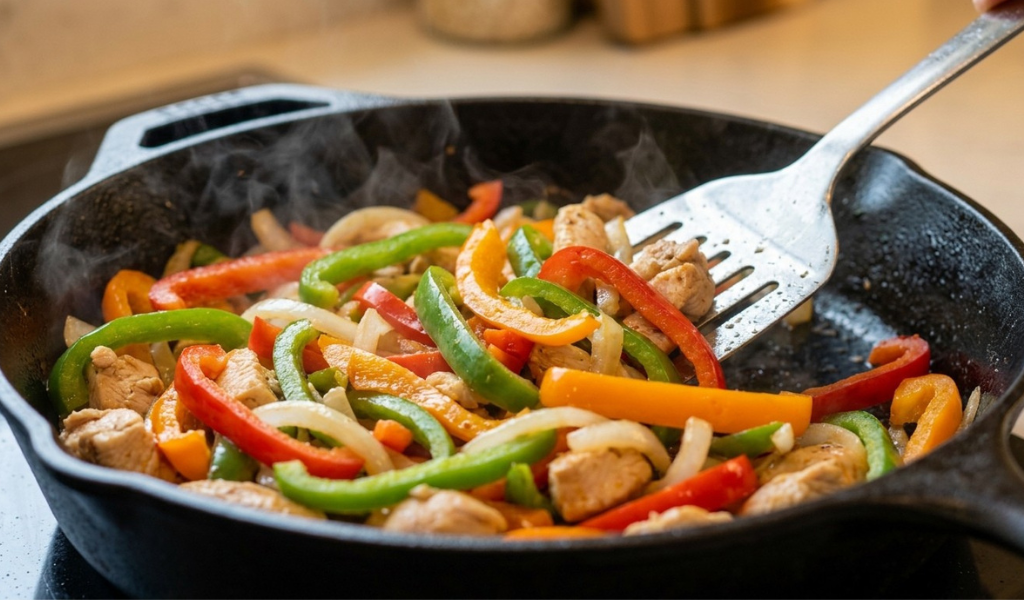
Toss frozen bell peppers directly into a hot pan with other vegetables for a quick, colorful stir-fry.
Mix Them Into Eggs
Diced frozen peppers work great in omelets, scrambles, or frittatas, adding color and flavor without extra prep work.
Add Them to Sauces
Frozen peppers can be blended or simmered into pasta sauces, salsas, and marinades, adding flavor without needing fresh produce on hand.
A Simple Freezer Routine for Gardeners
If you grow your own peppers, a little routine can make freezing part of your regular kitchen habits.
Freeze a Little After Each Harvest
Rather than waiting for one huge harvest, freeze small batches each time you pick peppers. This keeps the task manageable and ensures peppers go into the freezer at peak freshness.
Keep Several Cuts Available
Having a mix of strips, diced pieces, and whole hot peppers in your freezer gives you more flexibility when planning meals.
Keep a Small Freezer Inventory
Jot down what you have in the freezer and when it was frozen. A simple list on your fridge or phone helps you use older peppers first and avoid forgotten bags at the back of the freezer.
Final Thoughts
Learning how best to freeze fresh peppers is one of the simplest ways to make the most of a big harvest or a good deal at the store. With just a little prep, washing, drying, cutting, and flash freezing, you can build a freezer stash of bell peppers and hot peppers ready for soups, stir-fries, and sauces whenever you need them.
Remember that when to harvest bell peppers plays a real role in how well they freeze, so aim to pick or buy peppers at their peak. From there, proper packaging and labeling will keep your frozen peppers tasting great for months. Give this method a try with your next batch of peppers, and you’ll always have a ready supply on hand for easy, flavorful cooking.
Frequently Asked Questions
Is it better to freeze peppers whole or cut?
It depends on how you plan to use them. Cutting peppers into strips or dice before freezing makes them easier to add directly to recipes, while freezing peppers whole works well if you want the flexibility to slice them fresh after thawing.
Do peppers get mushy after freezing?
Yes, to some extent. Freezing breaks down the cell structure of peppers, so thawed peppers will be softer than raw ones. This texture change doesn’t affect flavor and works fine in cooked dishes.
How to freeze peppers and keep them crisp?
Peppers won’t stay perfectly crisp after freezing due to their high water content. Flash freezing them on a tray before bagging helps preserve as much texture as possible, but some softening is expected once thawed.
Do peppers need blanching before freezing?
No, blanching is optional for peppers. Many people freeze peppers raw with good results, though blanching peppers before freezing can help maintain color and quality over longer storage periods.
Can I freeze whole peppers?
Yes, peppers can be frozen whole. This works especially well for hot peppers if you prefer to slice or dice them after they’ve thawed.
What is the best way to freeze fresh peppers?
The best way to freeze peppers involves washing and drying them thoroughly, cutting them into your preferred shape, flash freezing them on a baking sheet, and then transferring them to freezer-safe bags or containers with as much air removed as possible.
How do you thaw frozen peppers?
Most recipes don’t require thawing at all, since frozen peppers can be added directly to soups, stir-fries, and sauces. If you do need to thaw them, place them in the refrigerator for a few hours or use the microwave’s defrost setting for quicker results.