When to Harvest Bell Peppers: How to Pick Bell Peppers the Right Way
When to harvest Bell Peppers – Best Time to Harvest
Most gardeners spend months nurturing their pepper plants, only to second-guess themselves at harvest time. Pick too early, and you miss out on full sweetness. Wait too long, and the peppers may rot on the vine. Knowing exactly when to harvest bell peppers is the difference between a good crop and a great one.
Bell peppers are one of the most rewarding vegetables to grow, but they do take patience. From the moment you transplant seedlings into your garden, it typically takes 60 to 90 days before your first peppers are ready to pick. During that time, a lot is happening beneath the surface. If you’ve been feeding your plants well (some gardeners swear by Homemade Fertilizer For Pepper Plants to boost production), you’ll likely end up with a generous haul come harvest season.
This guide covers everything you need to know: when bell peppers are ready to harvest, how to pick them without damaging the plant, what to do at the end of the season, and how to store your peppers once they’re off the vine. Whether you’re growing green, red, orange, or yellow bell peppers, this post will walk you through the whole process. You’ll also learn useful tips about bell pepper seeds, including how they relate to harvesting, saving, and growing peppers for the next season.
When Are Bell Peppers Ready to Harvest?
Bell peppers go through two distinct stages before they’re ready for harvest: immature and mature. Most people are familiar with green bell peppers from the grocery store, but those are actually immature peppers picked before they’ve fully ripened. Left on the plant, they’ll eventually turn red, yellow, or orange depending on the variety.
Immature Peppers
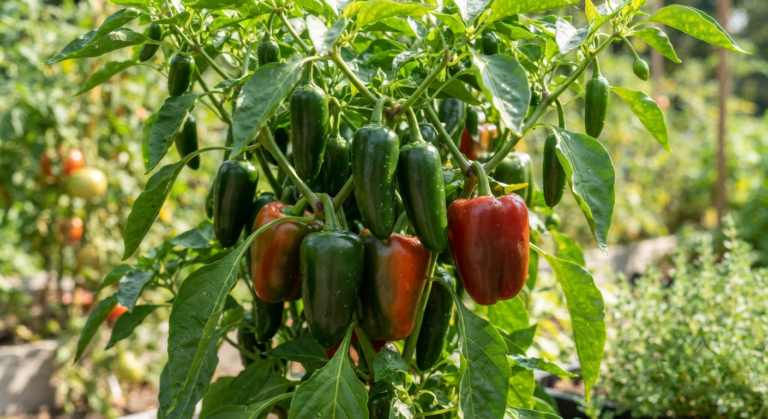
An immature bell pepper is one that has reached its full size but hasn’t yet changed color. At this stage, the pepper is firm, has a mild flavor, and is perfectly edible. Green bell peppers you buy at the store fall into this category. Picking peppers at this stage is completely fine, especially if you want a higher yield or need to harvest before cold weather hits.
That said, immature peppers tend to have a slightly more bitter flavor compared to their fully ripe counterparts. They also contain fewer antioxidants and less vitamin C than peppers that have been allowed to ripen fully on the plant.
Mature Peppers
A mature bell pepper has changed color and reached its full flavor potential. Red, yellow, and orange bell peppers are all fully ripe versions of what starts as a green pepper. The longer a pepper stays on the plant, the sweeter it becomes. Mature peppers are also more nutritious, with significantly higher levels of vitamins A and C than green peppers.
The trade-off? Ripe peppers take longer to grow and leave less room on the plant for new fruits to develop. It’s a balance every gardener has to figure out based on their own goals and growing season.
 3 Signs Your Bell Peppers Are Ready to Pick
Not sure if your peppers are ready for harvest? Here are the three most reliable signs to look for.
Sign 1: The Skin Has Turned the Color of the Mature Pepper
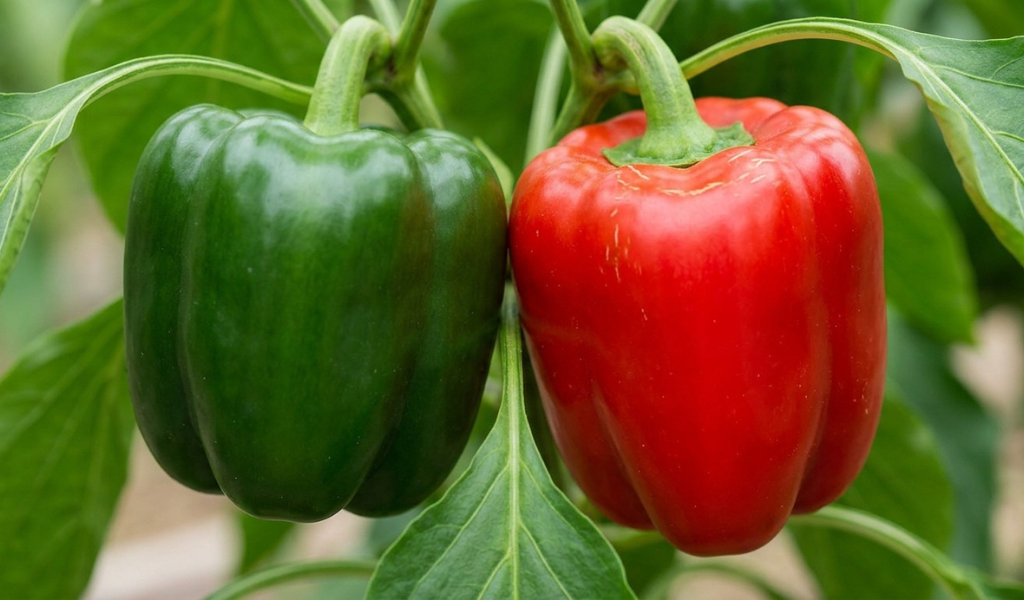
This is the clearest sign that your bell pepper is ready to harvest. If you’re growing a red variety, wait until the pepper has fully turned red. If it’s a yellow or orange variety, look for a consistent color across the entire pepper. Patches of green mean the pepper is still ripening and could use a few more days on the plant.
Keep in mind that bell peppers start green and gradually shift color as they ripen. You may notice streaks of red or yellow appearing first, which is a good sign you’re getting close.
Sign 2: The Pepper Has Reached the Right Size
A fully grown bell pepper is typically 3.5 to 4 inches long and about 3 to 4 inches wide, though this can vary slightly by variety. If your pepper has stopped growing and looks plump and full, it’s a good indicator that it’s ready to pick.
Size alone doesn’t tell the whole story, but combined with color change, it’s a strong signal. If a pepper has been the same size for more than a week and shows no signs of color change, it may have stalled, and it could be time to go ahead and pick it.
Sign 3: Your Peppers Have Streaks Down Their Sides
Small streaks or lines running down the sides of the pepper are a natural sign of ripening. These streaks appear as the fruit expands and the skin stretches. If you see them forming, the pepper is likely approaching peak ripeness. This is especially common in red bell pepper varieties.
How to Harvest Bell Peppers Without Damaging the Plant
Once you’ve confirmed your peppers are ready to harvest, the next step is picking them correctly. The wrong technique can damage the plant and affect future production.
Identify
Before you start picking, take a close look at the plant. Identify which peppers are ready and which ones still need time. Harvesting selectively allows the remaining peppers to continue ripening without competition for nutrients.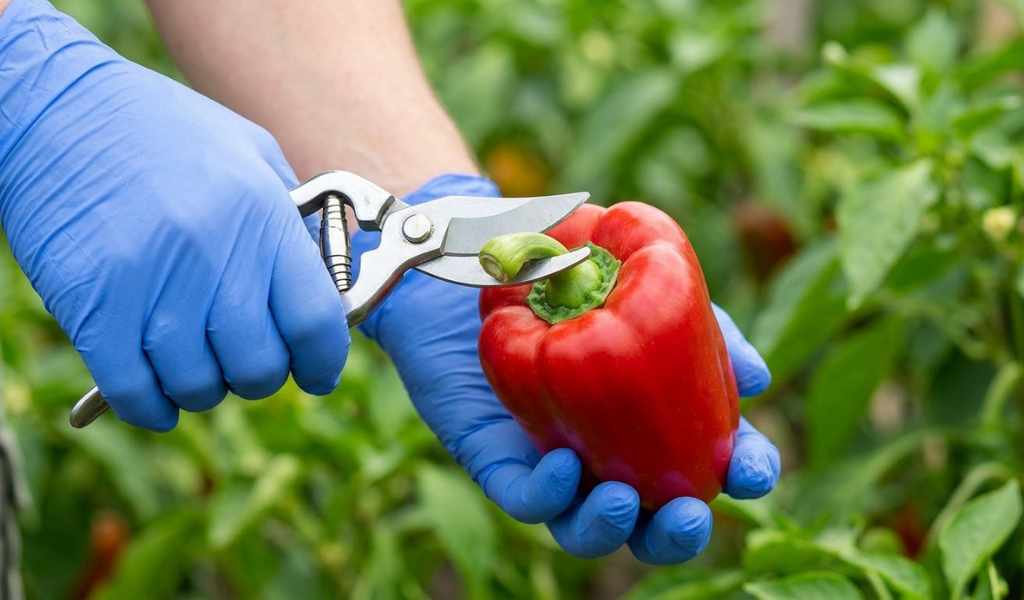
Snip
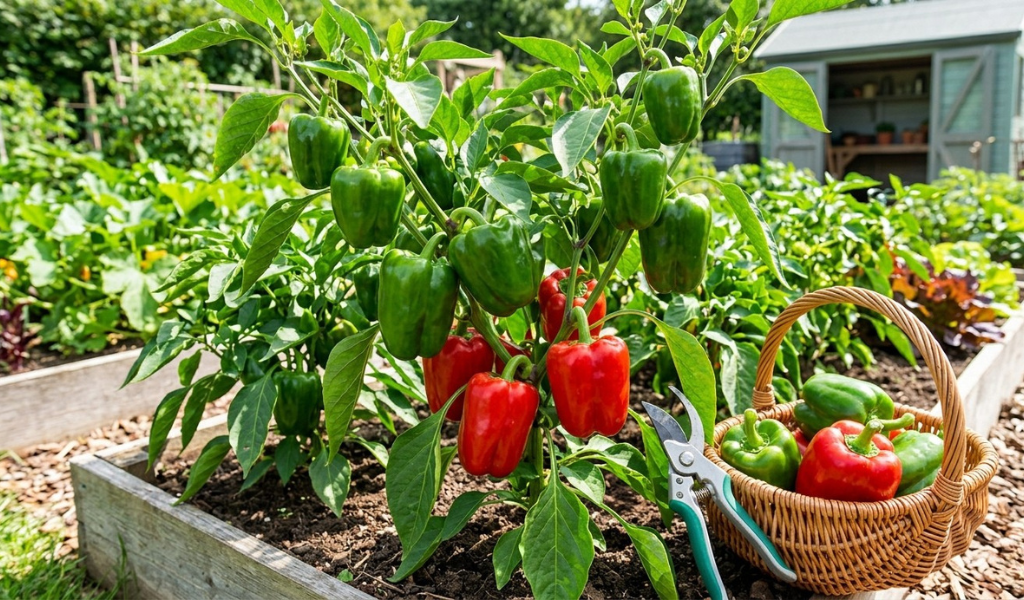
Always use clean garden shears or scissors to cut the pepper from the plant. Cut the stem about an inch above the pepper, leaving a small portion of stem attached. Never pull or twist a pepper off by hand. This can break branches, damage the plant, and leave it vulnerable to disease.
Gather
Place harvested peppers gently in a basket or bin. Avoid stacking too many on top of each other, as the weight can cause bruising, especially if the peppers are fully ripe and soft.
Harvest Timeline: Days to Maturity
Understanding the harvest timeline helps you plan your garden and manage expectations. Bell peppers grown from seed typically take 60 to 90 days from transplanting to reach harvestable size as green peppers. If you want fully ripe red, yellow, or orange peppers, add another 2 to 3 weeks on top of that.
Here’s a rough breakdown by stage:
- Transplanting to first green pepper: 60–90 days
- Green to red (or other ripe color): An additional 2–3 weeks
- Total from transplant to fully ripe pepper: 80–110+ days
Weather plays a huge role. Peppers ripen faster in warm, sunny conditions and slow down significantly when temperatures drop below 55°F (13°C).
When to Harvest Green Bell Peppers
Harvesting green bell peppers is the quickest route from garden to kitchen. Green peppers are ready to pick once they’ve reached full size, usually 3.5 to 4 inches long, and feel firm when you give them a gentle squeeze.
The advantage of harvesting green bell peppers early is that it encourages the plant to produce more fruit. Removing peppers before they fully ripen signals the plant to keep growing, which can lead to a higher overall yield across the season. Understanding bell peppers growing stages and pepper growing can help you harvest at the right time.
Green peppers taste great in stir-fries, salads, and stuffed pepper recipes. If you prefer a slightly more bitter, crisp flavor, pick them green. If you want sweeter peppers, let them go longer.
When to Pick Red Bell Peppers
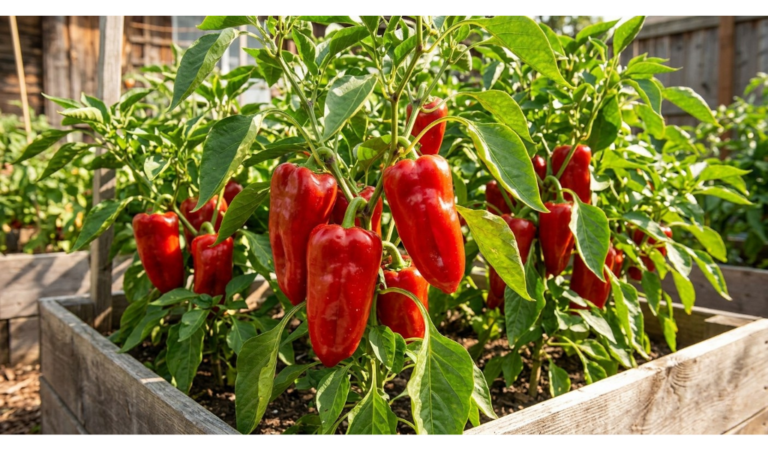
Red bell peppers are simply green peppers that have been left to fully ripen on the plant. They take considerably longer to develop, but the payoff is worth it. Red bell peppers are sweeter, juicier, and more nutrient-dense than their green counterparts.
If you’re wondering When to Harvest Bell Peppers, the right time depends on the pepper’s color, size, firmness, and level of ripeness. For red bell peppers, waiting until the fruit reaches its full red color usually gives you the sweetest flavor and best texture.
To harvest red bell peppers, wait until the entire pepper has turned a deep, consistent red. Avoid picking them when they’re still partially green, as those patches will not fully ripen once the pepper is off the vine. Snip them with clean shears and enjoy.
Knowing when to harvest bell peppers helps you pick fruit at the right stage while keeping the pepper plant productive. Check your plants regularly as the peppers begin changing color, and handle the fruit carefully to avoid damaging the stems or plant.
Red bell peppers are ideal for roasting, grilling, and adding to pasta sauces. Their sweetness intensifies with heat, which is why they’re a favorite among home cooks.
When to Harvest Bell Peppers Early
There are a few good reasons to harvest bell peppers before they’re fully ripe:
- To boost plant production. Leaving peppers on the plant for too long slows down new fruit development. Picking early and often keeps the plant producing.
- Before a cold snap. Bell pepper plants are sensitive to frost. If temperatures are about to drop below 50°F (10°C), harvest any peppers that are close to mature size, even if they haven’t changed color yet.
- When peppers look stalled. If a pepper hasn’t grown or changed color in over a week, it may not continue to develop. Go ahead and pick it.
Immature peppers are still perfectly edible and useful in the kitchen. Many gardeners intentionally pick some peppers early to speed up production while letting others ripen fully on the vine.
End of Season: Pick Everything!
As summer winds down and the first frost approaches, it’s time to harvest every remaining pepper on the plant, regardless of ripeness. Bell pepper plants cannot survive frost, and once temperatures dip below freezing, any peppers left on the vine will be lost.
Do a full harvest of all remaining peppers before the first frost date in your area. Even if many of them are still green, they can be ripened indoors or used right away. Don’t leave anything behind.
After the final harvest, you can either compost the plants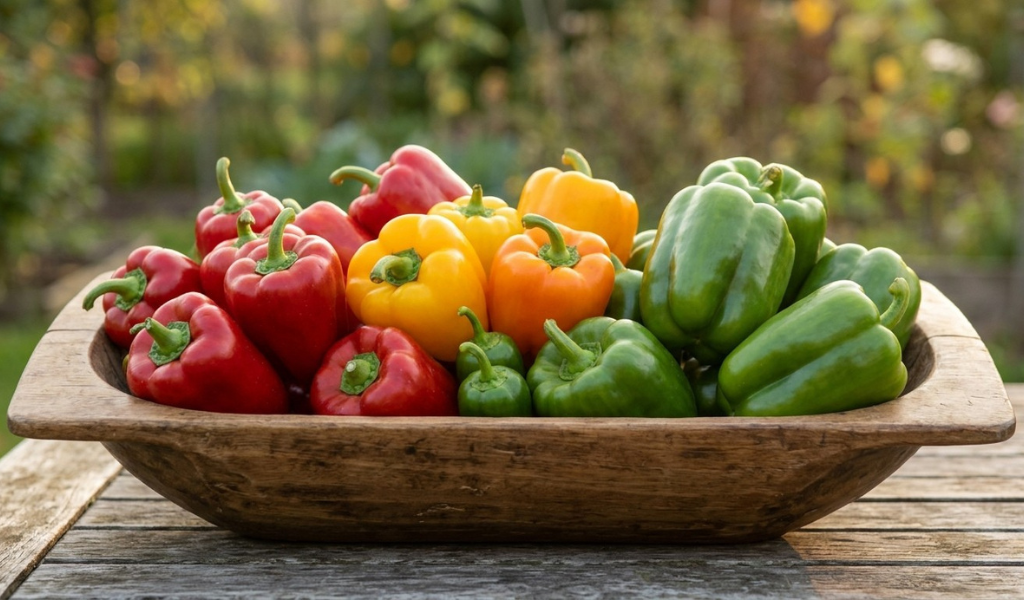 or, if they’re disease-free, leave the roots in the soil to break down naturally over winter.
Ripening Off the Vine: Does It Work?
This is one of the most common questions among home gardeners. The short answer: yes, but with limitations.
Green bell peppers that have reached full size can continue to ripen off the vine, but they need the right conditions. Place them on a sunny windowsill or in a warm room (around 65–70°F / 18–21°C). Check on them daily. They’ll slowly shift color over the course of one to two weeks.
Peppers that are still very small and immature will not ripen successfully once removed from the plant. Ripening off the vine works best for peppers that are already full-sized and showing some color change.
How to Store Fresh Bell Peppers
Once harvested, fresh bell peppers can be stored in the refrigerator for up to two weeks. Keep them unwashed and whole in the crisper drawer. Once cut, store them in an airtight container and use within three to five days.
For longer storage, bell peppers can also be pickled or preserved in oil, both of which extend their shelf life significantly while adding flavor.
How to Freeze Bell Peppers
Freezing is the easiest way to preserve a large harvest. Here’s how:
- Wash and dry the peppers thoroughly.
- Slice or dice them into your preferred size.
- Spread them in a single layer on a baking sheet and place in the freezer for 1 to 2 hours (this prevents clumping).
- Transfer to freezer-safe bags, remove as much air as possible, and seal.
- Label with the date and use within 8 to 12 months.
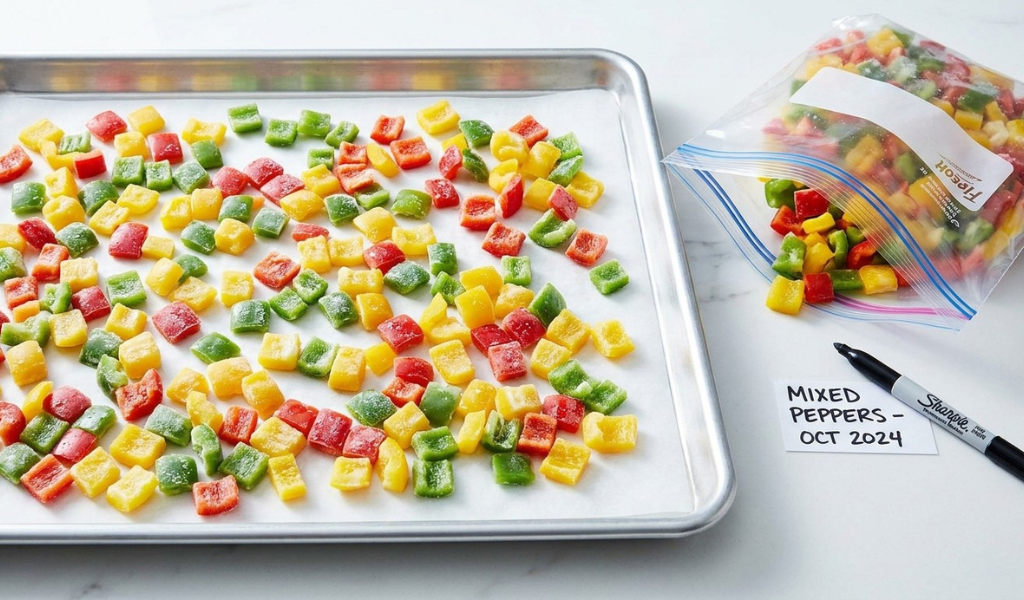
Frozen bell peppers work well in cooked dishes like soups, stews, fajitas, and casseroles. They won’t have the same crunch as fresh peppers, but the flavor holds up beautifully.
Bell Peppers Growing Stages
Bell peppers growing stages start with seed germination and continue through healthy plant growth, flowering, fruit development, and harvest. Understanding each stage helps you provide the right water, sunlight, nutrients, and care at the right time. Young pepper plants first develop roots and leaves before producing flowers that eventually become bell peppers. As the fruit grows, it changes in size, color, and firmness depending on the variety. Knowing when to harvest bell peppers is important for getting the best flavor, texture, and yield. Green bell peppers can be harvested when they reach full size and have firm, glossy skin, while red, yellow, or orange peppers should remain on the plant longer to fully develop their color and sweetness. With proper care throughout the growing stages, your bell pepper plant can produce a healthy and productive harvest.
Final Thoughts
Learning when to harvest bell peppers takes a little practice, but once you know what to look for, it becomes second nature. Watch for full size, color change, and streaks on the skin. Use clean shears to cut, not pull. And don’t be afraid to harvest early if you want to boost your yield or beat the frost.
Whether you prefer the crispness of a green pepper or the sweetness of a fully ripe red one, both are rewarding to grow and delicious to eat. With a bit of attention and the right timing, you’ll get the best possible harvest from every plant in your garden.
Frequently Asked Questions
Can you leave bell peppers on the plant too long?
Yes. If peppers stay on the plant past peak ripeness, they’ll begin to soften, wrinkle, and eventually rot. Overripe peppers can also attract pests and introduce disease to the plant. Once a pepper has reached full color and firmness, harvest it promptly for the best flavor and to keep the plant healthy.
What happens if you pick a bell pepper too early?
Picking a bell pepper before it reaches full size will result in a smaller, less flavorful pepper. Very small, immature peppers won’t ripen properly once removed from the plant. However, peppers that have reached their full size but haven’t changed color yet can still be picked and enjoyed as green peppers.
Will a green pepper turn red after picking?
A green bell pepper that has reached its full mature size can continue to ripen and change color after being picked, as long as it’s kept in a warm, well-lit spot. However, the process is slower and less reliable than ripening on the plant. Peppers that are still small and very green will not successfully ripen off the vine.
How many times can you harvest bell peppers in a year?
In most climates, bell peppers produce one growing season per year, typically from mid-summer through early fall. However, within that season, a single plant can produce multiple rounds of peppers, especially if you harvest regularly. In warm climates where frost is rare, pepper plants can survive year-round and produce across multiple seasons.
When is the best time of day to harvest bell peppers?
The best time to harvest bell peppers is in the morning, after the dew has dried but before the heat of the day sets in. Morning harvests preserve the crispness of the pepper and reduce the chance of heat-related wilting. If morning isn’t possible, early evening works well too.
Are green peppers the same as red peppers?
Yes, green peppers and red peppers are the same fruit at different stages of ripeness. Green bell peppers are picked before they fully ripen. If left on the plant, they’ll turn red (or yellow or orange, depending on the variety). Red peppers are sweeter and more nutritious than green ones because they’ve had more time to develop on the vine.
What should you do with bell peppers at the end of the season?
At the end of the growing season, harvest every pepper remaining on the plant before the first frost. Green peppers can be ripened indoors, used right away in cooking, or frozen for later use. Fully ripe peppers can be stored in the fridge, frozen, or preserved through pickling. Don’t let any go to waste.