Harvesting and Storing Your Pepper Crops :Best Ways to Preserve Your Crop
Harvesting and Storing Your Pepper Crops: Complete Guide
Nothing beats the reward of picking peppers from plants you grew yourself. But knowing exactly when and how to harvest and store your pepper crops can make the difference between a bland pepper and one bursting with flavor. Whether you grow sweet bell peppers, mild snacking types, or fiery hot peppers, the right harvesting tips will help you enjoy your homegrown crop for months.
This complete guide walks you through everything you need to know. You’ll learn how to spot a ripe pepper, the best way to harvest peppers without hurting the plant, and plenty of ways to preserve peppers for long-term storage. By the end, you’ll feel confident handling your whole pepper harvest from the garden to your kitchen.
Let’s dig in.
When Are Peppers Ready to Harvest?
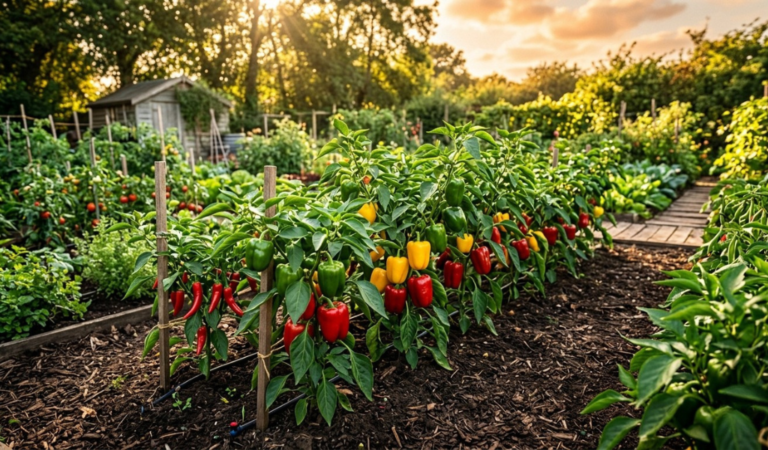
Most peppers are ready to harvest somewhere between 60 and 90 days after planting time. The exact timing depends on the variety and whether you want to pick them early or let them ripen fully. Pepper season usually runs through late summer and into early fall, right up until the first light frost.
You can harvest peppers as soon as they reach full size and the fruit is firm to the touch. At this stage, most peppers are green and perfectly edible. If you leave them on the plant longer, they will change color as they mature and often become sweeter.
Knowing the best varieties of peppers to grow also helps you plan your harvest. Sweet bell peppers, Italian frying peppers, and thick-walled hot peppers each have their own timeline. Some sweet snacking varieties turn red or orange quickly, while larger bell peppers take a bit longer to reach their full color. Keep an eye on size and color, and you’ll rarely go wrong.
Signs of a Ripe Pepper
A ripe pepper shows a few clear signs. First, check the size. The fruit should have reached its near full size for that variety. Second, feel the pepper. It should be firm, with smooth, glossy skin. Soft or wrinkled spots mean the pepper may be overripe or starting to decay.
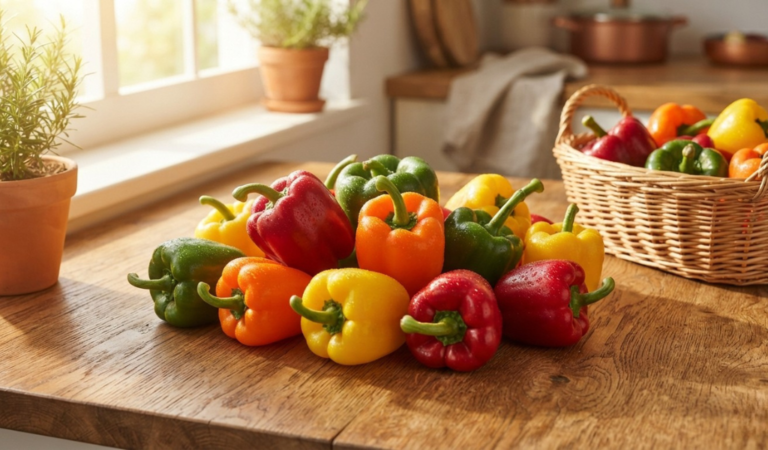
Color is another big clue. Many peppers start out green and then turn color as they mature. Some types turn orange, others red, yellow, or even purple. A fully ripe pepper usually has its full color and the deepest, richest taste. If flavor matters most to you, waiting for full color is worth it.
That said, you can pick peppers at almost any stage once they reach a usable size. Green peppers are crisp and slightly bitter, while colored ones are sweeter and milder.
Green vs. Fully Colored Peppers
One of the most common questions gardeners ask is whether to pick peppers green or let them ripen to full color. The answer comes down to taste and patience.
Green peppers are simply unripe peppers. They have a fresh, sharp flavor and a crisp texture that many cooks love in stir-fries and salads. Because you can harvest them earlier, picking some green also encourages the plant to keep producing.
Fully colored peppers take an extra one to two weeks on the plant. During that time, peppers become sweeter and develop a softer, less crisp texture. The trade-off is a noticeable difference in flavor. If you’re after peppers for the best flavor, letting them mature is the way to go. A smart strategy is to pick some green and let others mature so you enjoy both.
How to Harvest Peppers Properly
Harvesting peppers the right way protects both the fruit and the plant. Peppers attach firmly to their stems, and yanking them off can snap branches or uproot the whole plant.
Using Scissors or Pruning Shears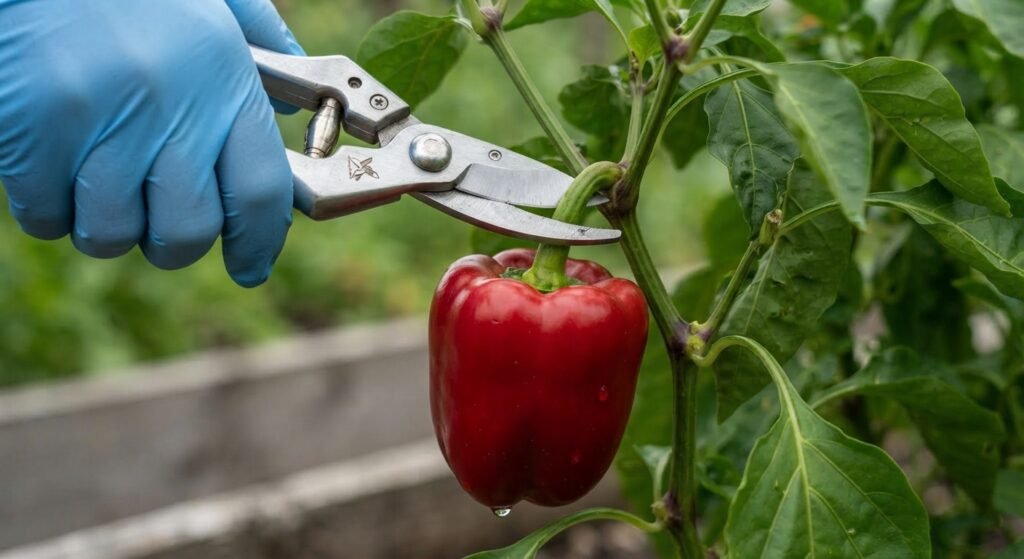
The safest method is to use a clean pair of scissors or pruning shears. Cut the stem about half an inch above the pepper, leaving a short stem attached to the pepper. This keeps the fruit intact and helps it store longer. A sharp pruner makes a clean cut without crushing the stem.
Avoid twisting or pulling peppers away by hand, especially with heavy fruit like large bell peppers. The stems are surprisingly tough, and pulling can do real damage.
Avoiding Damage to the Plant
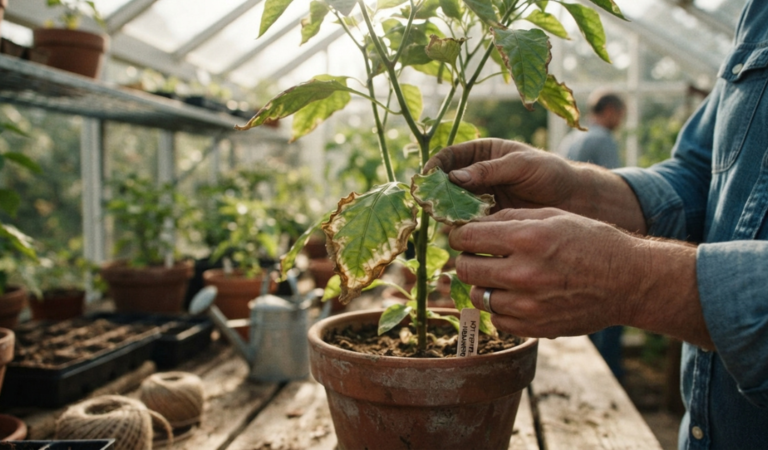
Handle pepper plants gently while you harvest. Support the branch with one hand while you cut with the other. This keeps the plant steady and prevents you from tearing off healthy stems that will produce more fruit later.
Regular, careful picking is one of the best gardening tips for a bigger crop. When you harvest peppers often, the plant puts its energy into growing new ones instead of ripening old fruit.
Best Time of Day to Harvest Peppers
Timing your harvest during the day can affect how long your peppers last after picking.
Why Morning Can Be Ideal
Early morning is often the best time to harvest peppers. The plants are cool and full of moisture from the overnight hours, so the fruit is crisp and firm. Peppers picked in the heat of the afternoon can be limp and may not store as well. Cooler temperatures also make the whole job more pleasant for you.
Handling Peppers After Picking
Once you’ve picked your peppers, keep them out of direct sun. Peppers left in hot sunlight can suffer from sunscald and soften quickly. Place them in a basket or shaded spot as you work, then move them indoors as soon as you can. Gentle handling now means fresher peppers later.
How to Harvest Different Types of Peppers
Not every pepper is picked the same way. Sweet and hot peppers have slightly different needs.
Harvesting Bell Peppers
Bell peppers are ready when they reach full size and feel firm. You can harvest sweet peppers while they’re still green, or wait for them to turn red, yellow, or orange. Colored bell peppers are sweeter but take longer to mature. Always cut the stem rather than pulling, since bell peppers are heavy and can pull down branches.
Harvesting Hot and Chili Peppers
Hot peppers often taste hotter the longer they stay on the plant. Many gardeners let hot peppers ripen to their full color for maximum heat and flavor. Thick-walled hot peppers can be picked slightly earlier if you prefer milder flavor. As with sweet types, use a pruner to snip the stem cleanly. Wear gloves when handling very hot peppers to protect your skin from the oils.
How to Clean and Prepare Peppers for Storage
Before you store peppers, a little prep goes a long way toward keeping them fresh.
Removing Dirt and Debris
Brush off any loose soil with a dry cloth or your hands. If the peppers are dirty, rinse them under cool water and rub gently to remove grit. Avoid soaking them, since too much water can speed up spoilage.
Drying Peppers Before Storage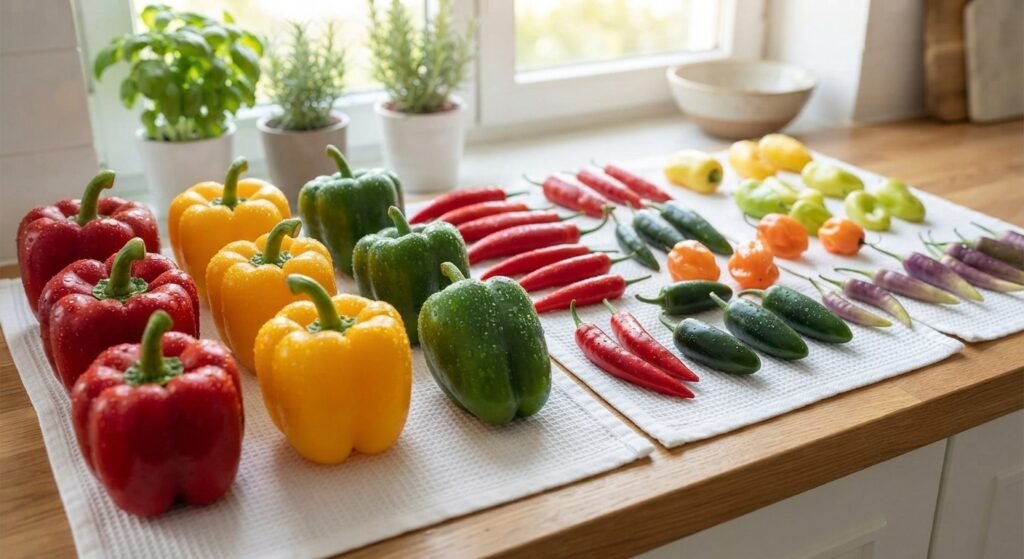
After washing, pat them dry with a towel or let them air dry completely. This step matters more than people think. Storing wet peppers traps moisture and invites mold. Make sure every pepper is fully dry before it goes into the refrigerator or freezer.
How to Store Fresh Peppers
Fresh peppers keep well in the refrigerator for one to two weeks. Place unwashed peppers in a perforated plastic bag in the crisper drawer. The small holes let air move while keeping the right amount of moisture, which helps the peppers stay firm.
To store sweet peppers or hot peppers this way, avoid cutting them until you’re ready to use them. Whole peppers last much longer than cut peppers, which dry out and decay more quickly. If you do slice a pepper in half, cover it tightly and use it within a few days.
Check your stored peppers every few days and remove any that are getting soft. One spoiling pepper can affect the others nearby.
How to Freeze Peppers for Long-Term Storage
Peppers are easy to freeze, which makes freezing one of the simplest ways to preserve peppers for long-term storage. Frozen peppers work great in cooked dishes, though they lose some crunch.
Preparing Peppers for Freezing
Start by washing and drying your peppers well. Remove the stem, seeds, and inner membranes. You don’t need to blanch peppers before freezing, which saves time compared to many other vegetables. Simply chop or leave them whole, then spread the pieces on a baking sheet so they freeze separately before you bag them. This trick keeps them from clumping together.
Whole vs. Sliced Peppers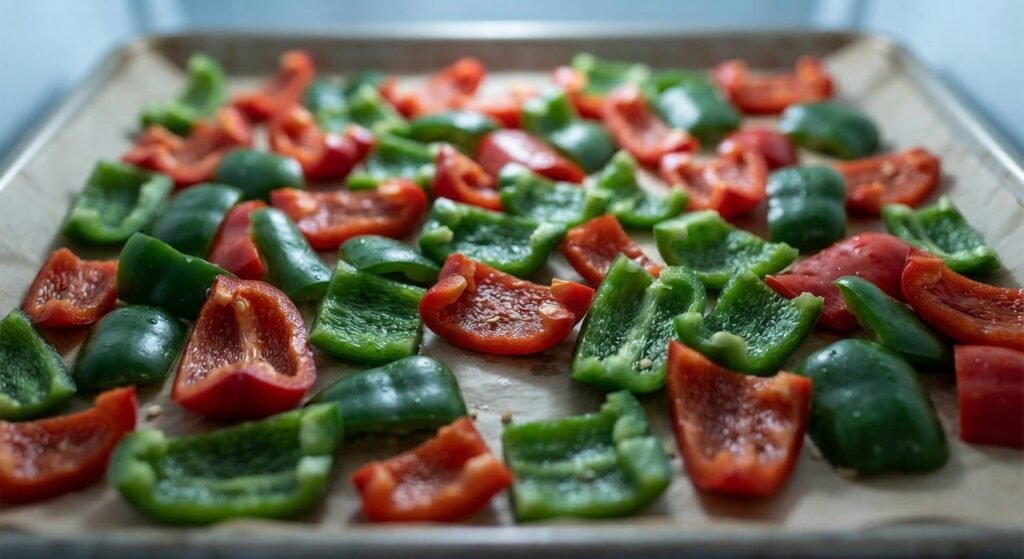
You can freeze peppers whole or sliced, depending on how you plan to use them. Sliced peppers are handy for tossing straight into stir-fries, soups, and omelets. Whole peppers take up more room but are perfect for stuffing later. Once frozen, transfer the peppers into labeled freezer bags, press out the extra air, and store them for up to a year.
How to Dry and Preserve Pepper Crops
Drying is a classic method, especially for hot peppers. Dried peppers last for months and add deep flavor to countless dishes.
Air-Drying and Dehydrating Peppers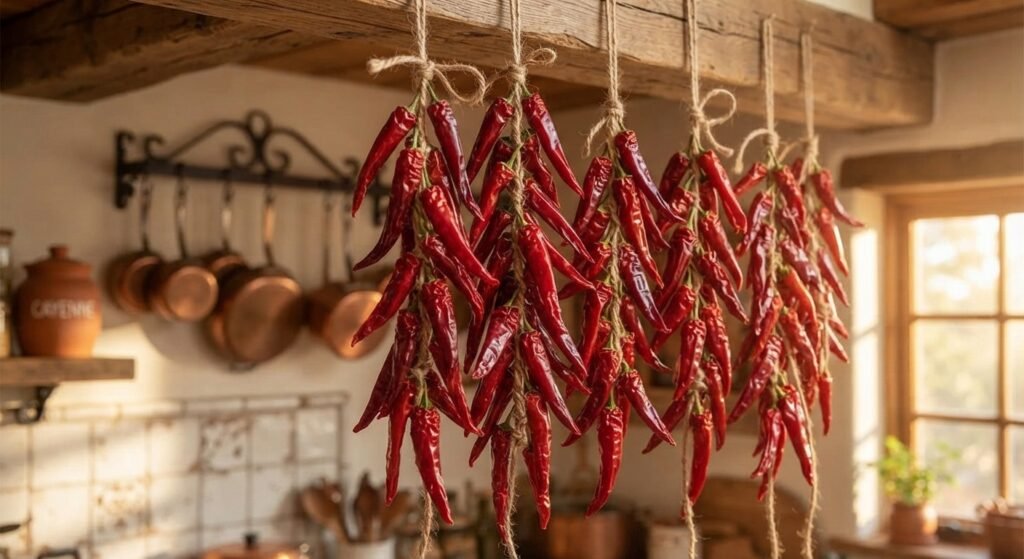
Thin-walled hot peppers dry beautifully in the open air. String them together and hang them in a warm, dry spot with good airflow. For thicker peppers, a dehydrator or oven works better. To dry hot peppers in the oven, slice them, spread them on a baking sheet, and set your oven at 175°F. Leave the door slightly open and check them regularly until they turn brittle.
Storing Dried Peppers Properly
Once your peppers are fully dry and crisp, store them in airtight jars away from light and heat. Whole dried peppers keep longer than ground ones. You can grind them later into flakes or powder whenever you need them. Properly stored dried peppers can last a year or more without losing much flavor and color.
Other Ways to Preserve Your Pepper Harvest
Beyond freezing and drying, there are fun and tasty ways to enjoy your pepper harvest all year.
Pickling Peppers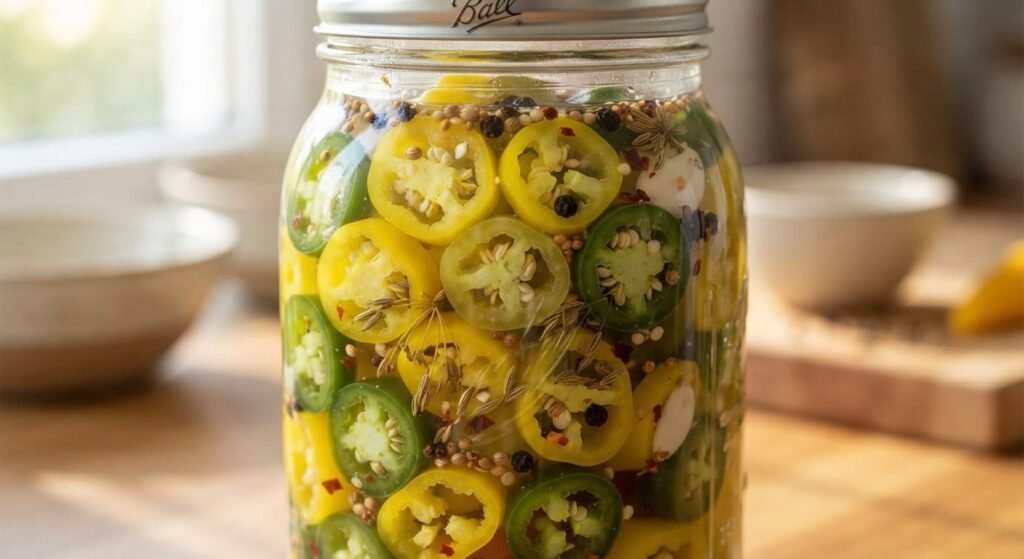
Pickled peppers are a favorite for good reason. The vinegar brine keeps them crisp and tangy for months. Slice your peppers, pack them into clean jars, and pour a hot mix of vinegar, water, salt, and spices over the top. Both sweet and hot peppers pickle well, and you can mix mild and hot peppers in the same jar for a custom kick.
Making Pepper Sauces and Flakes
Homegrown peppers shine in hot sauces. Blend fresh or fermented peppers with vinegar and salt to create your own signature heat. Many cooks ferment peppers into a pepper mash first, which deepens the flavor before blending. Dried peppers can also be crushed into flakes for an easy seasoning you’ll reach for again and again.
Common Harvesting and Storage Mistakes
Even seasoned gardeners slip up now and then. Avoiding these common mistakes will keep your crop in top shape.
Picking Peppers Too Early or Too Late
Picking too early means smaller peppers with less flavor. Picking too late leaves you with overripe, soft fruit that may rot on the plant. Aim to harvest peppers once they reach full size, and choose your timing based on whether you want green or fully colored fruit. Do a final pick before the first light frost, since cold damages peppers quickly.
Storing Wet or Damaged Peppers
Never store peppers that are still wet or already bruised. Moisture leads to mold, and damaged spots spread decay to nearby peppers. Sort your harvest and set aside any bruised ones to use right away.
Preventing Mold and Spoilage
Keep stored peppers dry, cool, and well-ventilated. Check them often and remove any that soften. Good airflow, whether in a perforated plastic bag in the fridge or airtight jars for dried peppers, is your best defense against spoilage.
Bring Your Pepper Harvest Full Circle
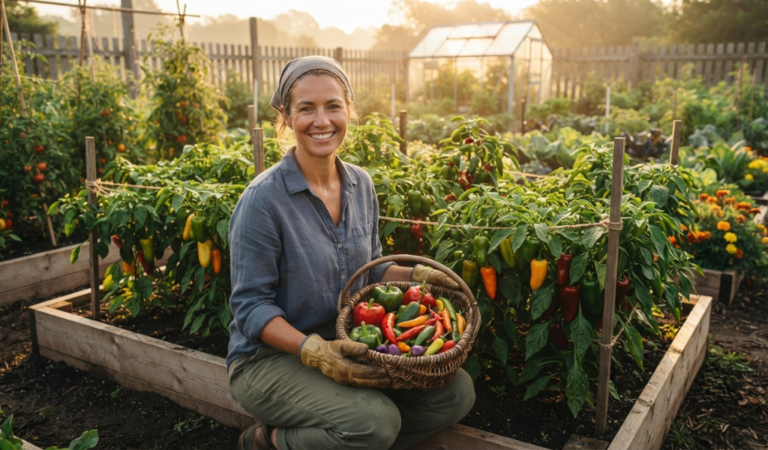
Harvesting and storing your pepper crops doesn’t have to be complicated. Pick your peppers when they reach full size, use a clean pruner to protect the plant, and dry them well before storage. From there, choose the method that fits your kitchen, whether that’s the refrigerator, the freezer, or a jar of homemade pickled peppers.
With these harvesting tips and storage methods, you can enjoy the taste of sweet and hot peppers long after pepper season ends. Grab your shears, head out to the garden, and put this guide to work. Your future self, reaching for a jar of homegrown flavor in the middle of winter, will thank you.
Frequently Asked Questions
How do I know when peppers are ready to harvest?
Peppers are ready when they reach full size and feel firm. Most start out green and can be picked right away, or you can wait for them to change color as they mature for a sweeter, richer flavor.
Should I pick peppers green or let them ripen?
It depends on your taste. Green peppers are crisp and slightly sharp, while fully colored peppers are sweeter. Picking some green and letting others mature gives you the best of both and keeps the plant producing.
What is the best way to store fresh peppers?
Store whole, unwashed peppers in a perforated plastic bag in the refrigerator crisper drawer. They’ll stay firm for one to two weeks. Wait to wash or cut them until you’re ready to use them.
Can you freeze peppers without blanching them?
Yes. Peppers are easy to freeze and don’t need blanching. Just wash, dry, remove the seeds, chop or leave whole, freeze on a baking sheet, then move them into freezer bags for long-term storage.
How do you dry hot peppers at home?
You can air dry thin-walled peppers by stringing and hanging them in a warm spot. For thicker peppers, use a dehydrator or set your oven at 175°F, slicing them first and drying until brittle.
What are the best ways to preserve peppers?
The top ways to preserve peppers are freezing, drying, and pickling. You can also turn them into hot sauces or a pepper mash. Each method keeps your harvest usable for months.
Why are my stored peppers spoiling so fast?
Spoilage usually comes from storing wet or damaged peppers. Always pat them dry, remove any bruised fruit, and keep them cool with good airflow to prevent mold and decay.