Determinate Vs Indeterminate Tomatoes: Plant Guide for Your Garden
Determinate Vs Indeterminate Tomatoes: Plant Care Tips
Understanding determinate vs indeterminate tomatoes is the first step toward a garden that produces exactly what you need. Every tomato plant falls into one of these two growth types, and the label on a seed packet tells you how the plant will behave all season. A determinate tomato grows to a fixed size, sets fruit within a short window, and then winds down. An indeterminate tomato keeps climbing, flowering, and ripening fruit until frost ends the show. Knowing the difference between determinate and indeterminate plants helps you choose the right support, pruning method, and planting space.
The life cycle of the tomato plant moves from seed to seedling, then on to flowering, fruit set, and ripening. Determinate vs indeterminate tomatoes follow the same basic stages, but the timing is very different. Determinate plants squeeze flowering and harvest into a couple of weeks, while indeterminate plants spread those stages across several months. Pick the right type and your care routine becomes simpler, your harvest matches your plans, and you avoid problems such as crowded stems or a whole crop ripening at once. This guide explains each type clearly so you can plant with confidence.
How Determinate Vs Indeterminate Tomatoes Grow: Bush Habit Compared to Vining Habit
Growth habit is the biggest split in determinate vs indeterminate tomatoes. Determinate plants form a compact bush that reaches a set size and then stops. Indeterminate plants send out long stems that can reach six to ten feet in a good season. Seed catalogs often shorten the labels to det and indet, so it helps to know what those letters mean when you shop. The growth habit also affects spacing, support, watering, and even how you plan your garden layout from year to year.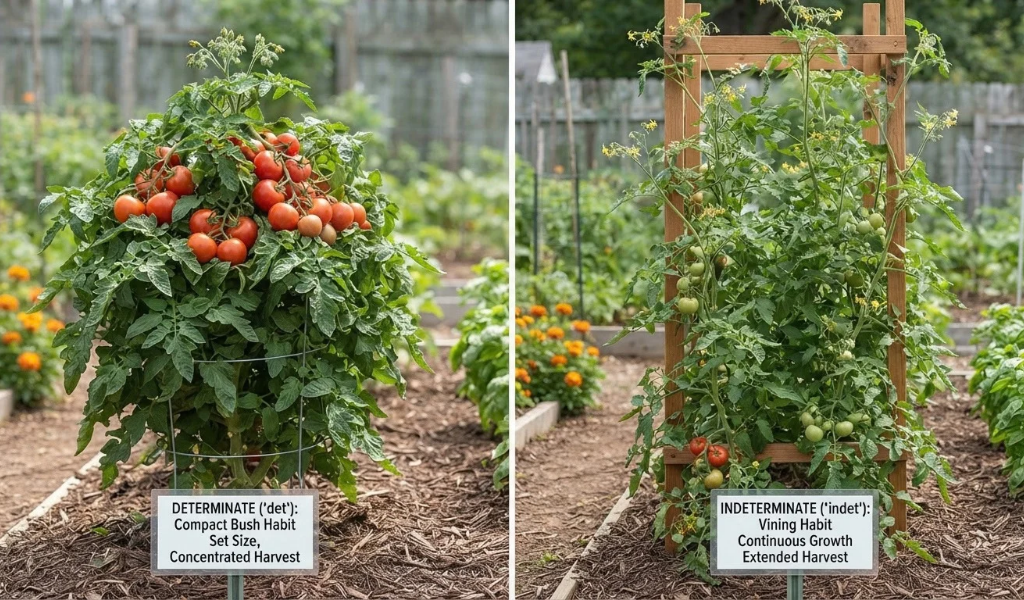
Why Determinate Tomatoes Stop Growing at a Set Height
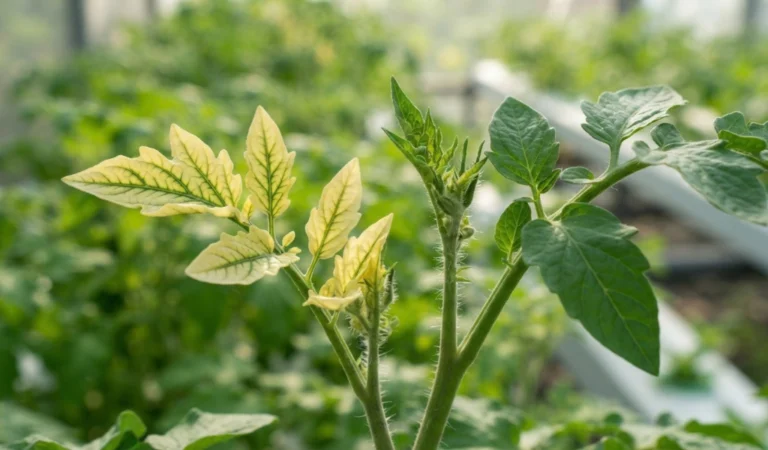
Determinate tomatoes grow until a flower cluster forms on the terminal bud at the tip of the main stem. Once that cluster appears, the stem stops extending and the plant puts its energy into the fruit it has already set. This is where the word terminate comes from. Most determinate plants stay between three and four feet tall, which keeps them manageable in a small garden. Because the plant stops growing, fruit set happens in a tight window, usually over a couple of weeks.
Determinate Tomatoes: Compact Plants With a Single Big Harvest
A determinate tomato plant is bushy and wide rather than tall. Side branches carry most of the flowers, and the whole plant tends to bloom at nearly the same time. That timing gives the grower one large harvest, and the plant then slows down or declines. This pattern works well for anyone who wants to process a lot of fruit at once. Compact determinate varieties also handle windy sites better because the plant sits low and sturdy.
Indeterminate Tomatoes: Vining Plants That Keep Producing Until Frost
An indeterminate tomato keeps growing at the tip of every stem, so flowers and fruit appear along the vine for months. The plant will continue to grow, set fruit, and ripen tomatoes until the first frost or until disease takes over. Many gardeners prefer indeterminates because they deliver a steady supply for salads and sandwiches. The trade off is size, since these vines need strong support and regular tying. Most heirloom tomatoes and many open pollinated types belong to this group, though plenty of hybrid options exist as well.
Harvest Timing in Determinate Vs Indeterminate Tomatoes: One Big Haul or a Steady Supply
Harvest timing is where determinate vs indeterminate tomatoes feel most different at the kitchen counter. Determinate tomatoes usually ripen most of their fruit over two to three weeks, often earlier than indeterminate plants. That makes them a smart pick for a short growing season, because the crop finishes before cold nights arrive. Indeterminate tomatoes begin ripening later, yet they produce over a much longer period of time. In warm regions, a single vine may give fruit from midsummer until the first frost.
Gardeners can also stretch the season with a little planning. Planting determinate varieties in two or three batches, spaced two weeks apart, spreads the harvest without needing tall plants. Planting a mix of both types gives early fruit from the determinates and steady fruit from the indeterminates. Low temps at night can slow ripening for either type, so cover plants when the forecast drops near freezing. A simple row cover or an old sheet can keep a crop from being killed by frost for a few more weeks. Picking fruit at the blush stage and finishing it indoors also saves tomatoes from sudden cold snaps.
Best Determinate Vs Indeterminate Tomatoes for Containers, Raised Beds, and Small Gardens
Space is often the deciding factor when comparing determinate vs indeterminate tomatoes. Determinate varieties suit containers best because their roots and stems stay in proportion. A pot of at least five gallons works for most compact types, and dwarf varieties can manage in a hanging basket.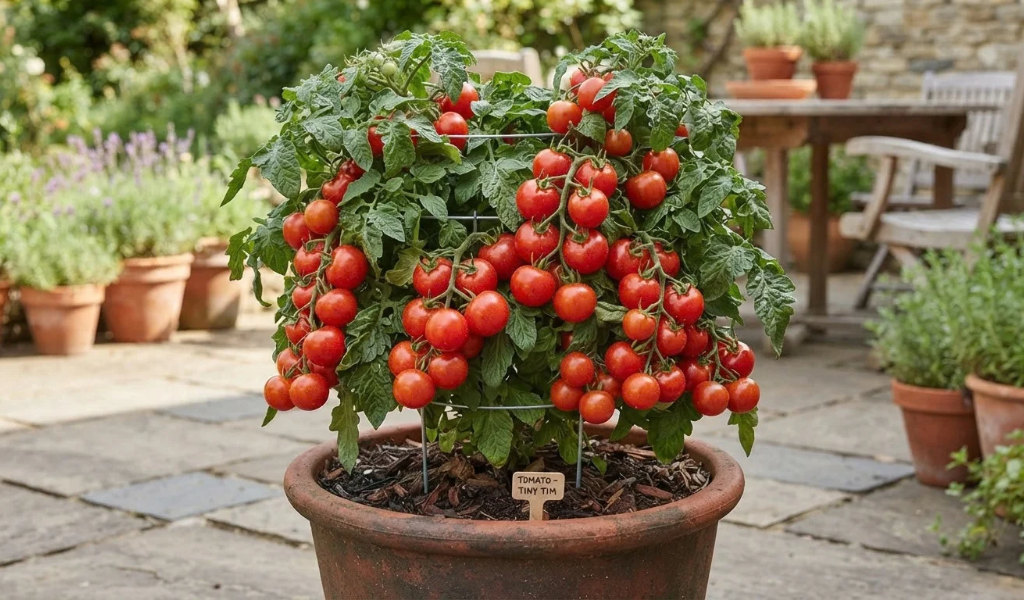 Use fresh potting soil with good drainage and water often, since a container dries out much faster than a garden bed. A slow release fertilizer mixed into the soil also keeps a potted plant fed through summer.
Raised beds offer more flexibility. Determinate plants can be spaced about two feet apart, while indeterminate plants need closer to three feet and a sturdy trellis. Indeterminate types can still work in small gardens if you train them upward on a single stem, which saves floor space and improves airflow. Cherry types in this group are especially good for large pots with a tall stake or cage. Whichever type you choose, rich soil with steady moisture helps the plant grow evenly and reduces split fruit.
Staking, Caging, and Trellising: Support Needs for Determinate Vs Indeterminate Tomatoes
Support is not optional for either group, but the method changes. Determinate plants do well in a standard tomato cage because their growth stops at a predictable height. A cage about four feet tall keeps branches off the soil and the fruit clean. Place the cage when you plant, since pushing it in later can damage roots. Strong support also improves airflow, which lowers the chance of leaf diseases in humid weather.
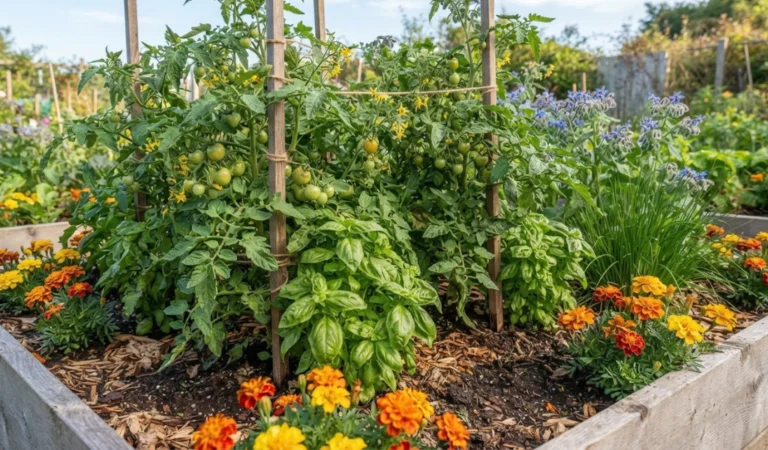
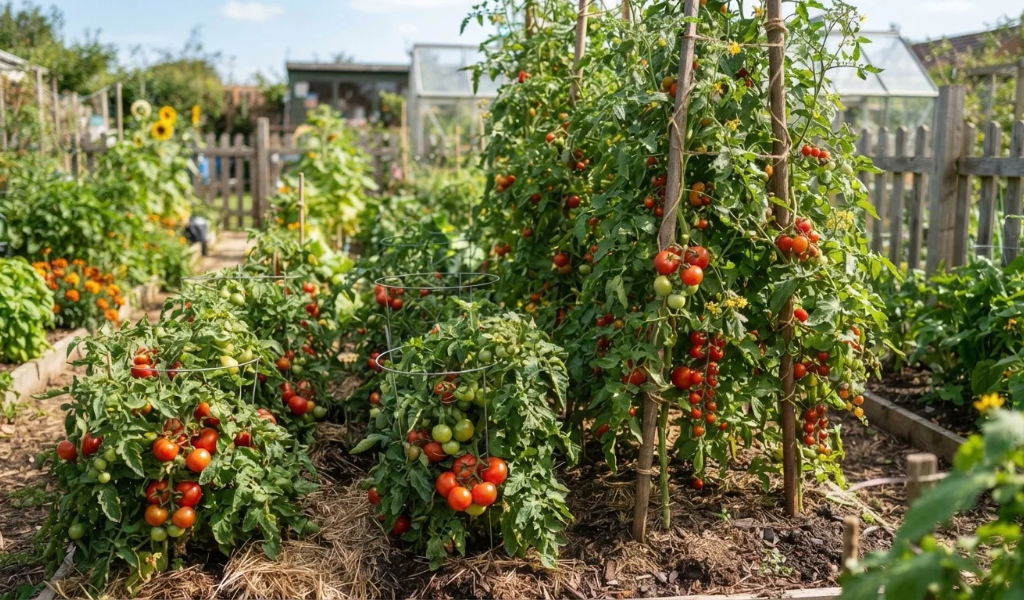
Indeterminate plants need far more. A flimsy cage will tip over once a vine carries a heavy load of fruit. Tall wooden stakes, sturdy cattle panel arches, and string trellises are better choices. Many growers use the weave method, running twine in and out between stems every ten inches or so as the plant climbs. Another approach is the cordon style, which trains one main stem up a string clipped at regular intervals. Tie the stem loosely with soft cloth or clips so it does not get cut as it thickens. A tomato cage can still serve indeterminate plants if you choose a tall heavy duty model and add a stake inside it.
Pruning and Suckers: Why Determinate Vs Indeterminate Tomatoes Need Different Care
A sucker is a small shoot that grows in the joint between the main stem and a side branch. How you handle suckers is one of the biggest care differences in determinate vs indeterminate tomatoes. Left alone, suckers become full stems with their own flowers, which can crowd the plant and cut airflow. The right choice depends entirely on the growth habit of the plant in front of you.
Determinate plants set fruit on side shoots, so heavy pruning cuts into the harvest. Remove only the leaves and shoots below the first flower cluster to improve airflow and keep soil splash off the plant. Leave the rest alone.
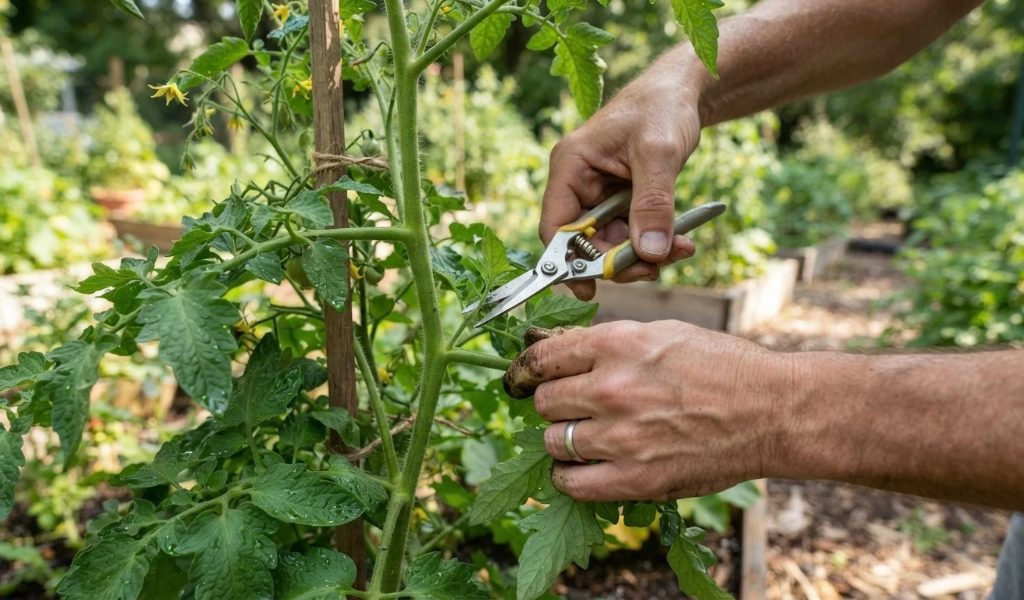 Indeterminate plants respond well to regular pruning. Pinching suckers once a week keeps the plant to one or two main stems, which sends more energy into fruit and makes tying easier. Use clean fingers or sharp snips and work on dry days to limit disease spread. About a month before the first frost, topping an indeterminate vine helps the remaining fruit ripen faster.
Popular Determinate Vs Indeterminate Tomato Varieties Worth Planting This Season
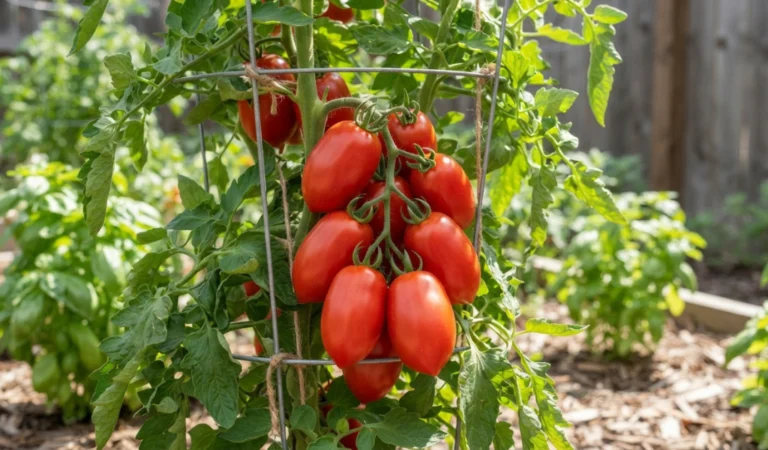
Choosing named varieties makes the comparison between determinate and indeterminate tomatoes easier. Among determinate tomatoes, Roma and San Marzano style paste types are favorites for sauce because the fruit is meaty with few seeds. Celebrity and Rutgers produce medium slicing fruit with good flavor, while Patio and Tiny Tim stay small enough for pots. Bush Early Girl and Amelia offer dependable yields in short seasons.
When comparing Determinate Vs Indeterminate Tomatoes, looking at specific varieties can help you choose plants that match your garden space, growing season, and harvest goals. Popular indeterminate varieties include Brandywine, Cherokee Purple, Sungold, Sweet 100, Better Boy, and Big Beef. Brandywine and Cherokee Purple are heirloom beefsteak types known for rich flavor. Sungold and Sweet 100 are cherry types that can produce large quantities of small fruit throughout the season. Better Boy and Big Beef are hybrid choices known for productive plants and disease resistance.
Open-pollinated varieties let gardeners save seed from year to year, while hybrid seed generally does not grow true to the parent plant. If you want to save seeds, check the variety description carefully before planting. Seed catalogs and plant tags usually provide useful information about growth habit, fruit size, days to maturity, and disease resistance. Also check whether a variety is listed as semi-determinate, since these plants can fall somewhere between determinate and indeterminate growth habits. This makes the variety label an important part of choosing the right tomato plant for your garden.
Canning, Sauces, and Fresh Eating: Choosing Between Determinate Vs Indeterminate Tomatoes
Your plans for the fruit should guide the choice. Canning and sauce making work best with determinate tomatoes because a large amount of fruit ripens close together. A single weekend can turn a bushel of Romas into jars of sauce, salsa, or whole peeled tomatoes. Paste varieties have thicker flesh and less juice, so sauce cooks down faster. Small determinate types can also be dried or roasted in batches when the whole crop arrives at once.
Fresh eating favors indeterminate tomatoes. A few vines can supply slicers for burgers, cherry tomatoes for lunch boxes, and fruit for weekly salads without overwhelming the kitchen. Their longer season also allows flavors to build as the plant matures. Families who like both can plant two or three determinate plants for processing and a handful of indeterminate plants for daily use. Freezing whole tomatoes is another easy option for either type, since the skins slip off after a quick thaw.
Pros and Cons of Determinate Vs Indeterminate Tomatoes for Your Growing Zone
Climate shapes which type performs better. In cool northern zones with a short growing season, determinate tomatoes often win because they ripen early and finish before the first frost. They also need less staking and tolerate wind better. The downside is a smaller total yield per plant and a harvest window that ends quickly. When comparing Determinate Vs Indeterminate Tomatoes, these differences can make a noticeable impact on how well your plants perform in a particular growing zone.
In long warm seasons across southern zones, indeterminate tomatoes can produce far more fruit per plant over time. They continue to grow through summer, and many gardeners find the steady supply worth the extra work. The cons include heavy support needs, more pruning, and a risk that unripe fruit gets caught by cold weather. For gardeners deciding between Determinate Vs Indeterminate Tomatoes, the length of the growing season is one of the most important factors to consider.
In areas with moderate temperatures and a reasonably long growing season, either type can work well. Determinate varieties can provide a concentrated harvest, which is useful if you want to preserve tomatoes or harvest a large amount at once. Indeterminate varieties, on the other hand, can keep producing flowers and fruit for a longer period when conditions remain favorable. This is why understanding Determinate Vs Indeterminate Tomatoes can help you match the plant type to your available space, climate, and harvesting preferences.
In very hot areas, flowers may drop when nights stay above 75 degrees, which affects both types. Consistent watering, adequate airflow, and some protection from extreme afternoon heat can help reduce plant stress. Still, neither determinate nor indeterminate tomatoes are completely immune to challenging weather conditions, so local growing conditions matter just as much as the variety you choose.
A practical approach is to plant a few of each, then keep notes on which performed best in your own soil and sun. Comparing Determinate Vs Indeterminate Tomatoes in the same garden can give you useful information about flowering, fruit production, disease pressure, support requirements, and harvest timing. Over several seasons, those observations can help you choose tomato varieties that fit your growing zone and gardening style more effectively.
Final Thoughts
Determinate vs indeterminate tomatoes each have a clear place in the home garden. Determinate plants are compact, early, and ideal for containers, canning, and short seasons. Indeterminate plants are tall, productive, and perfect for fresh eating all summer long. Support, pruning, and spacing change with each type, so match your care to the plant you have. Before your next planting season, check the label on every seed packet, choose the type that fits your space and your kitchen, and start with a mix if you cannot decide.
Frequently Asked Questions
How do you know if a tomato is determinate or indeterminate?
Start with the seed packet or plant tag, which usually lists the type as determinate, indeterminate, or the short forms det and indet. In the garden, a determinate plant stays bushy and stops growing once flower clusters form at the stem tips. An indeterminate plant keeps sending out new growth and flowers all season.
What should never be planted near tomatoes?
Fennel, cabbage family crops such as broccoli, and walnut trees are poor neighbors for tomatoes. Walnut roots release a compound that can stunt tomato growth. Potatoes share blight problems with tomatoes, so keep them in a separate bed.
Are beefsteak tomatoes indeterminate or determinate?
Most beefsteak tomatoes are indeterminate, including Brandywine and Big Beef. A few bush type beefsteaks are determinate, so always confirm the type on the seed packet.
Is a cherry tomato determinate or indeterminate?
Most cherry tomatoes are indeterminate and grow into large vines. Sungold and Sweet 100 are good examples. Some compact cherry varieties, such as Tiny Tim, are determinate and work well in pots.
Can determinate and indeterminate tomatoes be planted together?
Yes, they can share a garden bed as long as each plant gets the right spacing and support. Give indeterminate plants more room and a tall trellis, and place them on the north side so they do not shade the shorter determinate plants.
Should you prune determinate or indeterminate tomatoes?
Indeterminate tomatoes benefit from regular pruning of suckers to keep the plant manageable and productive. Determinate tomatoes need very little pruning, since removing side shoots reduces the fruit they can set. Trim only the lower leaves on a determinate plant to improve airflow.