Roma Tomato Growing Tips: How to Grow Roma Tomatoes From Planting to Harvesting
How to Grow Roma Tomatoes: Planting, Care & Harvest Tips
Few vegetables reward a gardener quite like the Roma tomato. Meaty, low in moisture, and packed with flavor, this plum-shaped fruit is the backbone of pasta sauce, salsa, and sun-dried tomatoes in kitchens everywhere. If you have ever wondered how to grow Roma tomatoes that produce a heavy harvest, you are in the right place.
This guide walks through everything from choosing the best Roma tomato variety to watering, fertilizing, pruning, and finally harvesting roma tomatoes at their peak. These roma tomato growing tips will help you understand what your plants need at every stage. Whether you are a first-time gardener or someone looking to sharpen your tomato growing tips, these steps will help your plants thrive from seed to sauce pot.
Roma Tomato Growing Tips: Start With the Right Variety
Every strong harvest begins with the right roma tomato variety. Roma tomatoes are a type of paste tomato, prized for their dense, meaty flesh and low seed count, which makes them ideal for sauce, canning, and sun-dried tomatoes. Following practical roma tomato growing tips starts with selecting a variety that matches your garden space and growing conditions.
Determinate vs. indeterminate Roma tomatoes: Most classic romas are determinate, meaning the plant grows to a set size, produces its fruit within a shorter window, and then slows down. This makes determinate varieties a great choice for gardeners who want a big batch of tomatoes all at once for canning. Some newer hybrid strains grow more like indeterminate tomatoes, producing fruit throughout the season on a longer vine.
Choosing Roma tomatoes for containers: If space is tight, look for compact determinate roma varieties bred for container growing. These stay shorter, need less staking, and still produce plenty of fruit for a small garden or patio.
Hybrid vs. open-pollinated Roma tomatoes: Hybrid roma varieties often offer better disease resistance and more uniform fruit, while open-pollinated types let you save tomato seeds year after year. Beginners usually do well starting with a disease-resistant hybrid before experimenting with heirloom types.
How to Plant Roma Tomato Seeds Successfully
Growing tomatoes from seed gives you access to more roma varieties than you will typically find at a nursery. These roma tomato growing tips are especially useful when starting plants from seed because the early stages can strongly affect later growth.
When to start Roma tomato seeds: Start seeds indoors about six to eight weeks before your last frost date. This gives seedlings enough time to grow strong roots before it’s warm enough to move them outside.
How deep to plant Roma tomato seeds: Plant tomato seeds about a quarter inch deep in trays or small pots. Planting too deep can slow germination, so keep it shallow at this stage.
Best soil mix for Roma tomato seedlings: Use a light, well-draining seed starting mix rather than heavy garden soil. A fluffy mix helps tender roots push through easily and reduces the risk of damping-off disease.
Maintaining warmth and moisture during germination: Roma tomato seeds germinate best when soil stays between 70 and 80 degrees Fahrenheit. A seedling heat mat and a humidity dome can speed things along. Keep the soil moist but never soggy.
How much light do Roma tomato seedlings need: Once seeds sprout, they need 14 to 16 hours of light a day. A sunny window rarely provides enough intensity, so grow lights are often the better option for producing sturdy, compact seedlings instead of leggy ones.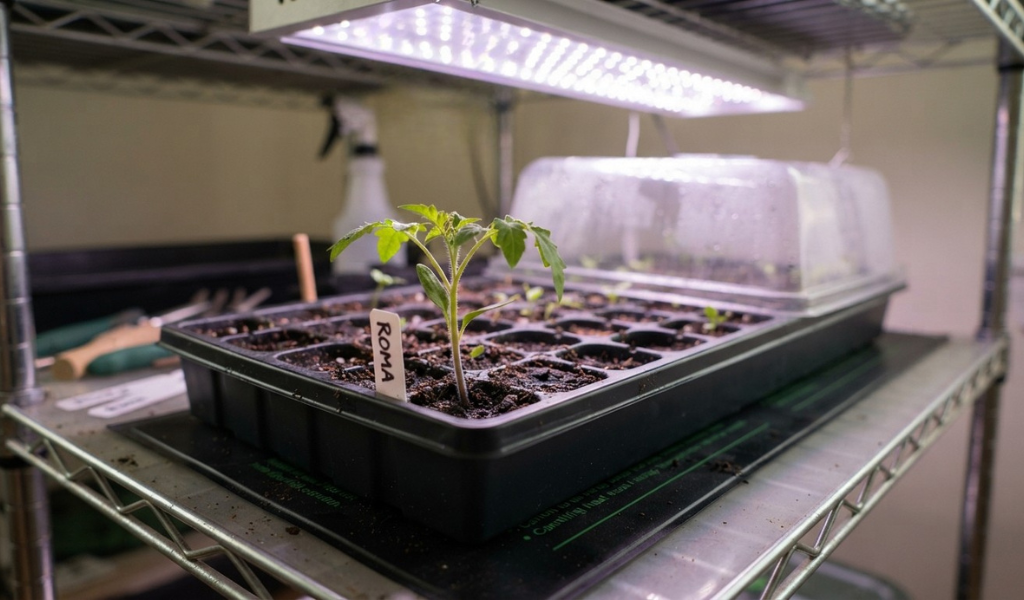
When to transplant Roma tomato seedlings: Wait until nighttime temperatures stay reliably above 50 degrees Fahrenheit and all danger of frost has passed. Harden off young plants for about a week by gradually exposing them to outdoor conditions before planting them in the garden.
Choosing the Best Location for Roma Tomato Plants
How much sun do Roma tomatoes need: Roma tomatoes need full sun, which means at least six to eight hours of direct sunlight daily. Full sun matters because tomato plants use that energy to fuel fruit production and develop the bright red color and flavor romas are known for. Among the most important roma tomato growing tips is giving plants enough direct sunlight each day.
Protecting Roma tomatoes from strong wind: A location with some wind protection, such as near a fence or other plants, helps prevent broken stems and stressed plants. That said, avoid fully enclosed corners.
The importance of good air circulation: Good airflow around the base of the plant reduces humidity on the leaves, which lowers the risk of fungal diseases. Space plants properly and avoid overly dense plantings.
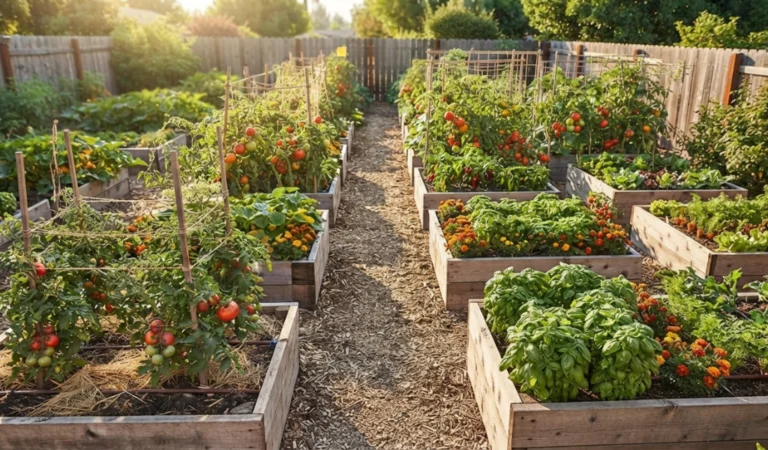
Growing Roma tomatoes in raised beds: Raised beds warm up faster in spring and offer excellent drainage, both of which roma tomato plants appreciate. They also make it easier to control soil quality from the start.
Growing Roma tomatoes in containers: A container at least five gallons in size works well for a single roma plant. Choose a pot with good drainage holes and be prepared to water more often, since containers dry out faster than garden beds.
Best Soil for Growing Healthy Roma Tomatoes
What soil do Roma tomatoes grow best in: Roma tomatoes grow best in loose, fertile soil rich in organic matter. Heavy, compacted soil holds too much water around the roots and can lead to problems like blossom end rot. Good soil preparation is another essential part of reliable roma tomato growing tips.
Ideal soil pH for Roma tomatoes: Aim for a soil pH between 6.2 and 6.8. A simple soil test kit from a garden center can confirm where your soil stands before planting.
Improving heavy or clay soil: If your garden soil is heavy clay, mix in compost, aged manure, or coarse sand to loosen the texture and improve drainage around tomato roots.
Adding compost before planting Roma tomatoes: Working a few inches of compost into the top layer of soil a week or two before planting boosts nutrients and improves soil structure naturally.
Preparing garden soil for Roma tomato plants: Clear the bed of weeds, loosen the soil to about a foot deep, and mix in compost. This preparation step gives roots room to spread and access nutrients right away.
How to Plant Roma Tomatoes for Strong Growth
How deep should you plant Roma tomato seedlings: Plant roma tomato seedlings deeper than they grew in their pots, burying two-thirds of the stem. Planting tomatoes deeply encourages roots to form along the buried stem, creating a stronger root system overall.
Spacing Roma tomato plants correctly: Space roma tomato plants 24 to 36 inches apart, depending on the variety. Determinate plants can be spaced a bit closer than sprawling indeterminate types.
Watering Roma tomatoes after transplanting: Water thoroughly right after planting to help settle the soil around the roots and reduce transplant shock.
Mulching around newly planted Roma tomatoes: A two to three inch layer of mulch, such as straw or shredded leaves, helps the soil hold moisture, blocks weeds, and keeps splashing soil off the lower leaves, which lowers disease risk.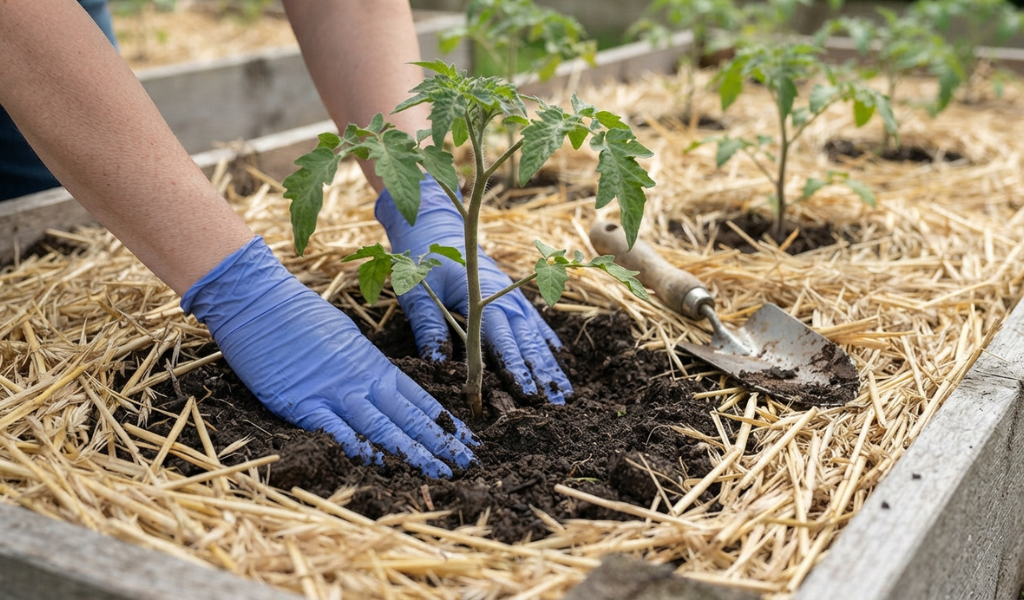 These simple practices are some of the most useful roma tomato growing tips for newly planted seedlings.
Watering Roma Tomato Plants the Right Way
Consistent watering is one of the most important tomato growing tips for producing meaty, crack-free fruit. It is also one of the most important roma tomato growing tips for maintaining healthy plants throughout the season.
How often should you water Roma tomatoes: Most roma tomato plants need watering two to three times a week, though this depends on weather and soil type. During hot, dry stretches, daily watering may be necessary, especially for tomatoes in containers.
How much water do Roma tomato plants need: Aim for about one to two inches of water per week, delivered slowly so it soaks deep into the root zone rather than running off the surface.
Morning vs. evening watering for tomatoes: Water in the morning whenever possible. This allows leaves that get splashed to dry out during the day, reducing the chance of fungal diseases taking hold overnight.
How to keep soil moist without overwatering: Check soil moisture by pushing a finger about two inches deep. If it feels dry, water. If it still feels moist, wait a day.
Signs of underwatered Roma tomato plants: Wilting during the heat of the day that does not recover by evening, along with dry, curling leaves, points to underwatering.
Signs of overwatering Roma tomatoes: Yellowing lower leaves, soft stems, and fruit that splits easily can all signal too much water or poor drainage.
Preventing tomato fruit cracking with consistent watering: Fruit cracking usually happens when the plant gets a sudden burst of water after a dry spell. Keeping soil moisture consistent, aided by mulch, is the best defense.
Fertilizing Roma Tomatoes for Bigger Harvests
Best fertilizer for Roma tomato plants: Choose a balanced fertilizer formulated for tomatoes, or one slightly higher in phosphorus and potassium than nitrogen. Proper feeding is an important part of effective roma tomato growing tips because fertilizer needs change as plants mature.
Understanding NPK for Roma tomatoes: NPK stands for nitrogen, phosphorus, and potassium. Nitrogen supports leafy growth, phosphorus supports root and fruit development, and potassium supports overall plant health and fruit quality. A fertilizer labeled something like 5-10-10 works well for fruiting tomato plants.
When to fertilize Roma tomato plants: Fertilize once at planting time, then again when the first flowers appear, and continue every three to four weeks through the growing season.
How often should you fertilize Roma tomatoes: A monthly feeding schedule works for most gardens, though container-grown plants may need more frequent, diluted feedings since nutrients wash out faster.
Organic fertilizer options for Roma tomatoes: Fish emulsion, bone meal, and composted manure all offer gentler, slow-release nutrition.
Using compost and worm castings for tomatoes: Mixing worm castings into the soil or using them as a top dressing adds nutrients and beneficial microbes without the risk of burning roots.
Avoiding too much nitrogen on Roma tomatoes: Excess nitrogen produces lush green plants with few tomatoes. If your plants look leafy but are not flowering, cut back on nitrogen-heavy fertilizers.
Fertilizing Roma tomatoes during flowering and fruiting: Once flowers appear, switch to a fertilizer higher in phosphorus and potassium to support fruit set and development.
Supporting, Pruning, and Caring for Roma Tomato Plants
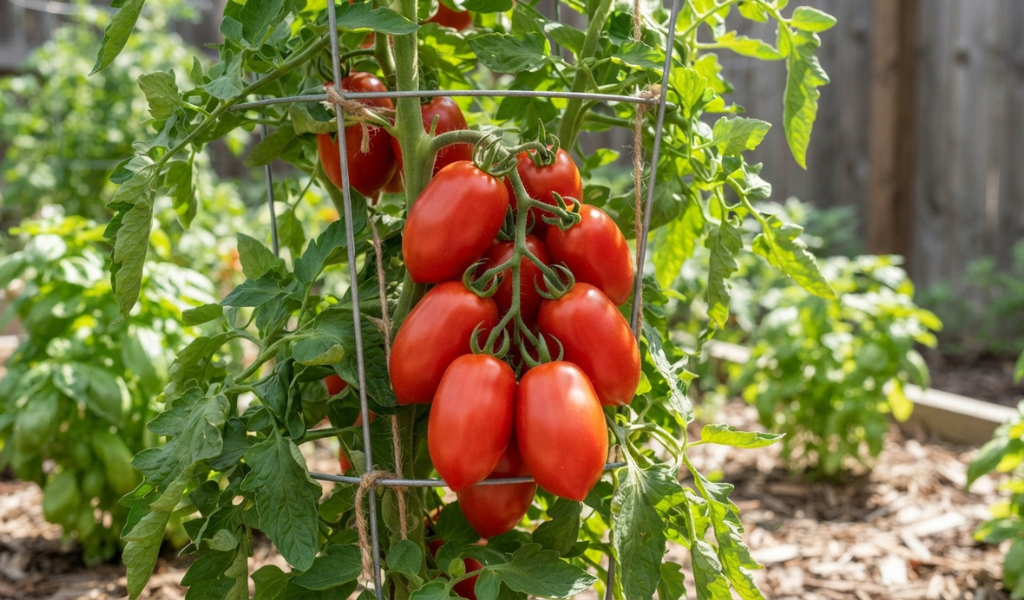
Do Roma tomato plants need support: Yes. Even determinate roma varieties benefit from support to keep the heavy fruit off the ground and improve air circulation. Supporting plants properly is another useful point to include in your roma tomato growing tips.
Best tomato cages for Roma tomatoes: Sturdy cages, especially the taller, wide-gauge kind, work well for supporting the branching growth of roma plants.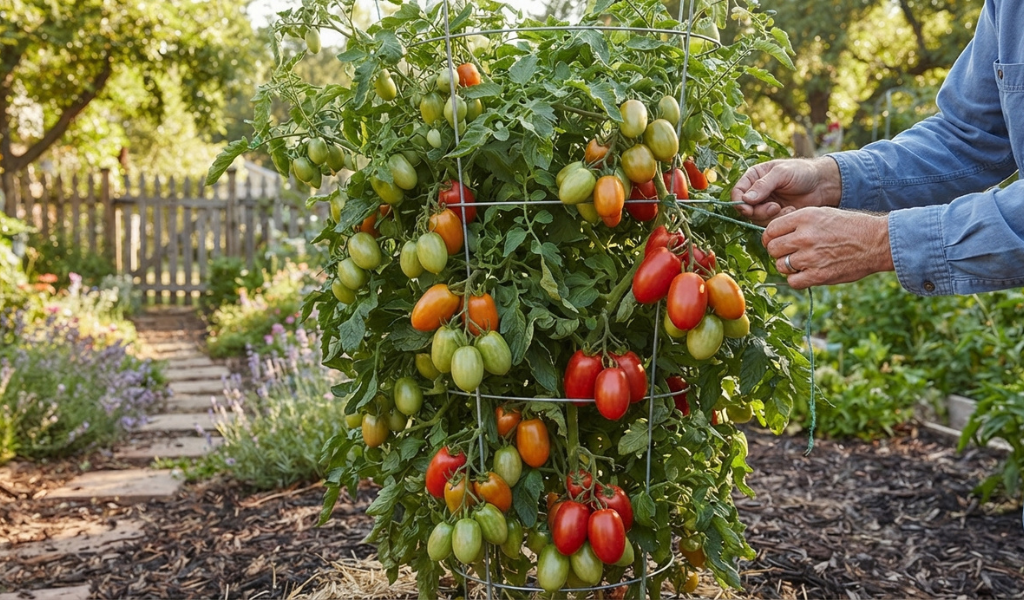
Using stakes to support Roma tomato plants: A single stake driven in at planting time and paired with soft ties works well for more compact determinate roma plants.
When to prune Roma tomato plants: Begin light pruning once the plant is established and has several sets of true leaves.
How to remove tomato suckers: Suckers are the small shoots that grow in the joint between the main stem and a branch. Pinch them off with your fingers while they are still small to keep the plant’s energy focused on fruit production.
Should you remove lower tomato leaves: Yes, remove leaves touching the soil or those that turn yellow. This reduces the chance of soil-borne fungal diseases splashing onto foliage.
Pruning mistakes that can reduce tomato production: Over-pruning determinate roma plants can actually reduce yield, since these varieties rely on more branches to set fruit. Prune lightly and avoid removing large amounts of foliage at once.
Keeping Roma tomato plants upright and healthy: Regularly check ties as the plant grows, loosening them if needed so they do not cut into the stem.
Common Roma Tomato Problems, Pests, and Diseases
Why are Roma tomato leaves turning yellow: Yellowing leaves often point to overwatering, nitrogen deficiency, or early fungal disease. Check soil moisture and leaf patterns to narrow down the cause. Regular observation is one of the most practical roma tomato growing tips for catching problems early.
Why are Roma tomato leaves curling: Leaf curl can result from heat stress, inconsistent watering, or in some cases, viral infection carried by pests.
Common pests that attack Roma tomatoes: Aphids, tomato hornworms, and spider mites are the most frequent visitors.
How to identify aphids on tomato plants: Look for small, soft-bodied insects clustered on new growth and the undersides of leaves, often accompanied by a sticky residue called honeydew.
Managing tomato hornworms naturally: Hand-pick these large green caterpillars off plants, and encourage beneficial wasps that naturally control hornworm populations.
Preventing spider mites on Roma tomatoes: Spider mites thrive in hot, dry conditions. Regular watering and occasional strong sprays of water on the leaf undersides can keep populations down.
Common fungal diseases of Roma tomatoes: Early blight, septoria leaf spot, and fusarium wilt are among the most common fungal diseases affecting roma tomato plants.
How to prevent early blight and septoria leaf spot: Water at the base of the plant, mulch to prevent soil splash, and space plants for good airflow.
Preventing blossom end rot in Roma tomatoes: This common issue, marked by a dark, sunken spot on the bottom of the fruit, is usually caused by inconsistent watering rather than a true calcium shortage in the soil. Steady watering habits go a long way toward prevention.
Why Roma tomatoes fail to produce fruit: Extreme heat, too much nitrogen, or poor pollination are common culprits behind a plant that flowers but does not set fruit.
What causes flowers to drop from tomato plants: Temperature swings, particularly nights below 55 degrees or days above 90 degrees Fahrenheit, can cause flowers to drop before they are pollinated.
Harvesting Roma Tomatoes for the Best Flavor
When are Roma tomatoes ready to harvest: Most romas are ready to harvest around 75 days from transplanting, though this varies slightly by variety. Knowing the right harvest timing is one of the most useful roma tomato growing tips for getting the best flavor.
How to tell when a Roma tomato is ripe: A ripe roma tomato turns a deep, bright red and gives slightly under gentle pressure, while still feeling firm overall.
Should you pick Roma tomatoes green or red: For the best flavor, let romas ripen fully to red on the vine. However, picking them slightly early and letting them finish ripening indoors can help protect fruit from an early frost or a heavy pest season.
How to harvest Roma tomatoes without damaging the plant: Use pruning shears or twist gently at the stem to avoid tearing the vine.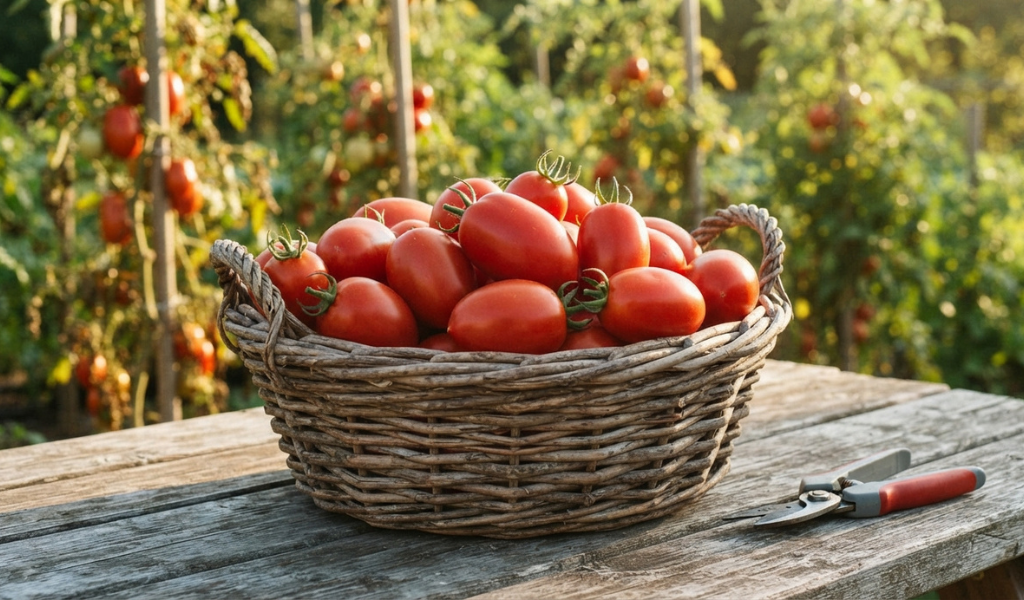
How often should you pick Roma tomatoes: Check plants every two to three days during peak season, since a heavy-producing plant can ripen fruit quickly.
How to ripen Roma tomatoes after harvest: Place them in a single layer at room temperature, away from direct sunlight, until they reach full color.
Storing freshly harvested Roma tomatoes: Keep ripe romas at room temperature for the best flavor and texture, and use them within a few days for the freshest taste.
How to preserve Roma tomatoes for later use: Canning, freezing, and making sun-dried tomatoes are all popular ways to preserve a big harvest.
Growing Roma tomatoes for sauces, canning, and cooking: The meaty flesh and low moisture content of romas make them the top choice for homemade tomato sauce, tomato paste, and salsa, since they cook down thick without watering down the flavor.
Final Thoughts
Growing Roma tomatoes rewards patience and a bit of consistency. From choosing the right roma tomato variety to watering on a steady schedule and watching for early signs of pests or disease, small habits add up to a big harvest. Following these roma tomato growing tips throughout the season can make it easier to keep plants healthy and productive. Once your plants start producing, you will likely find yourself with more meaty, flavorful tomatoes than you know what to do with, which is exactly the kind of problem every gardener wants. Start with healthy soil, give your plants full sun, and stay consistent with water and feeding, and your roma tomato plants will do the rest.
Frequently Asked Questions
What does Epsom salt do for growing tomatoes?
Epsom salt provides magnesium, which can help with leaf development if a soil test shows a true magnesium deficiency. It is not a cure-all, though, and should not replace balanced fertilizer.
How do I store Roma tomatoes after harvest?
Store ripe romas at room temperature out of direct sunlight and use them within a few days. Refrigeration can dull their flavor and texture.
What are common Roma tomato problems?
Yellowing leaves, blossom end rot, fungal diseases like early blight, and pests such as aphids and hornworms are among the most common issues gardeners face. These are also important areas to monitor when following roma tomato growing tips.
What are 9 common mistakes to avoid when growing tomatoes?
Overwatering, underwatering, planting too shallow, skipping support, over-fertilizing with nitrogen, poor spacing, ignoring pests early on, watering the leaves instead of the soil, and planting before the last frost date are frequent mistakes.
Can I grow Roma tomatoes in containers?
Yes, roma tomatoes grow well in containers at least five gallons in size, as long as they get full sun and consistent watering. Container growing is one area where these roma tomato growing tips can be especially helpful.
Are Roma tomatoes safe for pets?
Ripe roma tomatoes are generally safe for pets in small amounts, but the leaves, stems, and unripe fruit contain compounds that can be toxic and should be kept out of reach.
How long do tomatoes take to ripen on the vine?
After flowering, it typically takes four to eight weeks for a tomato to fully ripen on the vine, depending on temperature and variety.
How many times will Roma tomatoes produce fruit?
Determinate roma varieties produce most of their fruit in one concentrated flush over a few weeks, while some hybrid types continue producing in smaller batches throughout the growing season. These production patterns are worth considering when applying roma tomato growing tips to your garden.