Pepper Varieties Overview: Discover the Best Variety of Peppers for Every Gardener Varieties? An Overview for Home Gardeners
The Ultimate Pepper Varieties Overview: Hot, Sweet & Easy Peppers to Grow at Home
Growing peppers is one of the most rewarding things you can do in a home garden. Whether you’re chasing that fiery kick from a hot pepper or the crisp, sweet crunch of a bell pepper, understanding the full variety of peppers available makes all the difference between a frustrating season and a bumper harvest.
This pepper varieties overview covers everything from mild peppers to the hottest pepper on the planet, helping you pick the right types of peppers for your taste buds, your space, and your local climate. By the end of this guide, you’ll know which peppers to grow at home, how to care for them, and how to put them to work in the kitchen.
What Are Pepper Varieties? An Overview for Home Gardeners
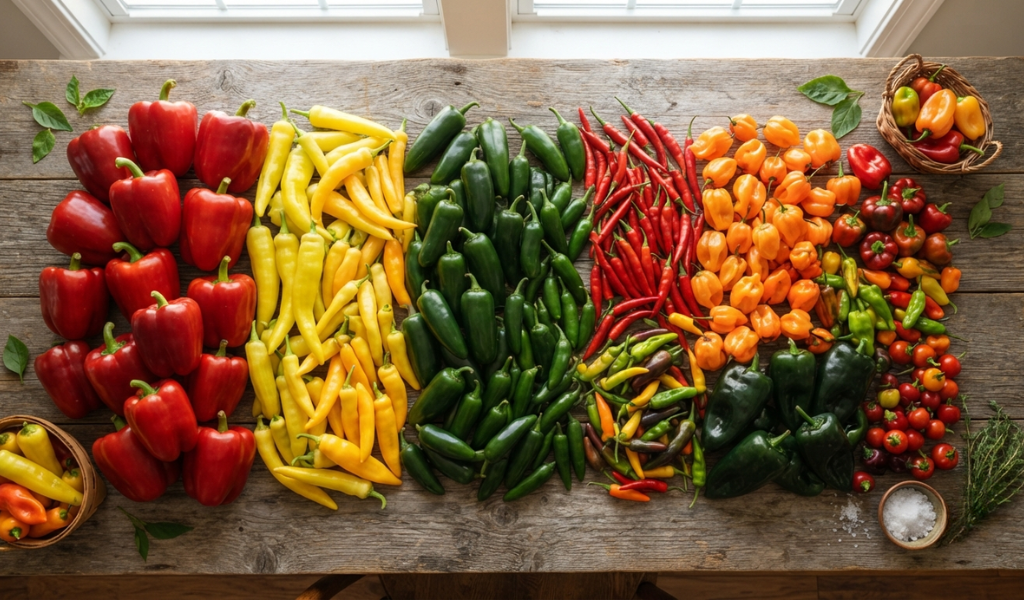
Peppers belong to the Capsicum genus and come in hundreds of shapes, sizes, colors, and heat levels. From the large, blocky bell pepper to the wrinkled, lantern-shaped habanero, the world of peppers is genuinely enormous. Most of the peppers you can grow at home fall into one of five main species: Capsicum annuum, Capsicum chinense, Capsicum frutescens, Capsicum baccatum, and Capsicum pubescens. Each species carries its own flavor tendencies and heat potential.
For home gardeners, this variety is exciting. You don’t have to settle for basic green peppers from the grocery store when you could be harvesting glossy red cayenne peppers or juicy pimento peppers right in your backyard. Peppers are easy to grow, surprisingly adaptable, and produce heavily throughout the season with the right care.
The Difference Between Sweet and Hot Peppers
The key difference between sweet and hot peppers comes down to one compound: capsaicin. Capsaicin is the chemical responsible for the burning sensation you feel when you bite into a jalapeño or a serrano pepper. Sweet peppers, like bell peppers and banana peppers, contain little to no capsaicin, which is why they taste mild and sometimes even fruity.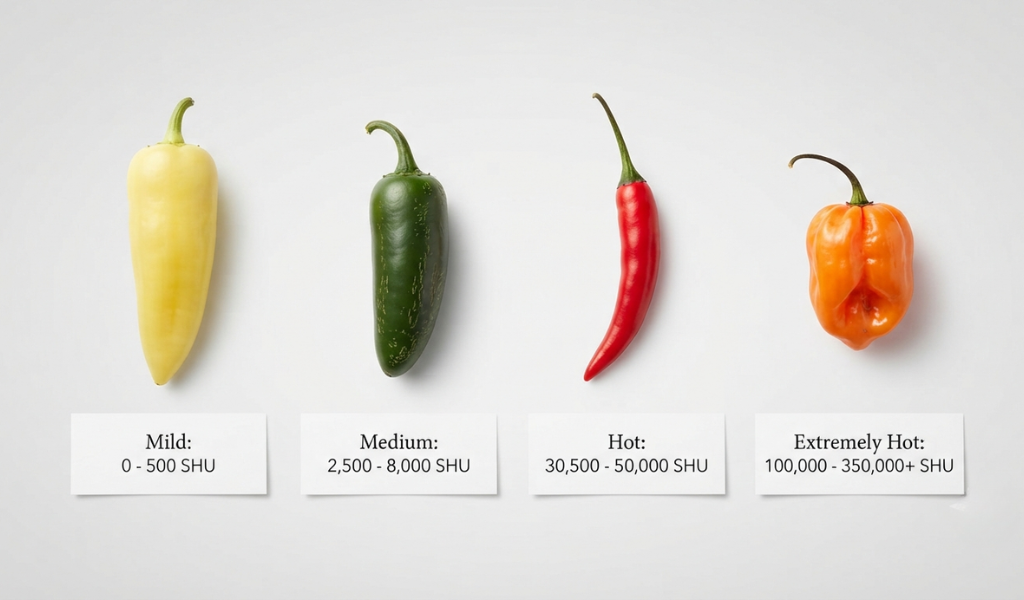
Heat in peppers is measured using the Scoville scale, a system developed by pharmacist Wilbur Scoville in 1912. Scoville Heat Units (SHU) tell you exactly how hot a pepper is. A sweet bell pepper sits at 0 SHU, a jalapeño ranges from 2,500 to 8,000 SHU, and the Carolina Reaper, currently considered the hottest pepper in the world, can exceed 2 million SHU.
Understanding this scale helps you make smarter choices in the garden and the kitchen.
Why Choosing the Right Pepper Variety Matters
Picking the wrong pepper variety for your garden or your cooking style can lead to disappointment. Grow a pepper that doesn’t suit your climate, and it might never fully ripen before the season ends. Choose a heat level that doesn’t match your tolerance, and that beautiful harvest could go to waste.
The right pepper variety, on the other hand, fits naturally into your cooking, thrives in your growing conditions, and rewards you with a consistent yield. Research from New Mexico State University has shown that pepper plants perform significantly better when grown in conditions that match their native growing environment. This means matching your variety to your soil type, sunlight levels, and local temperatures is just as important as any watering or fertilizing routine.
Popular Sweet Pepper Varieties
Sweet peppers are the ultimate crowd-pleasers. They’re mild, versatile, and work in everything from raw salads to roasted dishes.
Bell Peppers
Bell peppers are the most widely recognized sweet pepper variety in the world. They’re large, blocky, and defined by their characteristic four lobes. Green bell peppers are simply unripe versions of red, yellow, or orange bell peppers. The longer you let them ripen on the plant, the sweeter and more nutrient-dense they become.
Bell peppers are fantastic for stuffing, roasting, or eating raw with dip. They grow well in containers and raised beds and produce generously through the summer months.
Banana Peppers
Banana peppers get their name from their long, curved, yellow shape. They’re mild and slightly tangy, with a heat level between 0 and 500 SHU. These are the peppers you’ll find pickled and piled onto sandwiches and pizzas at Italian-style delis.
They’re easy to grow, mature quickly, and produce heavily. If you want to pickle your own peppers at home, banana peppers are one of the best places to start.
Cubanelle Peppers
Cubanelle peppers, sometimes called Italian frying peppers, are long, thin, and slightly wrinkled. They range from pale yellow-green to red as they ripen. Their flavor is mild and sweet with just a hint of fruitiness, and they’re perfect for sautéing in olive oil.
Cubanelles are popular in Caribbean and Italian cooking, often used as a base for sauces and sofrito. They’re a solid choice for gardeners with a bit of vertical space, as the plants can grow fairly tall.
Pimento Peppers
Pimento peppers are small, heart-shaped, and exceptionally sweet. They’re the juicy red peppers used to stuff green olives and form the base of pimento cheese. At 0 to 100 SHU, they’re one of the mildest peppers you can grow.
Their thick, sweet skin makes them ideal for roasting, and they hold up beautifully when preserved in jars.
Popular Hot Pepper Varieties
For those who enjoy heat, the world of peppers opens up into something far more exciting. Hot peppers range from moderately spicy to genuinely dangerous.
Jalapeño Peppers
Jalapeños are the entry point for most people into the world of hot peppers. They measure between 2,500 and 8,000 SHU and offer a clean, bright heat that builds gradually. They’re green when unripe and red when fully ripe, with a slightly sweeter flavor once they’ve turned.
Jalapeños are incredibly versatile. Use them fresh in salsa, slice them into nachos, smoke them to make chipotles, or pickle them for sandwiches. They’re also among the most forgiving peppers to grow at home.
Serrano Peppers
Serrano peppers look like small, slender jalapeños but pack considerably more punch, ranging from 10,000 to 23,000 SHU. They’re a staple in Mexican cooking and are often used raw in fresh salsa and guacamole because their heat holds up without cooking.
Serranos ripen from green to red, yellow, or brown depending on the variety. The plants tend to be compact and productive, making them great peppers to grow in containers.
Cayenne Peppers
Cayenne peppers are long, thin, and fiery, measuring 30,000 to 50,000 SHU. Most people know cayenne as a dried spice, but fresh cayenne peppers have a bright, sharp heat with a slightly fruity flavor underneath.
They’re easy to dry whole or grind into powder, making them a great choice if you want to build your own spice supply. They’re also used in hot sauce production and are one of the easiest hot peppers to grow at home.
Habanero and Ghost Peppers
Habanero peppers sit between 100,000 and 350,000 SHU, with a distinctive fruity flavor that cuts through the intense heat. Habaneros are lantern-shaped and ripen to orange, red, or chocolate brown. They’re popular for making hot sauce and spicy salsa.
Ghost peppers, or Bhut jolokia, once held the title of hottest pepper in the world at over 1 million SHU. They’ve since been surpassed by varieties like the Carolina Reaper, but they remain a serious challenge for heat seekers. Both habaneros and ghost peppers require a long growing season and warm temperatures to thrive.
Best Pepper Varieties for Different Growing Conditions
Not every garden looks the same, and different growing setups suit different pepper types.
Peppers for Containers
Compact varieties work best in containers. Serrano peppers, Thai peppers, and shishito peppers all do well in pots. Choose containers at least 12 inches deep and wide to give roots enough room to develop. Regular watering is especially important since containers dry out faster than garden beds.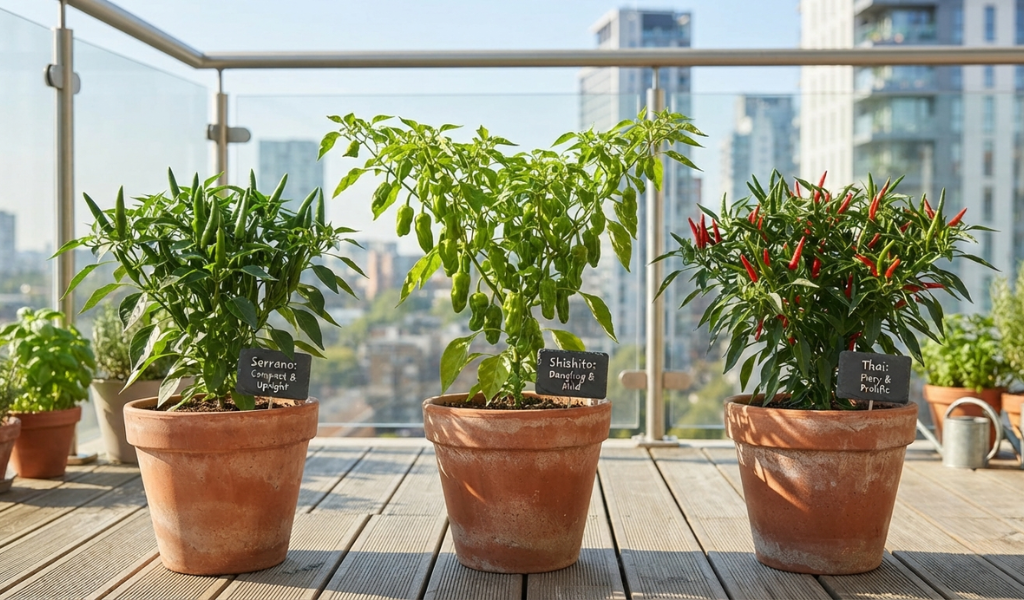
Peppers for Raised Beds
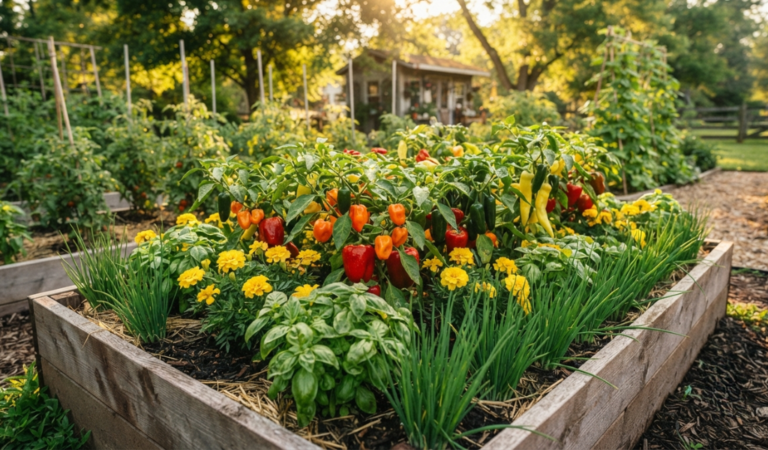
Raised beds offer good drainage and warm soil, which peppers love. Bell peppers, banana peppers, and cayenne peppers all thrive here. Space plants at least 18 inches apart to allow airflow and reduce disease pressure.
Peppers for Greenhouses
If you live in a cooler climate, a greenhouse gives you the extra heat needed to ripen longer-season varieties like habaneros and ghost peppers. You can also extend your growing season significantly, getting a head start in late winter and harvesting well into autumn.
Peppers for Small Gardens
In tight spaces, choose varieties that produce a lot on a compact plant. Shishito peppers, cherry peppers, and Thai peppers are all high-yielding and small in stature. Training them on a small stake keeps them tidy and productive.
How to Choose the Right Pepper Variety
Consider Your Climate
Peppers are warm-season vegetables that need consistent heat to grow well. If you live somewhere with a short summer, look for varieties with a shorter “days to maturity” rating. Jalapeños (70 to 75 days) and banana peppers (60 to 75 days) are good options. Habaneros and ghost peppers can take 90 to 120 days and need a longer, hotter season to fully ripen.
Match Heat Levels to Your Taste
This might sound obvious, but many gardeners grow peppers they can’t actually eat. Be honest about your heat tolerance. If you’re new to hot peppers, jalapeños are a solid starting point. From there, you can experiment with serranos and cayenne peppers before moving into habanero territory.
Days to Maturity and Harvest Time
Always check the “days to maturity” listed on seed packets. This number tells you how long it takes from transplanting to your first harvest. If your growing season is only 90 days long, a pepper that takes 120 days won’t ripen outdoors. 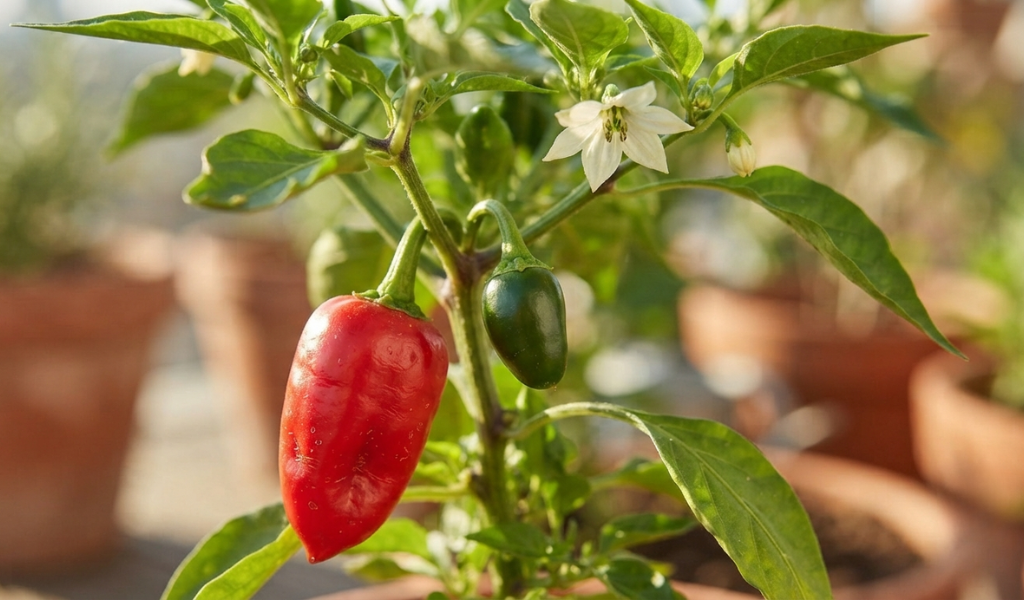 Start seeds indoors 8 to 10 weeks before your last frost date to maximize your growing window.
Pepper Variety Comparison Chart
Heat Level (Scoville Scale)
| Pepper | Scoville Heat Units (SHU) |
| Bell Pepper | 0 |
| Banana Pepper | 0–500 |
| Pimento | 0–100 |
| Cubanelle | 100–1,000 |
| Jalapeño | 2,500–8,000 |
| Serrano | 10,000–23,000 |
| Cayenne | 30,000–50,000 |
| Habanero | 100,000–350,000 |
| Ghost Pepper | 1,000,000+ |
| Carolina Reaper | 1,400,000–2,200,000 |
Plant Size and Growth Habit
Bell peppers grow 2 to 3 feet tall with a bushy habit. Cayenne pepper plants can reach 3 to 4 feet. Habaneros are compact but dense, while ghost pepper plants can grow quite large if given the space. Serrano plants are tidy and upright, making them ideal for smaller gardens.
Best Culinary Uses
Bell peppers shine in stuffing, roasting, and fresh salads. Banana peppers are best pickled. Jalapeños work across salsa, nachos, and pickling. Cayenne is best dried and powdered. Habaneros are excellent in hot sauce and tropical fruit-based salsas. Serrano peppers hold up beautifully in fresh preparations where you want bright, clean heat.
Tips for Growing Different Pepper Varieties Successfully
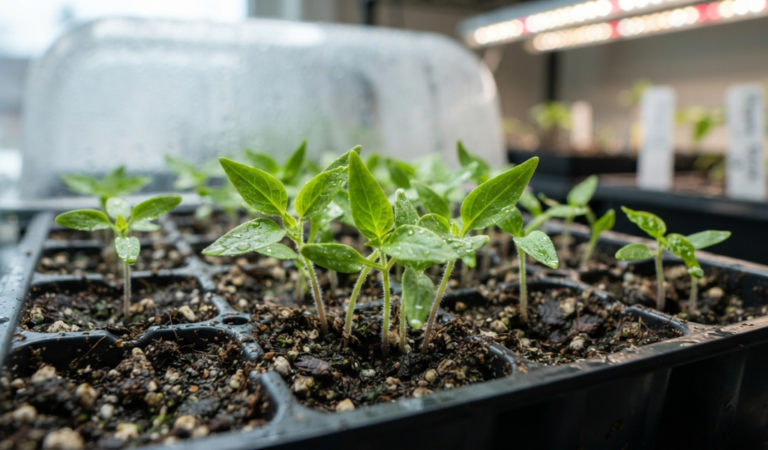
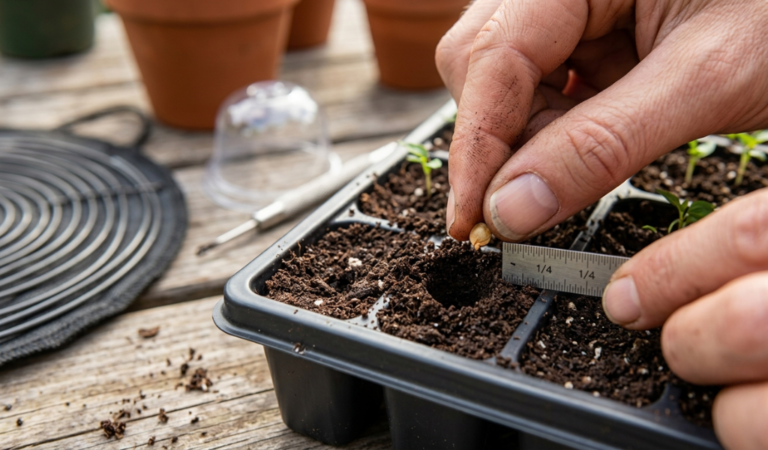
Start seeds indoors 8 to 10 weeks before your last frost date. Peppers are slow starters and need warmth to germinate. A heat mat set to 80 to 85°F speeds up germination significantly.
Harden off seedlings before transplanting outdoors. Bring them outside for a few hours each day over the course of a week, gradually increasing their exposure. Skipping this step often results in transplant shock.
Pinch off early flowers when plants are young. It feels counterintuitive, but removing the first few blooms encourages the plant to put more energy into root development, resulting in a bigger, more productive plant later in the season.
Stake taller varieties. Bell peppers, cayenne plants, and habaneros can become top-heavy as fruit develops. A simple bamboo stake and soft garden tie keeps them upright and prevents stem damage.
Soil, Water, and Sunlight Requirements
Peppers need at least 6 to 8 hours of direct sunlight per day. Less than that and plants become leggy, produce poorly, and take longer to ripen fruit.
Soil should be well-draining, fertile, and slightly acidic with a pH between 6.0 and 6.8. Work in compost before planting to improve drainage and nutrient content.
Water deeply and consistently. Peppers prefer soil that stays evenly moist but never waterlogged. About 1 to 2 inches of water per week is a good general target, though containers may need watering daily during hot weather. Irregular watering leads to blossom end rot and cracked fruit.
Mulching around the base of pepper plants helps retain moisture, regulate soil temperature, and suppress weeds.
Fertilizing for Maximum Yield
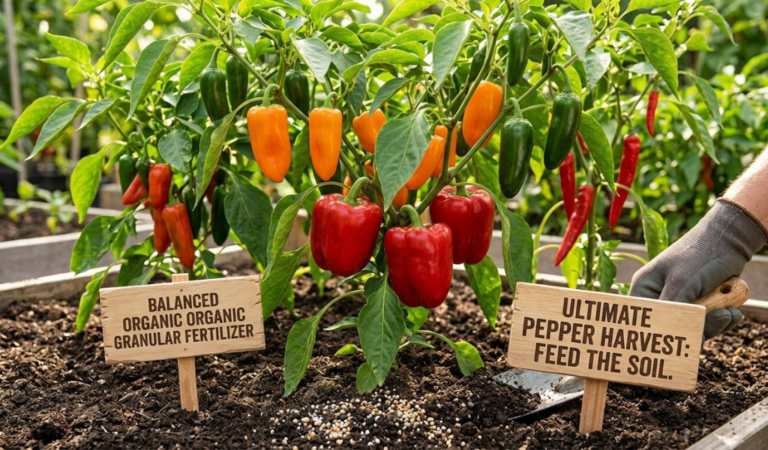
Start with a balanced fertilizer (10-10-10) at transplanting to support early growth. Once plants begin flowering, switch to a fertilizer lower in nitrogen and higher in phosphorus and potassium. Too much nitrogen at this stage encourages leafy growth at the expense of fruit production.
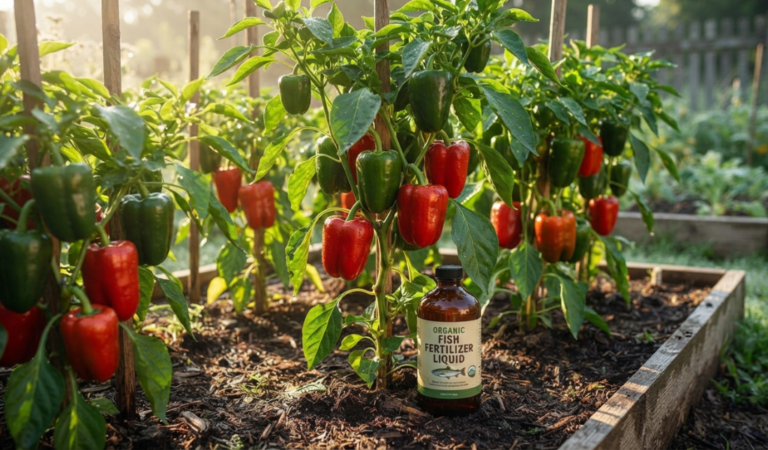
Liquid fertilizers applied every two weeks during the growing season give plants a steady supply of nutrients without overloading the soil. Calcium is also important: a lack of it causes blossom end rot, a common issue in home gardens. A calcium-rich fertilizer or foliar spray can prevent this problem.
Common Growing Mistakes to Avoid
Planting too early is the most common mistake home gardeners make with peppers. Cold soil stresses young plants and sets back growth. Wait until nighttime temperatures consistently stay above 55°F before transplanting outdoors.
Overwatering is another frequent issue. Soggy soil leads to root rot, yellowing leaves, and poor fruit set. Always check the top inch of soil before watering. If it’s still moist, wait another day.
Crowding plants reduces airflow and increases disease pressure. Give each plant enough space to breathe. Planting too close together also means roots compete for nutrients, reducing overall yield.
Finally, don’t harvest too late. Leaving peppers on the plant too long after they’ve fully ripened can trigger earlier plant decline. Regular harvesting actually encourages the plant to keep producing throughout the season.
Grow the Peppers That Work for You
The world of peppers is packed with options, and that’s exactly what makes growing them so enjoyable. A pepper varieties overview like this one can point you in the right direction, but ultimately your climate, cooking style, and heat tolerance should guide your final choices.
Start with one or two varieties that genuinely excite you. Master those first, then expand your selection each season. Whether you’re growing sweet bell peppers for fresh salads or experimenting with ghost peppers for homemade hot sauce, the process is the same: good soil, consistent water, plenty of sun, and a little patience.
Your best harvest is usually the one you’re most curious about.
Frequently Asked Questions
What are some popular pepper varieties for home gardens?
Some of the most popular pepper varieties for home gardens include bell peppers, jalapeños, banana peppers, cayenne peppers, serrano peppers, and habaneros. These varieties are widely available as seeds or transplants, produce reliably in home garden conditions, and cover a broad range of heat levels and culinary uses.
What are the five species of peppers most commonly grown?
The five main species of peppers are Capsicum annuum (which includes bell peppers, jalapeños, and cayenne), Capsicum chinense (habaneros, ghost peppers, and Carolina Reaper), Capsicum frutescens (Tabasco peppers), Capsicum baccatum (ají peppers), and Capsicum pubescens (rocoto peppers). Most peppers grown in home gardens belong to Capsicum annuum.
What is considered the mother of all peppers?
Many horticulturists refer to the wild Capsicum annuum species as the ancestor from which most domesticated pepper varieties were developed. Within cultivated varieties, the poblano pepper is sometimes called the “mother pepper” in Mexican culinary tradition, as it forms the base of many classic dishes and sauces, including mole. Dried, it becomes the ancho chile.
What are some common uses for chili peppers in the kitchen?
Chili peppers are used across almost every cuisine in the world. Fresh jalapeños and serranos go into salsa and guacamole. Cayenne peppers are dried and ground into spice blends. Habaneros are blended into hot sauce. Anaheim peppers are great roasted or used in green chile. Thai peppers add sharp heat to stir-fries, and chipotle (smoked jalapeño) adds depth to sauces and marinades.
How do I know which heat level is right for me?
Use the Scoville scale as a guide. If you enjoy mild food, stick to peppers under 1,000 SHU (banana peppers, shishito peppers, pimento peppers). For moderate heat, jalapeños (2,500 to 8,000 SHU) and serranos (10,000 to 23,000 SHU) are reliable choices. For serious heat, cayenne (30,000 to 50,000 SHU) and habanero (100,000 to 350,000 SHU) are well-established options. Only move to ghost peppers or the Carolina Reaper if you’re highly experienced with hot peppers.
How long does it take for peppers to ripen on the plant?
Ripening time varies significantly by variety. Banana peppers can be ready to harvest in as few as 60 days from transplanting. Jalapeños typically take 70 to 75 days. Habaneros and ghost peppers often need 90 to 120 days. In cooler climates with shorter summers, starting seeds indoors early and choosing shorter-season varieties is key to getting a full harvest before the first frost.
Can I grow hot peppers in containers on a balcony?
Yes. Many hot peppers grow well in containers, making them a great option for balconies and patios. Serrano peppers, Thai peppers, and even habaneros can thrive in large pots with good drainage. Use a container at least 12 inches deep, water consistently since pots dry out faster, and place them in the sunniest spot available. Feed with a liquid fertilizer every two weeks during the growing season for best results.