Why Are My Pepper Plants Turning Yellow? Complete Guide to Stop Pepper Plant Leaves from Turning Yellow
Pepper Plant Leaves Turning Yellow? Here’s Why Your Pepper Plants Are Turning Yellow
If you’ve noticed your pepper plant leaves turning yellow, you’re not alone. It’s one of the most common complaints among home gardeners and first-time pepper growers. The good news? Yellowing leaves are almost always fixable once you understand what’s causing them.
Pepper plants are sensitive by nature. They respond to changes in water, soil, light, temperature, and nutrition by showing visible signs of stress and yellowing leaves are often the first warning signal. Catching the problem early can mean the difference between a thriving plant loaded with fruit and one that slowly declines.
This guide breaks down every major cause of pepper plant leaves turning yellow, pepper care, how to identify what’s happening with your specific plant, and exactly what to do to fix it. Whether you’re growing bell peppers, chilis, or any other variety, the advice here applies across the board.
Why Are My Pepper Plants Turning Yellow?
Pepper plants turn yellow for many different reasons, and not all of them mean your plant is in serious trouble. Sometimes it’s something as simple as too much water. Other times, it points to a nutrient deficiency, pest damage, or a disease working its way through the roots.
The key is to look at the whole picture. Where are the yellow leaves appearing? Are they on the older lower leaves or the newer growth near the top? Is the yellowing uniform across the entire leaf, or are there spots, blotches, or patterns? Are the leaves curling as well? These details help narrow down the cause quickly.
In most cases, pepper plants are turning yellow because of one of four core issues: watering problems, nutrient deficiencies, pest activity, or environmental stress. Each one has its own set of clues and solutions.
Common Signs of Yellowing Pepper Plants
Before jumping to a fix, it helps to look closely at what the yellowing actually looks like. Not all yellow leaves are created equal.
Uniform yellowing across the whole leaf, especially on older leaves at the base of the plant, usually points to a nitrogen deficiency. Yellow leaves with green veins still visible often signal a magnesium or iron deficiency. Leaves that turn yellow and also develop brown spots can suggest a fungal disease or bacterial infection. If the lower leaves are dropping off after turning yellow, overwatering and poor drainage are common culprits.
Also pay attention to whether the yellowing is spreading. A single yellow leaf here and there, especially on the bottom of the plant, can be completely normal as the plant matures. But if pepper plant leaves turning yellow are happening rapidly and across multiple parts of the plant, that calls for action.
How Yellow Leaves Affect Plant Growth and Fruit Production
Leaves are where a pepper plant does most of its work. They absorb sunlight and convert it into the energy the plant needs to grow, flower, and produce fruit. When those leaves turn yellow and lose their green color, they lose much of their ability to photosynthesize effectively.
A plant dealing with widespread yellowing is essentially running at reduced capacity. It may drop flowers before fruit forms, produce smaller or fewer peppers, or stop growing altogether. In severe cases, the entire plant can deteriorate if the underlying cause is left untreated. That’s why yellowing pepper leaves should never be ignored for too long.
The Most Common Causes of Yellow Pepper Leaves
Overwatering and Poor Drainage
Overwatering is by far the most common reason pepper plants are turning yellow, especially in potted plants where water can’t drain as freely. When roots sit in soggy soil for too long, they struggle to absorb oxygen and nutrients. The plant becomes stressed, and the leaves begin to yellow as a result.
Signs of overwatering include yellowing that starts at the lower leaves, soft or mushy stems near the base of the plant, and soil that feels consistently wet even days after watering. If your pot doesn’t have adequate drainage holes, water pools at the bottom and the roots essentially sit in standing water.
The fix is straightforward. Let the soil dry out between waterings. Stick your finger about an inch into the soil if it still feels moist, wait another day or two. For potted plants, make sure the pot has drainage holes and use a well-draining mix rather than heavy garden soil.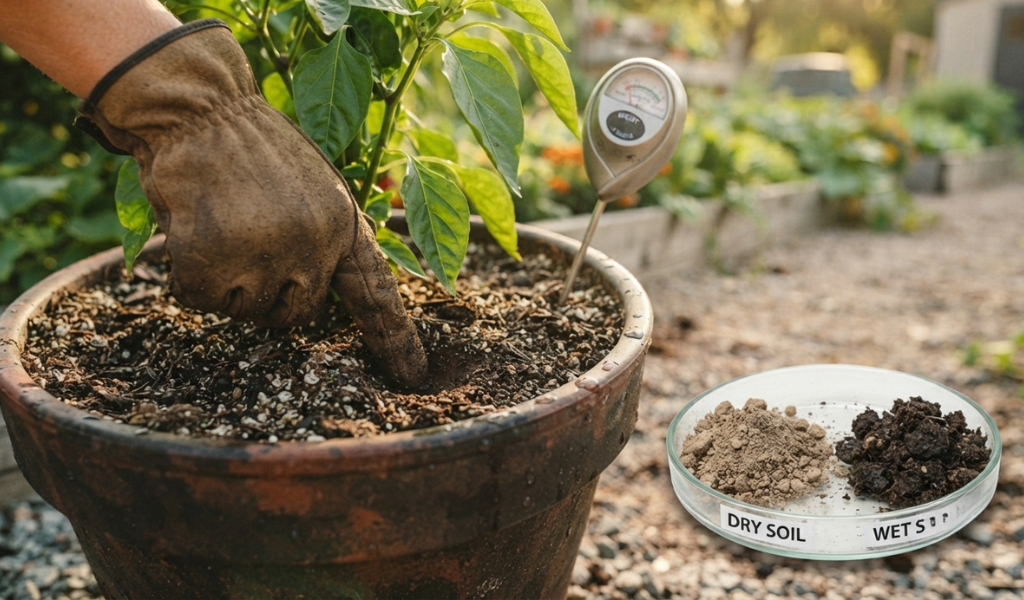
Underwatering and Drought Stress
On the flip side, too little water causes pepper plants to turn yellow as well, but for different reasons. When the plant doesn’t get enough water, it sheds older leaves to conserve what little moisture it has for newer growth and fruit development.
Underwatered plants typically show yellowing that starts at the bottom of the plant, along with dry and brittle soil, wilting during the heat of the day, and leaves that may curl inward at the edges. The fix here is more consistent watering aimed for deep, even moisture rather than frequent shallow watering.
Nutrient Deficiencies (Nitrogen, Magnesium, and Iron)
Pepper plants are heavy feeders. When the soil lacks key nutrients, leaves turn yellow in specific patterns that can help identify exactly what’s missing.
A nitrogen deficiency is the most common. Nitrogen is the nutrient responsible for the green color in leaves. When there’s not enough nitrogen, older leaves at the base of the plant begin to yellow and may eventually drop. Using a balanced fertilizer with a good nitrogen level usually resolves this quickly.
A magnesium deficiency shows up differently. The leaf stays partly green along its veins but turns yellow in between. This pattern is called interveinal chlorosis. Magnesium is what pepper plants need to produce chlorophyll, so when it’s lacking, leaves can’t stay green. Epsom salt (magnesium sulfate) diluted in water is a popular and effective remedy. Many gardeners apply it as a foliar spray or mix it into the soil.
An iron deficiency looks similar to magnesium deficiency but tends to show up on newer leaves near the top of the plant rather than older ones at the base. If new growth is yellowing but the veins remain green, iron availability is often the issue frequently tied to soil pH.
Improper Soil pH
Soil pH has a huge impact on whether pepper plants can actually absorb nutrients, even when those nutrients are present in the soil. Peppers grow best in soil with a pH between 6.0 and 6.8. When pH drifts outside this range, certain nutrients become chemically locked in the soil and unavailable to the plant.
An iron deficiency, for example, often happens not because iron is absent but because the soil is too alkaline for the plant to access it. 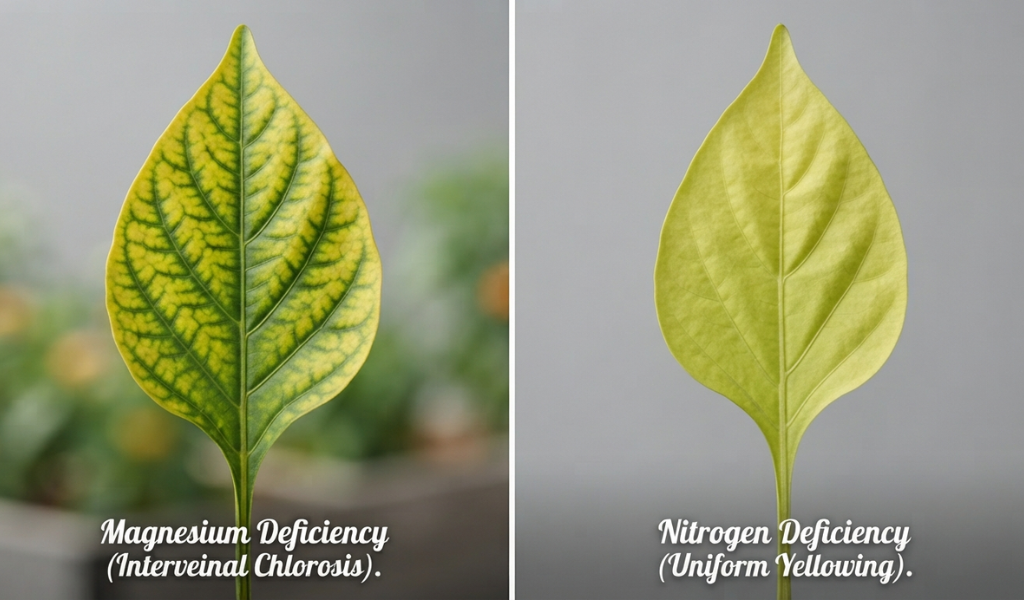 Testing your soil pH with an inexpensive test kit is a smart first step when you notice yellowing leaves and nutrient deficiency symptoms that don’t respond to fertilizing. Adjusting pH with sulfur (to lower it) or garden lime (to raise it) can make a dramatic difference.
Pests and Diseases That Cause Pepper Plants to Turn Yellow
Aphids, Spider Mites, and Whiteflies
These tiny pests feed on pepper plant sap, draining the plant of nutrients and causing leaves to turn yellow, curl, or develop a stippled, washed-out appearance. Aphids cluster on the undersides of leaves and near new growth. Spider mites leave fine webbing between stems and leaves. Whiteflies scatter when you disturb the plant.
Check the undersides of leaves regularly. Catching a pest problem early makes it far easier to treat. Neem oil is a reliable organic option that works against all three. Insecticidal soap is another effective and low-toxicity choice. In severe cases, yellow sticky traps help reduce populations while you treat the plant.
Fungal Diseases and Root Rot
Fungal diseases tend to produce yellow leaves with brown spots, blotches, or rings. Common fungal issues in peppers include Phytophthora blight, Cercospora leaf spot, and Pythium root rot. These diseases thrive in wet, humid conditions often made worse by overwatering, poor drainage, and plants crowded too close together.
Root rot deserves special mention. It develops when roots are consistently waterlogged, and it can kill a pepper plant surprisingly fast. A plant with root rot may look wilted even when the soil is wet, and its roots will appear brown and mushy rather than white and firm when you pull it from the pot. Improving drainage, reducing watering frequency, and applying a fungicide can help if the infection isn’t too advanced.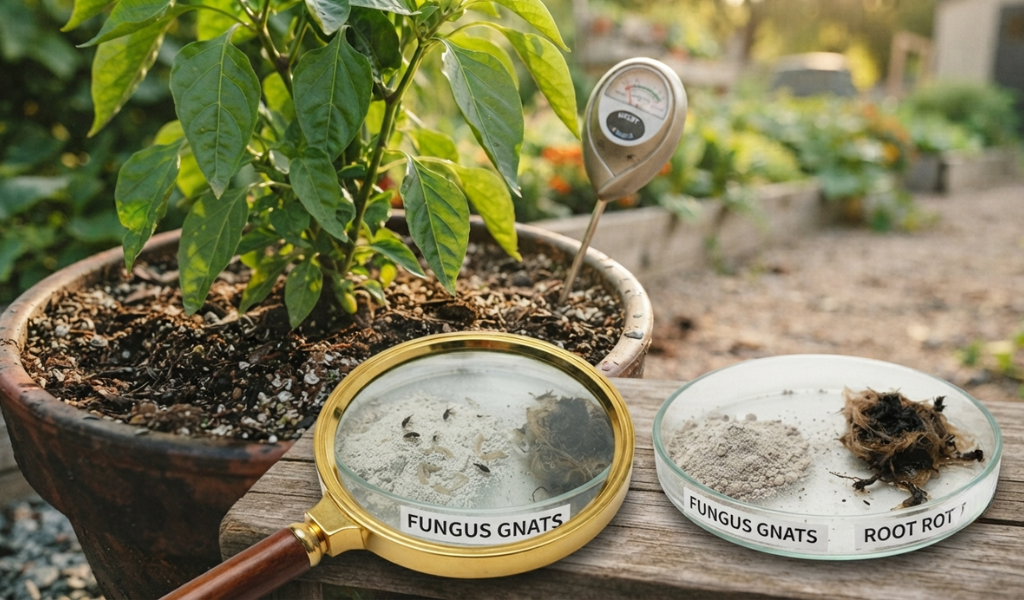
Viral Infections That Lead to Yellow Leaves
Several plant viruses can cause yellow leaves, including Pepper Mild Mottle Virus and Cucumber Mosaic Virus. These infections produce irregular yellowing, mottled or mosaic patterns, and distorted leaf shapes. Unfortunately, there’s no cure for a viral infection. The best approach is to remove and dispose of infected plants to prevent the virus from spreading to healthy ones. Controlling aphids, which are the most common vectors of these viruses, is the best way to prevent them in the first place.
Environmental Factors That Make Pepper Plants Turn Yellow
Too Much or Too Little Sunlight
Peppers need at least 6 to 8 hours of direct sunlight per day. Without enough light, they can’t produce sufficient chlorophyll, and leaves start to yellow and drop. This is particularly common indoors under weak lighting, or when plants are placed in a shaded spot in the garden.
At the same time, extremely intense light especially through glass, or from certain LED grow lights positioned too close can cause sun scorch, which shows up as pale or bleached yellowing on the leaves that receive the most direct light.
Temperature Stress
Pepper plants are warm-weather crops. They prefer temperatures between 70°F and 85°F during the day and get stressed when temps drop below 55°F or climb above 95°F. Cold nights cause leaves to turn yellow and drop, while extreme heat causes wilting and yellowing due to water stress.
If you’re growing peppers in a region with cool springs, wait until nighttime temperatures consistently stay above 55°F before transplanting outdoors.
Transplant Shock and Poor Air Circulation
Moving pepper plants from indoors to outdoors, or from a nursery pot to your garden, causes a period of shock. The plant temporarily loses its ability to absorb water and nutrients efficiently, and some yellowing of lower leaves is normal during this transition. Hardening off plants gradually before full outdoor exposure significantly reduces this stress.
Poor air circulation is another often-overlooked factor. When plants are crowded together, airflow between them drops, humidity stays higher, and fungal diseases become more likely. Make sure pepper plants have enough space to allow air to move freely around them.
How to Fix Yellow Pepper Plants
Adjust Your Watering Schedule
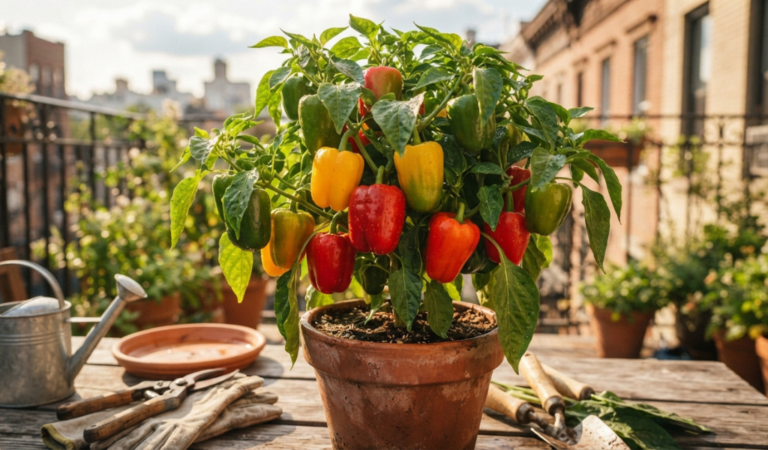
The first and most impactful fix for most gardeners is getting watering right. Water deeply but infrequently. Allow the top inch of soil to dry out between sessions. Use mulch around the base of the plant to retain moisture and reduce evaporation. For potted plants, empty saucers after watering so the roots aren’t sitting in pooled water.
Improve Soil Health and Fertility
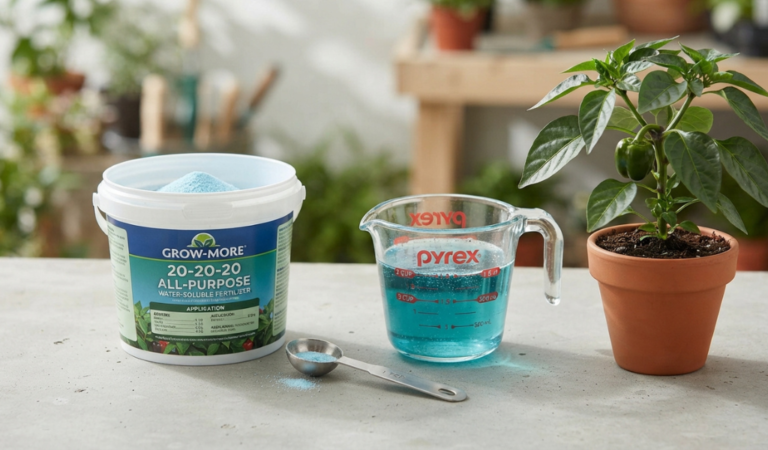
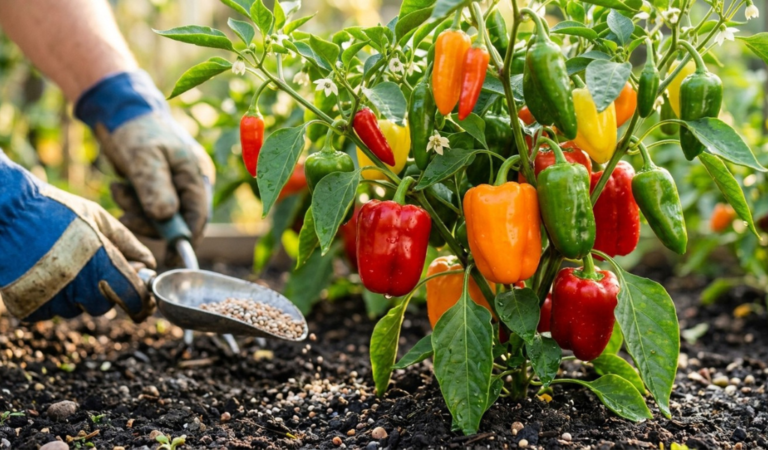
Feed your peppers with a balanced fertilizer throughout the growing season. During early growth, choose a formula with higher nitrogen levels. As the plant begins to flower and fruit, switch to a fertilizer lower in nitrogen and higher in phosphorus and potassium. Add compost to the garden bed to improve soil structure, water retention, and natural fertility. If magnesium deficiency is the culprit, a tablespoon of Epsom salt dissolved in a gallon of water and applied every two to four weeks works well.
Treat Pests and Plant Diseases
Act quickly when you spot pests. Remove heavily infested leaves by hand, then follow up with neem oil or insecticidal soap applied to both the tops and undersides of leaves. Repeat every seven to ten days until the pest population is under control. For fungal diseases, improve drainage and airflow first, then apply a suitable fungicide if needed.
Prune Damaged or Yellow Leaves
Removing yellow, damaged, or dying leaves is good plant care practice. It redirects the plant’s energy toward healthy growth and fruit production, improves airflow, and reduces the chances of disease spreading. Use clean, sharp scissors and cut the leaf stem close to the main stem.
How to Prevent Pepper Plants from Turning Yellow
Maintain Healthy Soil and Proper Drainage
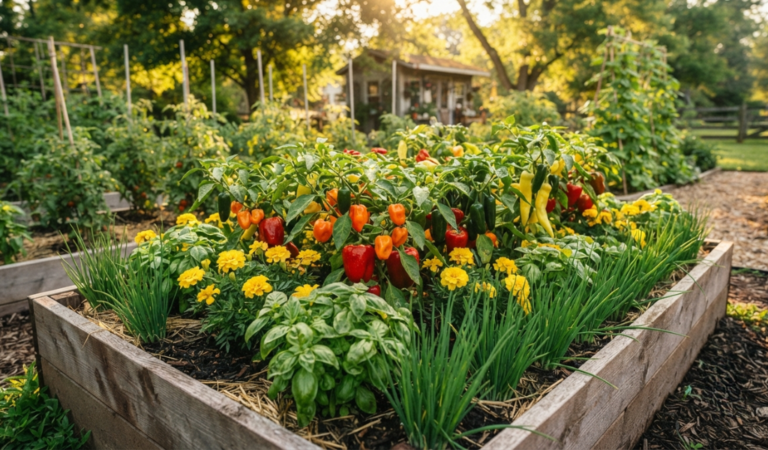
Use well-draining soil that doesn’t compact easily. Raised beds and containers with drainage holes help prevent waterlogged roots. Adding organic matter like compost improves drainage in heavy clay soils while helping sandy soils hold moisture more evenly.
Fertilize Regularly with the Right Nutrients
Consistent fertilizing keeps nutrient levels stable throughout the season. Don’t wait until you see deficiency symptoms. Start feeding pepper seedlings with a diluted, balanced fertilizer once they develop their first true leaves, and keep fertilizing every two to three weeks through the growing season.
Monitor Plants for Early Signs of Stress
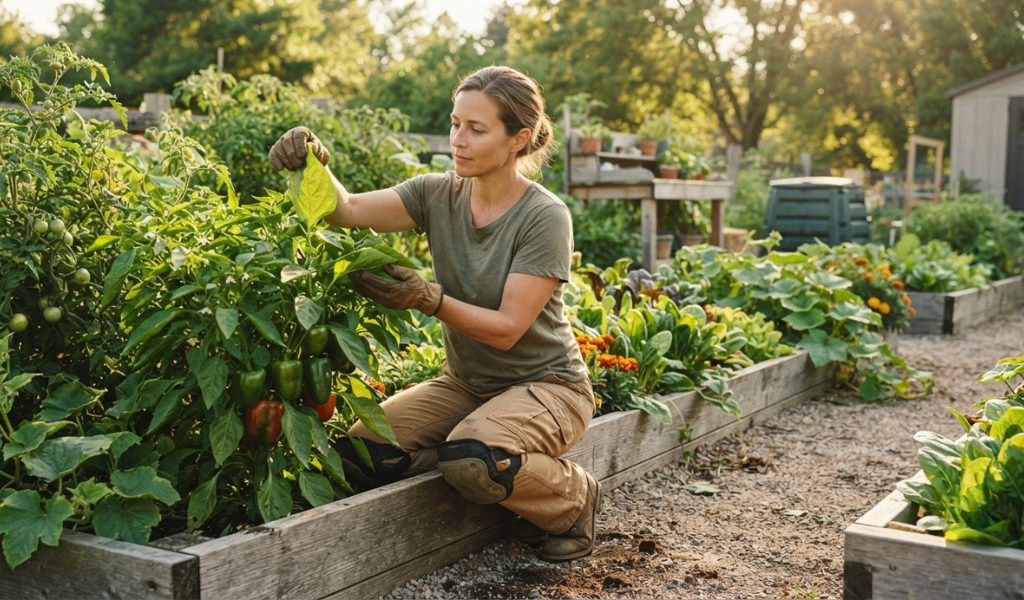
Check your pepper plants every few days, including the undersides of leaves. Catching a pest infestation, a deficiency, or a disease early dramatically increases your chances of saving the plant and protecting your harvest. Keep a simple garden journal if it helps you track watering schedules, fertilizer applications, and any symptoms you notice.
Frequently Asked Questions
Can Yellow Pepper Leaves Turn Green Again?
In most cases, a yellow leaf will not turn green again. Once a leaf loses its chlorophyll and yellows, that change is typically permanent. However, treating the underlying cause will stop more leaves from yellowing and allow the healthy remaining foliage to thrive.
Should You Remove Yellow Leaves from Pepper Plants?
Yes. Removing yellow leaves from pepper plants is generally a good idea, especially if they are fully yellow or damaged. It keeps the plant tidy, reduces disease risk, and allows the plant to put its energy into healthy growth rather than trying to maintain dying leaves.
How Long Does It Take a Pepper Plant to Recover?
Recovery time depends on the cause and how quickly you act. A plant stressed by overwatering or a minor nutrient deficiency can bounce back within one to three weeks once conditions improve. Root rot or a viral infection may be impossible to recover from fully, so early intervention is always better.
Is Epsom Salt Good for Pepper Plants?
Epsom salt can be very beneficial for pepper plants, particularly when magnesium deficiency is the cause of yellowing. It supplies magnesium sulfate directly to the plant. That said, use it only when you suspect or confirm a deficiency. Applying it when plants already have adequate magnesium won’t improve growth and can throw off the soil’s nutrient balance.
What Does an Overwatered Pepper Plant Look Like?
An overwatered pepper plant typically has yellow lower leaves, drooping or wilting despite wet soil, and may develop brown spots or soft stems near the base of the plant. The soil will feel consistently damp or waterlogged, and you may notice a musty smell from the soil, which can signal root rot.
How Do You Fix Yellowing Leaves on Pepper Plants?
Start by identifying the cause. Check your watering habits first. Then examine leaves for signs of pests or disease. Test your soil pH if deficiency symptoms are present. Once you’ve identified the problem, adjust your watering schedule, fertilize with the appropriate nutrients, treat pests if needed, and prune any dying leaves to encourage new growth.
Why Are the Lower Leaves on My Pepper Plant Turning Yellow?
Yellowing that begins at the lower leaves and works its way up the plant usually points to a nitrogen deficiency or overwatering. Both conditions first affect the oldest, most mature leaves at the base of the plant. Improving drainage and applying a nitrogen-rich fertilizer typically resolves this pattern quickly.
Give Your Pepper Plants What They Need
Pepper plants turn yellow for a reason. There’s always an underlying cause, and with a little observation and patience, you can usually identify it and fix it before serious damage is done. The key habits are simple: water consistently without overdoing it, keep the soil well-fed and properly draining, check regularly for pests, and give your plants enough sun and space to grow well.
Healthy pepper plants produce more flowers, more fruit, and fewer problems overall. Start with the basics, stay consistent, and your plants will reward you with a strong harvest.
Meta data
Meta title
Why Are My Pepper Plants Turning Yellow?
Meta description
Pepper plant leaves turning yellow? Discover the most common causes from overwatering to nutrient deficiencies and learn exactly how to fix them fast.