Is Fish Fertilizer Good for Pepper Plants? Expert’s Garden Tips and Guide
Is Fish Fertilizer Good for Pepper Plants? A Complete Guide
Fish fertilizer has been quietly winning over home gardeners for decades. If you grow pepper plants and you’re wondering whether fish emulsion deserves a spot in your garden routine, the short answer is yes. But like most things in gardening, the details matter.
This guide covers everything you need to know about using fish fertilizer on pepper plants: what it does, when to use it, how to apply it, and what to watch out for. Whether you’re growing sweet bell peppers or fiery hot peppers, you’ll find practical advice here that actually works in the garden.
What Is Fish Fertilizer?
Fish fertilizer, often sold as liquid fish emulsion, is an organic fertilizer made from processed fish byproducts. It typically includes fish scraps, bones, and oil that are broken down into a concentrated liquid form. Gardeners dilute this liquid with water before applying it to plants or soil.
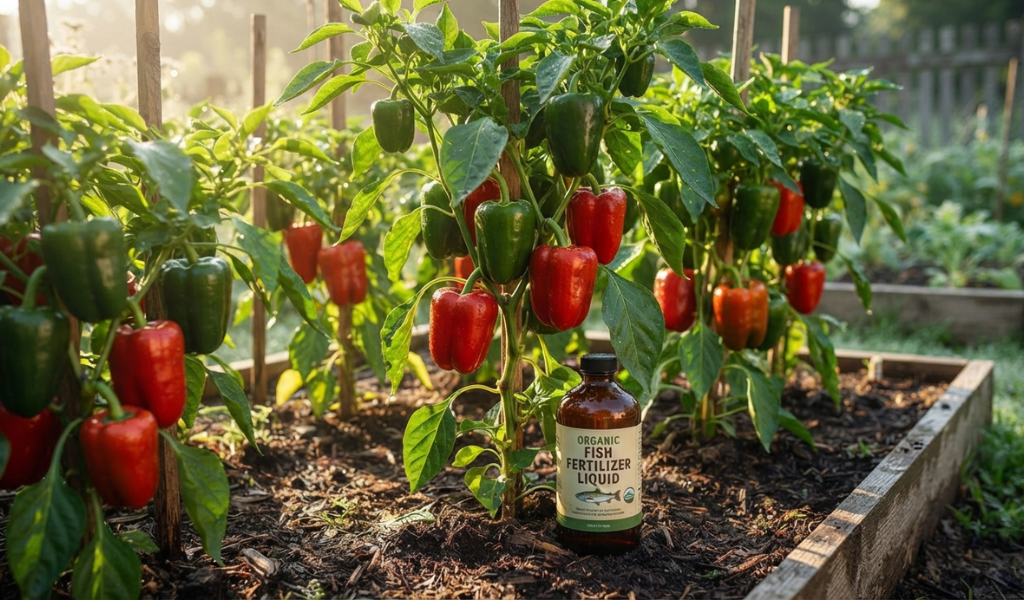
Fish emulsion has been used as a soil amendment for centuries, long before synthetic fertilizers ever existed. Today, brands like Neptune’s Harvest and Alaska Fish Fertilizer have made it easy to find in most garden centers.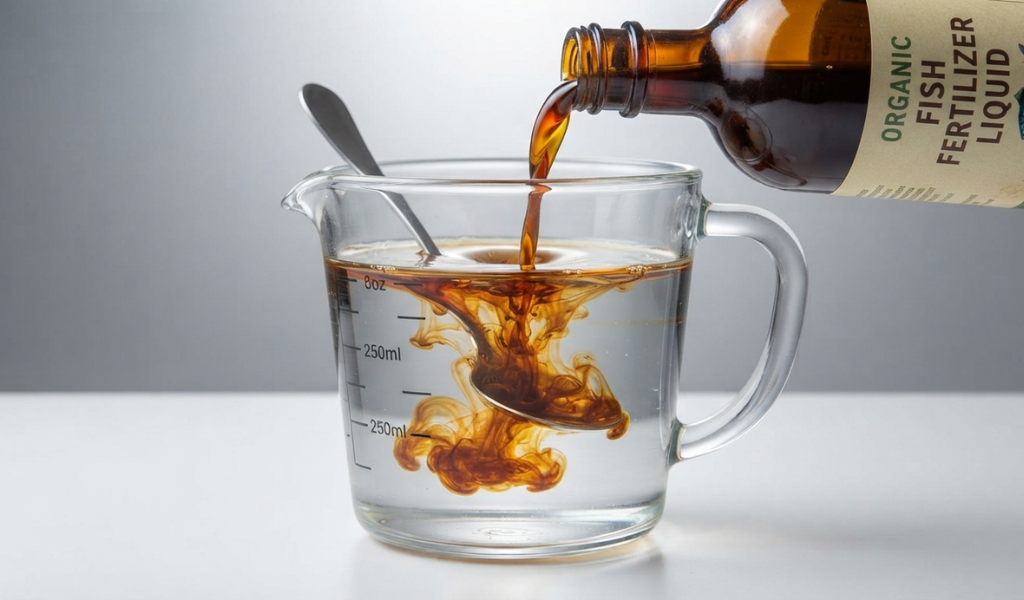
There are two main forms: fish emulsion (which still contains oils and some solids) and fish hydrolysate (cold-processed and richer in nutrients). Both work well for fertilizing peppers, though hydrolysate tends to preserve more trace minerals and enzymes.
What Nutrients Does Fish Fertilizer Provide?
Fish fertilizer is best known for its nitrogen content, which is the nutrient most responsible for leafy green growth. A typical liquid fish emulsion has an NPK ratio around 4-1-1 or 5-1-1, meaning it’s high in nitrogen and lower in phosphorus and potassium.
Beyond NPK, fish fertilizer contains a wide range of micronutrients that many synthetic fertilizers skip entirely. These include calcium, magnesium, sulfur, and various trace minerals like zinc, iron, and manganese. These micronutrients play a quiet but important role in plant health. For example, calcium helps prevent blossom end rot, and magnesium sulfate (commonly known as Epsom salt) supports chlorophyll production.
Many gardeners don’t realize that nutrient deficiencies often show up as yellow leaves. If you notice your pepper plant turning yellow even with fertilizer, it’s worth checking whether your fertilizer actually contains a full spectrum of micronutrients, or if you’re dealing with a soil pH issue that’s blocking absorption.
How Fish Fertilizer Works in Soil
Fish fertilizer does more than just feed plants directly. It feeds the soil itself.
When you apply fish emulsion, the organic matter in it stimulates microbial activity in the root zone. These microbes break down organic material and convert nutrients into forms that plant roots can absorb more easily. Over time, regular use of fish fertilizer can improve soil structure, boost water retention, and create a healthier growing environment overall.
This is a key advantage over many synthetic fertilizers, which deliver nutrients quickly but do nothing for long-term soil health. Fish fertilizer works a bit more slowly, but the benefits compound across the growing season.
Is Fish Fertilizer Good for Pepper Plants?
Yes, fish fertilizer is genuinely good for pepper plants, and many experienced gardeners consider it one of the best organic options available for growing peppers. Here’s why it works so well.
Benefits for Pepper Plant Growth
Pepper plants are heavy feeders. They need consistent nutrients to grow strong stems, produce healthy foliage, and eventually set fruit. Fish emulsion delivers a steady, gentle supply of nitrogen during the early stages of growth, which helps plants establish quickly after transplanting.
The organic nature of fish fertilizer also means it releases nutrients gradually rather than all at once. This reduces the risk of shocking or burning plants, which is a common problem with high-concentration synthetic fertilizers.
How It Supports Healthy Foliage and Roots
Nitrogen from fish fertilizer drives vigorous leaf and stem growth. Well-developed foliage means more surface area for photosynthesis, which ultimately supports better fruit production down the line.
At the root level, the amino acids and enzymes found in fish hydrolysate help stimulate root development. Strong, deep roots give pepper plants better access to water and nutrients in the soil, which matters especially during dry spells or in raised beds where soil moisture can fluctuate.
Benefits of Fish Fertilizer for Peppers
Here’s a quick summary of what fish fertilizer brings to your pepper garden:
- Organic nitrogen source that supports leafy growth without burning roots
- Rich in trace minerals that support overall plant health and fruit development
- Feeds soil microbes, improving long-term soil quality
- Safe for seedlings when properly diluted
- Compatible with other amendments like compost, kelp, and bone meal
- Works as a foliar spray, delivering nutrients directly through leaves for a fast boost
Many gardeners pair fish emulsion with liquid kelp (seaweed extract) for even better results. Kelp adds growth hormones and additional micronutrients that complement the amino acids in fish fertilizer. This combination is especially popular for boosting fruit set in hot peppers and bell peppers alike.
When Should You Use Fish Fertilizer on Peppers?
Timing matters. Using fish fertilizer at the right stages of growth gives you better results than just applying it randomly throughout the season.
During the Seedling Stage
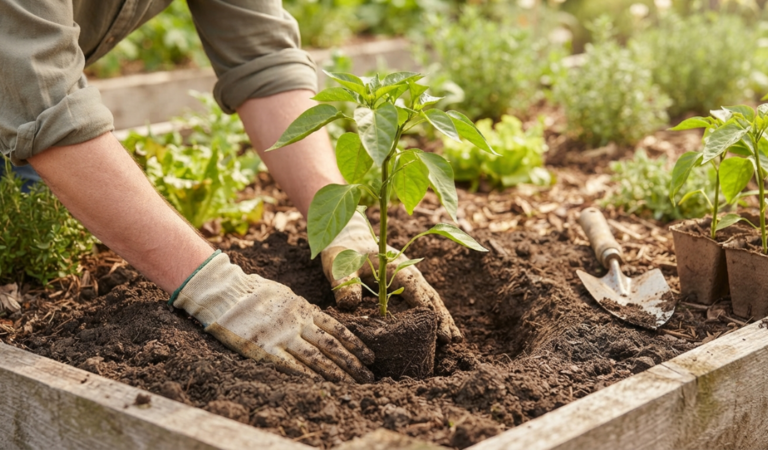
Once pepper seedlings have developed two true leaves, you can start fertilizing with a very diluted fish emulsion solution. At this stage, seedlings are fragile, so use about half the recommended dose on the label. This gives them a gentle nutritional boost without risking fertilizer burn.
Before Flowering and Fruiting
As your pepper plants start to mature and show signs of budding, you can shift your fertilizer strategy. At this point, dial back the nitrogen slightly and consider adding a fertilizer higher in phosphorus and potassium to encourage flowering and fruit development. Fish fertilizer can still be part of the routine, but pairing it with bone meal or a bloom-boosting fertilizer helps direct the plant’s energy toward producing peppers rather than just growing leaves.
During the Growing Season
Throughout the season, fish emulsion applied every 3 to 4 weeks keeps your plants fed without overdoing it. Many gardeners continue light applications all the way through to harvest, especially in containers where nutrients leach out faster than in garden beds.
How to Use Fish Fertilizer on Pepper Plants
Using fish fertilizer correctly makes a big difference. Here’s a straightforward approach.
How to Dilute Fish Fertilizer
Most fish emulsion products recommend mixing about 1 to 2 tablespoons per gallon of water for general use. For seedlings or young transplants, cut that dose in half. Always shake the bottle well before measuring, as the contents tend to settle.
If you’re using it as a foliar spray, a slightly weaker solution works better since you’re applying it directly to leaves rather than drenching the root zone.
How to Apply It to the Soil
The most common method is a soil drench: simply pour your diluted fish emulsion mixture around the base of the plant, targeting the root zone. Avoid splashing it directly onto the stems or foliage if you’re doing a soil application, as this can sometimes cause minor burn or attract pests.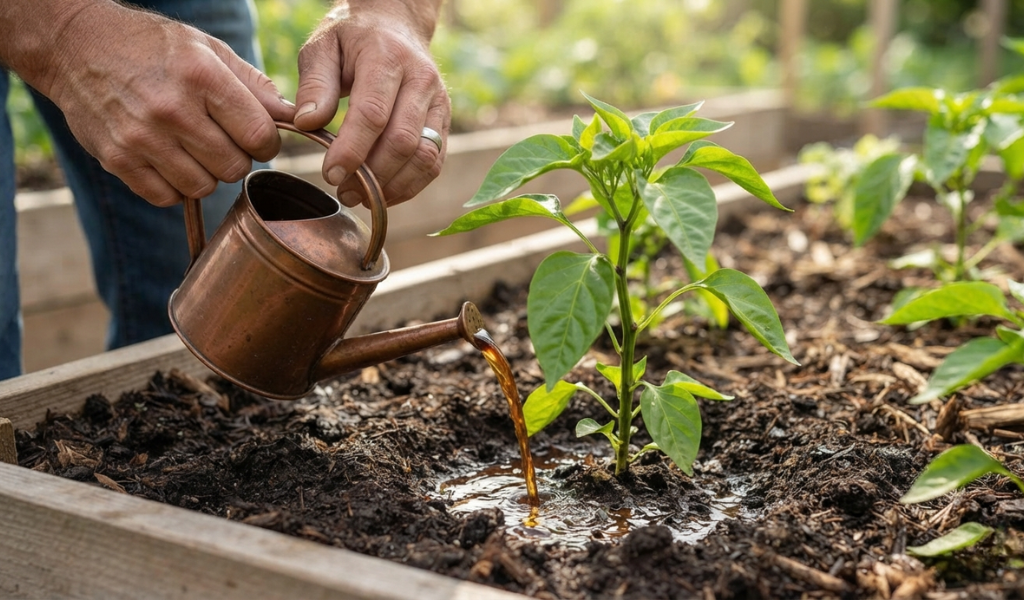
For foliar feeding, use a spray bottle or garden sprayer and apply the diluted mixture directly to both sides of the leaves in the early morning or late afternoon. This gives the plant time to absorb the nutrients before the heat of midday dries the leaves too quickly.
How Often to Fertilize Peppers
Every 3 to 4 weeks is a good general guideline for fertilizing peppers with fish emulsion throughout the growing season. If you’re growing in containers, you might fertilize slightly more often since nutrients wash out faster. In garden beds with good compost-rich soil, less frequent applications are usually enough.
Is Fish Fertilizer Good for Pepper Seedlings?
Fish fertilizer is safe for pepper seedlings as long as you dilute it properly. Young seedlings have delicate root systems, and too much fertilizer at once can stunt growth or cause fertilizer burn.
A quarter to half-strength dilution is ideal for seedlings. Apply it as a gentle drench around the base of the seedling once every few weeks, starting only after the seedling has developed its first true leaves.
When Seedlings Are Ready for Fertilizer
The two true leaves stage is the usual marker. The first pair of leaves that emerge from a pepper seedling are called cotyledons, and they’re part of the seed itself rather than true plant leaves. Once the plant grows its first set of real, serrated leaves (the true leaves), it’s ready to start receiving light fertilizer.
Before this point, the seed contains enough stored energy to support the seedling, and adding fertilizer early can actually cause more harm than good.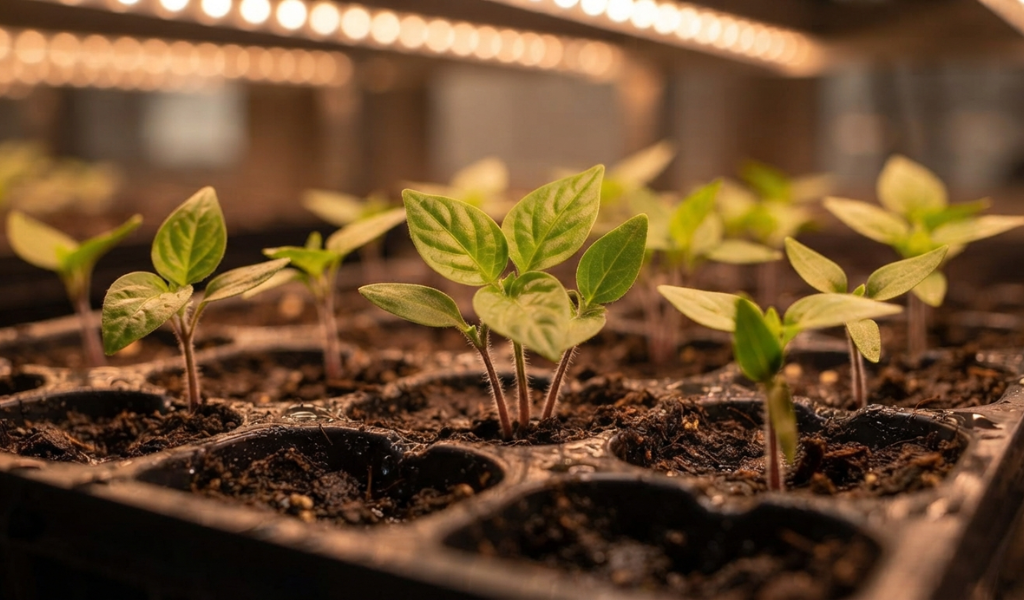
How to Avoid Fertilizer Burn
Fertilizer burn happens when plants receive too much nitrogen at once, causing leaf edges to turn brown and crispy. The good news is that fish fertilizer is far gentler than most synthetic options, so burn is less common. Still, it’s worth following a few simple rules.
Always dilute properly. Never apply fish emulsion at full concentration directly to plants. Water your plants thoroughly before and after applying fertilizer, especially in dry weather. If you’ve already applied too much, flush the soil with plain water to help move excess nutrients out of the root zone. Avoid fertilizing stressed or wilted plants, as they’re more vulnerable to burn.
Fish Fertilizer vs Other Pepper Fertilizers
Every fertilizer has its strengths. Here’s how fish emulsion stacks up against other common options.
Fish Fertilizer vs Balanced NPK Fertilizer
A balanced NPK fertilizer (like a 10-10-10 granular) delivers equal amounts of nitrogen, phosphorus, and potassium. This works well for general vegetable gardening, but it doesn’t offer the micronutrients or soil biology benefits that fish fertilizer provides. For peppers specifically, a balanced NPK fertilizer during the fruiting stage can sometimes push too much nitrogen, leading to lots of leaves but fewer peppers.
Fish emulsion, with its lower and more variable NPK, tends to be more forgiving and better suited for organic growing systems.
Fish Fertilizer vs Compost
Compost is a soil amendment more than a fertilizer. It improves soil structure, adds organic matter, and releases nutrients slowly over a long period. Fish fertilizer delivers nutrients more directly and quickly. The two work well together: use compost as a base amendment when planting, and fish emulsion as a liquid boost throughout the season.
Choosing the Right Fertilizer for Peppers
For most home gardeners, the best approach is a combination. Start with compost-rich soil, use fish emulsion early in the season when nitrogen demand is high, then transition to a lower-nitrogen fertilizer with more phosphorus and potassium as plants begin to flower. Adding liquid kelp and occasional Epsom salt treatments rounds out a solid organic fertilizing plan for peppers.
Potential Problems With Fish Fertilizer
Fish fertilizer isn’t perfect. There are a few things to watch out for.
Can Too Much Fish Fertilizer Harm Peppers?
Yes. Applying fish emulsion too frequently or in too high a concentration can cause overfertilization. The most common result is excessive leafy growth with poor fruit set. In extreme cases, the roots can be damaged, leading to wilting and yellowing leaves even in plants that appear well-watered. If your pepper plant is turning yellow even with fertilizer, overfertilization or a soil pH imbalance are the first two things worth checking.
Odor and Pest Concerns
Fish fertilizer smells. There’s no getting around it. The smell usually fades within a day or two after application, but in the meantime it can be unpleasant, especially if you’re gardening indoors or in a greenhouse. The odor can also attract animals like raccoons, cats, or dogs to your garden beds. Watering the fertilizer into the soil rather than leaving it on top helps minimize the smell.
Signs of Overfertilization
Watch for these warning signs in your pepper plants:
- Leaves turning yellow, especially older leaves lower on the plant
- Brown or crispy leaf edges
- Wilting despite adequate moisture
- Slowed or stunted growth
- Lots of green growth but no flowers or fruit
If you see any of these signs, hold off on fertilizing for a few weeks and water deeply to flush excess nutrients from the soil.
Tips for Growing Healthy Pepper Plants
Fertilizer alone won’t save a pepper plant grown in poor conditions. Here’s what else matters.
Proper Sunlight and Watering
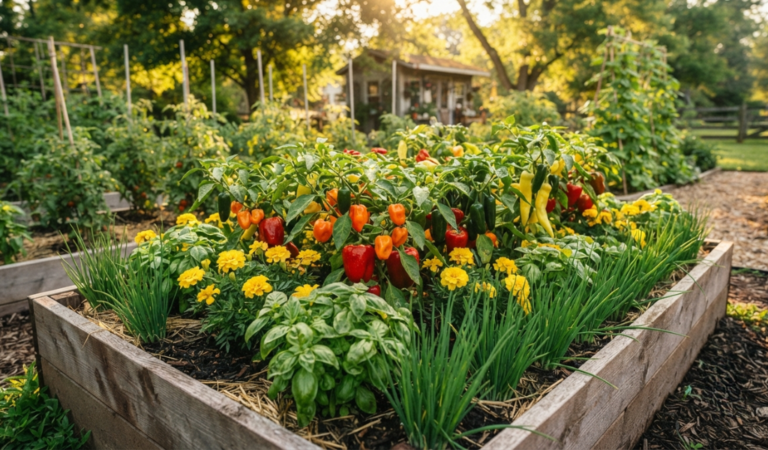
Peppers need full sun, ideally six to eight hours of direct sunlight per day. In cooler or cloudy climates, choosing a south-facing garden bed or using a raised bed in a warm spot can make a big difference. Consistent watering is equally important. Peppers prefer moist but not waterlogged soil. Inconsistent watering leads to problems like blossom drop and poor fruit development.
Soil and Drainage Requirements
Pepper plants thrive in loose, well-draining soil with a pH between 6.0 and 6.8. If your soil pH is too low or too high, plants can’t absorb nutrients properly, which is a common reason why pepper plant leaves turn yellow even when fertilizer is applied regularly. Before the season starts, do a basic soil test to understand where your pH sits. Amending with lime to raise pH or sulfur to lower it costs very little and can dramatically improve results.
Good drainage is also critical. Waterlogged soil suffocates roots and creates conditions for fungal disease. Adding compost or mulch helps regulate soil moisture and keeps the root zone healthy.
Supporting Flower and Fruit Production
Once your pepper plants start flowering, a few small adjustments can increase your yield. Avoid high-nitrogen fertilizers at this stage, as they tend to promote leafy growth at the expense of fruit. Make sure plants are getting consistent water, as fluctuating moisture levels can cause flowers to drop before they’re pollinated. Some gardeners also give their plants a light application of Epsom salt (dissolved in water) during the flowering period, since magnesium sulfate supports fruit development and can help deepen the color and flavor of hot peppers and bell peppers alike.
Final Thoughts on Using Fish Fertilizer for Pepper Plants
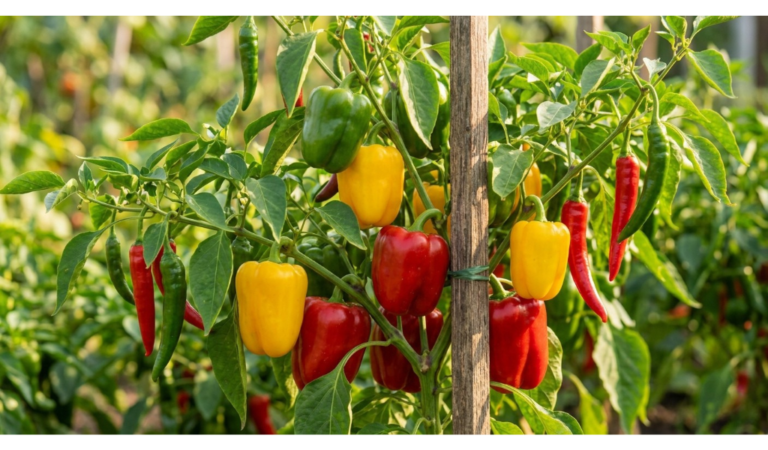
Fish fertilizer is a reliable, organic option for gardeners who want to fertilize pepper plants without relying on synthetic chemicals. It provides a good source of nitrogen along with a range of micronutrients that support healthy foliage, root development, and fruit production. When used correctly and timed well throughout the growing season, fish emulsion can genuinely improve the health and yield of both hot peppers and sweet bell peppers.
The key is balance. Dilute properly, don’t over-apply, pair it with other amendments like compost and kelp, and pay attention to what your plants are telling you. A healthy pepper plant with deep green leaves, strong stems, and plenty of flowers is the best sign that your fertilizing plan is working.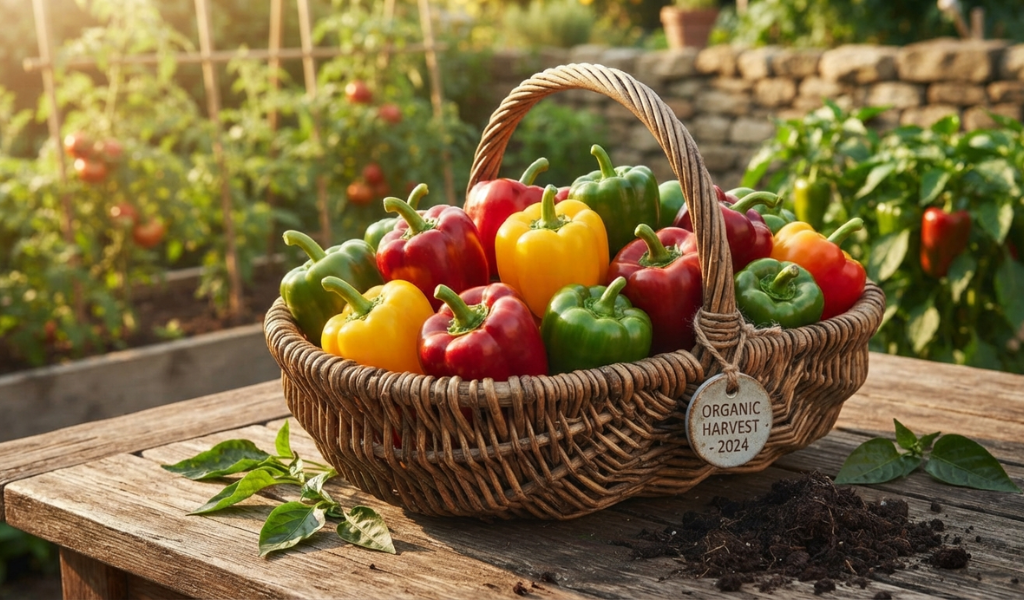
If you’re just getting started with growing peppers, fish emulsion is a forgiving and beginner-friendly fertilizer to work with. Give it a try this season and see the difference it makes.
Frequently Asked Questions About Fish Fertilizer for Peppers
When should you fertilize pepper plants?
Start fertilizing after transplanting, once plants have settled in for about a week. Use fish emulsion every 3 to 4 weeks throughout the growing season. Reduce nitrogen-heavy fertilizers once the plants begin to flower and focus more on phosphorus and potassium to support fruit development.
What is the best fertilizer for pepper plants?
There’s no single best fertilizer, but many gardeners find that a combination of fish emulsion, compost, and liquid kelp gives excellent results for peppers. Fish emulsion covers nitrogen and micronutrients, compost improves soil structure, and kelp supports flowering and fruit set.
Is fish fertilizer better than Miracle-Gro for peppers?
Fish fertilizer and Miracle-Gro serve different purposes. Miracle-Gro delivers quick, high-concentration synthetic nutrients. Fish fertilizer works more slowly, builds soil health over time, and provides trace minerals that synthetic fertilizers often lack. For organic gardeners or those focused on long-term soil quality, fish fertilizer is generally the better choice. For fast results in poor soil, Miracle-Gro may show quicker short-term gains.
Which plants do not like fish fertilizer?
Most vegetables and garden plants respond well to fish fertilizer when properly diluted. However, plants that prefer low-nutrient conditions, such as cacti, succulents, and some native plants, may be harmed by the nutrient boost. Also avoid applying fish fertilizer heavily to plants already growing in nitrogen-rich soil, as this can lead to overfertilization.
How do I make peppers grow faster?
Consistent sunlight, warm soil, regular watering, and appropriate fertilizing are the foundations of fast pepper growth. Starting seeds indoors 8 to 10 weeks before your last frost date gives plants a head start. Using black plastic mulch warms the soil and speeds up early growth. Light, regular applications of fish emulsion during the vegetative stage help plants establish quickly after transplanting.
Why are my pepper plants turning yellow even with fertilizer?
Yellowing leaves despite regular fertilizing often points to a soil pH problem. If the pH is outside the ideal range of 6.0 to 6.8, plants can’t absorb nutrients properly, no matter how much fertilizer you apply. Other causes include overwatering, root disease, or a deficiency in specific micronutrients like magnesium or iron. Do a soil test, check your watering habits, and consider whether you may be overfertilizing.
Can I use fish fertilizer on peppers grown indoors?
Yes, but be prepared for the smell. Fish emulsion has a strong odor that can be quite noticeable in enclosed spaces. Use a well-diluted solution and water it directly into the soil rather than as a foliar spray to minimize the scent. Open windows after applying and the smell should fade within a day or two.