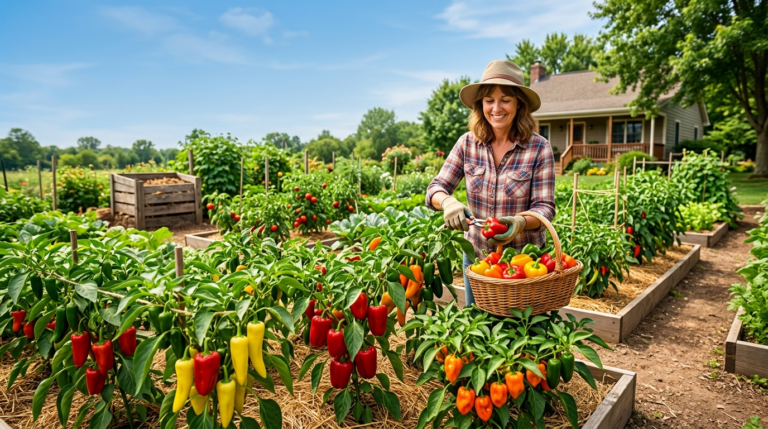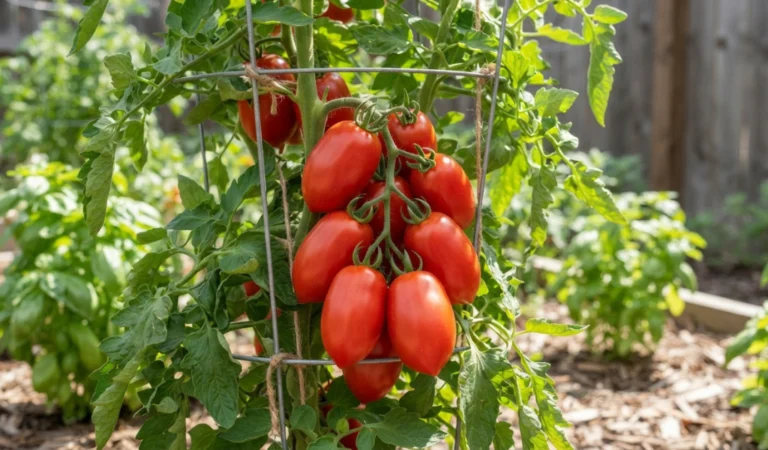
What Are Common Pepper Growing Mistakes: The Mistakes Most Gardeners Make
What Are Common Pepper Growing Mistakes? A Guide for Every Gardener
The most common pepper growing mistakes include choosing the wrong variety for your climate, starting seeds too early or late, overwatering, providing too little sunlight, and ignoring pests and diseases. Avoiding these mistakes gives pepper plants the best chance to thrive and produce a full harvest.
Peppers are one of the most rewarding vegetables you can grow in a home garden. They come in a huge range of shapes, colors, and heat levels from mild sweet peppers to scorching hot varieties that push your taste buds to their limits. But for all their appeal, peppers can be surprisingly finicky. Many gardeners put in real effort and still end up with pepper plants not growing well, dropping flowers, or producing little to no fruit.
The truth is, most pepper growing mistakes are completely avoidable once you know what to look for. Whether you’re new to growing peppers or you’ve been at it for a few seasons and keep running into the same problems, this guide breaks down exactly where things tend to go sideways and what you can do differently. From seed starting and watering to fertilizer, spacing, and pest control, you’ll find practical, straightforward answers here.
Let’s start from the beginning.
Choosing the Wrong Pepper Variety
One of the first and most overlooked pepper growing mistakes happens before you even put a seed in the ground. Not all pepper varieties are built for the same conditions, and picking the wrong one for your climate or growing space can set you up for frustration right from the start.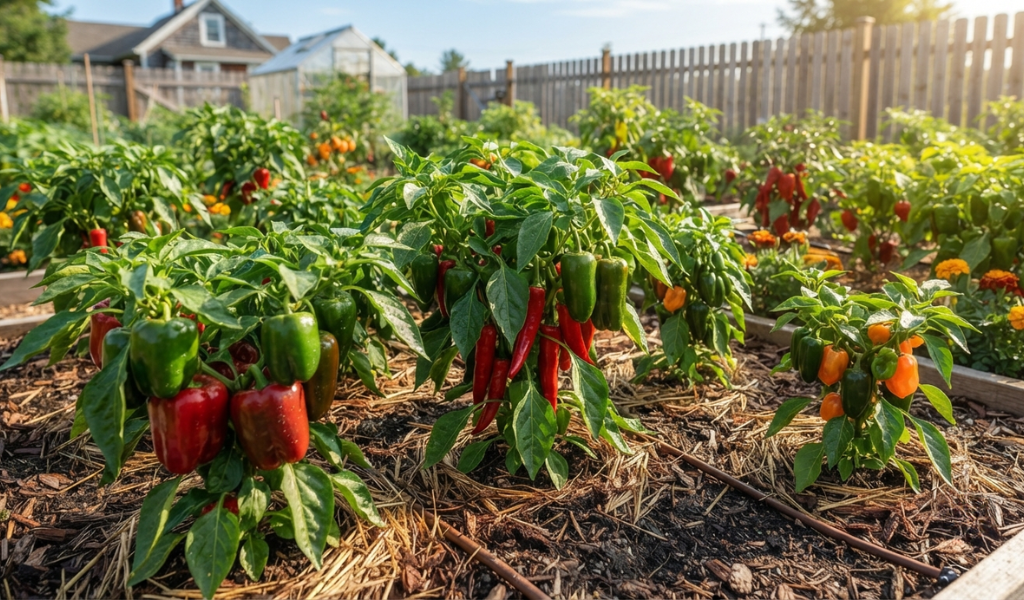
Matching Pepper Varieties to Your Climate
Peppers thrive in warm conditions, but there’s a big difference between a variety bred for a long, hot summer and one that can handle a shorter growing season. In cooler climates, slow-maturing hot peppers like habaneros or ghost peppers often struggle to ripen before the first frost arrives. A better approach is to check your local average last frost date and match it to the days-to-maturity listed on the seed packet.
If you live somewhere with a short summer, look for pepper varieties that mature in 60 to 75 days. In warmer regions with long growing seasons, you have a lot more flexibility.
Common Beginner Mistakes When Selecting Pepper Seeds
Many gardeners who are new to growing peppers make the mistake of buying seeds based on looks alone. A beautiful photo on a packet doesn’t tell you much about whether that variety suits your garden. Before purchasing, consider:
- Days to maturity: Does this fit your growing season?
- Heat tolerance: Will the plant handle your summer temperatures?
- Disease resistance: Some varieties are bred to resist common fungal and bacterial problems.
Another common mistake is buying old or cheap seeds from unreliable sources. Low-quality seeds have poor germination rates, which wastes time and money. Stick to reputable seed companies and always check the pack date.
Best Pepper Types for Containers and Garden Beds
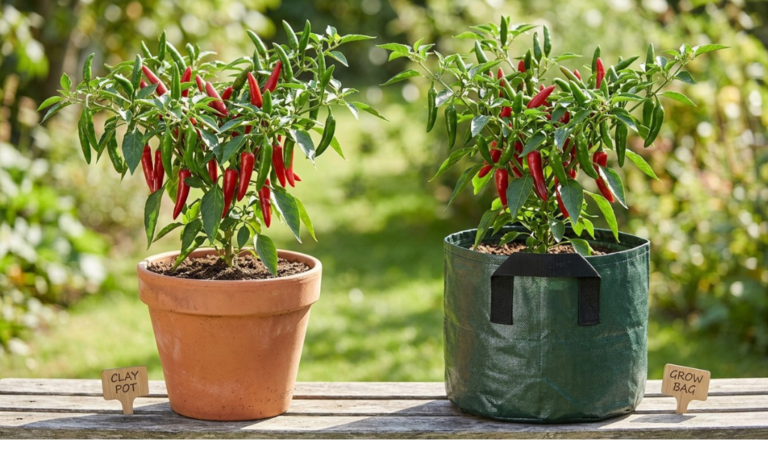
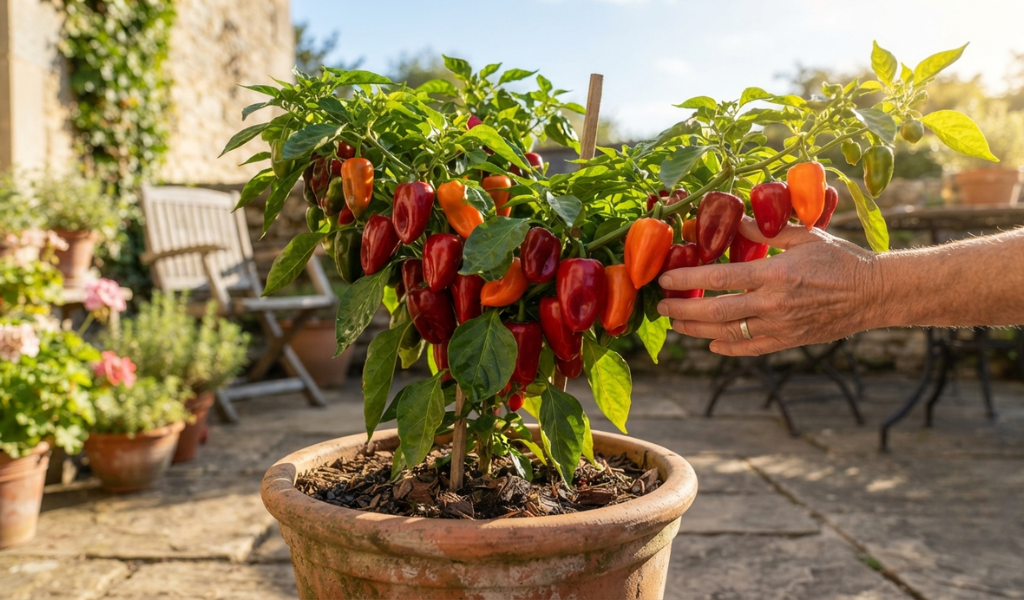
Not every pepper plant fits every growing space. If you’re growing in pots on a balcony or a small patio, compact varieties like Lunchbox, Shishito, or smaller ornamental hot peppers are a much better fit than large, bushy plants. Larger sweet peppers and long cayennes do well in open garden beds where they have room to spread.
Choosing a variety suited to your actual space rather than just what looks exciting makes a real difference in plant health and harvest.
Starting Peppers Incorrectly from Seed
Getting the seed starting process right is critical. Peppers are slow to germinate and slow to develop, so small mistakes at this stage can ripple through the entire growing season.
Planting Seeds Too Early or Too Late
Timing matters more with peppers than with almost any other vegetable. Start seeds too early, and you’ll end up with large, root-bound seedlings sitting in trays indoors, waiting for the soil to warm up. Start them too late, and the plants won’t have enough time to mature and produce fruit before cold weather arrives.
A good rule of thumb is to start pepper seeds indoors 8 to 10 weeks before your average last frost date. This gives seedlings enough time to develop properly without getting leggy or stressed before transplanting.
Using Poor-Quality Soil or Seed Starting Mix
Regular garden soil is not appropriate for seed trays. It compacts easily, drains poorly, and often carries pathogens that can harm or kill young seedlings. Always use a quality seed starting mix that’s light, sterile, and designed to support germination and early root development.
Adding a small amount of perlite to your mix improves drainage and prevents the soggy conditions that lead to damping off a fungal disease that kills seedlings right at the soil line. This is a mistake many gardeners don’t realize they’re making until they see their seedlings collapse overnight.
Providing the Wrong Temperature for Germination
Pepper seeds need warm soil to germinate reliably. The ideal soil temperature for germination is between 80 and 85 degrees Fahrenheit. At cooler temperatures, germination slows down significantly, and some seeds won’t sprout at all.
A seedling heat mat placed under your seed trays solves this problem. Pair it with a humidity dome to retain moisture, and most pepper seeds will germinate within 7 to 14 days. Without adequate warmth, you might wait three weeks or more and still see poor results.
Once seedlings emerge, remove the humidity dome and move the tray to a bright location or under grow lights. Insufficient light at this stage causes thin and leggy seedlings that struggle after transplanting.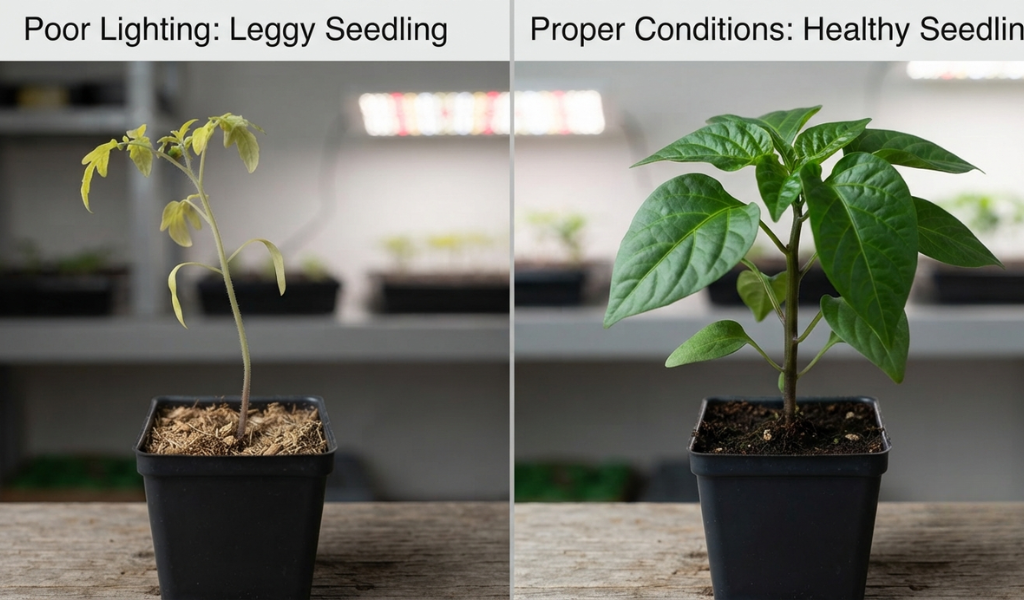
Watering Mistakes That Harm Pepper Plants
Water is one of the most common problem areas for pepper growers. Both too much and too little water cause serious damage, and the symptoms can look similar at first glance, which makes diagnosing the issue tricky.
Overwatering and Root Rot Problems
Overwatering is probably the single most widespread mistake among home gardeners. When pepper plants sit in consistently wet soil, the roots are deprived of oxygen and begin to rot. You’ll typically notice yellowing leaves, wilting even when the soil is wet, and stunted new growth.
The fix isn’t complicated but does require a change in habit. Before watering, push your finger about an inch into the soil. If it still feels damp, wait another day. Pepper plants don’t like wet feet, and letting the top layer of soil dry out slightly between waterings keeps roots healthy.
Good drainage is equally important. Whether you’re growing in garden beds or pots, make sure water can escape freely. Pots must have drainage holes. Garden beds benefit from loose, well-amended soil that doesn’t stay waterlogged.
Underwatering and Drought Stress
On the other side, pepper plants that don’t get enough water struggle to move nutrients from the soil into the plant. This interrupts fruit development and can cause blossom-end rot a condition where the bottom of the fruit turns dark and sunken. Despite its appearance, blossom-end rot isn’t a disease. It’s a calcium deficiency caused by inconsistent watering that disrupts calcium uptake.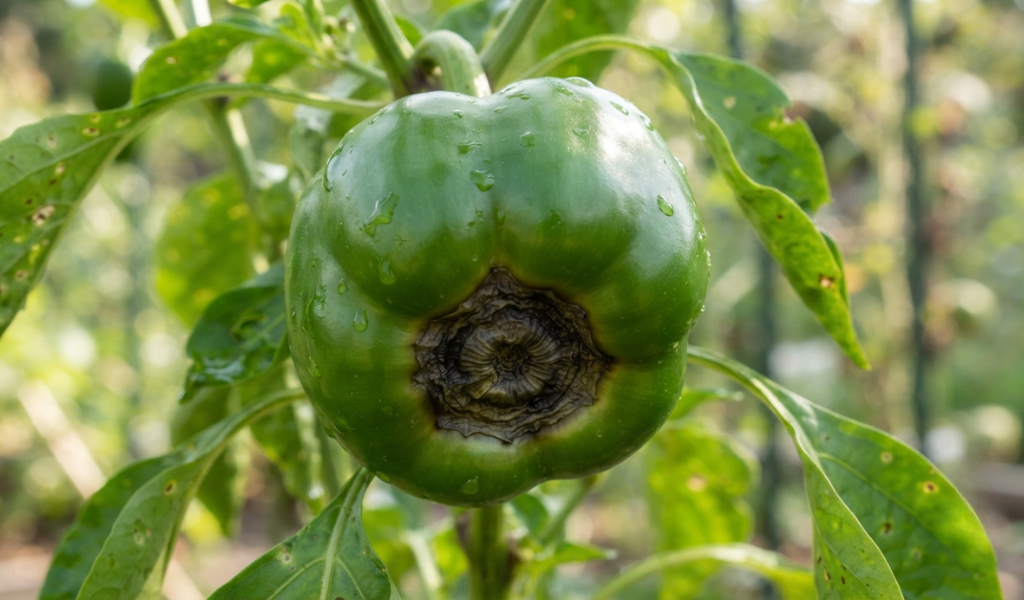
During hot temperatures, peppers need more water than usual. A plant that wilts in the heat of the afternoon might recover by evening, but repeated drought stress weakens the plant over time and reduces your harvest.
How to Water Pepper Plants the Right Way
Most established pepper plants need about one inch of water per week, but this varies based on temperature, soil type, and whether they’re growing in pots or garden beds. Container plants dry out much faster than those in the ground and may need watering every day during hot weather.
Water deeply and less frequently rather than giving plants a light sprinkle every day. Deep watering encourages roots to grow downward, which helps plants access water and nutrients more efficiently. Drip irrigation or soaker hoses are excellent options for consistent, controlled watering.
Providing Inadequate Light and Nutrients
Even if your watering is perfect, pepper plants won’t perform well without enough sun and proper nutrition. These are two areas where many gardeners underestimate what peppers actually need.
Why Pepper Plants Need Full Sun
Peppers are sun-loving vegetables. They need six to eight hours of direct sunlight per day to grow well and produce fruit. Planting them in a spot that gets partial shade might keep them alive, but you’ll likely end up with slow plant growth, few flowers, and a disappointing harvest.
One thing to watch for in very hot climates is sunscald a condition where fruit exposed to intense afternoon sun develops pale, papery patches. If sunscald is a problem in your garden, a light shade cloth during the hottest parts of the day can protect the fruit without significantly reducing the light the plant receives.
Common Fertilizer Mistakes to Avoid
Fertilizing peppers incorrectly is another frequent mistake. Too much nitrogen early in the season pushes the plant to grow lots of lush leaves but delays or even prevents flowering. Nitrogen is important, but once the plant starts to flower, you should scale back and shift toward a fertilizer higher in phosphorus and potassium to support fruit development.
Many gardeners also forget to fertilize at all after transplanting. Peppers are heavy feeders, and once the nutrients in your starting soil are depleted, plant growth slows noticeably. A balanced fertilizer applied every two to three weeks during the growing season keeps pepper plants productive.
Identifying Nutrient Deficiencies in Pepper Plants
Yellowing leaves are the most visible sign of a nutrient problem, but different deficiencies show up in different ways. Pale yellow leaves across the whole plant often indicate a nitrogen deficiency. Purple-tinged leaves can point to a phosphorus issue though this is also common in seedlings exposed to cold temperatures. Doing a soil test at the start of the season tells you exactly what your garden beds need, so you’re not guessing.
Poor Plant Care and Maintenance Practices
Day-to-day care decisions have a bigger impact than most people realize. Spacing, support, and soil management all contribute to whether your pepper plants thrive or just survive.
Incorrect Spacing That Reduces Airflow
Growing too closely together is a surprisingly common mistake. When pepper plants are crowded, airflow between them drops sharply. Poor airflow creates humid conditions where fungal diseases spread quickly. It also means plants have to compete for light, water, and nutrients.
For most pepper varieties, a spacing of 18 to 24 inches between plants is appropriate. Give them room to fill out, and you’ll see better plant health and a bigger harvest as a result.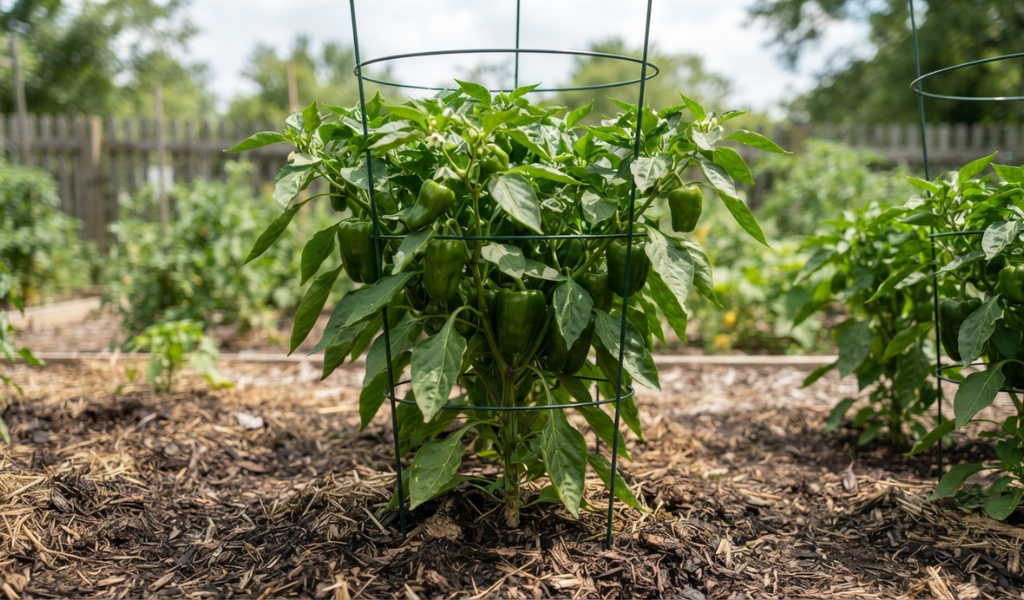
Failing to Prune or Support Pepper Plants
Taller pepper varieties, especially large bell peppers and long cayennes, benefit from staking. Without support, branches can snap under the weight of developing fruit. A simple wooden stake or tomato cage works well.
Light pruning early in the season also helps. Removing the first flower bud that appears, known as the “first flower” or “king bloom,” encourages the plant to put more energy into growing before it starts producing fruit. This results in a stronger plant and a better yield over the full season.
Ignoring Weeds, Mulch, and Soil Health
Weeds compete directly with pepper plants for water and nutrients. Letting them go unchecked especially early in the season can slow plant growth noticeably. A layer of mulch around the base of each plant controls weeds, retains soil moisture, and helps regulate soil temperature as the weather heats up.
Compost worked into the soil before planting improves structure, drainage, and nutrient availability. Peppers and tomatoes are both heavy feeders with similar soil needs, so the same soil prep you’d do for tomatoes works well for peppers too.
Ignoring Pests, Diseases, and Environmental Stress
Even a well-cared-for pepper plant can run into trouble if pests, diseases, or extreme weather aren’t addressed promptly.
Common Pepper Pests and How to Control Them
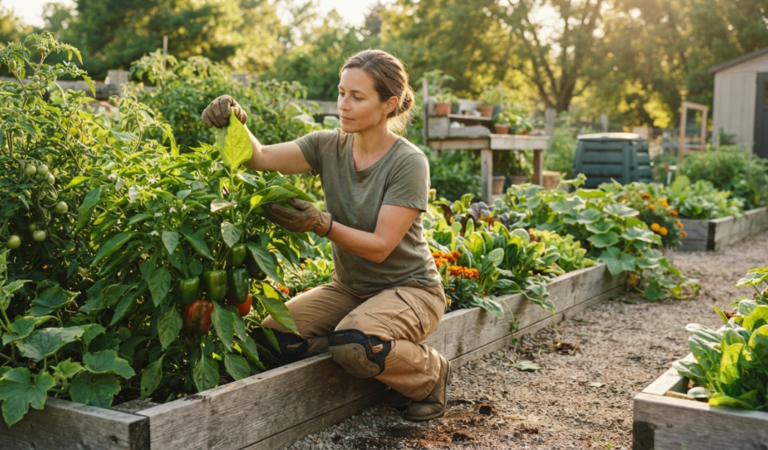
Aphids, spider mites, and thrips are the most common pests to watch for. Aphids cluster on new growth and under leaves, sucking sap and weakening the plant. A strong spray of water knocks them off, and neem oil or insecticidal soap handles persistent infestations.
Check plants regularly. Catching a pest problem early is far easier than dealing with a full-blown infestation that has spread through your garden.
Preventing Fungal and Bacterial Diseases
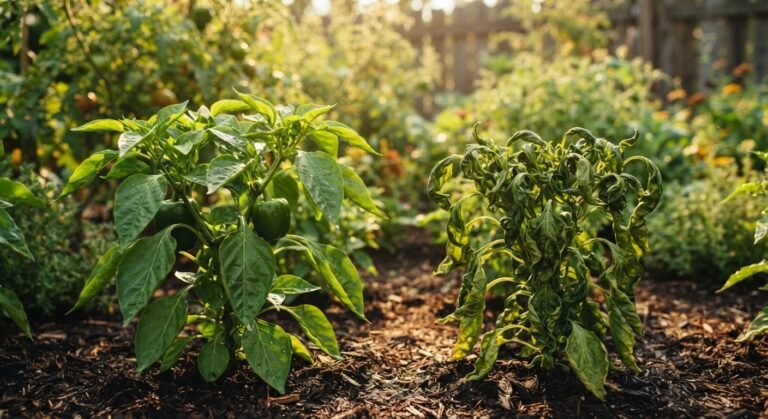
Bacterial leaf spot and powdery mildew are two of the most frequent diseases affecting pepper plants. Bacterial leaf spots show up as small, water-soaked spots that turn dark and may cause leaf drop. It spreads quickly in wet, warm conditions especially when plants are crowded or watered from overhead.
Avoid wetting the foliage when watering, improve spacing for better airflow, and remove affected leaves promptly. Copper-based sprays can help manage bacterial issues when used at the first sign of infection.
Protecting Pepper Plants from Heat, Wind, and Cold
Peppers love warmth but have clear limits. Nighttime temperatures below 55 degrees Fahrenheit can slow growth and cause flowers to drop. At the other extreme, temperatures consistently above 90 degrees during flowering can also cause blossoms to fall before they set fruit.
If you’re dealing with late cold snaps, a frost cloth or row cover provides temporary protection. In consistently hot climates, watering deeply in the morning and using mulch to keep the soil cool helps peppers manage heat stress through the growing season.
Final Thoughts: Grow Peppers with Confidence
Pepper growing mistakes are easy to make, but they’re just as easy to avoid once you understand what peppers actually need. Start with the right variety for your climate, get your seed starting timing right, water consistently, give plants plenty of sun, and stay on top of pests and diseases. These aren’t complicated steps, they just require attention.
The difference between a struggling pepper plant and a productive one usually comes down to a few small decisions made at the right time. Apply what you’ve learned here, and your pepper crop this season should be your best one yet.
Frequently Asked Questions
What Is the Biggest Mistake When Growing Peppers?
The single biggest mistake is inconsistent watering. Both overwatering and underwatering cause significant damage root rot on one end, blossom-end rot and nutrient deficiency on the other. Developing a consistent watering routine based on soil conditions rather than a fixed schedule makes the largest difference in pepper plant health.
Why Are My Pepper Plants Growing Slowly?
Slow plant growth is usually caused by one or more of the following: insufficient sunlight, low soil temperatures, overwatering, or a lack of nutrients. Peppers won’t grow actively when nighttime temperatures drop below 55 degrees, so if you’ve transplanted too early in the season, the plants will simply sit until the soil warms up.
How Often Should I Water Pepper Plants?
Most pepper plants need about one inch of water per week. In hot weather or when growing in pots, you may need to water every one to two days. Always check the soil before watering stick your finger an inch into the soil and wait if it still feels moist. Deep, infrequent watering is better than shallow, daily watering.
Can Too Much Fertilizer Damage Pepper Plants?
Yes. Over-fertilizing, especially with a high-nitrogen fertilizer, pushes the plant to produce dense foliage at the expense of fruit production. It can also cause fertilizer burn, which damages roots and leads to wilting and leaf scorch. Follow the label instructions and ease off nitrogen once your plants begin to flower.
Why Are My Pepper Flowers Falling Off?
Blossom drop is most often caused by temperature stress, either from nights that are too cold or days that are too hot. Inconsistent watering and overwatering can also trigger it. Ensure nighttime temperatures stay above 55 degrees, water consistently, and avoid over-fertilizing with nitrogen during the flowering stage.
How Can I Increase My Pepper Harvest?
To get more fruit, focus on full sun exposure, consistent watering, and proper fertilization during the fruiting stage. Removing the first flower bud early in the season, staking tall varieties, and keeping up with pest control all contribute to a bigger harvest. Picking fruit regularly as it matures also encourages the plant to keep producing.
What Should I Do If My Pepper Plants Stop Producing Fruit?
If pepper plants aren’t growing fruit mid-season, check for heat stress, nutrient imbalance, or pest damage first. A high-phosphorus fertilizer can sometimes kickstart fruiting again. Make sure the plants are getting six to eight hours of sunlight daily and that watering is consistent. If temperatures have been extreme, production often resumes once conditions are moderate.