How Do You Maintain Pepper Plants? A Complete Guide to Healthy Growth and Bigger Harvests
How Do You Maintain Pepper Plants for a Bigger, Healthier Harvest?
If you’ve ever grown peppers and watched them struggle mid-season, you know how frustrating it can be. The good news? Learning how do you maintain pepper plants isn’t complicated once you know what they actually need. Whether you’re growing sweet bell peppers on a sunny patio, prune peppers or cultivating chili peppers in raised beds, or nurturing jalapeño plants in containers, the core principles of pepper plant care stay the same.
This guide walks you through everything: watering schedules, fertilizer choices, pruning techniques, pest control, seasonal adjustments, and smart harvesting tips. By the end, you’ll have a clear, practical plan to keep your pepper plants thriving from the first transplant all the way through to the final harvest.
Understanding the Basic Needs of Pepper Plants
Before diving into specific care routines, it helps to understand what makes a pepper plant happy at its core.
Choosing the Right Pepper Variety
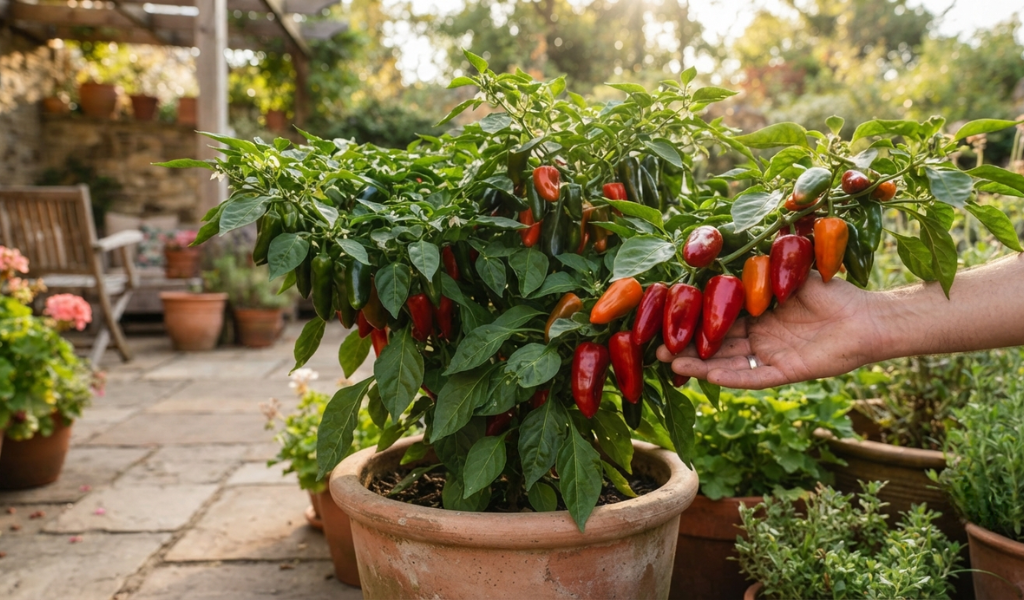
The first step in growing peppers well is picking the right plant for your space and climate. Hot pepper varieties like cayenne and jalapeños tend to be more forgiving in dry, warm conditions. Sweet peppers, including sweet bell pepper and sweet banana pepper types, prefer consistent warmth but are slightly more sensitive to temperature swings. Thin-walled peppers dry faster on the vine, making them ideal for making dried peppers. Knowing your plant variety helps you set up the right growing environment from day one.
Ideal Growing Conditions for Healthy Plants
Peppers love heat. They thrive in temperatures between 70°F and 85°F during the day and need at least six to eight hours of direct sunlight. The soil should be loose, well-draining, and slightly acidic, with a pH between 6.0 and 6.8. Whether you’re planting in a garden bed, raised beds, or potted plants, good drainage is non-negotiable. Soggy roots lead to rot quickly, and pepper plants have little tolerance for standing water.
If you’re growing peppers indoors or in a space with limited natural light, use grow lights positioned close enough to mimic outdoor sun exposure.
Common Signs of a Healthy Pepper Plant
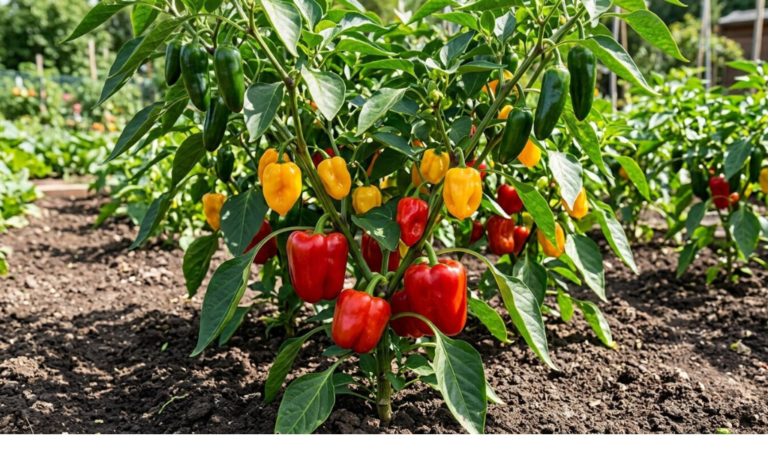
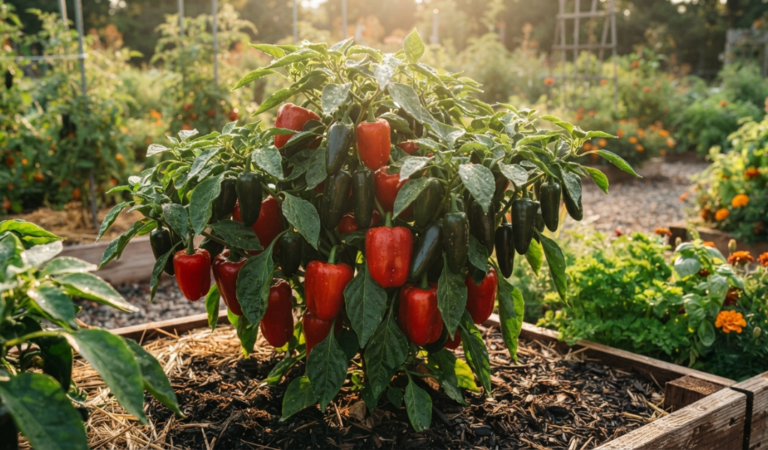
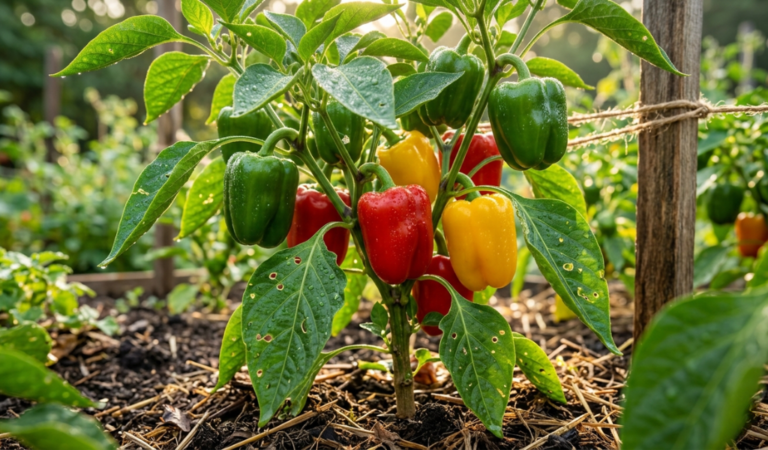
A healthy pepper plant has deep green leaves, a sturdy upright stem, and steady new growth. You’ll notice pepper flowers forming at branch joints, eventually giving way to young peppers. Leaves should be firm and consistent in color. Any yellowing, wilting, or curling is usually an early sign of a problem worth addressing quickly.
Watering and Feeding Pepper Plants Properly
Water and nutrition are where most gardeners either get it right or quietly kill their plants.
How Often Should You Water Pepper Plants?
Pepper plants need consistent moisture, but not too much. A general rule is to water deeply two to three times per week during warm weather, allowing the top inch of soil to dry out between sessions. In hotter months, container plants may need daily watering. The goal is to keep the soil moist without drowning the roots.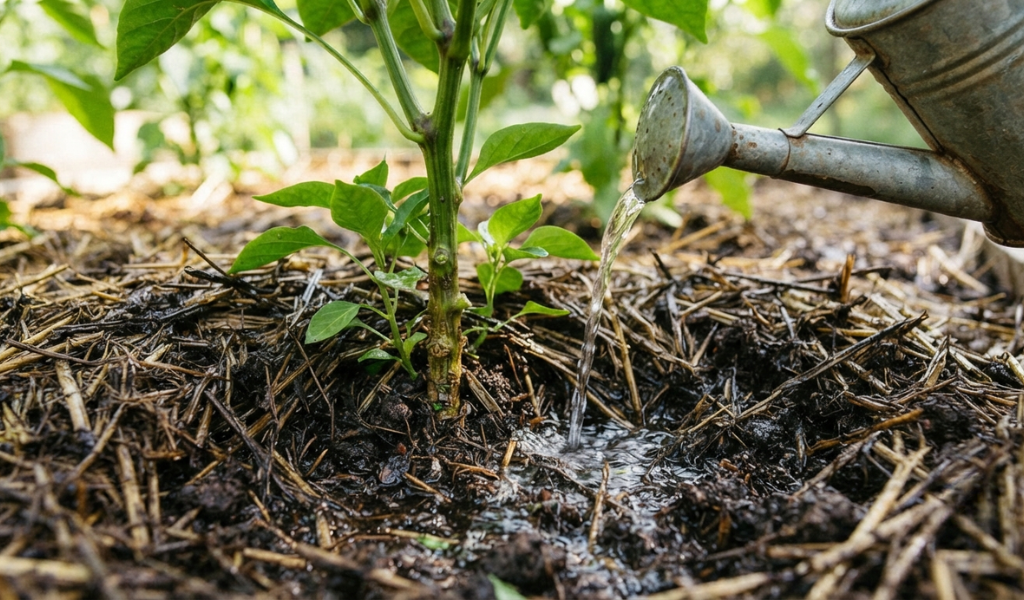
Always water at the base of the plant rather than from above. Wet foliage invites fungal disease, especially in humid conditions.
Choosing the Best Fertilizer for Peppers
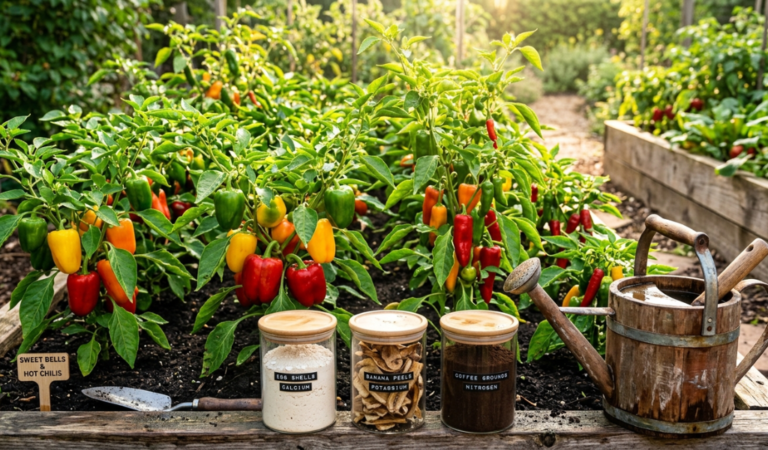
Peppers are moderate feeders. Start with a balanced fertilizer (like a 10-10-10) during early growth to support roots and foliage. Once the plant begins flowering, switch to a formula lower in nitrogen and higher in phosphorus and potassium. Too much nitrogen at this stage pushes leafy growth at the expense of pepper production.
Feed plants every two to three weeks through the growing season. Slow-release granular fertilizers work well in garden beds, while liquid plant food is easier to control in pots.
Preventing Overwatering and Nutrient Deficiencies
Yellowing lower leaves often signal overwatering or a nitrogen deficiency. Brown leaf edges can indicate potassium or calcium issues. If you’re using potting mix in containers, nutrients deplete faster than in ground soil, so consistent feeding matters even more.
Always check soil moisture before watering. A cheap moisture meter can save you a lot of guesswork.
Mulching to Retain Soil Moisture
Applying a two-to-three-inch layer of mulch around your pepper plants keeps the soil cooler, retains moisture between watering sessions, and reduces weeds. Straw, shredded leaves, and compost all work well. Keep mulch a few inches away from the stem itself to prevent rot at the base of the plant.
Pruning and Supporting Pepper Plants
A little pruning goes a long way toward healthier plants and a better harvest.
When and How to Prune Pepper Plants
Start pruning once your pepper plant reaches about 12 inches tall. Pinch off any small branches below the main Y-shaped fork of the plant (called the “main crotch”). This encourages the plant to direct its energy upward into productive growth rather than low, unproductive shoots.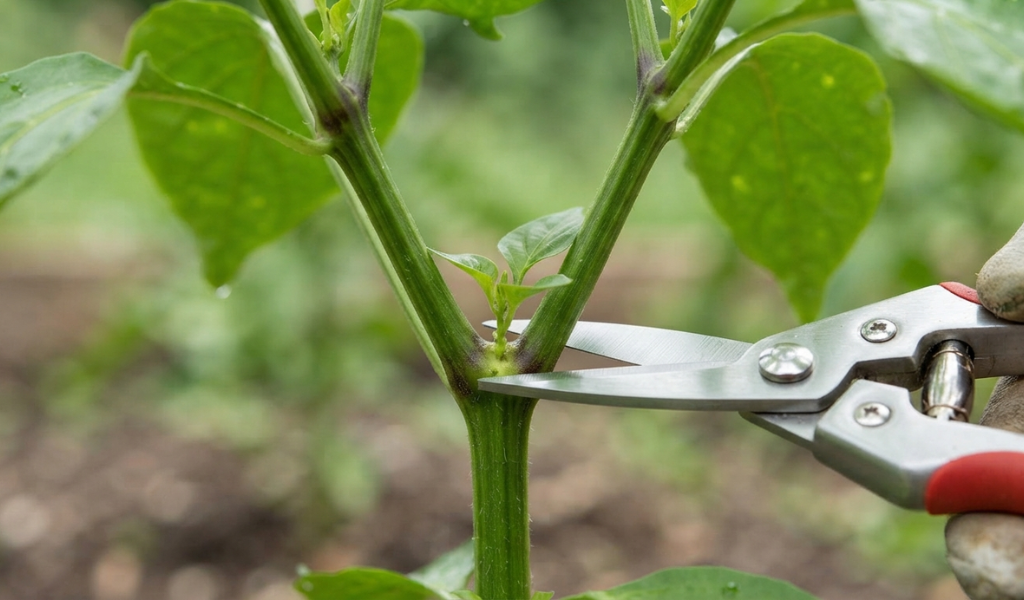
Use clean, sharp scissors or pruning shears. Cutting with dirty tools can spread disease between plants.
Removing Dead Leaves and Weak Branches
Throughout the growing season, remove any yellowing, dead, or damaged leaves as you spot them. These leaves don’t contribute to growth and can harbor pests or fungal spores. Thinning out dense foliage also improves airflow, which is one of the simplest ways to prevent disease.
Staking and Caging for Better Plant Support
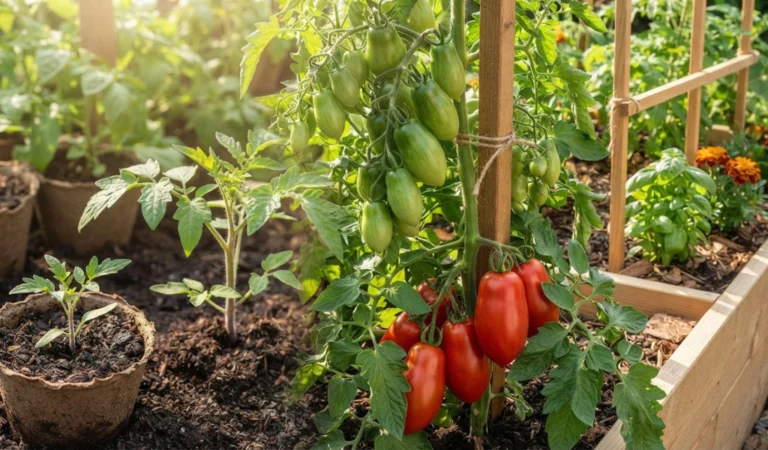
Tall pepper plants, especially those loaded with fruit, need staking. Without support, branches can snap under the weight of ripening peppers. Use a wooden stake or a small tomato cage placed around the plant early in the season. Tie stems loosely with soft garden ties rather than stiff wire that can cut into the plant.
Potted plants sometimes need staking too, especially if they’re growing in a windy spot.
Encouraging More Flowers and Fruit
Some growers remove the very first set of pepper flowers that appear on young pepper plants. This sounds counterintuitive, but it encourages the plant to focus on root and stem development first, which often leads to a bigger overall yield later. Once the plant is well-established, let the flowers set freely.
Protecting Pepper Plants from Pests and Diseases
Healthy pepper plants attract fewer problems, but pests and disease are part of gardening life. Knowing what to watch for makes all the difference.
Common Pepper Plant Pests and How to Control Them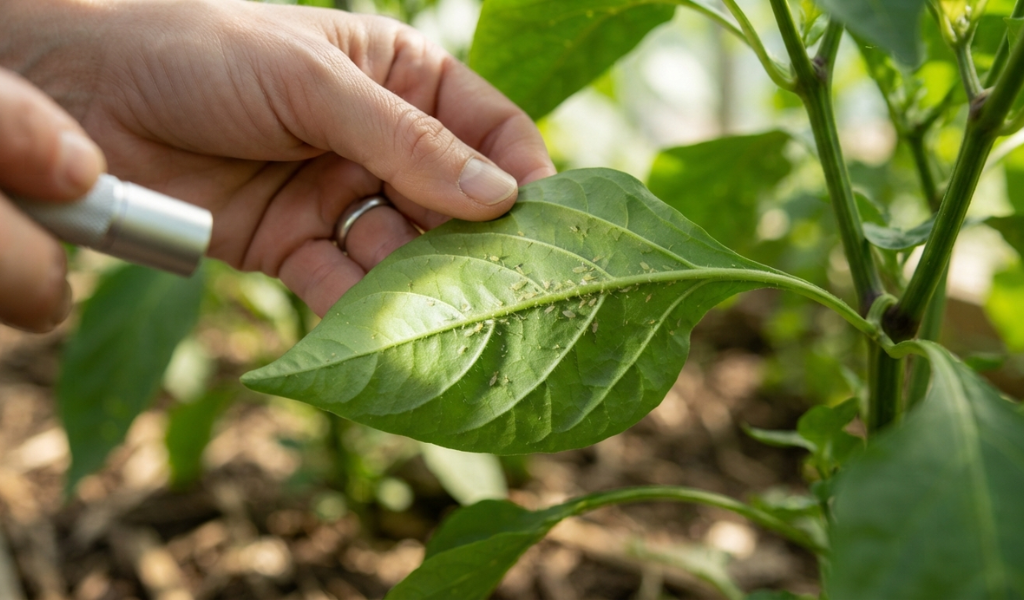
The most common pests on pepper plants are aphids, spider mites, thrips, and caterpillars. Aphids cluster on new growth and under leaves, sucking out plant sap and causing leaves to curl. A strong jet of water can knock them off, and neem oil applied weekly keeps populations down.
Spider mites thrive in hot, dry conditions. If you notice fine webbing on leaves, mist the plant more frequently and apply an insecticidal soap.
Identifying and Treating Common Diseases
Fungal disease is the most widespread pepper plant problem. Symptoms include dark spots on leaves, powdery coatings, or mushy stem bases. Phytophthora blight, bacterial leaf spot, and botrytis are all common in wet or crowded growing conditions.
Remove infected leaves immediately and avoid overhead watering. In severe cases, a copper-based fungicide applied to the base of the plant and foliage can help slow the spread.
Natural and Organic Pest Control Methods
For gardeners who prefer to avoid chemicals, companion planting is a solid strategy. Basil, marigolds, and nasturtiums planted alongside your pepper plants can deter aphids and other common pests naturally. Encouraging beneficial insects like ladybugs and lacewings by planting a diverse garden also helps keep pest levels balanced.
Neem oil, diluted with water and a drop of dish soap, is one of the most versatile organic sprays for both pests and fungal issues.
Preventing Problems Before They Start
Most pepper plant problems are preventable with good garden hygiene. Rotate your crops each season so pests and pathogens don’t build up in the same soil. Clear away plant debris at the end of the growing season. Space plants properly to allow airflow, and avoid wetting the foliage when you water.
Seasonal Care for Healthy Pepper Plants
Pepper growing is a season-long commitment, and each phase has its own demands.
Summer Maintenance Tips
During peak summer heat, your main jobs are consistent watering, regular feeding, and monitoring for pests. If temperatures regularly exceed 90°F, peppers may drop their flowers even if the plant looks healthy. Shade cloth or a well-timed afternoon misting can help. Keep the soil moist but not waterlogged, and mulch heavily to prevent the soil from drying out too fast.
Caring for Pepper Plants During Heavy Rain
Extended rain periods are a challenge for pepper growers. Saturated soil starves roots of oxygen and creates ideal conditions for rot and fungal disease. If you’re growing in containers, move pots to a covered spot during heavy downpours. In the garden, improve drainage by adding compost to the soil before the season starts. Check for signs of root rot (wilting despite moist soil) after periods of heavy rain.
Preparing Plants for Cooler Weather
As temperatures begin to drop in late summer and early fall, pepper production slows. Pick all peppers that have reached a reasonable size before the first frost, even if they haven’t fully ripened yet. Green peppers will continue to ripen indoors at room temperature. Apply a final round of compost around the base of the plant to give roots a nutrient boost before the season ends.
If a light frost is forecast, cover your plants with a frost cloth overnight to buy a few extra weeks of production.
Overwintering Pepper Plants Indoors
Peppers are perennial plants in frost-free climates. If you live somewhere with cold winters, you can bring mature plants indoors before the first frost and overwinter them successfully. Cut the plant back to about a third of its size, pot it up in fresh potting soil, and place it near a bright window or under grow lights. Water sparingly through winter, then begin feeding again in early spring when new growth appears.
Many gardeners have kept the same jalapeño plants or chili peppers alive for three or more years this way, getting a much earlier harvest each new season.
Tips to Maximize Pepper Growth and Yield
Once you’ve got the basics right, a few targeted strategies can push your results further.
Providing Enough Sunlight
This is the single biggest factor in pepper production. More sun means more energy, more flowers, and more fruit. If your garden bed gets partial shade, consider moving potted plants to the sunniest available spot. South-facing walls or patios are ideal in the northern hemisphere.
Improving Soil Quality Throughout the Season
Don’t treat soil care as a one-time task. Add compost mid-season to refresh nutrients and improve soil structure. Worm castings worked into the top few inches of soil around the base of the plant give a gentle, sustained nutrient boost without the risk of fertilizer burn.
In raised beds, soil quality tends to stay higher because there’s less compaction. In traditional garden soil, annual compost additions make a noticeable difference year over year.
Harvesting Peppers at the Right Time
One of the most practical growing tips experienced gardeners share: pick regularly. Leaving ripe peppers on the plant too long signals it to slow down production. Harvesting peppers as soon as they reach their mature color, whether that’s red, yellow, orange, or green, keeps the plant focused on producing new fruit.
Use a clean pair of scissors or pruning shears to cut peppers from the plant with a small section of stem attached. Pulling peppers by hand can snap branches.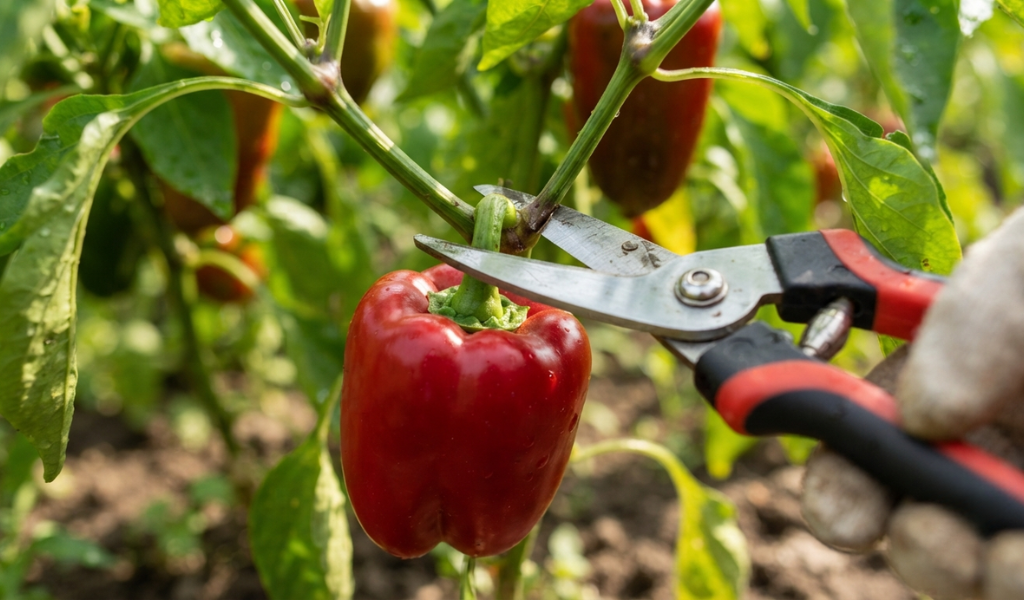
Extending the Harvest Season
To get the most out of a single season, start seeds indoors six to eight weeks before your last frost date. Transplant seedlings outdoors only after nighttime temperatures stay consistently above 55°F. This head start can add four to six extra weeks of productive growing time.
At the end of the season, pick all peppers from the plant regardless of ripeness, and use green ones in cooking or allow them to ripen on a countertop. Nothing should go to waste.
So ,How Do You Maintain Pepper Plants and They’ll Reward You
Growing peppers well isn’t about following a rigid checklist. It’s about paying attention to your plants and responding to what they’re showing you. Yellowing leaves, drooping stems, or a sudden drop in flowers all tell you something. The more time you spend in your garden observing, the faster you’ll learn to read those signals.
Start with the fundamentals covered here: consistent watering, regular feeding, smart pruning, and seasonal adjustments. Build from there. Whether you’re nurturing sweet bell peppers in a backyard garden bed, growing jalapeño plants in a container on a balcony, or experimenting with dozens of chili peppers varieties in raised beds, the same care principles apply.
Take what you’ve learned here and put it into action this season. Your next harvest will be better for it.
Frequently Asked Questions About Maintaining Pepper Plants
How do you keep pepper plants healthy all season?
Consistent care is the key. Water regularly, feed every two to three weeks, remove dead leaves, monitor for pests, and keep the soil mulched. Catching small problems early, before they spread, keeps your plants healthy from transplant through the final harvest.
How often should you fertilize pepper plants?
Feed pepper plants every two to three weeks during the growing season. Use a balanced fertilizer during early growth and switch to a low-nitrogen, high-potassium formula once flowers appear to support fruit development rather than leafy growth.
Should you remove the first flowers on pepper plants?
Yes, many experienced growers recommend pinching off the first flush of pepper flowers on young pepper plants. This encourages the plant to build a stronger root system and branch structure first, which typically leads to a larger and more sustained yield over the full growing season.
Can pepper plants grow indoors year-round?
Yes. Peppers indoors can thrive year-round with enough light. Use grow lights if natural light is limited and keep indoor temperatures above 65°F. Container-grown chili peppers and sweet peppers do particularly well indoors, though they may produce less fruit than outdoor plants without supplemental lighting.
Why are my pepper plant leaves turning yellow?
Yellow leaves are most commonly caused by overwatering, underwatering, or a nutrient deficiency. Check soil moisture first. If the soil is consistently soggy, ease up on watering and improve drainage. If the soil is dry, water more frequently. Yellowing between leaf veins often points to a magnesium or iron deficiency, which can be addressed with a balanced fertilizer.
How long do pepper plants live?
In their native tropical habitat, pepper plants are perennial and can live for several years. In temperate climates, most gardeners treat them as annuals. However, with proper overwintering indoors, a healthy pepper plant can live and produce fruit for three to five years or more.
What is the best way to increase pepper production?
Harvest regularly, provide full sun, feed consistently, and prune lower non-productive growth. Removing the first set of flowers to let the plant mature before fruiting also helps. Companion planting and good pest control reduce crop stress, which has a direct impact on how many peppers the plant produces.