What Is the Best Treatment for Pepper Plants? How to Control Pests and Diseases
What Is the Best Treatment for Pepper Plants? A Complete Plant Care Guide
Growing peppers is one of the most rewarding things you can do in a garden. Whether you’re working with bell peppers or hot pepper varieties, there’s nothing quite like watching those plants fill out and produce fruit from late spring through fall. But what is the best treatment for pepper plants when things start to go wrong? That’s the question most gardeners ask after noticing curled leaves, discolored stems, or stunted growth mid-season.
The truth is, keeping pepper plants healthy isn’t complicated once you understand what they need and what threatens them. Pepper problems tend to fall into a few predictable categories: soil and nutrient issues, pest infestations, and fungal or bacterial diseases. Each one has clear signs and effective solutions. This guide walks you through all of it, from identifying damage early to treating common pepper plant pests, trick to growing peppers and diseases, so you can protect your plants and get the harvest you’re aiming for.
Understanding Common Pepper Plant Problems
Pepper plants are tougher than they look, but they do have vulnerabilities. Most problems show up in one of three ways: something is eating the leaves, something is living on the plant and draining it, or the plant is reacting to disease or environmental stress.
Common pepper problems include aphid infestations, mite damage, whitefly colonies, bacterial leaf spot, powdery mildew, and root rot. Each of these can slow down fruit set, reduce yield, and in severe cases, kill the plant entirely. The earlier you catch a problem, the easier it is to fix. That’s why regular observation matters as much as any spray or treatment you apply.
Signs of Healthy vs. Unhealthy Plants
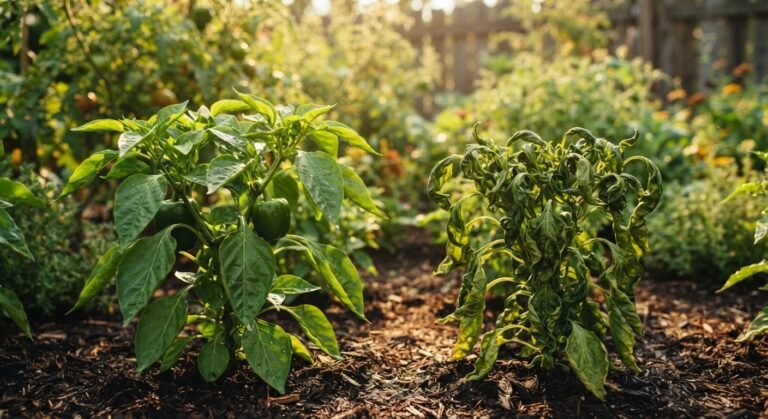
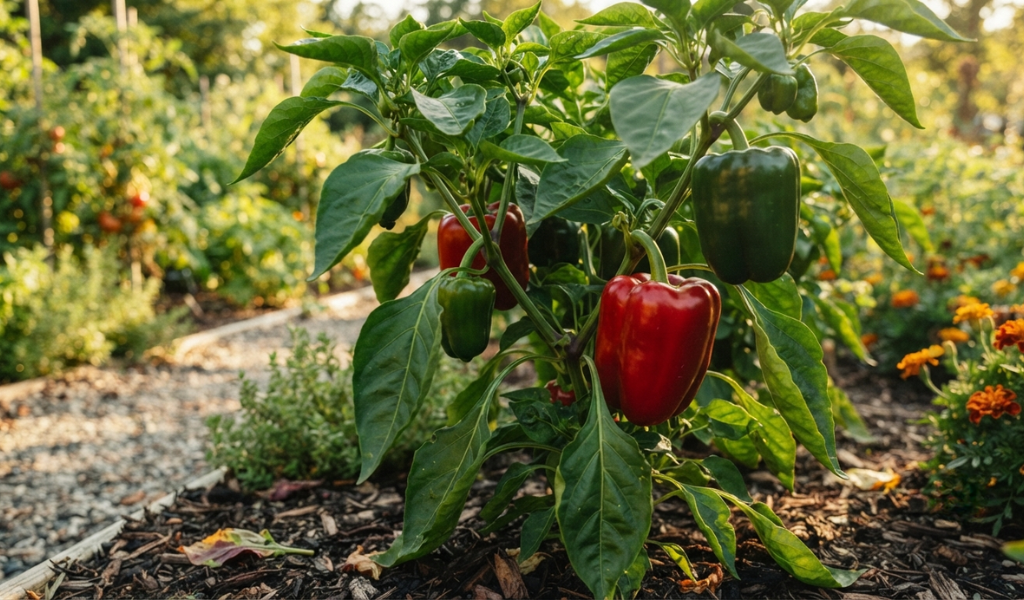
A healthy pepper plant has deep green leaves that sit flat and firm. Stems are upright and strong. New growth appears steadily, and blossoms develop into fruit without dropping prematurely. The soil around the base stays consistently moist without pooling.
An unhealthy pepper plant tells a different story. Yellowing leaves, curled or spotted foliage, wilting despite regular watering, sticky residue on leaves and stems, or visible insects on the undersides of leaves are all red flags. Blossom end rot, where the bottom of the pepper fruit turns brown and sunken, usually points to a calcium deficiency combined with inconsistent watering. Leaf drop without obvious insect activity can signal a fungal or viral issue like tobacco mosaic virus.
Getting familiar with what your plants look like when they’re thriving makes it much easier to catch problems before they spread to nearby plants.
Identifying the Cause of Damage
Before reaching for any treatment, take time to diagnose the problem accurately. Different causes require different responses, and treating a fungal issue with a pesticide won’t fix anything.
Start by checking the undersides of leaves. Many common pests, including aphids, spider mites, and whiteflies, hide there. Look for tiny insects, webbing, or small white specks. If you see water-soaked spots on the leaves that later turn brown, bacterial leaf spot is likely the culprit. If the damage appears only at the fruit’s tip or base, blossom end rot or anthracnose may be to blame.
Also consider recent weather. Extended rainfall and high humidity increase the risk of fungal and bacterial disease. Hot, dry spells make plants more vulnerable to mite infestation. Knowing the conditions helps narrow the cause quickly.
What Is the Best Treatment for Pepper Plants?
There’s no single product or method that works for every situation. The best treatment for pepper plants combines good soil management, consistent watering, and targeted intervention when pests or disease appear.
Improving Soil Health
Soil is the foundation of plant health. Peppers prefer well-draining, loamy soil with a pH between 6.0 and 6.8. Compacted or waterlogged soil leads directly to root rot and nutrient deficiencies that weaken the plant’s natural defenses.
Work compost into the soil before planting to improve structure and introduce beneficial microbes. Avoid adding compost from infected plants, as disease can persist in organic material. Raised beds work particularly well for growing peppers because drainage is easier to control, and you can manage soil composition more precisely.
Proper Watering Techniques
Inconsistent watering is one of the most common causes of pepper problems. Too much water encourages fungal growth and root rot. Too little causes stress that makes plants more susceptible to pest infestation and leads to blossom end rot.
Water deeply and evenly, aiming to keep the soil evenly moist a few inches below the surface. Drip irrigation is the most reliable method because it delivers water directly to the root zone without leaving water on the leaves. Wet foliage overnight creates ideal conditions for fungal disease to take hold. Overhead watering should be avoided whenever possible.
Choosing the Right Fertilizer
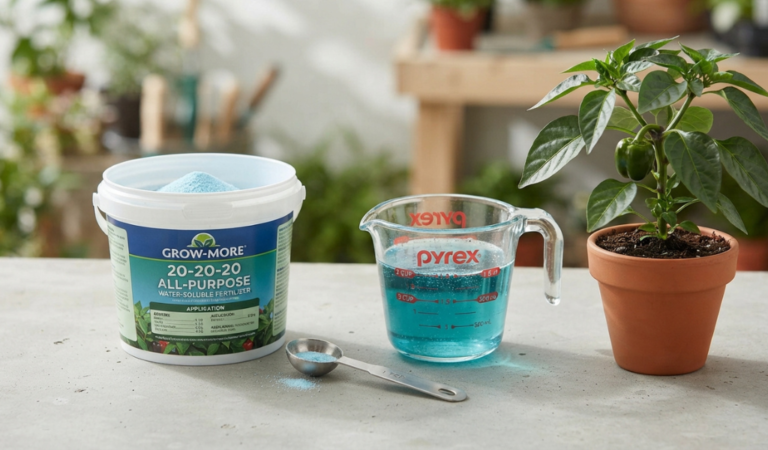
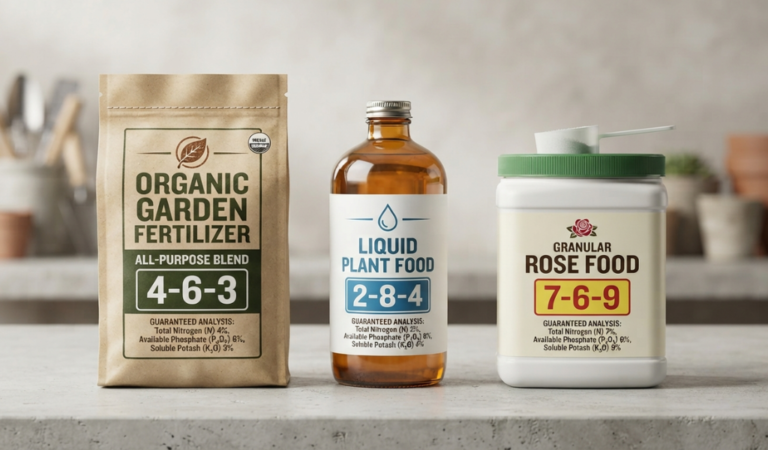
Peppers are moderate feeders. Too much nitrogen early in the season promotes leafy growth at the expense of flowers and fruits. A balanced fertilizer works well during the early growth phase, but once plants start setting fruit, shift to one with higher phosphorus and potassium to support fruit development.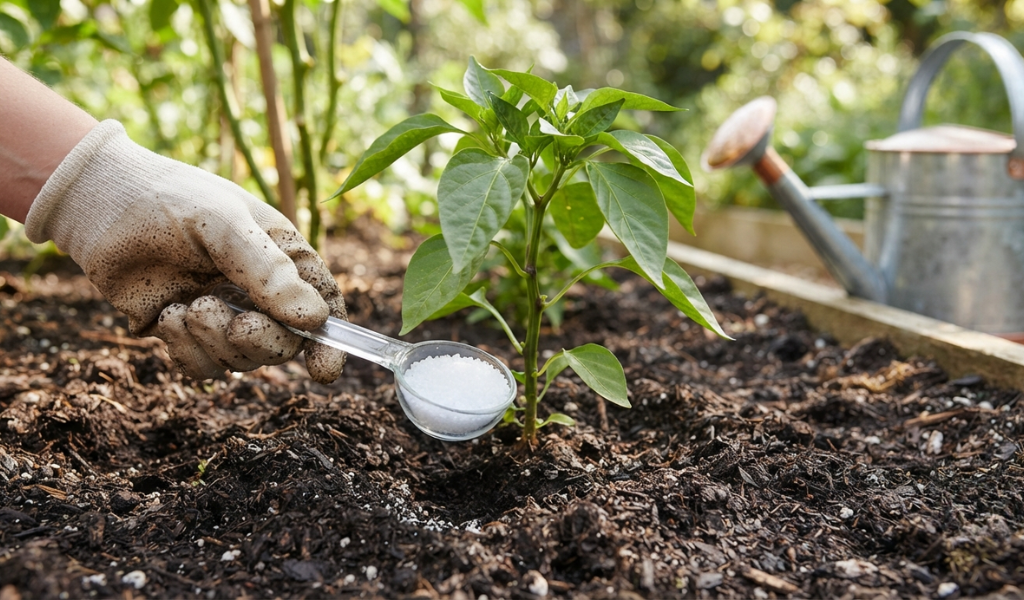
Epsom salt is a popular supplement among gardeners growing peppers. It provides magnesium and sulfur, two nutrients that support chlorophyll production and enzyme function. A foliar spray of one tablespoon of Epsom salt dissolved in one gallon of water can improve leaf color and overall plant health, particularly in magnesium-deficient soils. It won’t fix pest or disease problems, but it can help a stressed plant recover faster.
Treating Common Pepper Plant Diseases
Bacterial Leaf Spot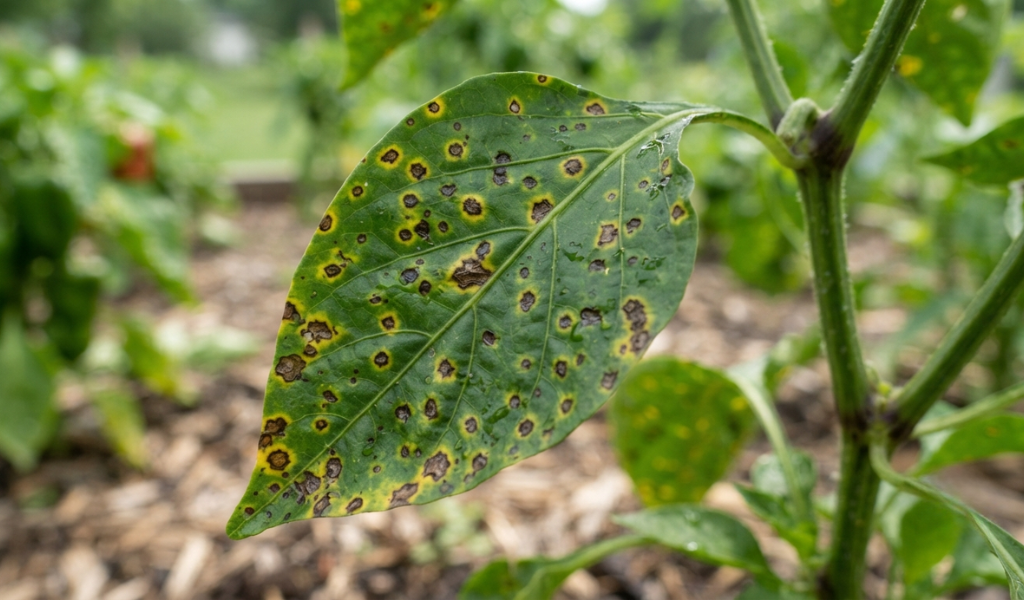
Bacterial leaf spot is one of the most widespread diseases affecting pepper plants. It starts as small water-soaked spots on the lower leaves, which gradually expand and turn brown with a yellow halo. In severe cases, it causes significant defoliation, leaving plants unable to support the fruit set.
The bacteria spread through rainfall, overhead watering, and handling infected plants. To manage it, remove infected leaves and destroy them, never compost infected material. Apply a copper-based bactericide early in the infection cycle. Avoid working with your plants when they’re wet, and wash your hands between handling different plants to reduce spread.
Planting disease-resistant varieties is the most effective long-term strategy.
Powdery Mildew
Powdery mildew appears as white or gray powdery coating on leaves and stems. It thrives in warm, dry conditions with high humidity. While it rarely kills the plant directly, it weakens it significantly by blocking photosynthesis and reducing fruit quality.
Remove affected leaves promptly. Spray the plant with a fungicide labeled for powdery mildew or use a homemade solution of one teaspoon of baking soda mixed with a quart of water and a few drops of dish soap. Improve air circulation around your plants by spacing them properly and pruning dense interior growth.
Root Rot
Root rot is caused by fungal pathogens that thrive in waterlogged soil. Infected plants will wilt even when watered regularly, and the roots will appear dark brown and mushy rather than white and firm.
Prevention is far easier than treatment here. Ensure your soil drains well, and never let pots or beds sit in standing water. If root rot has already set in, remove the plant, discard the soil, and start fresh with healthy seedlings in a new location. In mild cases caught early, reducing watering and applying a fungicide soil drench may save the plant.
Controlling Common Pepper Plant Pests
Aphids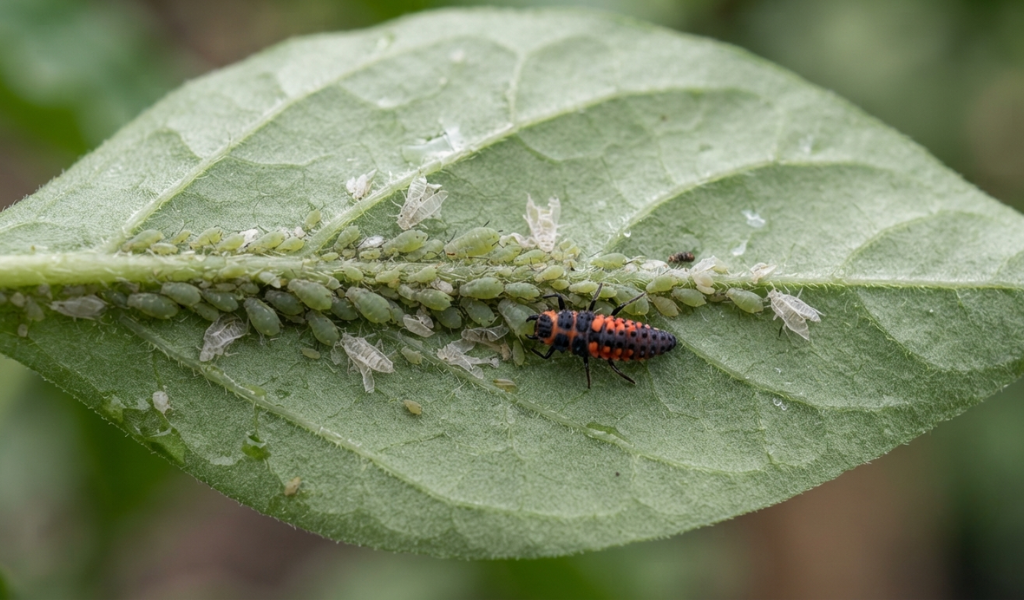
Aphids are soft-bodied insects that cluster on new growth, stems, and the undersides of leaves, feeding on plant sap. The green peach aphid is a particularly common species on pepper plants. As aphid populations grow, plants develop curled or yellowing leaves. The honeydew they excrete attracts sooty mold, which covers the leaf surface and further reduces the plant’s ability to photosynthesize.
A strong spray of water knocks aphids off plants and disrupts infestations quickly. For persistent colonies, insecticidal soap applied to the affected areas is highly effective. Encouraging beneficial insects like ladybugs and lacewings offers longer-term biological pest control. Both predators feed heavily on aphids and establish themselves naturally when you avoid broad-spectrum pesticides.
Neem oil works well as both a deterrent and a treatment, coating the leaves and stems to discourage aphid feeding.
Spider Mites
Spider mites are tiny arachnids that are barely visible to the naked eye. They feed on plant cells, leaving behind a speckled, bronze-tinted look on the upper surface of leaves. Fine webbing on the undersides of leaves is the clearest sign of a mite infestation. Mites feed most aggressively during hot, dry periods and can cause rapid defoliation if left unchecked.
Remove heavily infected leaves and dispose of them away from the garden. Apply insecticidal soap or neem oil, making sure to coat the undersides of leaves thoroughly. Repeat every five to seven days for at least two to three applications. Keeping plants well-watered reduces drought stress, which is one of the key factors that makes pepper plants more vulnerable to mite damage.
Whiteflies
Whiteflies are small, moth-like insects that congregate on the undersides of leaves. Like aphids, they feed on sap and produce honeydew that leads to sooty mold. A shaken plant with a whitefly infestation will release a small white cloud of insects.
Yellow sticky traps are an easy first line of defense that catches adult whiteflies before they lay eggs. Insecticidal soap and neem oil both work to reduce whitefly populations. Introducing beneficial insects like parasitic wasps, which target whitefly larvae, can help control infestations naturally over the course of the growing season.
Preventing Future Problems
Crop Rotation
Rotating where you plant peppers each year breaks the cycle of soil-borne diseases and pests that build up over time. Avoid planting peppers or other nightshades, including tomatoes and eggplants, in the same spot two years in a row. A three-year rotation is the standard recommendation.
Crop rotation also reduces the chances of pepper weevil and nematode populations establishing themselves in the soil around your plants.
Mulching and Weed Control
Mulching serves several useful purposes. A two to three inch layer of organic mulch around the base of each plant helps retain soil moisture, regulate temperature, and suppress weeds that compete for nutrients. It also creates a physical barrier that reduces the splash-back of soil onto lower leaves, which is a primary way bacterial leaf spot spreads.
Clear plant debris at the end of each growing season. Fungal spores and pest eggs overwinter in old stems and fallen leaves, so removing them reduces the pressure on next year’s crop.
Best Practices for Healthy Pepper Growth
Sunlight Requirements
Do peppers need full sun? Yes, they do. Peppers need at least six to eight hours of direct sunlight per day to grow well and produce fruit. Insufficient light leads to weak, leggy plants with poor fruit set. South-facing beds or spots that receive uninterrupted morning and afternoon sun are ideal.
In very hot climates, some afternoon shade can protect plants from extreme heat stress, which causes blossom drop. But the goal is maximum light exposure while keeping the root zone cool with mulch and consistent watering.
Pruning and Supporting Plants
Pruning is underused by most home gardeners. Removing the first flower bud that appears on a young seedling, often called the “first blossom,” redirects energy toward developing a stronger root system and more branching. This leads to higher fruit production over the full season.
As plants mature, remove any yellowing leaves, crossing branches, and growth that is too close to the soil. Good air circulation reduces disease pressure significantly. Stake plants or use cages to support them as they grow heavier with fruit, particularly for taller varieties.
Final Thoughts on Keeping Pepper Plants Healthy
Healthy pepper plants come down to consistent attention and early action. Soil health, watering habits, and sunlight are the starting points. Pest control and disease management are the responses you need when conditions shift or problems appear. Most of the common pepper plant problems covered in this guide respond well to early treatment, especially when you pair good cultural practices with targeted sprays or beneficial insects.
If you’re just starting out with growing peppers or working through a tough season, focus on one problem at a time. Fix the basics first, and the plants will often recover on their own. For persistent issues, copper bactericides, neem oil, and insecticidal soap cover most of what you’ll encounter.
The more seasons you grow, the better you’ll get at reading the plants before small issues become serious ones.
Frequently Asked Questions
What can I put on my pepper plants to make them grow better?
Compost-enriched soil, consistent deep watering, and a balanced fertilizer give pepper plants the best start. Once fruit development begins, switch to a fertilizer higher in phosphorus and potassium. A foliar spray of Epsom salt can improve growth in magnesium-deficient soils.
How do I stop pepper plants from getting eaten?
Check for common pepper plant pests like aphids, spider mites, caterpillars, and pepper weevils regularly. Neem oil and insecticidal soap handle most infestations effectively. Introducing beneficial insects like ladybugs and lacewings provides natural, long-term pest control without harming the plant.
What should I spray on my pepper plants to treat issues?
For pests, use insecticidal soap or neem oil applied directly to affected areas, including the undersides of leaves. For bacterial disease like bacterial leaf spot, a copper-based spray is the most effective option. For fungal issues like powdery mildew, a baking soda solution or a commercial fungicide works well.
What does Epsom salt do for pepper plants?
Epsom salt supplies magnesium and sulfur, both of which support healthy leaf color and strong growth. Mix one tablespoon per gallon of water and apply as a foliar spray or soil drench every two to four weeks. It is most useful in soils known to be low in magnesium but is not a substitute for a complete fertilizer.
What are the most common pepper plant problems, and how can I troubleshoot them?
The most common issues are aphid and mite infestations, bacterial leaf spot, powdery mildew, and blossom end rot. Start troubleshooting by checking the undersides of leaves for insects, looking for water-soaked or spotted foliage, and evaluating your watering habits. Most problems become clear within these three categories: pests, disease, or environmental stress.
How do I know if my pepper plant has bacterial leaf spot or a nutrient deficiency?
Bacterial leaf spot produces small water-soaked spots that turn brown with a yellow edge, usually starting on the lower leaves. Nutrient deficiencies tend to show up as uniform yellowing across the whole plant or between leaf veins. If the spots are irregular, spreading, and accompanied by leaf drop, bacterial leaf spot is the more likely cause.
When should I rotate crops for pepper plants?
Rotate peppers every year. Avoid planting them in the same soil where peppers or other nightshades grew in the previous one to three years. This breaks cycles of soil-borne disease and reduces pest pressure from species like the pepper weevil and root nematodes.