Tomato Cold Tolerance Guide: How Cold Tolerance in Tomato Plants Affects Fruits
Tomato Cold Tolerance: How to Protect Your Plants and Fruit From Chill
Tomato cold tolerance decides whether your garden gives you a basket of ripe fruit or a row of limp, blackened stems. I learned this one May when a surprise cold night left my healthy seedlings dark and floppy by sunrise. Tomatoes love warmth, so they react fast when the air turns chilly. Some plants shrug off a cool night. Others collapse.
The difference comes from plant genetics, growing habits and a few smart tricks you can use at home. In this guide you will learn how cold tolerance in tomato works, which temperatures cause trouble and how to spot stress early. You will also find practical steps for protecting tomatoes from frost, from row covers to hardening off. We will also look at what science says about cold tolerance in tomato fruit after harvest, including how LED light during growing can change the way tomatoes handle cold storage.
Understanding Tomato Cold Tolerance at Different Growth Stages
Tomato cold tolerance changes as the plant grows. Seeds need soil above 60°F (16°C) to sprout well, and they do best near 75°F. In cold soil they sit for weeks and often rot. Young seedlings are tender. A few nights near 45°F can slow them for a month. Transplants are a little tougher once they are hardened off, but they still sulk when roots sit in cold ground. Flowering is the most sensitive stage. When night temperatures drop below 55°F, pollen becomes weak and flowers fall off without making fruit. Ripening also slows in cool weather, and fruit may stay orange for weeks. Knowing these stages helps you time planting and decide when extra protection is worth the effort.
Warning Signals Your Plants Are Too Cold and How to Fix It
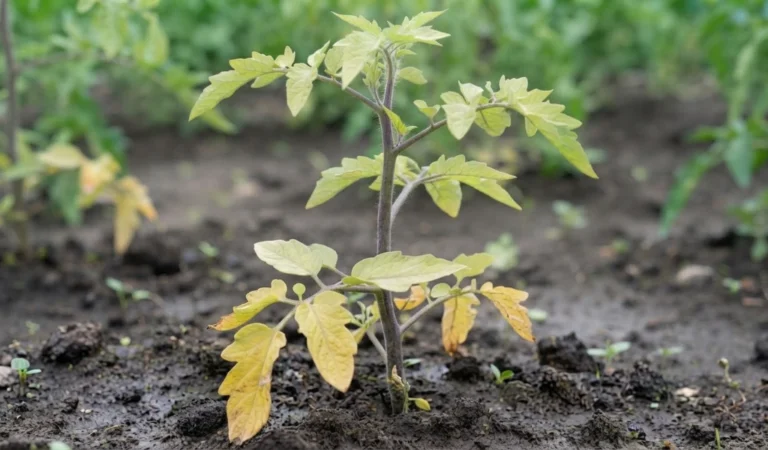
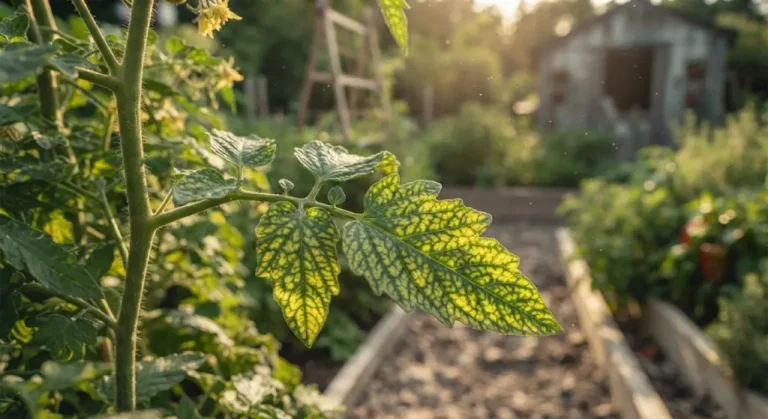
Plants send clear signals when they are too cold, and reading them is the first step in protecting tomatoes from frost. Leaves may curl upward or turn dull green. Purple tints often show on the underside of leaves and along stems because cold soil blocks phosphorus.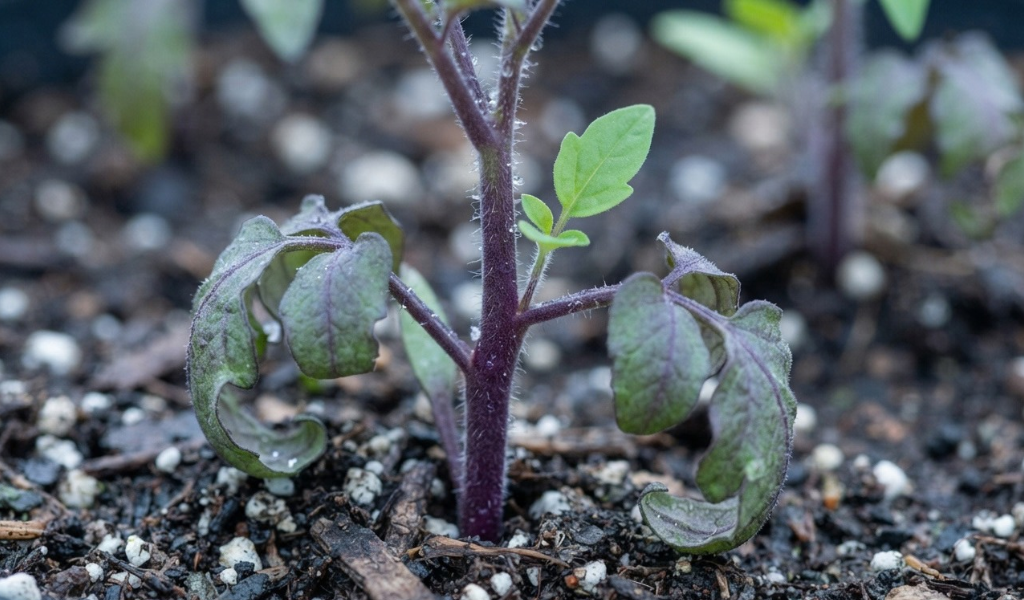 Growth stalls and new leaves stay small. Flowers drop before they set fruit.
Here is the quick fix. Cover plants at dusk with a light blanket or row cover held up by stakes so the fabric does not touch the leaves. Water the soil in the afternoon because damp soil holds heat longer than dry soil. Move potted plants against a south facing wall or into a garage. Take covers off in the morning once the air warms up. Then give plants a week of steady warmth before judging the damage. Healthy tomato plants often bounce back from a mild chill if you act early.
What Is Tomato Cold Tolerance and Why Does It Matter for Gardeners?
Tomato cold tolerance is the ability of a tomato plant to keep growing and avoid damage when temperatures drop. Scientists split it into two ideas. Chilling tolerance covers temperatures above freezing, while frost tolerance covers temperatures at or below freezing. Tomatoes are naturally weak at both.
Inside the plant, cold sets off a chain of events. Cells detect the low temperature and send a signal through a signaling pathway. This triggers gene expression changes that help the plant respond to cold stress. At the same time cold can cause oxidative stress, where reactive oxygen species build up and harm cell membranes.
Some plants, like Arabidopsis, show strong cold acclimation. A short period of cool weather prepares them to survive freezing. Tomato has only a weak version of this. That is why it is called a warm season crop, and why understanding abiotic stress matters so much for anyone growing it in a cool climate.
Tomato Cold Tolerance Temperature Thresholds: From Stress to Frost Damage
Knowing the numbers takes the guesswork out of planting. Think of three zones. Above 60°F plants feel comfortable. Between 32°F and 55°F they feel stress. At 32°F and below they face real damage.
Temperatures at Which Tomato Growth Slows Down
Growth begins to slow once night temperatures sit below 55°F. At 50°F (10°C) the plant struggles to take up water and nutrients through cold roots. Flowers stop setting fruit and leaves may curl.
Long exposure matters as much as the number itself. One cool night is usually fine. A week of cold and cloudy weather can cause chilling injury even when it never gets near freezing. Cold temperatures during the day make things worse, so a warm afternoon gives the plant a real chance to recover.
The Point Where Frost Kills Tomato Plants
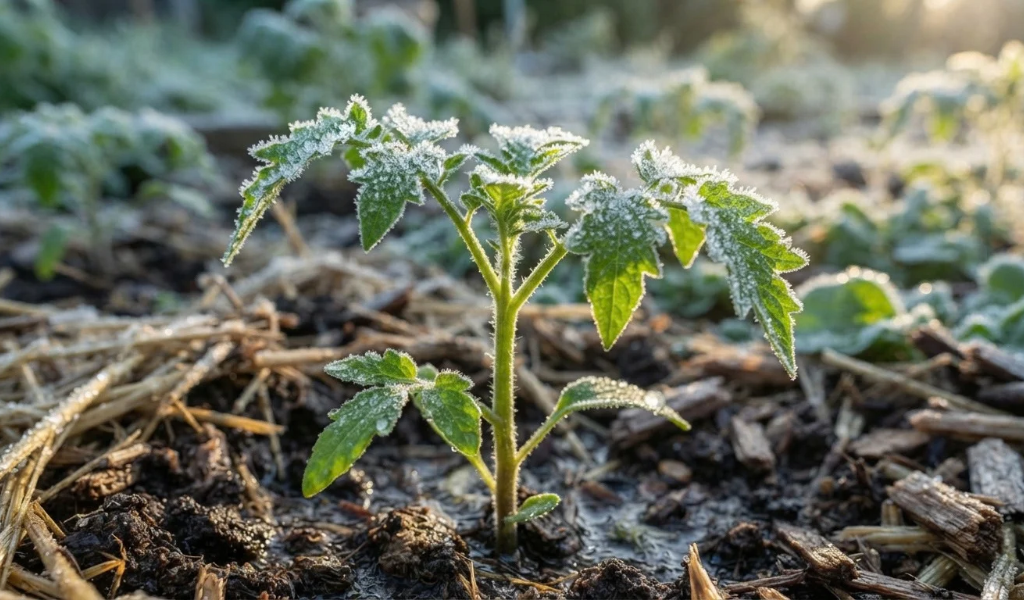
Frost forms at 32°F (0°C). Ice crystals damage plant cells, and leaves turn dark and mushy within hours. A light frost may only burn the tips of leaves, and a plant with a living growing point can sometimes regrow. A hard freeze below 28°F usually ends the season.
Protecting tomatoes from frost matters most in spring and fall, when the forecast can change quickly. Always check the low temperature for your area, not just the daytime high. Low spots in a garden often run several degrees colder than higher ground nearby.
Signs of Cold Damage in Tomato Plants (and How to Spot Them Early)
Early signs are subtle. Leaves lose their glossy look and turn a dull gray green. Stems and leaf veins take on a purple tint. Plants stop growing and just sit there.
Moderate damage looks different. Leaves develop pale or brown patches and edges curl. Flowers drop and seedlings may collapse at the soil line.
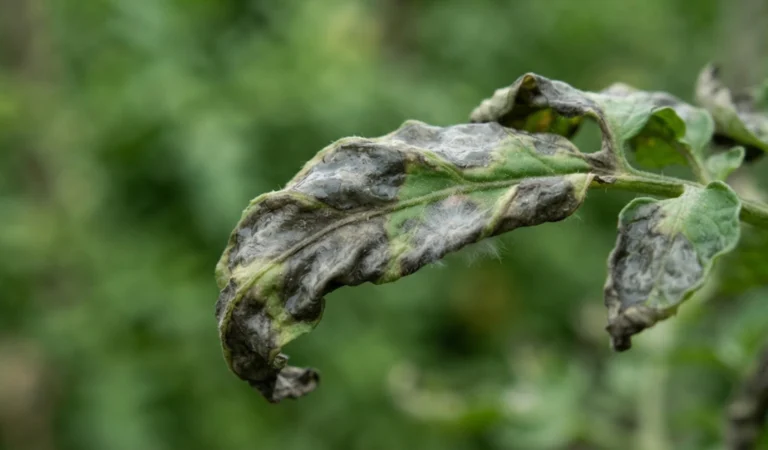
Frost damage is easy to see. Leaves look water soaked in the morning, then turn black and limp. Green fruit may get soft spots or dark pits.
Fruit shows chilling injury too. Look for pitting, uneven color, watery spots and early decay. Learn to check your plants every morning during cold weather. Catching these signs early gives you time to cover plants before the next cold night.
Best Cold-Tolerant Tomato Varieties for Short Seasons and Cool Climates
Not every tomato handles cool weather the same way. Some varieties came from cold regions such as Russia and Alaska, and they set fruit at lower temperatures. Choosing one of these is the simplest way to build better tomato cold tolerance into your garden.
A note on labels is worth making here. A variety marketed as frost tolerant still cannot survive a hard freeze. It just handles cool nights better than most. Plant breeders have also studied wild tomato relatives that carry stronger cold genes, and this work may bring better varieties in the future.
Early-Maturing and Cold-Hardy Cultivars Worth Trying
Stupice is a classic. It is a small, tasty slicer from Czechoslovakia that sets fruit in cool weather. Siberian and Glacier are two more favorites in short season gardens. Oregon Spring is a good pick for the Pacific Northwest, and Sub-Arctic Plenty ripens fast even in cool summers.
If you like cherry tomato types, look for early ones such as Sungold in cooler spots, though it still wants some warmth. Moskvich is a reliable red slicer that thrives in cooler regions. Early Girl is easy to find at garden stores and ripens sooner than most.
Try two or three of these each year. Your own garden is the best test, since every microclimate is different.
How to Improve Tomato Cold Tolerance Through Seed Selection and Seed Starting
Strong cold tolerance starts before the seed hits the soil. Buy seed from companies in northern regions because those varieties are often selected for cool conditions. Pick short season types if your summer is brief.
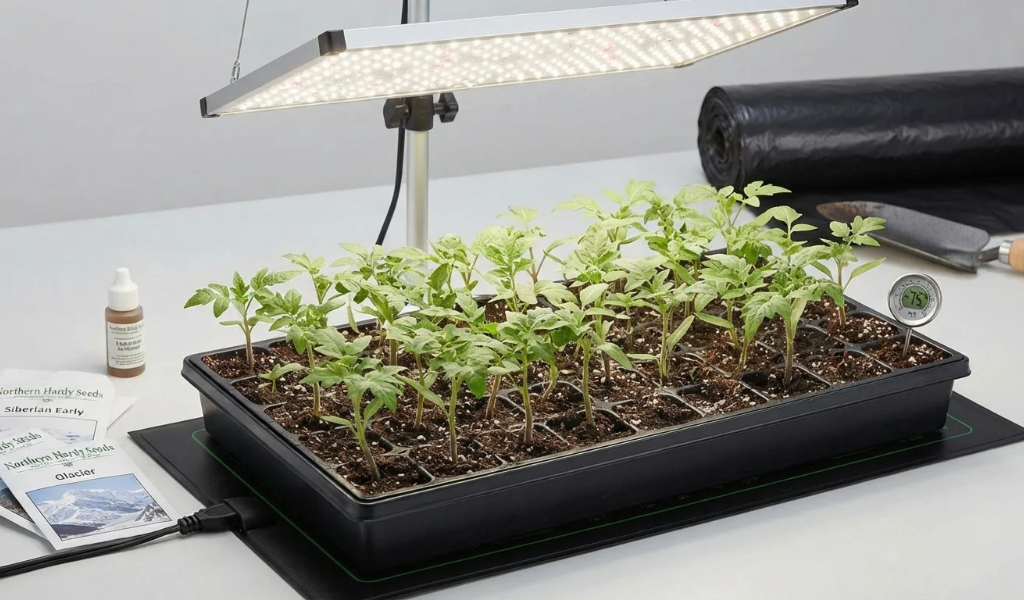 Start seeds six to eight weeks before your last frost date. Use a heat mat to keep soil near 75°F so seeds sprout fast. Once they sprout, move seedlings under bright light for 14 hours a day so stems grow thick and short instead of tall and weak.
At planting time, bury the stem deep because tomatoes grow roots along the buried stem. Warm the soil first by covering the bed with black plastic for a week or two. Warm roots make a stronger tomato plant, and a strong plant handles stress better. Healthy seedlings are the foundation of good cold tolerance in tomato.
Hardening Off Seedlings: The Secret to Better Tomato Cold Tolerance
Hardening off is the closest thing home gardeners have to cold acclimation. You slowly introduce seedlings to outdoor conditions over seven to ten days. On day one place them outside in shade for two hours. Add a little more time and sun each day. By the end of the week they can stay out all day and, if nights stay above 50°F, overnight too.
This process thickens the leaf surface and toughens the stems. Research on plant physiology shows that mild stress can prepare a plant for bigger stress later, which is why this step pays off.
Do not leave seedlings out when temperatures fall below 45°F. Hardening off builds strength but it cannot make a tomato frost proof. A friend of mine skipped this step once and lost thirty plants in a single windy afternoon. Take the extra week and your plants will thank you.
Protecting Tomatoes from Cold Snaps with Row Covers, Cloches, and Walls of Water
Protecting tomatoes from frost does not need fancy tools. A few simple options work well.
Row covers are light fabric sheets that trap a few degrees of warmth. Support them on hoops so they do not crush the leaves. Cloches are small covers placed over single plants, and cut milk jugs work the same way. Remember to vent them on sunny days so plants do not cook.
Walls of water are plastic rings filled with water. The water absorbs heat during the day and releases it at night, which helps plants survive nights in the upper 20s. They also warm the soil, giving transplants a head start in spring.
For a sudden cold night, drape old sheets over stakes before sunset. Add a jug of warm water beneath the cover for extra heat. Remove everything the next morning. Protecting Tomatoes from Frost works best when you act before dusk, not after the temperature drops.
Light Treatment and Postharvest Cold Tolerance in Tomato Fruit
Cold tolerance does not end in the garden. Tomato fruits also face cold after harvest, especially during cold storage. Storage at 4°C can cause chilling injury in cherry tomato and larger types. Symptoms of CI in tomato include pitting, firmness loss, weight loss and early decay.
Researchers have tested whether light treatment during growing can help. Some studies look at LED light with additional far-red light, which is light just beyond what our eyes see as red. Tomatoes cultivated with far-red were compared with regular tomatoes at two stages, mature green (MG) and red ripe (R).
The results suggest that this light can improve cold tolerance. MG tomatoes cultivated with far-red often showed fewer CI symptoms after long cold storage. Researchers measured the decay index, lycopene loss during cold storage and softening to compare fruit. The effect may differ between MG and R tomatoes, so more research is needed. The idea is that light acts as a signal that changes gene expression and helps fruit handle low temperature storage better.
For home cooks the lesson is simpler. Do not keep tomatoes in the fridge unless they are fully ripe and you must. Cold storage hurts flavor and texture, and the damage grows with longer cold storage.
Can a Tomato Plant Recover After a Cold Night? Rescue Steps That Work
Often the answer is yes. Wait a full day before pruning anything because damage can look worse in the morning than it really is. Leave damaged leaves in place for a few days since they shield the stem and new growth.
Water the plant gently and keep covering it on cold nights. Skip fertilizer for a week because stressed roots cannot use it well. After new growth appears, trim only the leaves that are clearly dead.
Check the stem. If it is green when you scratch it lightly, the plant is alive. If the whole stem turns mushy and black, it is time to replant. Remember that a recovering plant needs patience and steady warmth more than any special treatment.
Common Tomato Cold Tolerance Mistakes and Tips for Growing in Cool Weather
The biggest mistake is planting too early. A warm week in April tempts many gardeners, but a late cold snap can erase the work. Wait until nights stay above 50°F, or be ready to cover plants.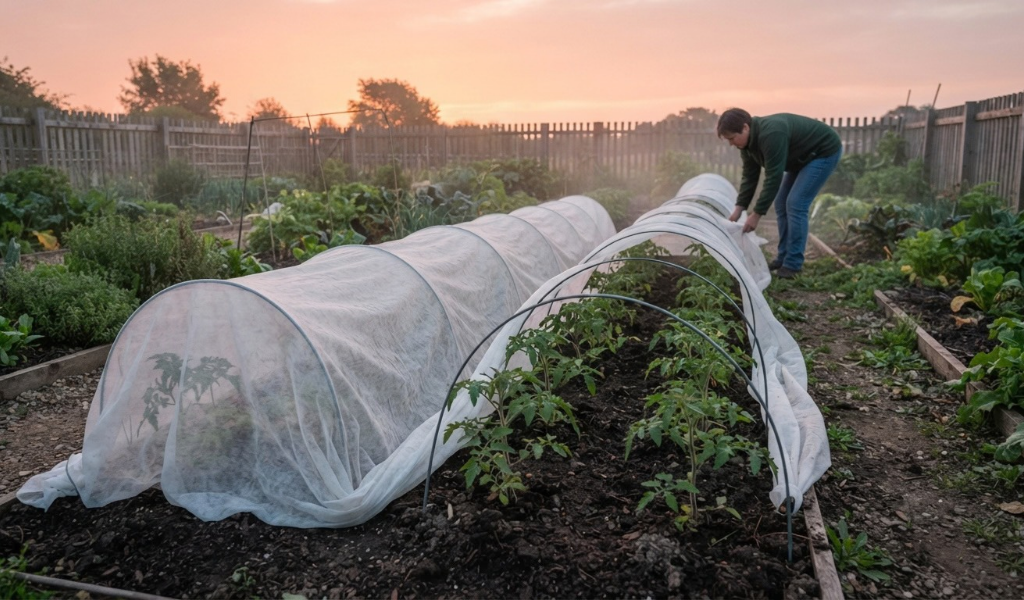
Other mistakes are easy to fix. Do not skip hardening off. Do not water at night, because wet soil in the cold invites disease. Do not mulch too early since mulch keeps cold soil cold. Do not let covers touch the leaves, because frost can pass through and burn the spots.
For good cool weather results, choose early varieties and use black plastic to warm the soil. Plant in a sunny spot with shelter from wind. Keep a thermometer in the garden to track real conditions. Small habits like these make protecting tomatoes from frost far easier.
Final Thoughts
Tomato cold tolerance is not a mystery. Know the temperature limits, watch for early warning signals and choose varieties that suit your climate. Harden off your seedlings and keep covers ready for sudden cold. Protecting tomatoes from frost takes a little planning but saves entire harvests.
Science also shows that cold tolerance in tomato fruit may improve with smart light treatment, which could change how we store tomatoes in the future. Now it is your turn. Check your local frost dates this week, pick one cold-hardy variety to try and share this guide with a fellow gardener.
Frequently Asked Questions
Do I need to cover my tomatoes at 40 degrees?
Yes if plants are young or newly planted. Forty degrees will not kill them but it can stall growth. A light cover protects against surprise drops during the night.
How cold at night can tomatoes tolerate?
Most tomatoes handle nights down to about 50°F without trouble. Below 45°F they suffer stress, and at 32°F frost damage begins.
What should never be planted near tomatoes?
Avoid fennel, because it stunts tomato growth. Brassicas like cabbage compete for nutrients. Potatoes share diseases such as blight, and black walnut trees release a compound that harms tomatoes.
Is July 1 too late to plant tomatoes?
Not always. In warm regions a July planting can still produce fruit before fall. Pick fast maturing varieties that ripen in 55 to 65 days and check your first frost date.
How is tomato cold tolerance measured?
Scientists use several tests. They check survival after cold exposure, measure electrolyte leakage from cells and track chlorophyll function. For fruit they count CI symptoms and measure firmness loss and decay during cold storage.
What temperature is too cold for tomato?
Anything below 50°F for long periods is too cold for healthy growth. At 32°F the plant faces frost damage, and below 28°F a hard freeze usually kills it.
What are the signs of cold stress in tomato plants?
Look for purple leaf undersides, curled or dull leaves, stalled growth and dropped flowers. Severe cold causes dark water soaked patches and collapsed stems.