Tomato Plant Growth Timeline: Seedling to Flowering to Harvest
Tomato Plant Growth Timeline: What Happens at Each Stage?
If you have ever planted a tiny tomato seed and wondered how it turns into a bushy plant loaded with juicy red fruit, you are not alone. Every gardener, whether growing tomatoes for the first time or the tenth season, benefits from understanding the tomato plant growth timeline. Knowing what happens at each stage helps you water, feed, and support your plants at the right moment instead of guessing.
In this guide, we will walk through the complete tomato plant growth timeline from seed to harvest. You will learn what to expect during each of the Tomato Growing Stages, what your plant needs at every point, and how to spot problems before they become serious. Whether you are growing cherry tomatoes on a balcony or beefsteak tomatoes in a backyard garden, this timeline applies to almost every variety.
By the end, you will know exactly what your plant is doing beneath the soil, above the ground, and inside its flowers, so you can grow healthier plants and bigger harvests.
Understanding the Tomato Plant Life Cycle
Tomatoes are warm-season plants that go through several clear phases before they produce fruit. The entire cycle, from planting a seed to picking a ripe tomato, usually takes between 60 and 100 days, depending on the variety and growing conditions.
The life cycle is not just about time passing. Each stage triggers specific changes inside the plant. Roots expand to search for water. Leaves grow to capture more sunlight. Flowers open to attract pollinators. Fruit swells and changes color as sugars build up inside it. Understanding this sequence means you can adjust care as the plant’s needs shift, rather than treating a seedling the same way you treat a mature, fruit-bearing plant.
Temperature, sunlight, soil quality, and watering all influence how fast a tomato plant moves through its stages. A plant grown in ideal conditions, with warm soil and consistent moisture, will often move faster than one that is stressed by cold nights or inconsistent watering.
Tomato Growth Stages Explained
The tomato plant growth timeline can be broken into six main phases: germination, seedling, vegetative growth, flowering, fruit set and development, and finally ripening. Some gardeners also count a seventh stage, the harvest period, as its own phase since a healthy plant will keep producing fruit for weeks.
Each stage has its own timeframe. Germination typically takes 5 to 10 days. The seedling stage runs for about two to three weeks after sprouting. Vegetative growth can last four to six weeks. Flowering usually begins around week seven or eight. Fruit development follows shortly after pollination, and ripening can take anywhere from 20 to 45 days depending on the variety and weather.
Knowing these rough timeframes helps you plan your planting schedule, whether you are starting seeds indoors before the last frost or transplanting seedlings directly into garden beds once the soil warms up.
Seed Germination Stage
Germination is where the tomato plant growth timeline truly begins. This is the stage where a dormant seed wakes up and starts developing into a living plant. For germination to happen, the seed needs three things: moisture, warmth, and oxygen.
Tomato seeds germinate best in soil temperatures between 70 and 85 degrees Fahrenheit. Cooler soil slows the process down significantly, and seeds may take two or three weeks to sprout in cold conditions, if they sprout at all. Many gardeners use heat mats to keep the soil warm and speed things along, especially when starting seeds indoors in early spring.
During this stage, the seed absorbs water through its outer coat, which softens and eventually splits open. This is the visible sign that germination has started.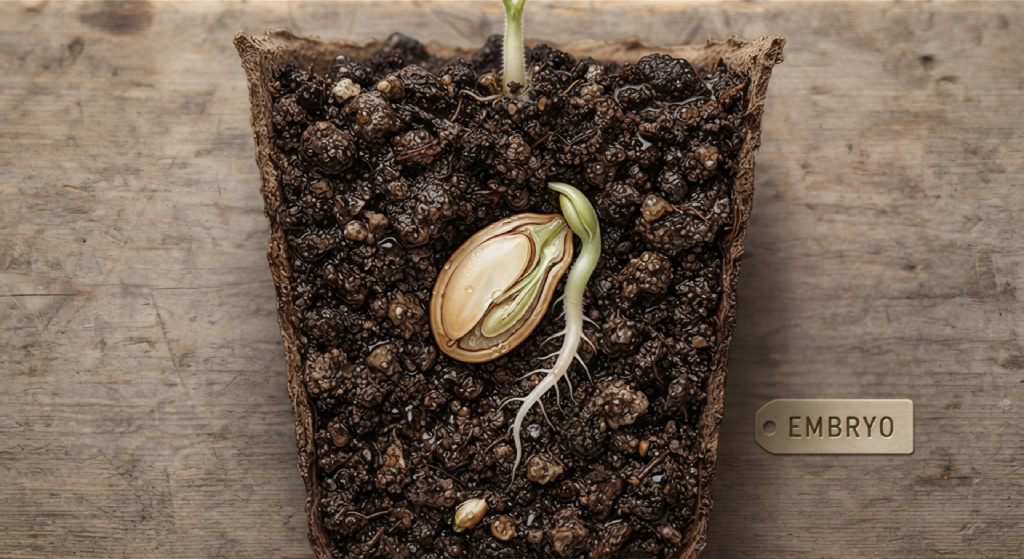
What Happens Beneath the Soil?
While you cannot see it happening, a lot is going on underground during germination. The seed’s stored energy, packed inside its embryo, fuels the first stages of growth. A small root called the radicle emerges first, anchoring the seed in place and beginning to draw up moisture.
Shortly after the radicle appears, the hypocotyl, which is essentially the seed’s stem, starts pushing upward toward the surface. It often carries the seed coat with it as it rises through the soil. Once it breaks through, you will see two small leaves unfold. These are called cotyledons, or seed leaves, and they are not true leaves at all. Their job is to photosynthesize just enough to fuel the plant until real leaves develop.
This entire underground process usually takes between five and ten days, though some slower varieties can take up to two weeks.
Seedling Stage
Once the cotyledons have opened and the plant is standing upright, it enters the seedling stage. This phase generally lasts two to three weeks and is a critical window for building a strong foundation. Seedlings are fragile, and the choices you make now, such as light exposure and watering habits, will affect how the plant performs later.
At this point, tomato seedlings need at least 12 to 16 hours of light per day if grown indoors. Insufficient light causes leggy, weak stems that struggle to support the plant later on. Outdoors, seedlings should get bright, indirect sunlight before being gradually hardened off to full sun.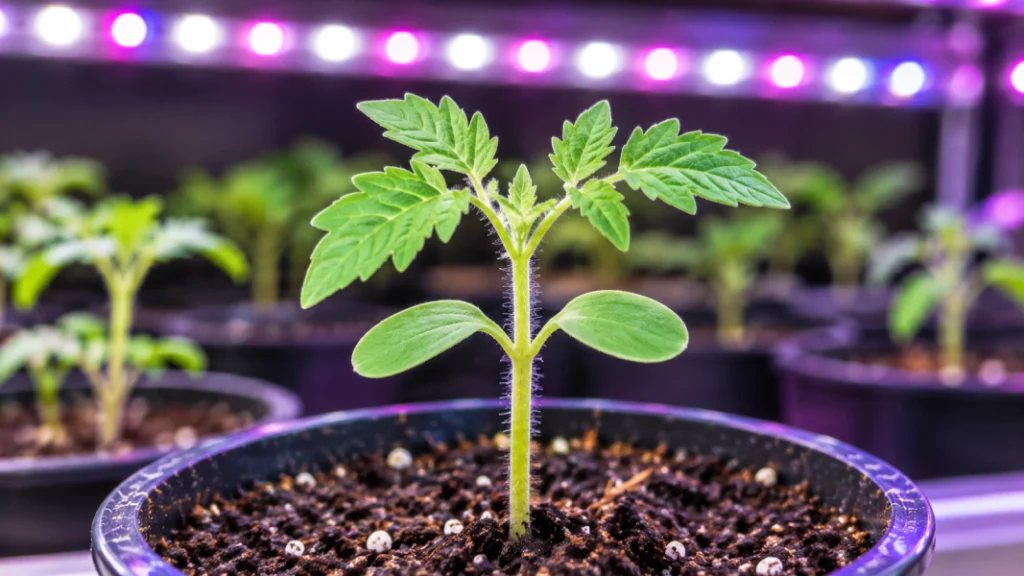
Watering also becomes more important here. The soil should stay consistently moist but never soggy, since overwatering at this stage is one of the most common reasons seedlings fail.
Developing the First True Leaves
Shortly after the cotyledons open, the plant begins producing its first true leaves. These look noticeably different from the rounded seed leaves. True tomato leaves have the classic jagged, compound shape most people associate with the plant.
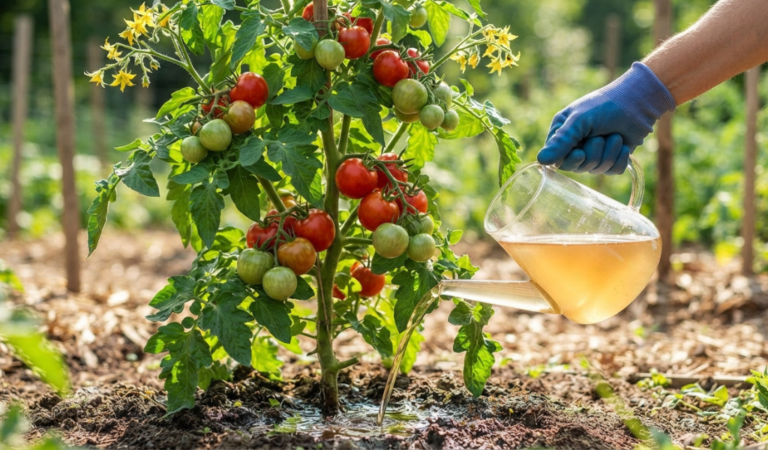
The appearance of true leaves is a signal that the seedling has shifted from relying on stored seed energy to producing its own food through photosynthesis. This is also when many gardeners begin light feeding with a diluted fertilizer, since the plant is now actively growing and needs nutrients to support new leaf and root development.
By the end of the seedling stage, most plants will have two to four sets of true leaves and a sturdier stem that can handle transplanting.
Vegetative Growth Stage
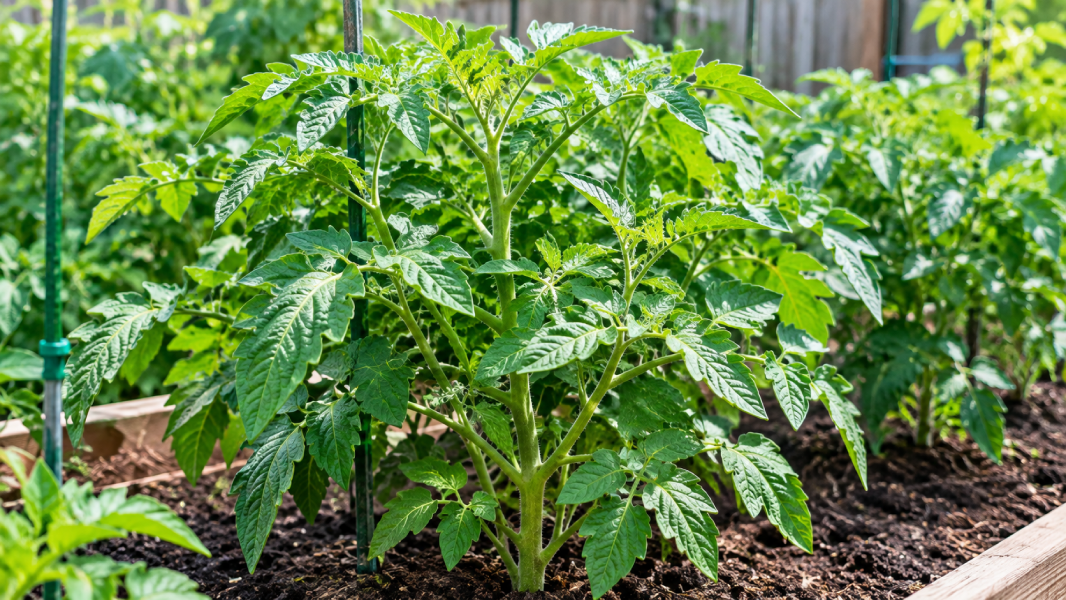
The vegetative growth stage is where a tomato plant really starts to take shape. This phase can last four to six weeks and is marked by rapid leaf, stem, and root expansion. The plant is essentially building its infrastructure now, growing the framework it will need to support flowers and fruit later.
This is typically the stage when seedlings are transplanted into their final growing location, whether that is a garden bed, a raised bed, or a large container. Transplant shock can briefly slow growth, so it helps to transplant on a cloudy day or in the evening to reduce stress on the plant.
Nutrient needs increase significantly during vegetative growth. Nitrogen supports leafy growth, while phosphorus and potassium help build strong roots and prepare the plant for flowering later. Many gardeners switch fertilizers partway through this stage to start shifting the plant’s energy toward reproductive growth.
Stem, Leaf, and Root Growth
During vegetative growth, the stem thickens and becomes woodier near the base, giving the plant better structural support. Side shoots, sometimes called suckers, begin appearing in the joints between the main stem and branches. Depending on the variety and your growing goals, these suckers may be pruned to direct more energy toward fruit production.
Root growth is just as important during this phase, even though it happens out of sight. A tomato plant’s root system can extend several feet outward and downward, searching for water and nutrients. Deep, less frequent watering during this stage encourages roots to grow downward rather than staying shallow, which makes the plant more resilient during hot or dry periods later in the season.
By the end of vegetative growth, a healthy tomato plant should be bushy, deep green, and noticeably taller, often between two and four feet depending on the variety.
Flowering Stage
Flowering marks a major shift in the tomato plant growth timeline. This is when the plant moves from purely vegetative growth into reproductive mode. Small yellow flower clusters begin forming, usually appearing first on the lower branches before spreading upward.
Temperature plays a big role here. Tomato flowers can struggle to set fruit if nighttime temperatures drop below 55 degrees Fahrenheit or rise above 90 degrees Fahrenheit during the day. Extreme heat or cold can cause blossoms to drop before pollination occurs, which is a common frustration for gardeners in very hot or unpredictable climates.
Tomatoes are self-pollinating, meaning each flower contains both male and female parts. Wind and vibration, often from bees or gentle breezes, help shake pollen loose so it can fertilize the flower. 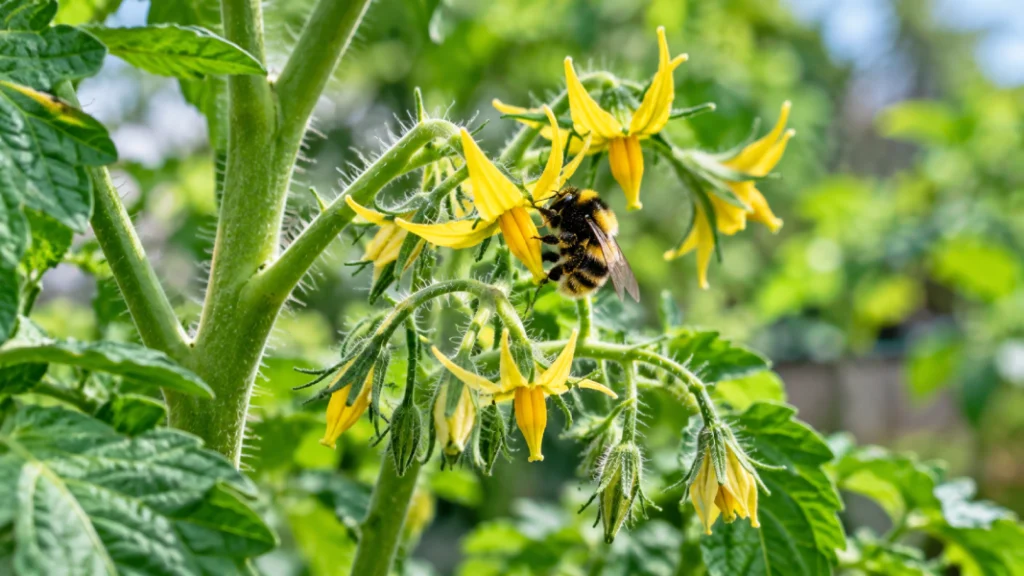
Supporting Healthy Flowers
To support strong flowering, tomato plants benefit from a fertilizer lower in nitrogen and higher in phosphorus and potassium at this stage. Too much nitrogen encourages leafy growth at the expense of flowers, which can delay fruit production.
Gardeners growing tomatoes indoors or in greenhouses sometimes gently shake the plants or use a small fan to mimic natural wind, improving pollination rates. Attracting pollinators like bees also helps, so planting flowers nearby that bloom at the same time can be a smart companion planting strategy.
Consistent watering matters here too. Irregular watering during flowering can stress the plant and lead to blossom drop, so keeping a steady schedule pays off.
Fruit Set and Fruit Development
Once pollination is successful, the flower petals wither and fall away, revealing a tiny green fruit at the base. This is called fruit set, and it marks the beginning of one of the most exciting parts of the tomato plant growth timeline.
In the early days after fruit set, the tomato is small, hard, and bright green. Over the following weeks, it steadily increases in size as the plant channels energy and nutrients into the developing fruit. This growth phase can take anywhere from three to five weeks depending on the variety, with larger beefsteak types generally taking longer than smaller cherry or grape tomatoes.
During fruit development, consistent watering becomes especially important. Uneven watering, such as long dry spells followed by heavy watering, can cause the fruit to crack or develop a condition called blossom end rot, which appears as a dark, sunken patch at the bottom of the tomato. Calcium levels in the soil also play a role in preventing this issue, so many gardeners add calcium-rich amendments during this stage.
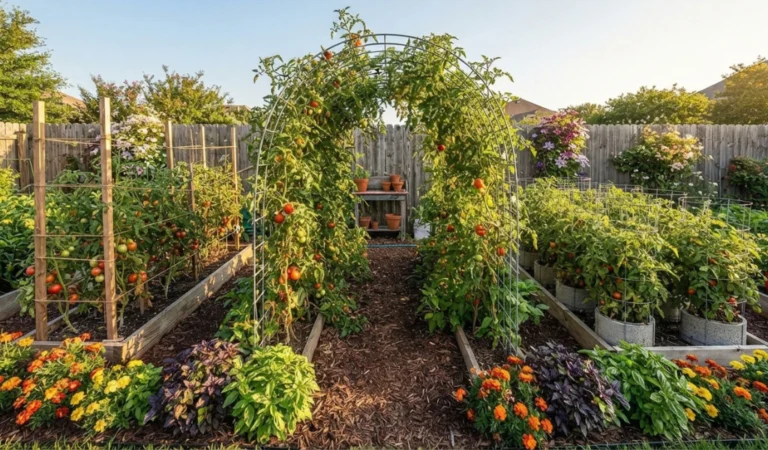
Staking or caging the plant becomes essential here too, since the weight of developing fruit can cause branches to bend or break without support.
Ripening Stage and Harvest Stage
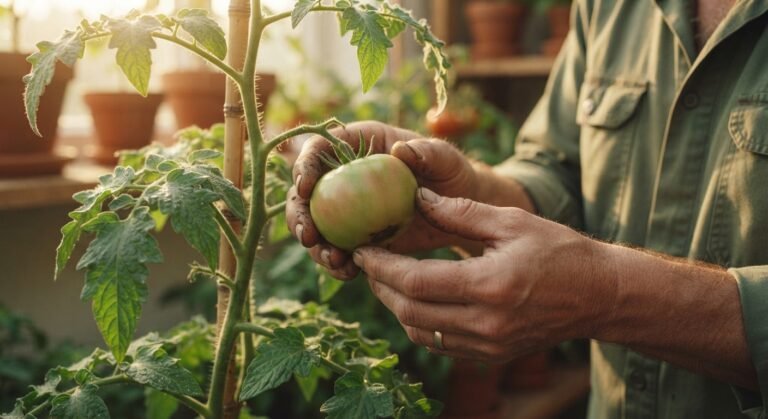
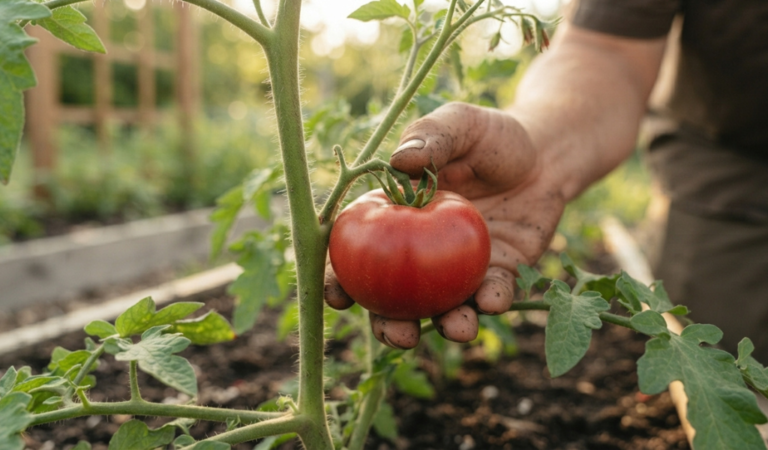
The ripening stage is the payoff for all the earlier care. Tomatoes shift from green to their final color, whether that is red, yellow, orange, or even deep purple depending on the variety. This color change happens as chlorophyll breaks down and pigments called carotenoids and lycopene become more visible.
Ripening speed depends heavily on temperature. Warm weather between 68 and 77 degrees Fahrenheit tends to produce the best ripening results, both in terms of speed and flavor. Extremely hot temperatures above 95 degrees Fahrenheit can actually slow ripening and cause tomatoes to stay firm and pale, since the plant redirects energy toward survival rather than fruit development.
Most tomatoes take about 20 to 45 days to fully ripen after fruit set, though this varies widely by variety. Cherry tomatoes often ripen faster, sometimes within three weeks, while large heirloom varieties can take well over a month.
Harvest typically begins once fruit reaches full color and gives slightly when gently squeezed. Picking regularly encourages the plant to keep producing more flowers and fruit throughout the growing season, sometimes for several months if conditions stay favorable.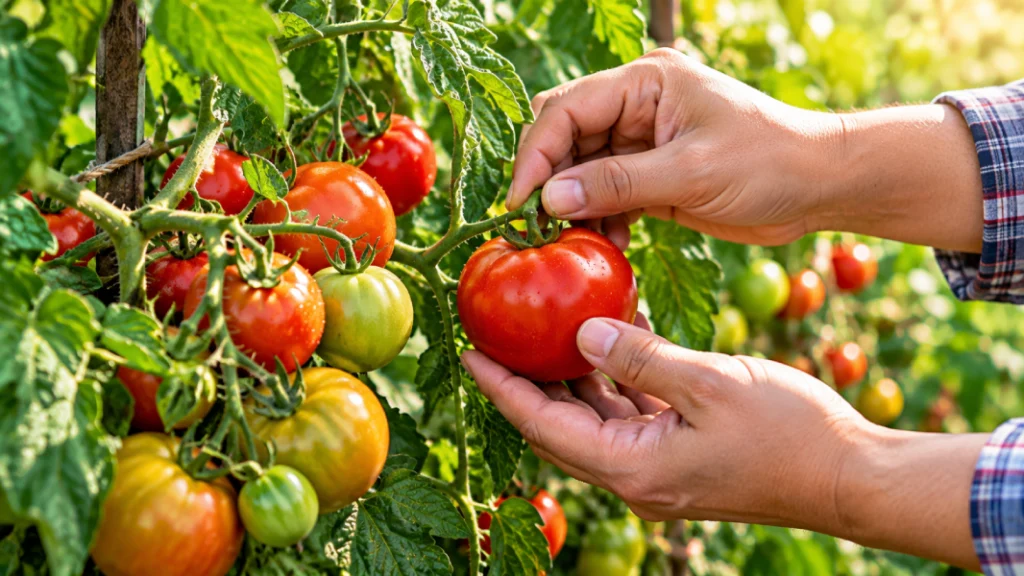 Leaving overripe fruit on the vine too long can slow down new fruit production, so frequent harvesting is one of the simplest ways to extend your growing season.
Tomato Care at Every Growing Stage
Caring for tomatoes properly means adjusting your approach as the plant moves through each phase of its growth timeline. During germination and the seedling stage, focus on warmth, gentle moisture, and adequate light to build a strong start. Overwatering young seedlings is one of the most common mistakes new gardeners make, so let the top layer of soil dry slightly between waterings.
As plants enter vegetative growth, shift attention toward deep watering, balanced fertilizing, and providing support structures like cages or stakes before the plant gets too large to handle it comfortably. This is also a good time to mulch around the base, which helps retain soil moisture and keeps weeds down.
Once flowering begins, reduce nitrogen and increase phosphorus and potassium to encourage strong blossoms and better fruit set. Keep an eye on temperature swings, since both cold snaps and heat waves can interfere with pollination.
During fruit development and ripening, consistency becomes the priority. Steady watering, calcium support, and regular pruning of lower leaves that touch the soil can help prevent disease and improve air circulation. Removing a few lower leaves also reduces the risk of soil-borne fungal issues splashing onto the plant during rain or watering.
Throughout the entire tomato plant growth timeline, watching the plant closely matters more than following a rigid schedule. Every garden has different soil, sunlight, and climate conditions, so learning to read your plant’s signals, like drooping leaves, pale color, or slow growth, will guide you better than any calendar alone.
Final Thoughts
The tomato plant growth timeline is a journey that starts with a tiny seed and ends with baskets of ripe, flavorful fruit. Each stage, from germination through harvest, has its own needs and challenges, but understanding what to expect makes the whole process far less overwhelming. Once you know what your plant is doing at each point in the Tomato Growing Stages, you can respond with the right care instead of guessing.
Start paying closer attention to your tomato plants this season. Track when your seeds sprout, when the first true leaves appear, and when the first flowers open. Over time, you will get better at predicting your harvest and troubleshooting problems early, which means healthier plants and a bigger, tastier tomato crop.
Frequently Asked Questions
How long does it take for a tomato plant to grow from seed to fruit? On average, it takes between 60 and 100 days from planting a seed to harvesting the first ripe tomato, depending on the variety and growing conditions. Cherry tomatoes tend to be on the faster end, while large heirloom varieties usually take longer.
What is the fastest growing stage in a tomato plant’s life cycle? Vegetative growth is often the fastest visible stage, with plants gaining noticeable height and leaf coverage within just a few weeks. Germination can also feel fast once it starts, though the seed spends several days developing underground before any visible sprout appears.
Why are my tomato flowers falling off before producing fruit? Blossom drop is usually caused by temperature stress, either too hot or too cold, inconsistent watering, or poor pollination. Keeping temperatures within the ideal range and encouraging pollinators can reduce this problem significantly.
How often should I water tomato plants at each growth stage? Seedlings need light, frequent watering to stay consistently moist. Once plants reach the vegetative and fruiting stages, deep watering two to three times a week is usually better than daily shallow watering, since it encourages stronger root growth.
What causes tomatoes to crack while they are ripening? Cracking usually happens when a dry period is followed by heavy watering or rainfall. The fruit absorbs water quickly and expands faster than the skin can stretch. Keeping watering consistent throughout fruit development helps prevent this.
Can I speed up the tomato plant growth timeline? While you cannot dramatically rush biology, you can help plants grow more efficiently by starting seeds indoors early, using heat mats for faster germination, providing full sun exposure, and maintaining steady watering and feeding schedules throughout each stage.
Why do tomato plants need different fertilizers at different stages? Young plants need more nitrogen to build strong leaves and stems, while flowering and fruiting plants need more phosphorus and potassium to support blossom development and fruit growth. Using the wrong fertilizer at the wrong stage can slow down flowering or fruit production.