What Is the Best Month to Plant Peppers? A Complete Garden Planting Guide
What Is the Best Month to Plant Peppers? A Complete Growing Guide
Few things are more satisfying than growing your own peppers. Whether you’re after sweet bell peppers for summer salads, fiery chili peppers for homemade hot sauce, or mild banana peppers for pickling, the timing of when you plant peppers can make or break your harvest. Get it right, and you’ll have a garden full of vibrant, productive plants. Get it wrong, and you may spend weeks wondering why your seedlings look stunted or refuse to fruit.
So, what is the best month to plant peppers? The honest answer depends on where you live, your last frost date, and the specific pepper varieties you’re growing. But there are clear patterns and proven guidelines that every gardener can follow to give their pepper plants the best possible start.
This guide walks you through everything you need to know about planting time, from starting pepper seeds indoors to transplanting seedlings into your vegetable garden. You’ll also find practical growing tips, climate-based planting calendars, and answers to the most common questions home growers ask.
Why Planting Time Matters for Peppers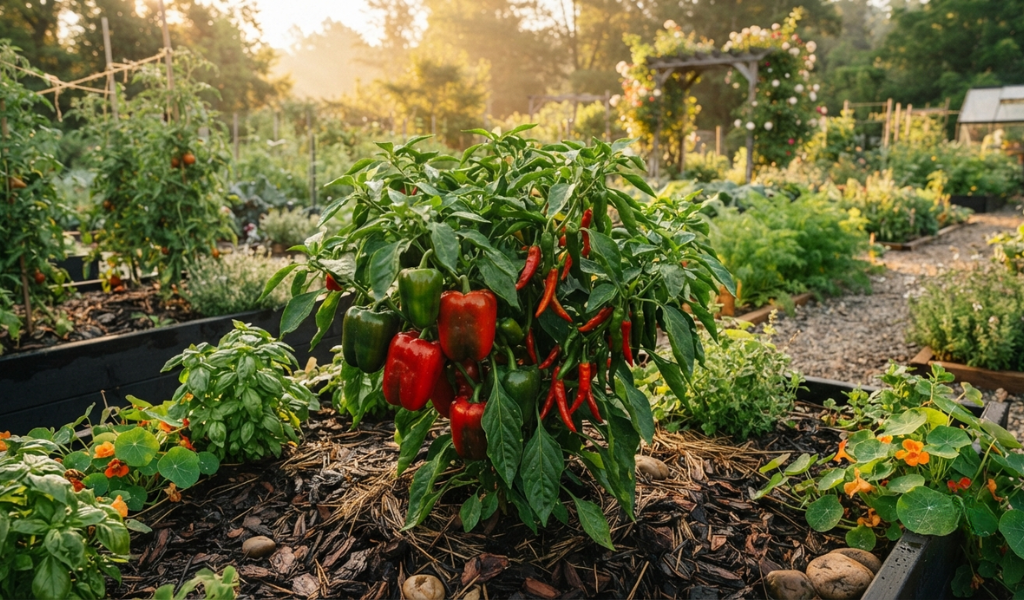
Peppers are warm-season vegetables. Unlike cool-season crops such as lettuce or spinach, pepper plants need consistently warm conditions to thrive. Plant them too early in cold soil, and growth stalls. Plant them too late, and the growing season may end before your peppers have time to mature on the plant.
Timing also directly affects yield. Peppers that are set out at the right time establish strong root systems before summer heat peaks. This means more flowers, more fruit, and a bigger harvest come late summer and fall. Gardeners who rush the process and plant peppers before the last frost date often lose their seedlings to a surprise cold snap, costing them weeks of growing time.
Another reason timing matters is that peppers have a long growing season compared to many other vegetables. Most varieties take 70 to 90 days from transplant to harvest, and some hot pepper varieties like habaneros or ghost peppers can take even longer. Starting too late means you may be racing against fall frost before your peppers ever ripen.
How Temperature Affects Pepper Growth
Temperature is the single most important factor when deciding when to plant peppers. Peppers grow best when daytime temperatures sit between 70°F and 85°F (21°C to 29°C), and nighttime temperatures stay above 55°F (13°C). Below those thresholds, growth slows significantly.
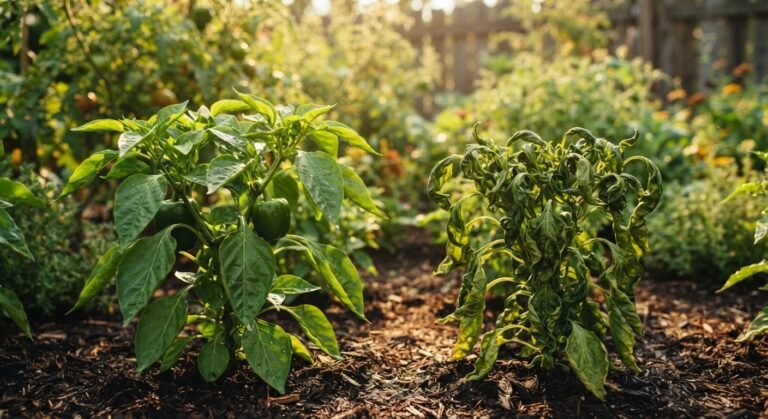
Cold soil is a particular problem. When soil temperatures drop below 60°F (15°C), pepper plants struggle to absorb nutrients properly. You might notice yellowing leaves or little to no new growth, even if the air feels warm enough. Always check soil temperature before transplanting, not just the air forecast.
On the other end of the spectrum, extreme heat above 95°F (35°C) can cause flower drop. When pepper plants drop their blossoms, fruit production stops temporarily. This is a common issue in hotter climates during midsummer, and it’s one reason why earlier spring planting (before peak summer heat) tends to produce better results.
Frost Risks to Avoid
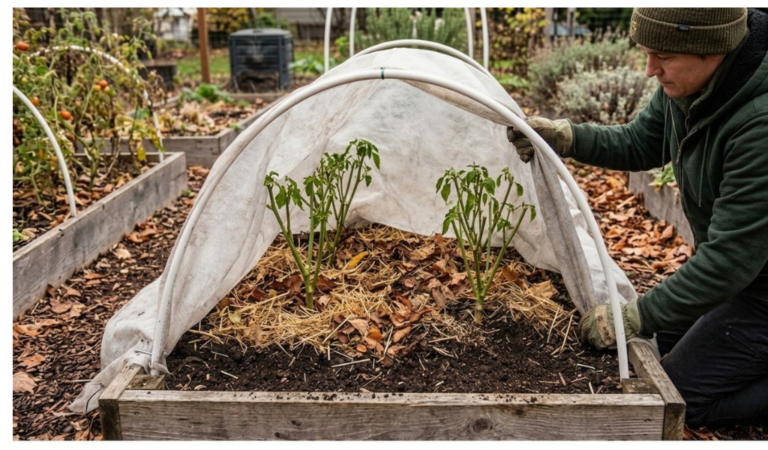
The last frost date is the most critical date in any pepper gardener’s calendar. Peppers are frost-sensitive plants. Even a light frost can damage or kill young pepper plants, wiping out weeks of careful seed starting. Before you plant peppers outside, you need to be confident that the chance of frost has passed for the season.
You can look up your average last frost date using tools like the Old Farmer’s Almanac or your local extension service. Most gardeners add a buffer of one to two weeks past the expected last frost date before transplanting, just to be safe. A late frost can sneak in even after what feels like warm spring weather, so patience here genuinely pays off.
What Is the Best Month to Plant Peppers?
For most gardeners across the United States, the best time to plant peppers outdoors (as transplants) falls between late April and early June. That said, the exact best month to plant peppers shifts depending on where you live.
Best Months by Climate Zone
USDA Hardiness Zones 9 to 11 (Southern California, Florida, Texas Gulf Coast)
Gardeners in warm southern climates can plant peppers outdoors as early as February or March. The last frost date in these regions often falls in January or even earlier, giving peppers a long, warm growing season to work with. In the hottest parts of Zone 10 and 11, gardeners sometimes grow peppers through fall and winter instead of summer, avoiding the brutal heat of July and August.
USDA Hardiness Zones 7 to 8 (Mid-Atlantic, Pacific Northwest, Carolinas)
In these moderate climates, late March through April is typically the sweet spot for transplanting peppers outdoors. Last frost dates usually land between late February and early April depending on the specific location.
USDA Hardiness Zones 5 to 6 (Midwest, New England, Mid-South)
Most gardeners in these zones should wait until mid-May to plant peppers outside. Last frost dates range from late April to mid-May, and a single cold night can still catch you off guard. Starting pepper seeds indoors in late February or early March gives plants enough lead time to be ready for outdoor transplanting once the danger of frost is truly gone.
USDA Hardiness Zones 3 to 4 (Northern Plains, Upper Midwest, Northern New England)
These are short-season climates with last frost dates that can stretch into late May or even early June. Gardeners here need to start pepper seeds indoors as early as January or February and be very deliberate about which pepper varieties they choose. Fast-maturing varieties like Jalapeno M or Gypsy pepper are far better suited to a shorter growing season than slow-maturing hot pepper varieties.
Spring vs. Summer Planting
Spring planting is almost always the better choice for peppers. Transplanting in late spring, once the last frost date has passed and soil has warmed, gives plants the full benefit of the long growing season ahead. Summer planting is generally too late in most of the country because fall frost comes before the peppers have time to mature.
The one exception is in southern climates (Zones 9 to 11), where a late summer or early fall planting works well to avoid the worst of the summer heat. In Phoenix, Arizona, or South Florida, a September planting can yield a productive fall and winter crop.
Signs It’s Time to Plant Peppers
Beyond just looking at the calendar, your garden itself will tell you when conditions are right to plant peppers. Learning to read those signs is one of the most useful skills any gardener can develop.
Ideal Soil Temperature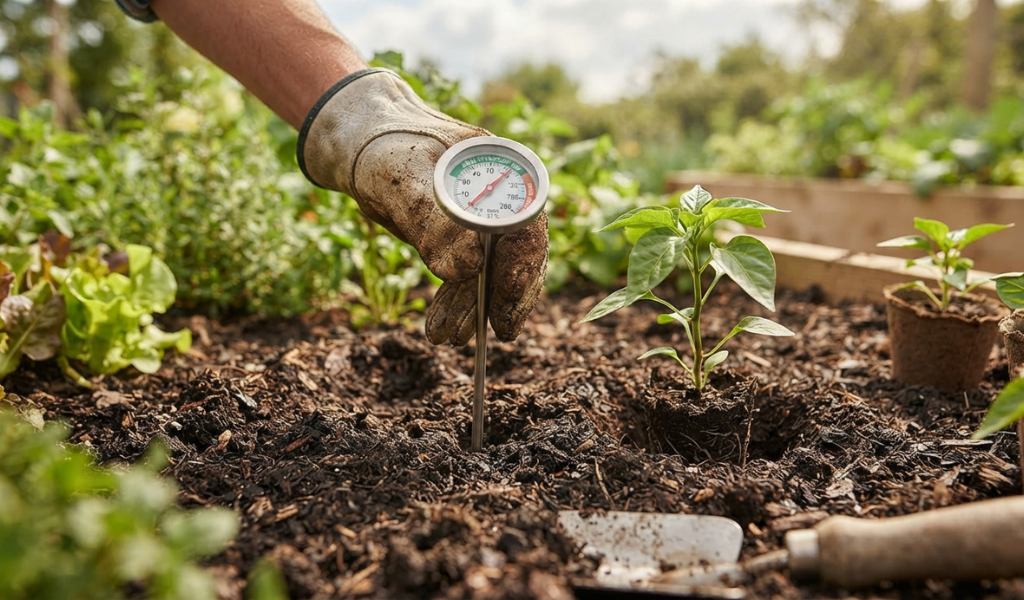
Before transplanting seedlings into the garden, stick a soil thermometer a few inches into the ground. You want to see a reading of at least 60°F (15°C), and ideally 65°F or above. Soil that is still cold from winter will slow your plants down regardless of how warm the air feels.
If the soil is not warm enough yet, you can speed things up by laying black plastic mulch or clear plastic sheeting over the bed for one to two weeks before planting. This traps heat from the sun and warms the soil faster than simply waiting.
Air Temperature Requirements
Check a two-week weather forecast before transplanting. You want nighttime temperatures to stay consistently above 55°F (13°C). If the forecast shows several nights dipping into the 40s, hold off a bit longer. Cold nights stress young pepper plants and can set back their development by weeks.
Daytime temperatures between 70°F and 85°F are ideal for newly transplanted seedlings. Avoid transplanting during a heat wave too, as extreme heat can shock tender seedlings that have recently come from a protected indoor environment.
Starting Peppers from Seeds
Growing peppers from seed gives you access to a much wider range of pepper varieties than what you’ll typically find at a garden center. From sweet bell to exotic spicy peppers, starting from seed opens up your options considerably.
When to Start Seeds Indoors
Pepper seeds need a long head start indoors, much longer than tomatoes. Plan to start pepper seeds indoors 8 to 10 weeks before your last expected frost date. For a gardener in Zone 6 with a last frost date of May 10, that means starting seeds indoors around late February or early March.
Use a quality seed starting mix, not regular potting soil. Fill small trays or cell packs, plant seeds about one-quarter inch deep, and water gently. Peppers germinate best at soil temperatures of 80°F to 85°F (27°C to 29°C). A seedling heat mat placed under the tray will significantly improve germination rates and speed up the process.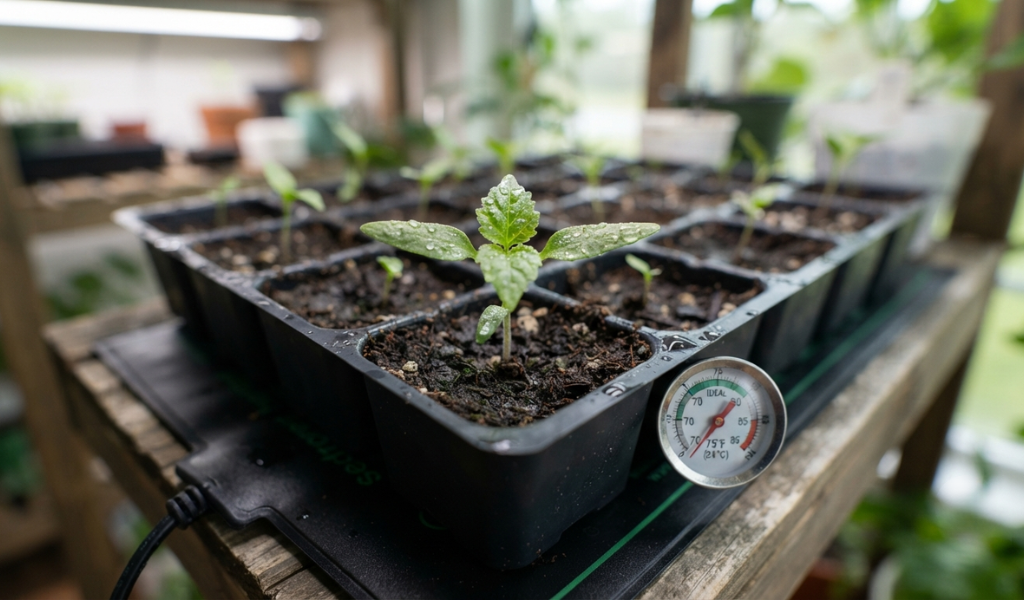
Without bottom heat, pepper seeds can take three to four weeks to germinate. With a heat mat, most varieties will sprout within 10 to 14 days.
When to Transplant Seedlings Outdoors
Young pepper plants are ready to move outside when they have at least four to six true leaves, have been hardened off, and all danger of frost has passed. Hardening off means gradually introducing seedlings to outdoor conditions over seven to ten days, starting with one to two hours of outdoor time in a sheltered spot and slowly increasing their exposure.
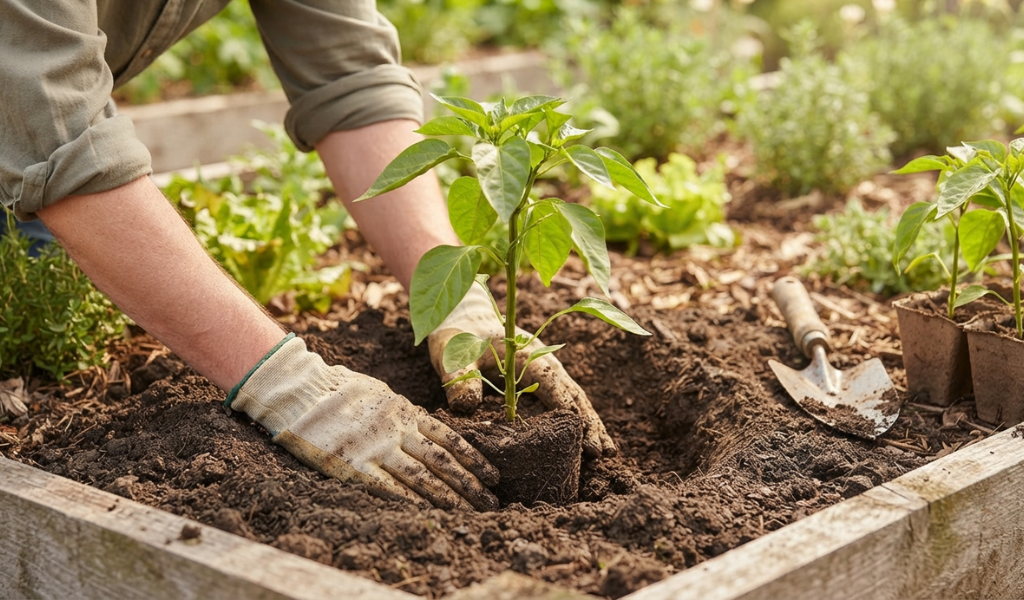
When transplanting, set each pepper plant at the same depth they were growing in their container. Unlike tomatoes, peppers don’t benefit from deep planting. Dig a hole large enough for the root ball, place the seedling in, and firm the soil around each pepper plant gently. Water well after planting.
Spacing matters too. Bell peppers and most sweet pepper varieties do best with 18 to 24 inches of space between plants. Hot pepper plants like jalapeños and chili peppers can be spaced a little closer at 14 to 18 inches. Good spacing allows airflow, which reduces the risk of fungal disease and helps peppers thrive throughout the season.
Tips for a Successful Pepper Harvest
Once your plants are in the ground, the work shifts to consistent care. Peppers are not especially fussy, but a few key practices make a big difference in how much fruit you get.
Watering and Fertilizing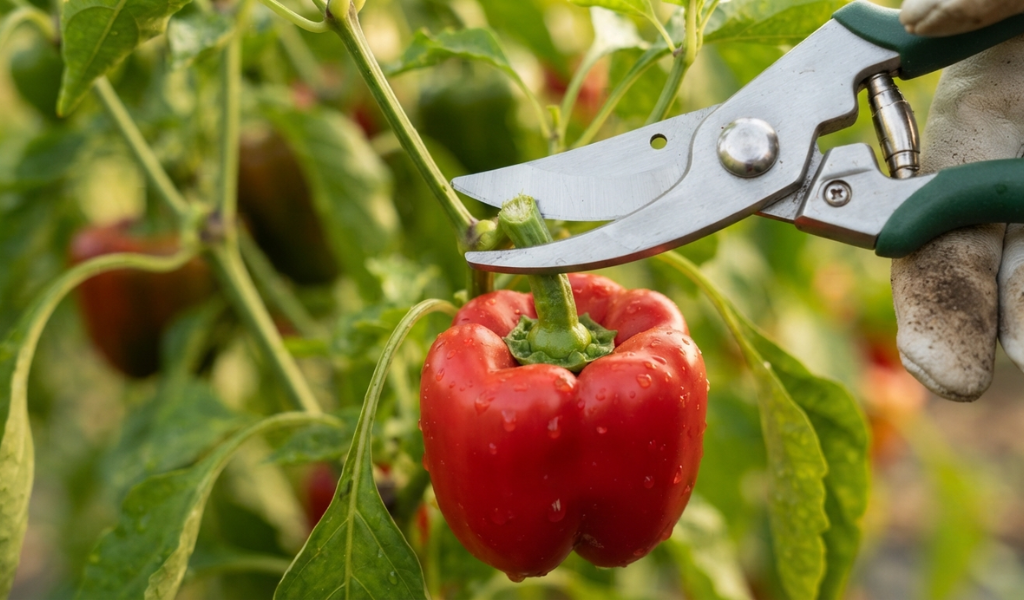
Peppers need steady moisture, especially once they start flowering and setting fruit. Peppers should be watered deeply once or twice a week rather than with light, frequent watering. Inconsistent watering is one of the main causes of blossom end rot, a condition where the bottom of the pepper turns dark and leathery.
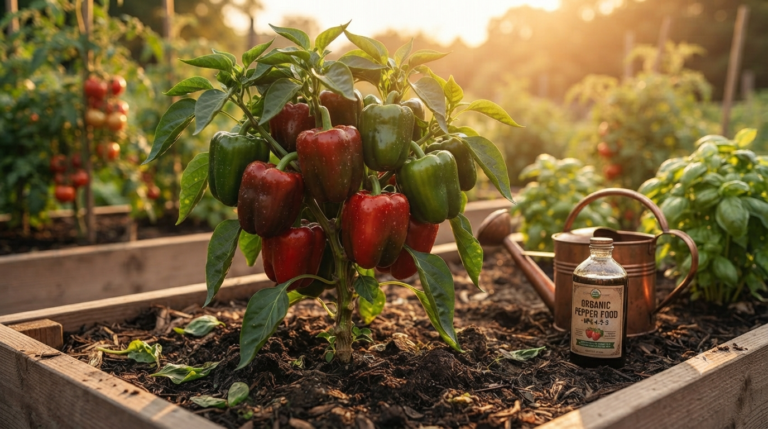
When it comes to fertilizer, start with a balanced fertilizer (like a 10-10-10) at planting time. Once plants begin flowering, switch to a fertilizer that is lower in nitrogen and higher in phosphorus and potassium. Too much nitrogen after flowering encourages leafy growth at the expense of fruit production.
Adding compost to the soil before planting gives plants a strong nutritional foundation. Working two to three inches of compost into your garden bed improves both soil structure and fertility, helping peppers grow vigorously right from transplanting.
Mulching and Pest Control
Laying two to three inches of mulch around each pepper plant serves several important purposes. Mulch keeps soil moisture more consistent, reduces weed competition, and moderates soil temperature during summer heat spikes. Straw, wood chips, or shredded leaves all work well.
Common pests to watch for include aphids, spider mites, and pepper weevils. Check the undersides of leaves regularly. A strong blast of water from a garden hose handles minor aphid infestations quickly. For more persistent problems, neem oil spray is a reliable organic option that won’t harm beneficial insects when applied in the early morning or evening.
Be careful when handling hot peppers during harvest. The capsaicin in spicy peppers can irritate skin and eyes. Wearing gloves when picking chili peppers or other spicy varieties is a simple precaution that most gardeners learn to appreciate after their first accidental eye rub.
Final Thoughts on Growing Peppers
Getting the timing right is the foundation of a successful pepper harvest. For most home gardeners, that means starting pepper seeds indoors in late February or early March, then transplanting seedlings into the garden from late April through early June, depending on your climate and last frost date.
Pair good timing with warm soil, consistent watering, and a spot that gets full sun for at least six to eight hours a day, and peppers will reward you with a generous harvest. Whether you grow sweet bell peppers, mild banana peppers, or fiery chili peppers, the growing fundamentals remain the same.
Start with the right planting window, and everything else gets easier.
Frequently Asked Questions
What is the best month to plant peppers?
For most of the United States, May is the best month to transplant pepper seedlings outdoors. Gardeners in warmer southern states (Zones 9 to 11) can plant as early as February or March, while those in cooler northern zones (5 to 6) should wait until mid-to-late May to avoid frost risk.
Do peppers grow better in pots or in the ground?
Peppers grow well in both pots and in the ground, but in-ground planting generally produces more vigorous plants with higher yields. That said, container growing is a great option for gardeners with limited space or poor native soil. Use a pot that is at least 12 to 14 inches deep and wide, and choose a compact or medium-sized pepper variety for best results.
What is the trick to growing peppers?
The biggest factor is warmth. Peppers need warm soil (above 60°F), warm air temperatures, and full sun. Starting seeds indoors early enough, hardening off seedlings before transplanting, and avoiding cold soil are the three most impactful things any gardener can do. Consistent watering and switching to a low-nitrogen fertilizer once flowering begins also make a noticeable difference.
How many bell pepper plants should I plant together?
For a typical home garden, three to five bell pepper plants is enough to provide a steady supply for a family of four. Space each plant 18 to 24 inches apart. Bell peppers do not need to be planted in clusters to pollinate, as a single plant can pollinate itself, but growing several plants close together can actually improve yield due to increased pollinator activity.
Can I grow peppers in containers?
Yes. Peppers are one of the better vegetables for container growing. Choose varieties labeled as compact or dwarf for the easiest results, though standard varieties also do fine in large enough containers. Use a high-quality potting mix, ensure the container has good drainage, and be prepared to water more frequently than in-ground plants, as containers dry out faster.
When is it too late to plant peppers?
If you transplant peppers outdoors after mid-June in most northern and central U.S. climates, you risk running out of growing season before your peppers mature. The plants need 70 to 90 or more frost-free days to produce a full harvest. If you miss the spring window, focus on fast-maturing varieties like jalapeños or mini bell peppers, which can still produce a decent crop from a later planting.