San Marzano Tomato Growing Tips: The Ultimate Guide to Growing and Harvesting
San Marzano Tomato Growing Tips: A Complete Beginner’s Guide
If you have ever tasted a rich, homemade tomato sauce and wondered why it had that deep, sweet flavor, chances are it was made with San Marzano tomatoes. These prized plum tomatoes from southern Italy have earned a reputation among home cooks and professional chefs alike, and more gardeners are now trying to grow them at home. Learning the right San Marzano tomato growing tips can mean the difference between a handful of bland fruit and baskets of rich, meaty tomatoes perfect for sauce.
Growing San Marzano tomatoes is not much harder than growing any other tomato variety, but a few specific care details make a big difference in flavor and yield. This guide walks you through everything from choosing seeds to harvesting ripe San Marzano tomatoes, so even a first-time gardener can grow a thriving san marzano plant this season.
What Are San Marzano Tomatoes?
San Marzano tomatoes are a variety of plum tomato originally grown in the volcanic soil near Mount Vesuvius, in the town of San Marzano sul Sarno in southern Italy. This region gives the tomato its distinct sweetness and low acidity, which is why true San Marzanos carry a Protected Designation of Origin (PDO) label when grown and canned in that specific area.
While the “true” San Marzano can technically only come from Italy, seeds sold under this name are widely available to home gardeners everywhere. Growing San Marzano tomatoes outside of Italy will not produce a PDO-certified fruit, but you can still get a tomato that is remarkably close in flavor and texture, especially when grown in similar warm, sunny conditions.
San Marzano Tomato Characteristics
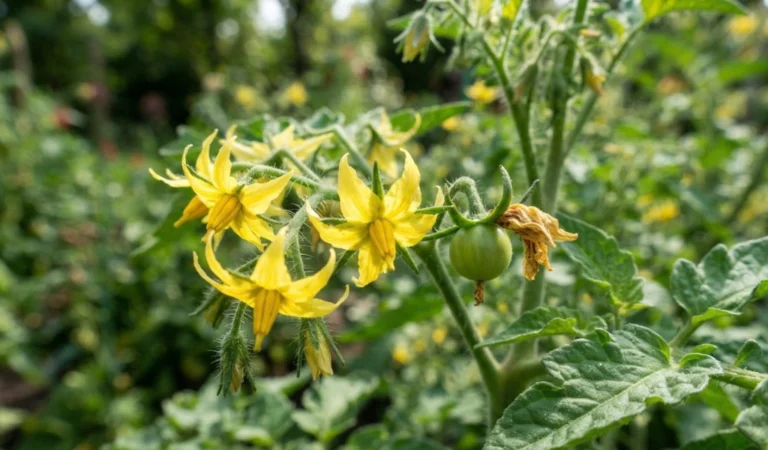
San Marzano tomato plants are indeterminate, meaning the vine keeps growing and producing fruit throughout the entire growing season until frost kills the plant. This is different from determinate varieties that produce one big flush of fruit and then stop.
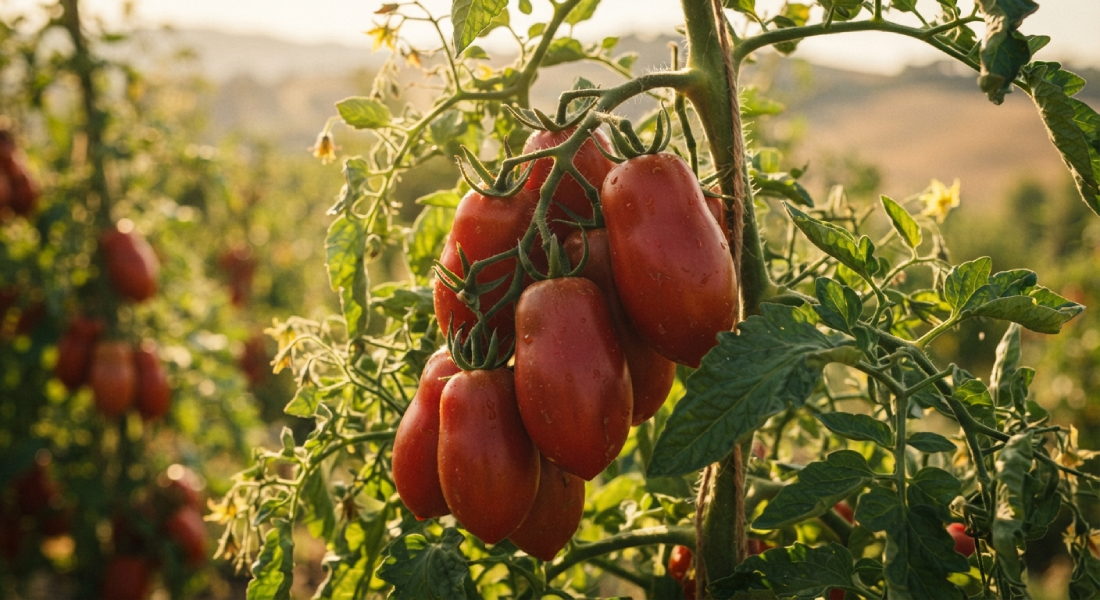
The fruit itself is long and narrow, usually two to three inches, with a pointed end and thick walls. San Marzanos have fewer seeds than a typical slicing tomato and a meatier flesh, which is exactly what makes them so popular for cooking down into tomato paste and canned tomatoes. The plant grows in clusters of six to eight tomatoes per stem, and a healthy vine can produce a heavy harvest over several months.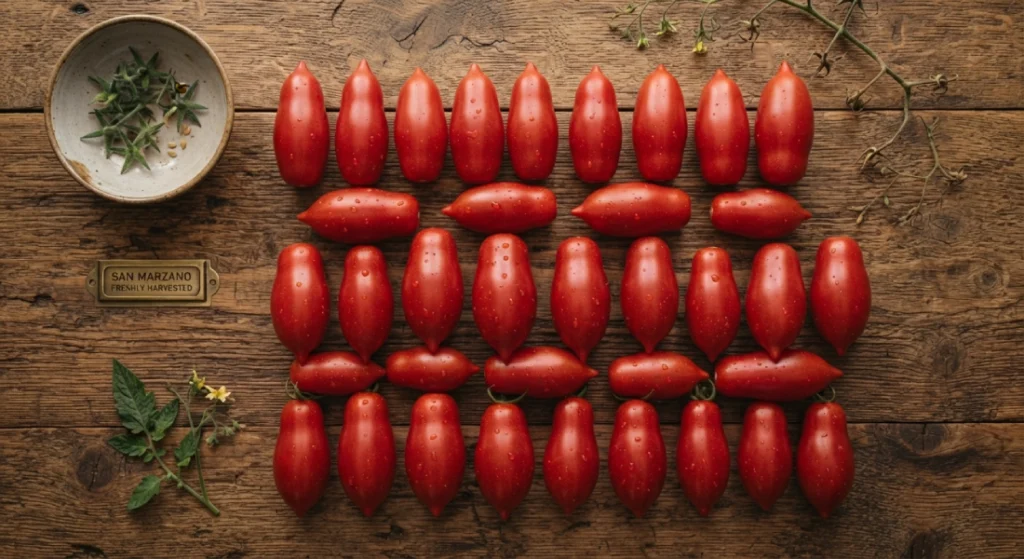
How San Marzano Differs From Other Tomato Varieties
Many people confuse San Marzano tomatoes with Roma tomatoes since both are paste tomatoes used for sauce. However, San Marzanos have thinner skin, fewer seeds, and a sweeter, less acidic flavor than Roma tomatoes. This makes San Marzanos better suited for a smooth tomato sauce with a rounder, less tangy taste.
There are also different types of San Marzano seeds sold today, including the San Marzano Lungo and San Marzano Nano varieties. The Nano type is a more compact, bushier plant that works well for gardeners with limited space or those who want to grow San Marzano tomatoes in pots.
Choosing the Right San Marzano Seeds or Seedlings
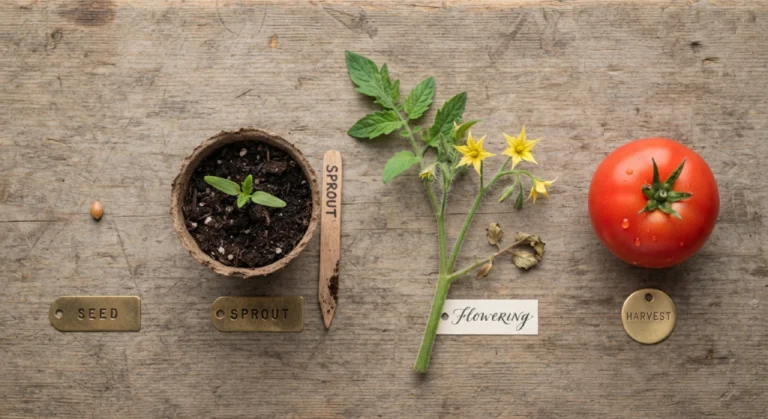
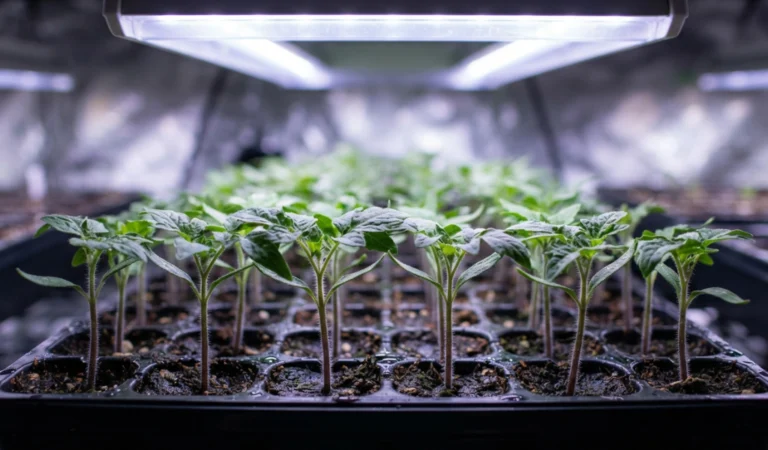
Before you plant, decide whether you want to start seeds indoors or buy San Marzano seedlings from a nursery. Starting tomatoes from seed gives you more variety options and is more affordable, but it does require patience. Start seeds indoors about six to eight weeks before your last frost date, using a seed-starting mix and a warm, sunny windowsill or grow light.
Look for seed packets labeled specifically as San Marzano, San Marzano Lungo, or San Marzano Nano depending on your space and goals. If you are buying seedlings instead, choose plants with sturdy stems, dark green true leaves, and no yellowing or spots, which can be an early sign of plant diseases.
For gardeners who want a head start without the hassle of seed starting, local nurseries often carry San Marzano seedlings in spring. Just be sure to check the tag carefully, since some sellers mislabel Roma tomatoes as San Marzano due to their similar appearance.
How to Plant San Marzano Tomatoes
Getting the planting process right sets the stage for a healthy San Marzano plant all season long. This includes choosing the right time, the correct depth, and enough space between plants.
Best Time to Plant San Marzano Tomatoes
San Marzano tomatoes are warm-season plants that cannot tolerate frost. Wait until all danger of frost has passed and nighttime temperatures stay consistently above 50°F before transplanting seedlings outdoors. In most regions of the United States, this falls sometime in late April through May, though gardeners in warmer climates can plant earlier.
If you started seeds indoors, harden off your seedlings for about a week before transplanting. This means gradually exposing them to outdoor conditions for a few hours each day so they can adjust to sun, wind, and temperature changes without going into shock.
Planting Depth and Spacing
One of the best tomato growing tips for any variety, including San Marzano, is to plant deep. Tomato stems can grow roots along their entire length, so bury two-thirds of the stem when transplanting. Some gardeners trench and bury the plant sideways in a shallow trench rather than a deep hole, which works especially well in areas with poor topsoil, since it places the roots in warmer, richer soil closer to the surface.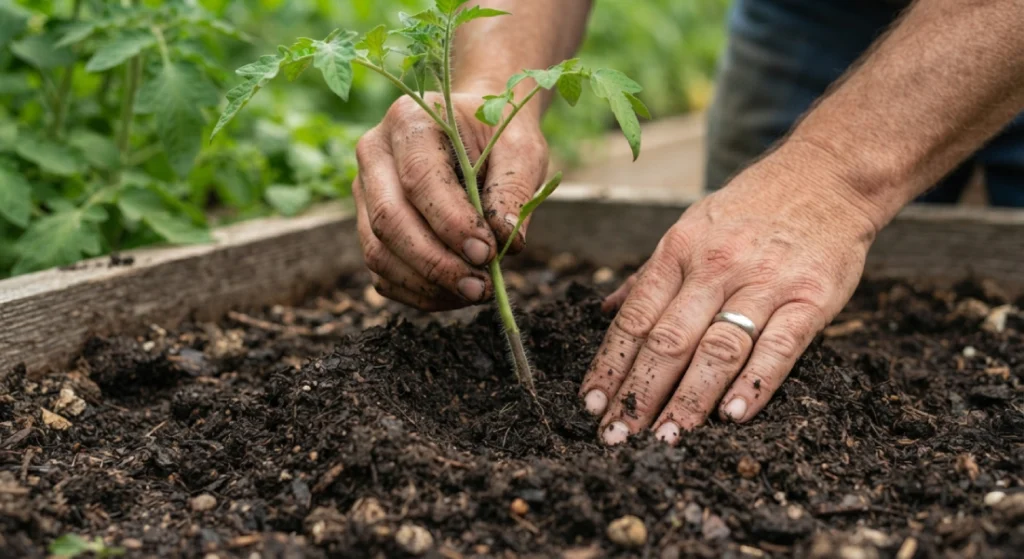
Space San Marzano tomato plants about 24 to 36 inches apart in rows spaced 3 to 4 feet apart. This spacing gives the plant’s root system enough room to spread and allows good airflow between plants, which helps prevent fungal plant diseases later in the season.
If you’re growing San Marzano tomatoes in containers, choose a pot at least 15 to 20 gallons in size with good drainage. Compact varieties like San Marzano Nano perform better in pots than the taller San Marzano Lungo, which needs more vertical space to grow.
Soil and Sunlight Requirements
San Marzano tomatoes thrive in the same growing conditions that most tomato varieties need: full sun and rich, well-draining soil. Aim for at least six to eight hours of direct sunlight per day. Less sunlight means fewer flowers, smaller fruit, and a weaker plant overall.
The ideal soil pH for San Marzano tomato care falls between 6.2 and 6.8, slightly acidic to neutral. Work compost or well-rotted manure into your garden bed before planting to improve soil structure and add organic nutrients. Raised beds work particularly well for tomatoes because they warm up faster in spring and drain more efficiently than compacted ground soil.
If your native soil is heavy clay or very sandy, consider amending it with compost each season or growing your San Marzano tomato plants in raised beds or large containers filled with a quality potting mix instead.
Watering and Fertilizing San Marzano Plants
Consistent watering is one of the most important San Marzano tomato growing tips, since irregular watering is the leading cause of blossom end rot, a common problem where the bottom of the fruit turns black and mushy.
Tomatoes generally need about 1 to 2 inches of water per week, more during hot, dry stretches of the growing season. Water deeply and less frequently rather than giving your plants a light sprinkle every day. This encourages roots to grow deeper into the soil, which makes the plant more resilient during heat waves. Watering at the base of the plant instead of overhead also helps prevent fungal diseases from splashing onto the leaves.
When it comes to fertilizer, avoid feeding your San Marzano plant too much nitrogen early on. High nitrogen levels push the plant to grow lush green foliage at the expense of flowers and fruit. Instead, use a balanced fertilizer at planting time, then switch to a water-soluble fertilizer for tomatoes grown in the ground or in containers once the first flowers appear, choosing a formula higher in phosphorus and potassium to support fruit development.
Mulching around the base of your tomato plants with straw or shredded leaves also helps retain soil moisture, regulate soil temperature, and reduce weeds competing for nutrients.
Supporting and Pruning Tomato Plants
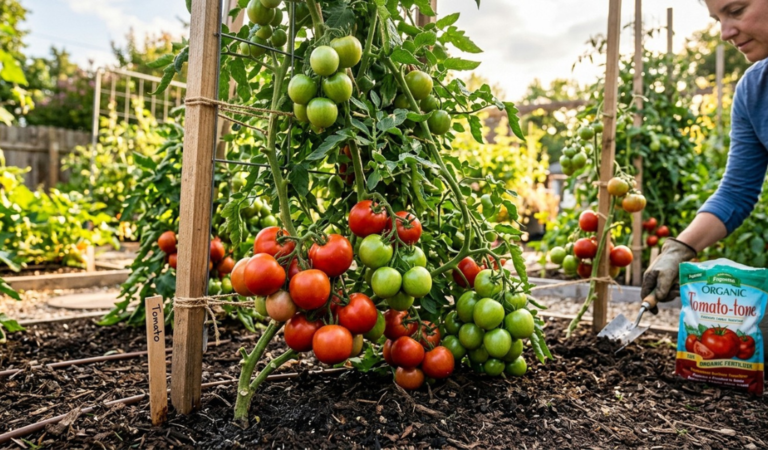
Because San Marzano tomato plants are indeterminate and can grow quite tall, usually 4 to 6 feet or more, they need sturdy support. A tall tomato cage, stake, or trellis system helps keep the heavy vines and fruit clusters off the ground, which reduces the risk of rot and makes harvesting easier.
Install your support system at planting time rather than waiting until the plant is established, since driving a stake into the ground later can damage the root system.
Pruning is another important part of San Marzano tomato care. Regularly remove the small suckers that grow in the joint between the main stem and side branches. Left alone, these suckers turn into additional stems that compete with the main plant for energy, resulting in more foliage but smaller, less flavorful fruit.
Also remove any yellowing lower leaves throughout the season to improve airflow and reduce the risk of soil-borne diseases splashing onto the plant. 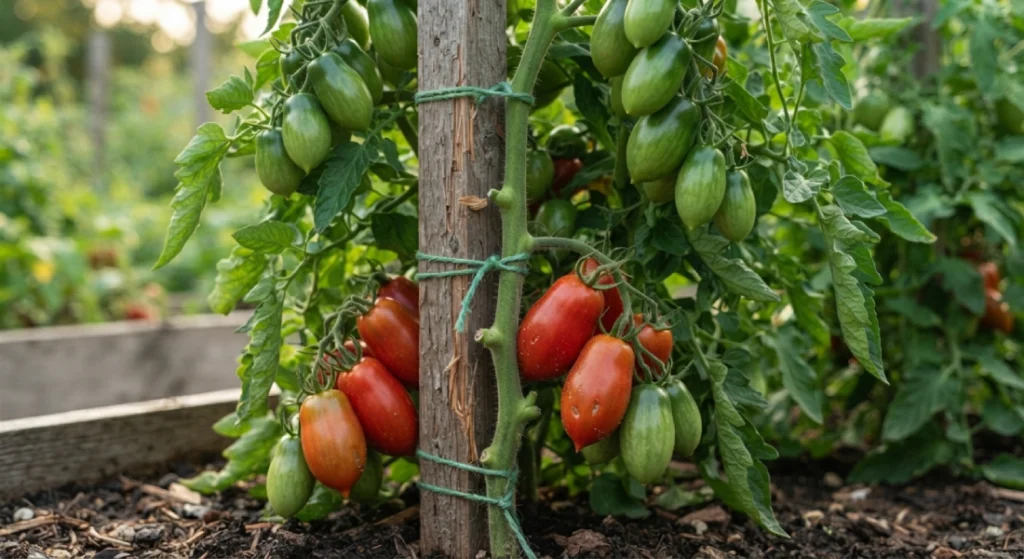 Just avoid over-pruning, since the plant still needs enough leaves to photosynthesize and support fruit production.
Common Growing Problems
Even experienced gardeners run into a few bumps when growing San Marzano tomatoes. Knowing what to watch for helps you catch problems early before they affect your entire harvest.
Blossom end rot is one of the most common issues, appearing as a dark, sunken spot on the bottom of the fruit. It’s usually caused by inconsistent watering rather than a true calcium deficiency in the soil, so the fix is simple: keep your watering schedule steady.
Cracking happens when tomatoes take in water too quickly after a dry spell, causing the skin to split. Consistent watering practices help prevent this too.
Fungal diseases like early blight and septoria leaf spot show up as dark spots on the lower leaves, which then yellow and drop. Improve airflow through proper spacing and pruning, water at the soil level instead of overhead, and remove infected leaves promptly to slow the spread.
Pests such as tomato hornworms, aphids, and whiteflies can also target San Marzano tomato plants. Regularly inspect the undersides of leaves and hand-pick larger pests like hornworms, or use insecticidal soap for smaller infestations.
When and How to Harvest San Marzano Tomatoes
San Marzano tomatoes typically take 80 to 90 days from transplanting to reach full maturity, though this can vary slightly depending on your climate and growing conditions. You’ll know your tomatoes are close to ripening when they turn from green to a deep, rich red color.
Ripe San Marzano tomatoes should feel slightly firm but yield gently to pressure, similar to a ripe plum. Avoid waiting too long to pick, since overripe fruit left on the vine is more likely to split or attract pests. Harvest in the morning when temperatures are cooler for the best flavor and texture.
Because San Marzano plants produce fruit continuously throughout the growing season, expect to harvest every few days rather than all at once. This staggered harvest is actually convenient for home cooks, since you can pick just enough fresh San Marzanos for a quick pasta dish, or wait for a bigger batch to make a large pot of tomato sauce or canned tomatoes for the winter.
If frost is approaching and you still have unripe fruit on the vine, pick the mature green tomatoes and let them ripen indoors on a sunny windowsill rather than losing them to the cold.
Final Thoughts
Growing San Marzano tomatoes rewards patience with some of the richest, most flavorful fruit you can put in a homemade tomato sauce. From choosing quality San Marzano seeds to giving your plants consistent water, full sun, and proper support, each step plays a part in the final flavor of your harvest. Whether you’re growing San Marzano tomato plants in a backyard garden bed or in pots on a sunny patio, following these tomato growing tips will set you up for a rewarding growing season.
Start small if this is your first time, maybe with just two or three plants, so you can get comfortable with watering and pruning before scaling up next year. Once you taste a sauce made from your own home-grown San Marzanos, it’s hard to go back to store-bought canned tomatoes.
Frequently Asked Questions
How long does it take to grow San Marzano tomatoes from seed?
It typically takes 80 to 90 days from transplanting for San Marzano tomatoes to reach maturity, plus another 6 to 8 weeks if you’re starting seeds indoors before that. In total, expect around 4 to 5 months from seed to harvest.
Can you grow San Marzano tomatoes in containers?
Yes, San Marzano tomatoes can be grown in containers, especially compact varieties like San Marzano Nano. Use a pot that holds at least 15 to 20 gallons of soil and make sure it has good drainage.
Why are my San Marzano tomatoes not turning red?
Slow ripening is often caused by cool temperatures, too much nitrogen fertilizer, or insufficient sunlight. Make sure your plants get at least six hours of full sun daily and avoid overfeeding with high-nitrogen fertilizer.
What is the difference between San Marzano and Roma tomatoes?
San Marzano tomatoes have thinner skin, fewer seeds, and a sweeter, less acidic flavor compared to Roma tomatoes. This makes San Marzanos the preferred choice for many gardeners and chefs when making tomato sauce or tomato paste.
Do San Marzano tomato plants need a lot of water?
San Marzano plants need about 1 to 2 inches of water per week, delivered consistently rather than in occasional heavy soakings. Consistent watering also helps prevent problems like blossom end rot and fruit cracking.
Are San Marzano tomatoes determinate or indeterminate?
San Marzano tomato plants are indeterminate, meaning they continue growing and producing fruit throughout the entire growing season until the first frost. This means they need sturdy support like a tall cage or stake.
What can I make with San Marzano tomatoes besides sauce?
While San Marzanos are best known for tomato sauce and canned tomatoes, they also work well in tomato paste, soups, stews, and roasted tomato dishes. Their meaty texture and low seed count make them versatile in the kitchen.